

Daily Biotin
(0 Results)
Discover the potential benefits of incorporating Daily Biotin into your wellness routine. This essential B-vitamin might play a crucial role in supporting healthy hair, skin, and nails, making it a popular choice for those looking to enhance their beauty regimen naturally. Additionally, biotin could assist in maintaining a healthy metabolism by aiding in the conversion of food into energy. Whether you're aiming to bolster your daily nutrition or seeking support for your beauty goals, Daily Biotin supplements might be an ideal addition to your lifestyle. Explore our selection and find the right option that aligns with your health objectives today.
-
 $24.99
 -
 44$44.99
 -

-
-

-

-
-

-

-
-

-
 Angry Supplements$24.99

Daily biotin supplements center on biotin, also known as vitamin B7, a water-soluble vitamin found in foods such as cooked eggs, salmon, sunflower seeds, and sweet potatoes. The category includes biotin-focused formulas and blends that pair biotin with other nutrients, often presented within hair, skin, and nail supplement collections. That association describes a common shopping interest, not an expected result from every formula. For adults age 19 and older, the National Institutes of Health lists an adequate intake of 30 micrograms, written as mcg, per day. The reference amount is also 30 mcg during pregnancy and 35 mcg during nursing. These figures describe daily nutritional intake from all sources; they are not suggested supplement amounts or a reason to choose the highest number on a bottle. Most people get enough biotin through a varied diet, and supplemental amounts can be much larger than the nutritional reference amount. This distinction helps put daily biotin labels in context: the amount printed prominently on the front is only one part of the comparison. Serving size, ingredient composition, and intended use provide the rest of the picture. A bottle containing a single nutrient serves a different shopping preference from a formula combining biotin with several vitamins or minerals, even when both belong to the same category. Likewise, a product labeled for daily use does not necessarily contain just one day's reference intake. Daily describes its labeled usage pattern rather than a universal nutritional requirement. For someone browsing alongside an existing multivitamin, the important distinction is whether biotin already appears among that product's ingredients. A familiar nutrient can appear in several places in a supplement routine, and comparing those labels provides a clearer understanding of what each formula contains. Daily biotin is therefore best understood as a group of supplement choices with different formats and compositions, rather than one standardized formula suited to every adult.
Format is one of the most noticeable differences among daily biotin supplements. Capsules, tablets, softgels, gummies, chewables, and liquids each bring their own considerations, from physical size and texture to serving measurements and ingredient preferences. Someone who prefers a straightforward capsule may focus on the shell material and the number of capsules listed per serving. Another shopper may favor a chewable format and spend more time comparing flavor, sweetness, and texture. Gummies can contain sugars, sweeteners, pectin, or gelatin, while capsule shells can also differ in their plant-derived or animal-derived materials. Those details matter to shoppers with particular dietary preferences, and the Other Ingredients section often provides information that the front label does not. Liquid formulas introduce another distinction: the labeled amount of biotin corresponds to a measured portion, so the serving volume and measuring device deserve attention alongside the nutrient amount. Across formats, one piece, capsule, or dropper portion should not automatically be treated as one serving without checking the package. A clearly labeled serving size makes comparisons more meaningful, especially when two containers show similar numbers but use different serving quantities. Units deserve the same close reading. One milligram, abbreviated mg, equals 1,000 micrograms, so amounts expressed in different units can look more different than they actually are. Beyond biotin itself, combination formulas may include other vitamins, minerals, or botanical ingredients. A longer ingredient list describes a different composition, not necessarily a better match for a shopper's preferences. Readers comparing formats and formula styles can also explore Best Biotin Supplements for a related view of the category. The most useful comparison stays grounded in the label: what is included, how much appears per serving, what materials form the capsule or chewable, and which audience the product is intended for. These concrete details distinguish daily biotin options more clearly than broad beauty language or an especially prominent number.
The fit of a daily biotin supplement also depends on the practical details of an ordinary routine. At a breakfast table, a person comparing two bottles might notice that one lists a single capsule per serving while another lists two gummies. For someone organizing a work bag, container size, closure design, and legible directions may be more relevant than decorative packaging. These are everyday usability differences, not signs that one format may deliver a better nutritional outcome. The original package provides a place for serving directions, ingredient information, expiration dating, and storage requirements, all of which remain relevant after the initial purchase. Keeping the label readable and following the stated storage directions may help preserve product quality throughout its intended shelf life. Durability in this category is less about a supplement lasting indefinitely and more about packaging that remains intact, a closure that functions as intended, and a clearly marked period for use. Household storage instructions also matter when children share the space, particularly with formats that resemble ordinary candy. Intended audience is another useful boundary: an adult formula is labeled for adults, and a hair, skin, and nail description does not make it suitable for everyone interested in personal care. Product names and imagery also cannot establish whether a person needs additional biotin or whether supplementation may change hair or nail appearance. High amounts of supplemental biotin may interfere with certain laboratory tests, making biotin use relevant information for a healthcare professional interpreting results. That consideration is separate from whether a formula feels convenient or fits a dietary preference. For shoppers who enjoy researching personal-care purchases, daily biotin offers plenty of tangible details to compare without relying on dramatic before-and-after expectations. Flavor, capsule material, serving count, measured portion, and the presence of other nutrients all describe the actual product experience. A thoughtful comparison brings those details together with the nutritional background: biotin occurs naturally in a range of foods, adult reference intake is measured in micrograms, and supplemental formulas vary considerably. The result is a more grounded view of the category, centered on clear labeling, practical use, and individual preferences rather than the assumption that a larger amount or a more elaborate blend is inherently preferable.
Best Sellers
-
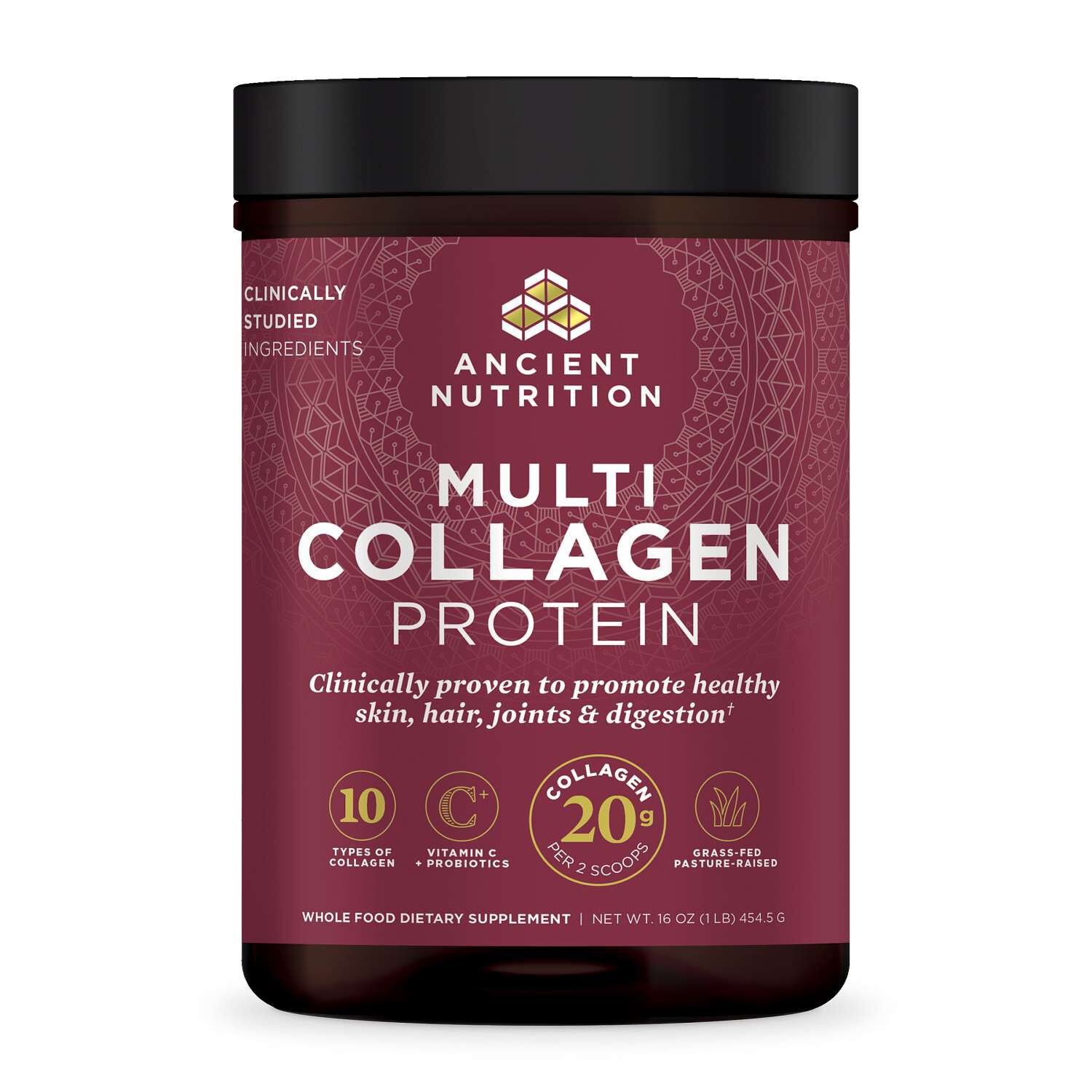 Ancient Nutrition
 -
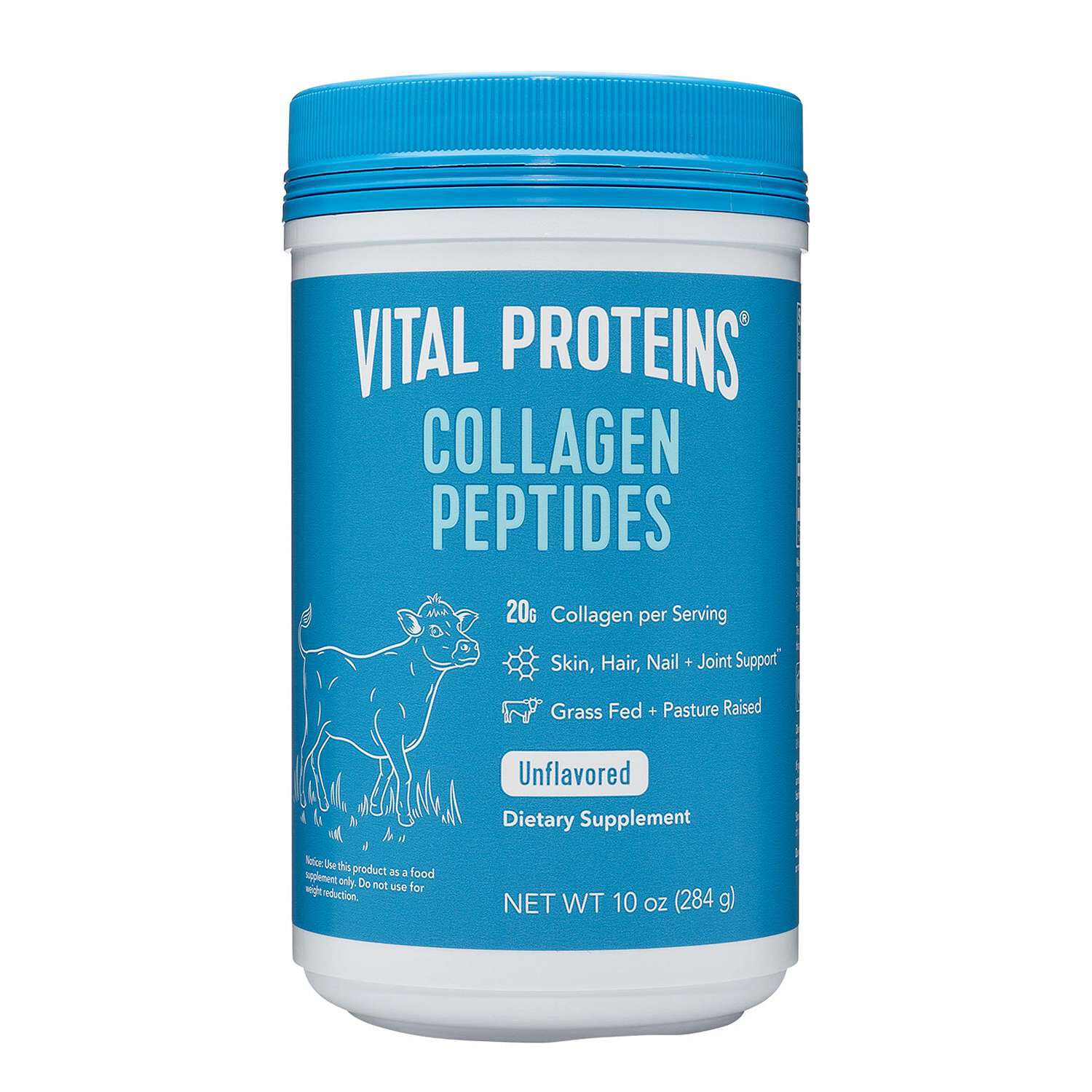 Vital Proteins