Daily Capsules
(0 Results)
Discover the potential benefits of incorporating daily capsules into your wellness routine. These convenient and easy-to-take supplements might support various aspects of your health, from boosting energy to promoting overall well-being. With a wide range of options available, daily capsules could be an excellent addition to your daily regimen, helping you to stay on track with your health goals. Explore our selection and find the perfect fit for your lifestyle needs.
-

-
-
-

-

-

-
-

-
 185$24.99
 -
-

-

-
-

-

-
-

-
-

-
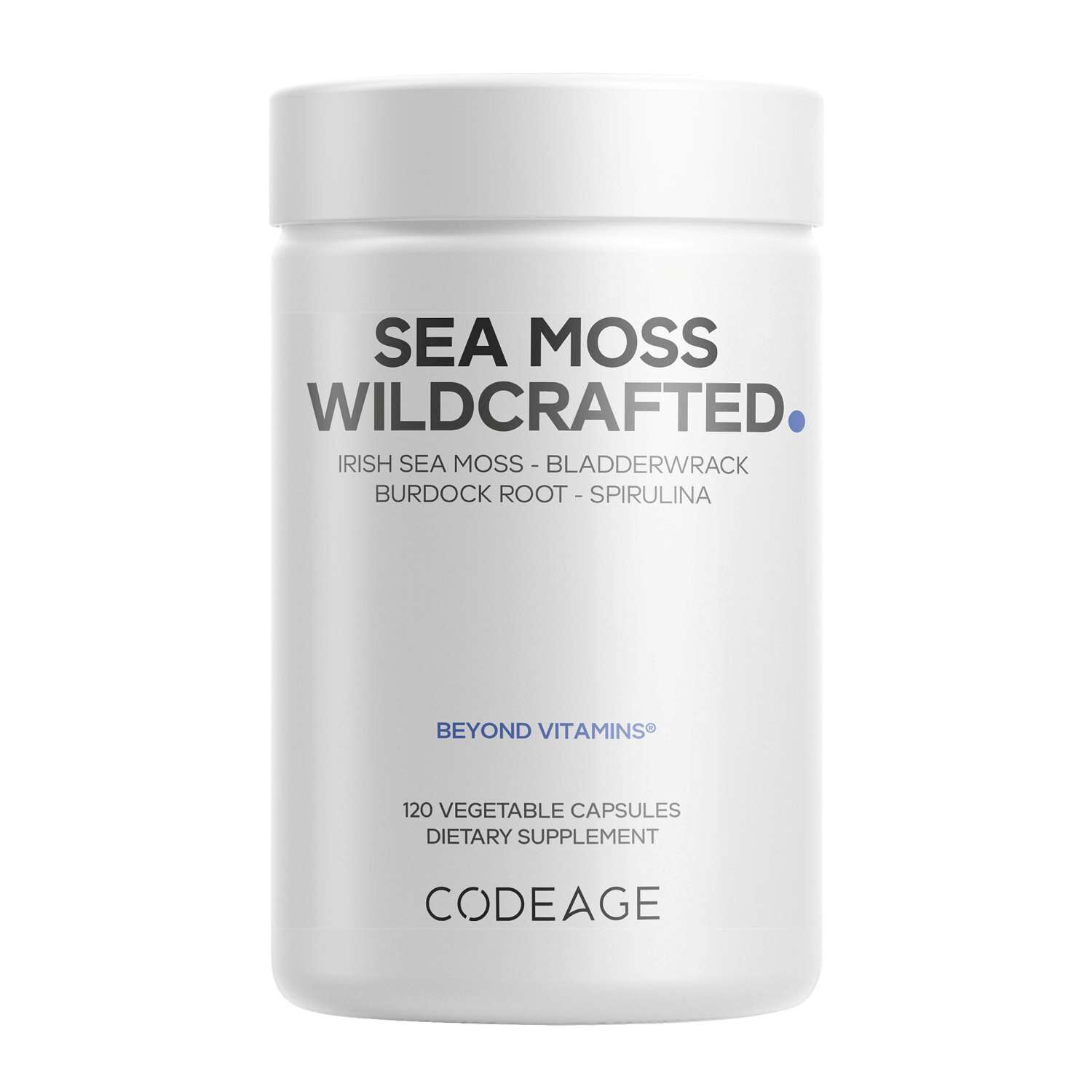

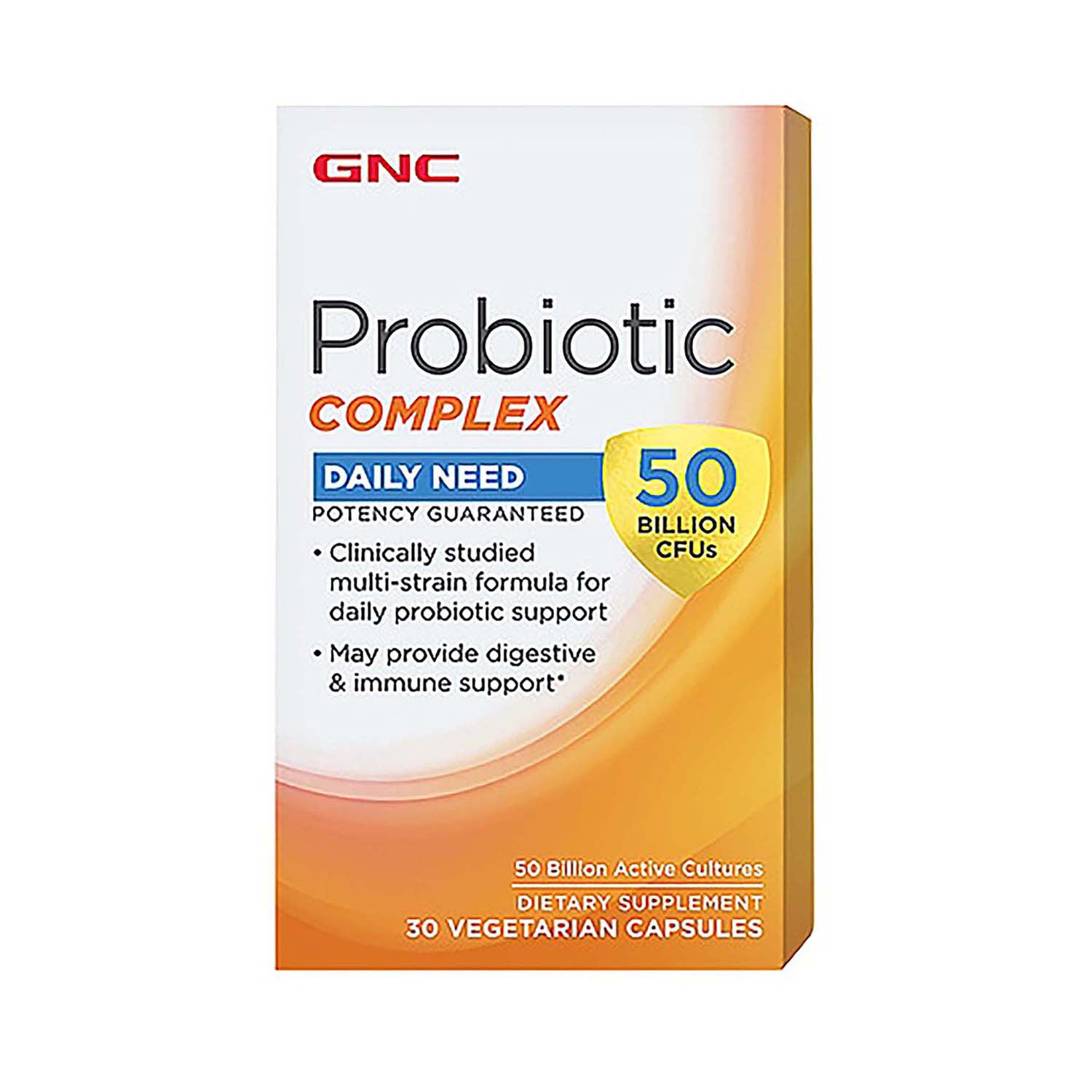


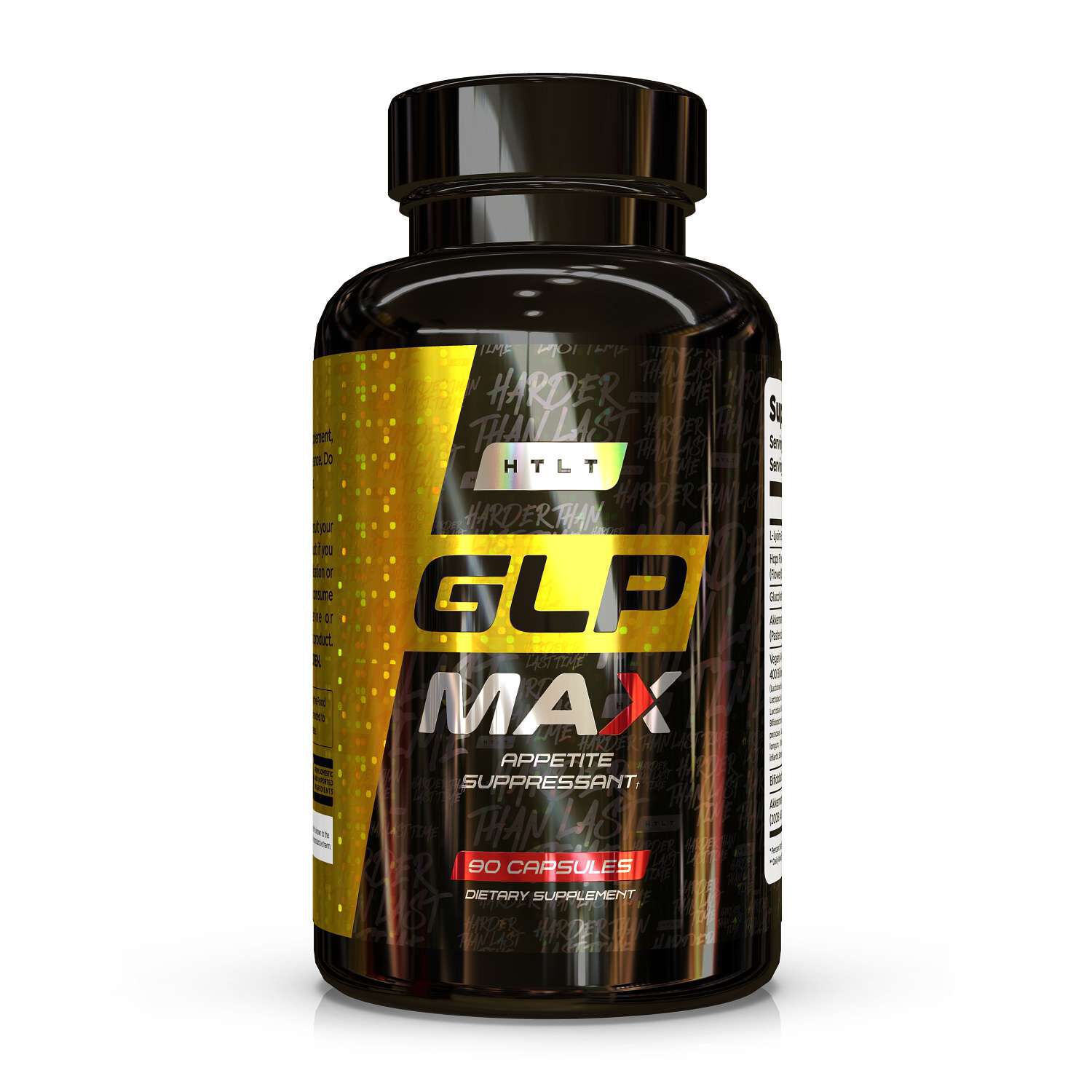
Daily capsules are dietary supplements packaged in a capsule shell for use according to the product’s labeled serving directions. The category includes multivitamin capsules, individual vitamins and minerals, botanical blends, probiotics, and other nutrient formulas intended for everyday routines. “Daily” describes the intended frequency of use, not necessarily the number of capsules in a serving: one formula may list a single capsule, while another may call for several capsules at different times. That distinction matters when comparing bottles that look similar on the shelf. Multivitamin formulas bring several vitamins and minerals together, while single-nutrient capsules offer a more focused ingredient profile. Other blends combine ingredients around a particular area of general wellness, although their contents and suggested use can differ considerably. Daily capsules may appeal to adults who prefer a measured serving without mixing a powder, measuring a liquid, or choosing a chewable format. They may also suit someone who wants an unflavored option, though capsule ingredients can have a noticeable scent or taste. For someone whose morning already includes packing lunch and filling a water bottle, a capsule format may fit into an established routine without adding preparation steps. Another shopper may place more importance on a short ingredient list, a plant-derived shell, or a serving schedule that matches the label’s directions and their usual day. These practical differences are often more useful than a broad description on the front of a bottle. The defining features of daily supplement capsules are what they contain, how the serving is measured, what the shell is made from, and how the formula is intended to be used. They are not interchangeable simply because they share the same format. Their role is supplemental rather than a replacement for varied meals, and the most relevant comparisons begin with the details of each formula rather than the capsule count alone.
Capsule construction is a useful starting point for understanding those differences. Many hard-shell capsules consist of two fitted pieces surrounding powdered ingredients or small granules. Common shell materials include gelatin and plant-derived cellulose, with the material usually identified in the other ingredients section of the label. Softgels have a different construction and commonly hold oils or other liquid ingredients, so a capsule and a softgel can feel quite different even when their intended use sounds similar. Shoppers who prefer a vegetarian or vegan format can look for an explicit designation rather than assuming every capsule meets that preference. A plant-derived shell does not, by itself, establish the source of everything inside it. The same close reading applies to food sensitivities and ingredient exclusions: the main ingredient panel, other ingredients, and any allergen statements each provide a different part of the picture. Other ingredients may serve a manufacturing purpose, such as helping powders move consistently during filling or maintaining the capsule’s structure. A shorter list is one possible preference, but the function and identity of the ingredients offer more context than length alone. The Supplement Facts panel shows serving size, amounts per serving, and percent Daily Value where established. Amounts may be listed in milligrams, micrograms, or other units, making direct comparisons more meaningful when both the units and serving sizes match. A bottle containing more capsules does not necessarily contain more servings. For example, a 60-capsule bottle with a two-capsule serving represents 30 servings, while a 30-capsule bottle with a one-capsule serving also represents 30 servings. Capsule dimensions deserve attention as well, since ingredient quantity and formula design can influence size. Photographs do not always communicate that clearly, so written size information can be useful when provided. Label transparency, ingredient sourcing details, and stated testing practices offer additional points of comparison without making every formula the same. For a closer look at this format within an adult-focused category, Capsules For Adults brings the browsing focus to that audience.
The everyday fit of daily capsules extends beyond their ingredients to their packaging, storage requirements, and serving schedule. A once-daily serving and a serving divided across the day create different practical considerations, especially for someone who moves between an early commute, a shared workspace, and evening plans. Directions about taking a formula with food also affect how it fits into that schedule; the word “daily” alone does not establish a universal time to use it. Product-specific directions and cautions remain important even when two bottles belong to the same category. Packaging can matter just as much in regular use. A clearly printed label, a closure that reseals securely, and an easy-to-locate date marking are tangible details that shoppers encounter long after the initial selection. Capsules are not designed to withstand every environment: heat, moisture, and direct sunlight can affect the shell or its contents, and some formulas have particular storage requirements. A bathroom shelf beside a steamy shower or a bag left in a parked car may not match the storage conditions stated on the bottle. The original container keeps the ingredient list, directions, lot information, and date marking together, while any included moisture-control packet serves a packaging purpose and is not part of a serving. Storage also needs to keep supplements out of reach of children. For travel, the relevant considerations include the length of the trip, access to suitable storage, and keeping the label information accessible rather than carrying unidentified capsules. During the cooler months, the same details apply whether the day involves a commute or time away from home. Daily capsules are often a personal selection because dietary preferences, preferred capsule size, and existing routines vary from one adult to another. That makes a recipient’s stated preferences especially relevant if supplements are being considered as a gift. Across this category, a thoughtful comparison connects the formula to the format: clearly identified ingredients, a suitable shell material, understandable serving directions, and packaging that suits its labeled care requirements. Together, those details provide a grounded way to distinguish daily capsules without treating every bottle as an equivalent choice.
Best Sellers
-
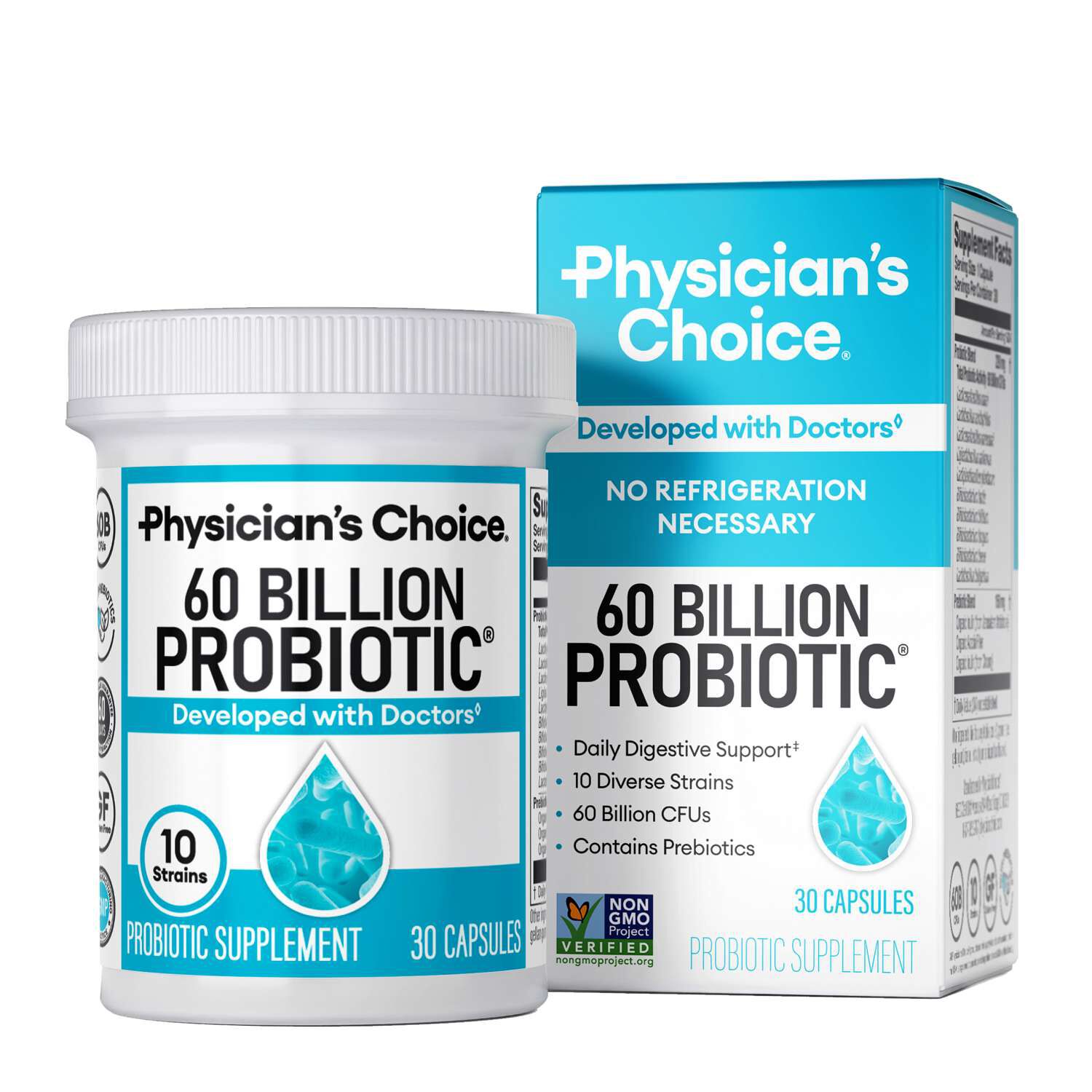 Physician's Choice