





Daily Vitamins For Busy Schedules
(0 Results)
Juggling work, family, and personal commitments can make it challenging to prioritize wellness. Daily vitamins for busy schedules may offer a convenient way to support your nutritional needs, even on the go. With options designed for simplicity and ease of use, finding time for self-care might fit seamlessly into your routine. Explore daily vitamins for busy schedules and discover how they could help you stay on track with your health goals, no matter how packed your calendar gets.
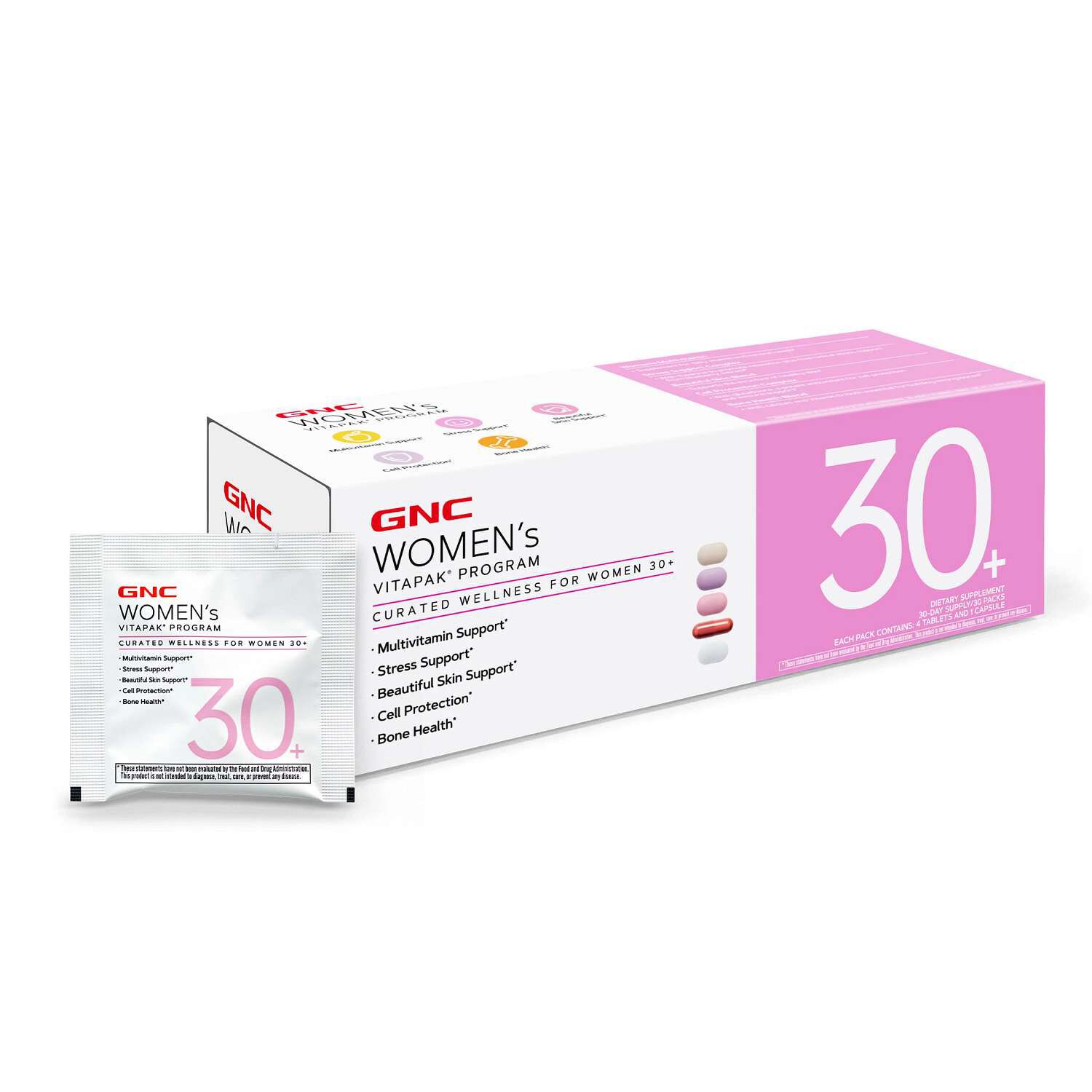




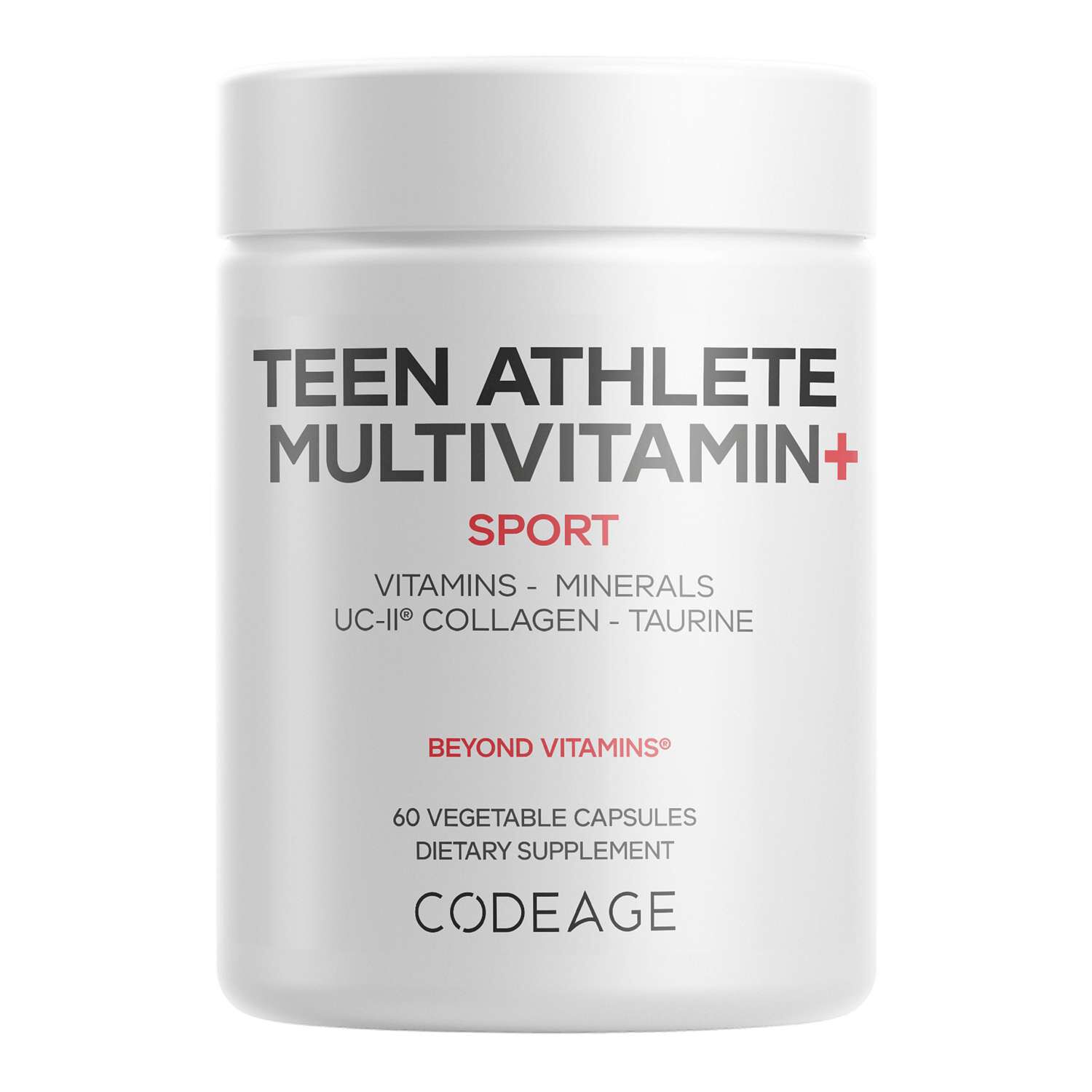

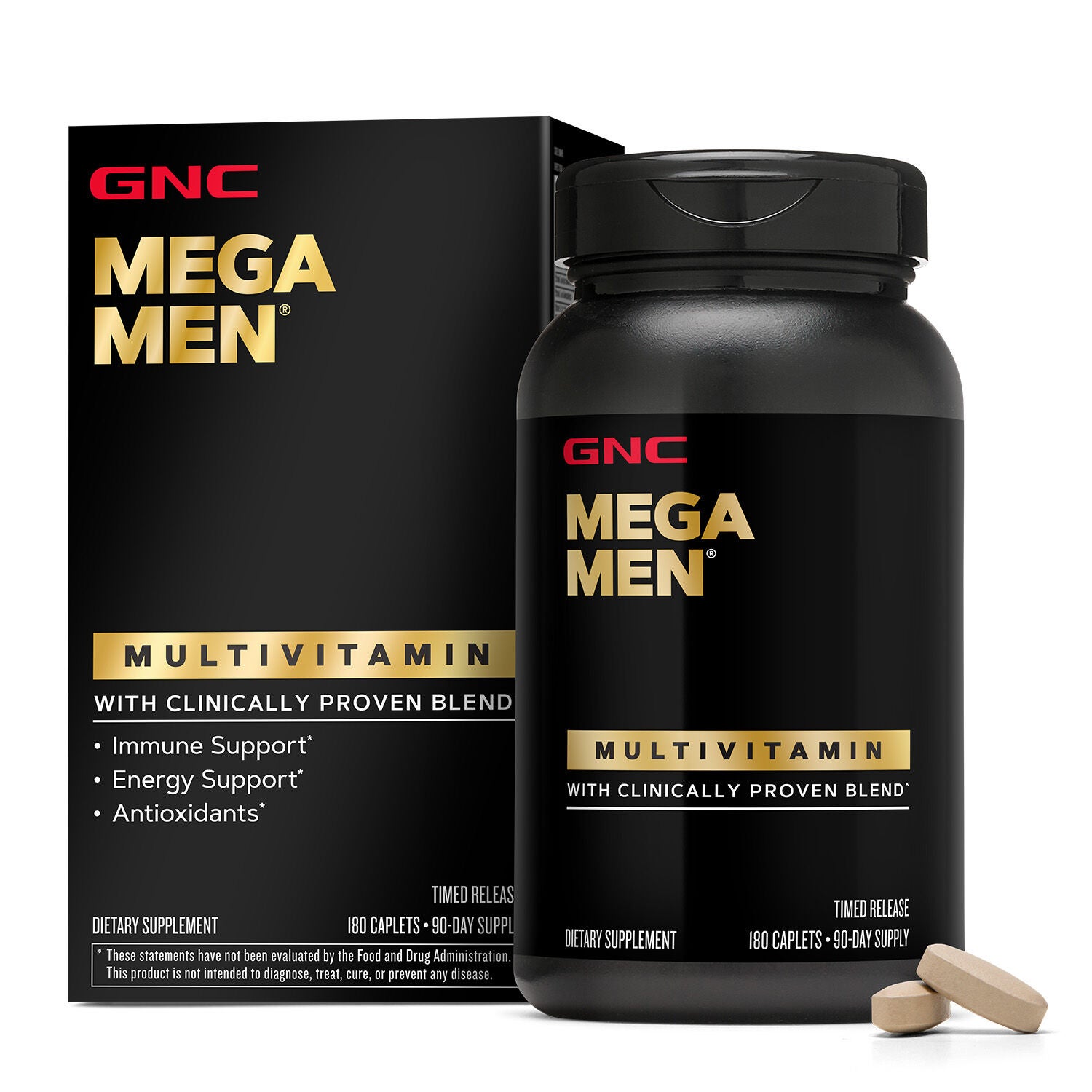

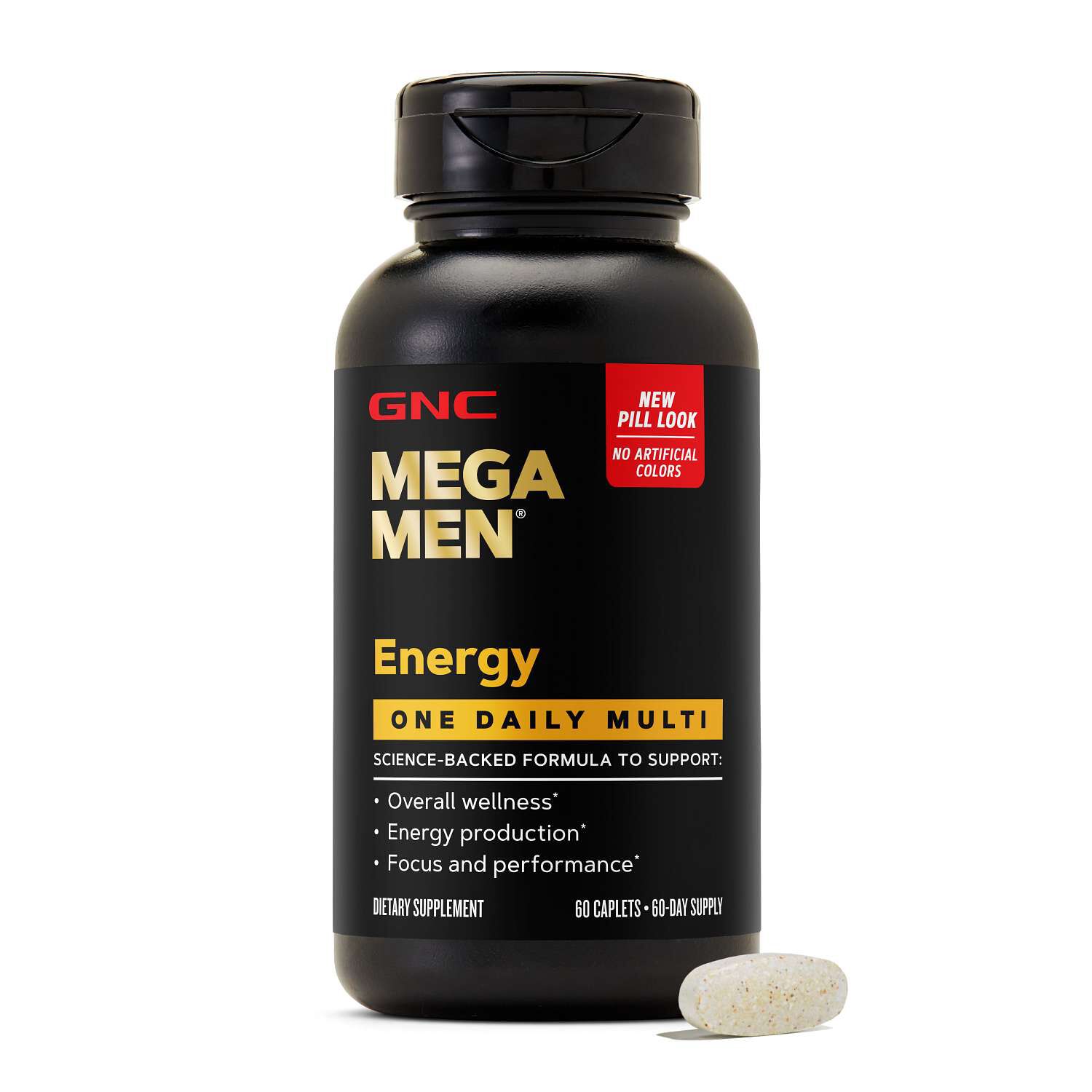



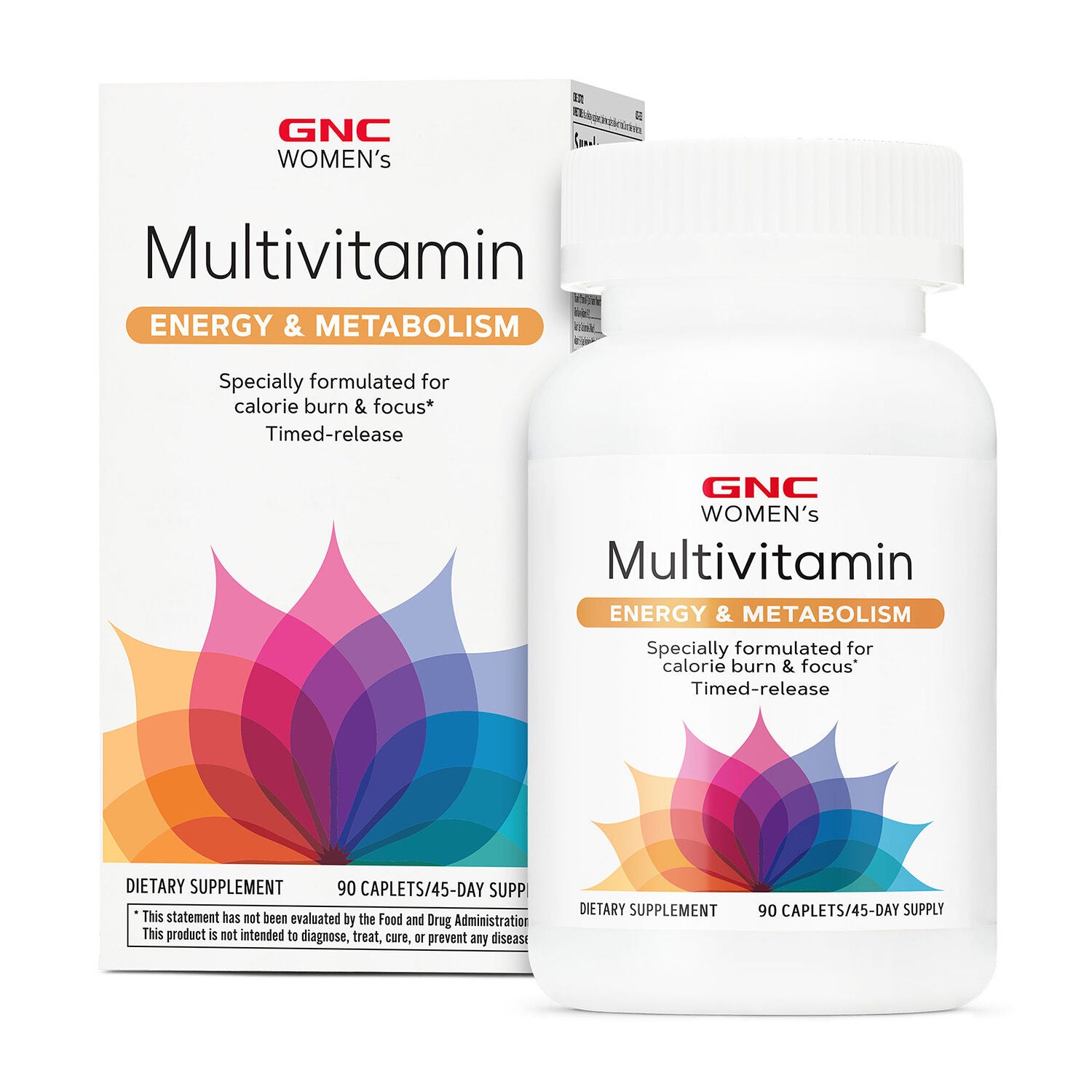

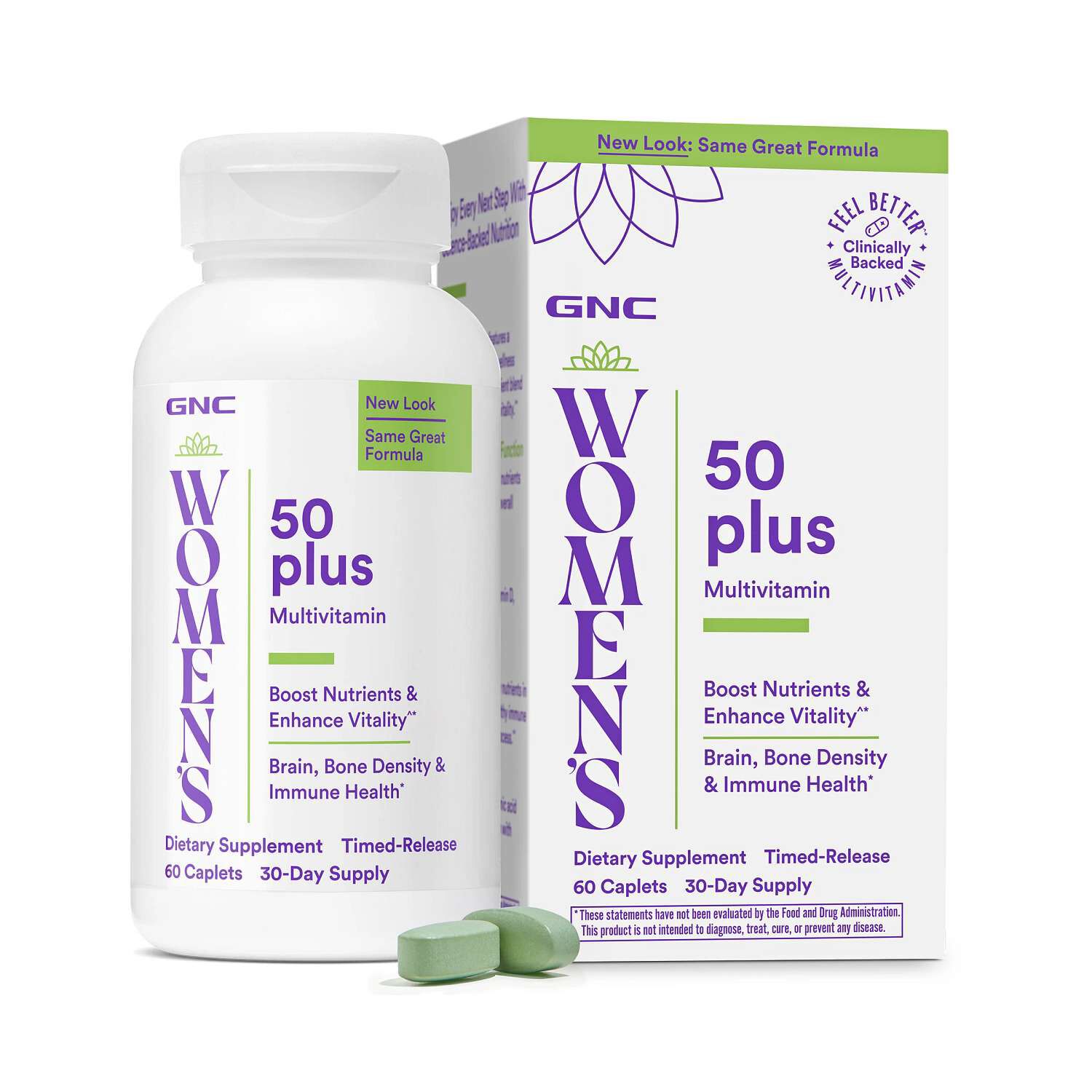
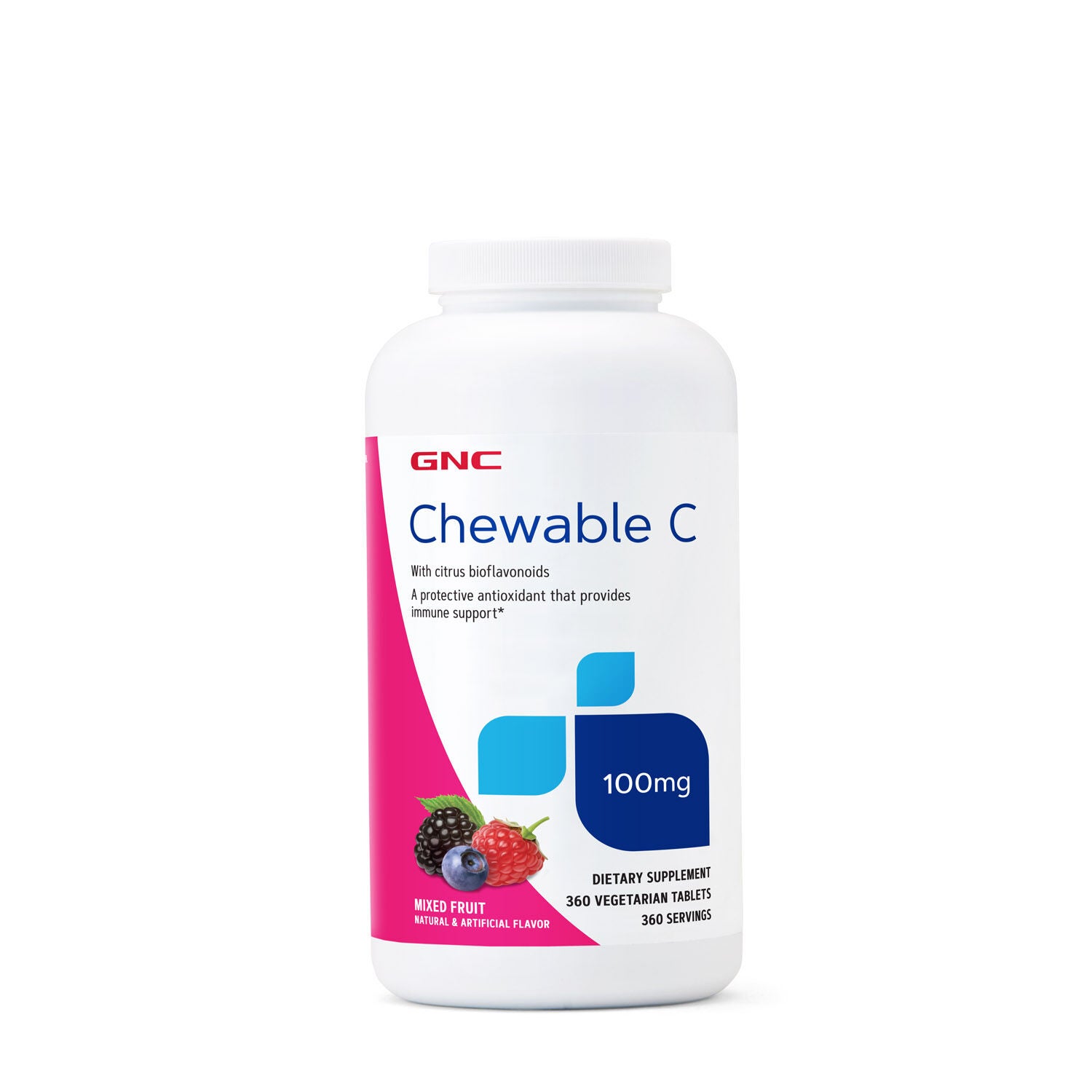
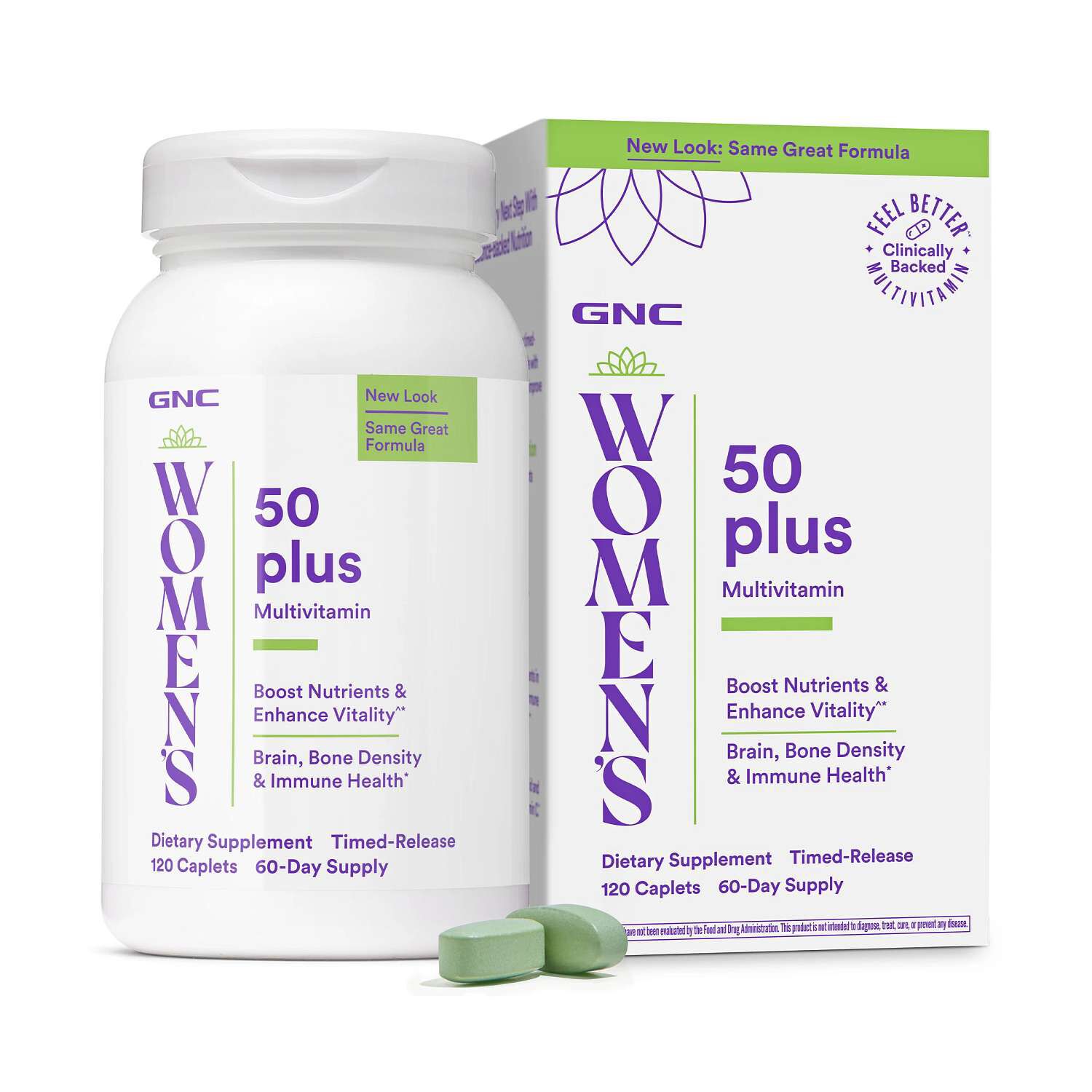
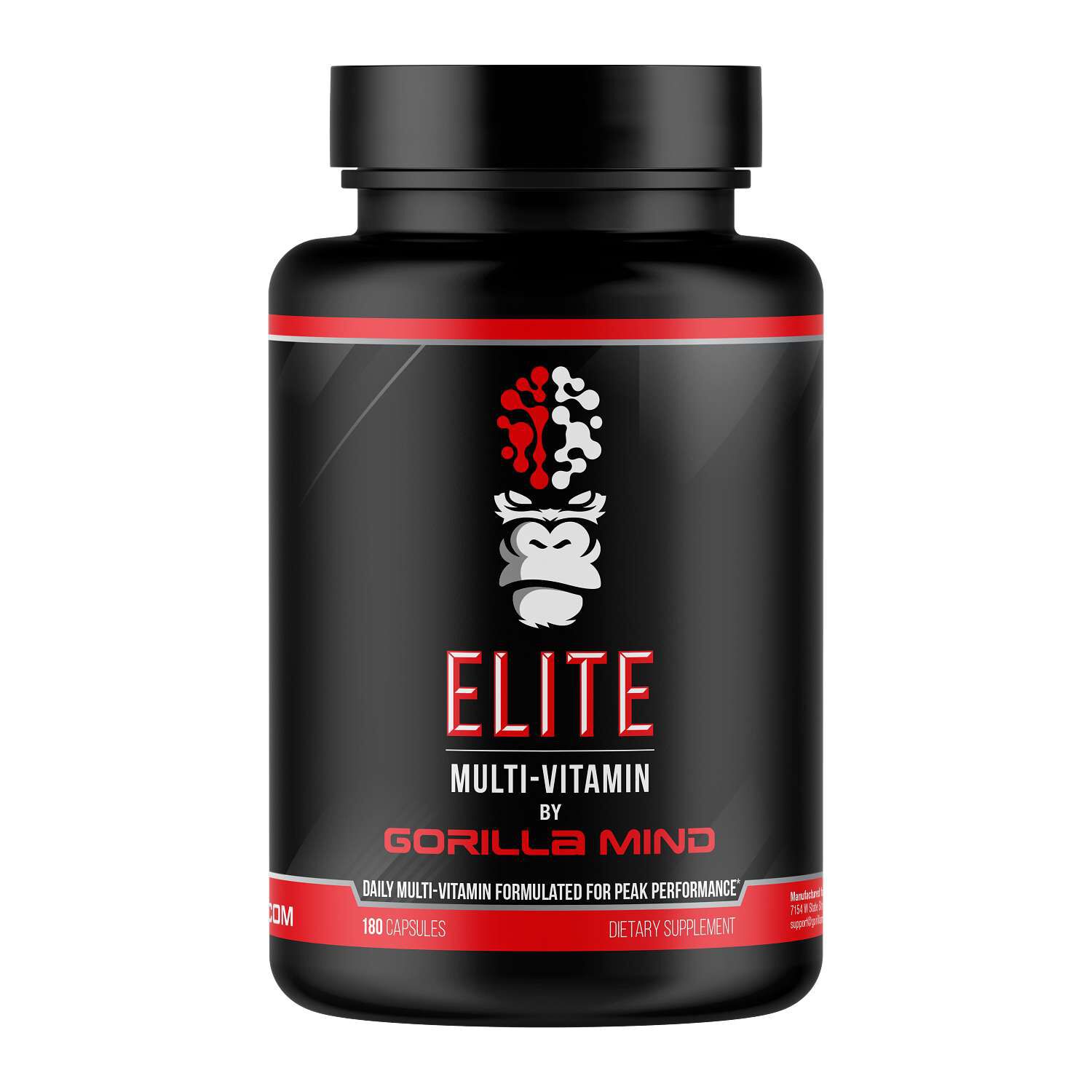
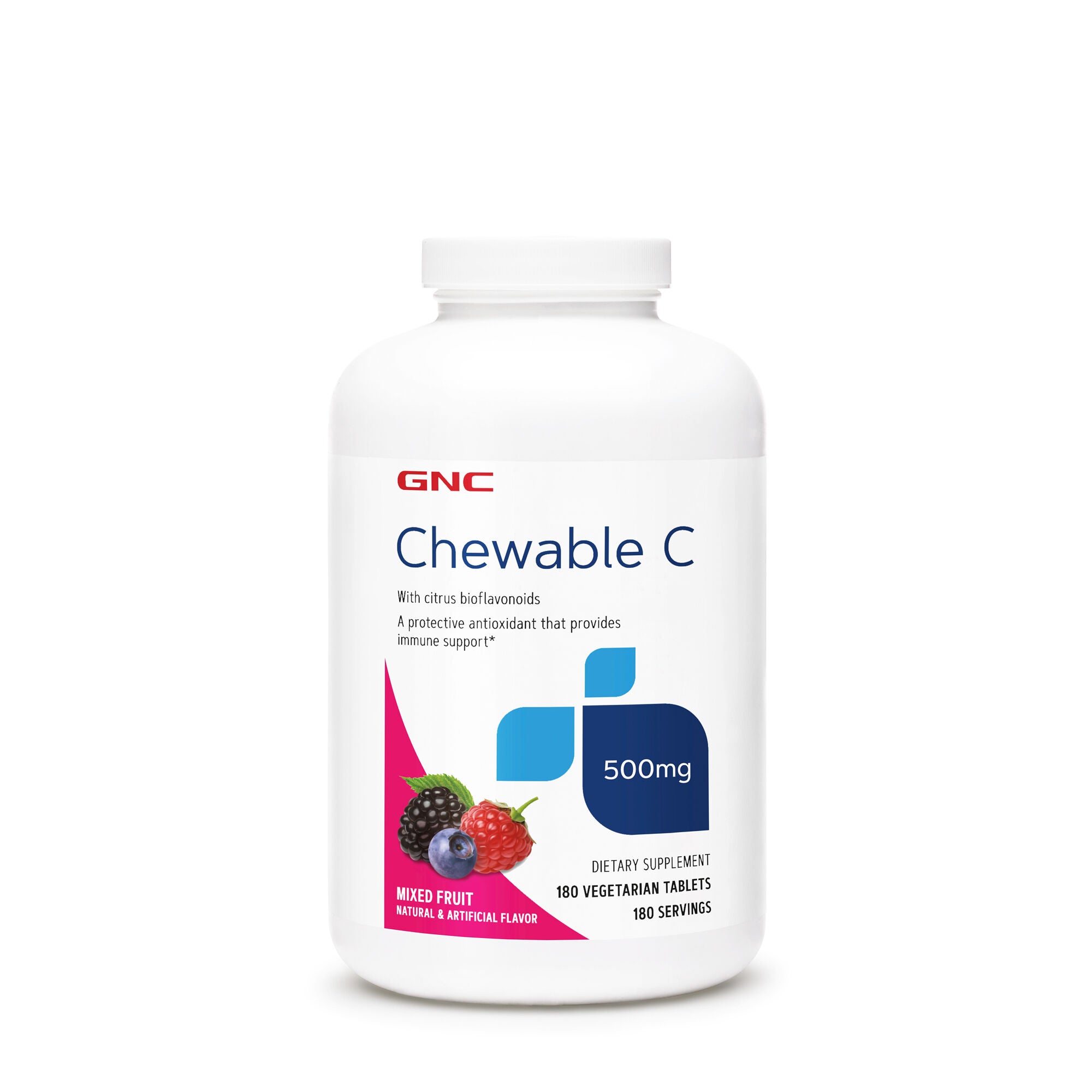
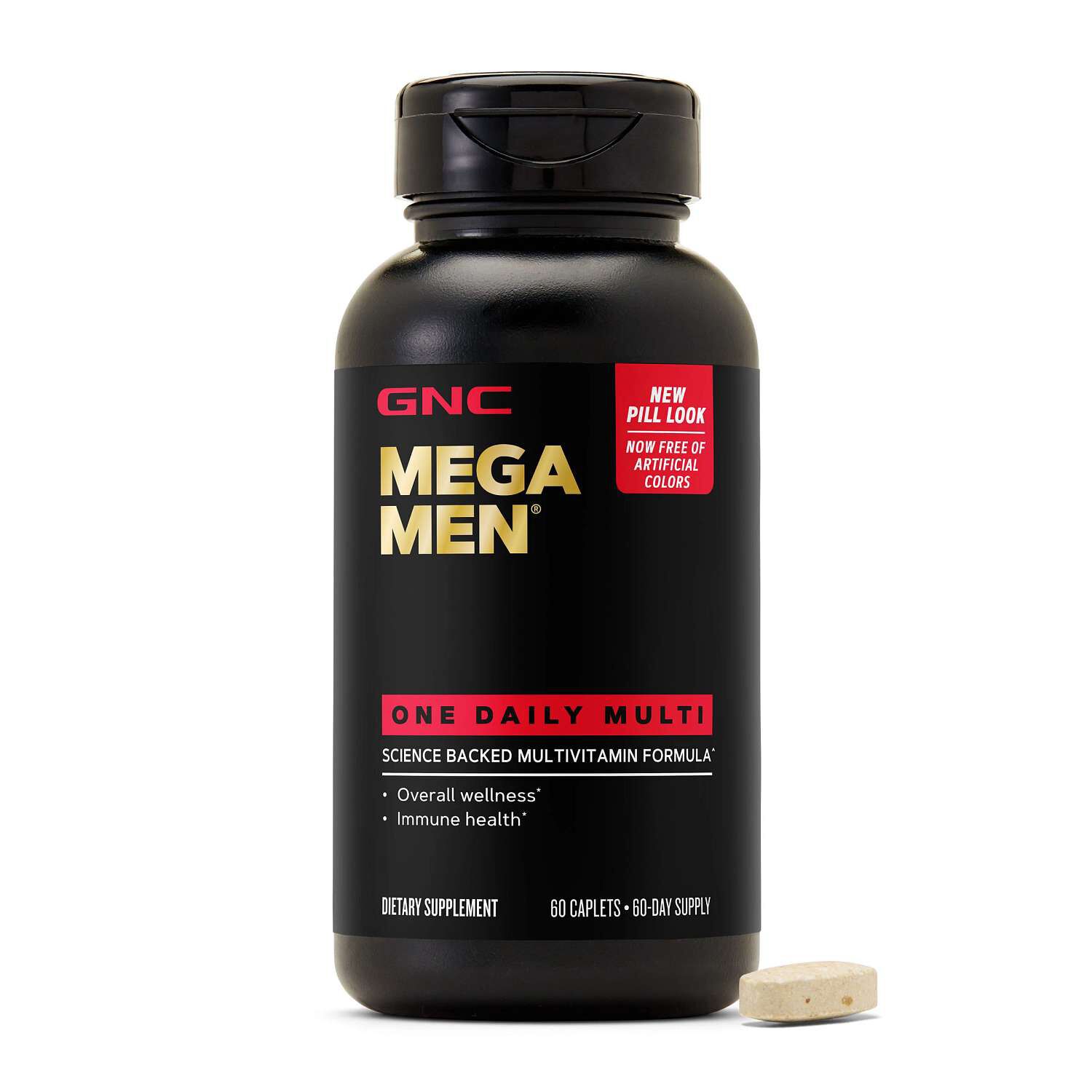


Daily vitamins for busy schedules are vitamin supplements in formats that fit into everyday routines, including tablets, capsules, gummies, chewables, powders, and liquids. They may complement dietary intake, but they are not substitutes for varied meals or rest. For adults moving between an early commute, back-to-back meetings, family responsibilities, and evening coursework, the practical differences between these formats often matter as much as the nutrients listed on the label. Multivitamins combine several vitamins and sometimes minerals in one formula, while individual vitamin supplements focus on a particular nutrient. Neither category is automatically the better fit for every person or every schedule. A multivitamin label might list vitamins A, C, D, and E alongside B vitamins, with the amount of each nutrient shown per serving. An individual vitamin formula has a narrower focus, which may appeal to someone comparing a particular nutrient across several formats. Serving size deserves attention because one serving does not always mean one tablet, capsule, or gummy. A bottle that looks compact on a desk might call for several pieces per serving, while another format has different measuring or preparation requirements. Daily vitamin selections also vary by intended audience, with some formulas labeled for particular adult age ranges. Those distinctions describe the intended use; a crowded calendar alone does not establish which nutrients or amounts are appropriate. For commuters, caregivers, adult students, and people with changing work shifts, a manageable format may make a supplement routine feel less cumbersome. The most useful comparison is therefore broader than a long nutrient list: it includes the serving directions, ingredient details, preparation involved, and how the product fits alongside regular meals. A supplement that suits a quiet breakfast routine may be less convenient for someone whose mornings begin with a train ride and a tightly packed bag.
Format shapes the everyday experience of daily vitamins, from flavor and texture to the space a container takes up beside a coffee mug. Tablets vary in size, shape, and coating, while capsules have shells whose ingredient sources may matter to shoppers with dietary preferences. Gummies and chewables have distinct textures and flavors, and their labels may also list sugars, sweeteners, colors, and other ingredients. These details are worth comparing rather than assuming that similar-looking formats have similar compositions. Powders involve preparation and may be mixed with a measured amount of a beverage according to package directions. Liquids have their own serving measurements and may include a measuring device or directions for a particular tool. For someone who leaves home before breakfast, preparation and cleanup may influence the choice differently than they would for someone working from a home office. A flavored chewable and an unflavored capsule also create different experiences, even when both contain the same named vitamin. Shoppers comparing a single nutrient across formats can explore vitamin C supplements as another way to narrow the category by ingredient and routine. Across vitamin categories, the Supplement Facts panel provides a consistent place to compare serving size, nutrient amounts, and percent Daily Value. The other-ingredients list adds context about capsule materials, coatings, flavorings, and ingredients used to shape or hold the serving together. Dietary suitability depends on the full label rather than the format alone; a capsule, gummy, or powder does not automatically match a particular eating preference. Packaging is part of the comparison as well. Container size, closure style, and measuring components may affect how comfortably a vitamin fits into a kitchen cabinet, an office drawer, or a bag used for overnight trips. Convenience is personal, and a format with fewer preparation steps is not necessarily the preferred option for someone who values a particular texture or ingredient profile.
A vitamin routine has a physical setting as well as a place on the calendar. In one household, that setting might be a kitchen cabinet near the breakfast dishes; in another, it might be a designated shelf where the original container remains easy to identify. Product storage directions are the reference for temperature, moisture, light, refrigeration, and handling requirements. A bathroom counter, a parked car, and a desk drawer offer different conditions, so portability involves more than whether a bottle fits inside a bag. The closure, container condition, and readable label all matter when a supplement travels between locations. Original packaging keeps the ingredient list, serving directions, storage information, and date information together, which may be particularly useful during business travel or an overnight stay. Where an organizer is part of a routine, its suitability depends on the product’s handling and storage directions. For busy households, clear identification also matters when several adults keep different supplements in the same cabinet. The daily rhythm itself varies: some people have a predictable breakfast, while others rotate between early shifts, late meetings, and days spent away from a desk. Package directions determine whether a particular vitamin has instructions about food, preparation, or timing; the word “daily” alone does not answer those details. Comparing a new selection with supplements already in the routine may also reveal repeated nutrients or different serving amounts that are easy to overlook when viewing each label separately. Thoughtful daily vitamin shopping centers on those tangible details rather than treating a packed schedule as a reason to choose the longest ingredient list. A clear label, an appropriate intended use, a manageable serving format, and storage requirements that fit the setting provide a grounded way to compare options. The result may be a simpler place for vitamins within an already full day, without asking a supplement to stand in for meals or the other parts of everyday life.
Best Sellers
Related Pages


Top Collections
- Zinc Supplements For Men
- Chronic Fatigue Supplements
- Metabolism Boost For Weight Loss
- Daily Collagen Supplements | Top Brands & Deals | GNC
- Supplements For Yoga Joint Flexibility
- Capsule Supplements For Energy And Stamina
- Adult Vitamins
- Vitamins For Hair Loss
- Burnout Support Supplements
- Best Brand of Magnesium Glycinate