Digestive Comfort Enzyme Supplements
(0 Results)
Digestive comfort enzyme supplements could be a valuable addition to your wellness routine for those seeking support with their digestive health. Packed with a range of enzymes that may help the body break down nutrients, these supplements are designed for individuals looking to promote overall digestive balance. Explore options that might assist in making mealtime more comfortable and enjoyable, so you can focus on feeling your best every day. Discover how digestive comfort enzyme supplements may fit into your daily regimen and help you maintain a happy, healthy lifestyle.
-
 $19.99
 -
-

-

-

-
-
 $29.99
 -
 You Matter Wellness$49.99
 -
-

-

-
-
-
-

-
-
-
 Divine Health$44.99


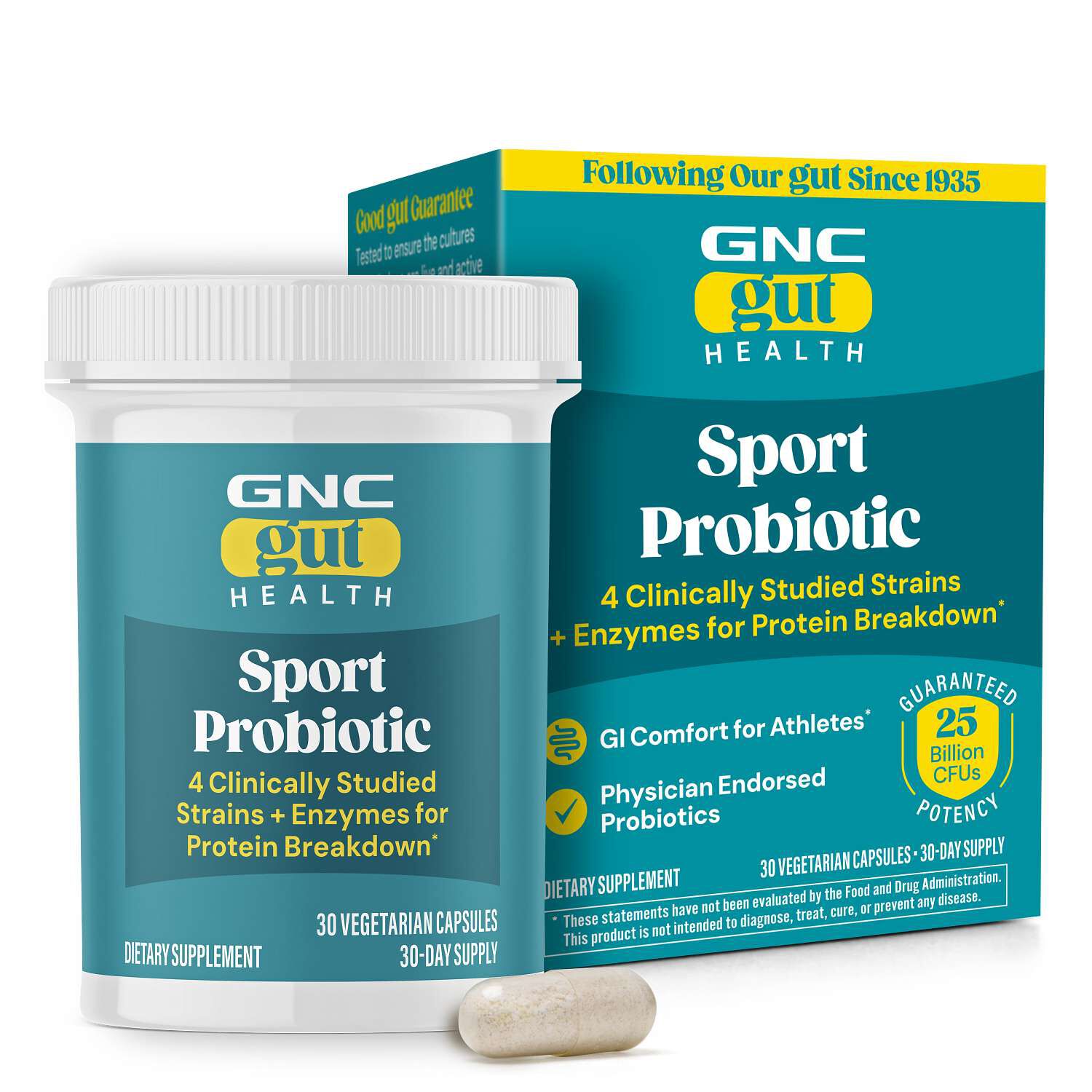
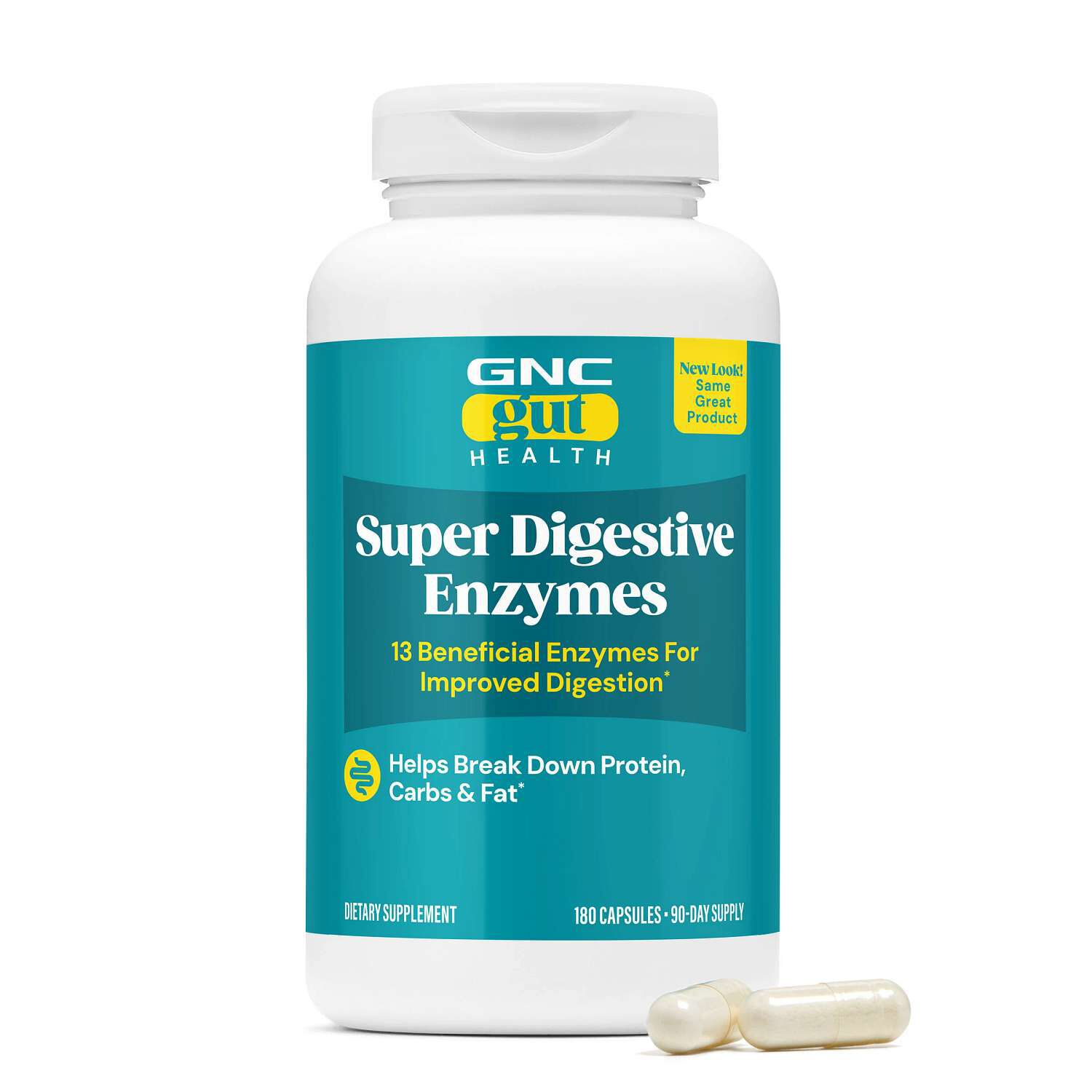
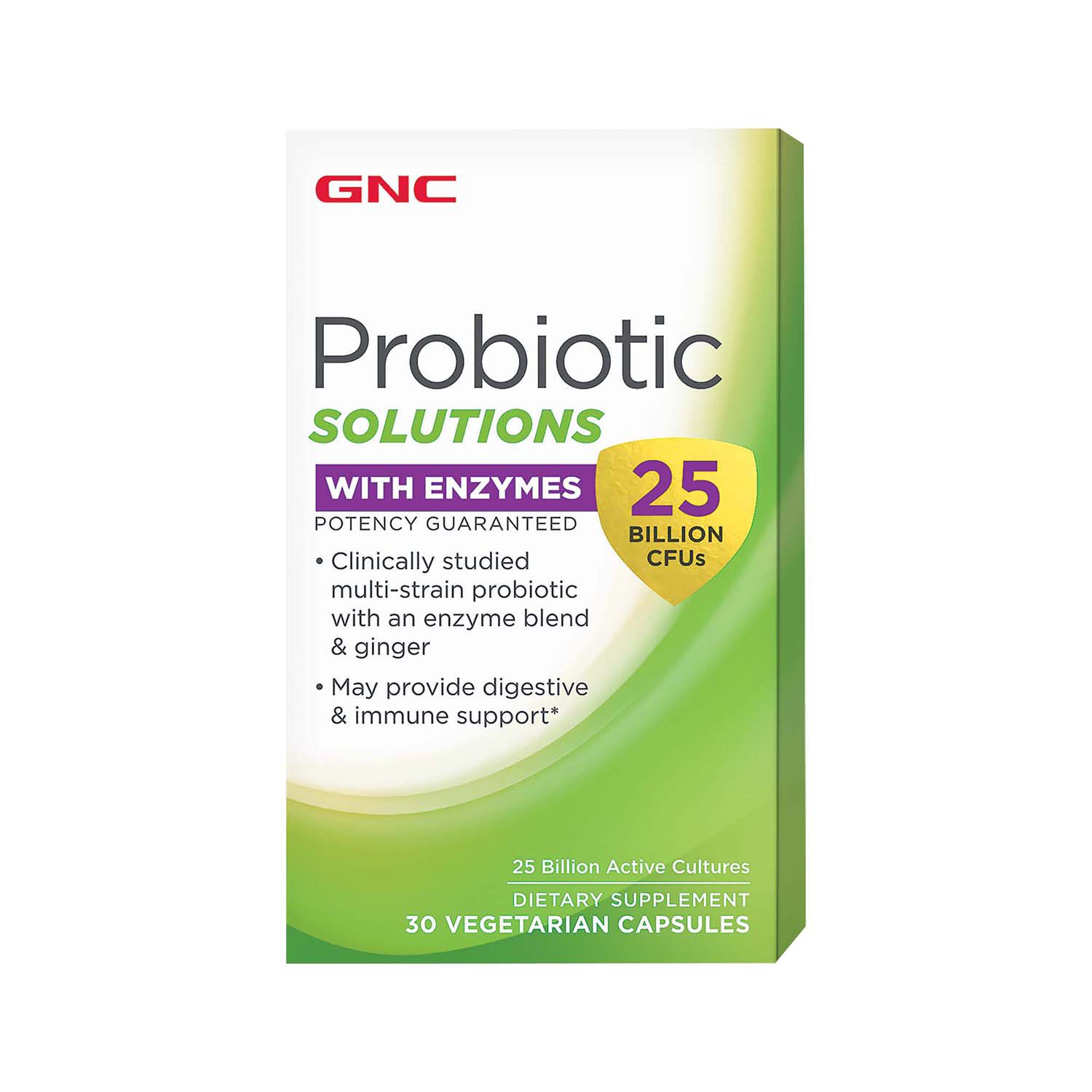
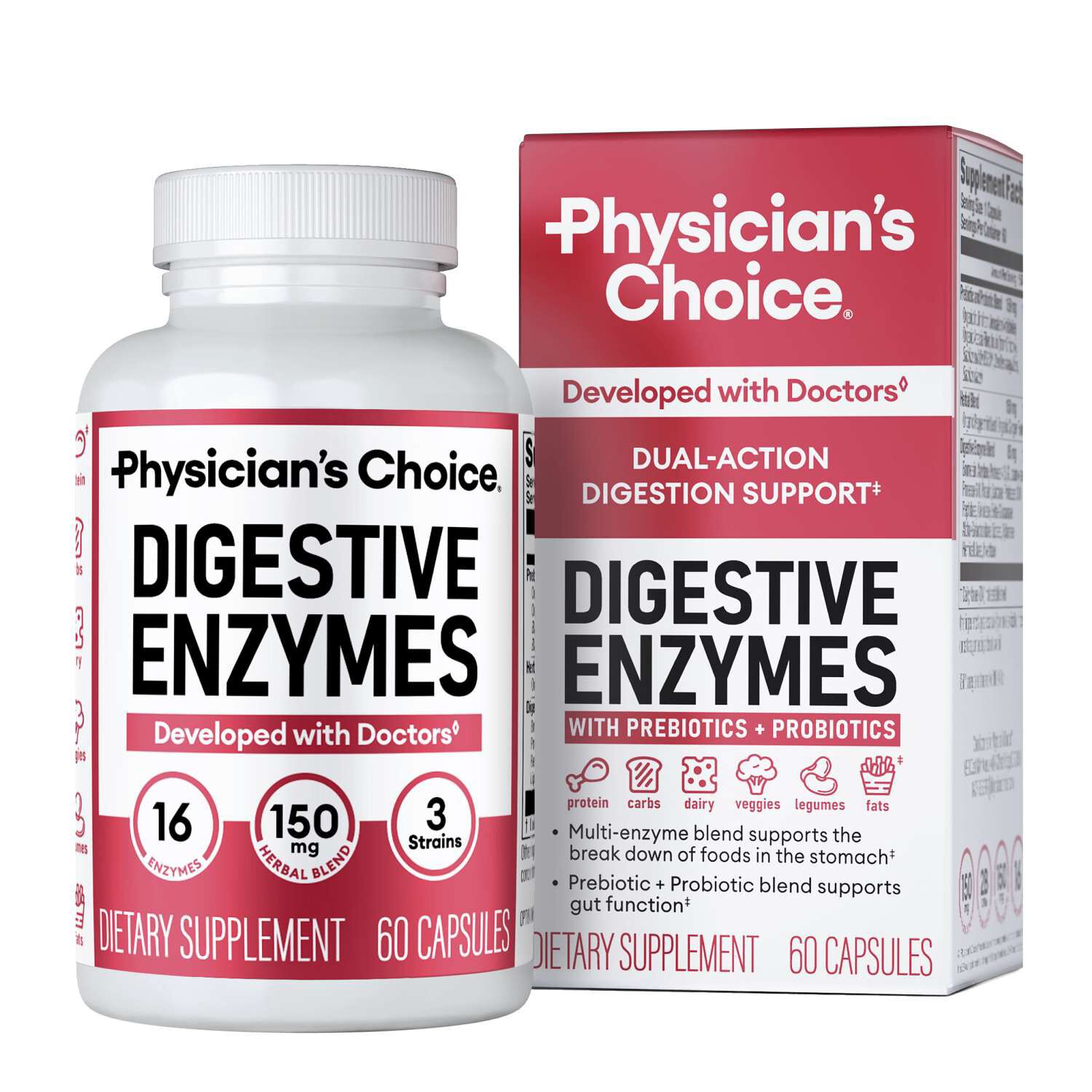
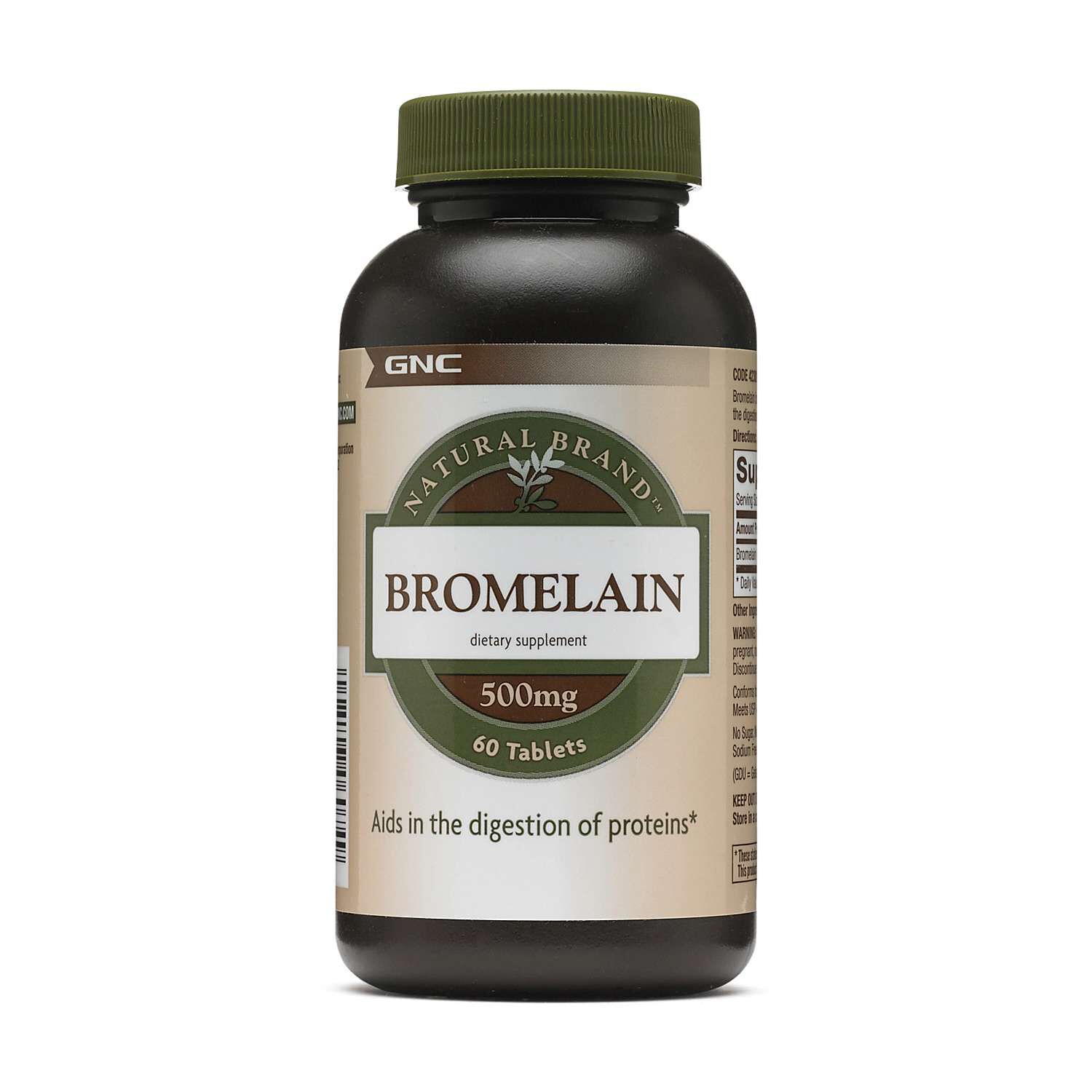
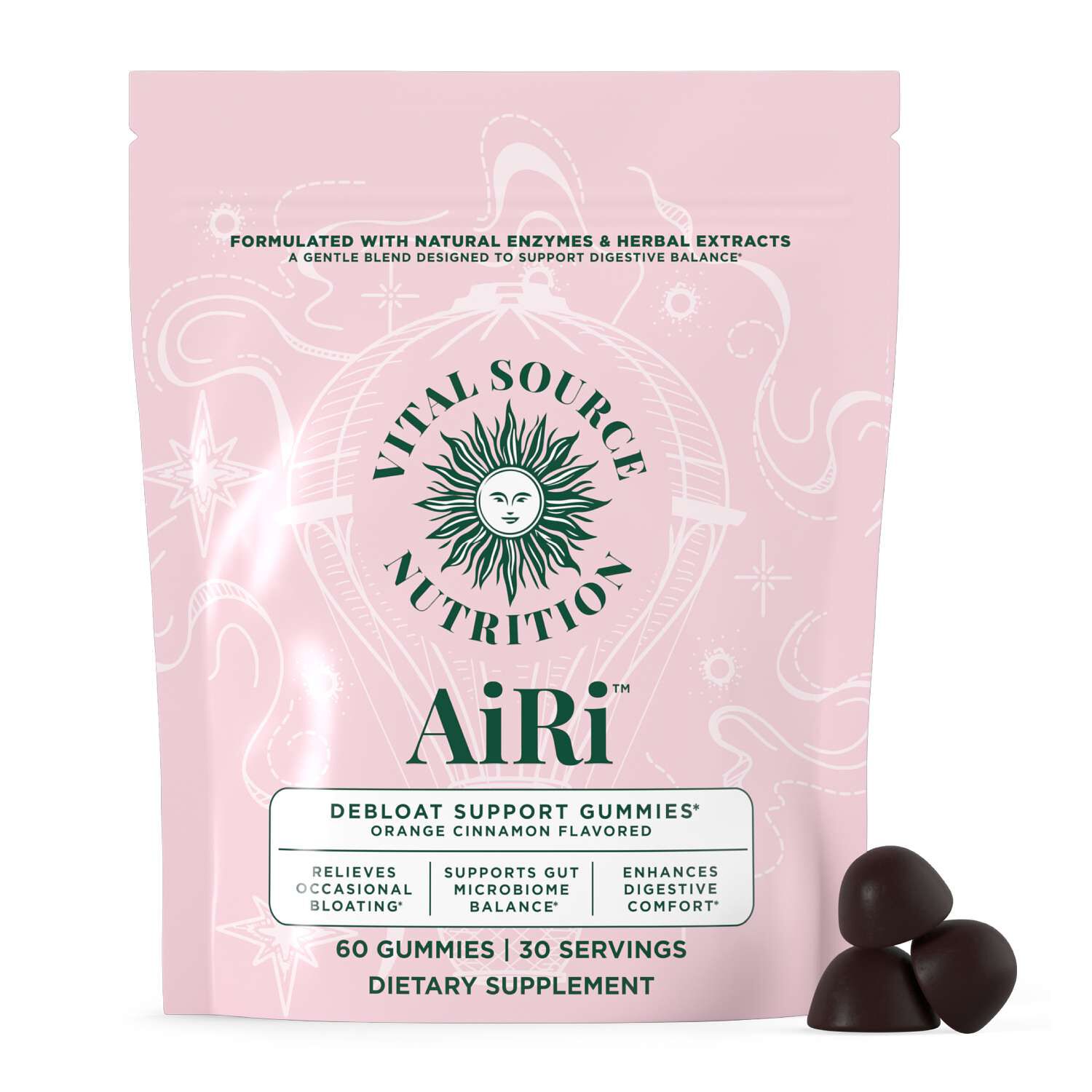
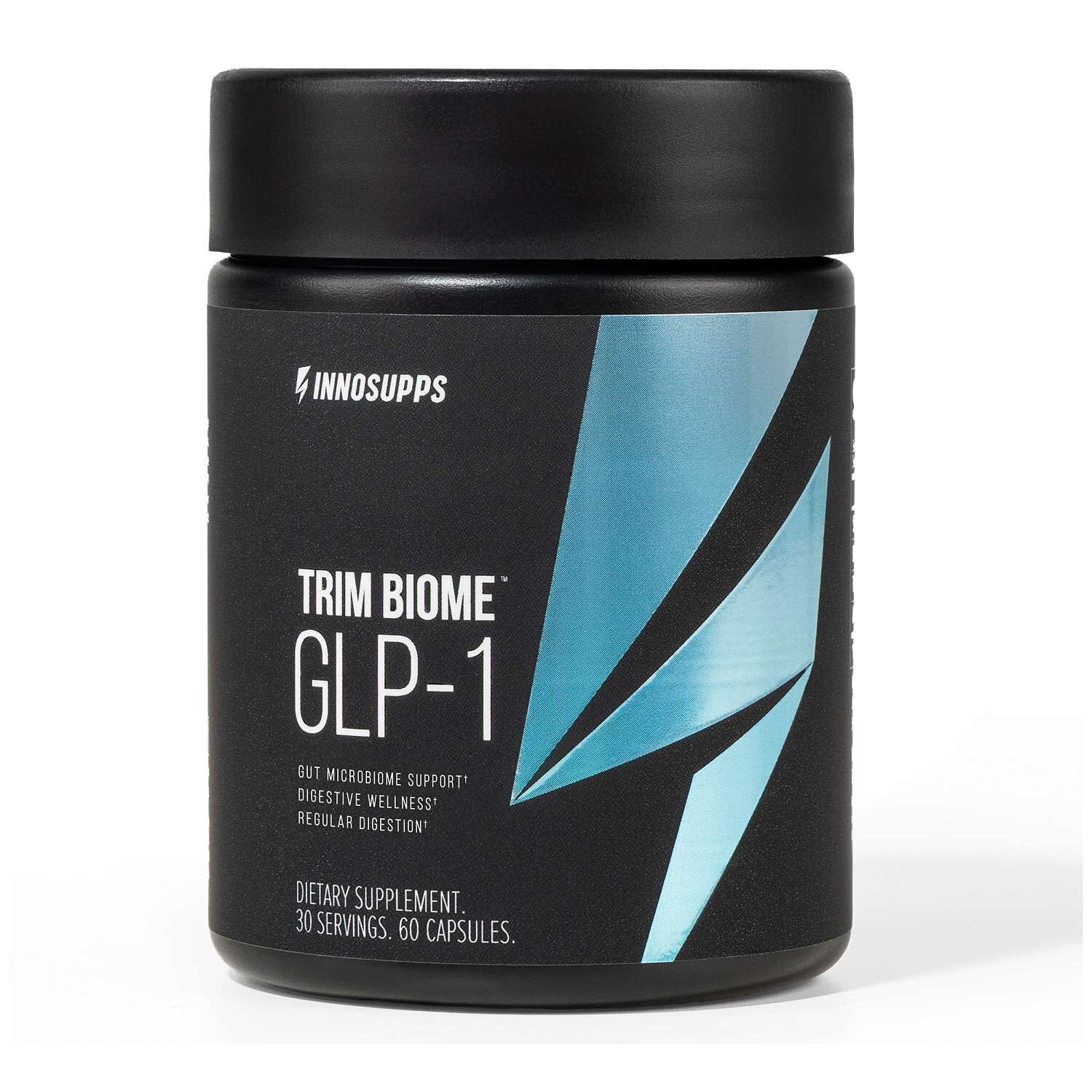
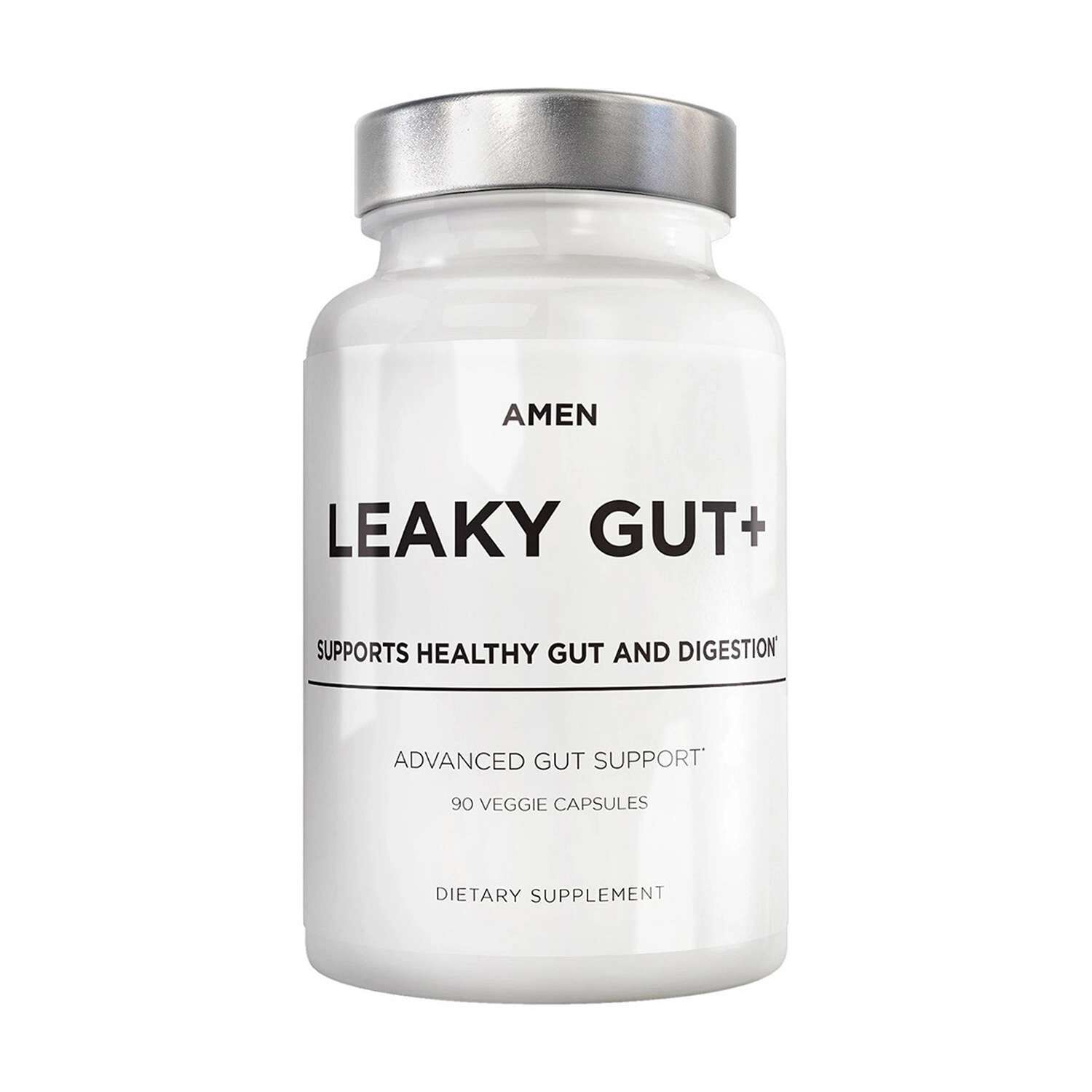
Digestive comfort enzyme supplements offer a convenient option for shoppers who want to explore targeted support around meals and everyday eating routines. Enzymes are naturally involved in breaking down food, and supplemental formulas commonly feature amylase for carbohydrates and starches, protease for proteins, and lipase for fats. Some products also include more specialized enzymes, such as lactase for dairy foods or alpha-galactosidase for certain complex carbohydrates found in beans and other ingredients. Because formulas differ, reading the Supplement Facts panel can make shopping more straightforward. Look for the enzyme types included, the serving size, suggested timing, and any dietary preferences that matter to you, such as vegetarian, vegan, gluten-free, or organic sourcing. Shoppers interested in plant-based ingredients may also browse Organic Digestive Enzyme Supplements for another way to narrow the selection. A targeted formula may appeal to someone who notices occasional discomfort after particular foods, while a broader blend could suit someone who prefers one product for a variety of meals. That said, results can vary from person to person, and an enzyme supplement may not be the right choice for every type of digestive concern. These products are intended to complement thoughtful food choices rather than replace a varied eating pattern, hydration, or guidance from a qualified health professional. Anyone managing a diagnosed food intolerance, following a restricted diet, preparing for a procedure, taking prescription products, or navigating an ongoing digestive concern could benefit from discussing supplement use with a healthcare professional before getting started. Keep the label nearby and follow its directions, since some formulas are designed to be taken just before eating while others may be used with a meal. Taking more than the suggested serving does not necessarily provide added value, and storing the container in a cool, dry place may help preserve the product according to its packaging guidance.
These supplements may fit naturally into routines built around the foods people enjoy most. A person who looks forward to a bowl of creamy pasta, a weekend brunch, a protein-rich dinner, or a hearty serving of beans might choose a formula designed around the ingredients they eat most often. During the cooler months, shared meals tend to become richer and more comforting, with soups, baked dishes, holiday gatherings, and family recipes taking a larger place at the table. A digestive enzyme supplement may be a practical addition for someone who wants to feel more prepared when enjoying those occasions, although it may not address every source of discomfort and should be used according to the label. It can also be a thoughtful small gift for a host, a frequent traveler, a college student building a pantry, or a friend who enjoys trying new foods and appreciates simple wellness staples. For gifting, consider the recipient’s eating preferences, dietary restrictions, and familiarity with supplements rather than choosing solely by package size. A person who avoids dairy may prefer a lactase-focused option, while someone who eats a wide range of foods may look for a multi-enzyme blend. Shoppers should also remember that over-the-counter supplements are not reviewed by the U.S. Food and Drug Administration in the same way as prescription products, and the agency does not approve these products for effectiveness before they reach store shelves. Checking the ingredient list, manufacturer information, allergen statements, and quality testing details may make the selection process more informed. When comparing products, consider whether the formula matches the meals and preferences that shape your routine, whether the serving directions are easy to follow, and whether the size fits the way you shop. A simple approach might be to choose one formula, use it as directed with the foods that prompted your interest, and pay attention to how it fits into your routine over time. If an ingredient consistently causes concern or digestive discomfort, stepping back from that food and seeking individualized guidance may be more appropriate than relying on a supplement alone.