

Herbal Supplements For Digestive Comfort
(0 Results)
Herbal supplements for digestive comfort offer a natural approach to supporting your wellness routine. Packed with botanicals that have been used in traditional practices, these supplements may help you maintain balance and ease as part of your daily regimen. Whether you're looking to add gentle support or simply explore new options for digestive well-being, herbal supplements for digestive comfort could be a valuable addition to your lifestyle. Discover a range of formulas designed to fit your unique needs and preferences.
-

-
-

-

-

-
-

-

-

-

-
 205$34.99
 -
-

-
-

-

-
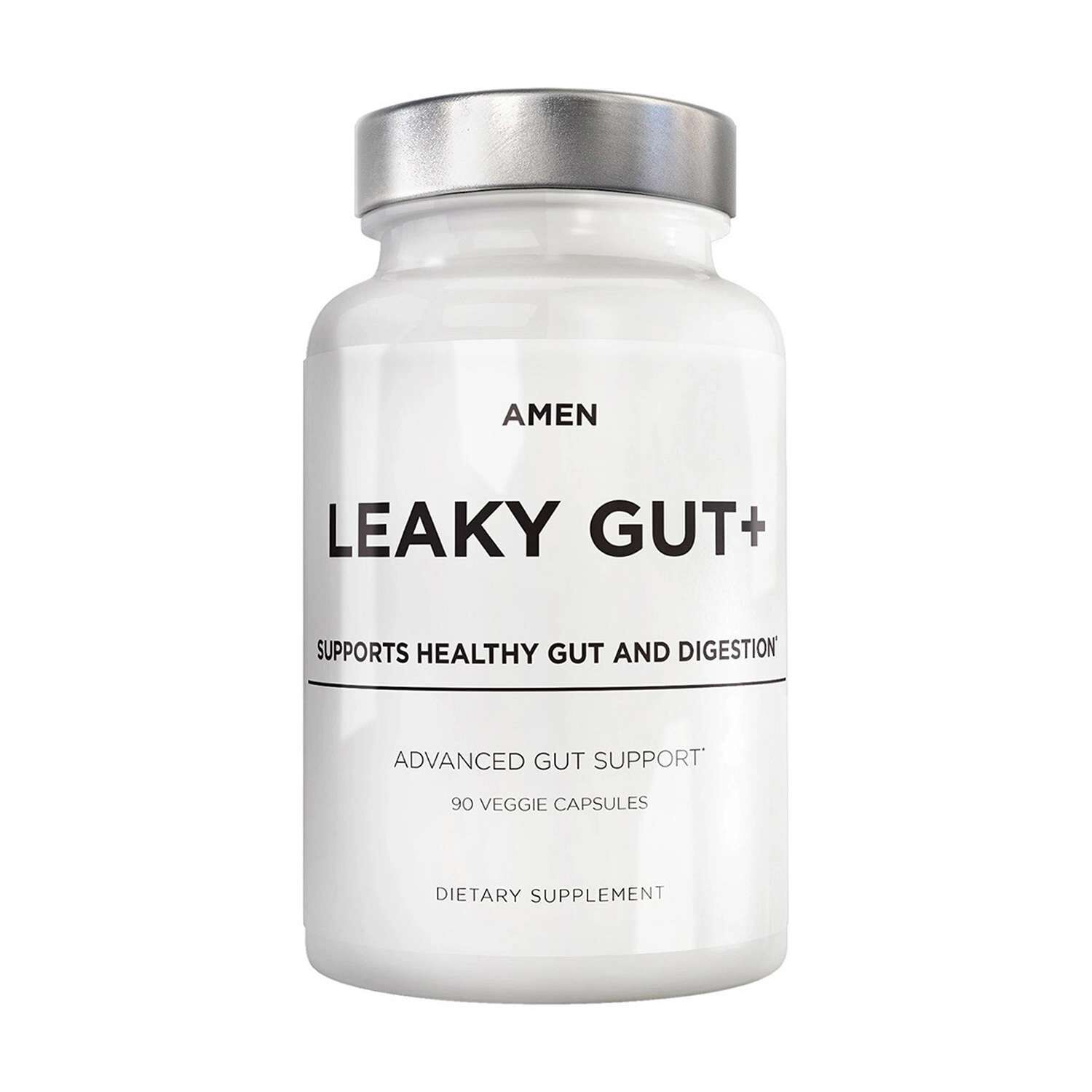





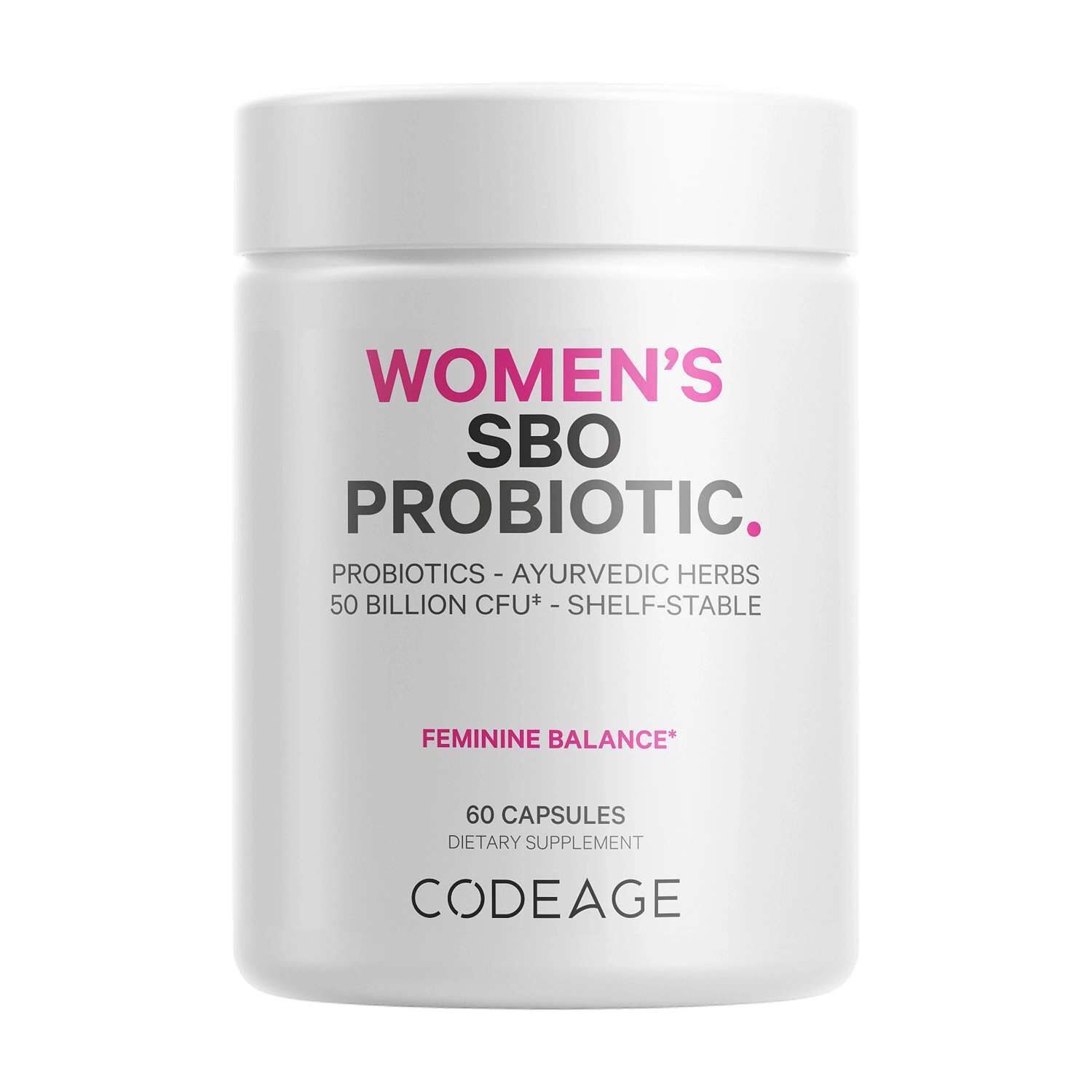

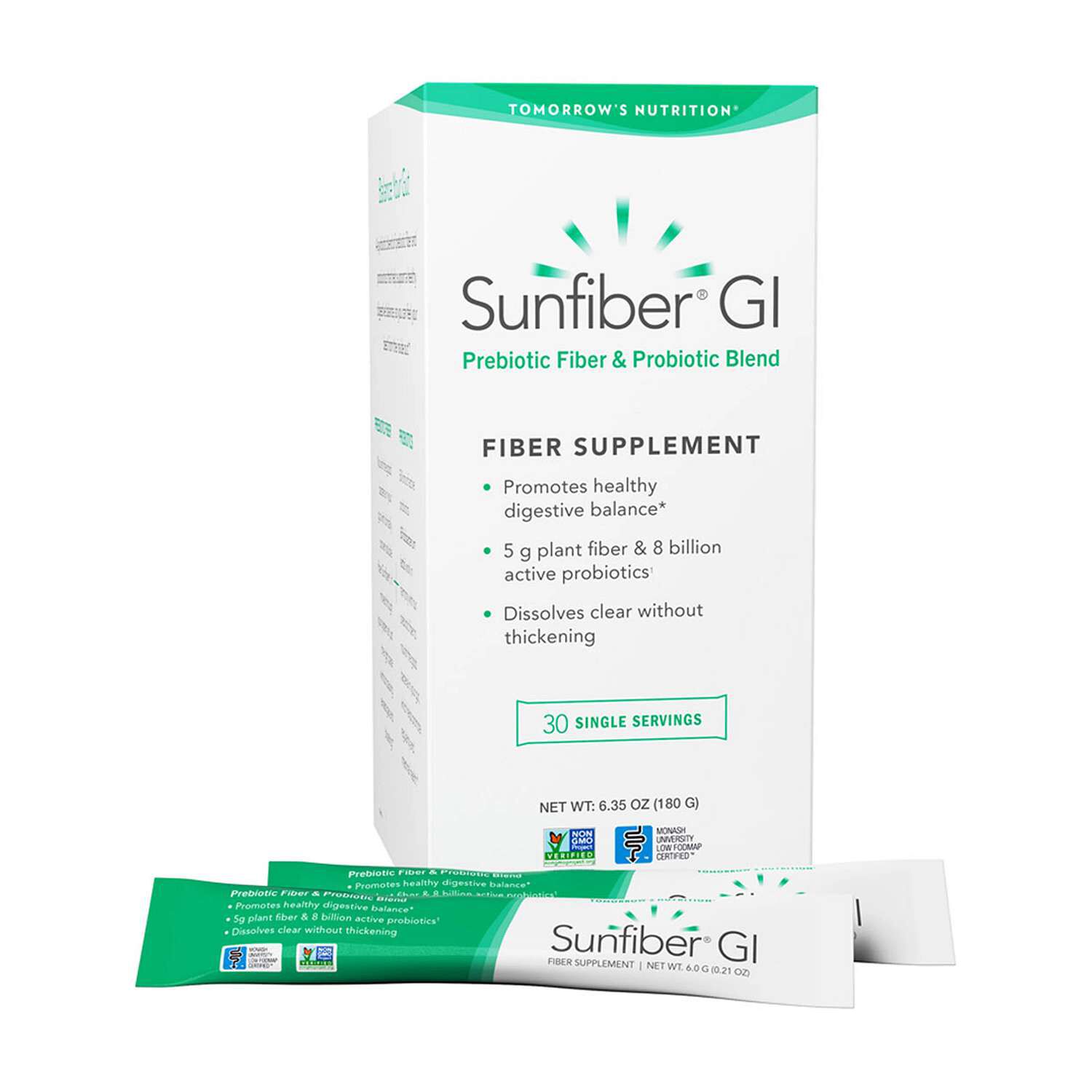
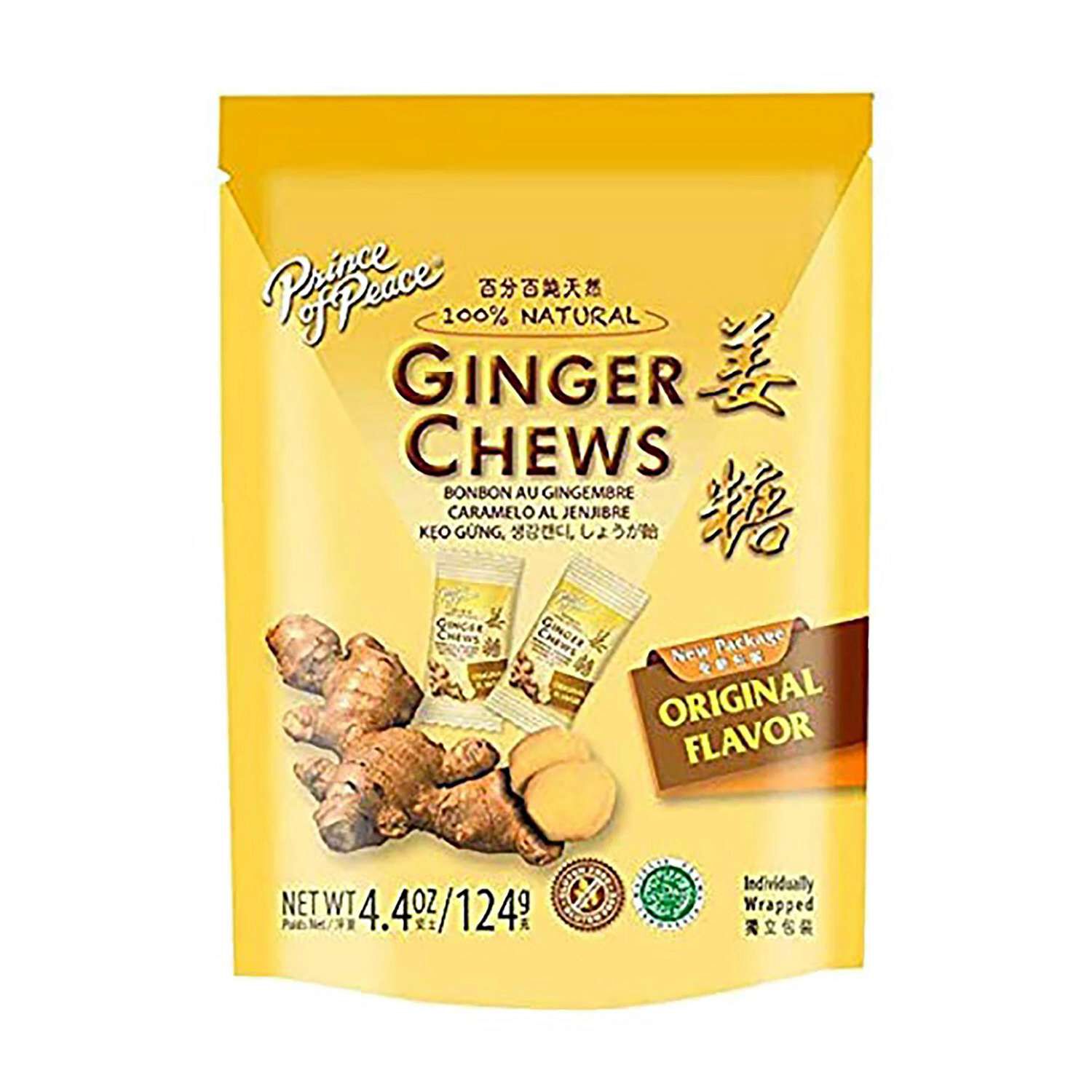
Herbal supplements for digestive comfort may offer a convenient way to complement everyday wellness routines, especially during seasons when meals, travel, gatherings, and changing schedules can make digestion feel less predictable. Common herbal ingredients in this category include ginger, peppermint, chamomile, fennel, and specially prepared licorice extracts such as deglycyrrhizinated licorice, often called DGL. Depending on the formula, these botanicals may support a more comfortable after-meal experience, help settle occasional stomach uneasiness, or provide a soothing addition to a daily routine. Ginger is often selected for its warming character and may be a thoughtful option after rich meals or during travel. Peppermint may provide a cooling, refreshing sensation, while chamomile may suit shoppers who prefer a gentler botanical traditionally enjoyed in tea. Fennel may appeal to those looking for an herb commonly associated with after-meal comfort, and DGL may be considered by shoppers seeking a licorice-based option without the same profile as whole licorice root. As the weather warms, outdoor meals, road trips, changing hydration habits, and seasonal celebrations can all shape how a person feels after eating. During the cooler months, hearty dishes, holiday gatherings, and less familiar meal schedules may create similar reasons to keep a digestive comfort supplement nearby. Shoppers exploring options for summer bloating may also find useful seasonal context in Herbal Supplements For Summer Bloating. These products could be a practical choice for adults who enjoy herbal wellness traditions, people who prefer capsules or chewables over brewed tea, or anyone assembling a simple self-care basket for travel, a dorm room, a new home, or a thoughtful seasonal gift. A small assortment of herbal teas, a neatly labeled supplement bottle, and a reusable mug could create a warm, personal gift for a friend who appreciates mindful routines, although each person’s preferences and dietary needs should guide the selection.
When comparing herbal supplements for digestive comfort, start with the ingredient list, serving directions, format, and the purpose of the blend. Single-herb formulas may make it easier to identify a preferred botanical, while multi-herb blends could suit shoppers who enjoy a broader combination in one serving. Capsules may fit neatly beside a travel bag or desk organizer, powders can work well for shoppers who like mixing supplements into water, and tea bags may turn an ordinary evening into a slower ritual, with steam rising from the cup and a soft herbal aroma filling the kitchen. Look for clear labeling that identifies the herbs, the amount per serving, suggested use, storage instructions, and other ingredients. Shoppers may also wish to consider whether a formula contains sweeteners, caffeine, common allergens, gelatin, or other ingredients that do not fit their preferences. A reputable seller, transparent packaging, and straightforward directions could make it easier to compare choices with confidence. It may also help to think about when the supplement would fit naturally into the day: some people prefer an option taken with a meal, others enjoy an herbal beverage after dinner, and travelers may value a compact format that slips into a toiletry bag. Herbal products may interact with medicines or may not suit certain health conditions, so anyone who takes prescription or over-the-counter medicine, manages an ongoing condition, is pregnant or nursing, or is preparing supplements for another person could speak with a qualified healthcare professional before adding a new formula. Whole licorice root may not be appropriate for everyone, and peppermint may not suit people who find that minty products aggravate occasional heartburn. Following the package directions and avoiding more than the suggested serving could support a careful, informed routine. Supplements may complement balanced meals, steady hydration, restful habits, and attentive eating, but they should not replace professional care when digestive discomfort is severe, persistent, or unusual.
A thoughtful selection may begin with the shopper’s lifestyle rather than a long list of ingredients. Someone who spends long days away from home might appreciate individually packaged servings, while a person who enjoys quiet evening rituals could prefer loose tea or individually wrapped herbal sachets. For a gift, a mild-tasting chamomile or ginger tea may feel welcoming, while a capsule or chewable format may be more useful for someone who already follows a supplement routine. A person who enjoys cooking might appreciate fennel or ginger as part of a broader pantry-inspired wellness collection, paired with a mug, honey, or a recipe card that encourages relaxed meals and unhurried pauses. During late-summer gatherings and cooler-season celebrations, portable herbal supplements may be convenient for weekends away, shared meals, and changes in routine, provided the recipient is comfortable using botanical products. Reading the label together can make a gift feel considerate rather than presumptive, especially when dietary preferences, sensitivities, and current medications vary from person to person. The best choice may be the one that fits comfortably into real life, has directions that are easy to follow, and reflects the recipient’s preferred format and flavor. With careful label reading and sensible use, herbal supplements for digestive comfort could become a simple part of a personal wellness routine, whether enjoyed as a warm cup after a meal, kept on hand for travel, or selected as a small gesture of seasonal care.
Best Sellers
-
 Physician's Choice