





Digestive Comfort Capsules For Women
(0 Results)
Digestive comfort capsules for women are designed to support your daily wellness routine. With options created specifically for women’s unique needs, these supplements may provide a convenient way to prioritize digestive well-being. Explore a variety of formulas that could fit seamlessly into your lifestyle and help you feel your best every day. Discover how digestive comfort capsules for women may be a helpful addition to your self-care regimen.
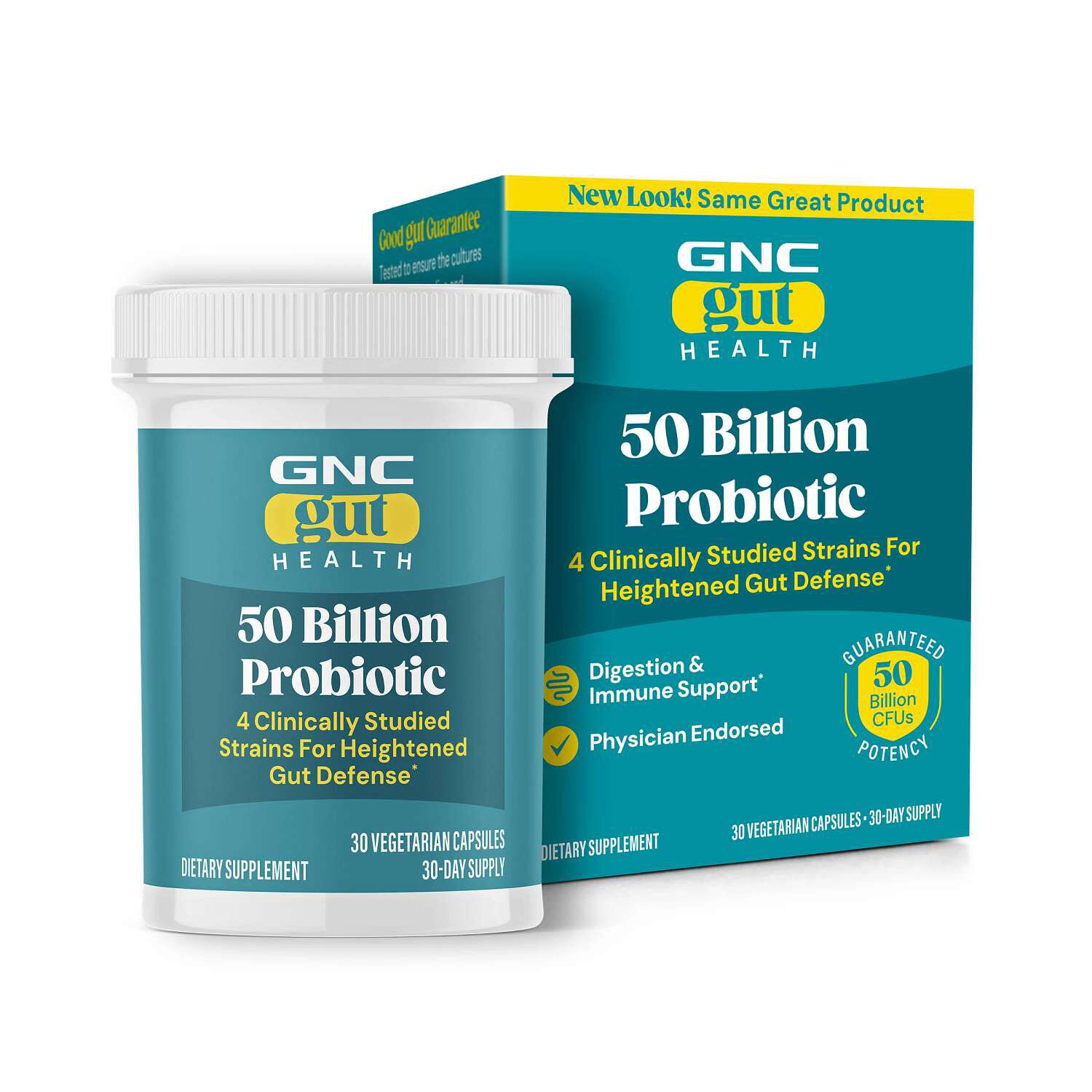
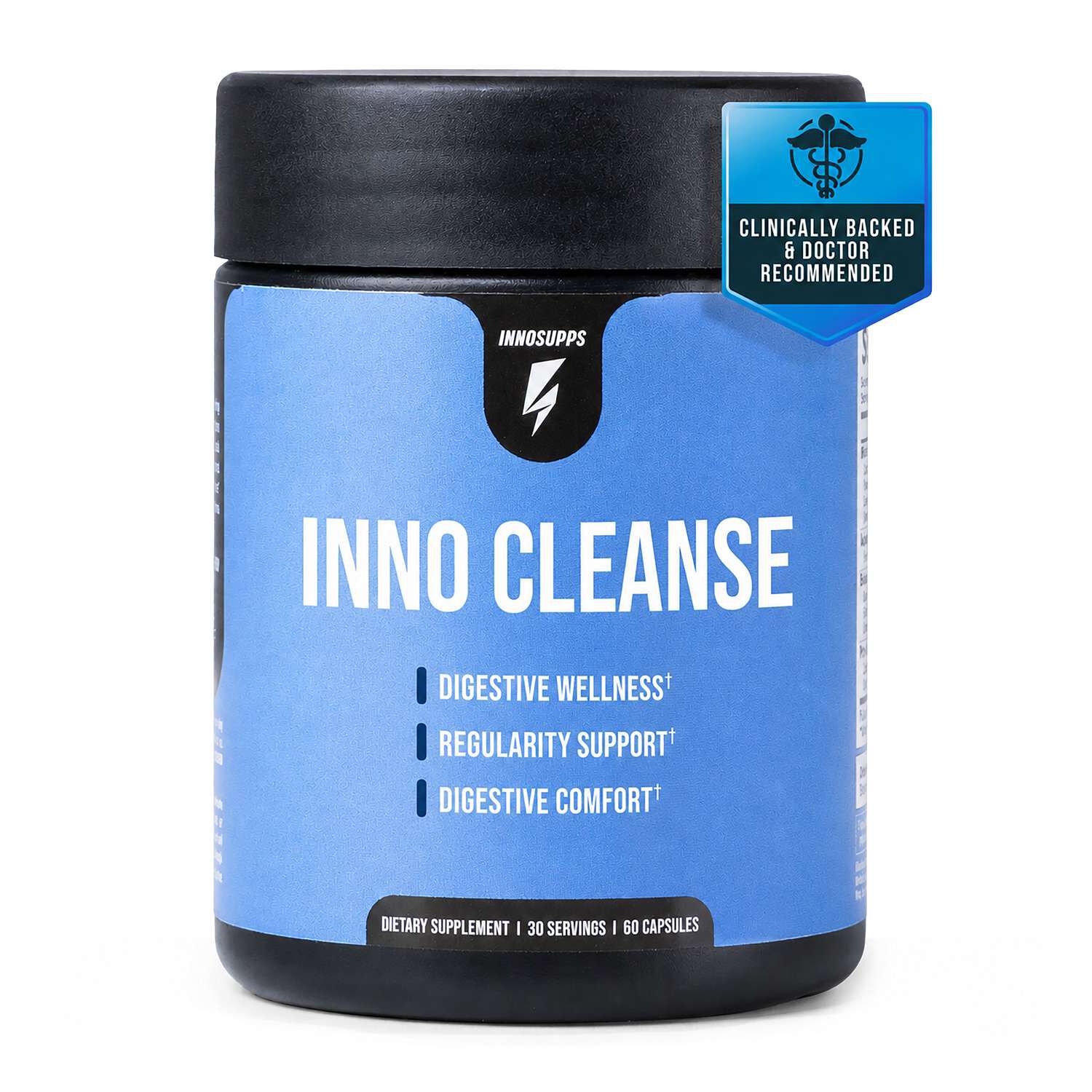


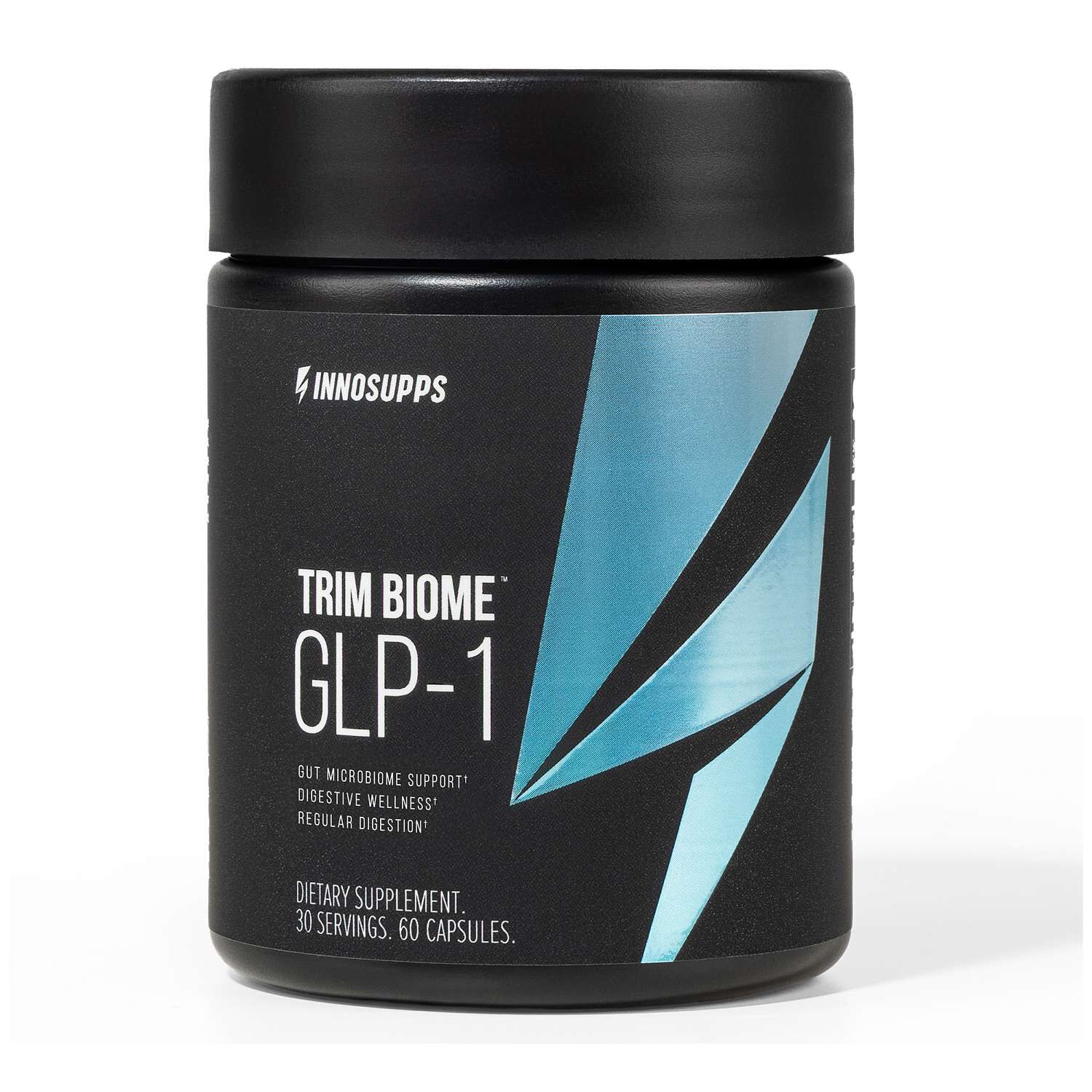

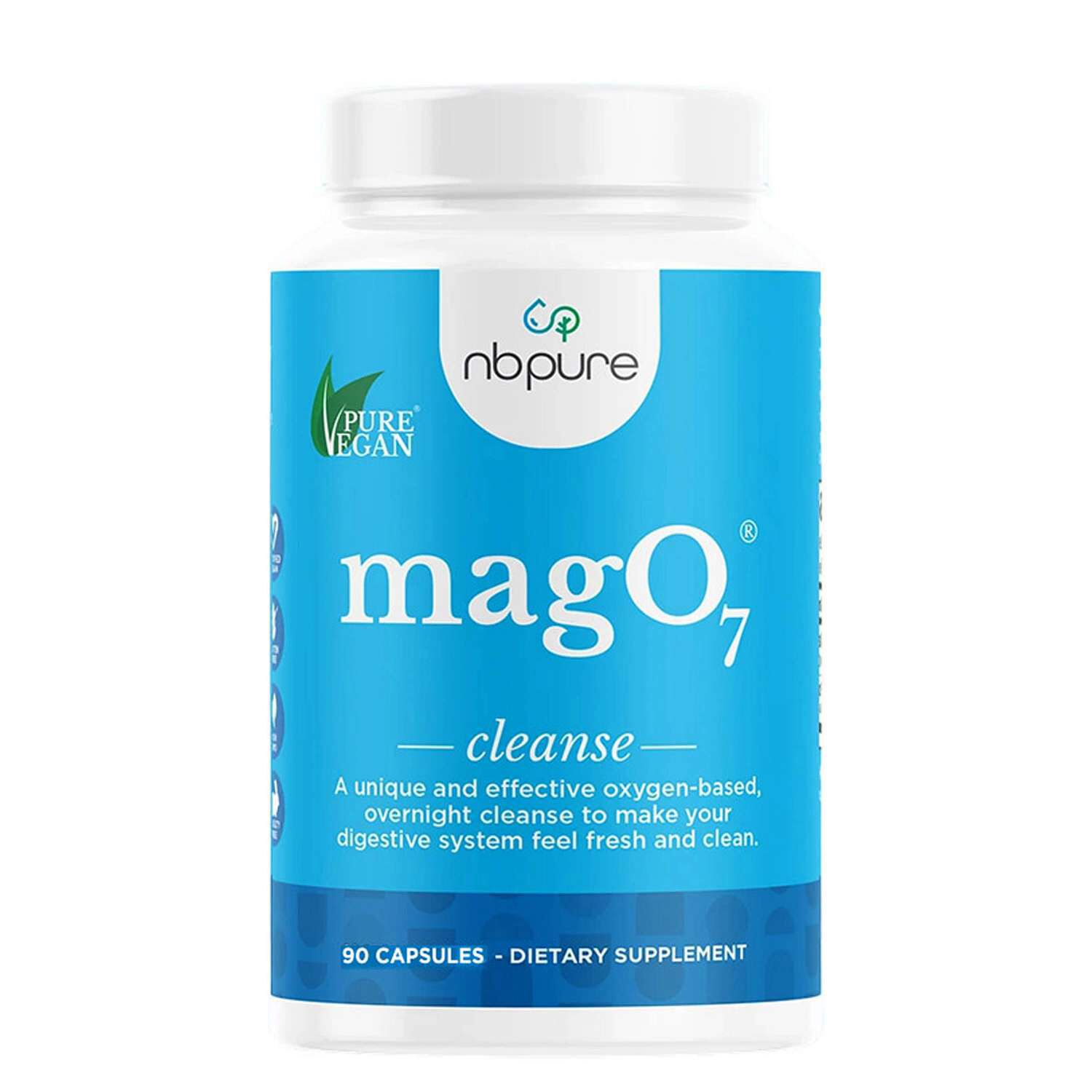


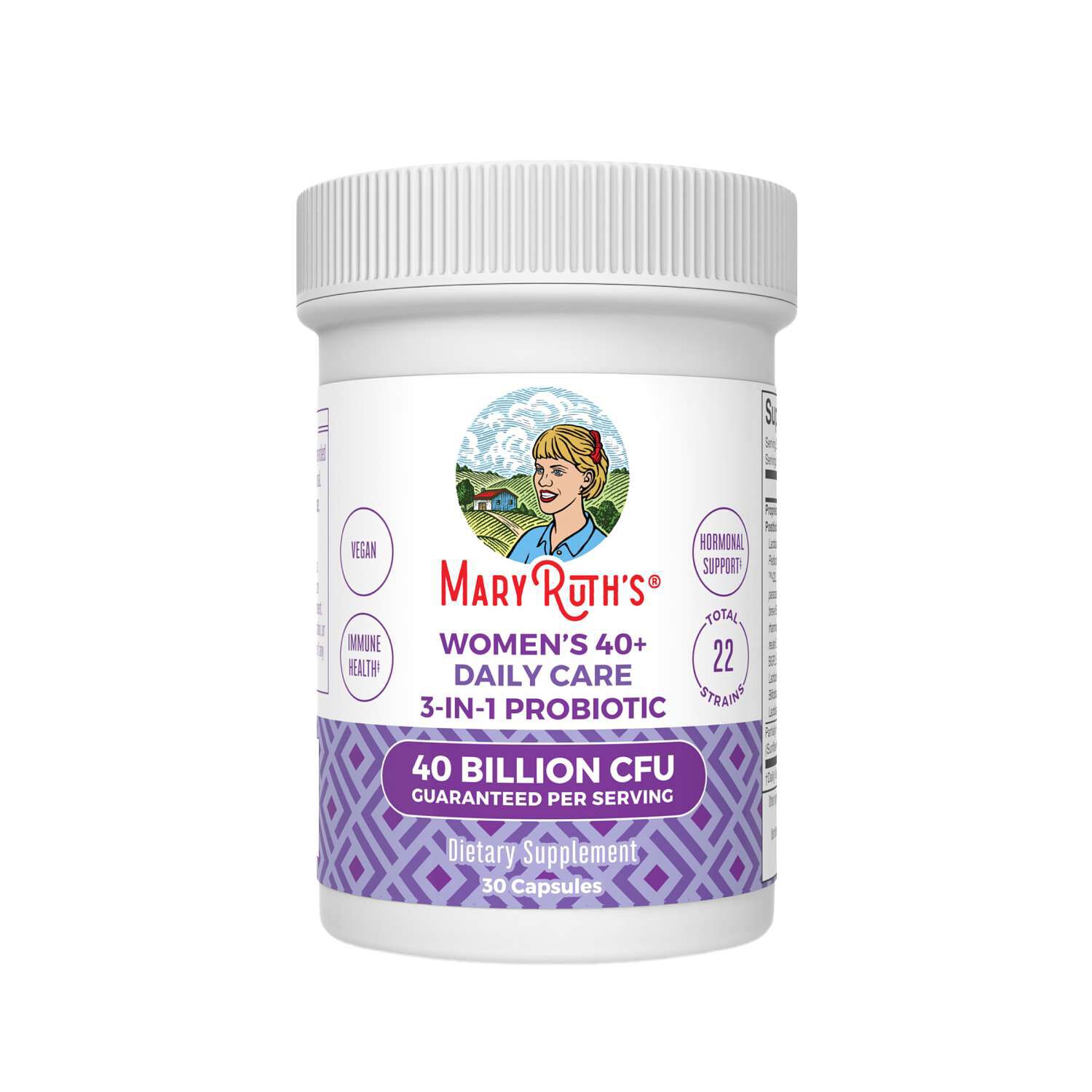


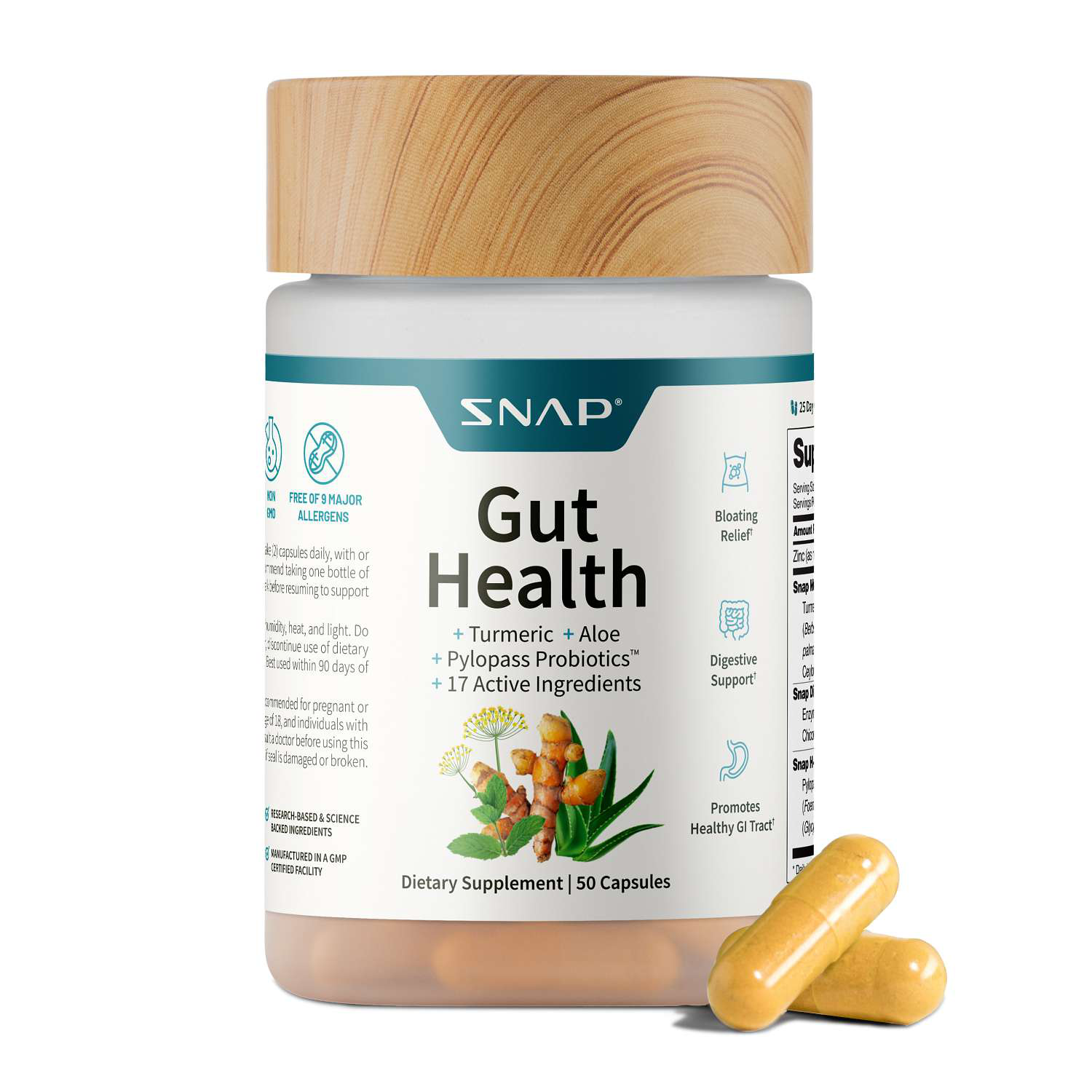
_Front.jpg?sw=305&sh=305&sm=fit "BioDophilus60 - 30 Capsules (30 Servings) | GNC")
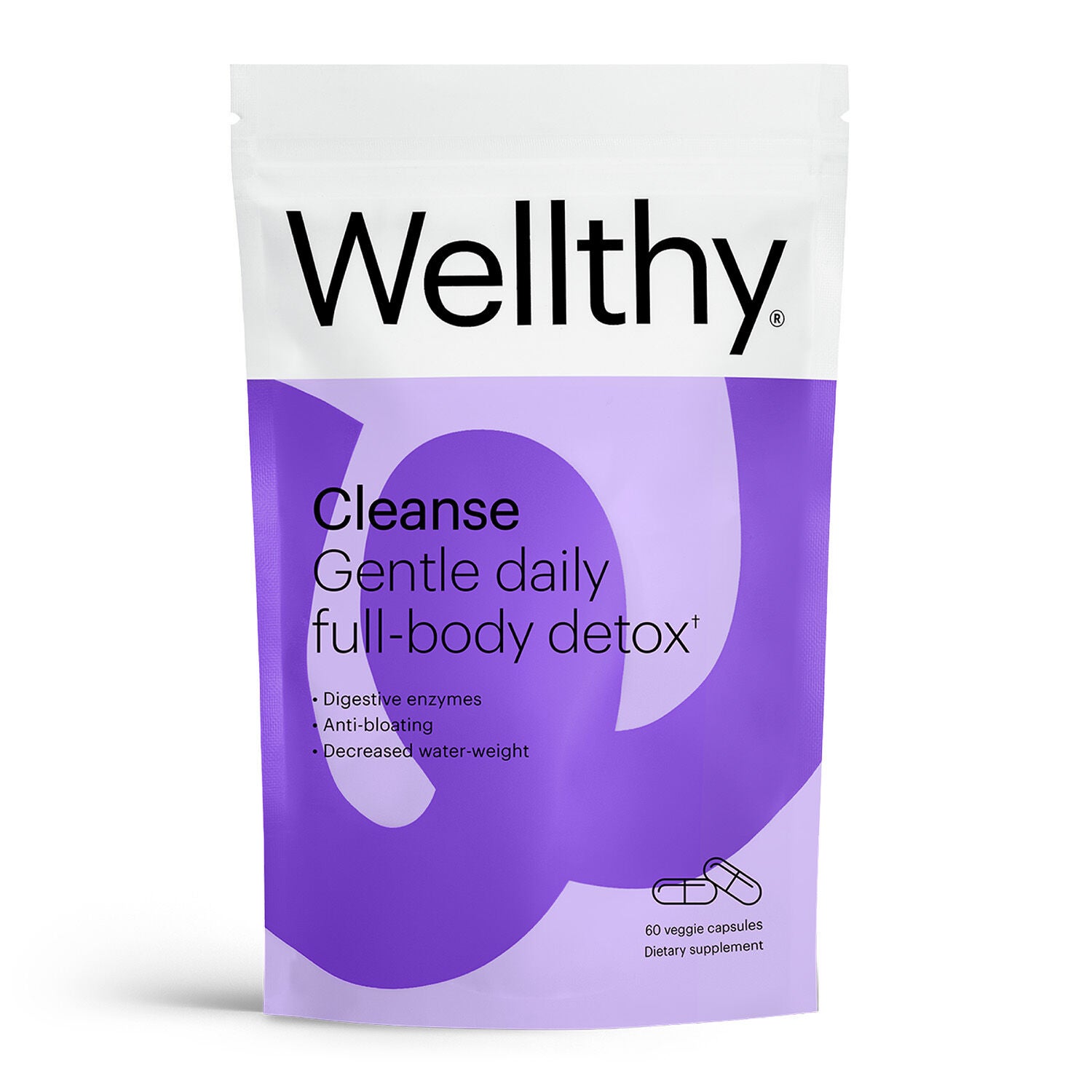
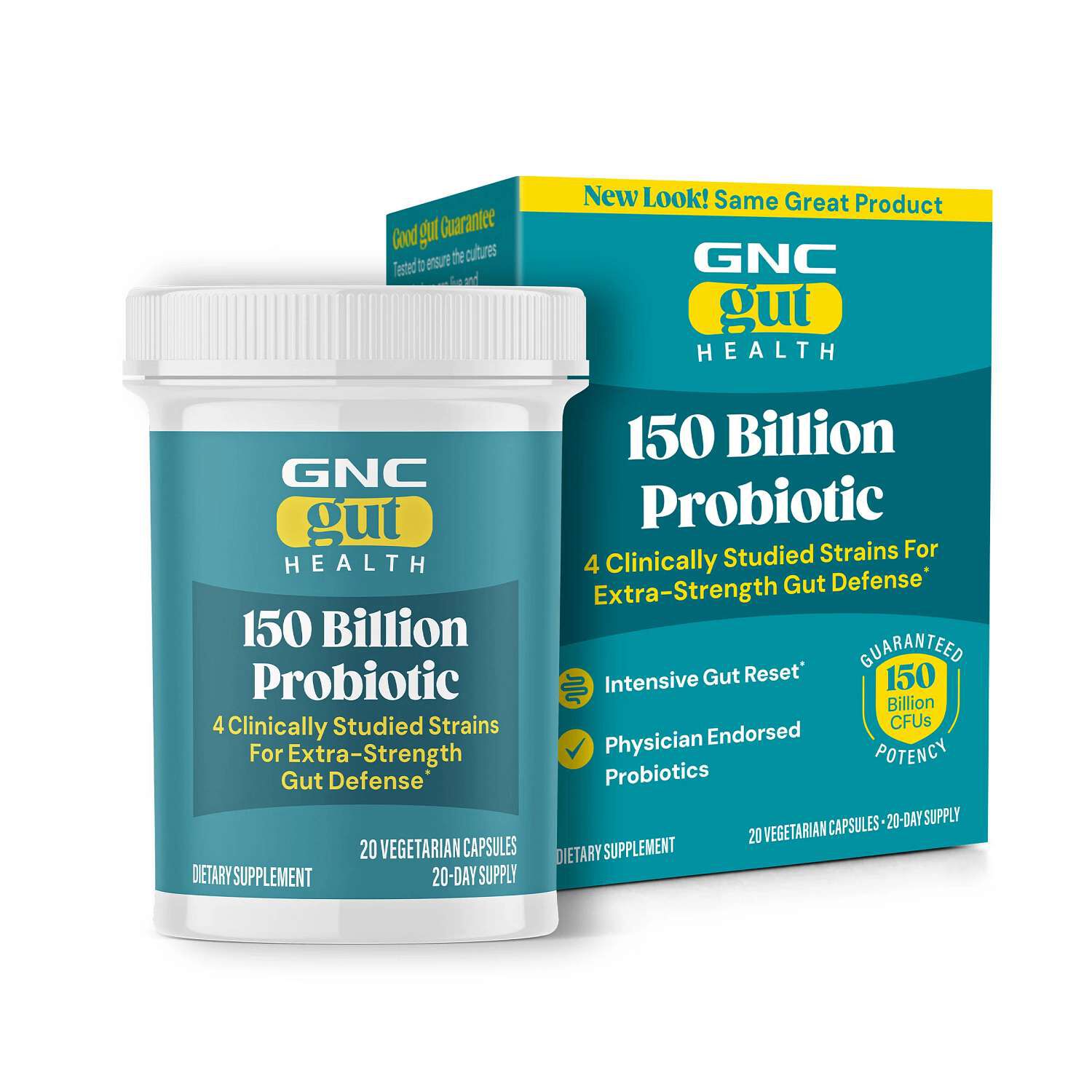
_Front.jpg?sw=305&sh=305&sm=fit "BioDophilus60 - 60 Capsules (60 Servings) | GNC")
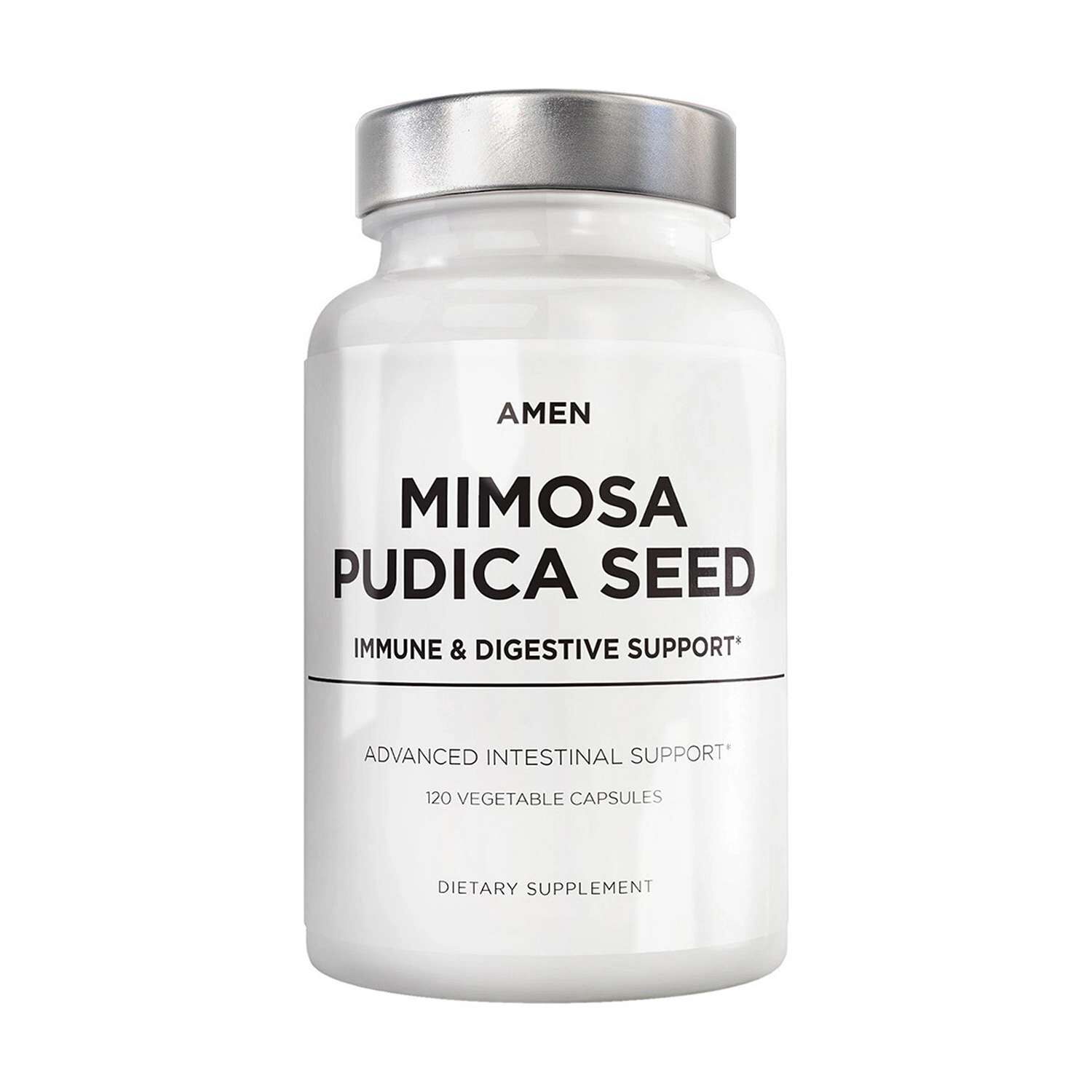
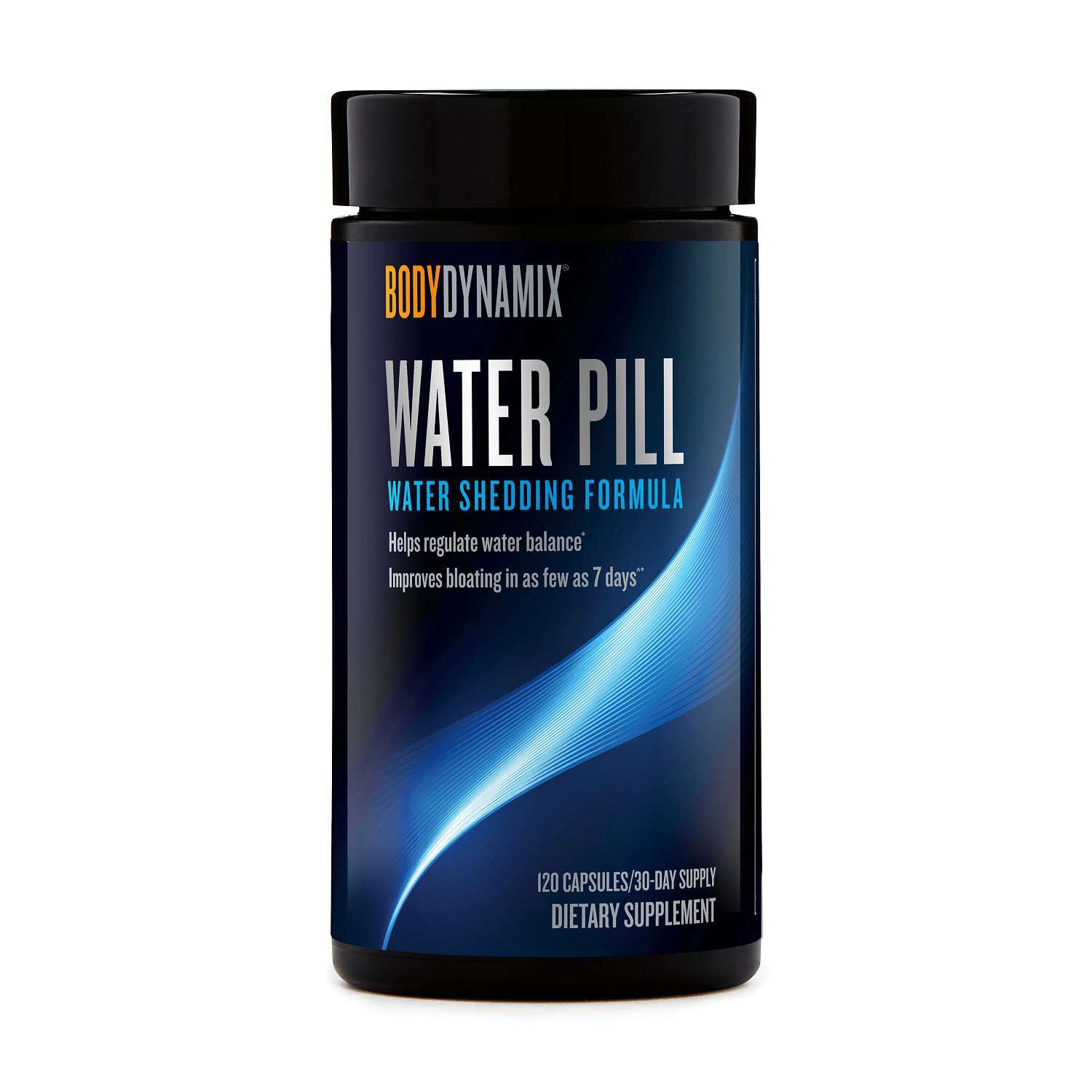
_Front.jpg?sw=305&sh=305&sm=fit "BioDophilus25 -120 Capsules (120 Servings) | GNC")
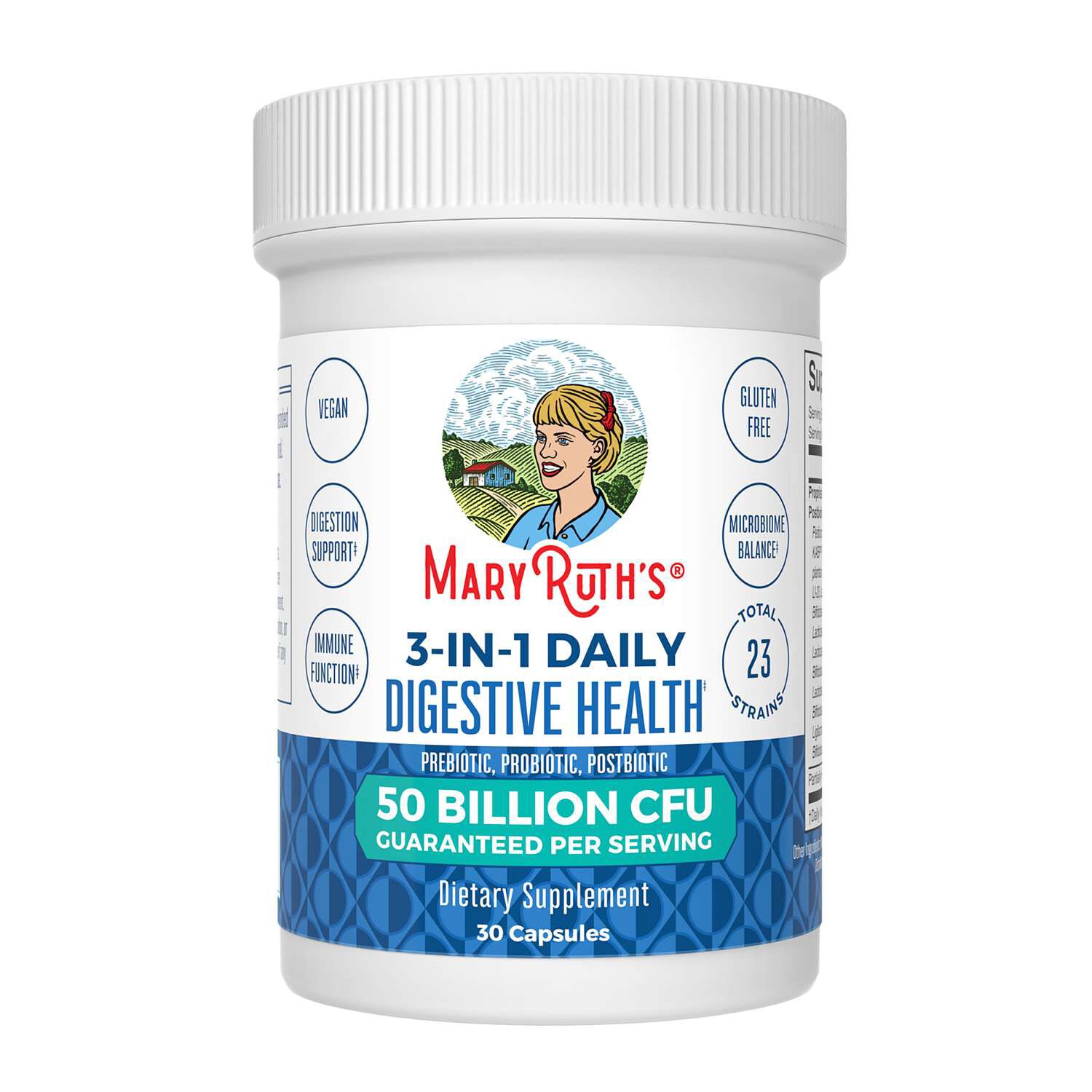
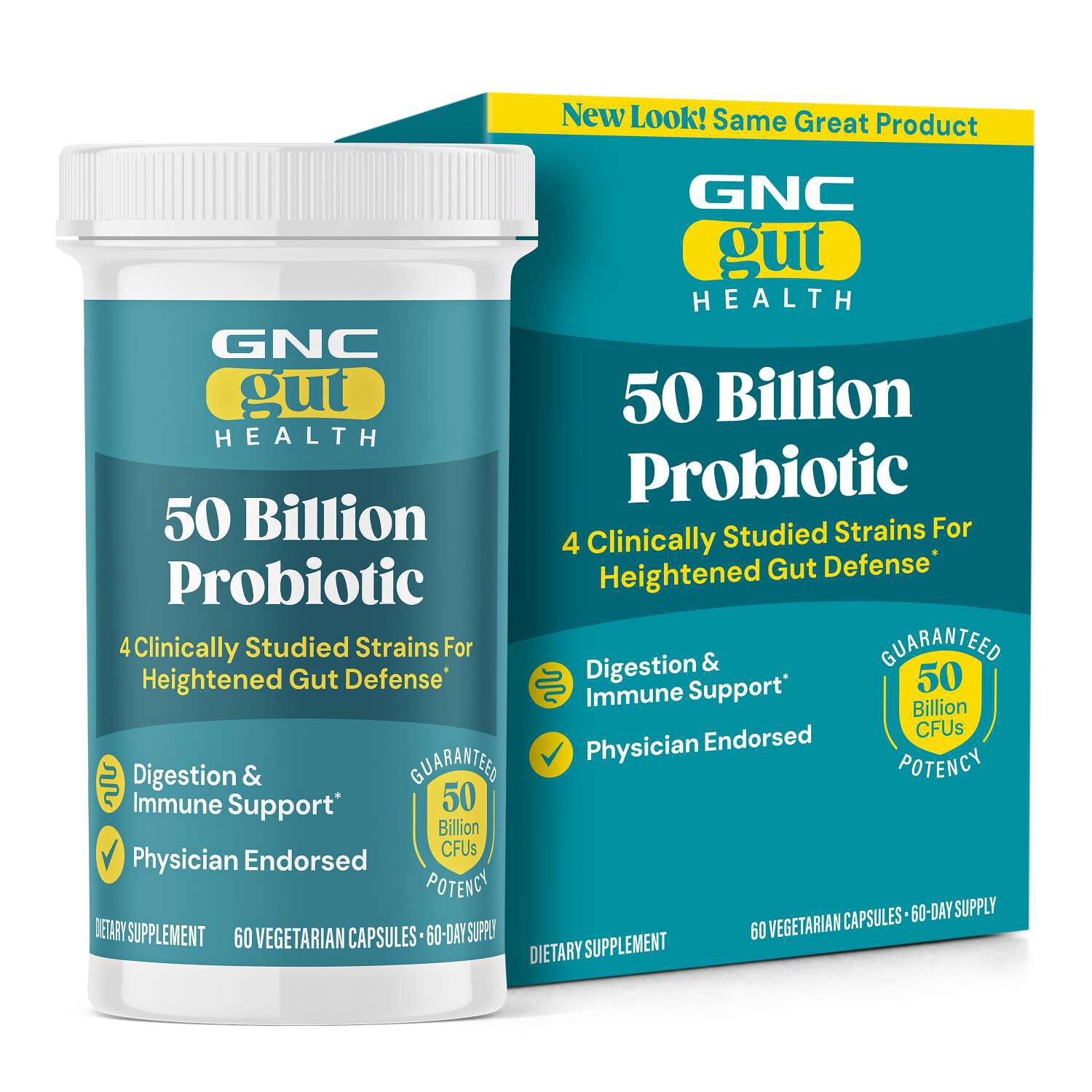
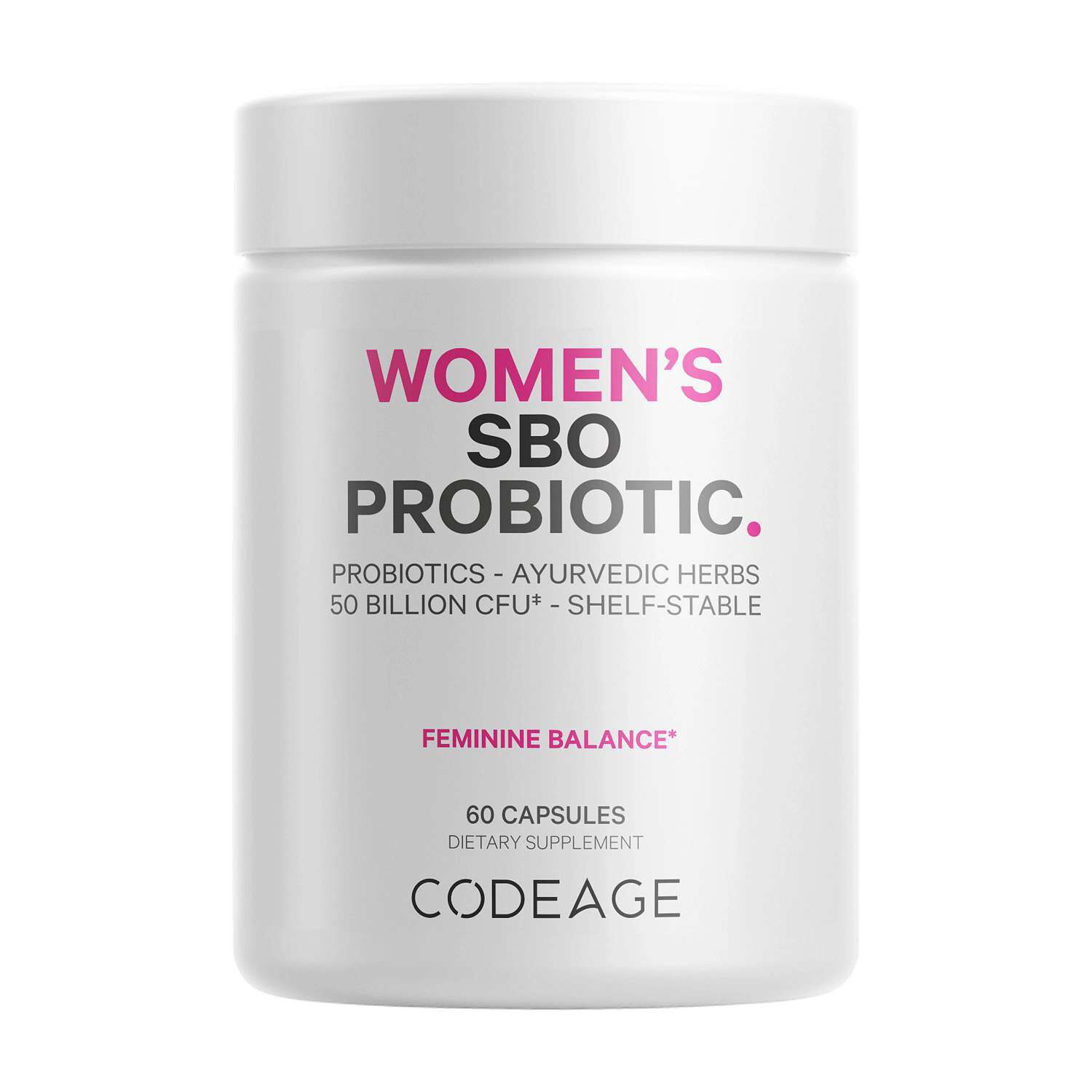
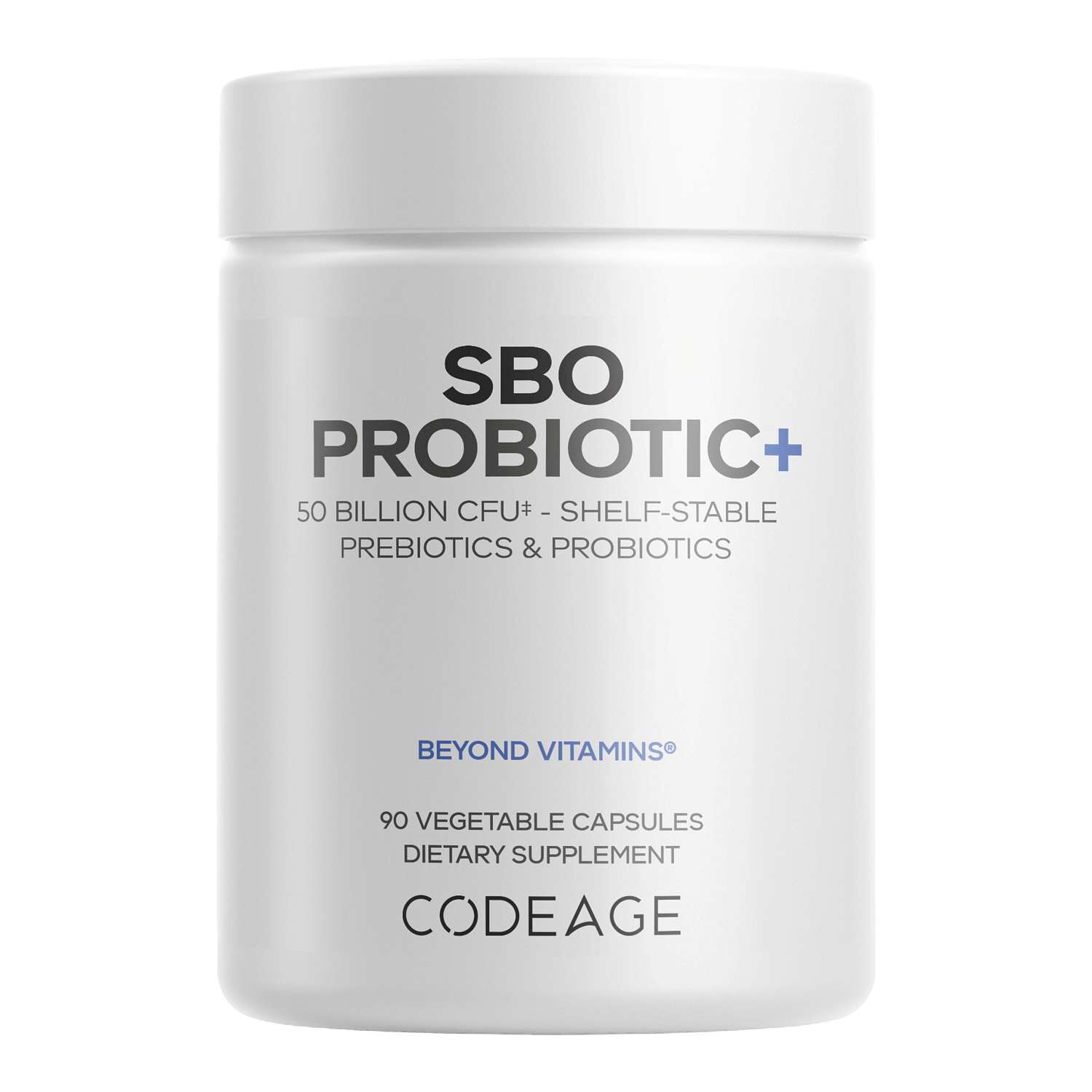
Digestive comfort capsules for women are dietary supplements that may support everyday digestive wellness in a compact format. The category includes probiotic capsules, digestive enzyme formulas, botanical blends, and combinations of these ingredient types. Although packaging may emphasize women’s wellness, the ingredient list is what distinguishes a probiotic-centered formula from a meal-focused enzyme blend or an herbal option. A capsule containing live microorganisms has a different composition from one built around ginger or fennel, even when both use similar language about digestive comfort. For women comparing options around workday lunches, dinners away from home, or an established daily supplement routine, those differences offer a useful starting point. Probiotic formulas commonly feature bacteria from groups such as Lactobacillus and Bifidobacterium, with labels that may identify the genus, species, and strain. These details distinguish one formulation from another; a shared genus name does not mean two probiotic blends are identical. Probiotics may support a balanced digestive microbiome, but their potential benefits may vary with the specific strains and formulation rather than the capsule format itself. Colony-forming units, often abbreviated CFU, describe the quantity of viable microorganisms declared on a probiotic label. The timing attached to that declaration also matters, because a count stated at manufacture is not the same label statement as one stated through the expiration date. A larger CFU count alone does not establish that a formula is a better match for an individual routine. Some women-focused blends also include ingredients such as cranberry or D-mannose, so a label may describe a broader wellness focus than digestion alone. Their presence does not make a formula equivalent to a probiotic-only capsule. Clear strain identification, serving information, and storage directions provide a more concrete picture of the formula than a general description on the front of the bottle.
Digestive enzyme capsules represent another part of this category, particularly for women interested in supplements intended for use around meals. Depending on the formulation, enzymes may help break down different components of food. Amylase may assist with carbohydrate digestion, protease may help with protein digestion, and lipase may assist with fat digestion. Lactase may help with the digestion of lactose, the sugar found in milk and many dairy foods. A blend containing several enzymes differs from a formula centered on a single enzyme, and the label can identify both the enzyme types and their declared activity. Enzyme activity units describe activity under specified testing conditions, while milligrams describe weight; the two measurements are not interchangeable. A higher milligram amount alone does not establish greater enzyme activity. The related category of Digestive Comfort Enzyme Supplements offers an enzyme-focused selection to explore alongside probiotic and botanical options. Botanical capsules may contain ginger, fennel, mint, turmeric, or aloe-derived ingredients, individually or in blends. These ingredients appear in a range of preparations, including powders and extracts, so the plant name alone does not describe everything in the capsule. The plant part, preparation, and amount per serving add meaningful detail. Botanical ingredients may support digestive comfort, although a familiar herb name does not establish how a particular blend will feel for every person. Combination formulas bring several ingredient categories into one serving, while simpler formulas keep the ingredient list narrower. Neither format is automatically the better choice. A woman who already uses a probiotic may prefer to compare the other ingredients in a combination blend, while someone looking for a single-format routine may be more interested in how those ingredients are grouped. An ingredient list that identifies individual amounts also offers a different degree of detail from a blend label that lists a combined weight. These distinctions make ingredient transparency especially relevant when comparing capsules with similar names.
Capsule construction, serving size, and packaging also shape how digestive comfort capsules for women fit into daily life. Shells may be made from gelatin or plant-derived materials such as cellulose, and the shell composition is separate from the ingredients inside. A plant-derived capsule shell does not, by itself, establish that every ingredient meets a particular dietary preference. Dietary designations and allergen statements provide additional details, especially when enzyme sources, fermentation ingredients, or added ingredients matter to the shopper. Capsule dimensions and the number of capsules per serving are practical considerations for anyone who prefers a smaller format or already has several supplements in a daily routine. Bottle count and serving count are not necessarily the same: a serving may contain more than one capsule, so the serving information gives a clearer sense of how the package relates to its labeled use. Directions may also differ between formulas intended for daily use and those labeled for use with food. For a woman packing a lunch before a commute, the distinction between a meal-associated serving and another daily schedule may be particularly relevant. Packaging deserves similar attention. Bottles and blister packs have different opening and handling formats, and a secure closure matters when a container is carried in a work bag or stored at home. Storage directions may specify protection from moisture and direct sunlight, and some probiotic formulas have additional requirements. Original packaging keeps the ingredient panel, directions, expiration date, and storage information together, which is useful when several bottles share a cabinet. These supplements are a personal wellness purchase rather than a one-size-fits-all choice, and a women-focused label does not mean every adult woman has the same preferences or intended use. A straightforward formula, clearly identified ingredients, a manageable capsule format, and packaging that suits the daily routine are useful points of comparison. Together, those details distinguish options that may support digestive comfort without relying on a broad category name to tell the whole story.
Best Sellers
-
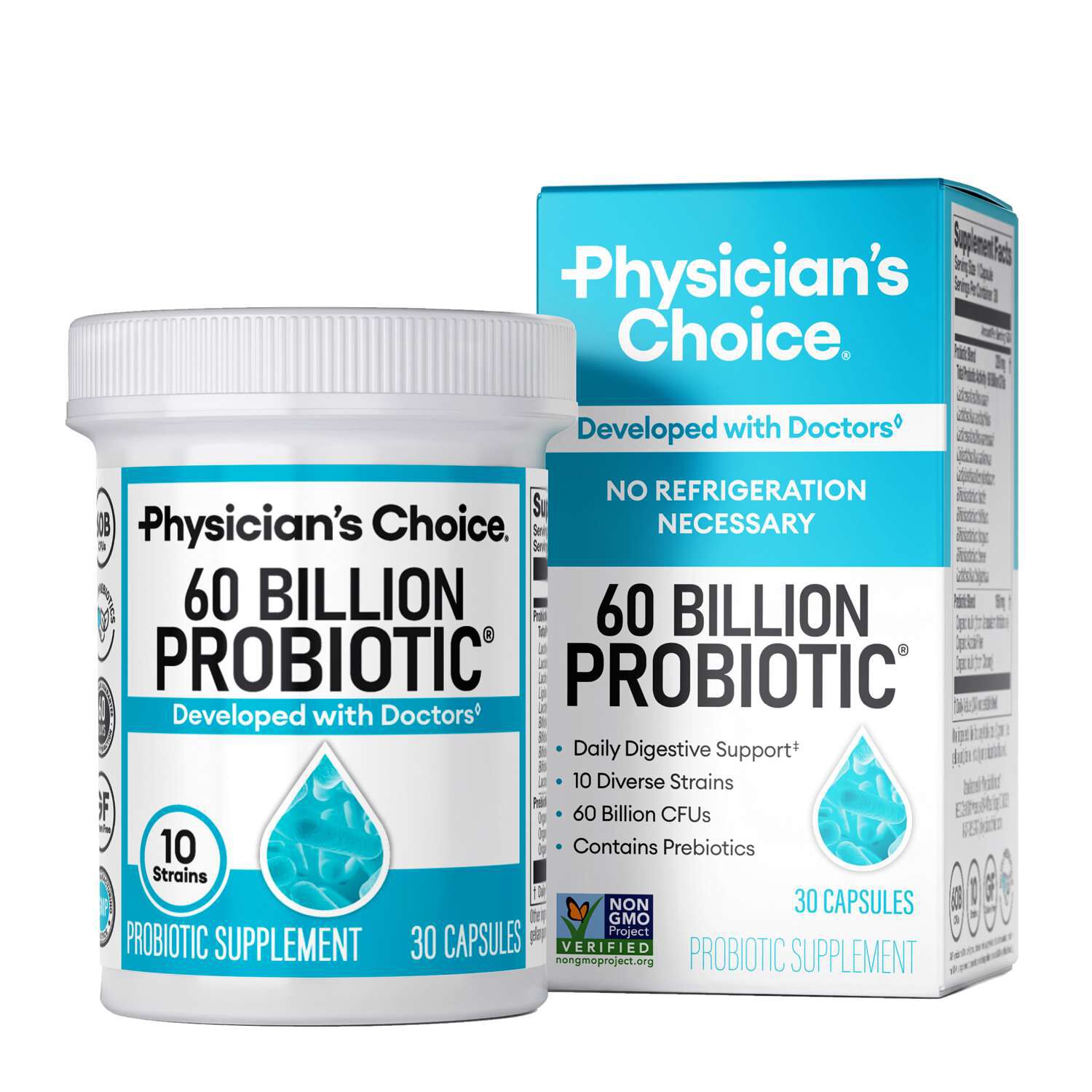 Physician's Choice
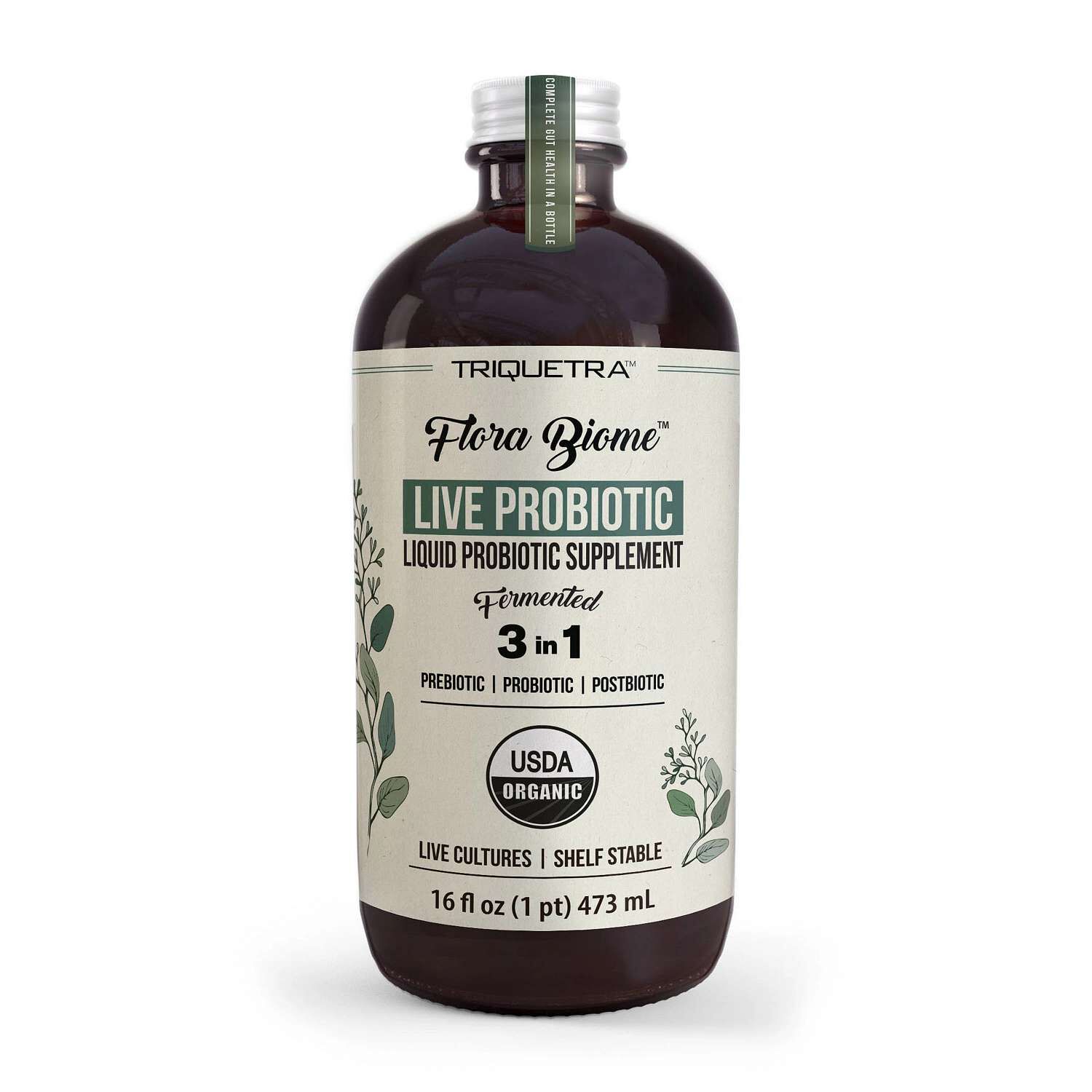

Related Pages

Top Collections
- Zinc Supplements | Top Brands at Great Prices | GNC
- Cortisol Supplements
- Joint Mobility Supplement Packs
- NAD+ Supplement Tablets
- Best Brand of Magnesium Glycinate
- Top Rated Collagen | Shop Customer Favorites | GNC
- Iron Supplements
- Peptide Supplements
- Protein Powders For Muscle Growth Support
- Vitamins That Help Support Weight Gain