





Probiotic Capsules For Occasional Digestive Discomfort
(0 Results)
Probiotic capsules for occasional digestive discomfort offer a convenient way to support your wellness routine. With a variety of options available, these supplements may help you maintain digestive balance as part of a healthy lifestyle. Explore probiotic capsules for occasional digestive discomfort and discover formulations designed to fit your unique needs and preferences.
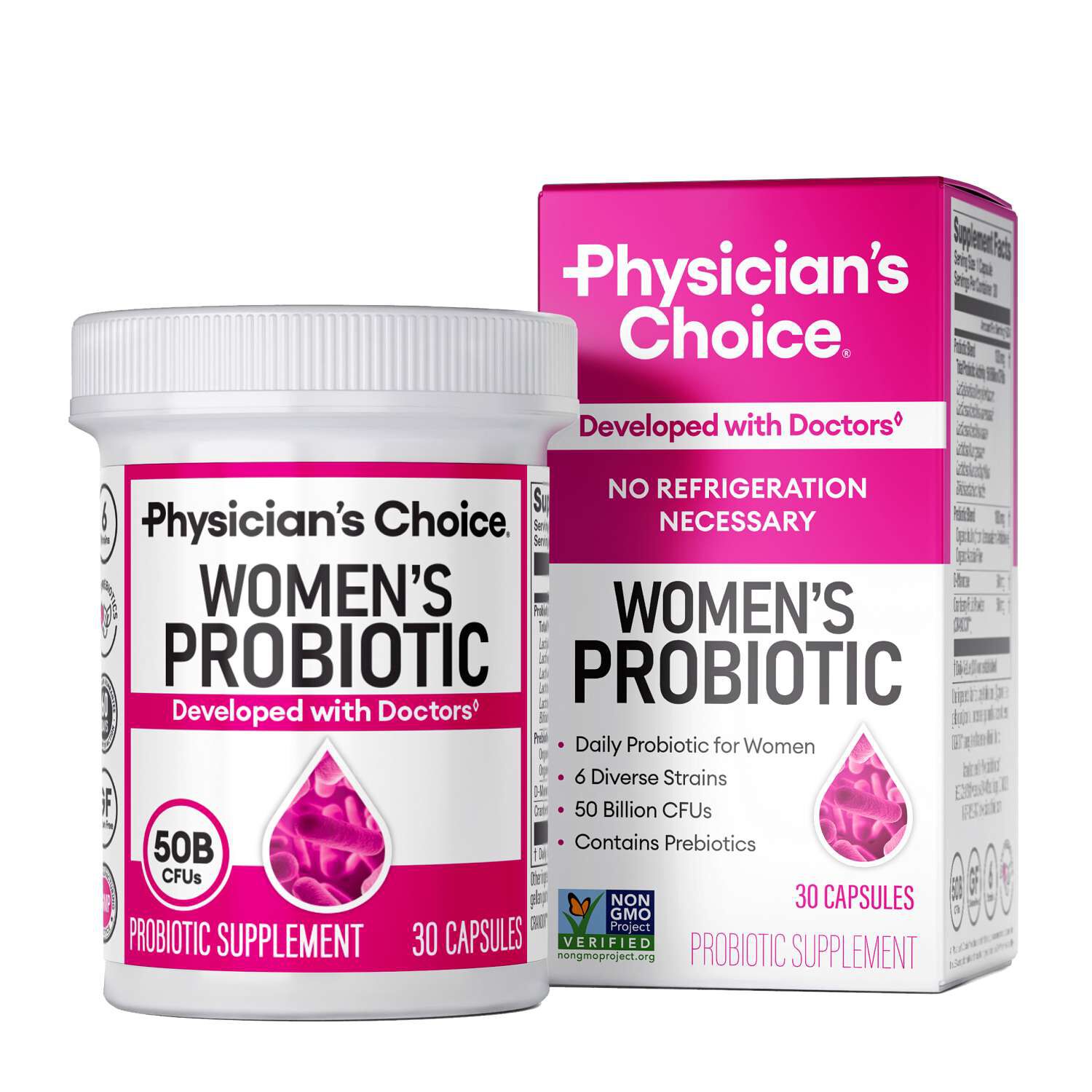

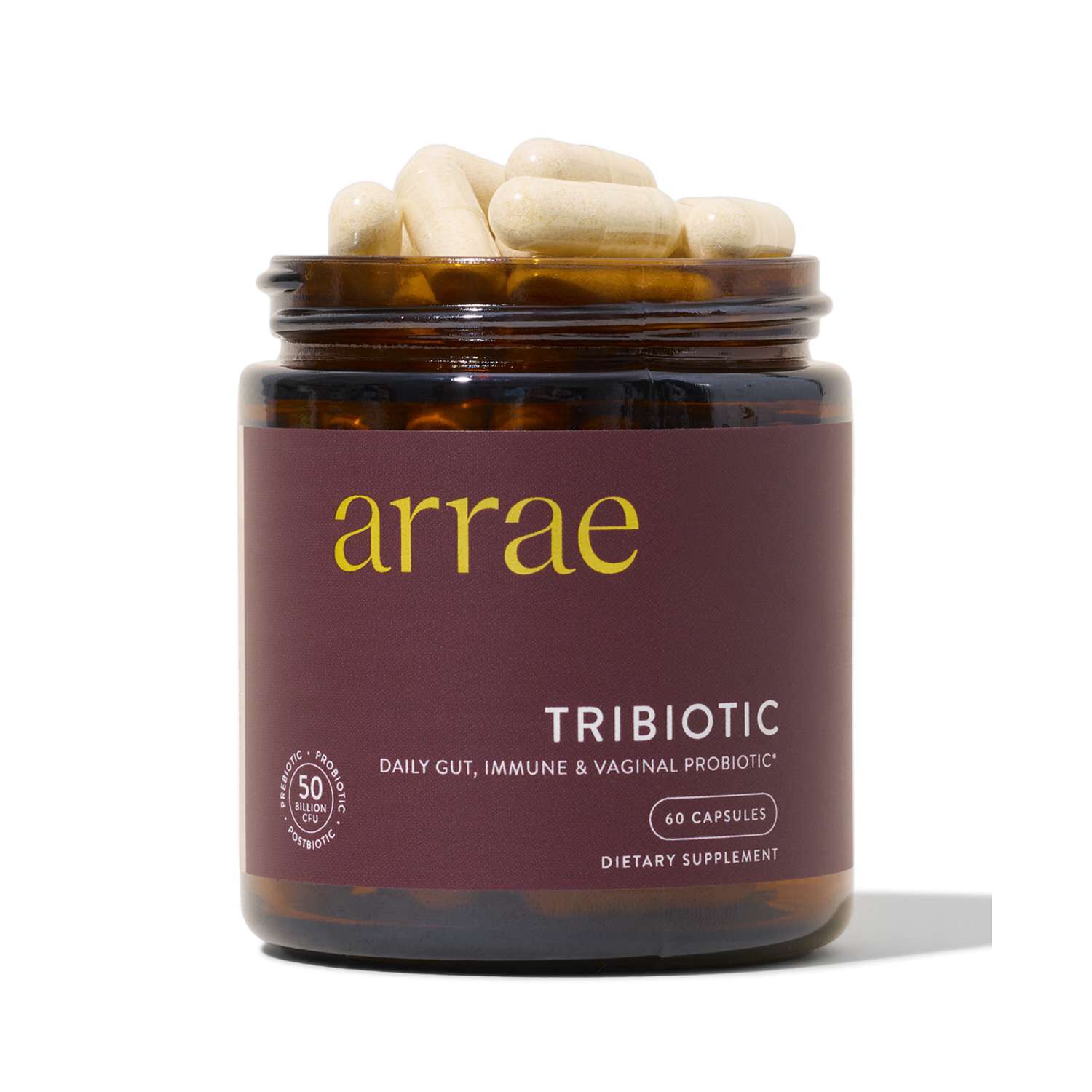
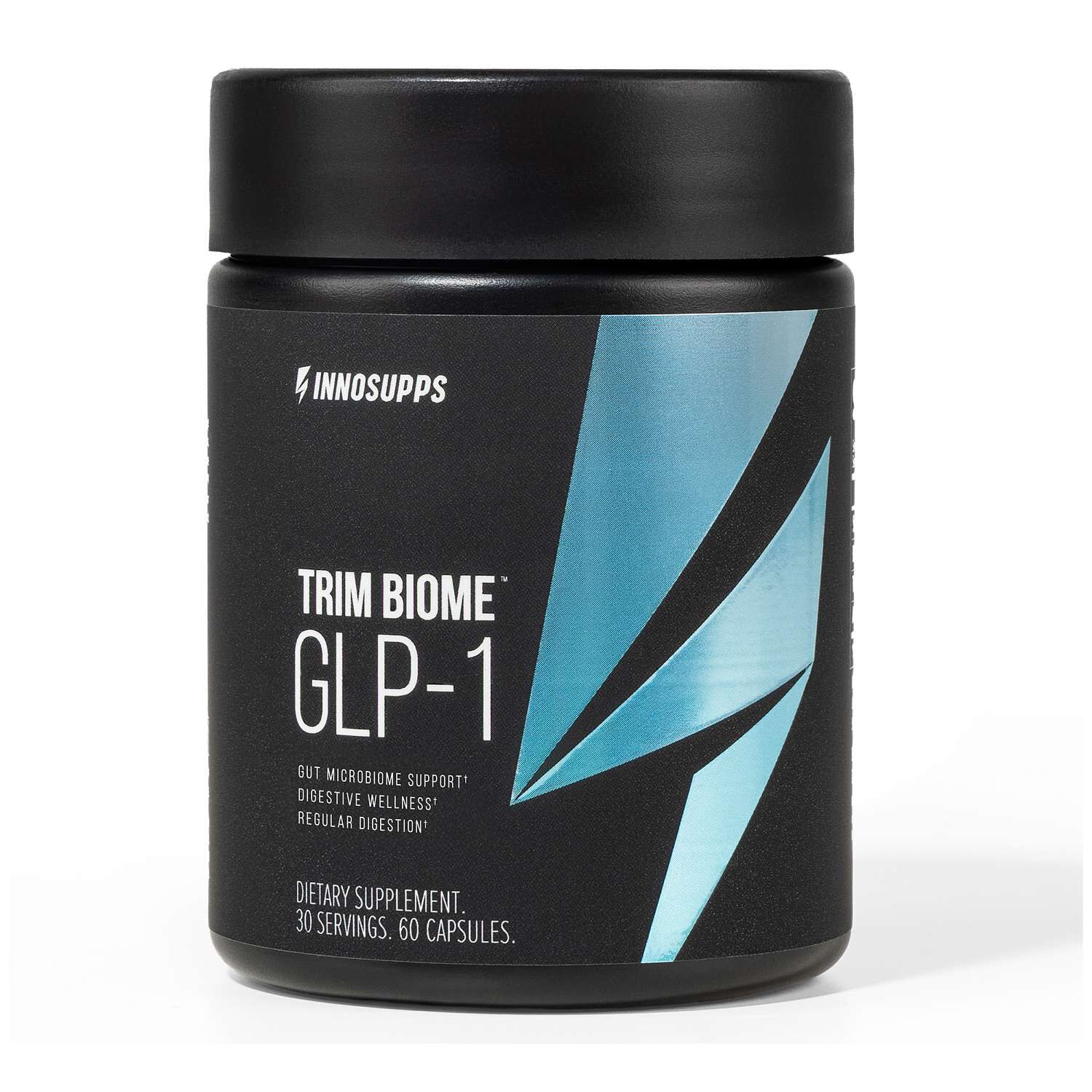







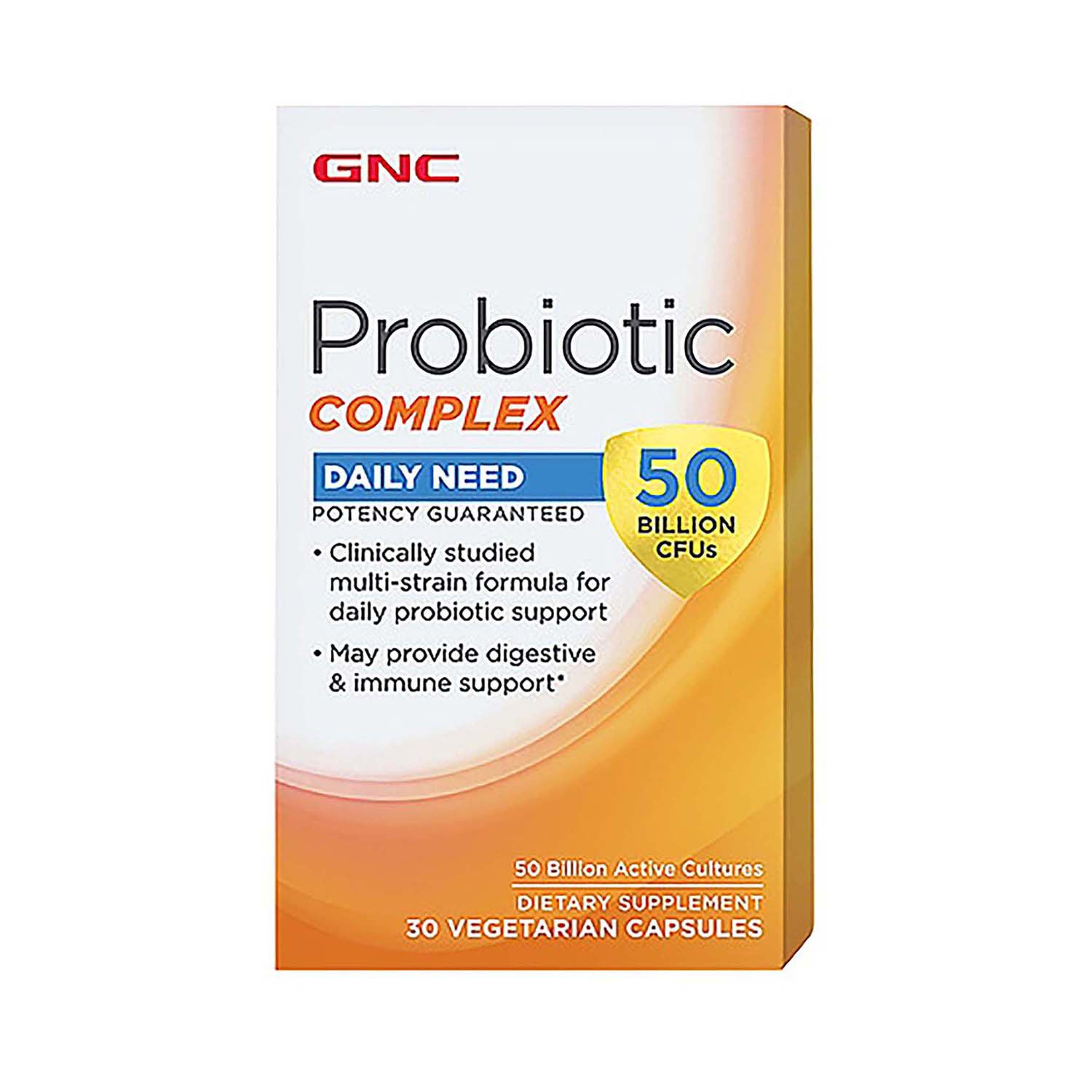







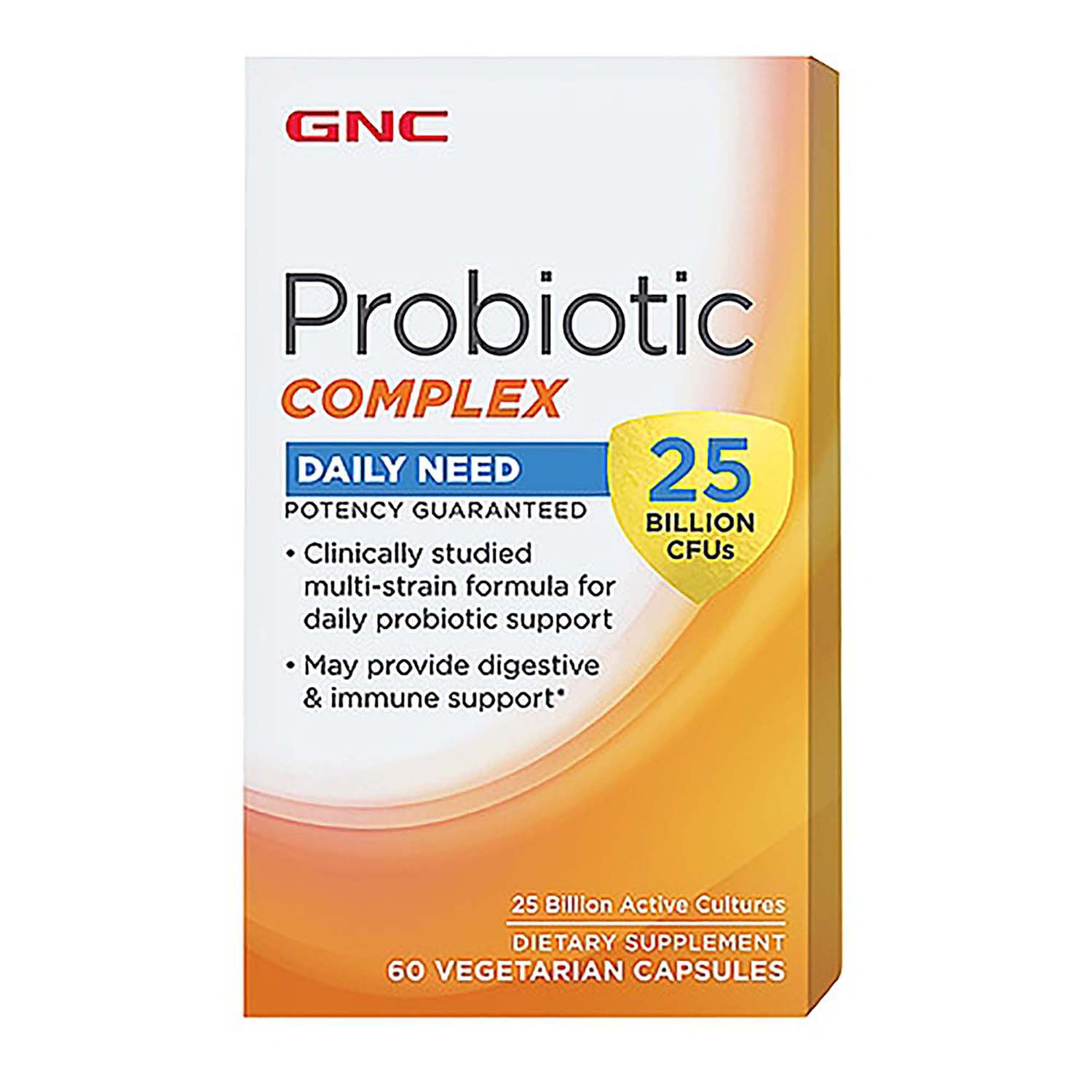

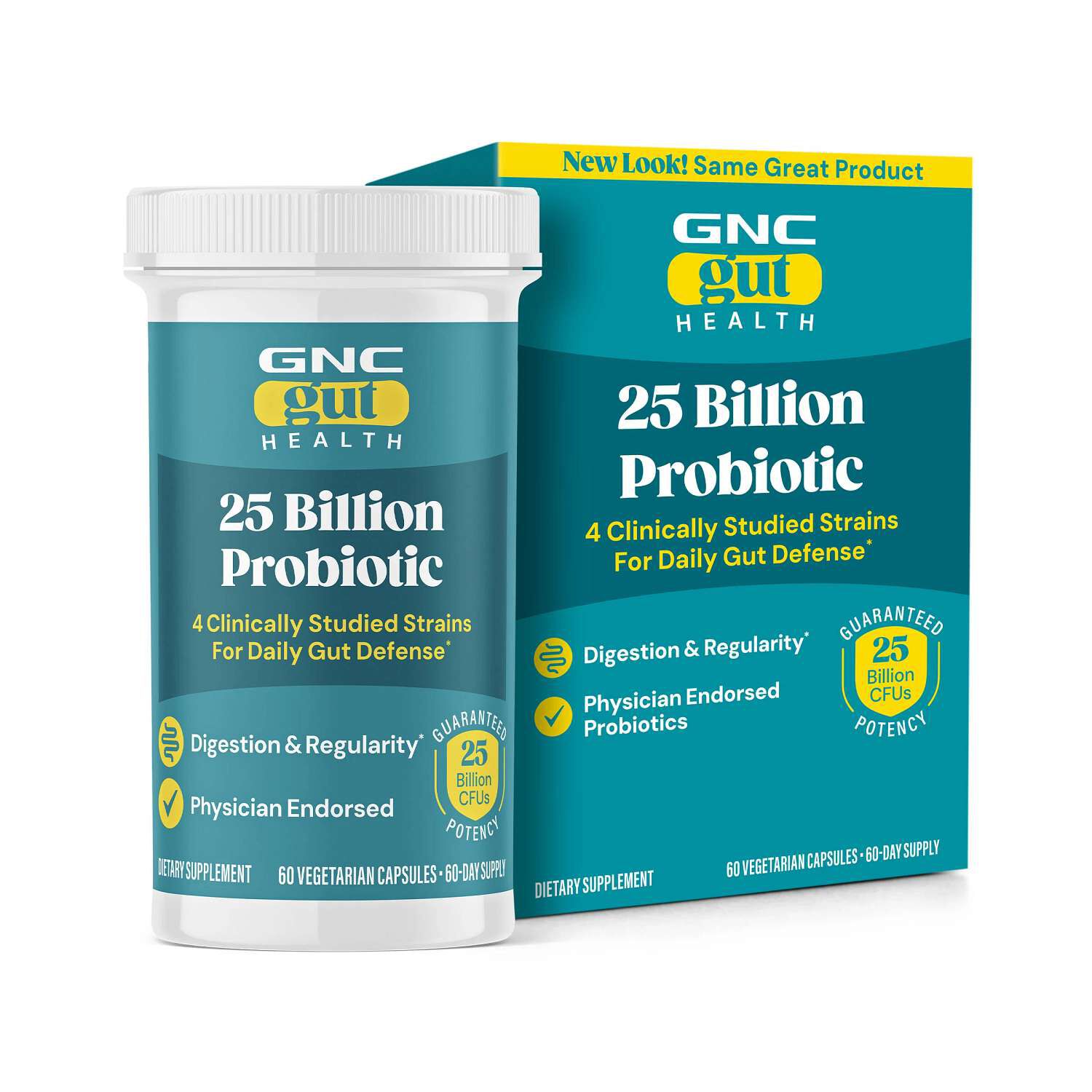

Probiotic capsules for occasional digestive discomfort are dietary supplements for adults interested in everyday digestive wellness in a convenient capsule format. They contain live microorganisms, commonly bacteria, and some formulas may support a balanced gut microbiome as part of a varied diet. The gut microbiome is the community of microorganisms that lives in the digestive tract; its makeup differs from person to person. That variation matters when comparing supplements, because a formula that suits one person’s routine may not suit another’s. Capsules offer a measured serving without requiring a powder to be stirred into a drink, and their labels provide useful details about the microorganisms inside. Common names include Lactobacillus and Bifidobacterium, but those names describe broad groups rather than identical ingredients. A more detailed listing identifies the species and strain, sometimes with a combination of letters and numbers after the name. Those identifiers help distinguish one microorganism from another, making them more informative than a general statement about the number of strains. A formula with several strains is not automatically a better match than one with fewer; the identities of the microorganisms, serving directions, and other ingredients deserve attention alongside the count. Probiotic amounts are often expressed in colony-forming units, or CFUs, which estimate the number of viable microorganisms in a serving. A larger CFU count does not, by itself, establish a more suitable product or a particular outcome. It also matters whether the label describes the count at manufacture or through the expiration date when stored as directed. For a meaningful comparison, look at the amount per suggested serving rather than assuming every capsule contains the amount shown prominently on the package. These details give the category more context than a single large number and help distinguish formulas that otherwise look similar on the shelf.
Capsule construction, accompanying ingredients, and storage requirements are practical differences worth considering. The shell may be made from gelatin or a plant-derived material such as cellulose, so the ingredient panel is useful for shoppers with vegetarian preferences or other dietary requirements. The microorganisms inside do not determine whether the entire formula suits a particular eating pattern; the shell, carriers, and added ingredients matter, too. Allergen statements deserve a separate look, especially when dairy, soy, or wheat is a concern. A dietary description on the front of a bottle is not a substitute for the ingredient list and any manufacturing disclosures elsewhere on the label. Some probiotic capsules also contain prebiotic ingredients, such as inulin or other fibers, which may provide nourishment for certain gut microorganisms. These additions distinguish a combined formula from one containing probiotics alone. For shoppers who prefer a shorter ingredient list, an added fiber blend may be less relevant than clearly identified strains and straightforward serving directions. Others may prefer a combined format that fits their existing supplement routine. Capsule size and the number required per serving can also affect that fit: a bottle containing sixty capsules does not necessarily provide sixty daily servings. Some labels describe delayed-release or acid-resistant capsule designs, features intended to influence where the capsule opens along the digestive tract. That wording should be considered alongside strain information and storage directions rather than treated as proof of a particular digestive outcome. Probiotic supplements contain living organisms, making packaging and storage instructions especially relevant. Some formulas require refrigeration, while others are labeled for shelf storage under specified conditions. A shelf-storage designation does not mean every storage location is suitable. A humid bathroom cabinet, an open bottle beside a sink, or a container left in a vehicle may fall outside the labeled conditions. Keeping the original container and checking its closure, expiration date, and storage directions helps preserve the information needed throughout use. Protective packaging is a practical feature, but it does not replace attention to the conditions printed on the label.
The most suitable capsule format is often the one whose directions and storage requirements fit an ordinary day. Someone who eats breakfast at home may prefer a bottle kept in a designated cabinet that meets its storage instructions, while a frequent traveler may place more importance on a formula labeled for storage without refrigeration. Keeping capsules in their original labeled packaging can make serving information and ingredient details easier to reference away from home. For an adult who already takes several supplements, the number of capsules per serving and any additional ingredients may be more useful comparison points than a prominent strain count. A formula containing only probiotics presents a different ingredient profile from one that also includes fiber, vitamins, or minerals. Looking across those ingredient lists can reveal overlap without assuming that a longer list is better. Adults shopping with age-specific preferences can also explore Probiotic Capsules for Digestive Health Over 50 as a related category, while still comparing each formula on its own label details. Age-oriented wording does not make different formulations interchangeable or mean that every adult in that age group needs the same supplement. Personal dietary preferences, capsule format, and the intended audience listed on the package remain relevant. Probiotic capsules are a personal-use purchase, so ingredient preferences and storage needs usually matter more than gift presentation. For occasional digestive discomfort, the category offers a way to browse supplements positioned around digestive wellness without treating every formula as equivalent. Some products may support normal digestive function, but individual experiences can differ, and the category name does not establish what any one capsule will do. Clear strain identification, a understandable CFU statement, suitable capsule materials, and practical storage directions provide concrete points of comparison. Together, those details help shoppers distinguish everyday probiotic options by what they contain and how they fit into a routine, rather than by assumptions about capsule count or packaging language alone.
Best Sellers
-
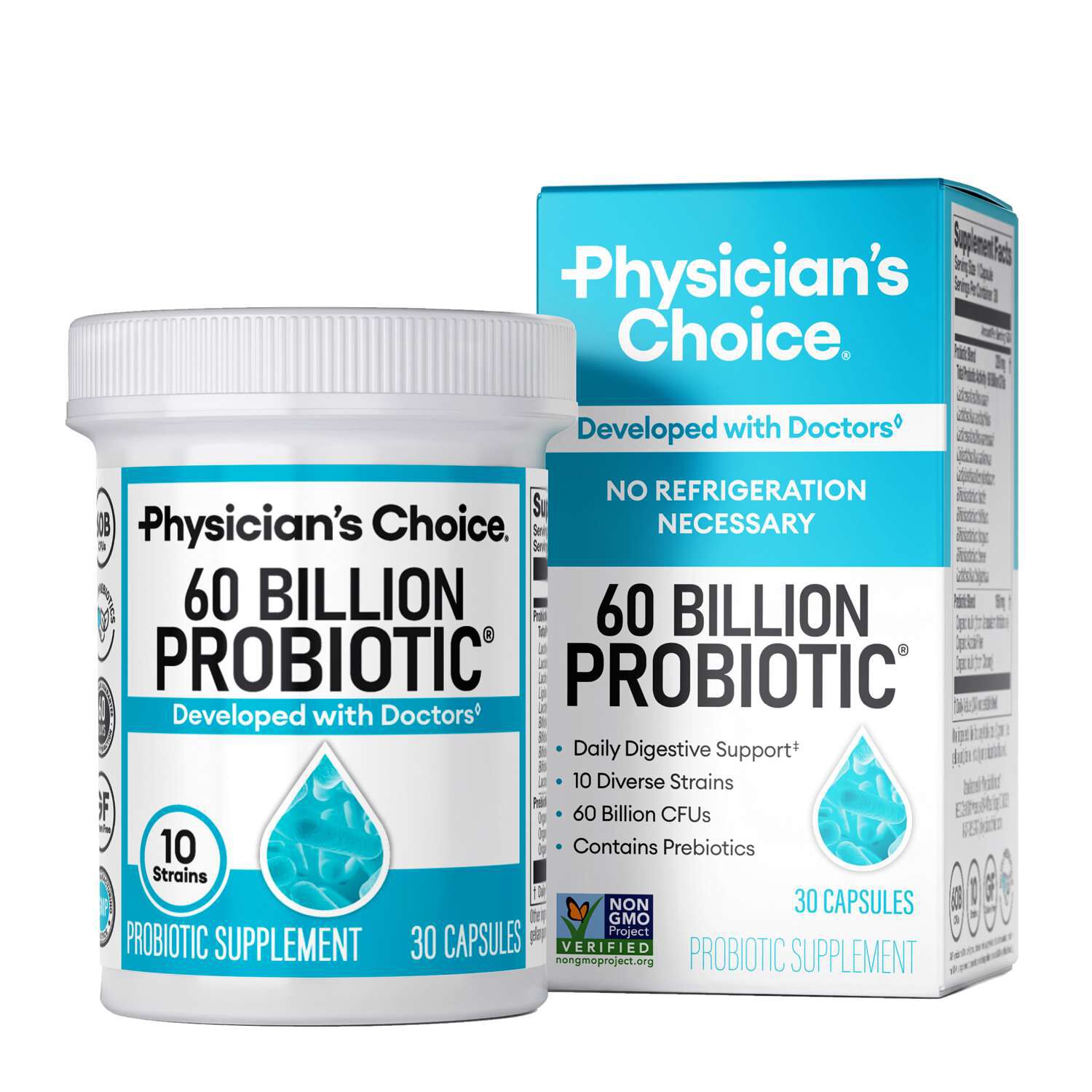 Physician's Choice
Related Pages
Top Collections
- Zinc Supplements | Top Brands at Great Prices | GNC
- Cortisol Supplements
- Joint Mobility Supplement Packs
- NAD+ Supplement Tablets
- Best Brand of Magnesium Glycinate
- Top Rated Collagen | Shop Customer Favorites | GNC
- Iron Supplements
- Peptide Supplements
- Protein Powders For Muscle Growth Support
- Vitamins That Help Support Weight Gain