

Probiotic Capsules For Digestive Health Over 50
(0 Results)
Probiotic capsules for digestive health over 50 are designed with your changing wellness needs in mind. As the body ages, maintaining a balanced gut environment may support overall well-being and daily comfort. These convenient capsules could be a simple addition to your routine, offering a targeted approach to digestive care. Explore options that may fit your lifestyle and discover how probiotic capsules for digestive health over 50 might help you feel your best every day.
-
 You Matter Wellness$49.99
 -





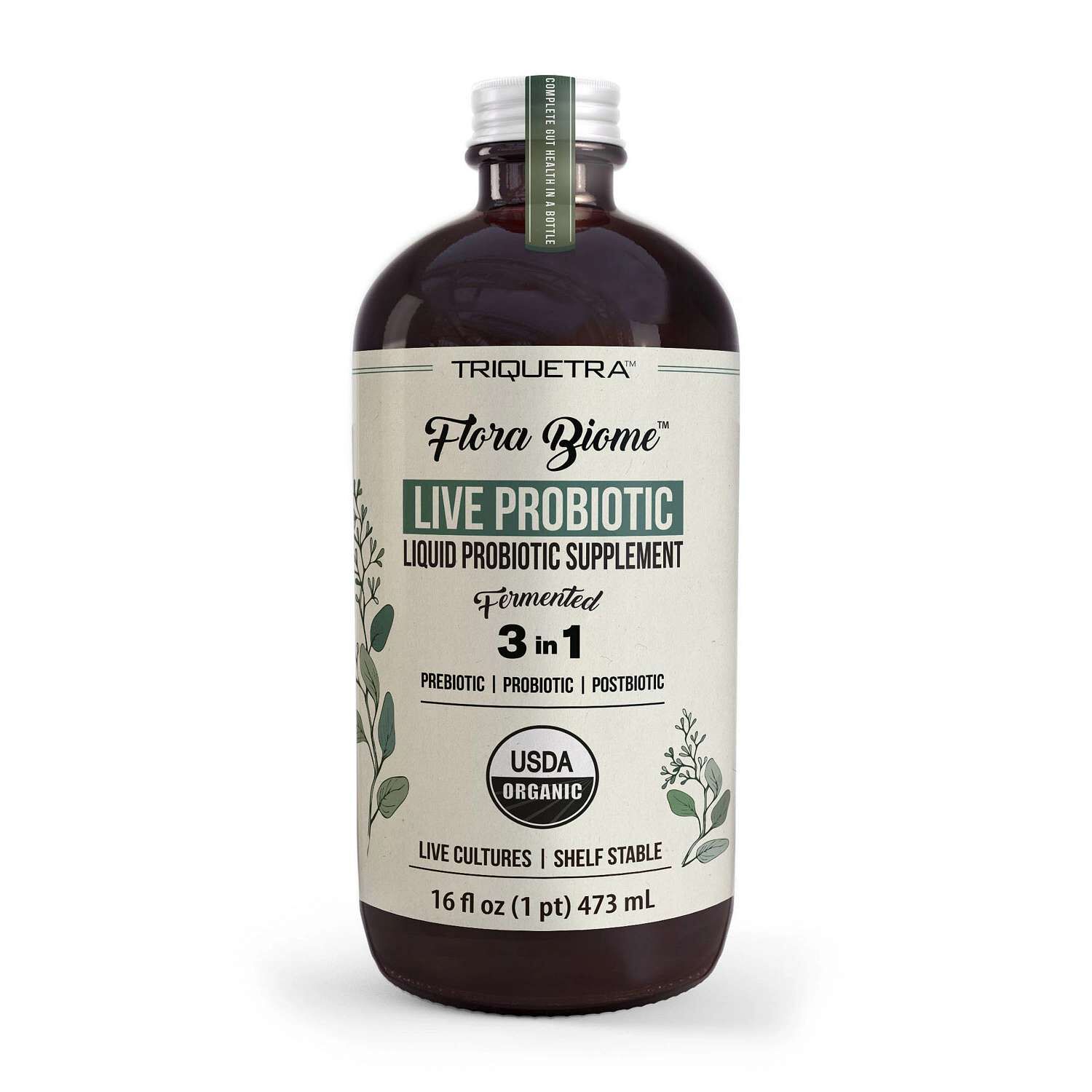
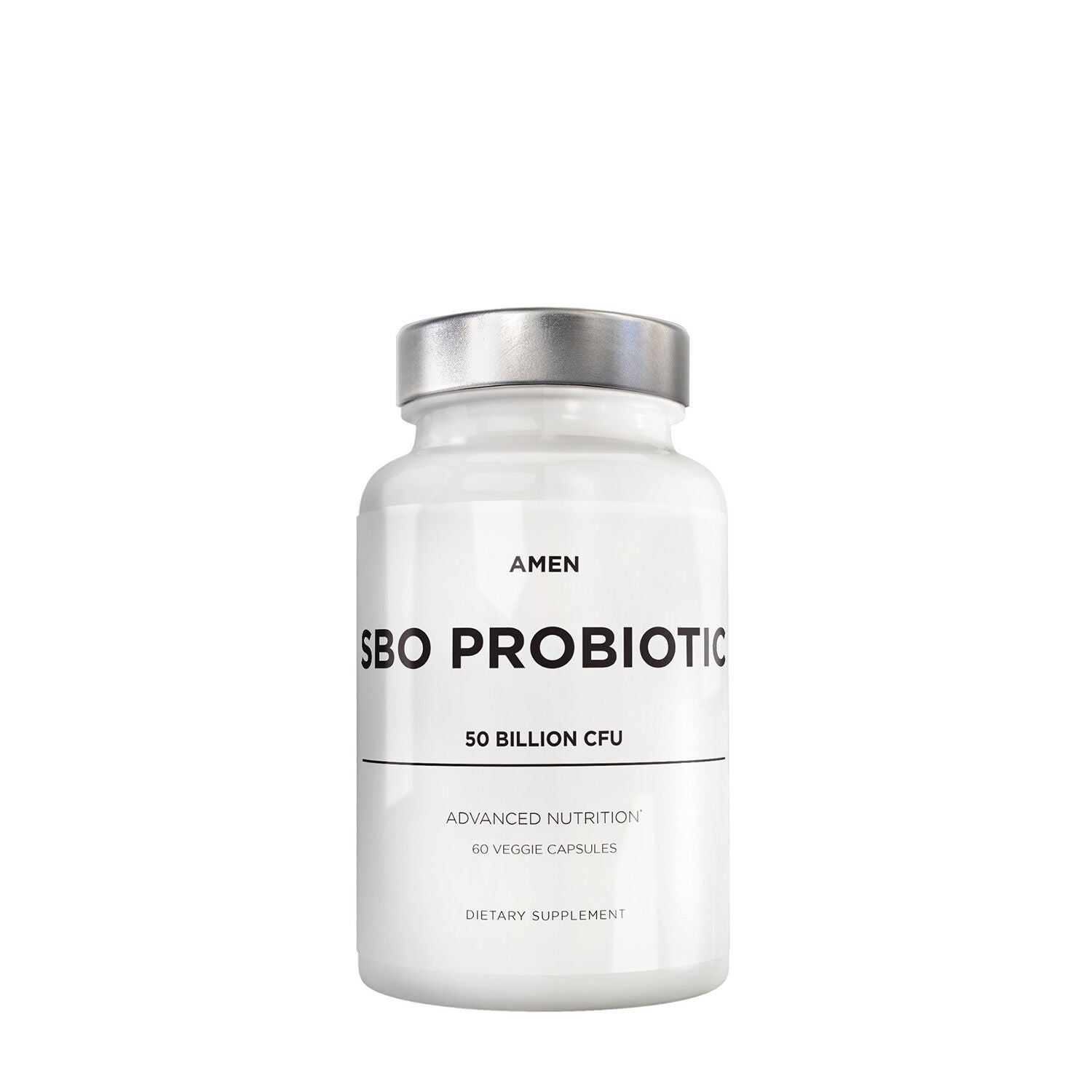
Probiotic capsules for digestive health over 50 bring together live microorganisms in a familiar supplement format that may support everyday digestive wellness. These products are intended for adults who want to include a probiotic in an established daily routine, whether that routine centers on breakfast at home, lunch at work, or meals shared with family. Probiotics are live microorganisms, often bacteria, and capsule formulas differ in their species, strains, serving sizes, and added ingredients. Lactobacillus and Bifidobacterium are two names commonly found on probiotic labels, although some organisms now appear under updated scientific names. A strain designation adds a more specific identifier after the genus and species; that distinction matters because different strains are not interchangeable. Two bottles can display similar front-label descriptions while containing different organisms and different amounts per serving. An age-focused label is another point of comparison, but “50+” does not describe one standardized formula or a single serving size shared across the category. Adults over 50 have varied food preferences, schedules, and supplement habits, so the details on the label offer a more useful comparison than age positioning alone. Some shoppers prefer a formula containing a small number of clearly identified strains, while others look for a blend with several named strains. Neither the number of strains nor the largest printed count tells the whole story about a formula. For someone who already keeps a short, consistent supplement routine, a capsule with straightforward directions may fit their habits better than one requiring several separate servings. Someone who prefers fewer added ingredients may focus on a simpler ingredient list. The practical starting point is the same: compare the organisms listed, the amount in a labeled serving, the capsule ingredients, and the storage directions. Those details distinguish probiotic capsules more meaningfully than broad descriptions on the front of a bottle, and they help clarify what each formula actually contains.
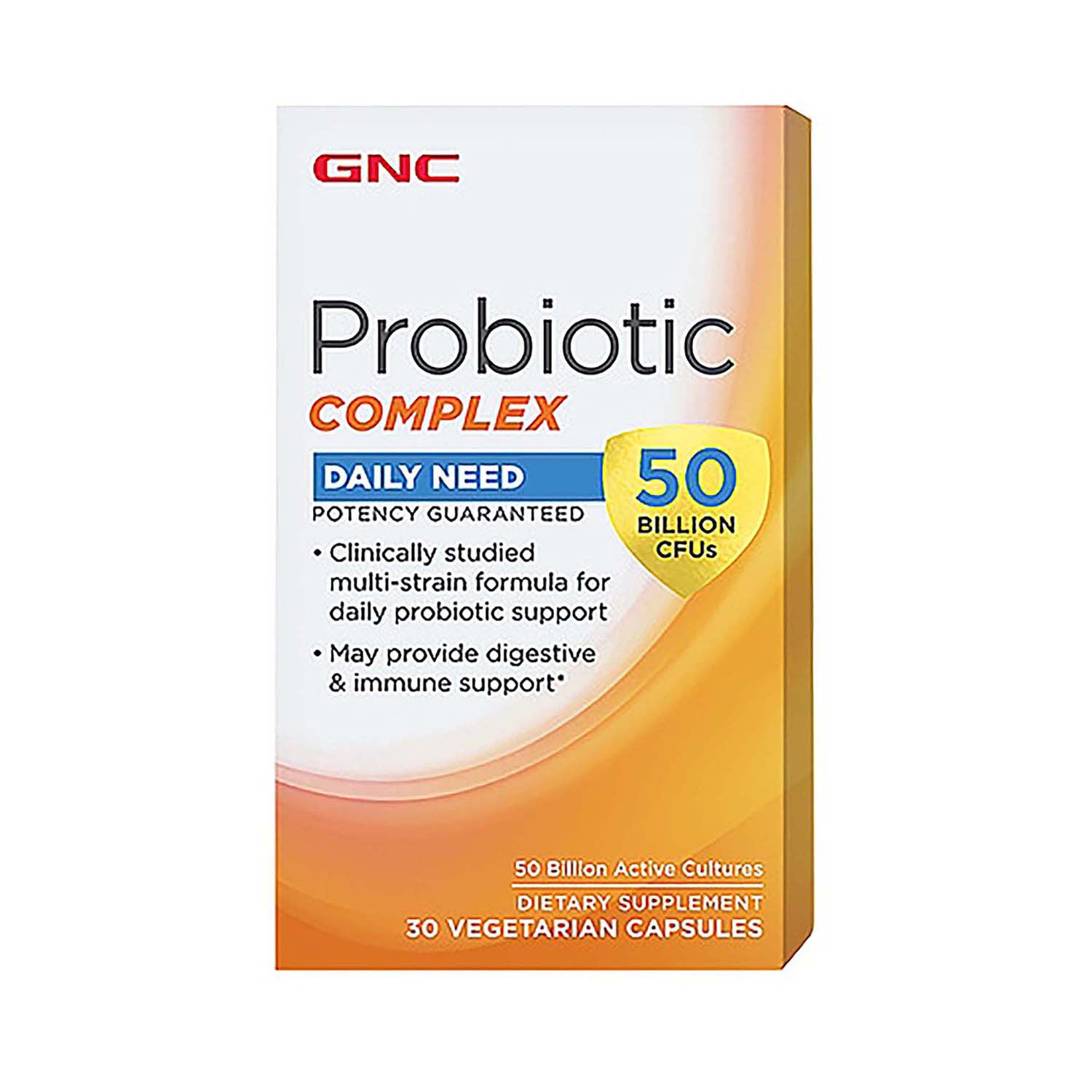
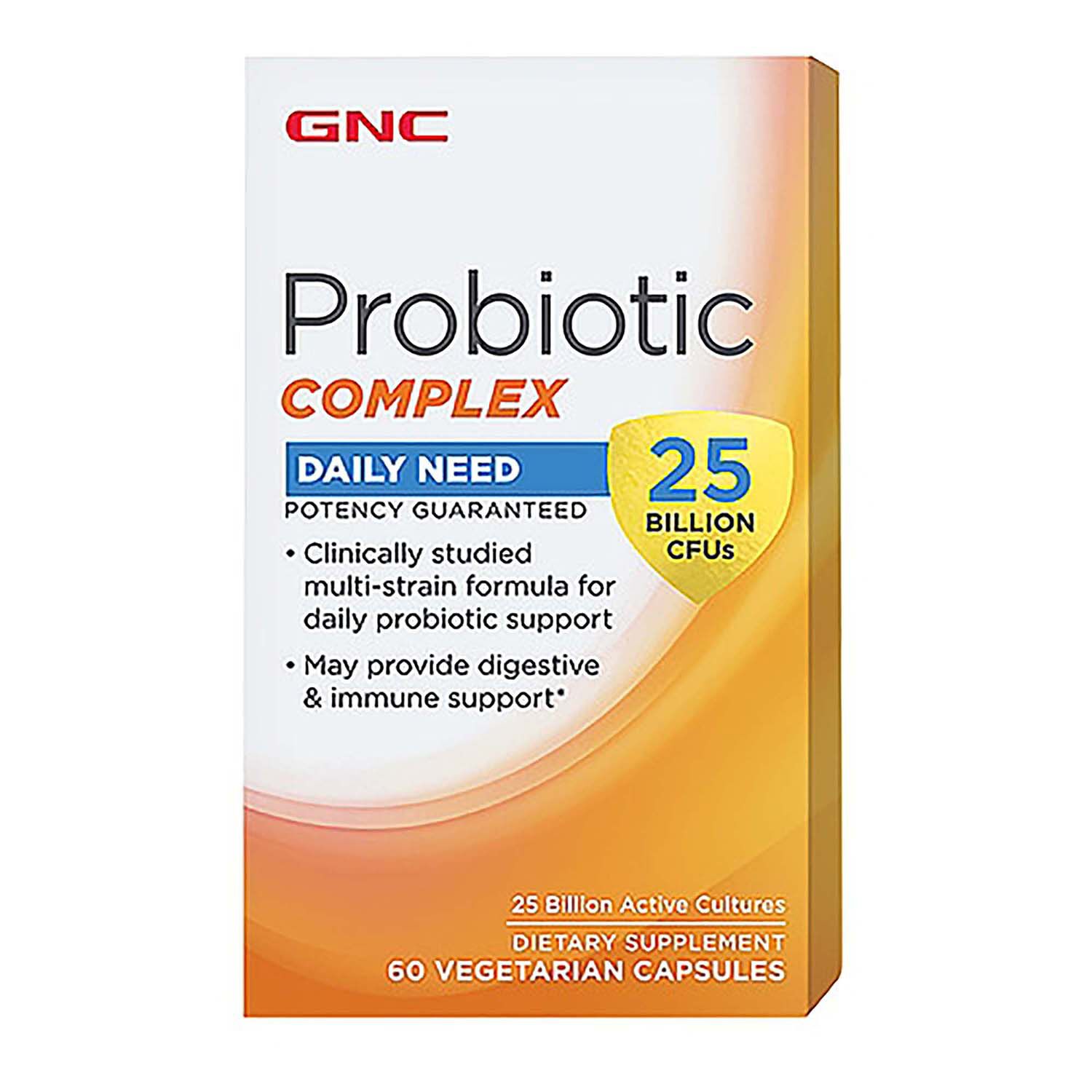
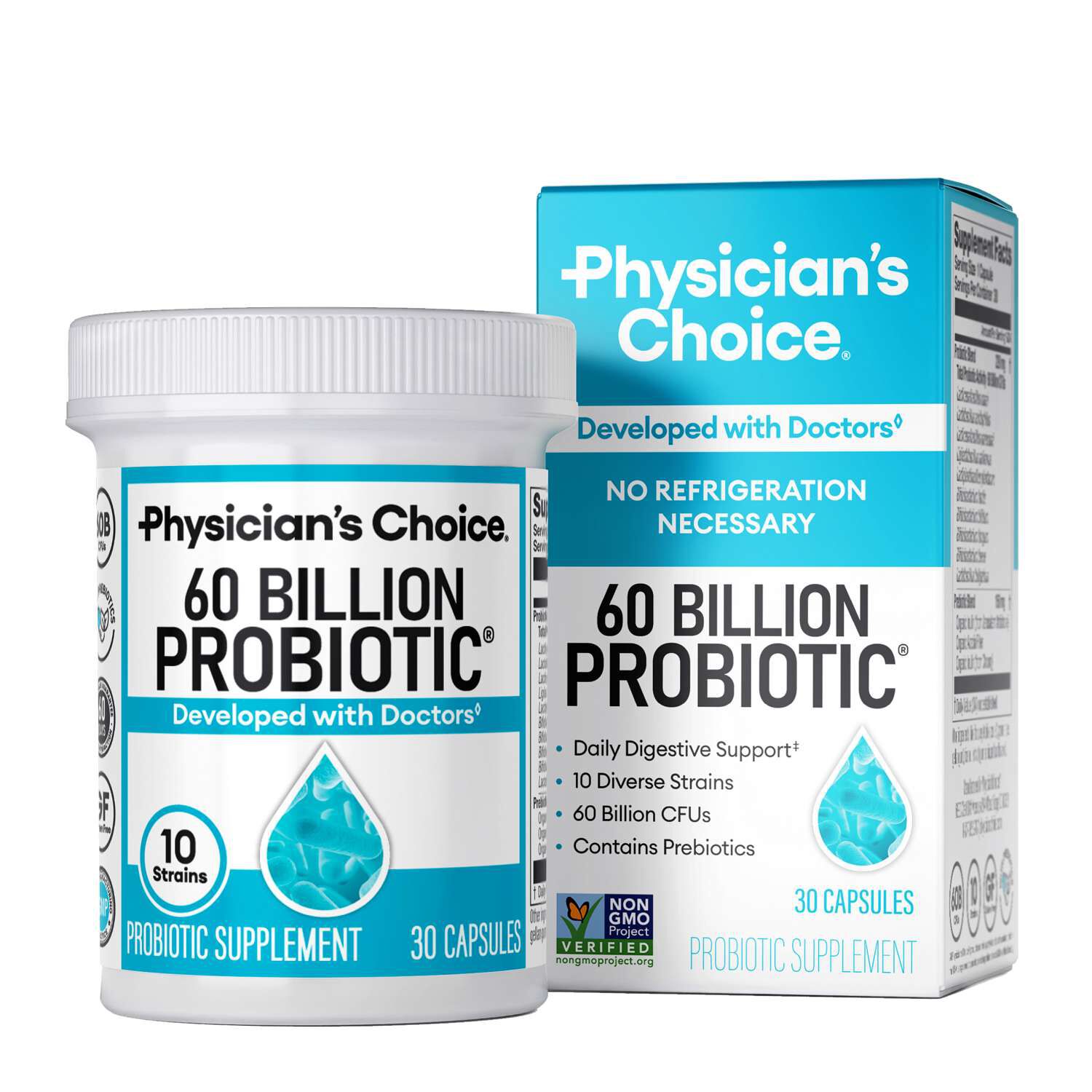
Colony-forming units, abbreviated CFUs, express the number of viable microorganisms capable of forming colonies under specified testing conditions. Probiotic labels often list CFUs in the billions, but the number needs context. Check whether it applies to one capsule or an entire serving, and whether the label states the count at manufacture or through the expiration date when stored as directed. A serving containing two capsules should not be compared capsule for capsule with a one-capsule serving without accounting for that difference. A larger CFU count does not, by itself, establish that a formula is a better match for a particular shopper. Strain identification, serving directions, and storage requirements remain important parts of the comparison. Some probiotic capsules also contain prebiotic ingredients, such as inulin from chicory root or certain other fibers. Prebiotics differ from probiotics: they are substances that microorganisms may use as nourishment rather than live organisms themselves. A combined formula may appeal to shoppers who prefer both ingredient types in one product, while a probiotic-only capsule may suit someone looking for a more narrowly focused addition to their routine. The ingredient list can also distinguish capsule shells made with gelatin from those made with plant-derived cellulose materials. Shoppers with vegetarian preferences can check the labeled capsule material along with the rest of the formula rather than relying on the appearance of the shell. Allergen statements and other dietary labeling deserve the same attention, especially when comparing products with similar names or packaging. Capsule dimensions, where provided, are another practical consideration because photographs do not reliably show size. Some capsules have specialized coatings or delayed-release designs; these are formulation features, not reasons to assume that every product uses the same delivery method. Directions about taking the capsule intact matter, and opening or mixing its contents into food should not be assumed appropriate unless the label allows it. Together, these details offer a clearer picture of the format, ingredients, and intended use without reducing the choice to a single prominent number.
Storage and everyday handling are particularly relevant to probiotic capsules because the contents include live microorganisms. Some formulas require refrigeration, while others are labeled for storage without refrigeration under specified conditions. Shelf-stable does not mean that a bottle can be stored anywhere; the packaging still provides directions about heat, moisture, and handling. A bathroom cabinet near a steamy shower or a bag left in a parked car may not match those directions. Keeping capsules in their original container preserves access to the ingredient list, serving instructions, expiration date, and any handling information printed on the bottle. Packaging may include an inner seal, a moisture-control packet, or individual blister compartments, and those features should be handled according to the package instructions. For a shopper comparing bottles for everyday use, the serving count is worth reading alongside the capsule count: a bottle containing 60 capsules represents a different length of use when the labeled serving is two capsules rather than one. A larger bottle also needs to fit the intended routine and the printed expiration date. Travel adds another practical layer, especially when a formula has refrigeration requirements or when a daily schedule varies between home and work. Related options on the Probiotic Capsules For Busy Adults page offer another way to browse this supplement format with everyday scheduling in mind. For adults over 50, the most useful distinctions remain concrete: clearly named strains, understandable CFU labeling, suitable capsule materials, manageable serving directions, and storage requirements that fit the household. A simple capsule format may be appealing to someone who does not want another flavored drink or chewable supplement, while individually packaged capsules may offer a convenient format for an overnight bag. Probiotic capsules are one part of a broader approach to everyday wellness, not a substitute for varied meals. Comparing their actual contents and handling needs keeps the focus on products that fit personal preferences and established habits.
- Q: What are probiotic capsules for digestive health over 50?
A: Probiotic capsules for digestive health over 50 are dietary supplements containing beneficial bacteria designed to support gut health, particularly for adults aged 50 and above. These formulas often include strains that address age-related changes in the digestive system. - Q: How do probiotic needs change as you age?
A: As you age, the balance of good bacteria in your gut can shift due to factors like diet, medications, and natural aging processes. Probiotic needs may change to help support regularity, nutrient absorption, and overall digestive comfort. - Q: What types of probiotic strains are commonly included in capsules for adults over 50?
A: Probiotic capsules for adults over 50 often contain strains such as Lactobacillus and Bifidobacterium, which are known to support digestive balance and immune function. Some formulas may also include prebiotics to further nourish beneficial bacteria. - Q: Can probiotic capsules be taken with other daily supplements?
A: Yes, probiotic capsules can generally be taken alongside other daily supplements such as multivitamins or minerals. Consulting with a healthcare professional about your supplement routine can provide personalized guidance. - Q: Are there any lifestyle tips to support the benefits of probiotic capsules for those over 50?
A: Maintaining a balanced diet rich in fiber, staying hydrated, managing stress, and getting regular exercise can all help support the benefits of probiotics and promote overall digestive wellness as you age.
Best Sellers
-
 Physician's Choice