





Probiotic Capsules For Adults Over 40
(0 Results)
Probiotic capsules for adults over 40 offer a convenient way to support your wellness routine as you age. With a variety of options designed for mature lifestyles, these supplements may help you maintain balance and complement your daily health goals. Explore probiotic capsules for adults over 40 to find formulas that fit seamlessly into your everyday regimen.







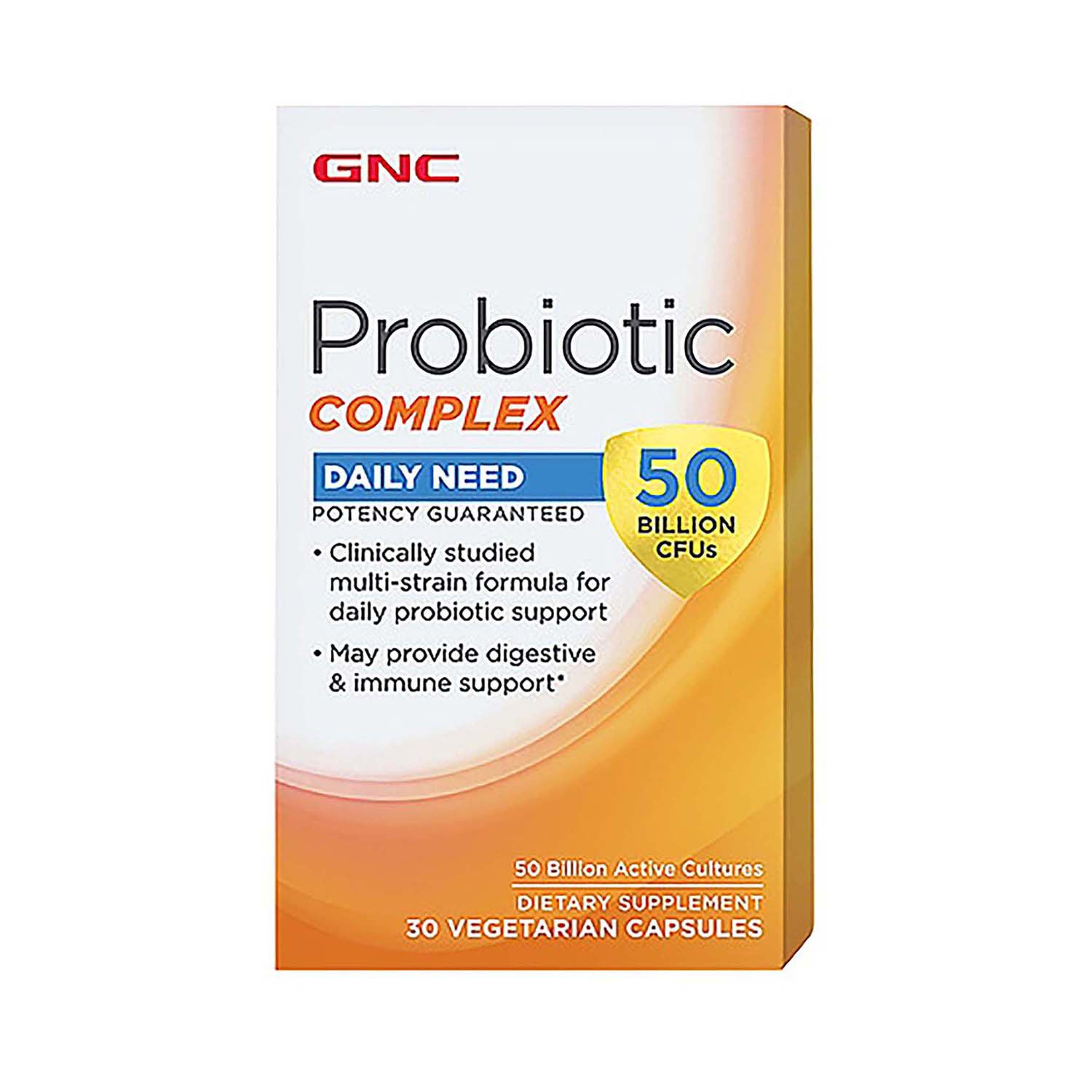





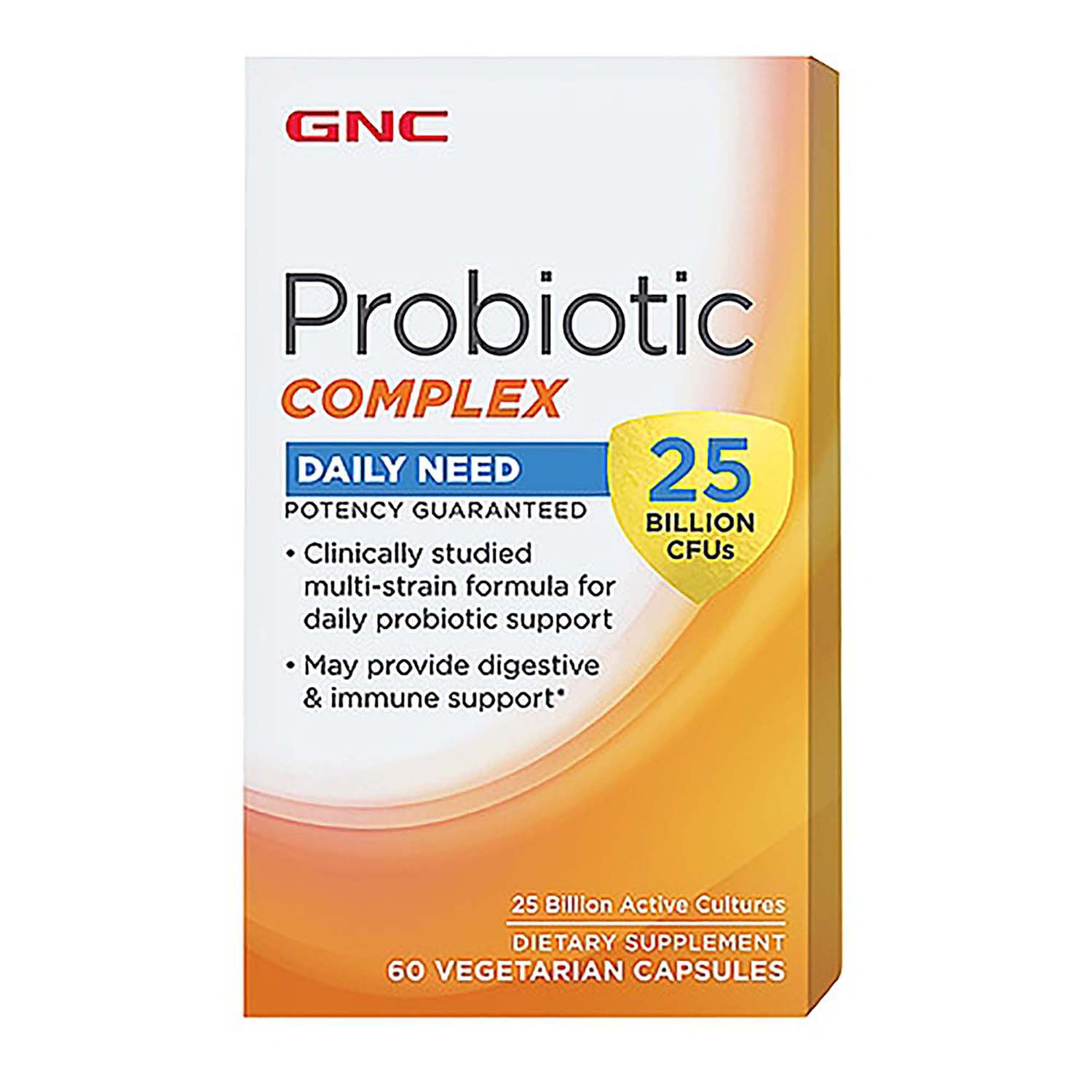








Probiotic capsules for adults over 40 are dietary supplements containing live microorganisms, typically bacteria, in a capsule format. They are often considered as part of an adult digestive wellness routine, with differences in strain identity, colony-forming units, serving size, capsule materials, and storage requirements. The gut microbiome is the community of microorganisms living in the digestive tract, and its composition varies from person to person. Age is one part of that picture, alongside eating patterns and other everyday factors; turning 40 does not establish a single probiotic formula that suits everyone. That makes the details on the label more useful than an age reference alone. Probiotic names can include a genus, a species, and a strain designation, with each part providing a more precise identification of the microorganism. Lactobacillus and Bifidobacterium are examples of names that appear in probiotic labeling, while letters or numbers following a species name can identify a particular strain. Two formulas with similar names on the front of the bottle can therefore have different compositions. A formula containing several strains is also different from one centered on a single strain, but the strain count alone does not establish which is a better personal match. Colony-forming units, commonly abbreviated as CFUs, provide another point of comparison. CFUs are a measure of viable microorganisms under specified testing conditions, rather than a count of different strains. The amount shown may apply to one capsule or to a serving containing more than one capsule, making serving size an important companion detail. A CFU statement can also refer to the time of manufacture or to the end of the stated shelf life. Those descriptions communicate different information, so a large number on the front panel is only part of the context. Clear strain identification, a plainly stated serving size, and an understandable explanation of the CFU amount provide a more informative picture than any single headline feature.
Capsule construction is another practical consideration, especially for adults with established dietary preferences or a particular preference for capsule size. Gelatin and plant-derived cellulose are common shell materials, and the shell composition is separate from the microorganisms and other ingredients inside. A vegetarian designation, an ingredient list, and an allergen statement each address a different aspect of a formula. Capsule dimensions can vary as well; photographs of a bottle do not necessarily convey the size of an individual capsule. The number of capsules in a suggested serving also matters when comparing otherwise similar formats. A bottle containing more capsules does not necessarily represent more servings if its directions specify several capsules at a time. Beyond the probiotic organisms, formulas can include capsule fillers, moisture-management ingredients, or added components such as prebiotic fibers. Prebiotics are distinct from probiotics: rather than being live microorganisms, they are substances that certain microorganisms may use as food. Their presence changes the ingredient profile and is worth distinguishing from the strain count or CFU statement. Some capsule designs also carry descriptions such as delayed release. These terms describe formulation features, not a universal standard shared by every probiotic capsule, and they do not establish that one format is suitable for every adult. Storage and handling are particularly relevant because these supplements contain living organisms. Some labels specify refrigeration, while others describe storage without refrigeration under stated conditions. A compact bottle is not necessarily suited to every travel arrangement simply because it fits in a bag. Moisture exposure, the original container, and the printed expiration date all belong in the comparison. Packaging may include a moisture-absorbing packet or a specially designed closure, with handling information explaining how the container is intended to be used. For someone comparing bottles for a kitchen cabinet, an office setting, or a trip, those details are more useful than assuming every capsule has the same storage needs.
For adults balancing work, family responsibilities, and personal routines, a probiotic capsule may appeal because it involves no powder preparation or beverage mixing. Practical fit still depends on the individual formula. A person who leaves home early may prefer clearly stated directions that are easy to incorporate into an existing schedule, while someone who travels regularly may place greater importance on storage instructions and the size of the original package. Meal-related directions also vary, so the capsule format alone does not indicate when a serving is intended to be taken. The related collection of Probiotic Capsules For Busy Adults offers another way to browse this format with everyday scheduling in mind. Within the broader category, descriptive terms such as daily use, vegetarian capsules, or added prebiotic ingredients address different preferences rather than a single standard of quality. Someone with a familiar supplement routine may focus on capsule count and ingredient overlap, while a first-time shopper may find a straightforward ingredient panel and clearly explained serving information more approachable. Even within the over-40 age group, priorities can differ considerably between a frequent traveler, a parent managing a crowded calendar, and an adult who prefers a short, uncomplicated morning routine. None of those circumstances, by itself, determines a suitable strain or CFU amount. Probiotic capsules are also distinct from the foods and beverages that make up a varied eating pattern; they are supplemental products, not a replacement for meals. Their role in a personal routine is separate from the broader experience of planning food, staying active, and making time for rest. A useful comparison brings the details together: which microorganisms are identified, how the serving is defined, what the capsule contains, and how the bottle is meant to be stored. For probiotic capsules for adults over 40, that combination of transparent labeling and practical fit provides a grounded basis for browsing beyond an age-focused name or a prominent CFU number.
Best Sellers
-
 Physician's Choice
Related Pages
Top Collections
- Chronic Fatigue Supplements
- Vitamins For Hair Loss
- Zinc Supplements For Men
- Active Supplements
- Supplements For Yoga Joint Flexibility
- Capsule Supplements For Energy And Stamina
- Adult Vitamins
- Joint Mobility Supplement Packs
- Zinc Supplements | Top Brands at Great Prices | GNC
- Magnesium Bisglycinate Supplements