





Probiotic Capsules For Sensitive Stomachs
(0 Results)
Probiotic capsules for sensitive stomach may offer a gentle approach to supporting digestive balance. Designed with care for those who experience occasional discomfort, these supplements could be an option for individuals seeking to nurture their gut health. Explore a range of probiotic capsules for sensitive stomach that might fit your wellness routine and dietary needs.
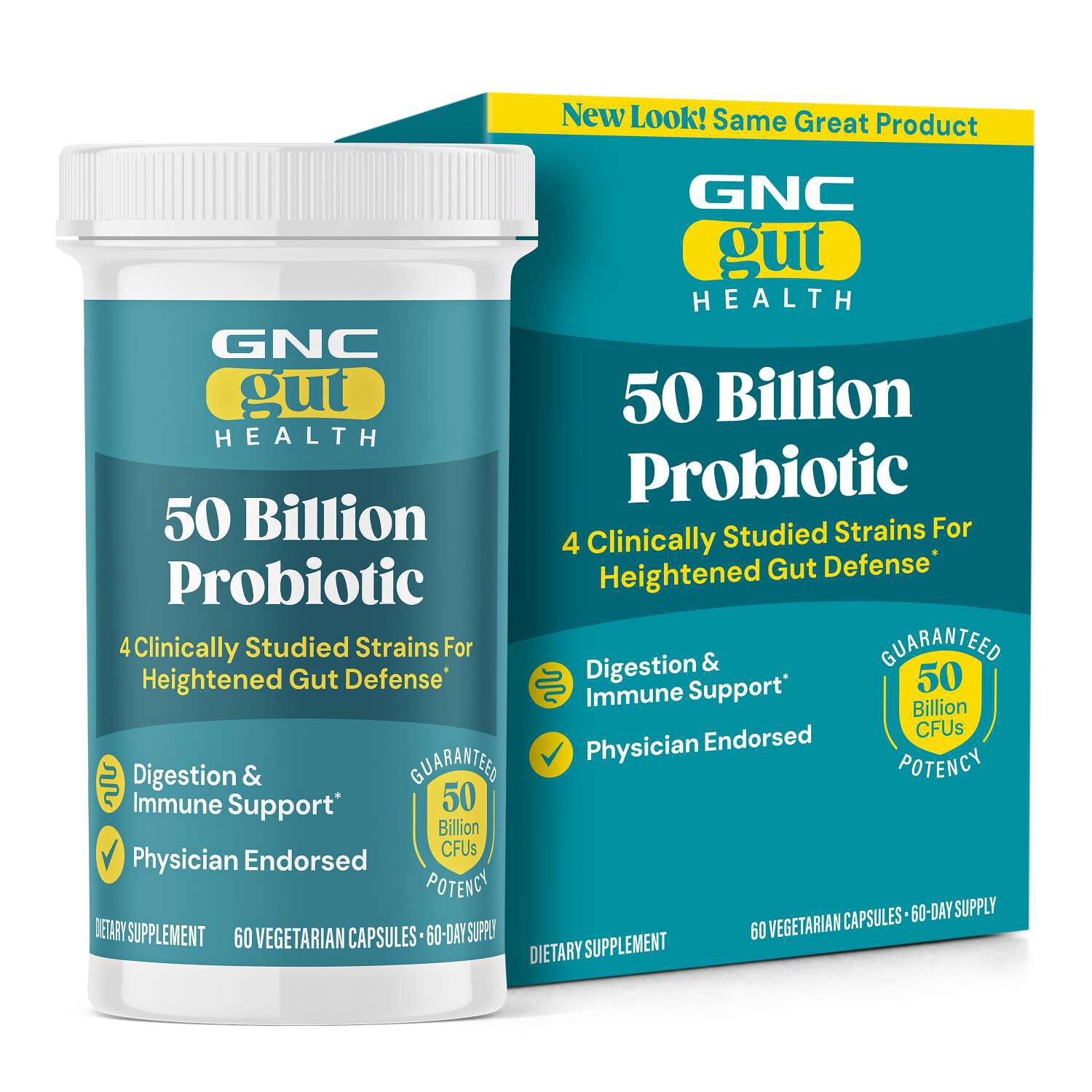

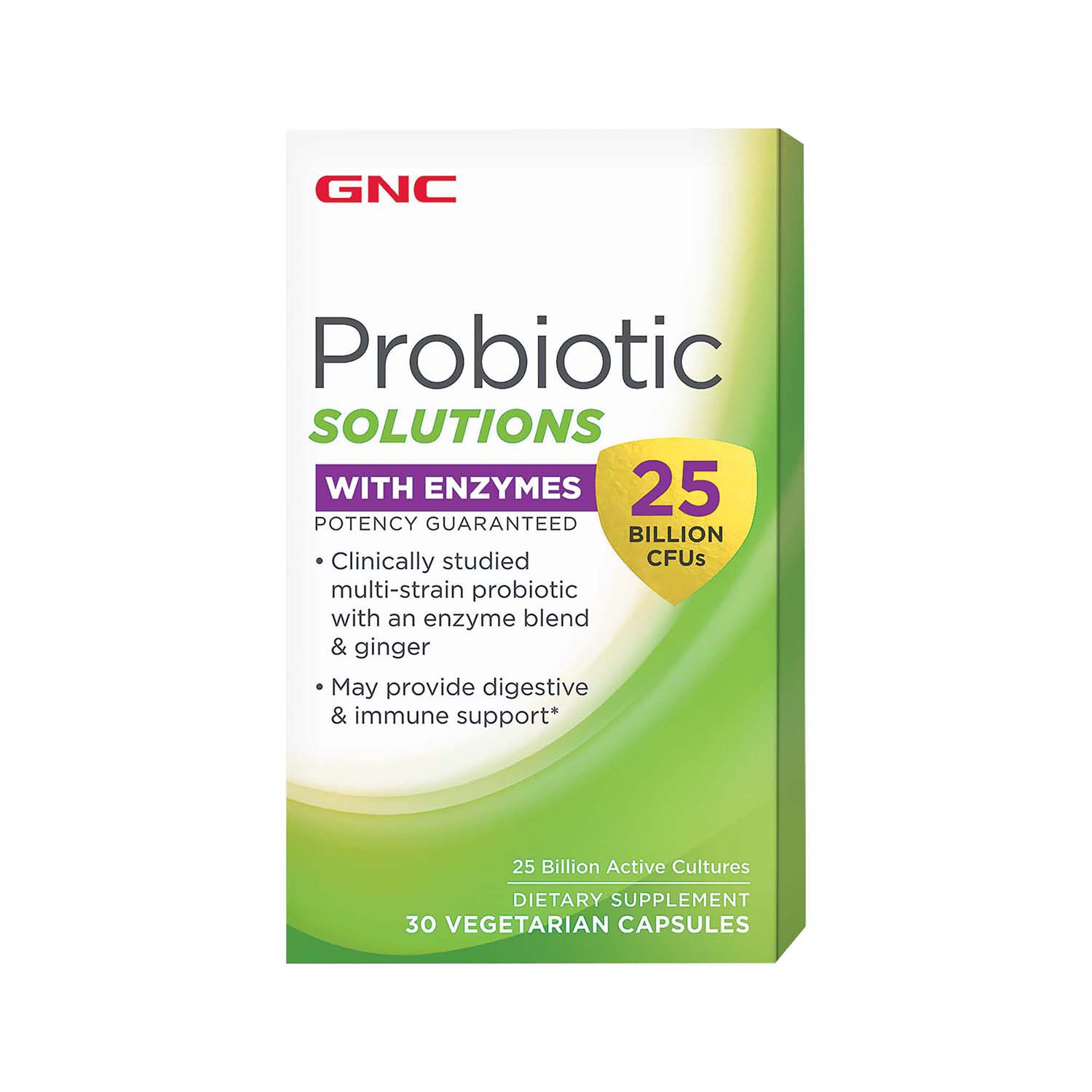
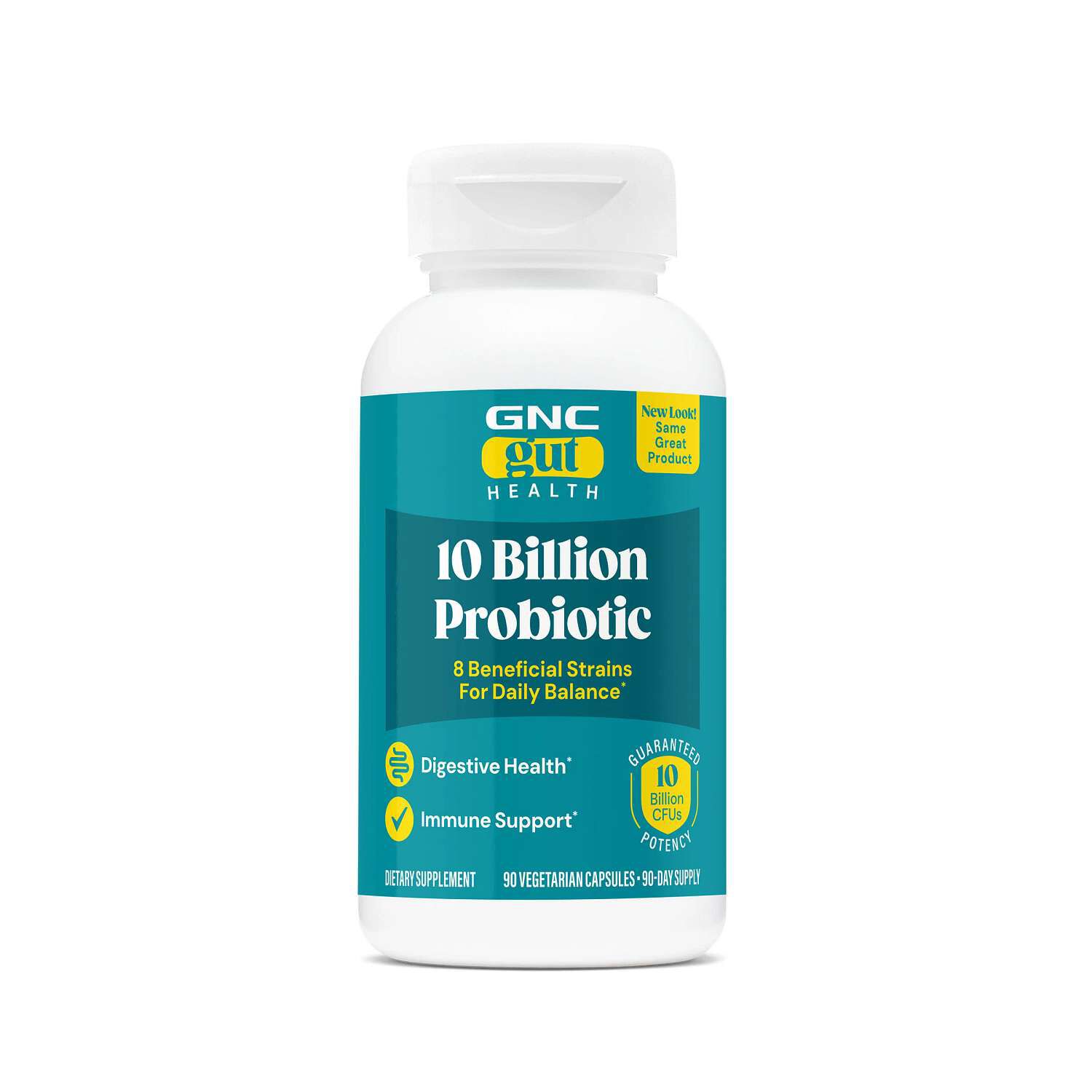
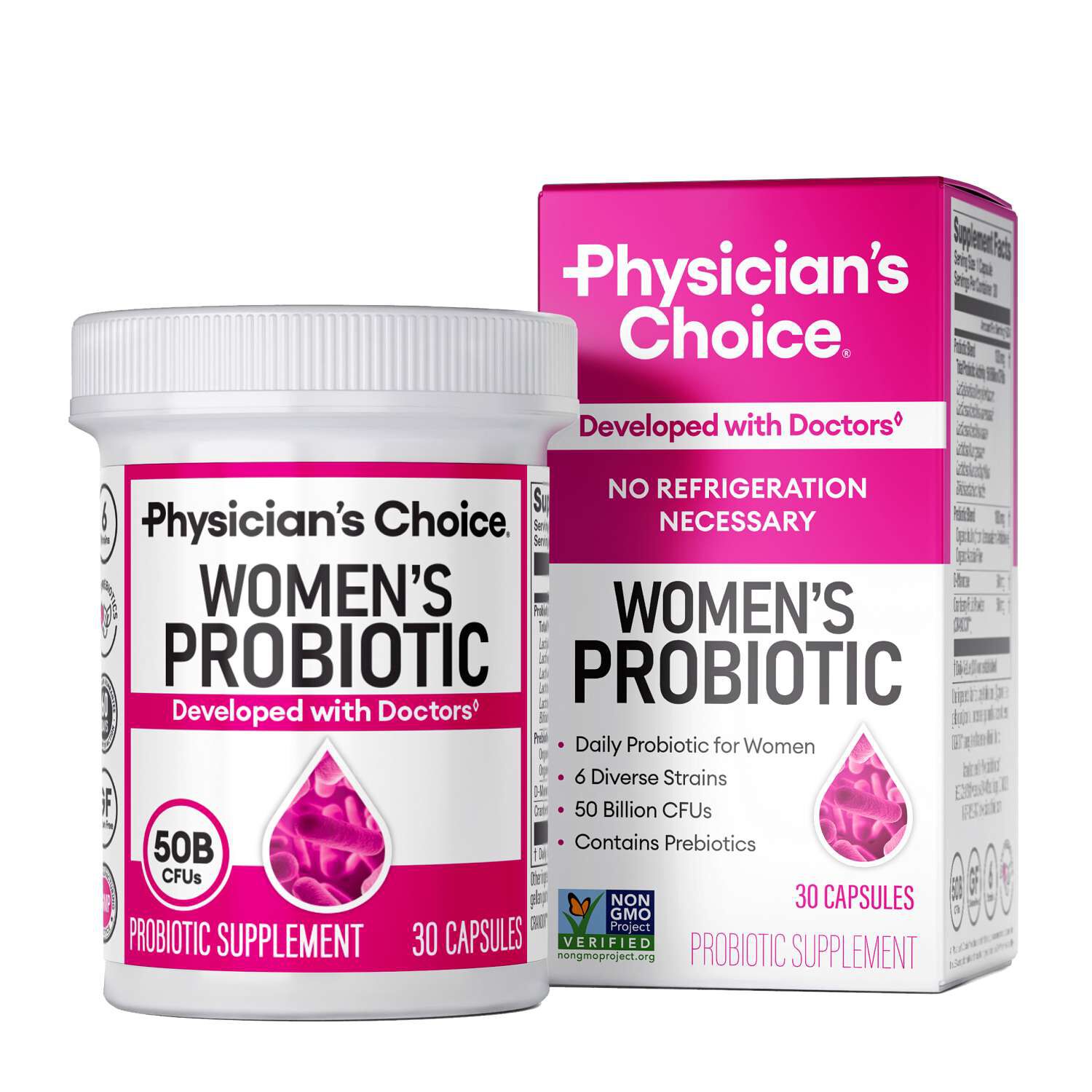
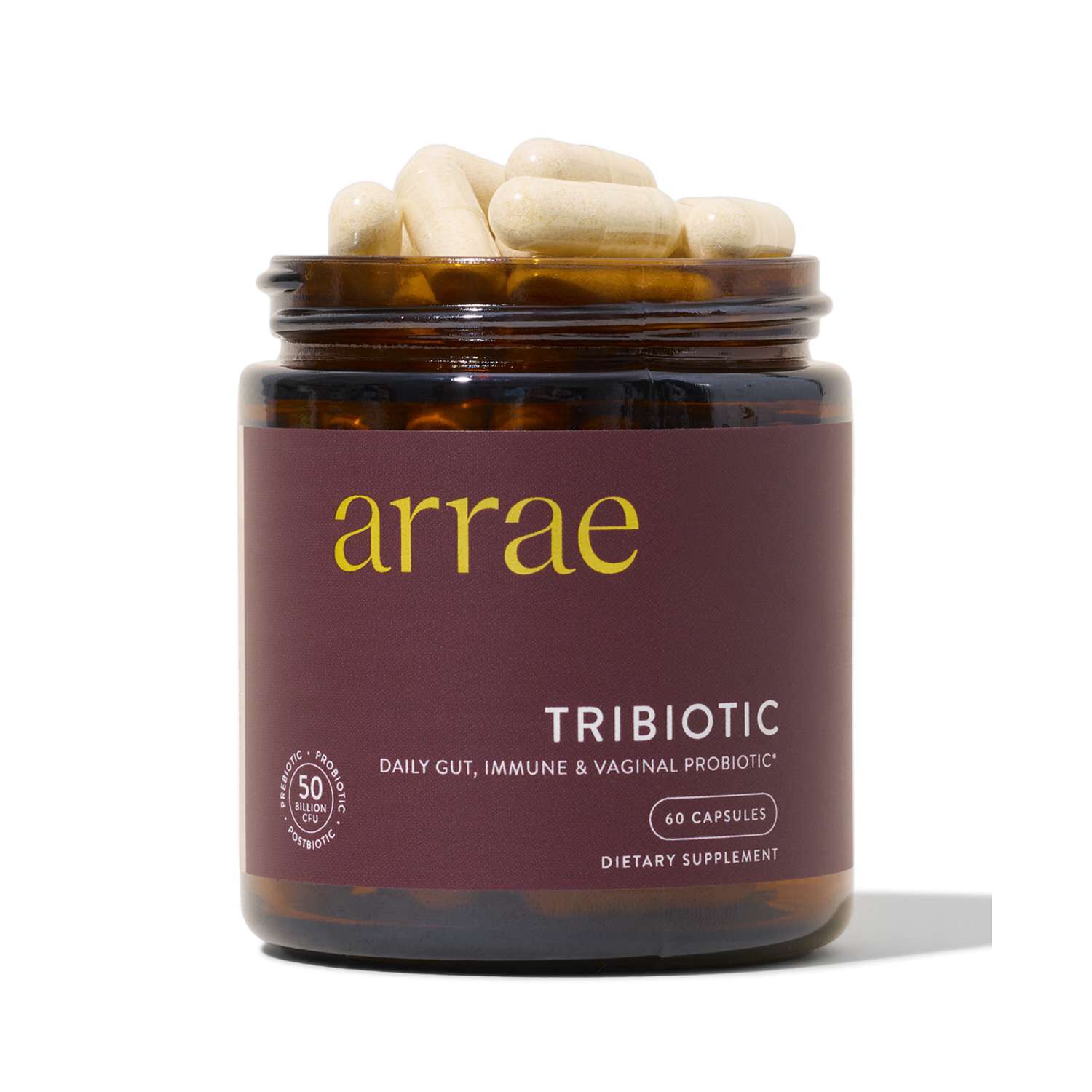
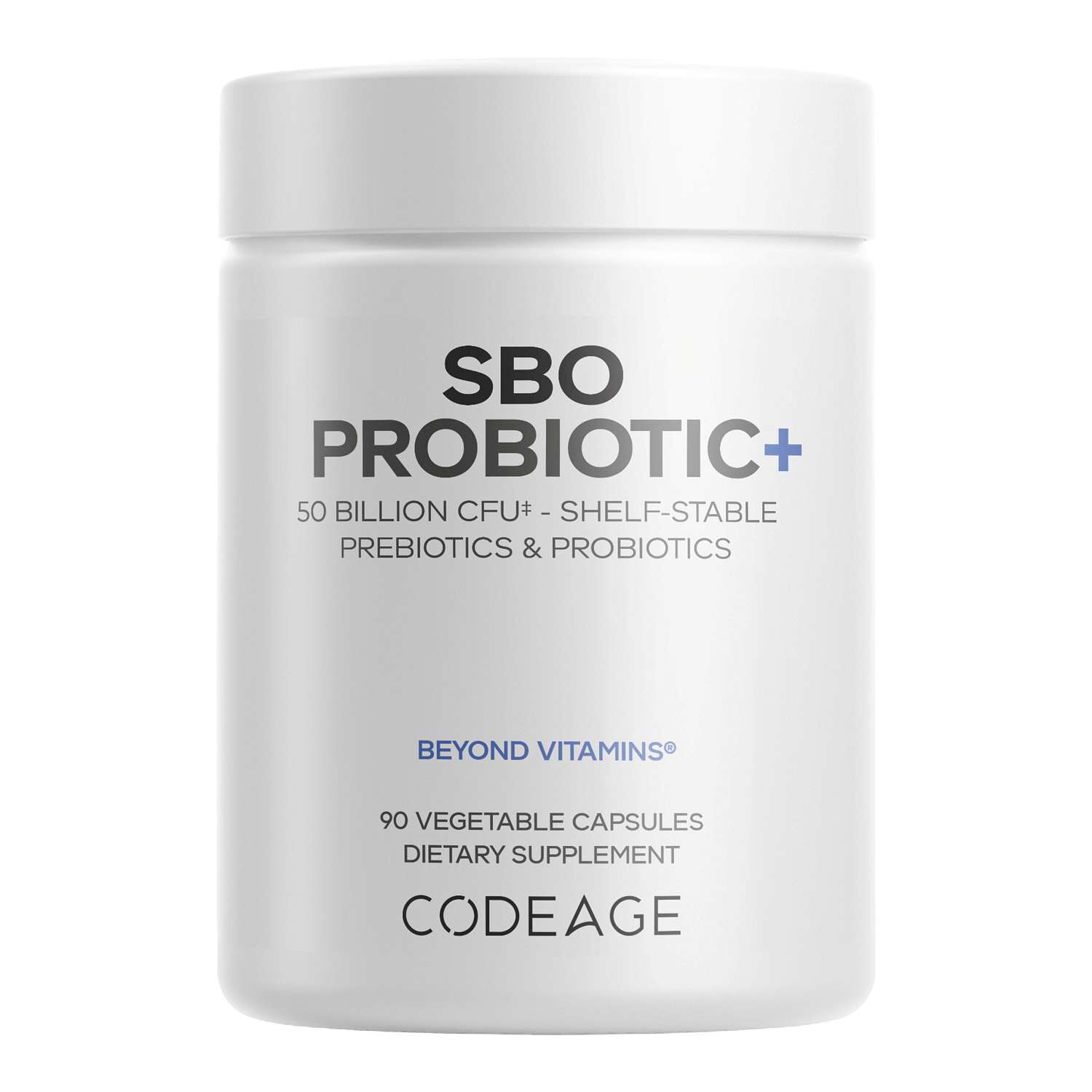

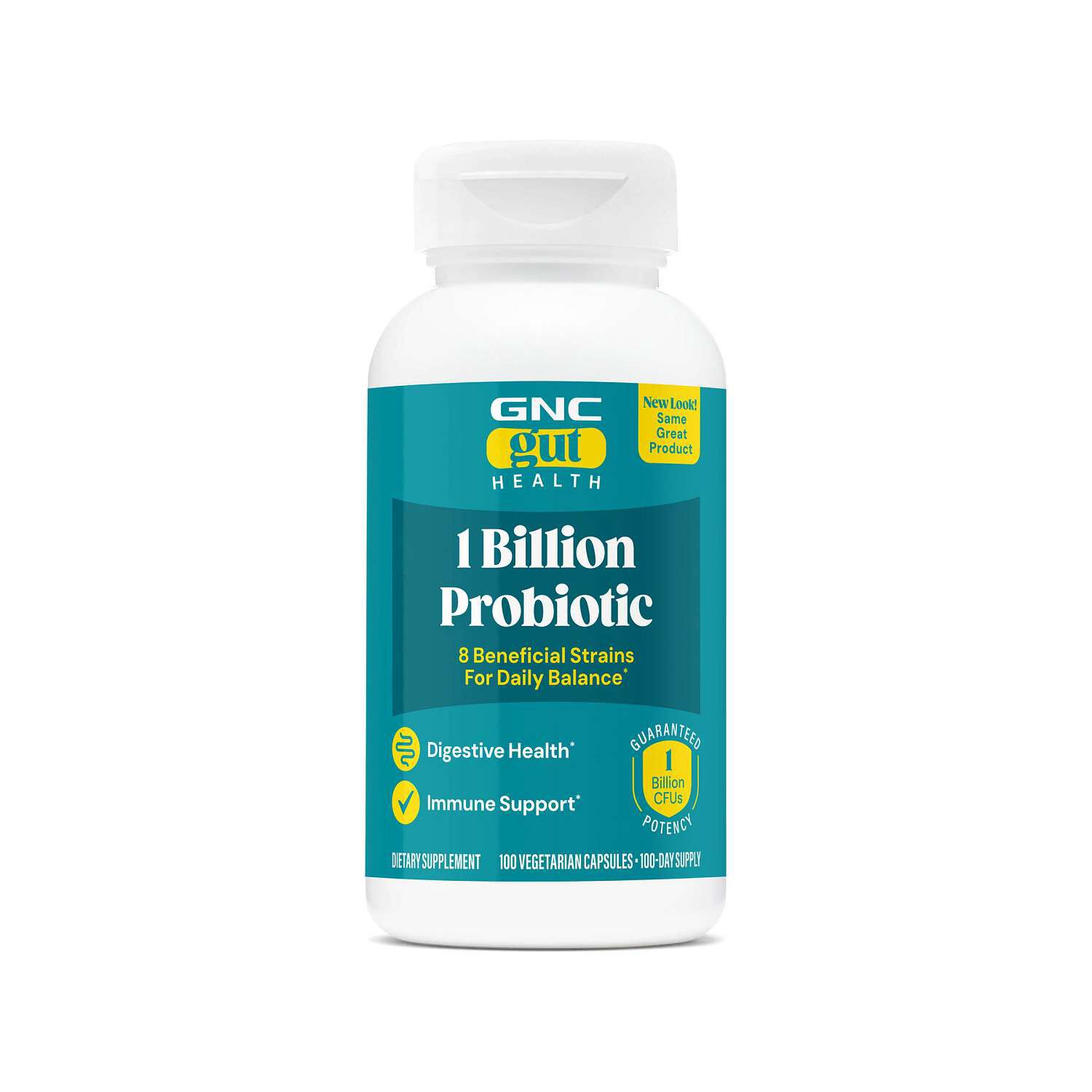
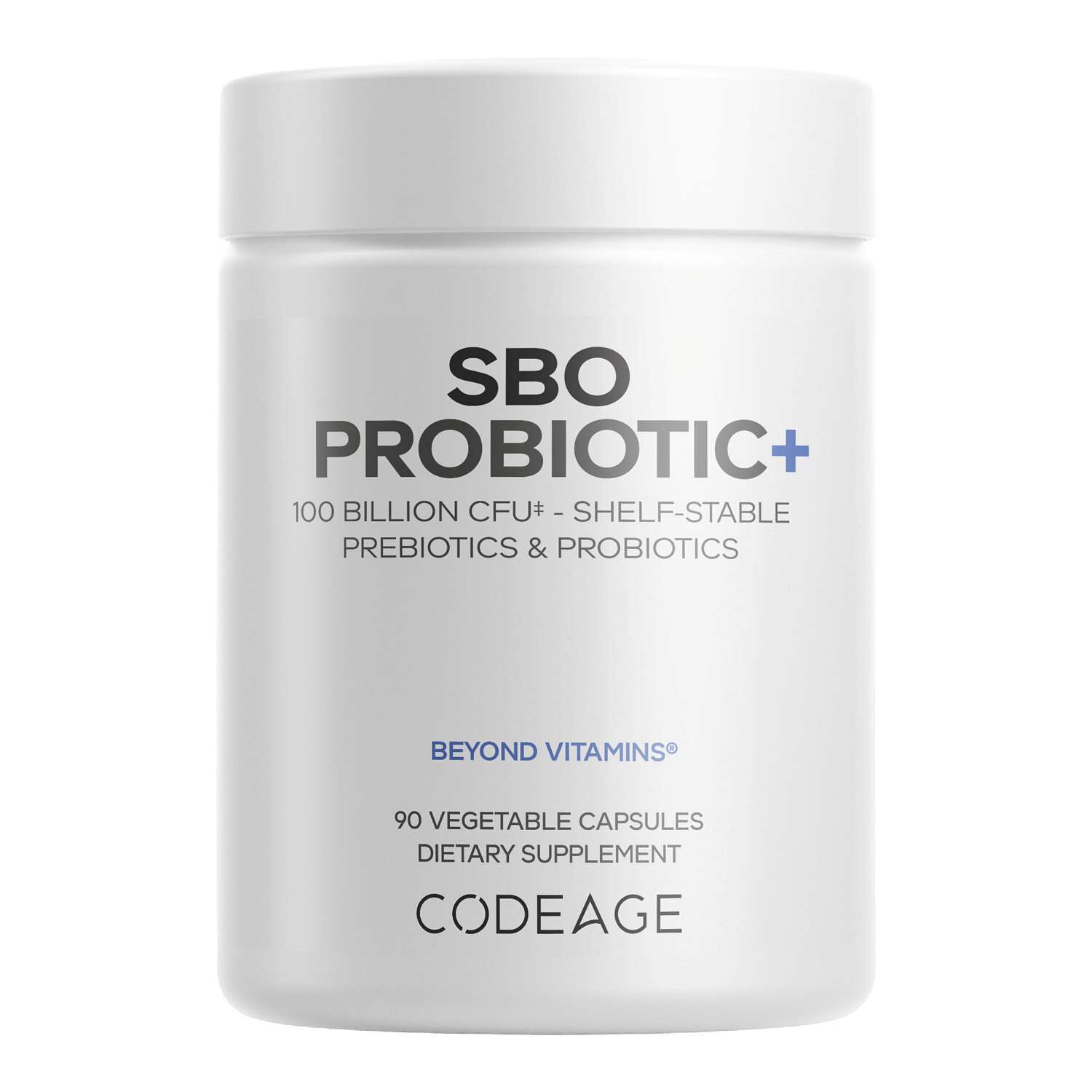

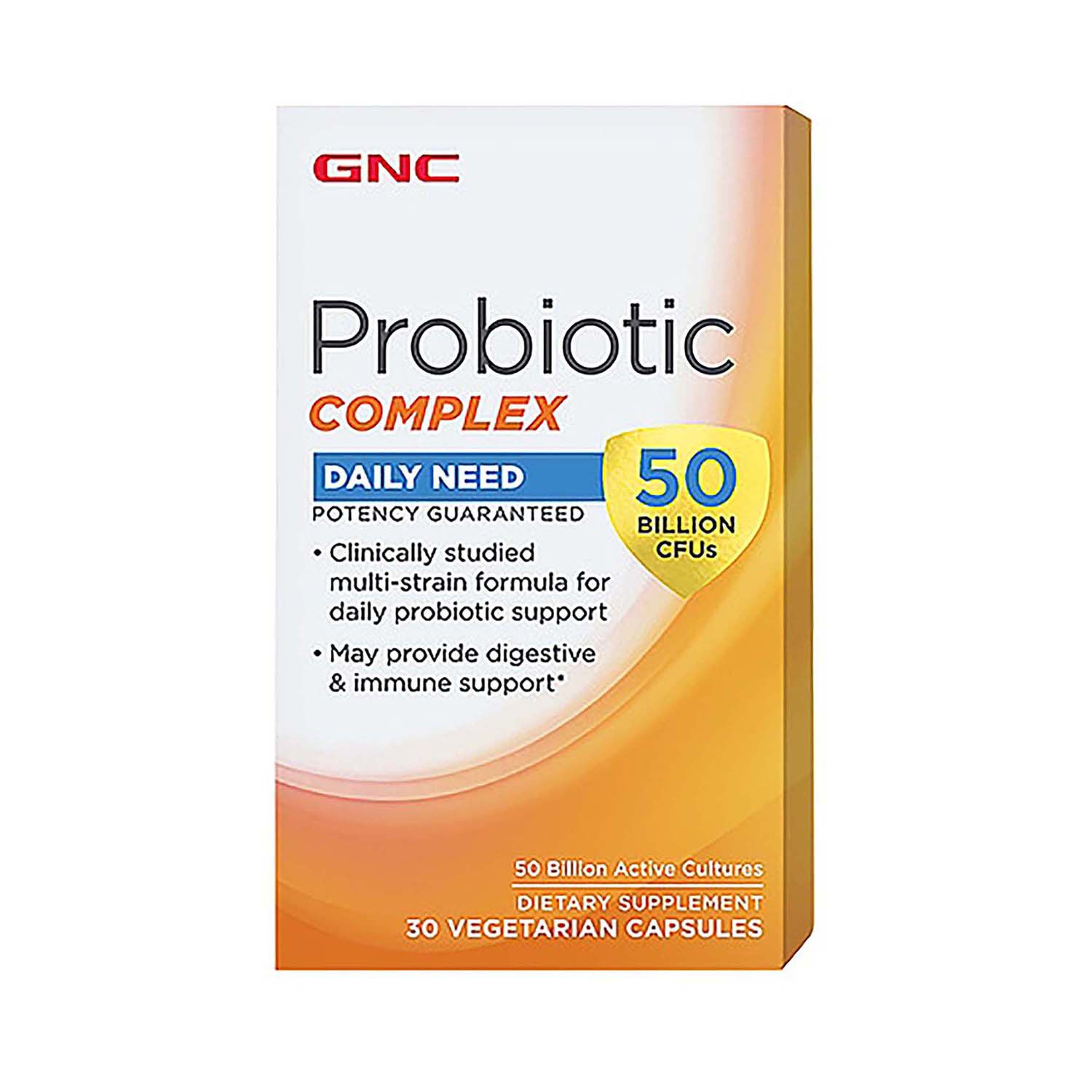




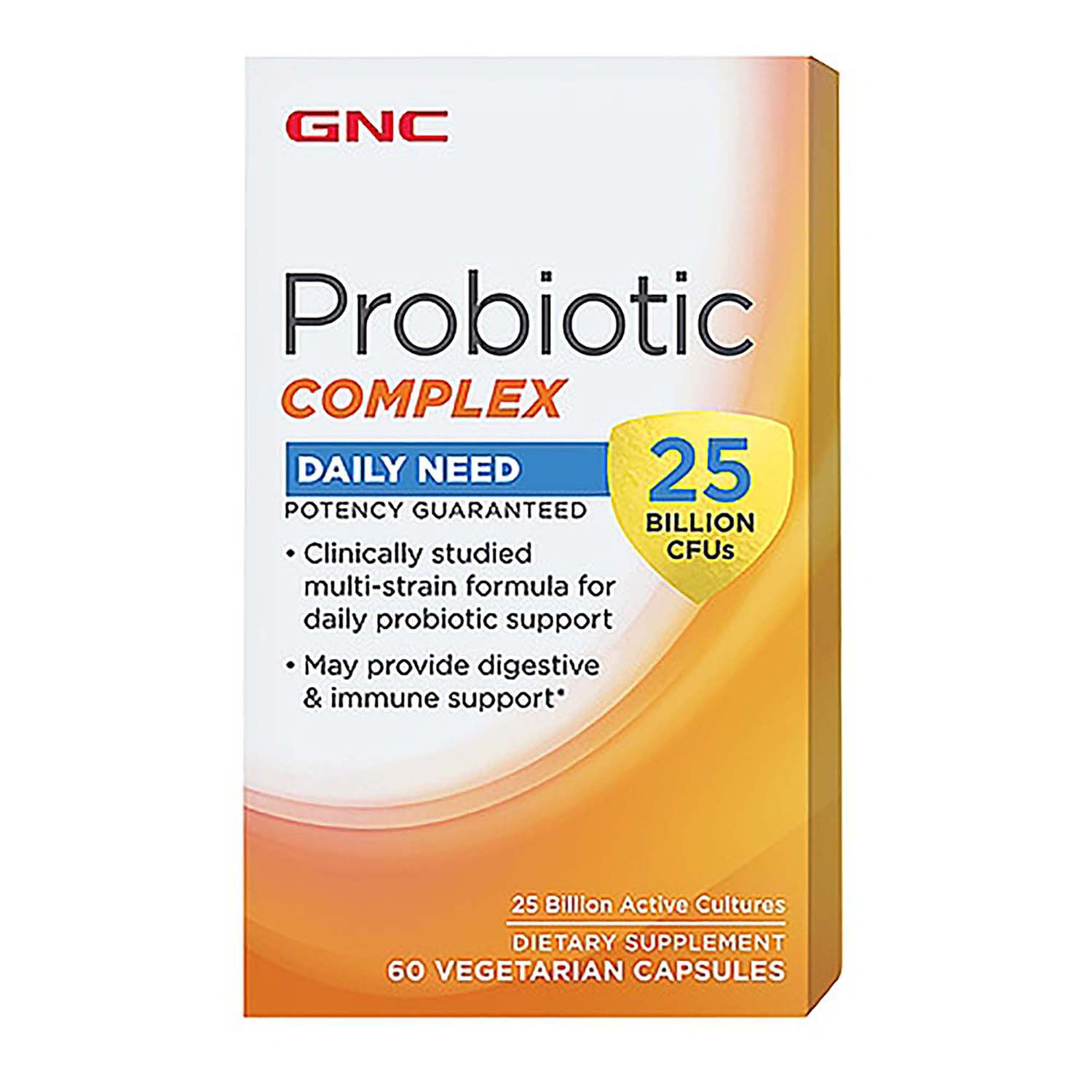
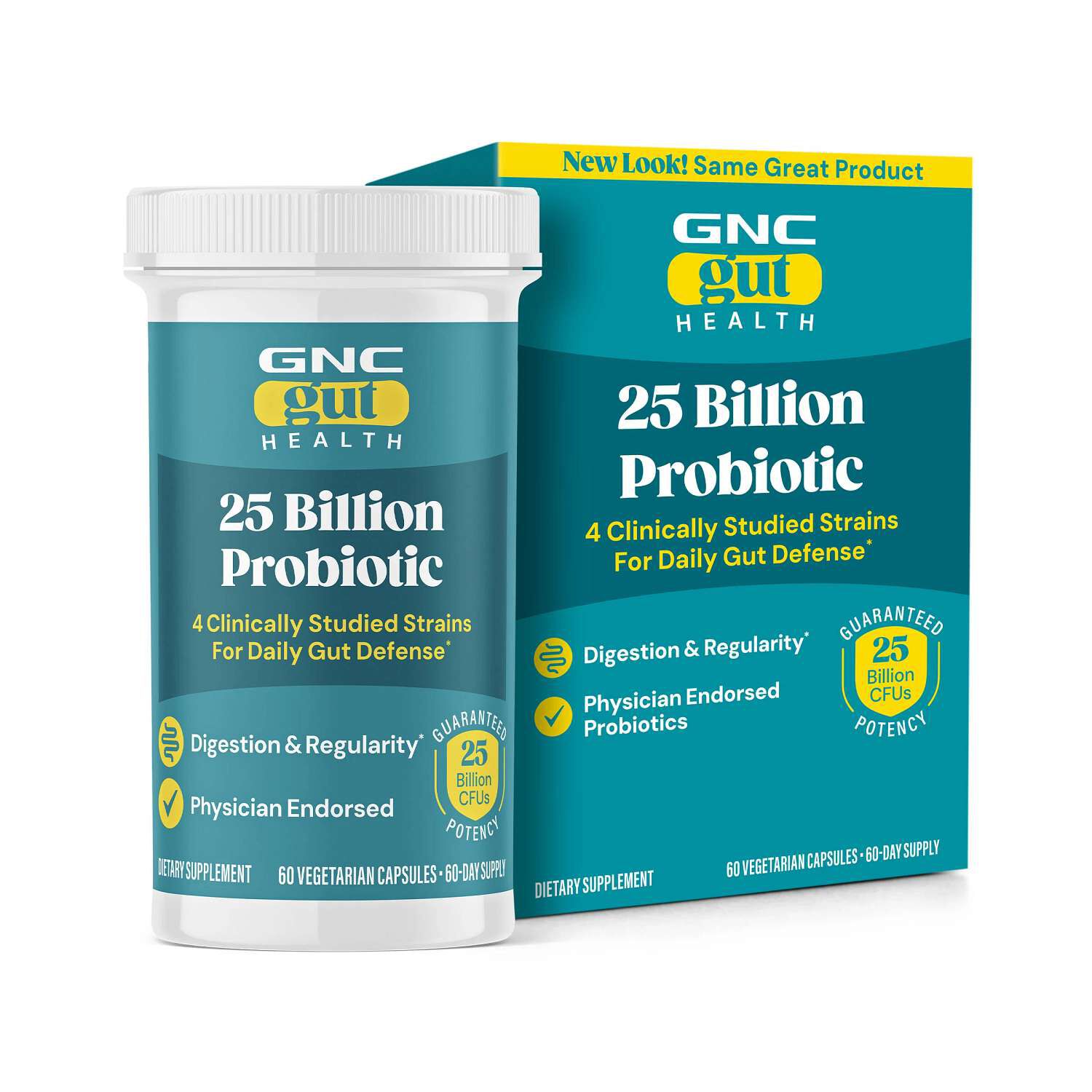


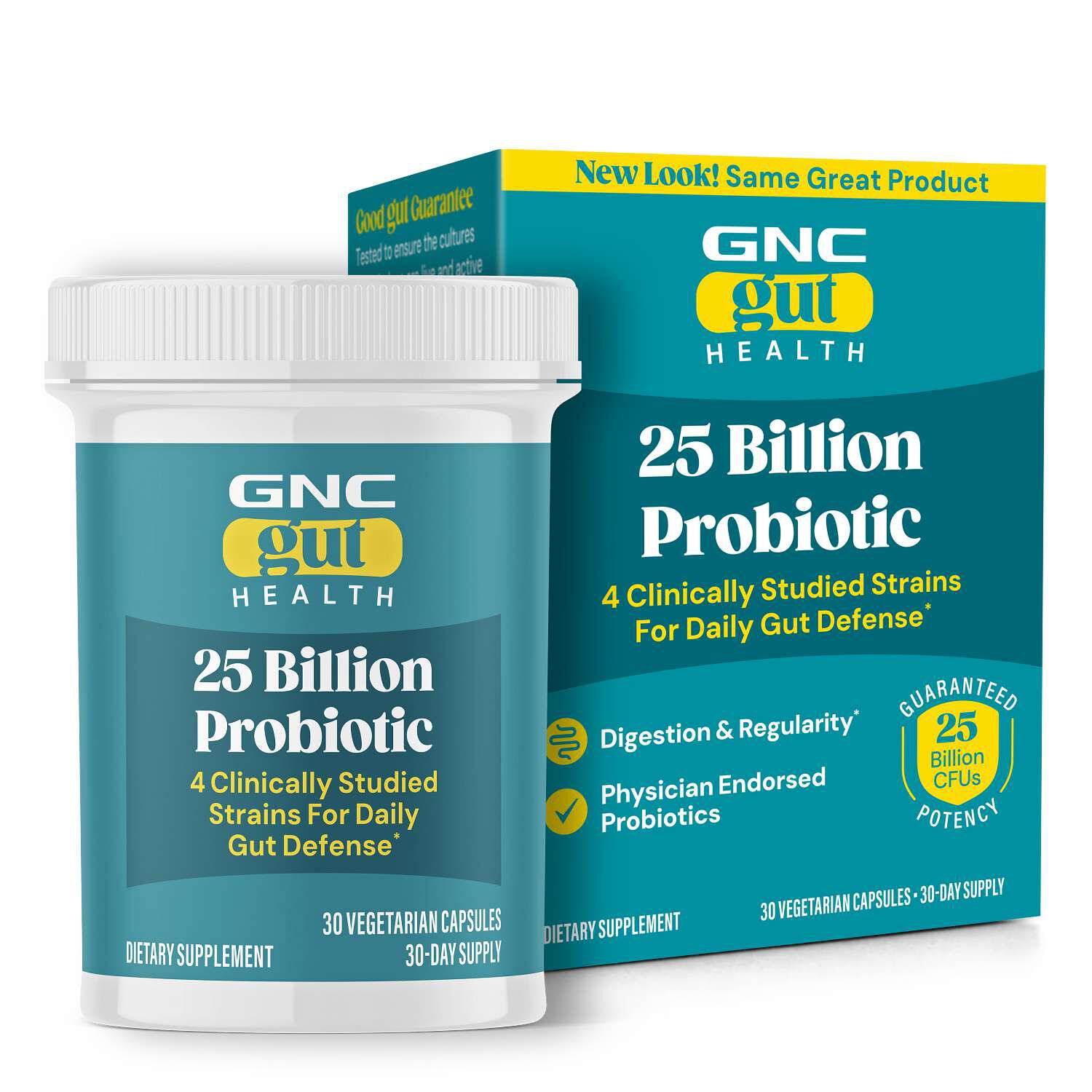
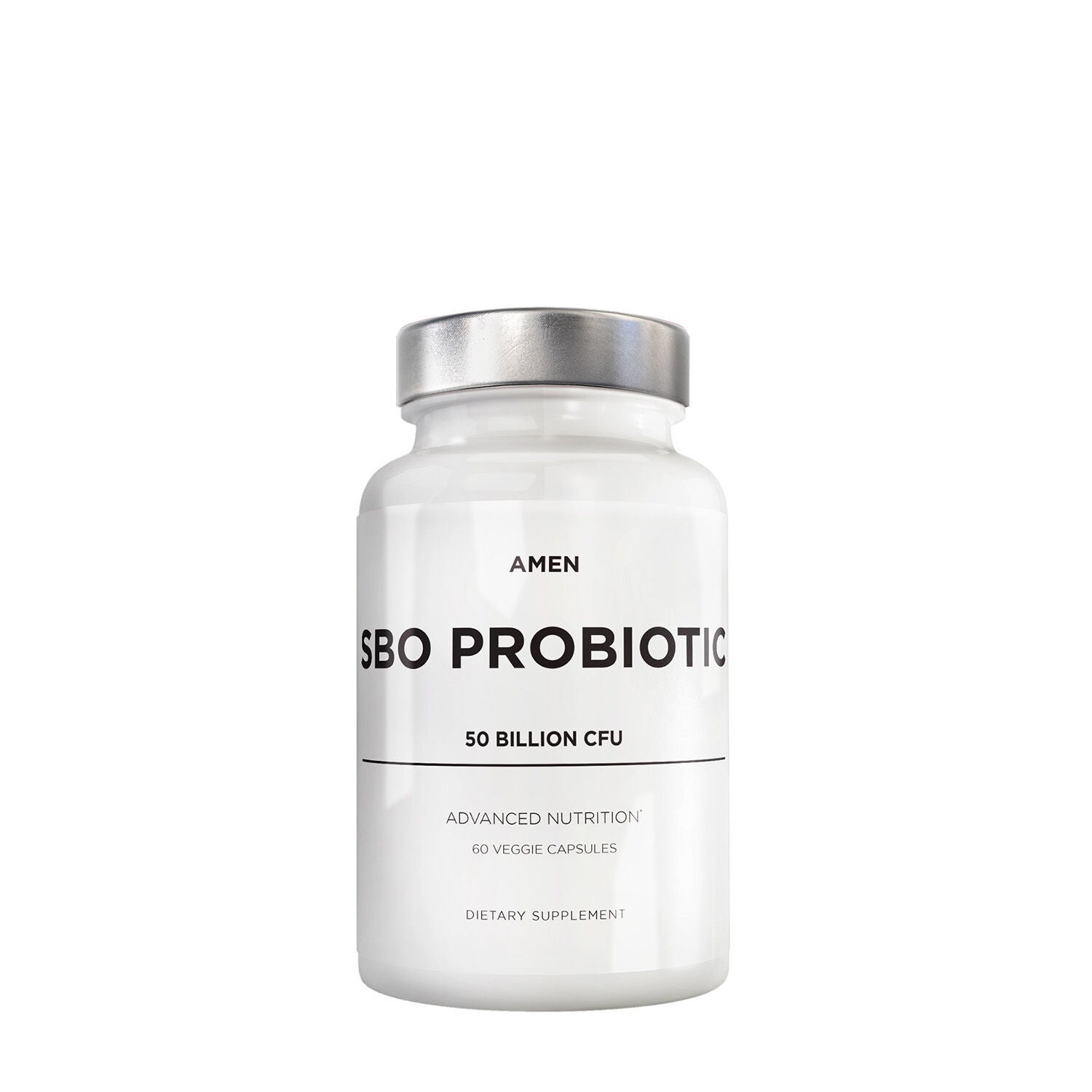
Probiotic capsules for sensitive stomachs are a category of dietary supplements centered on live microorganisms, with differences in strain identity, culture count, capsule construction, and added ingredients. These products may suit adults looking for a capsule-based addition to an everyday wellness routine, but the phrase sensitive stomach does not describe one universal formula or a single experience. For shoppers who pay close attention to food and supplement labels, the most useful distinctions are often printed in the Supplement Facts panel and ingredient list. Lactobacillus and Bifidobacterium are common names in probiotic labeling, and each includes a variety of species and strains. A full strain listing can include a genus, a species, and an identifying combination of letters or numbers; the broad bacterial name alone does not tell the whole story. Strain names matter because formulas sharing a genus are not necessarily interchangeable. Culture count is another point of comparison. CFU stands for colony-forming units, a measure used to express the number of viable microorganisms in a serving. A larger CFU number does not establish that a capsule is a better fit for someone with a sensitive stomach, and a longer strain list is not a shortcut to choosing a suitable formula. A modest-count option may appeal to someone comparing lower-count formulations, while another shopper may prioritize a particular strain identity or capsule format. The number of capsules in a serving matters, too: a count listed per serving is not always the count in a single capsule. Labels may also distinguish between a culture count measured at manufacture and one stated through the expiration date under specified storage conditions. Those details offer more concrete context than broad descriptions such as gentle or advanced. For this category, a clearly identified formula and readable directions are practical features, not just small print.
The capsule shell and the ingredients surrounding the cultures are also part of the comparison. Shells may use gelatin or plant-derived materials such as cellulose, while the contents may include ingredients used for consistency, handling, or formulation. A plant-derived shell does not, on its own, establish that every ingredient matches a vegan preference; a designation covering the whole formula offers clearer information. Milk, soy, wheat, and other ingredients warrant attention when shopping around dietary restrictions, including any separate allergen statements on the package. Products described as simple can still differ substantially in their ingredient lists. Some probiotic formulas include prebiotic ingredients, such as inulin or certain other fibers, while others focus on the cultures without added prebiotics. Probiotics and prebiotics are not interchangeable terms: probiotics refer to live microorganisms, while prebiotics are substances that may serve as nourishment for certain microorganisms. Someone who already uses a separate fiber supplement may want a clear picture of whether a probiotic capsule contains added fiber as well. Capsule design adds another distinction. A delayed-release description generally refers to a shell or coating intended to release its contents later in the digestive tract, although the exact construction varies. That design may help protect cultures during passage through the stomach, but it does not establish the same experience for every person. The manufacturer’s directions are the source for whether a capsule must remain intact. Physical dimensions deserve attention alongside those technical details. Capsule size can vary, and a photograph without measurements provides limited information about its actual dimensions. For someone who prefers capsules over powders or chewable formats, the absence of a mixing step or flavor choice may be appealing. Serving size, capsule dimensions, shell material, and the full ingredient list together provide a more useful picture than any one feature viewed alone.
Storage and packaging are practical considerations for probiotic capsules for sensitive stomachs, especially when a bottle needs to fit into an established routine. Some formulas require refrigeration, while others have storage directions that allow a cabinet or shelf. Shelf-stable does not mean suitable for every storage condition, so the package instructions remain important even when refrigeration is not required. A bathroom cabinet exposed to steam or a bag left in a hot vehicle may not match those instructions. Original packaging also preserves access to the strain names, serving information, expiration date, and handling details that can be easy to lose when capsules are moved into another container. Packaging formats differ, too: bottles and individually enclosed servings have different opening and handling requirements, making the closure instructions worth checking. For a travel bag or an office drawer, portability is only one part of the decision; the stated storage conditions still apply. Bottle size deserves the same attention as capsule count. The number of servings depends on the labeled serving size, so two containers with the same capsule count may represent different amounts of use. Meal timing and frequency are likewise formula-specific rather than something to infer from a familiar capsule shape. Shoppers comparing a broader selection can explore Gut Health Supplements For Sensitive Stomachs while keeping capsule format, ingredient preferences, and storage needs in view. A person with a carefully organized supplement shelf may value detailed strain identification, while someone frequently away from home may place greater importance on packaging and permitted storage conditions. Neither preference makes the largest culture count or the longest ingredient list the automatic choice. A suitable selection may come down to a readable label, a manageable capsule format, and directions that align with everyday habits.
Best Sellers
-
 Physician's Choice
Related Pages


Top Collections
- Daily Collagen Supplements | Top Brands & Deals | GNC
- Natural Collagen Supplements | Top Brands & Deals | GNC
- Top Rated Collagen | Shop Customer Favorites | GNC
- Cortisol Supplements
- Vitamins For Hair Loss
- Spirulina Tablets
- NAD+ Supplement Tablets
- Peptide Supplements
- Best Brand of Magnesium Glycinate
- Vitamins That Help Support Weight Gain