





Fiber Probiotic Supplements For Sensitive Stomach Support
(0 Results)
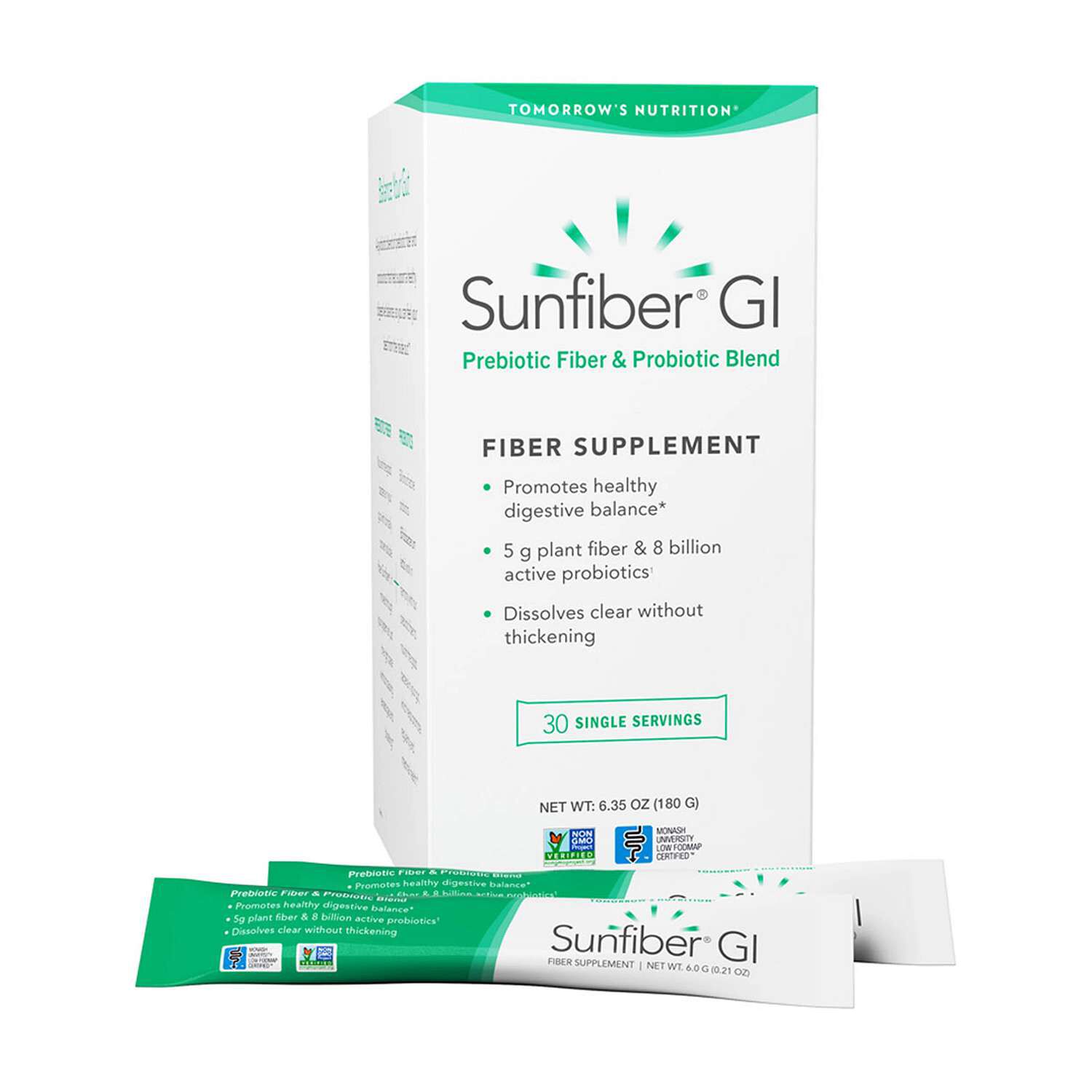
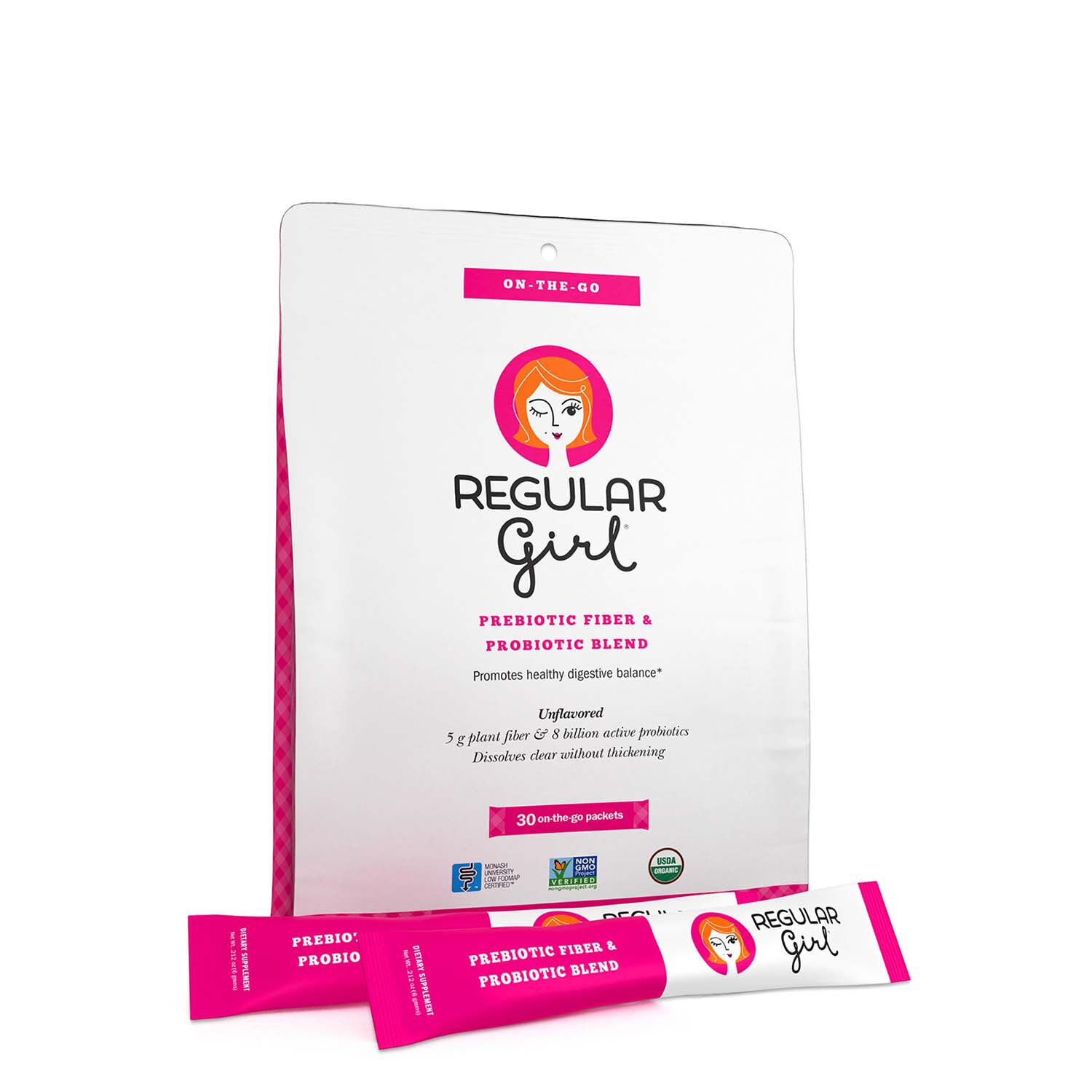
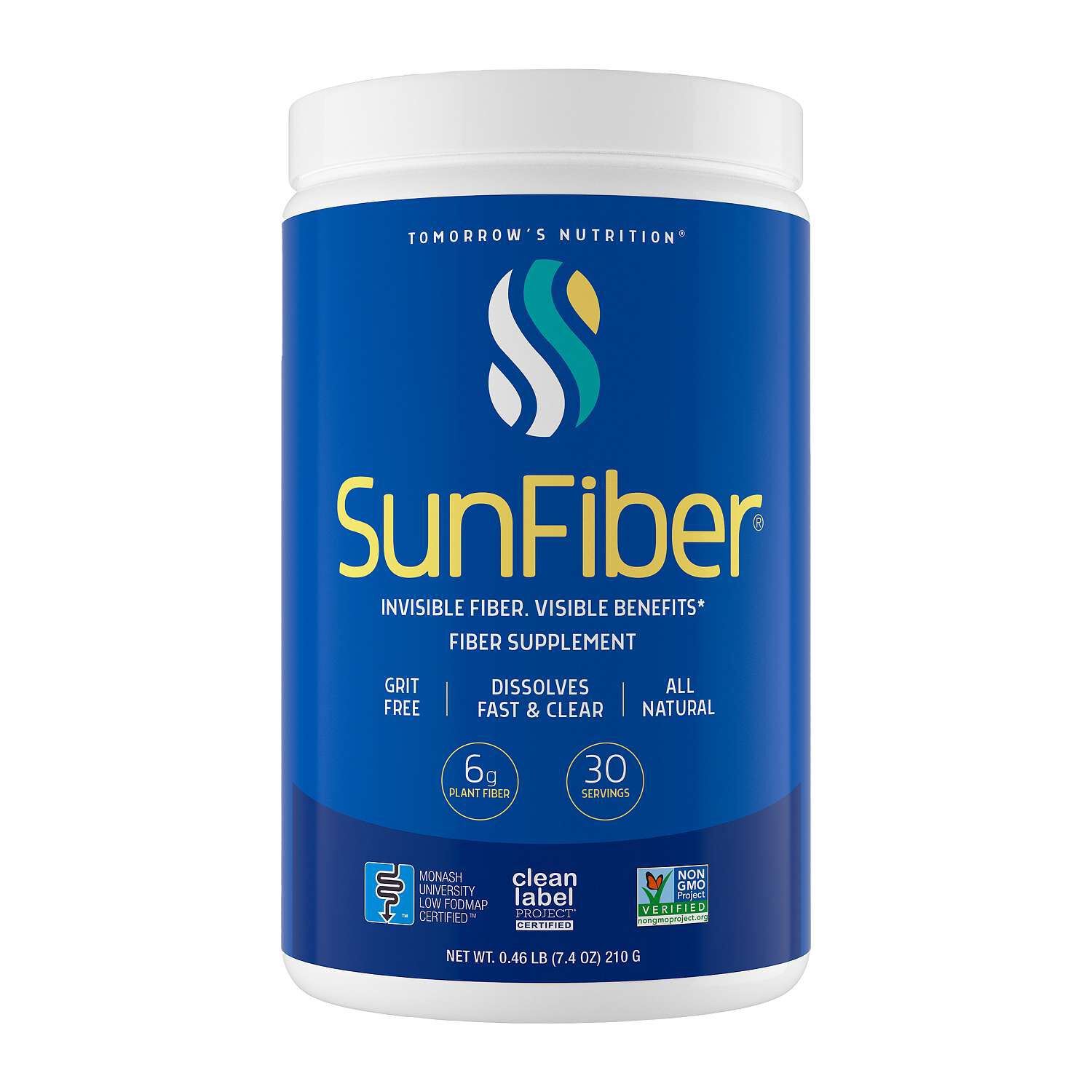
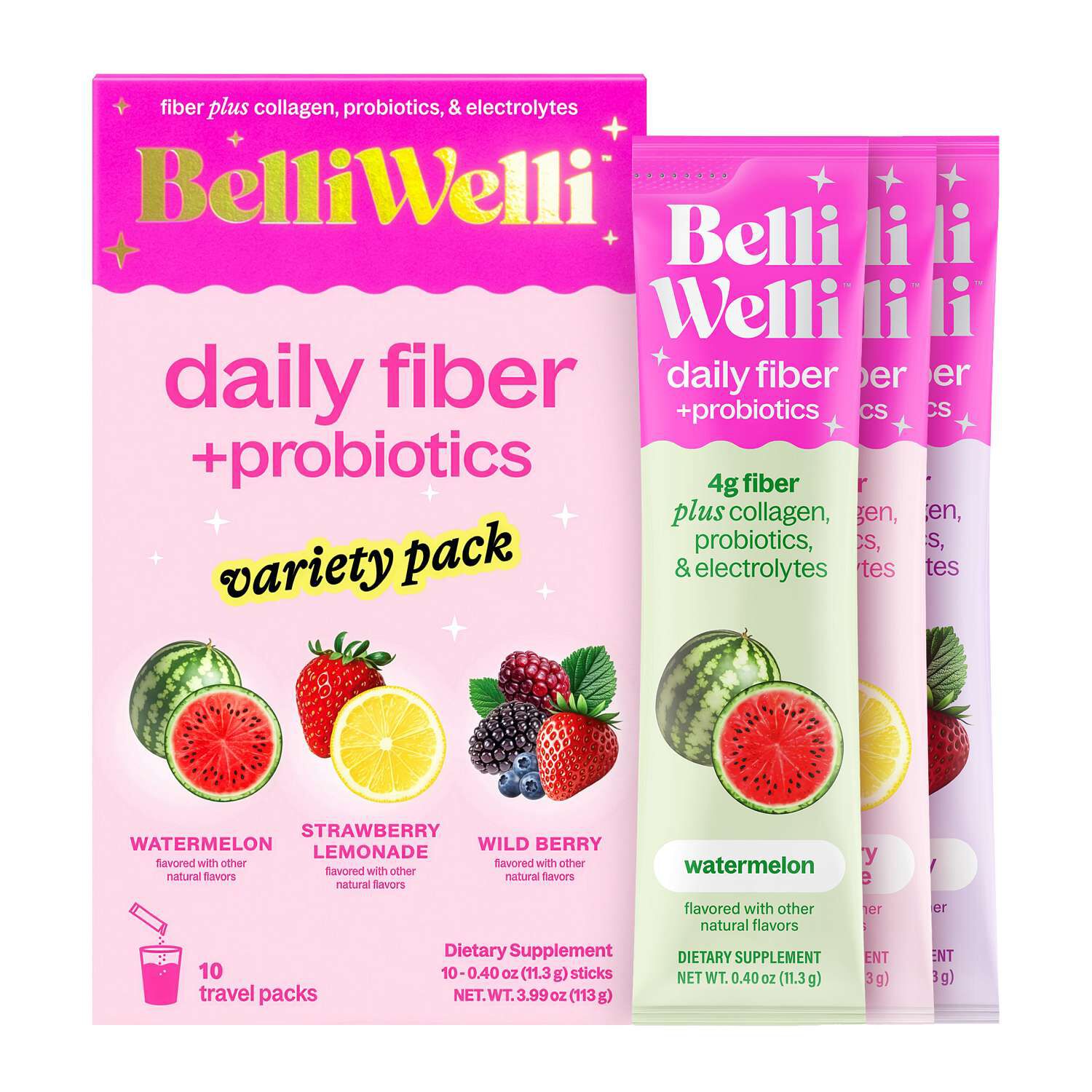
Fiber probiotic supplements for sensitive stomach may offer a gentle approach to supporting digestive balance. Designed with comfort in mind, these supplements combine fiber and probiotics in formulas that could suit those with delicate digestive systems. Explore options that might help you maintain your gut health routine while being mindful of sensitivity. Discover how fiber probiotic supplements for sensitive stomach may fit into your wellness journey today.
-
-

-
 209$34.99
 -

-

-

-
-
 $26.99
 -

-

-
 $26.99
 -

-
 $14.97
 -
 $26.99
 -
-

-
-

-
-
 $17.99

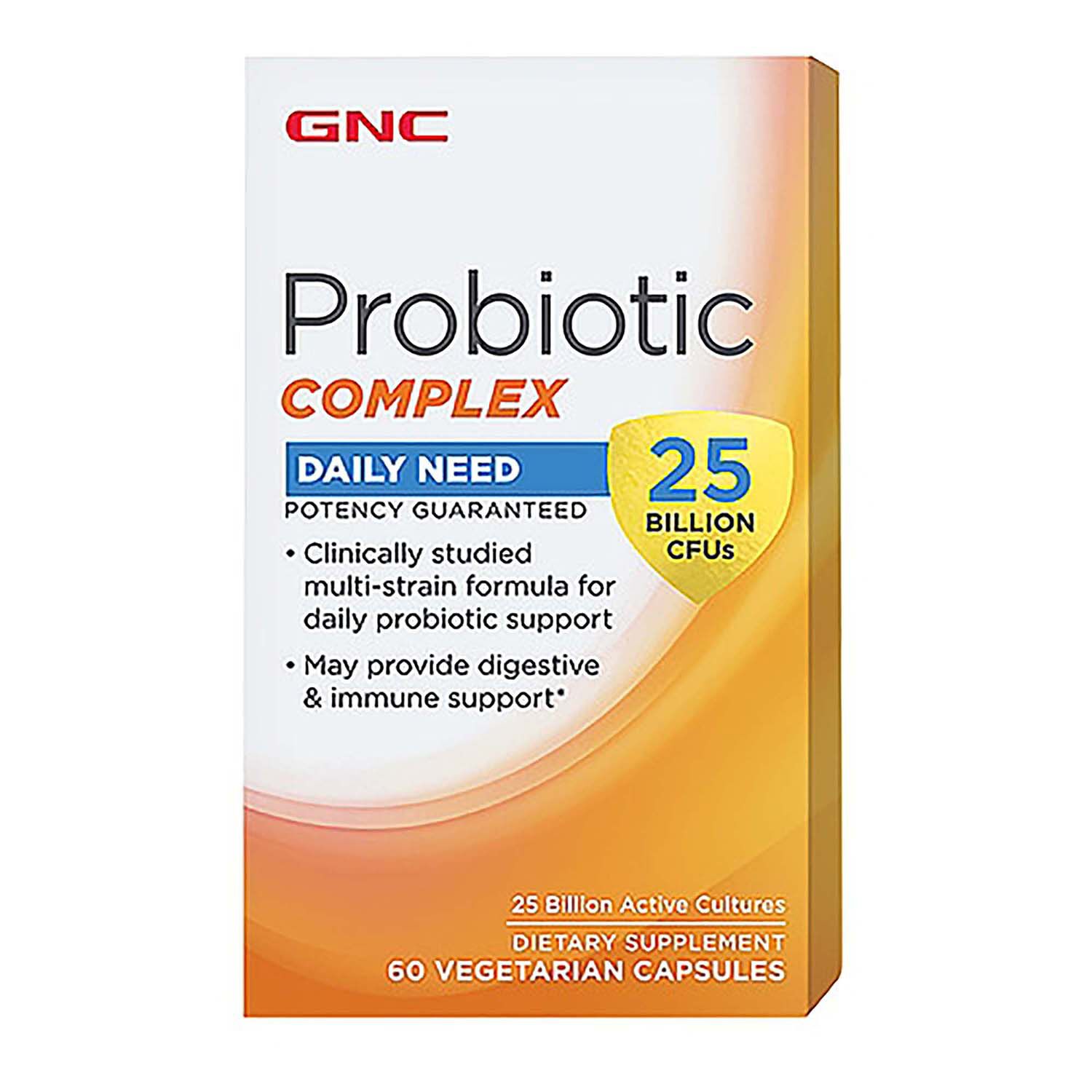


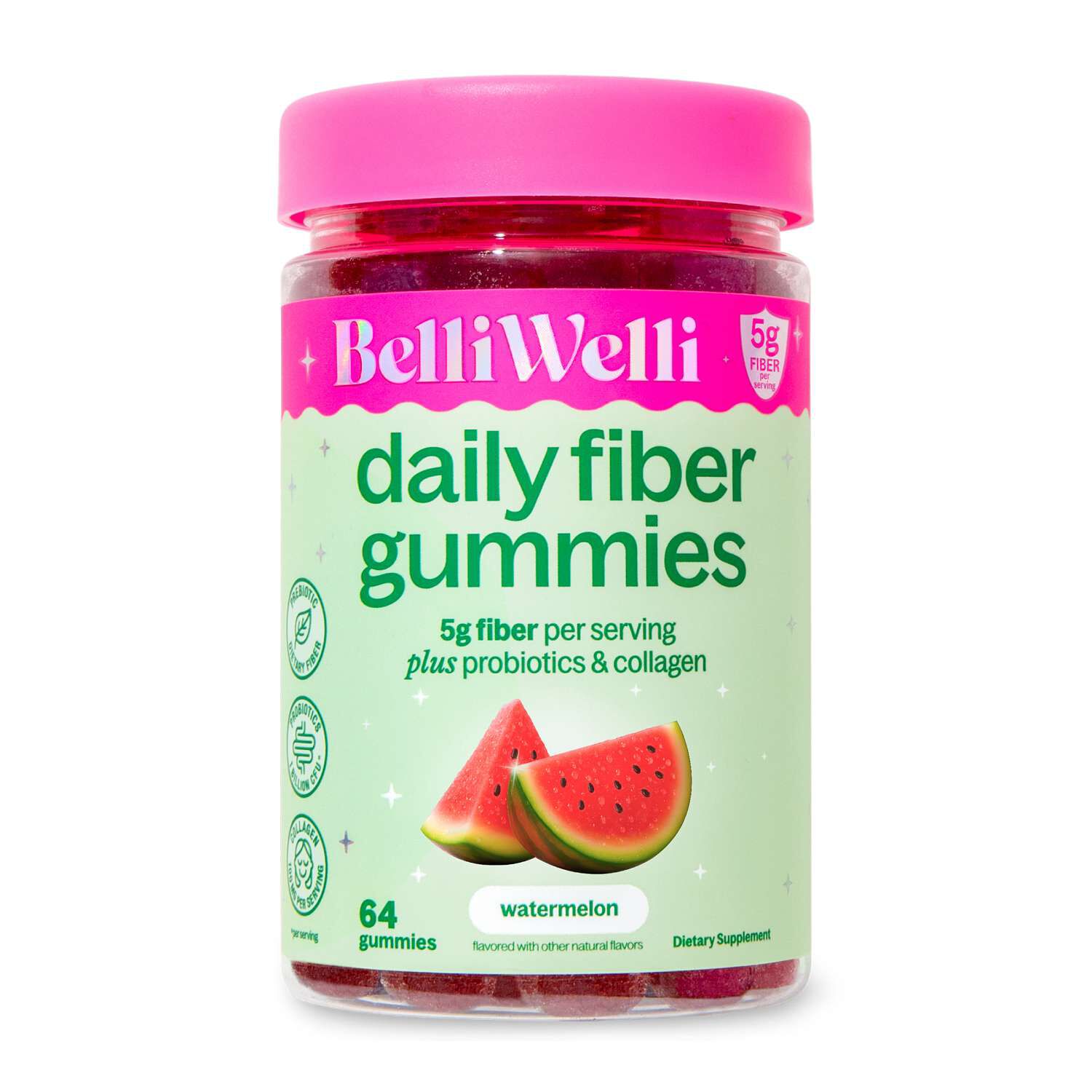
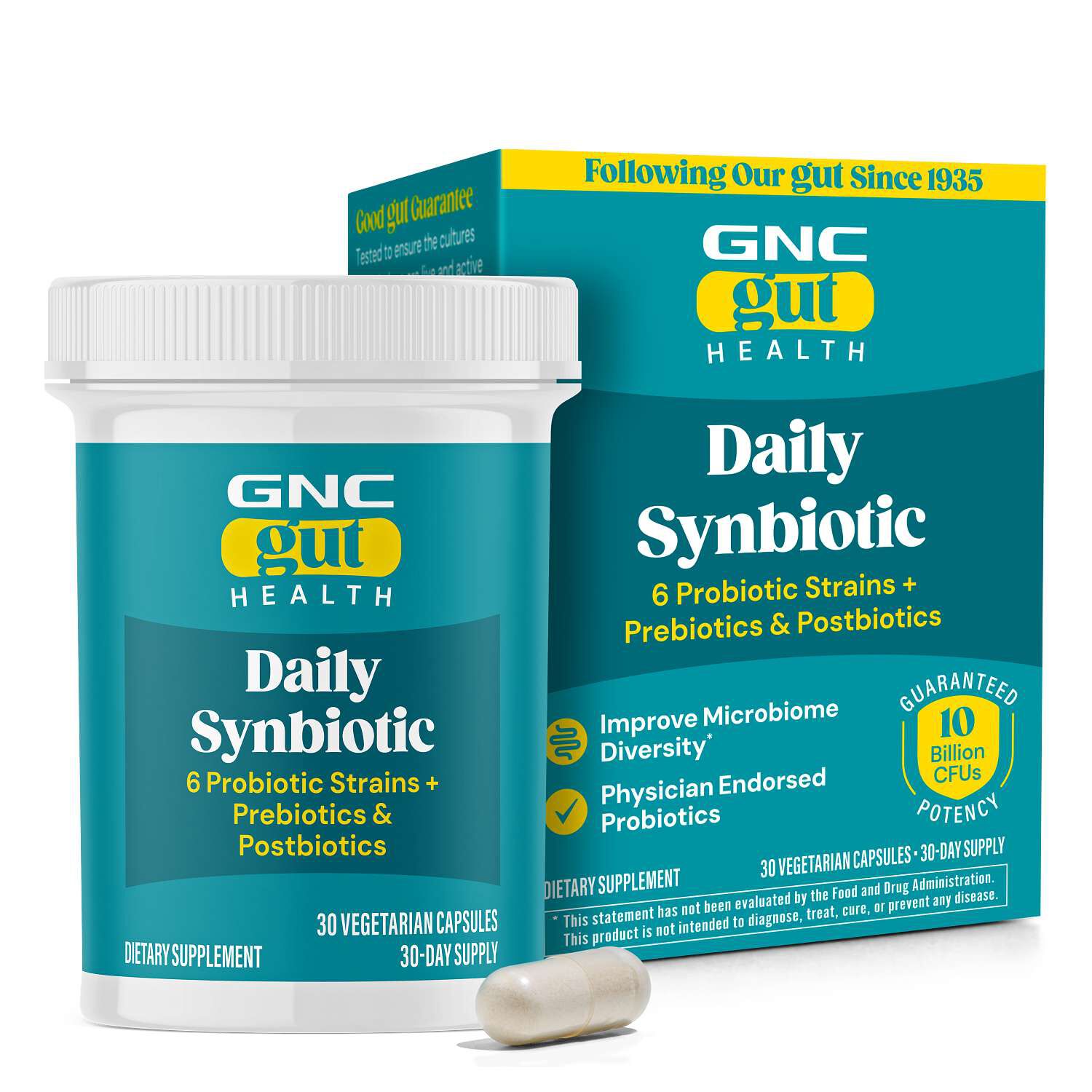
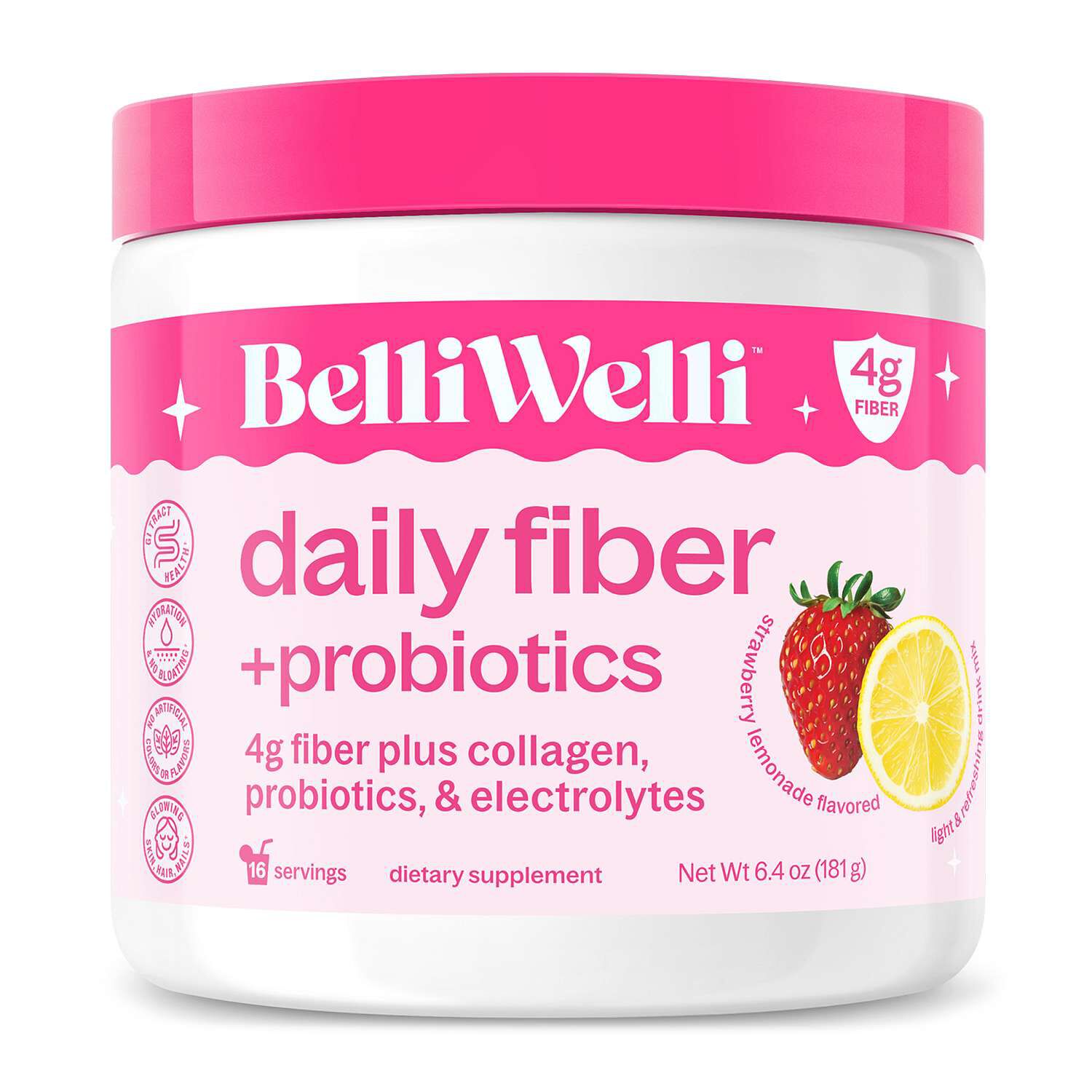
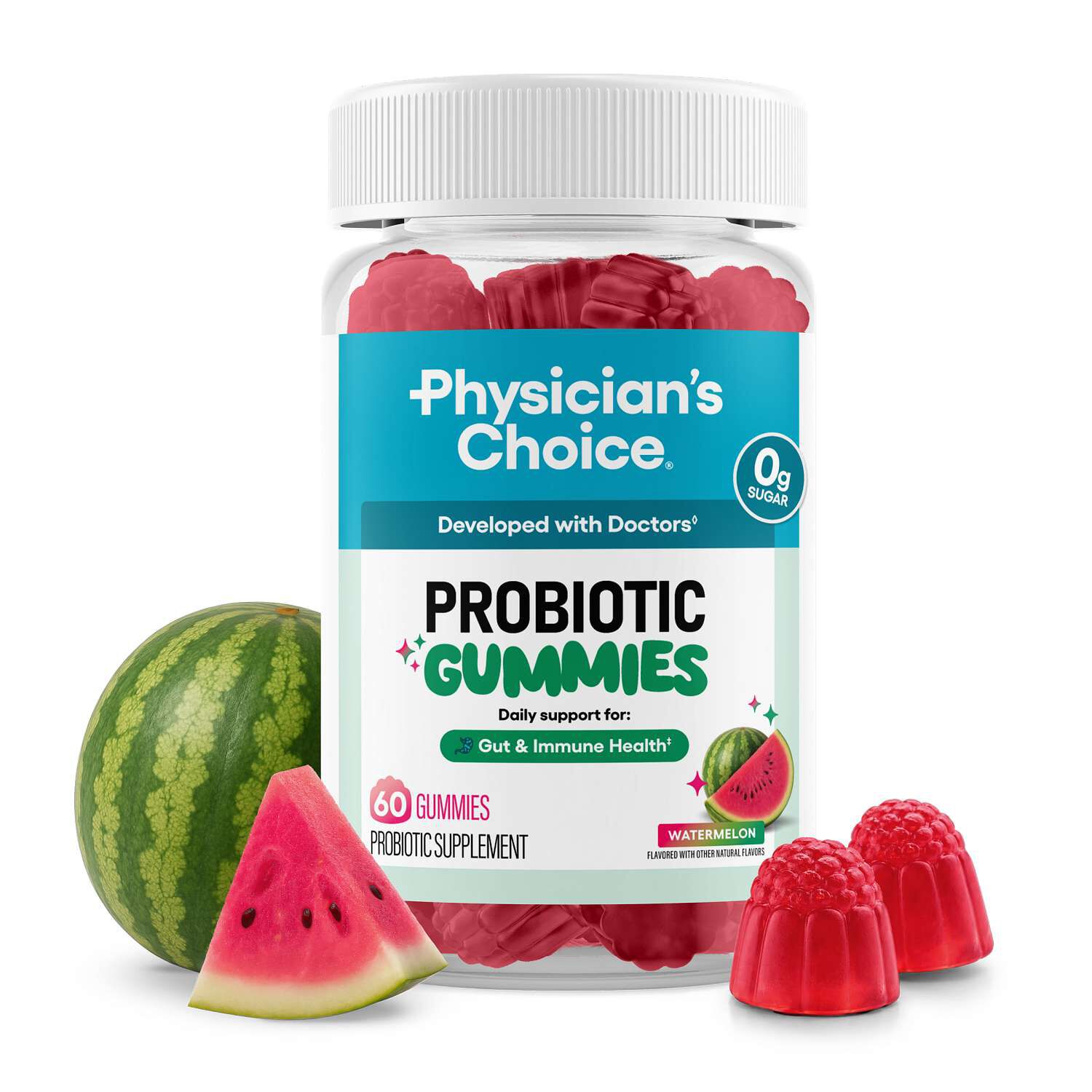
Fiber probiotic supplements for sensitive stomach support bring together two familiar parts of digestive wellness: fiber and probiotics. Fiber may help add structure to a daily routine, while probiotic cultures may help maintain a balanced digestive environment. For shoppers who prefer a gentler approach, the type of fiber can matter as much as the amount. Soluble fibers such as partially hydrolyzed guar gum, methylcellulose, and acacia fiber are often considered by people looking for options that may fit more comfortably into a sensitive routine. Partially hydrolyzed guar gum, sometimes called PHGG, has a fine texture and may ferment gradually, which could make it a practical choice for individuals who are cautious about introducing fiber. Methylcellulose is a soluble, bulk-forming fiber that may be less likely to create the heavy feeling some people associate with certain high-fiber foods. Acacia fiber has a light texture and may serve as a prebiotic fiber, meaning it could provide nourishment for beneficial bacteria in the digestive tract. Each person’s experience can differ, so reading the Supplement Facts panel, serving directions, flavor ingredients, and additional sweeteners can help narrow the selection. A powder may blend into water, oatmeal, or a smoothie, while capsules may suit someone who prefers a simple routine with no mixing. Gummies can offer a more approachable format, although shoppers may want to check the fiber amount and added ingredients carefully. Probiotic formulas may feature cultures from groups such as Bifidobacterium or Lactobacillus. Specific strains are selected for different formulation goals, and the label may list the strain name, serving amount, and storage instructions. For anyone comparing options, a product with a short, familiar ingredient list can feel easier to work into the day, especially during cooler months when warm breakfasts, soups, and blended drinks naturally become part of the routine.
Introducing a fiber probiotic supplement gradually may be a sensible way to learn how it fits into a personal routine. Some shoppers begin with a smaller portion than the full serving shown on the label, then increase slowly if the product feels comfortable. This approach may give the digestive system time to adjust, particularly for someone who does not regularly eat much fiber. Water matters as well: fiber works alongside fluid, so drinking plenty throughout the day may help the supplement move through the digestive tract smoothly. It can be helpful to take notes for a few days about timing, serving size, meals, and how the body feels, much like keeping a small kitchen journal beside the coffee maker. That simple record could make it easier to identify whether a morning powder works better with breakfast or whether an evening capsule fits more naturally after dinner. Shoppers may also want to review the source of the fiber, the number and names of probiotic cultures, storage requirements, and any ingredients they prefer to avoid. Those who are pregnant, nursing, managing an ongoing health concern, taking prescription products, or following a specialized eating plan may wish to speak with a qualified healthcare professional before choosing a supplement. Guidance from a professional could be especially useful when deciding between a fiber-only formula, a probiotic-only formula, or a combination product. For additional options organized around this type of routine, explore Gut Health Supplements For Sensitive Stomachs.
These supplements may appeal to a wide range of shoppers, from someone building a more consistent morning ritual to a family member searching for a thoughtful wellness gift. A fiber probiotic product can be a practical present for a friend who enjoys preparing smoothies, a parent who likes keeping easy-to-mix pantry staples on hand, or a colleague who appreciates simple additions to a daily routine. When giving a supplement as a gift, it is considerate to choose a format that matches the recipient’s habits rather than assuming one type suits everyone. A person who travels often may prefer individually portioned packets or capsules, while someone who enjoys a slow breakfast may appreciate a powder that blends into yogurt or a warm bowl of oats. During the transition from warmer weather into cooler days, familiar routines can make supplements easier to remember: a glass of water beside the toothbrush, a capsule near the breakfast dishes, or a powder stored with smoothie ingredients. Fiber probiotic formulas may complement meals that already include beans, oats, fruit, vegetables, and whole grains, though they are not intended to replace a varied eating pattern. Checking the label for serving guidance and keeping the container stored as directed can help preserve a predictable routine. A comfortable fit often comes down to small details—the texture, the flavor, the number of capsules, the fiber source, the probiotic strains, and the time of day that feels most natural. With gradual use, adequate fluids, and attention to personal preferences, a fiber probiotic supplement could become a convenient part of everyday digestive wellness.
Best Sellers
-
Physician's Choice


Related Pages


Top Collections
- Daily Collagen Supplements | Top Brands & Deals | GNC
- Natural Collagen Supplements | Top Brands & Deals | GNC
- Top Rated Collagen | Shop Customer Favorites | GNC
- Cortisol Supplements
- Vitamins For Hair Loss
- Spirulina Tablets
- NAD+ Supplement Tablets
- Peptide Supplements
- Best Brand of Magnesium Glycinate
- Vitamins That Help Support Weight Gain