





Supplements For Sensitive Stomachs
(0 Results)
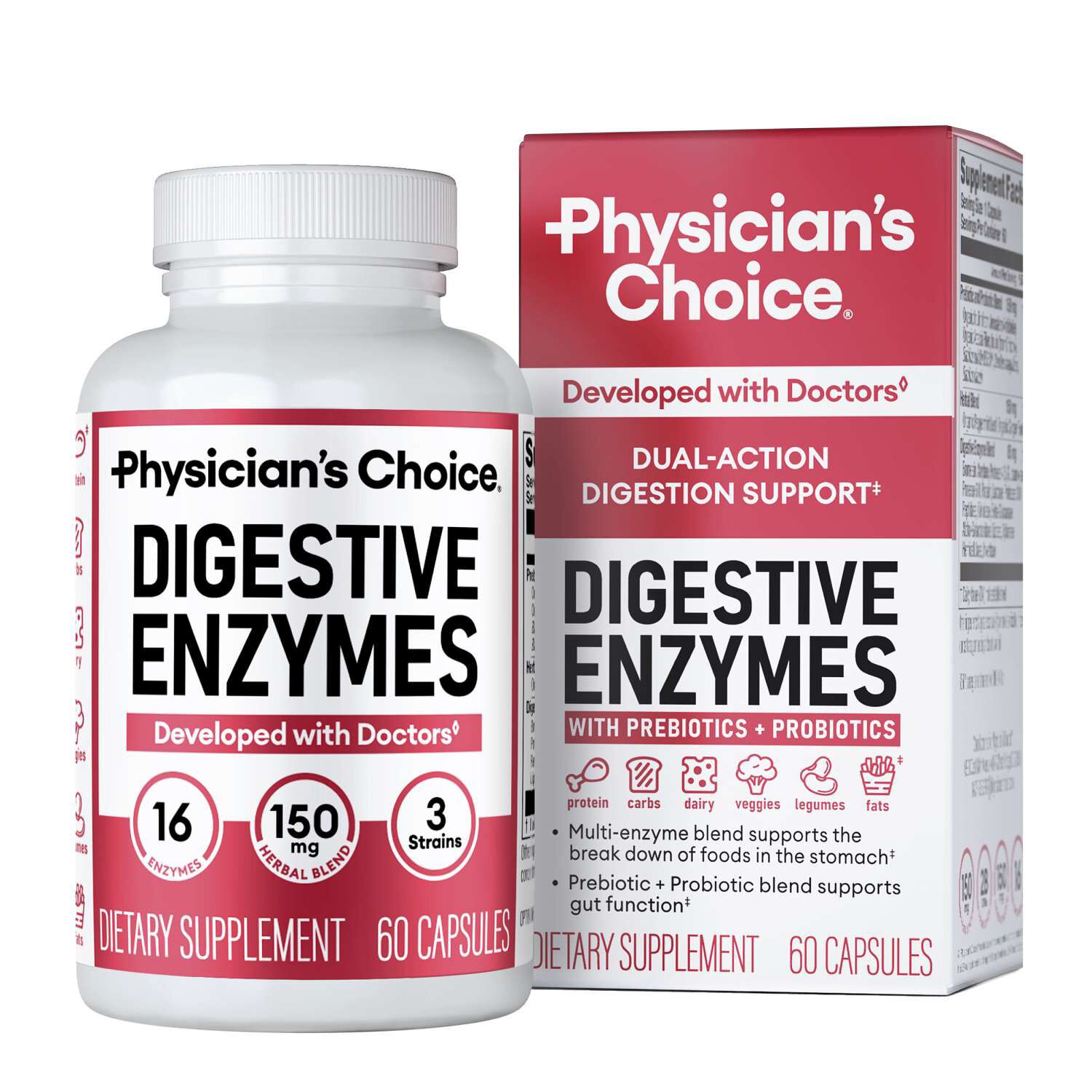
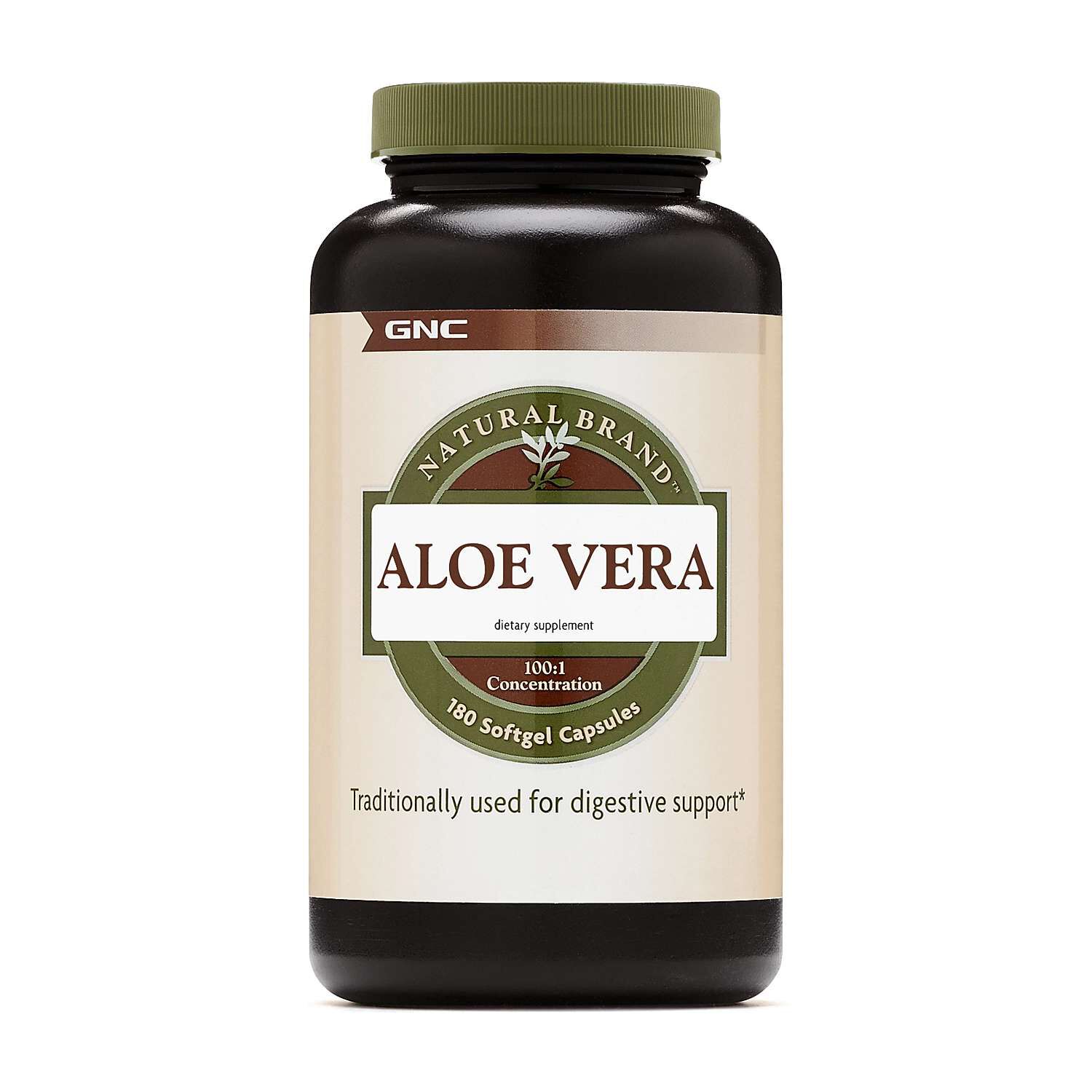
Supplements for sensitive stomach may offer gentle support for those looking to prioritize their digestive comfort. Formulated with care, these options are designed for individuals who want to nourish their bodies without causing unnecessary discomfort. Explore a variety of supplements for sensitive stomach that could fit seamlessly into your daily routine and help you maintain your wellness goals.
-
-
-

-

-

-
-

-

-
-

-
-

-

-

-
-
 Sprayology$38.99
-
 $19.99
-

-
-

-

-



Supplements for sensitive stomachs are nutritional products considered with particular attention to ingredients, serving sizes, delivery formats, and personal tolerance. The category can include probiotics, digestive enzymes, fiber supplements, protein powders, vitamins, and minerals, each with a different intended use. A sensitive stomach does not point to one universal formula, and a product described as gentle may not suit every person in the same way. Thoughtful comparisons begin with what the supplement is intended to contribute, followed by how its ingredients and format fit everyday preferences. Someone looking for a straightforward vitamin routine has different priorities from someone comparing protein powders for a breakfast smoothie or probiotic capsules for a daily supplement routine. Probiotics contain live microorganisms, while digestive enzyme formulas contain enzymes associated with the breakdown of particular food components. Fiber supplements contribute dietary fiber, and protein powders provide protein from sources such as milk, peas, rice, or other ingredients. These categories are not interchangeable simply because they appear within a collection focused on stomach sensitivity. Ingredient names, amounts per serving, and preparation directions give more useful context than broad descriptions on the front of a container. For example, a powder with several scoops per serving deserves a different comparison from a capsule formula with a serving measured in capsules. Likewise, the amount listed for an individual nutrient is different from the weight of an entire blend. A clearly presented Supplement Facts panel and a readable ingredient list make those distinctions easier to understand. For shoppers who prefer a less elaborate formula, a shorter ingredient list may make comparison more manageable, although ingredient count alone does not determine personal suitability. The most relevant starting point is a clear match between the supplement’s nutritional purpose and the shopper’s intended use, rather than an assumption that every product in this category offers the same experience.
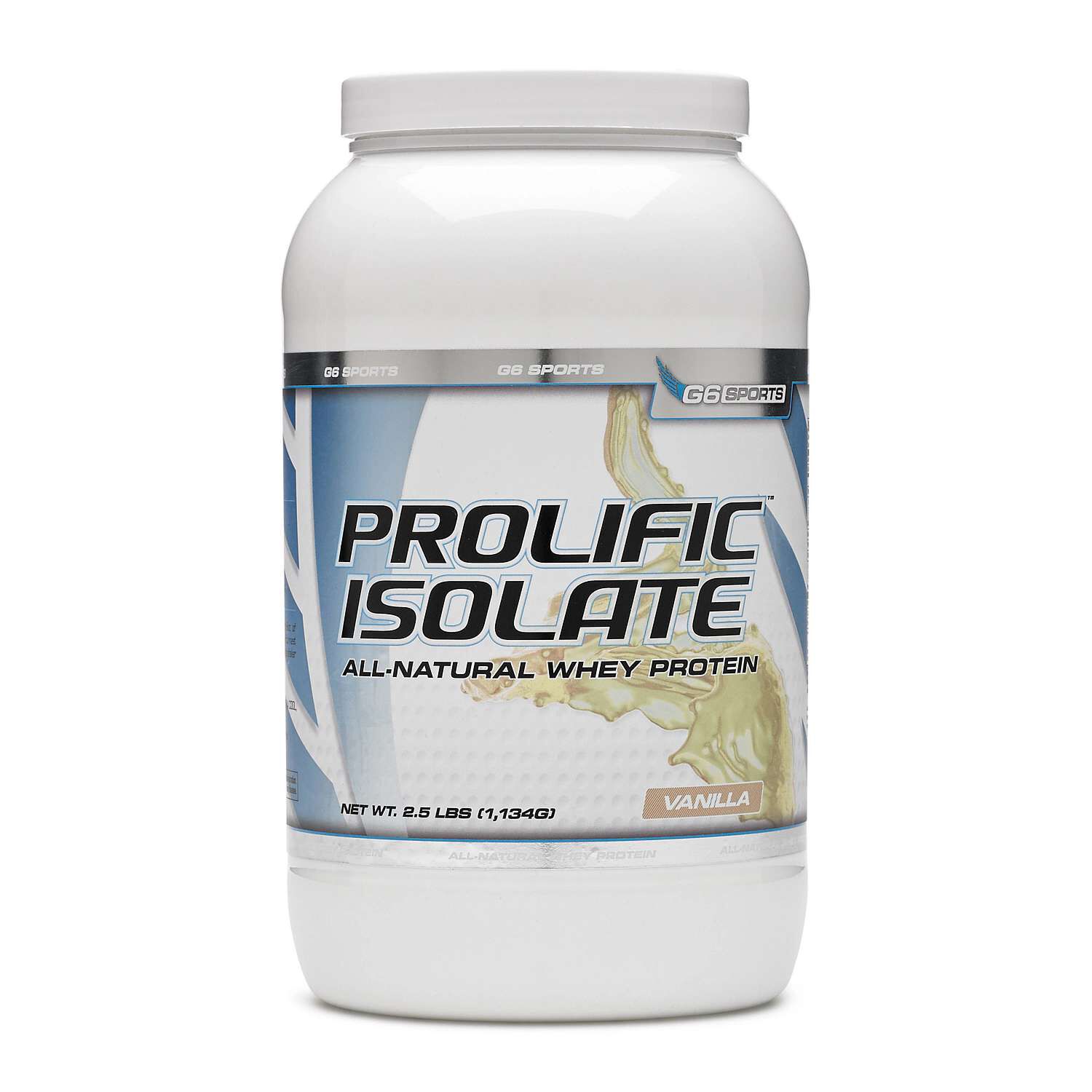
Format is another meaningful consideration when comparing supplements for sensitive stomachs. Capsules and tablets offer measured portions without the preparation involved in a mixed beverage, while powders offer a format that can be incorporated into foods or drinks when the label allows. Chewables, gummies, and liquids bring different textures, flavors, and serving sizes to the comparison. A person who dislikes a chalky texture may prefer a different format from someone who enjoys stirring a powder into a familiar smoothie. Within the capsule category, Probiotic Capsules For Sensitive Stomachs may interest shoppers who prefer a premeasured option without mixing a drink. Capsule shells can also differ in composition, including gelatin or plant-derived materials, which matters for dietary preferences. Beyond the main ingredients, labels can list flavorings, sweeteners, colors, thickeners, and other components used to create a particular texture or presentation. These details deserve consideration alongside the featured nutrient or culture. Someone comparing vanilla protein powders, for instance, may find meaningful differences in protein source, added sugars, sugar alcohols, and serving size even when the flavors sound similar. Milk-derived proteins and plant-derived proteins also have distinct ingredient profiles; neither category establishes how a particular person will tolerate a finished formula. Allergen statements and dietary designations provide additional information, but the full label offers a more detailed picture than a single front-label phrase. With probiotics, comparisons may include the named microorganisms, strain identifiers when provided, and the stated number of live cultures. With fiber powders, the fiber source and preparation instructions help distinguish one formulation from another. With vitamins and minerals, the nutrient form, amount per serving, and accompanying ingredients are useful points of comparison. No one number or format tells the whole story, and a larger amount is not automatically a more suitable choice for someone prioritizing a simple, manageable routine.
Everyday fit extends beyond the ingredient panel to preparation, packaging, and care. A supplement that belongs beside a breakfast bowl has different practical requirements from one carried between home and an office. Powders call for attention to the specified liquid amount, mixing method, and measuring scoop, while liquids may have directions about shaking or storage after opening. Capsules and tablets have their own serving directions and handling requirements. The scoop included with one powder is not a universal measure for another, and the amount in a serving is not always the same as the amount in a single capsule, gummy, or spoonful. Those distinctions matter when comparing otherwise similar-looking containers. Storage instructions are equally important: some formulas specify refrigeration, while others call for a dry location away from direct light. The label establishes the appropriate conditions for each formula, rather than the appearance of the packaging. Keeping a container closed as directed, preserving its identifying label, and observing its printed date are practical parts of product care. For a shared household, clearly labeled containers also make it easier to distinguish each person’s supplements from other pantry or bathroom items. These products may appeal to adults who prioritize uncomplicated ingredient lists, people comparing alternatives to a familiar supplement format, or shoppers seeking a nutritional option that fits established dietary preferences. A frequent traveler may value the convenience of a measured capsule format, while someone with a regular blender routine may prefer a powder whose preparation matches that habit. Personal preferences can also include flavor intensity, texture, capsule size, and the number of portions involved in a labeled serving. Because supplements are personal purchases, familiarity with the recipient’s preferences matters more than novelty when considering one as a gift. Across these choices, a useful comparison brings together intended use, ingredient transparency, serving information, and realistic preparation and storage needs. That combination keeps the focus on individual fit and gives shoppers a grounded way to evaluate supplements for sensitive stomachs without treating any single format or ingredient as the answer for everyone.
Best Sellers


Related Pages

Top Collections
- Daily Collagen Supplements | Top Brands & Deals | GNC
- Natural Collagen Supplements | Top Brands & Deals | GNC
- Top Rated Collagen | Shop Customer Favorites | GNC
- Cortisol Supplements
- Vitamins For Hair Loss
- Spirulina Tablets
- NAD+ Supplement Tablets
- Peptide Supplements
- Best Brand of Magnesium Glycinate
- Vitamins That Help Support Weight Gain