





Herbal Supplements For Summer Bloating
(0 Results)
Herbal supplements for summer bloating may offer a natural way to support your wellness routine during the warmer months. Whether you’re enjoying seasonal foods or spending more time outdoors, these herbal options could be a gentle addition to help you feel your best. Explore a variety of formulas that might fit seamlessly into your daily habits as you navigate summer activities and meals. Discover how herbal supplements for summer bloating may complement your lifestyle and help you stay comfortable all season long.
-

-

-
-
-
 $29.99
-

-

-
-

-

-
-

-
-

-

-

-
-
-

-
-
-
-

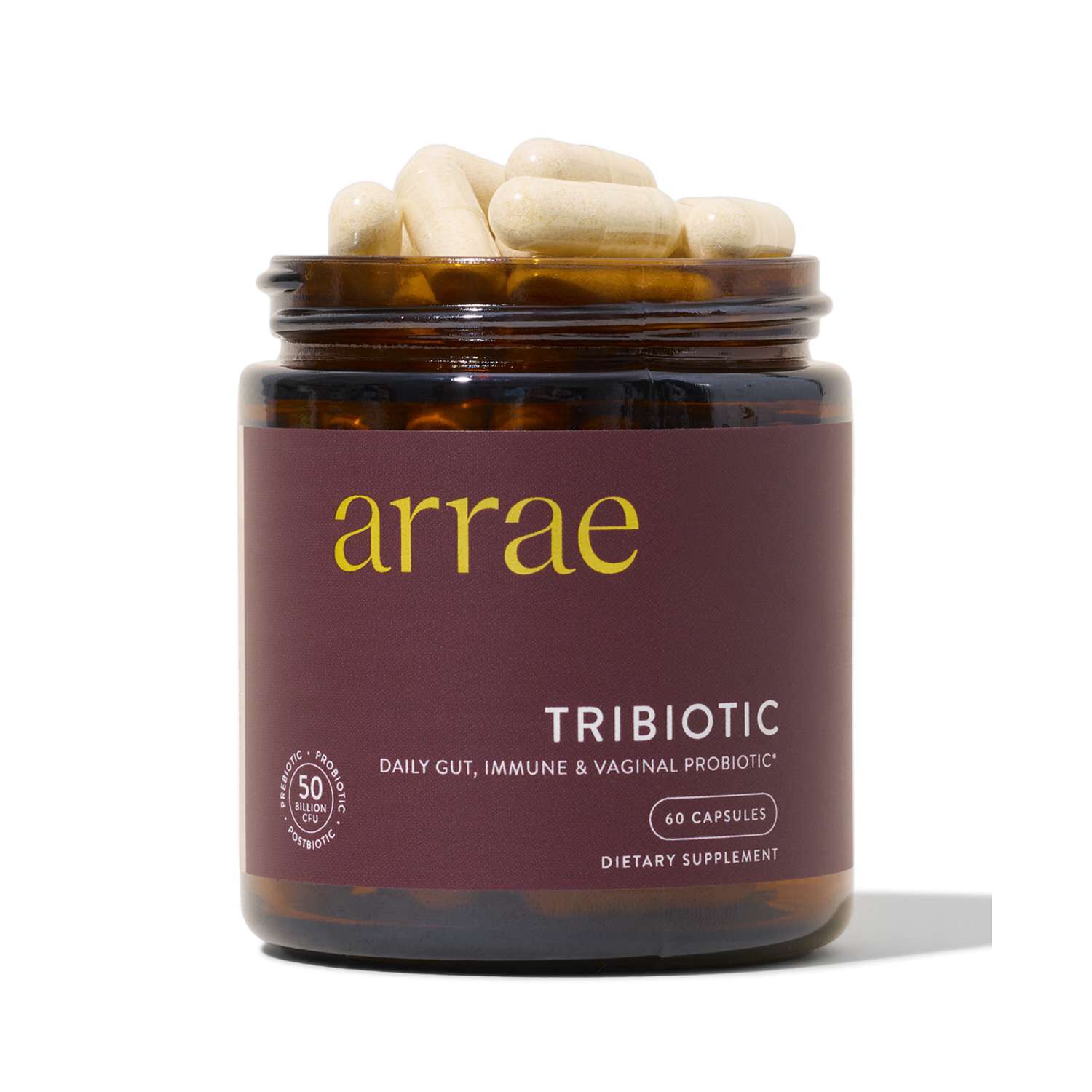
Herbal supplements for summer bloating bring together botanical formulas that shoppers may consider for everyday digestive comfort when summer plans include outdoor meals, travel, and a less familiar eating schedule. A long picnic lunch, a road trip with irregular meal stops, or a weekend of backyard gatherings can look quite different from an ordinary weekday routine. Within this category, herbal supplements may support normal digestive comfort, but preparations differ in their ingredients, serving sizes, and intended use. Ginger, peppermint, and fennel are familiar botanical ingredients associated with digestive wellness, although their presence on a label does not mean that every formula has the same characteristics. Ginger root may appear as a dried powder or an extract; peppermint leaf and peppermint oil are different preparations; and fennel formulas may identify the seed as the plant part used. Those distinctions offer more useful context than a familiar herb name alone. An ingredient used to season a meal is also not necessarily equivalent to its supplemental form, which may contain a different amount or preparation. For adults comparing herbal supplements for occasional summer bloating, the most informative details are often the botanical identity, the amount listed per serving, and whether the formula contains one herb or a blend. A single-herb format may appeal to someone who prefers a shorter ingredient list, while a blend brings several botanicals into one formula. Neither format, by itself, establishes how well it will suit an individual. The same applies to the word “natural,” which describes neither a uniform formulation nor a particular outcome. This category is best understood as a selection of botanical approaches to everyday digestive wellness rather than a collection of identical options. The label provides the clearest picture of what each formula contains and how its intended use fits a shopper’s preferences, whether that shopper is planning a beach rental, packing for a family visit, or looking for a familiar format to keep at home.
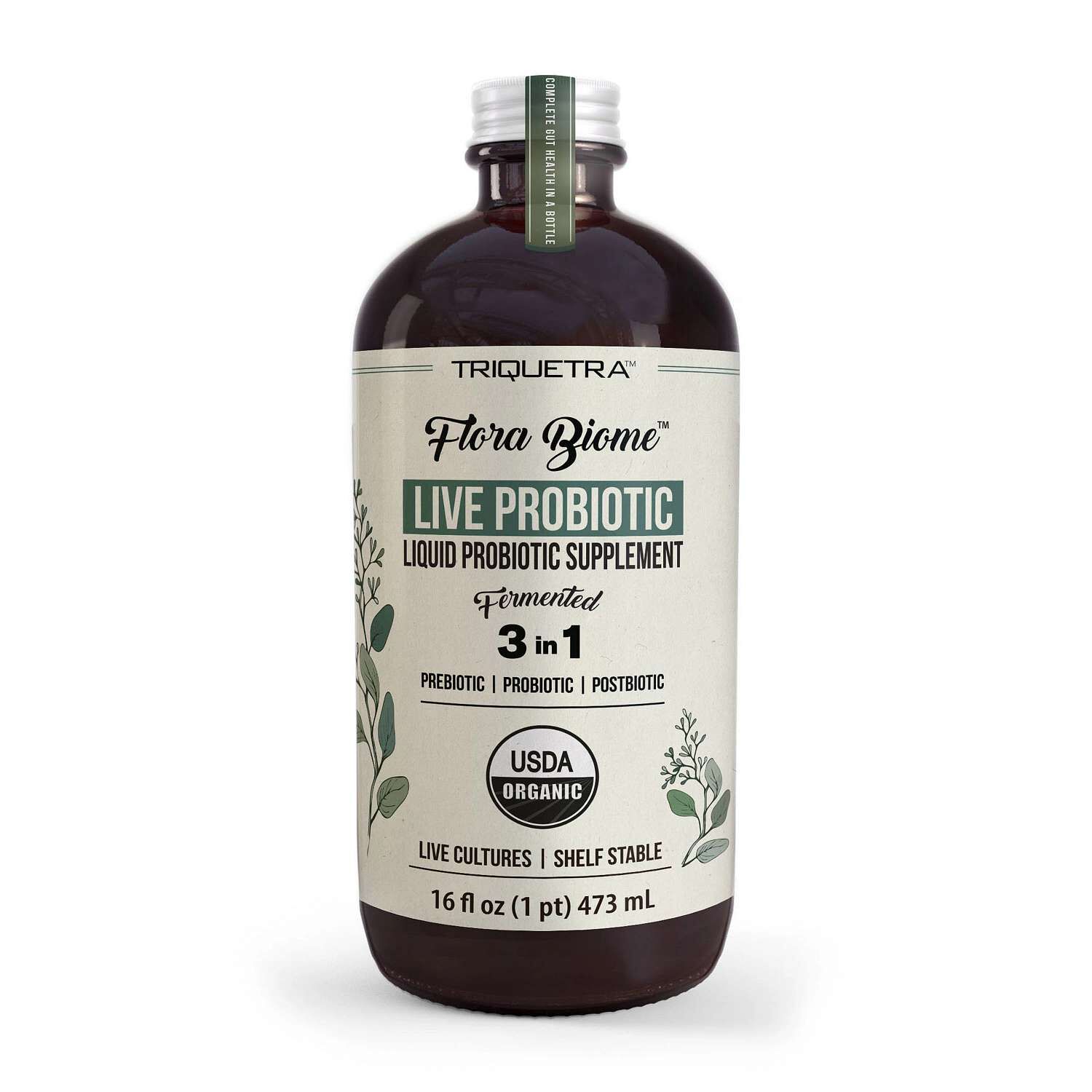
Format is another meaningful distinction when comparing herbal supplements for summer bloating. Capsules, tablets, powders, liquids, and chewable preparations each come with different serving instructions, ingredient lists, and storage considerations. A capsule shell may contain gelatin or plant-derived materials, which matters to shoppers with vegetarian preferences. Tablets may include binding or coating ingredients, while powders can include flavorings, sweeteners, or other components beyond the featured herbs. Liquid preparations may use water, glycerin, or alcohol as part of their base, so the full ingredient list is more informative than the front label alone. For someone who dislikes swallowing capsules, another format may be appealing, but serving sizes are not interchangeable across formats. One capsule, one scoop, and one measured portion of liquid can represent very different amounts. The serving size and number of servings per container also describe different things: a bottle’s capsule count does not necessarily equal its number of servings. Herbal powders and liquids introduce sensory preferences as well. Ginger has a distinctive, warming flavor, peppermint has a minty character, and fennel has a taste often compared with anise. Whether those flavors are noticeable depends on the preparation and other ingredients. A shopper who prefers little taste may approach the category differently from someone comfortable with a strongly flavored liquid. Extract information adds another layer of detail. Some labels specify an extract ratio or the amount of a named plant compound, while others list the weight of the herb powder. A larger milligram number alone does not establish that two different preparations are equivalent. Likewise, several herbs listed together do not explain how much of each is present unless individual amounts are provided. Dietary statements, allergen information, and the full list of other ingredients round out the comparison. These details help distinguish formulas by composition and format without assuming that a particular capsule size, ingredient count, or botanical combination is the right match for everyone.
Summer use also puts practical details into focus, particularly when supplements travel beyond a kitchen cabinet. A bottle stored at home faces different conditions from one carried through an airport, tucked into a beach bag, or left beside a sunny window at a vacation rental. Storage directions matter because packaging, temperature, moisture, and light exposure can affect product condition. A securely closed original container preserves access to the ingredient list, serving directions, lot information, and expiration date, all of which are useful when several similar-looking bottles are packed together. A parked car or a damp poolside tote may not match the storage conditions stated on the label. Powders call for attention to dry utensils and a firmly replaced lid; liquids require attention to closure instructions and any refrigeration directions; and capsules or tablets have their own labeled storage requirements. Travel planning also involves the practical fit of a format: a liquid needs a suitable measuring method, while a powder needs the preparation method described on its packaging. Shoppers comparing botanical supplements may prefer a format that matches their usual habits rather than one that introduces several unfamiliar steps during a busy trip. Intended use remains just as important as portability, including whether the label describes occasional use, a particular serving schedule, or use with food. Botanical supplements are not interchangeable with beverages, snacks, or culinary herbs simply because they share an ingredient name. For broader summer browsing, Herbal Supplements For Summer Fatigue offers a separate collection centered on another seasonal wellness interest, with its own ingredients and intended uses. Within the summer bloating category, the strongest basis for comparison remains specific and practical: the herbs included, their preparation, the serving information, the supporting ingredients, and the care requirements on the container. Together, those details give shoppers a grounded way to compare botanical formulas for summer routines without expecting every preparation to offer the same experience.
Best Sellers

Related Pages

Top Collections
- Zinc Supplements | Top Brands at Great Prices | GNC
- Cortisol Supplements
- Joint Mobility Supplement Packs
- NAD+ Supplement Tablets
- Best Brand of Magnesium Glycinate
- Top Rated Collagen | Shop Customer Favorites | GNC
- Iron Supplements
- Peptide Supplements
- Protein Powders For Muscle Growth Support
- Vitamins That Help Support Weight Gain