





Drinks With Coconut Water
(0 Results)
Drinks with coconut water offer a refreshing way to stay hydrated and enjoy a taste of the tropics any time of year. These beverages may appeal to those looking for a naturally inspired option to support their daily routine. With a variety of flavors and blends available, drinks with coconut water could be a delicious addition to your active lifestyle or post-workout ritual. Explore options that might fit your preferences and discover new ways to enjoy hydration.


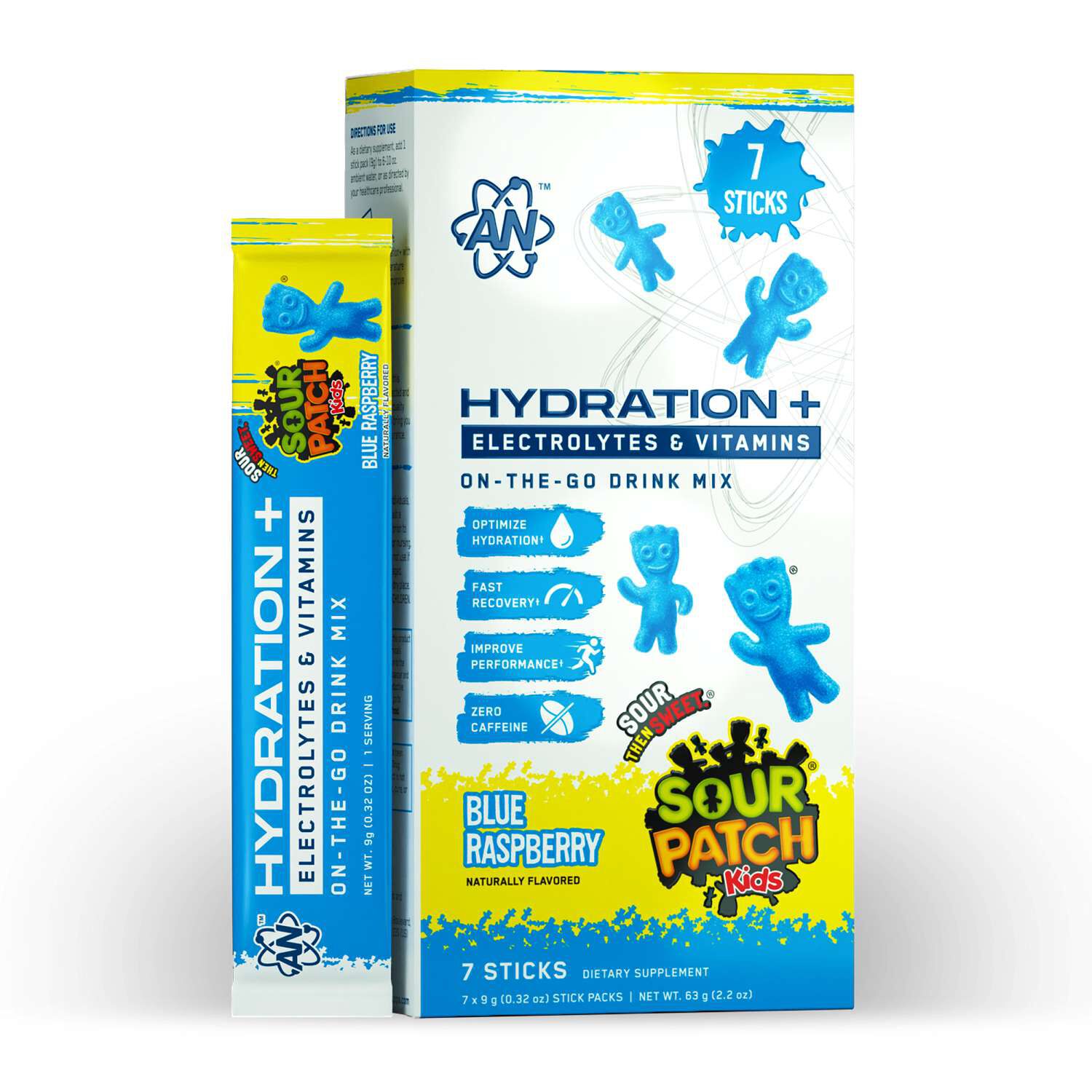
Drinks with coconut water bring a distinct ingredient to everyday beverages: the clear liquid found inside young coconuts. Coconut water is different from coconut milk, which is made using coconut flesh and has a richer, creamier texture. That distinction matters when comparing beverages, because a drink made with coconut water does not necessarily have the thick consistency or pronounced coconut flavor associated with coconut milk. Its taste is often gently sweet, with a subtle mineral note, although the finished flavor depends on the ingredients and how the beverage is prepared. The category includes ready-to-drink beverages, fruit-flavored blends, and powders made with coconut water ingredients that are mixed with water before serving. Some formulas keep coconut water at the center of the flavor profile, while others pair it with citrus, pineapple, berry, or other fruit flavors. A citrus blend may taste crisp and tart, while a pineapple blend may have a rounder sweetness. These differences make drinks with coconut water a varied category rather than a single type of beverage. Coconut water naturally contains sugars and minerals, including potassium, but the nutrition of a finished drink depends on its formulation and serving size. Sodium, magnesium, carbohydrate, and calorie amounts can differ between beverages, particularly when fruit juice, sweeteners, or additional electrolytes are included. The Nutrition Facts panel provides a more useful comparison than assumptions based on the coconut imagery on a package. Ingredient lists also distinguish beverages made primarily with coconut water from those that use coconut water concentrate or powder alongside other ingredients. For shoppers interested in coconut water drinks as an alternative to familiar juice beverages or flavored waters, taste, texture, and ingredient composition all deserve attention. A straightforward coconut water beverage, a fruit-forward blend, and an electrolyte drink containing coconut water can each offer a different drinking experience, even when their packaging emphasizes the same central ingredient.
Format plays a practical role in how coconut water beverages fit into a daily routine. A ready-to-drink bottle or carton requires little preparation and may suit a commute, a lunch bag, or a visit to the gym. A resealable container is convenient when a beverage will be enjoyed across more than one sitting, while a smaller container may better match a single serving. Package size and serving size are not always the same, so the number of servings matters when comparing nutrition information. Powdered drinks with coconut water ingredients offer a different kind of flexibility: the powder travels separately from the water, and the finished beverage is prepared in a suitable bottle, shaker, or glass. Mixing directions help establish the intended flavor concentration and serving amount. The amount of water specified on the label is especially relevant for flavored powders, since a smaller volume may produce a stronger taste and a larger volume may produce a milder one. Texture is another consideration. Some powders dissolve readily with stirring, while others may need shaking and a little time to disperse; the package directions provide the appropriate preparation details. For a beverage carried to work or packed alongside exercise gear, a securely closing drinking container and room for mixing are useful practical considerations. Packaging and storage instructions also deserve attention. Shelf-stable beverages and products that require refrigeration have different handling needs, and an unopened package may have different storage requirements from an opened one. Resealable powders are best kept according to their labels, with the closure secured between uses and moisture kept away from the contents. Printed date information and directions for use after opening help shoppers plan how a format will fit their habits. Someone who enjoys coconut water beverages occasionally may prefer a format suited to individual servings, while someone who includes them regularly may value a container that is convenient to store, pour, or prepare. The most suitable choice is the one whose preparation, packaging, and serving size make sense for the intended occasion.
Intended use can help narrow the selection without turning every coconut water drink into the same kind of product. For everyday sipping, flavor and sweetness may be the main considerations. Alongside a meal, a subtle coconut profile may be appealing to someone who does not want a strongly flavored beverage competing with the food. For a drink taken along to a workout, serving size, portability, and the listed electrolyte content may matter more. Drinks with coconut water may offer another way to include fluids in a daily routine, but their ingredients and nutrition should be considered individually rather than treated as interchangeable. A beverage containing coconut water is not automatically lower in sugar or calories than another drink, and the presence of coconut water does not establish how much of any mineral it contains. Added sugars, juice ingredients, sweeteners, and caffeine, when present, are all details that can influence a shopper’s preference. Dietary preferences also call for a closer look at the full label, including allergen information and any relevant certifications, rather than relying on the name of the category. Shoppers comparing beverage formats with other coconut water options can explore Coconut Water Supplements, keeping in mind that supplements and everyday drinks can differ in serving instructions, composition, and intended use. For shared occasions, coconut water beverages may suit a picnic basket, a casual lunch gathering, or a selection of nonalcoholic drinks served with fruit and sparkling water. A beverage assortment may also be a thoughtful gift for someone whose flavor preferences are already familiar, particularly when the selection reflects tastes they regularly enjoy. The category leaves room for both a simple drink poured straight from its container and a prepared blend with a more pronounced fruit character. Comparing the ingredient list, nutrition panel, serving format, and storage directions brings those differences into focus. That attention to the details helps connect the appeal of coconut water with a beverage that fits an actual routine, whether it is enjoyed with lunch, carried in a bag, or shared at the table.
- Q: What are the benefits of drinks with coconut water?
A: Drinks with coconut water are popular for their naturally hydrating properties, as coconut water contains electrolytes like potassium and magnesium. They are often enjoyed as a refreshing beverage before, during, or after exercise. - Q: How is coconut water different from coconut milk in beverages?
A: Coconut water is the clear liquid found inside young coconuts and is low in calories and fat. Coconut milk, on the other hand, is made by blending coconut meat with water and is creamier and higher in fat content. Drinks with coconut water tend to be lighter and more hydrating. - Q: Can I use drinks with coconut water as a post-workout beverage?
A: Yes, many people choose drinks with coconut water after workouts because they help replenish fluids and electrolytes lost through sweat. The natural sugars in coconut water can also provide quick energy. - Q: Are drinks with coconut water suitable for vegans?
A: Most drinks with coconut water are plant-based and suitable for vegans. However, it's always best to check the ingredient list for any added animal-derived ingredients. - Q: What flavors are commonly combined with coconut water in beverages?
A: Coconut water pairs well with a variety of flavors such as pineapple, mango, acai, berry blends, citrus fruits, and even greens like spinach or kale for added nutrition.
Best Sellers
-
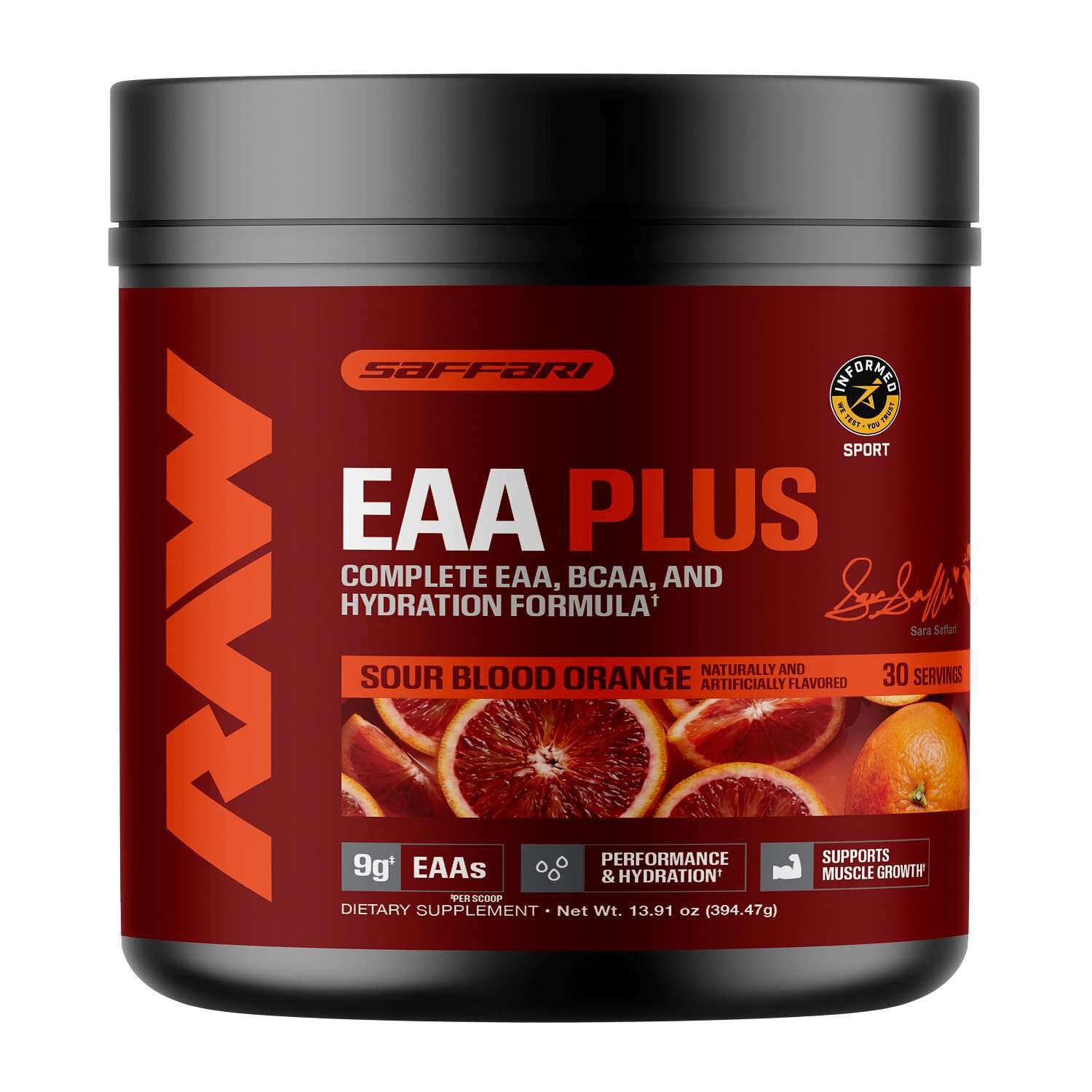 Raw Nutrition
-
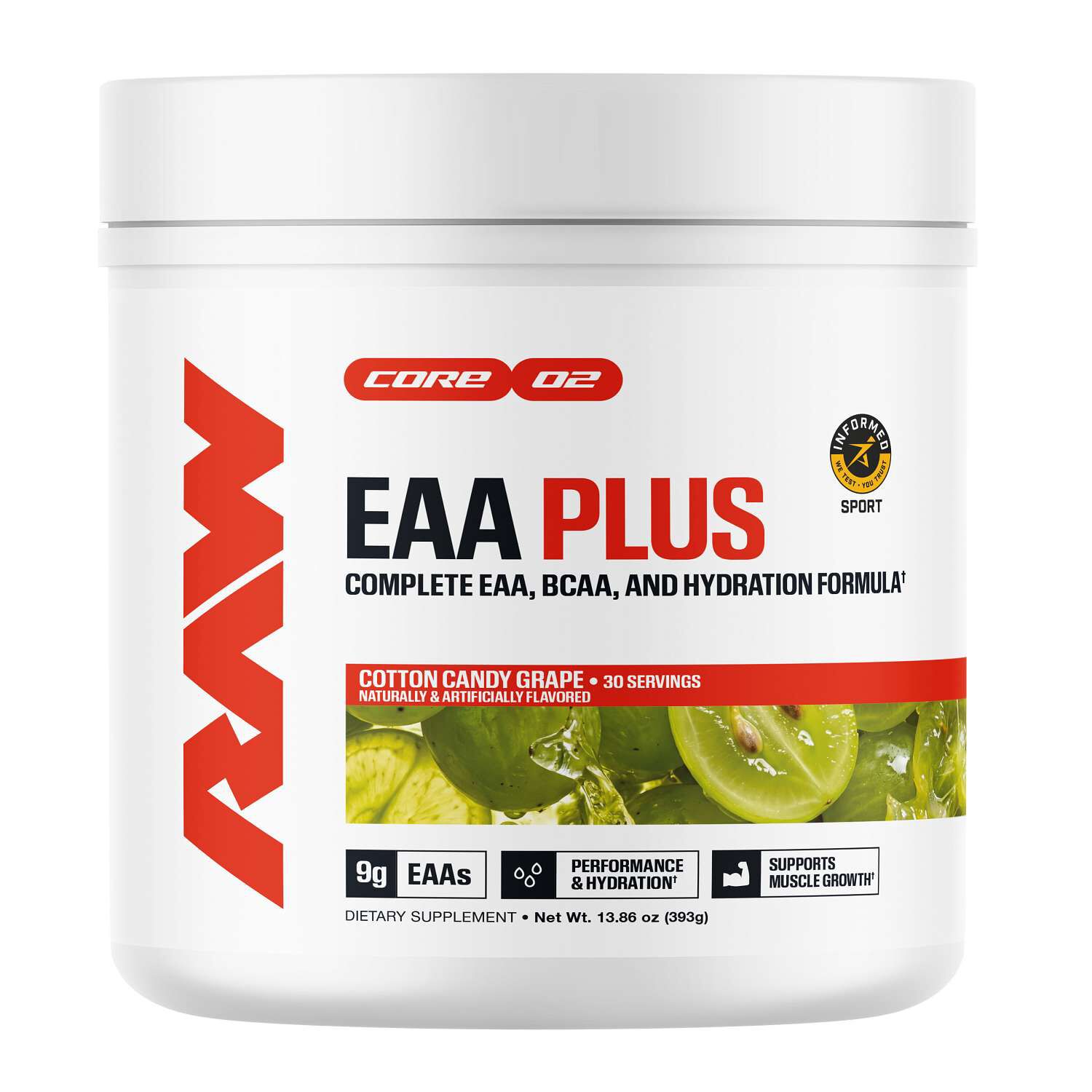 Raw Nutrition
-
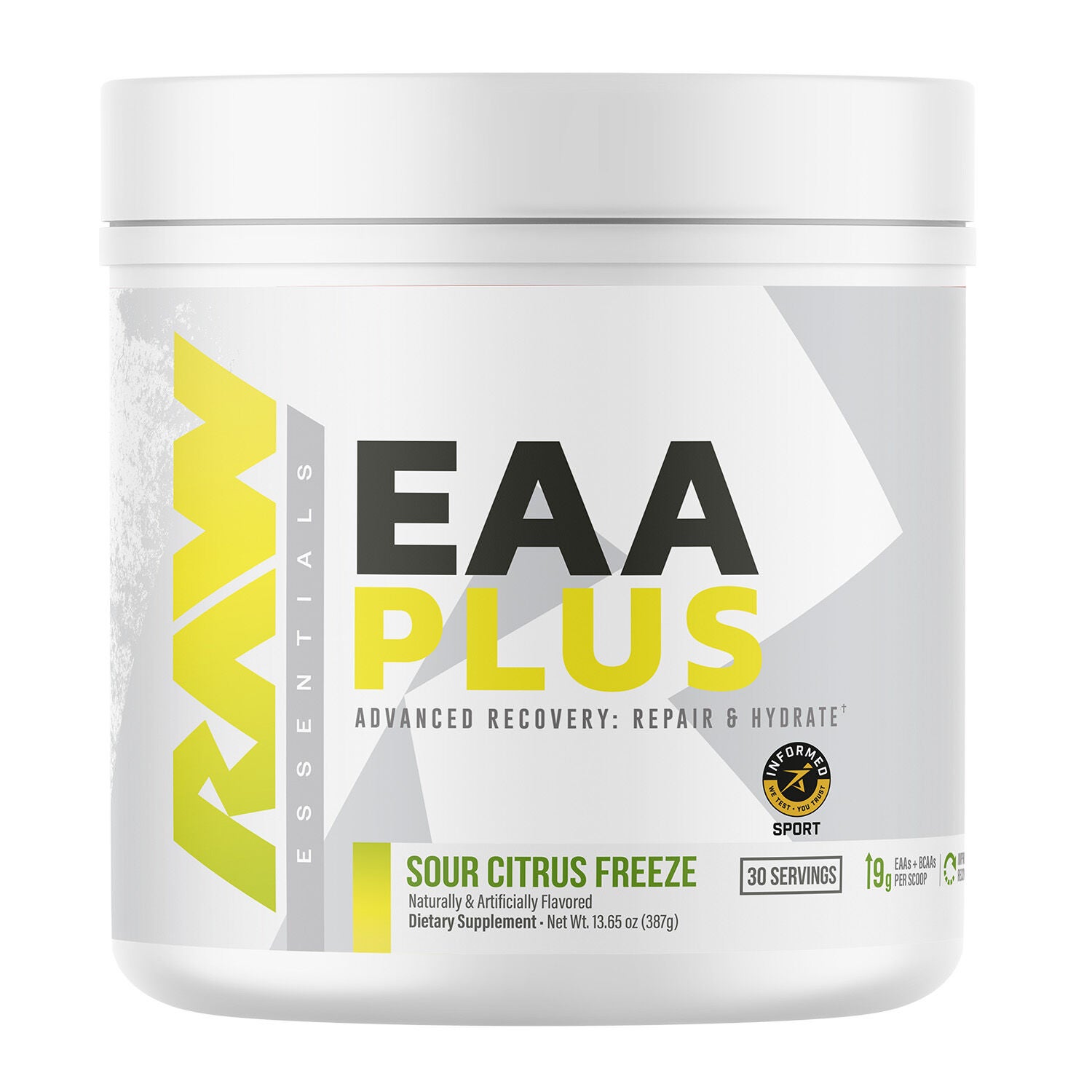 Raw Nutrition
Related Pages


Top Collections
- Daily Collagen Supplements | Top Brands & Deals | GNC
- Joint Mobility Supplement Packs
- Zinc Supplements | Top Brands at Great Prices | GNC
- Supplements For Yoga Joint Flexibility
- Supplements For Balance
- Chronic Fatigue Supplements
- Capsule Supplements For Energy And Stamina
- Cortisol Supplements
- NAD+ Supplement Tablets
- Iron Supplements