





Elemental Calcium
(0 Results)
Elemental Calcium is an essential mineral that plays a vital role in maintaining strong bones and teeth, supporting muscle function, and promoting overall bone health. As one of the most abundant minerals in our bodies, calcium is crucial for various bodily functions, making it important to ensure you are meeting your daily intake requirements. Whether you are looking to support bone density, prevent osteoporosis, or simply maintain optimal health, incorporating a high-quality calcium supplement into your daily routine can help you achieve your wellness goals. Explore our selection of Elemental Calcium products to find one that aligns with your individual needs and preferences.
-

-

-
 Portions Master$29.99
-

-
-

-

-
-

-

-
 $20.99
-
 $39.99


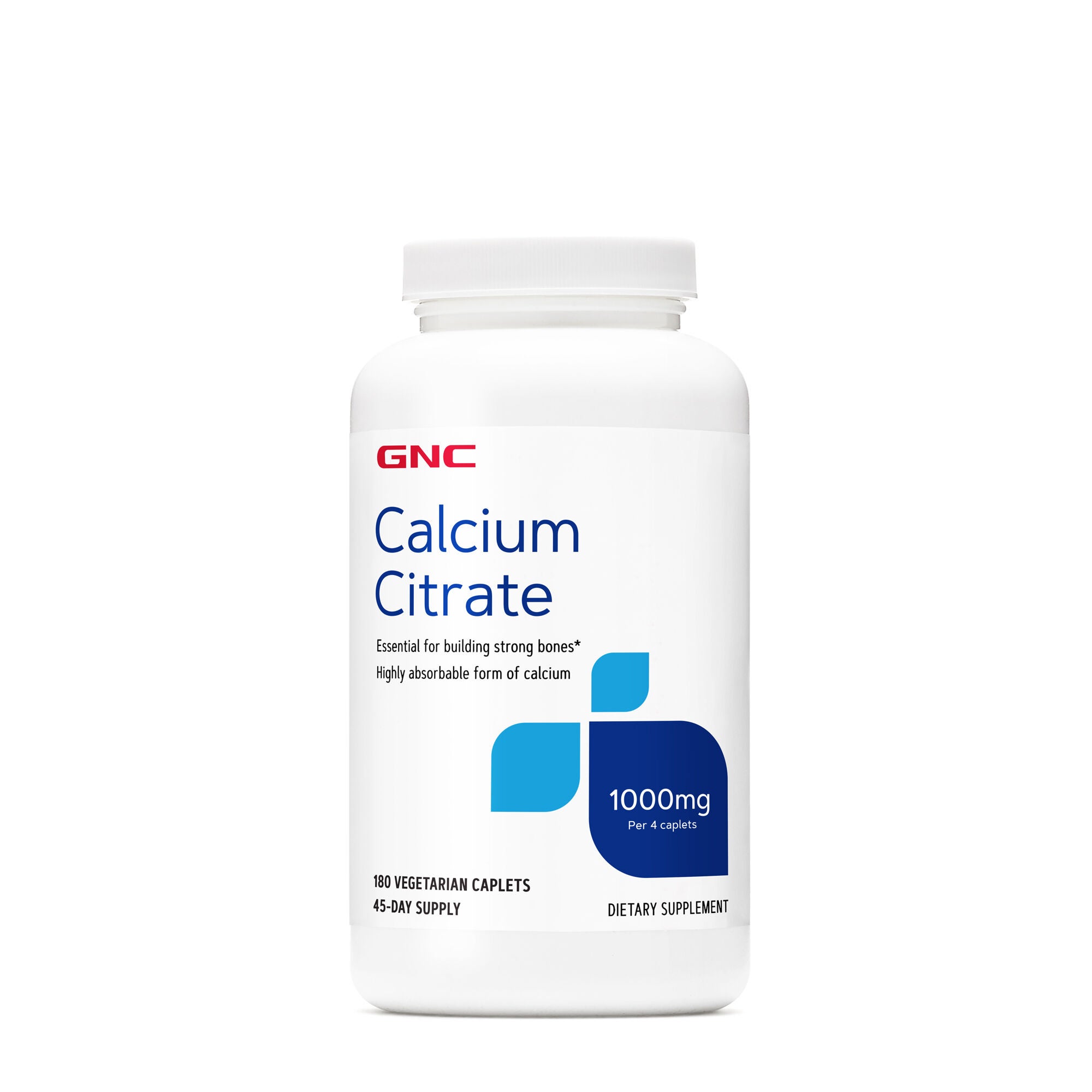
Elemental calcium is the amount of calcium itself in a supplement, rather than the weight of the entire calcium-containing compound. A compound such as calcium carbonate or calcium citrate includes calcium along with other components, so its weight is different from its calcium content. On a U.S. Supplement Facts panel, the amount listed beside “Calcium” represents elemental calcium per serving, expressed in milligrams, or mg. A listing of “Calcium 500 mg (as calcium carbonate)” means that the stated serving contains 500 mg of elemental calcium; 500 mg is not the weight of the calcium carbonate ingredient. Serving size belongs in the same comparison: a serving might consist of one tablet, two capsules, several gummies, or a measured scoop of powder. The number beside calcium applies to that stated serving, not automatically to each individual piece. This distinction makes elemental calcium a useful basis for comparing different supplement formats without confusing ingredient weight, serving size, and calcium content. Calcium is a mineral naturally present in bones and teeth and found in foods such as milk, yogurt, certain leafy vegetables, and some fortified beverages. Supplemental calcium may contribute to calcium intake alongside foods and drinks. The term “elemental” describes how the mineral amount is expressed; it does not identify a separate tablet style, a flavor, or a particular source. It also does not mean that every milligram listed is absorbed by the body. The label amount and the amount absorbed are different concepts. Percent Daily Value offers another label reference, but it is not the same measurement as milligrams and does not describe a personalized intake target. Comparing calcium supplements therefore involves more than a prominent number on the front of a bottle. The mineral amount, the stated serving, and the source shown in parentheses each provide a different piece of information about the formula.
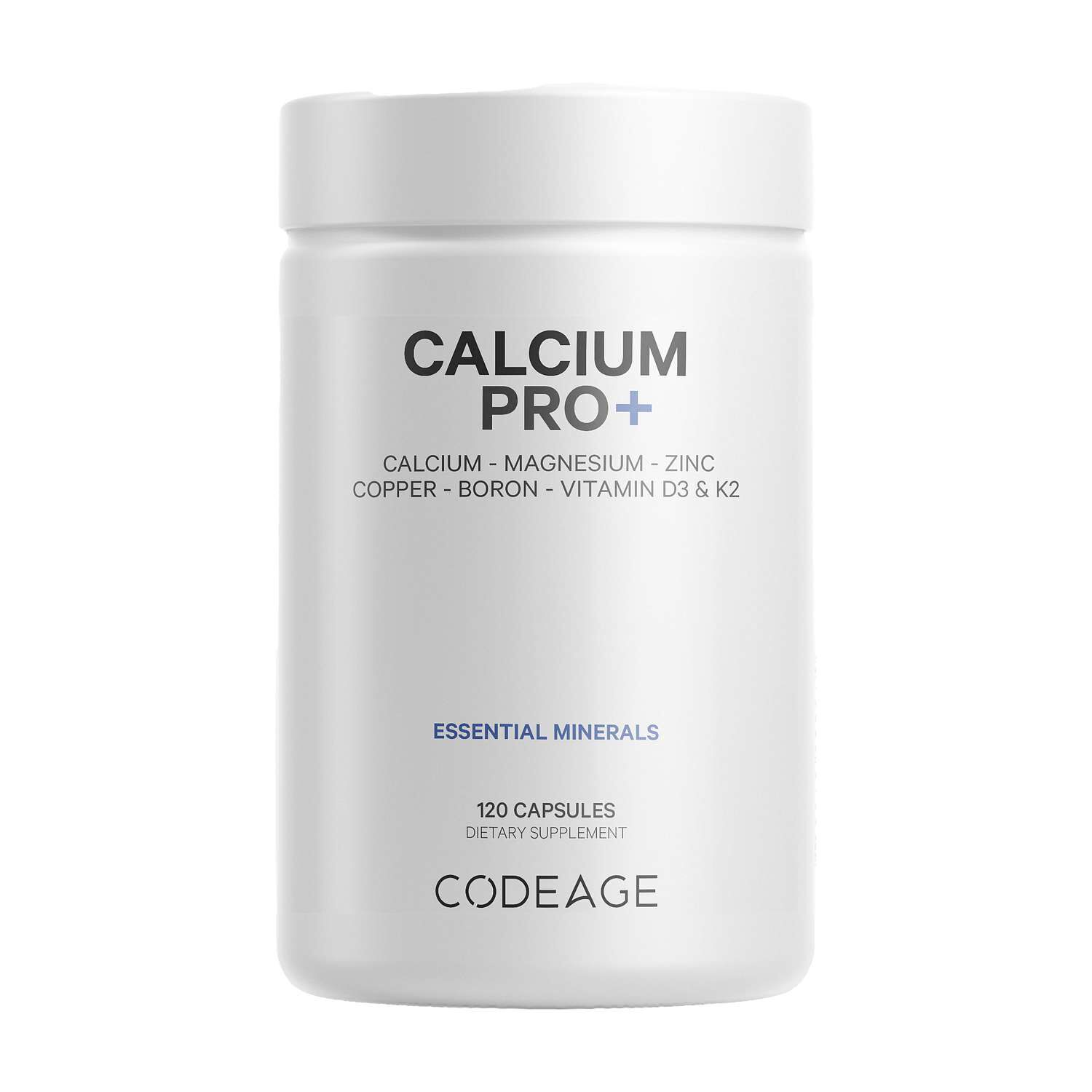
Calcium carbonate and calcium citrate are two familiar sources found in calcium supplements, and their different proportions help explain why equal weights do not supply equal amounts of elemental calcium. Calcium carbonate is approximately 40% elemental calcium by weight, while calcium citrate is approximately 21%. In a straightforward composition example, 1,250 mg of calcium carbonate contains about 500 mg of elemental calcium, whereas 1,000 mg of calcium citrate contains about 210 mg. Those figures describe the composition of the compounds, not the percentage the body absorbs. They are also not interchangeable with the serving instructions for a finished supplement. The Supplement Facts panel accounts for the formula actually inside the package, including formulas that use more than one calcium source. A blend of calcium compounds may list several names in parentheses beside a single calcium amount. The elemental amount remains the common point of comparison even when the ingredient names differ. Beyond the calcium source, formulas vary in what accompanies the mineral. Some list calcium on its own, while others include vitamin D, magnesium, or additional nutrients. Each nutrient has its own listed amount, and the presence of several nutrients does not change the meaning of the calcium entry. For adults comparing a dedicated calcium supplement with a broader mineral formula, that distinction keeps the focus on the composition rather than the number of ingredients. A shorter ingredient list and a longer one describe different formulation choices, not an automatic measure of suitability. Capsule shells, tablet coatings, flavor systems, and powder carriers can also differ, even when the elemental calcium amount looks similar. The other ingredients section provides context for these differences, including sweeteners, colors, and materials used to form the serving. Dietary preferences may make those details especially relevant. A person who prefers a plant-derived capsule shell, for example, may look for that description on the package rather than assuming every capsule uses the same material.
Format shapes the everyday experience of an elemental calcium supplement alongside the ingredient list. Tablets, capsules, chewables, gummies, and powders each bring different textures, serving measurements, and packaging considerations. Capsules may appeal to adults who prefer a premeasured format without a flavored chewable, while powders may suit those who prefer a measured portion prepared according to package directions. Shoppers interested in the capsule format can explore Adult Calcium Capsules with attention to shell materials, serving size, and elemental calcium per serving. A capsule count on the front of a bottle is separate from the number of servings inside; a two-capsule serving, for example, means a bottle contains half as many servings as capsules. The same distinction applies to chewables and gummies, where several pieces may make up the labeled portion. Flavor, texture, and added ingredients also matter in these formats. A fruit-flavored gummy, a chewable tablet, and an unflavored powder offer different experiences even when their calcium amounts are similar. Powder packaging may include a scoop or specify another measurement, and the preparation directions describe the intended way to portion and mix it. Container design matters for everyday handling as well: a bottle closure, the width of a powder container’s opening, or an individually portioned packet may affect how a format fits into an established routine. Storage information and the printed date provide context for keeping the supplement in the condition described by the manufacturer. Original packaging keeps the ingredient information, serving directions, and storage details together, whether the container stays in a kitchen cabinet or another appropriate storage spot. Directions about keeping a container closed and protecting its contents from moisture are part of product care, with requirements that may differ across formats. With elemental calcium as the shared measure, differences in source, formulation, texture, and package design become easier to compare on their own terms.
Best Sellers
Related Pages

Top Collections
- Active Supplements
- Chronic Fatigue Supplements
- Supplements For Yoga Joint Flexibility
- Zinc Supplements | Top Brands at Great Prices | GNC
- Joint Mobility Supplement Packs
- Adult Mobility Supplements
- Supplements For Anxiety Relief Support
- Zinc Supplements For Men
- Capsule Supplements For Energy And Stamina
- Vitamins For Hair Loss