





Daily Calcium
(0 Results)
Strong bones and a healthy lifestyle may start with ensuring you get enough calcium every day. Calcium is an essential mineral that might play a crucial role in supporting bone health, muscle function, and nerve signaling. Whether you're looking to maintain your current levels or supplement your diet, daily calcium options could be a convenient way to help meet your nutritional needs. Explore a variety of forms and flavors that might fit seamlessly into your routine while potentially promoting overall well-being.
-

-
-

-

-

-

-

-
-
-

-

-
 Angry Supplements$24.99




Daily calcium products can offer a convenient way to include calcium in an established nutrition routine, especially for adults whose meals do not regularly include dairy foods or calcium-fortified choices. Calcium is a mineral commonly associated with bones and teeth, and it is found naturally in milk, yogurt, cheese, tofu prepared with calcium salts, collard greens, kale, and broccoli. Fortified orange juice, soy milk, cereals, and other foods may also contribute to a person’s overall intake. General reference values often place the daily amount for adults ages 19 through 50 at 1,000 milligrams, while women ages 51 through 70 and adults age 71 and older are often guided toward 1,200 milligrams; men ages 51 through 70 are often listed at 1,000 milligrams. These figures include calcium from food, beverages, and supplements together, rather than from a supplement alone. Personal nutrition needs can vary with age, eating pattern, health history, and other supplements or medicines, so a healthcare professional can help determine whether a daily calcium product fits an individual routine. During the cooler months, a capsule or tablet can sit neatly beside a breakfast setting, lunch bag, or evening glass of water, making it easier to remember without changing favorite meals. Someone who enjoys yogurt and cheese every day may choose a smaller serving, while someone following a dairy-free or plant-forward eating pattern may look for a product that complements calcium-containing foods already on the menu. The goal is a practical routine that works alongside ordinary meals, from a warm bowl of oatmeal in the morning to a dinner built around greens, tofu, or fortified beverages.
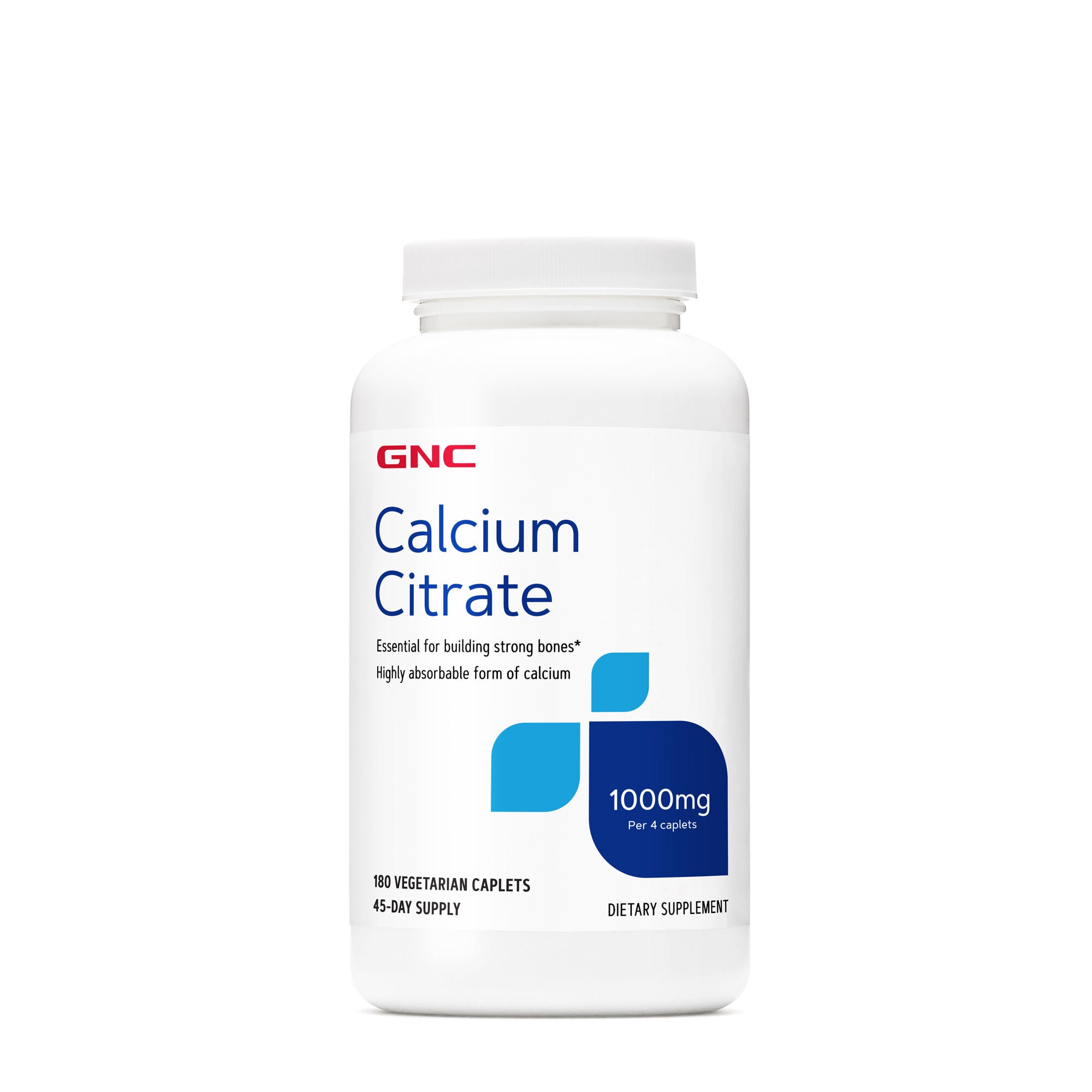
When comparing Daily Calcium products, begin with the Supplement Facts panel and look for the amount of elemental calcium per serving. Elemental calcium refers to the actual calcium supplied by the serving, rather than the weight of the entire calcium compound. The label may also identify the form of calcium, serving size, number of servings, and any added nutrients. Calcium carbonate is commonly taken with food, while calcium citrate may be selected by people who prefer a product that can be used with or without a meal; label directions provide the appropriate use details for each formula. Calcium is generally absorbed in amounts of about 500 milligrams or less at one time, so a serving that divides the daily amount may be more suitable than taking a large amount in a single sitting. It is also useful to add up calcium from fortified drinks, multivitamins, and other supplements before selecting a serving size. Reference information often lists an upper intake limit of 2,500 milligrams per day for adults ages 19 through 50 and 2,000 milligrams per day for adults age 51 and older, counting food and supplements together. Those figures are not personal targets, and a healthcare professional can provide guidance when a person has a health condition, follows a restricted diet, or uses prescription or over-the-counter products that may affect supplement timing. Shoppers may also compare capsule size, serving count, suggested use, and storage instructions. A clear label and a manageable serving can make a product feel less like another task and more like a small, repeatable part of the day. For shoppers exploring capsule formats, Adult Calcium Capsules offer a focused place to compare options within this category.
Daily Calcium products may suit adults who are building a steady supplement schedule, people who spend much of the day away from home, or households that prefer to keep frequently used wellness products organized in one cabinet. They may also be a thoughtful gift for a parent, grandparent, partner, or friend who already includes calcium in a personal routine and has expressed a preference for capsules or a particular serving format. Because supplement choices are personal, gifting works best when the recipient’s existing habits are known; a simple conversation about preferred forms, serving size, dietary restrictions, and label preferences may be more useful than choosing based on packaging alone. A person might keep the container near a morning routine, place it with other once-daily products, or use a weekly organizer according to the label directions. Those who take more than one supplement may find it helpful to review timing with a pharmacist or healthcare professional, particularly when the products share ingredients. Meals remain an important source of calcium, and a varied plate can include yogurt, cheese, fortified soy beverages, tofu made with calcium salts, leafy greens, broccoli, or fortified cereal. A Daily Calcium product may complement those choices, but it does not replace the range of nutrients found in a varied eating pattern. As routines shift from bright outdoor mornings to darker evenings and indoor meals, a clearly labeled product, a consistent place to store it, and attention to serving information may help make daily use simple, familiar, and easy to maintain.

