

Calcium Supplements For Bone Health Support
(0 Results)
Support your bone health with our selection of calcium supplements designed to keep your bones strong and healthy. Calcium is an essential mineral that plays a crucial role in maintaining bone density and strength, making it vital for overall bone health. Whether you're looking to prevent osteoporosis, support bone growth and development, or simply ensure you're meeting your daily calcium needs, our range of calcium supplements has you covered. Explore our selection to find high-quality options to support your skeletal system and keep your bones in top condition.
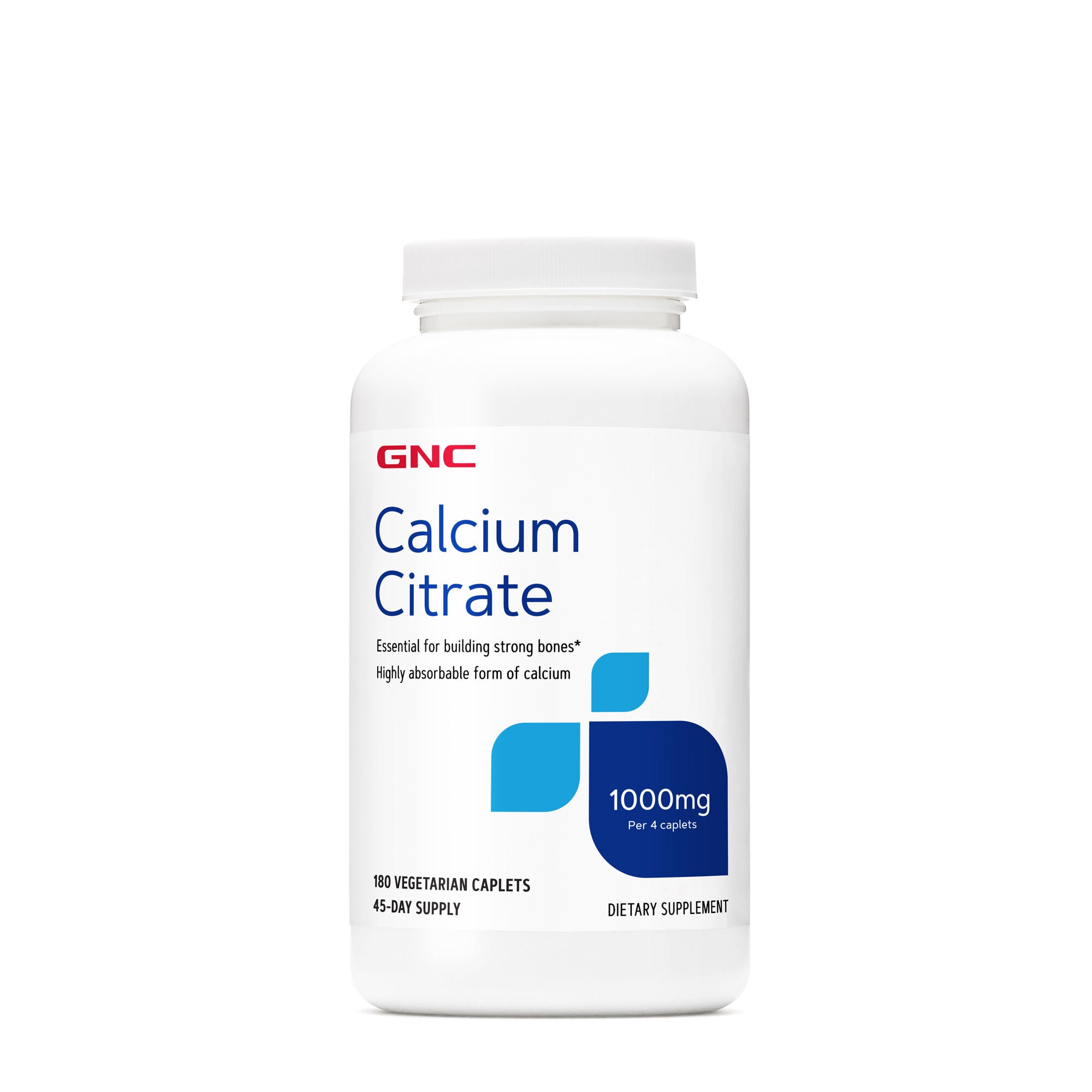


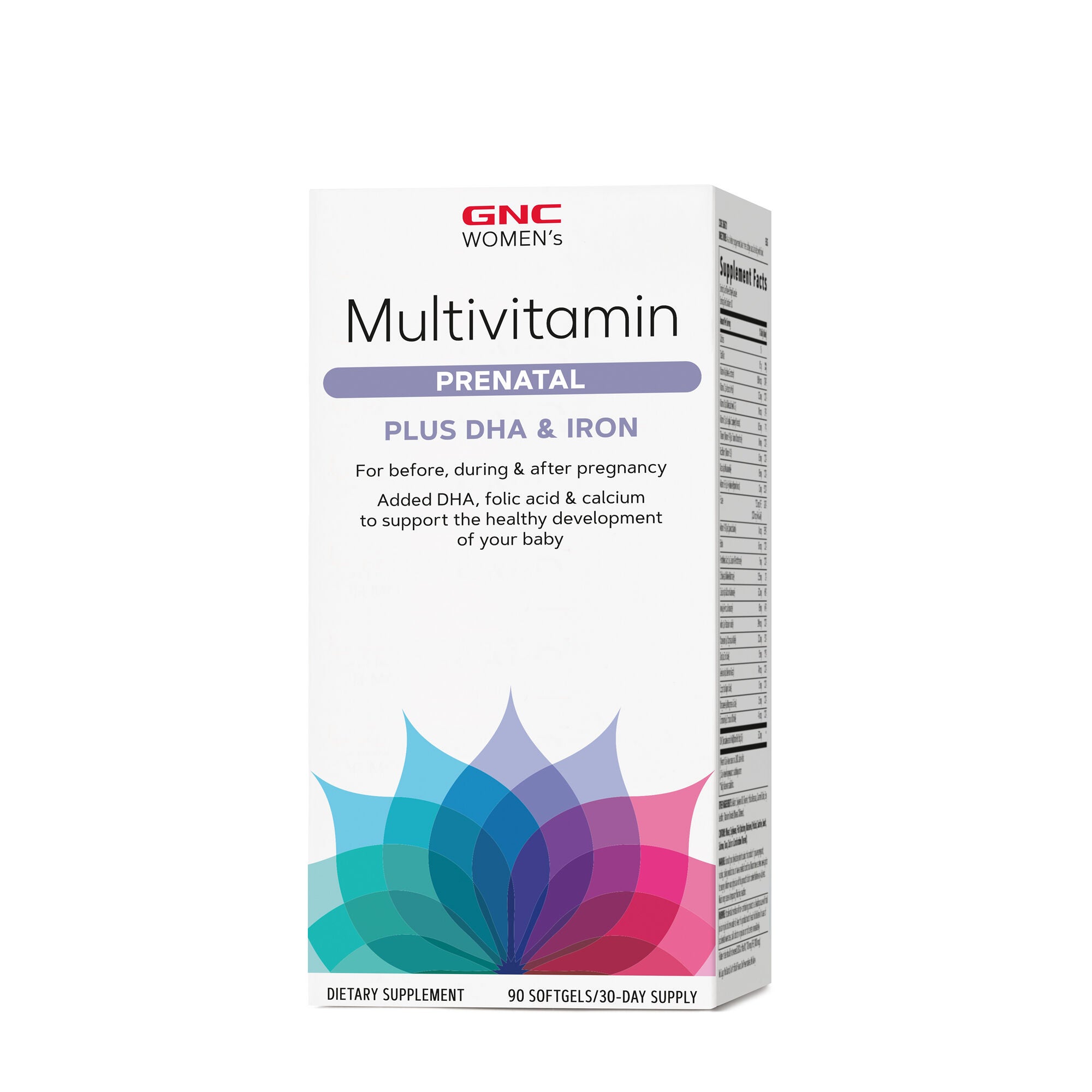




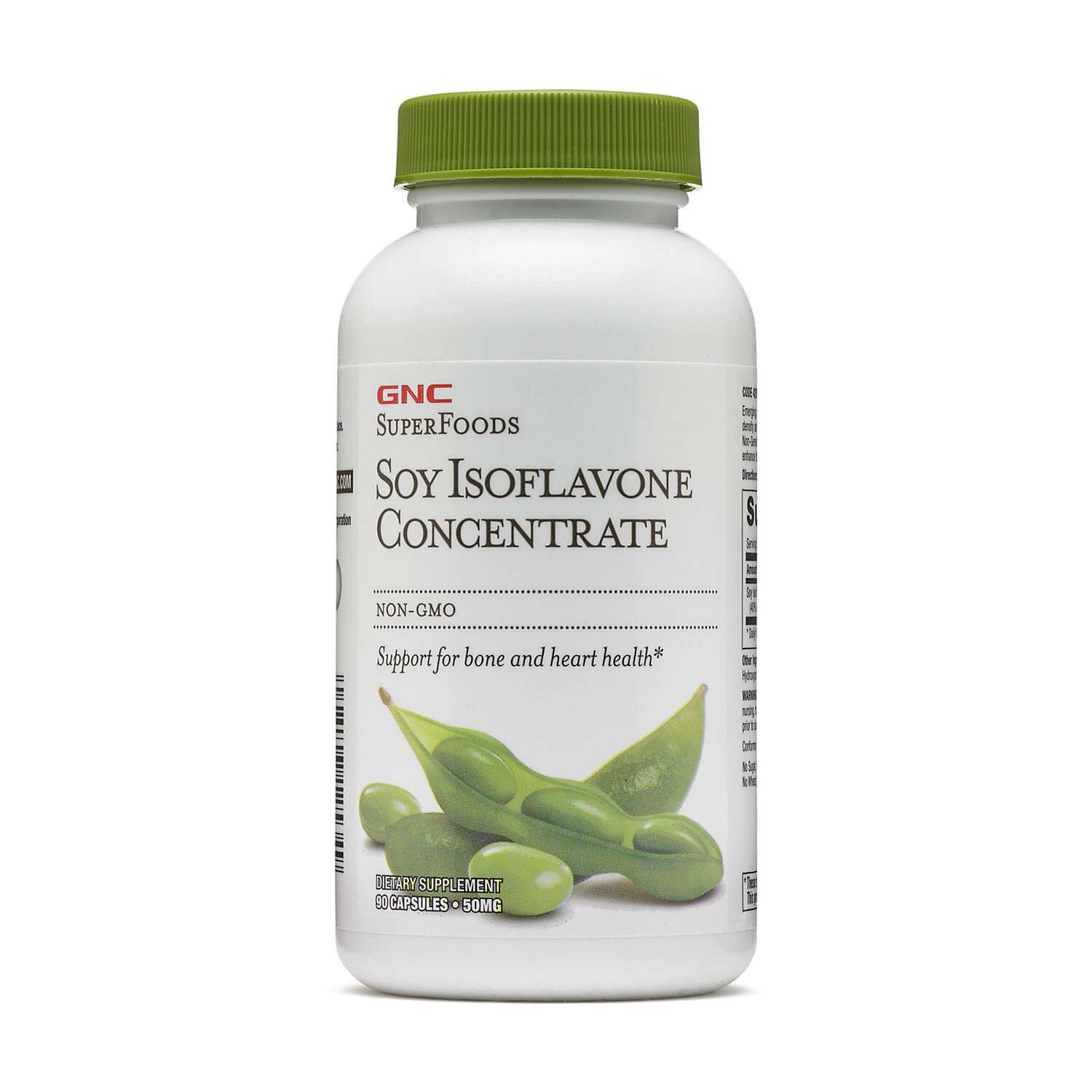


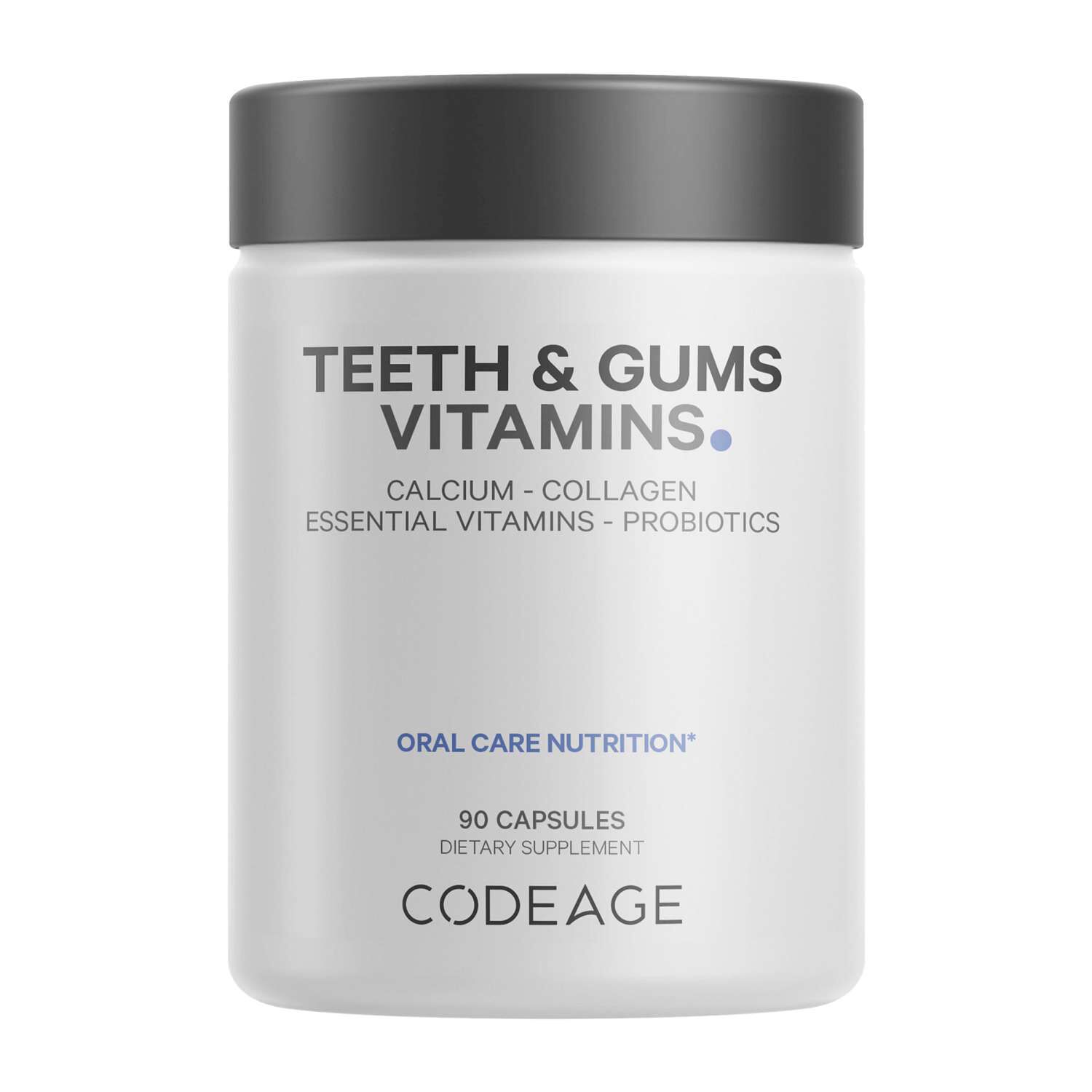
Calcium supplements may offer a convenient way to support bone health when everyday meals do not provide enough calcium. Calcium is found in foods such as dairy products, fortified plant beverages, canned fish with edible bones, tofu made with calcium, beans, leafy greens and some breakfast cereals. Dietary needs can vary with age, food preferences and lifestyle, so a supplement may fit into routines for adults who eat little dairy, follow a plant-focused eating pattern, have limited access to calcium-rich foods or simply prefer a dependable addition to their daily wellness habits. Many general nutrition references place adult calcium needs in the range of 1,000 to 1,200 milligrams per day, though personal needs can differ. A supplement is not meant to replace a varied eating pattern, and checking the Supplement Facts panel can help shoppers understand how much elemental calcium each serving provides. The serving size may include one or more tablets, capsules, chewables or other forms, so comparing the amount per serving with the amount per individual piece can make shopping easier. Calcium products may also appeal to family members, older adults and anyone building a thoughtful care package around everyday nutrition. Because supplement preferences are personal, a gift recipient may appreciate a product selected with their usual format, dietary preferences and routine in mind rather than a one-size-fits-all choice. For broader browsing, shoppers can also visit Calcium Supplements For Daily Wellness to explore related options.
The form of calcium is another useful purchase consideration. Calcium carbonate provides a higher percentage of elemental calcium by weight and is generally taken with food, while calcium citrate provides a lower percentage of elemental calcium and may be taken with or without food. These differences can make one format feel more convenient than another, especially for someone who prefers taking supplements alongside breakfast, dinner or a small snack. Calcium is often best divided into portions of 500 milligrams or less at a time because the body may absorb smaller servings more readily than one large serving. Someone using a product with a larger daily serving may choose to separate it across meals, following the package directions and guidance from a qualified healthcare professional. Vitamin D is frequently included in calcium formulas because it may help the body absorb calcium, while some products also contain magnesium or other nutrients selected for a broader bone health formula. These added nutrients are not necessary for every shopper, so reading the full label can help avoid paying for ingredients that do not fit a personal routine. Tablets may suit people who like a simple, familiar format; chewables may be convenient for those who prefer a flavored option; and smaller capsules or easy-to-carry packs may work well for travel, office drawers or a gym bag. During the cooler months, when routines often shift toward indoor meals and busier schedules, a clearly labeled supplement stored in a dry, convenient place may make daily habits easier to maintain.
A careful look at the label can also support a more confident purchase. Shoppers may wish to compare elemental calcium, serving size, added nutrients, dietary certifications and directions for use across several formulas. Seals from independent organizations such as USP or NSF International may provide additional information about manufacturing and product quality, when those marks appear on the package. It is also worth checking whether a product contains ingredients that do not suit a particular dietary pattern, including dairy, soy or other common allergens, as well as sweeteners, flavorings or gelatin in chewable and gummy formats. Calcium supplements may cause digestive discomfort such as gas, bloating or constipation for some people, and taking more than the label recommends may not provide added value. Daily intake from food, beverages and supplements should be considered together, particularly for anyone thinking about amounts above 1,500 milligrams per day. People with a history of kidney concerns, those who are pregnant or nursing, and anyone taking prescription medicines may wish to speak with a physician or pharmacist before adding a calcium supplement, since timing and product choice can matter. Some medicines may interact with calcium when taken at the same time, so following professional guidance and package directions can help establish a suitable schedule. Whether chosen for a personal pantry, a parent who appreciates practical wellness gifts or a household member looking for a simple way to round out their nutrition routine, calcium products may provide a convenient option for bone health support when selected thoughtfully and used as directed.