





Calcium For Teeth
(0 Results)
Calcium for teeth may play an important role in supporting your dental wellness routine. Whether you're looking to complement your daily habits or searching for new ways to support your oral care, calcium for teeth offers a variety of options to explore. Find a range of products that could help you maintain your smile and fit seamlessly into your lifestyle. Discover how adding calcium to your regimen might be a simple step toward supporting your dental goals.


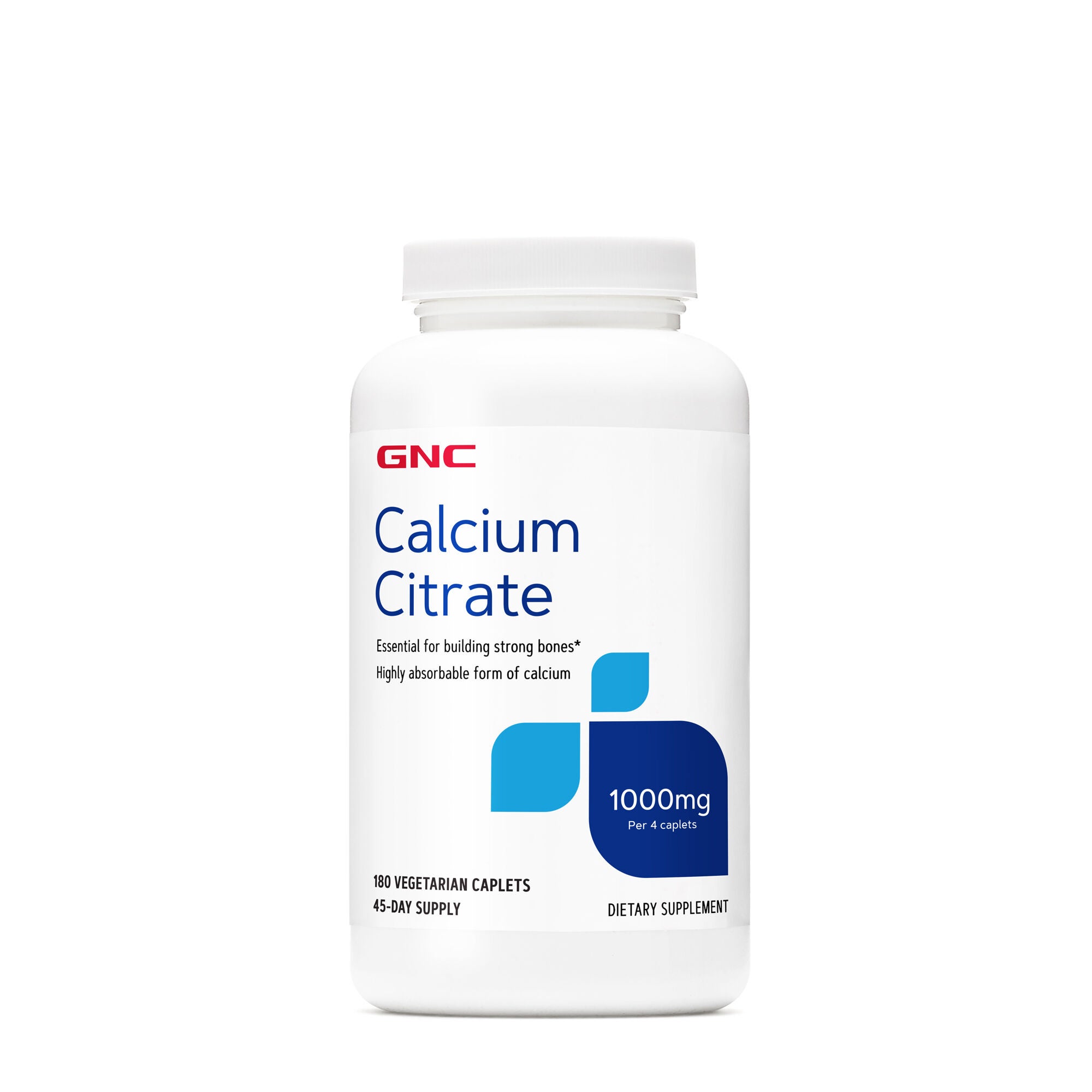
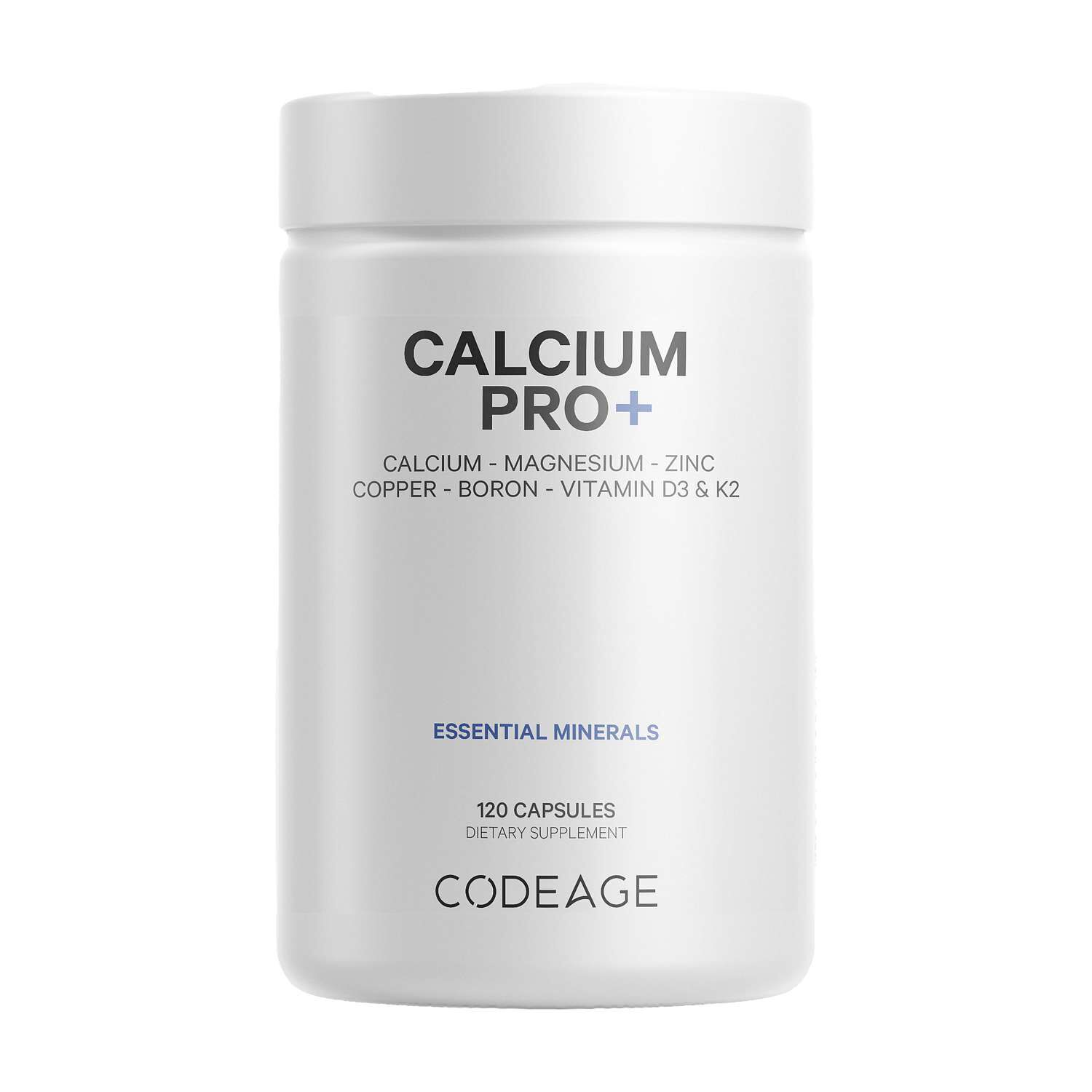
Calcium for teeth brings together nutritional supplements centered on a mineral naturally present in teeth and bones. Tooth enamel, the hard outer surface of a tooth, contains hydroxyapatite, a crystalline mineral made with calcium and phosphate. Calcium is also present in dentin, the tissue beneath enamel, and in the jawbone surrounding the teeth. This connection makes calcium a relevant consideration in everyday nutrition, but calcium supplements are nutritional products rather than dental treatments. They may complement calcium obtained from food, depending on the formula and the rest of a person’s eating routine. Familiar dietary sources include milk, yogurt, cheese, calcium-fortified plant beverages, tofu prepared with calcium, and canned fish with edible bones. Some leafy vegetables also contribute calcium, although the amount varies by food and portion. For shoppers comparing calcium supplements, the useful starting point is the amount of calcium listed per serving and how that serving fits into an established routine. A person who regularly eats yogurt and cheese may approach that comparison differently from someone whose meals rarely include those foods. Likewise, a shopper who uses a fortified oat or soy beverage can check its nutrition label before comparing supplement labels, since different beverages can contain different amounts. The focus is not simply the largest number on a bottle; serving size, ingredient form, and directions all add context. Calcium carbonate and calcium citrate are two common forms used in supplements, and a formula may contain one form or a combination. The Supplement Facts panel identifies the amount of calcium provided, while the ingredient list offers more detail about the formula. Together, these details make it easier to distinguish the nutrient amount from the other ingredients in a tablet, capsule, chew, or liquid. The intended use remains dietary supplementation, with format and label information helping shoppers compare options without treating every calcium formula as interchangeable.
The format of a calcium supplement can matter as much to a shopper as the ingredient list. Tablets offer a familiar solid format, while capsules contain ingredients within a shell whose materials may vary. Chewable tablets and gummies introduce flavor and texture, and liquids involve measuring a serving rather than counting tablets or capsules. Someone who prefers a beverage-style routine may be more interested in a liquid, while someone who values a simple bottle-and-tablet format may focus on tablets. These are practical preferences, not measures of how well a product might work. Size also deserves attention: product images can show the overall shape, but descriptions or packaging details may provide a clearer sense of tablet dimensions. A serving can consist of more than one tablet, capsule, or chew, so a bottle’s piece count does not necessarily match its number of servings. That distinction is useful when comparing otherwise similar packages. With chewable formats, flavor descriptions, added sugars, sweeteners, and texture can influence whether the product suits a person’s preferences. A fruit-flavored gummy and a mint-flavored chewable tablet offer different experiences, even when both contain calcium. For capsules, shoppers with dietary preferences may want to review whether the shell contains gelatin or uses a plant-derived material. Other ingredients can include binders, coatings, colors, and flavoring components, each serving a different role in the finished format. Allergen statements and dietary designations belong in the same comparison, especially for someone who closely tracks ingredients. Directions may also specify how a product is taken, whether food is part of the suggested routine, and how a liquid serving is measured. A supplied measuring cup or marked device, when included, is a packaging detail worth noticing. These considerations keep the comparison grounded in the actual product: its form, its contents, its serving information, and its intended use. Rather than relying on a front-label phrase alone, shoppers can use the full label to understand what each serving contains and what handling or preparation the format involves.
Calcium formulas may include other nutrients, which adds another layer to the label comparison. Vitamin D is often paired with calcium and may help the body absorb this mineral. Some formulas also include magnesium, phosphorus, or vitamin K, while others keep the ingredient selection focused primarily on calcium. A longer nutrient list is not automatically a better match for every shopper; the relevant difference is what the formula contains and how that compares with other supplements already in a routine. For example, someone who uses a multivitamin can compare both labels to see which nutrients appear in each, rather than assuming that a calcium product contains calcium alone. The related collection of Vitamins For Supporting Healthy Teeth offers another way to browse nutritional products associated with this interest. For any format, packaging and care are part of the shopping decision. A tightly closing container, readable directions, and a clearly printed expiration date are useful features to examine. Storage requirements differ, so the package directions remain the reference for whether a formula belongs in a cabinet or requires another arrangement after opening. Liquids may have specific instructions for shaking, measuring, or refrigeration; chewable products and tablets may have directions concerning moisture and container closure. Keeping a supplement in its labeled packaging preserves access to its ingredient list, serving information, and handling directions. When comparing bottles, shoppers may also consider whether the opening, closure, and label text suit their everyday preferences. A bottle that is convenient to handle at home may be a better practical fit than packaging chosen only for its appearance. Across calcium tablets, capsules, chews, gummies, and liquids, the most meaningful distinctions are concrete: calcium per serving, nutrient combinations, dietary ingredients, serving format, and storage directions. Those details give calcium for teeth its place as a product category focused on nutritional supplementation, while keeping expectations separate from dental treatments and making comparisons more specific than a broad front-label description.
- Q: What role does calcium play in maintaining healthy teeth?
A: Calcium supports the development and maintenance of strong teeth. It helps to strengthen tooth enamel, which protects against decay and cavities. - Q: Can I get enough calcium for my teeth through diet alone?
A: Many people can meet their calcium needs through a balanced diet that includes dairy products, leafy greens, and fortified foods. However, some individuals may benefit from supplements if their dietary intake is insufficient. - Q: Are there specific forms of calcium that are better for dental health?
A: Common forms of calcium found in supplements include calcium carbonate and calcium citrate. Both can support dental health when taken as part of a balanced regimen. - Q: How does vitamin D relate to calcium absorption for teeth?
A: Vitamin D helps the body absorb calcium more efficiently, which is important for maintaining strong teeth and bones. Making sure you get enough vitamin D supports optimal use of dietary or supplemental calcium. - Q: At what age should I start paying attention to my calcium intake for dental health?
A: Calcium is important at every stage of life, but it is especially crucial during childhood, adolescence, and older adulthood when bone and tooth development or maintenance are most active.
Best Sellers

Related Pages
Top Collections
- Joint Mobility Supplement Packs
- Daily Collagen Supplements | Top Brands & Deals | GNC
- GLP 1 Support For Adults
- Zinc Supplements | Top Brands at Great Prices | GNC
- Supplements For Yoga Joint Flexibility
- Supplements For Balance
- Capsule Supplements For Energy And Stamina
- Adult Mobility Supplements
- Chronic Fatigue Supplements
- Vitamins For Hair Loss