





Calcium Supplements For Daily Wellness
(0 Results)
Calcium supplements for daily wellness may offer convenient support for your everyday routine. With options designed to fit a variety of lifestyles and preferences, these supplements could help you meet your nutritional goals. Explore a range of choices that might complement a balanced diet and support your journey toward overall well-being.
-

-

-

-
-

-
-

-

-
 Portions Master$29.99
-

-
 $20.99
-

-
 $39.99
-
 $49.99
-
-

-
 $20.99
-

-
 $18.99


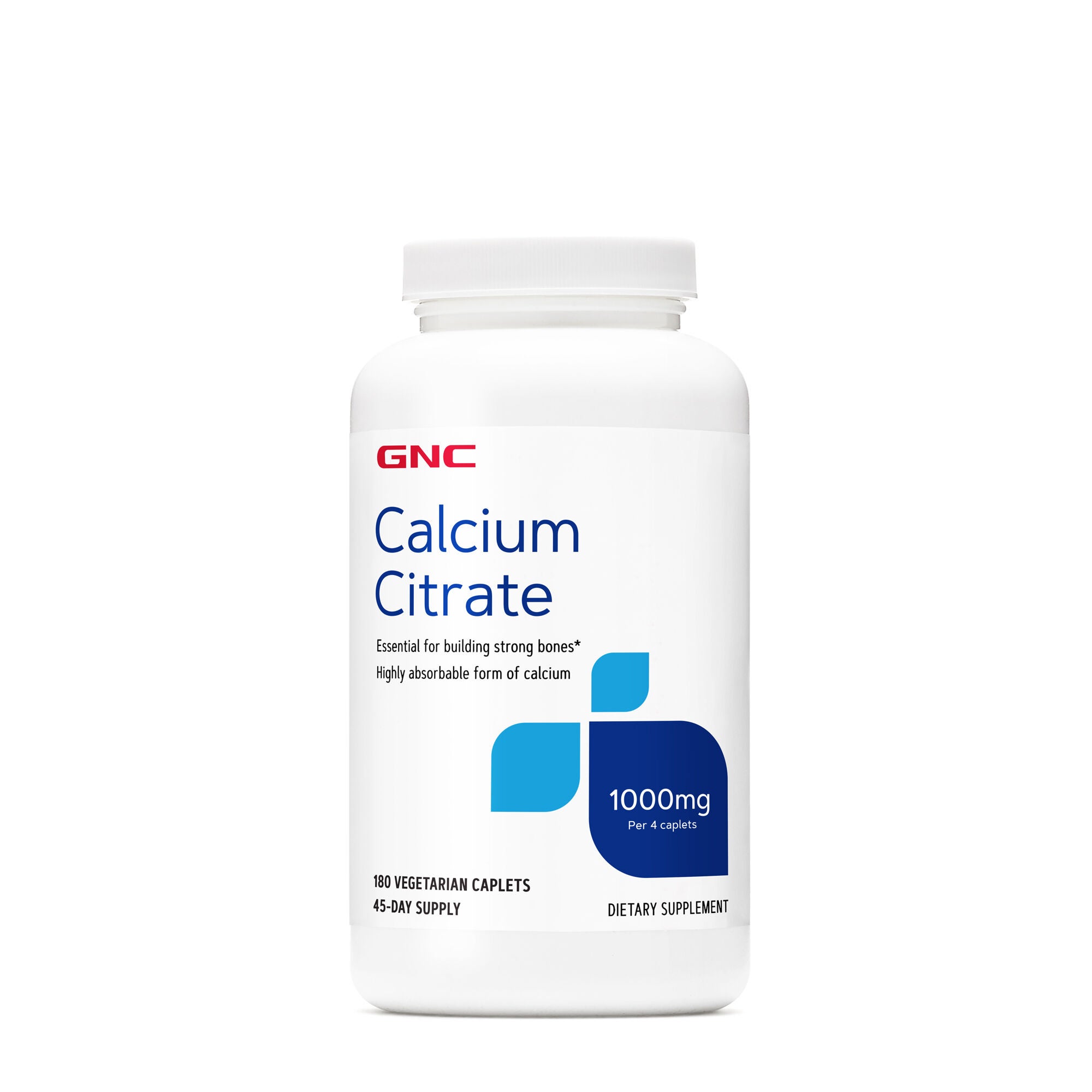
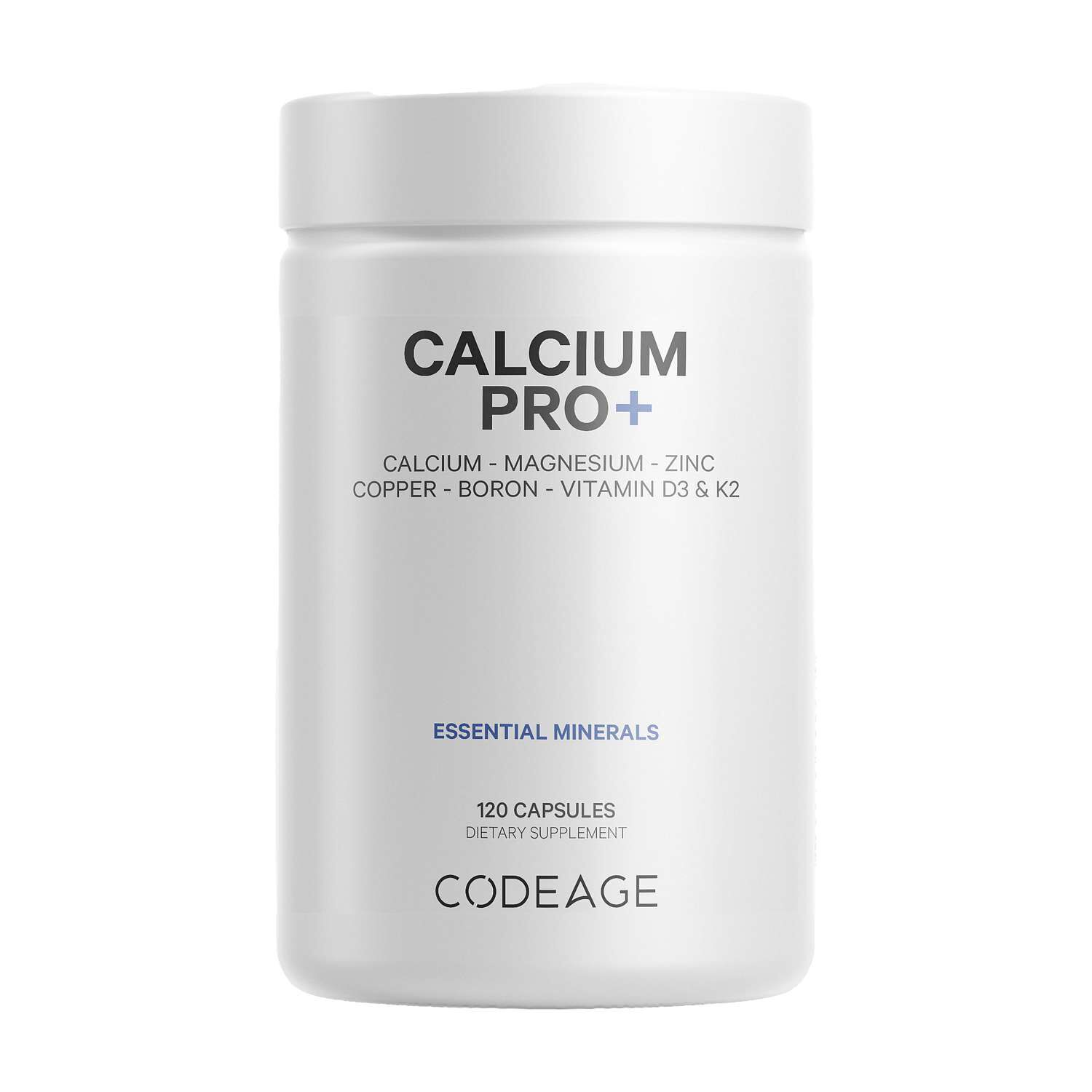
Calcium supplements for daily wellness offer a way to include a familiar dietary mineral in an everyday routine, with formats ranging from tablets and capsules to chews and powders. Calcium is naturally present in bones and teeth and occurs in foods such as milk, yogurt, cheese, and certain leafy vegetables. Fortified foods and beverages can contribute calcium as well, although the amount varies by food and serving size. For adults comparing supplements, the useful starting point is the relationship between everyday eating habits, the amount listed on the label, and the format that suits their preferences. Someone who regularly enjoys yogurt at breakfast may approach that comparison differently from someone whose meals rarely include dairy or calcium-fortified beverages. Calcium carbonate and calcium citrate are two common forms found in supplements. Calcium carbonate contains approximately 40% elemental calcium by weight, while calcium citrate contains approximately 21%. Elemental calcium refers to the calcium itself, rather than the weight of the entire compound containing it. Those percentages describe the compounds; they do not describe the percentage of daily nutrition provided by a serving. The Supplement Facts panel identifies the calcium amount per serving, making it a more useful comparison point than the weight of the calcium compound alone. A formula containing a greater proportion of elemental calcium does not automatically represent a better match for every shopper. The serving size, accompanying ingredients, tablet dimensions, and label directions all add context. Two bottles with similar calcium amounts on the front may call for different numbers of tablets, capsules, or chews per serving. Looking at those details together may make the differences between formulas clearer without relying on package size or front-label language alone. Even within the same calcium form, texture, flavor, and the number of servings per container can differ. These practical distinctions matter when comparing something intended for regular use rather than an occasional addition to the pantry.
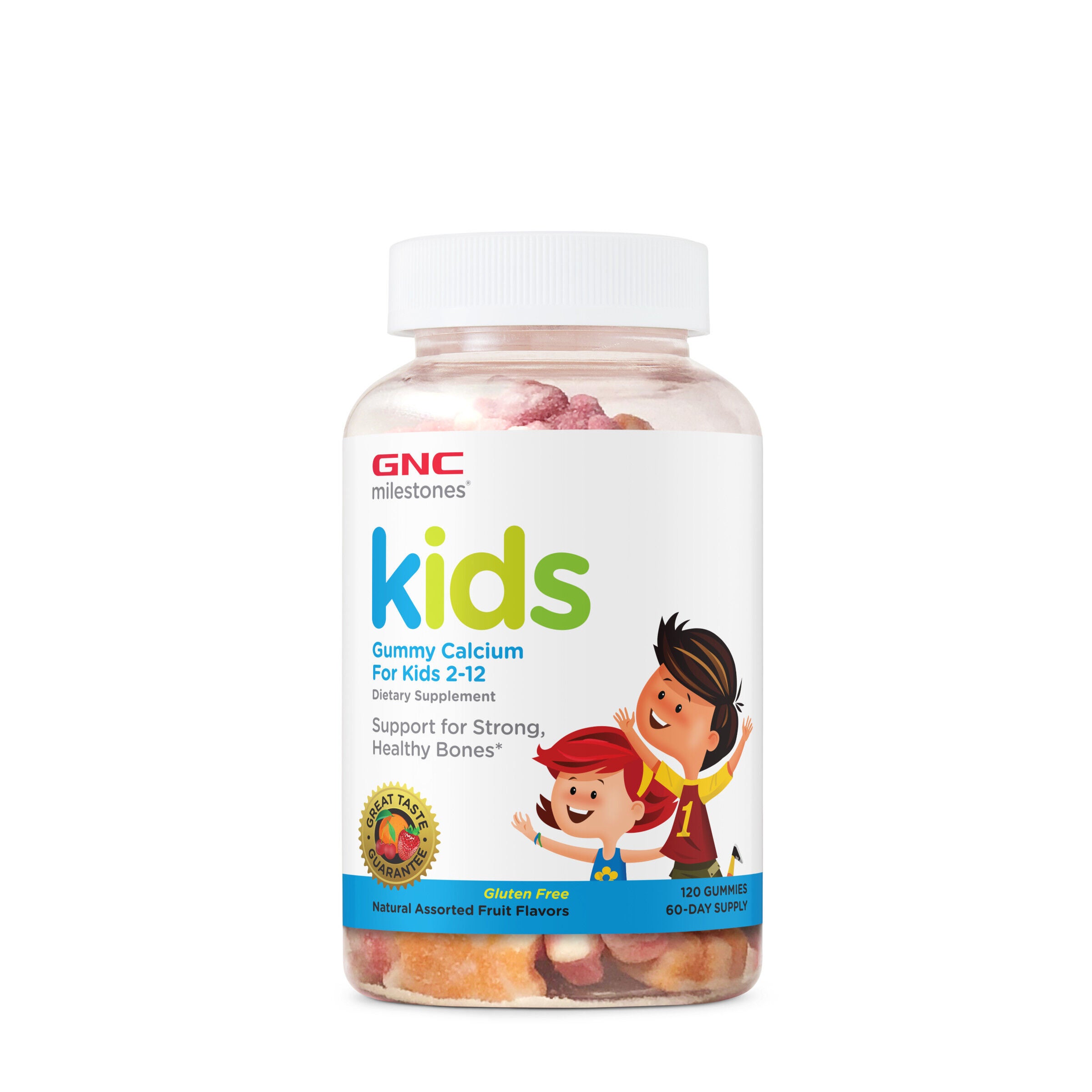
Format is often the most noticeable distinction when calcium supplements become part of an ordinary day. Tablets are solid, compressed forms, while capsules contain ingredients within a shell whose composition appears in the ingredient information. Chewable tablets and gummies bring flavor and texture into the comparison; powders introduce considerations such as measuring, mixing directions, and the type of food or beverage specified on the package. A shopper who prefers an unflavored routine may look at these choices differently from someone who enjoys a flavored chew after a meal. For powder formats, the measuring tool and serving description deserve attention, since a scoop and a household spoon are not interchangeable measurements. For chews and gummies, the number of pieces per serving matters just as much as the calcium amount printed nearby. Sweeteners, added sugars, flavorings, colors, and capsule materials are additional details worth comparing according to personal dietary preferences. The ingredient list and allergen statements provide information that the calcium amount alone cannot convey. Calcium also appears in formulas with other nutrients, including vitamin D3 and magnesium. Vitamin D3 may be listed by its other name, cholecalciferol, while each included nutrient has its own entry on the Supplement Facts panel. Shoppers interested in that pairing can explore Calcium D3 Supplements For Healthy Living for a more focused look at the combination. A formula with several nutrients may suit someone seeking fewer separate containers, while a calcium-focused formula may appeal to someone who prefers to compare each nutrient individually. Neither approach makes the ingredient list less important. Looking across the labels of supplements already in a routine can reveal where ingredients overlap, without assuming that differently named formulas contain different nutrients. The clearest comparison keeps serving size, calcium form, accompanying nutrients, and dietary preferences in view at the same time.
Intended use also shapes what makes a calcium supplement practical. An adult keeping a bottle in a kitchen cabinet may prioritize a readable label and a familiar serving format, while someone packing a work bag may pay closer attention to container size and closure design. A powder involves a different set of everyday considerations than a capsule: there may be a scoop to keep dry, a mixing step, and a container that needs to close securely between uses. A flavored chew introduces its own preferences around sweetness and texture. These are ordinary usability details, but they can distinguish two otherwise similar formulas. Package care matters, too. Storage directions provide the relevant conditions for each formula, and keeping the original container preserves access to serving information, ingredient details, and date markings. A spot beside a steaming coffee maker or a frequently splashed sink presents a different storage environment from a dry cabinet. Readable date markings and an intact closure are useful details to notice when evaluating packaging intended for repeated opening and closing. Label directions may also differ between calcium forms, including instructions related to meals, so assumptions based on a previous bottle may not carry over to another formula. The Percent Daily Value offers a standardized label reference, not an individualized assessment of someone’s eating pattern. Likewise, the calcium amount in a supplement is only one part of a day that may also include fortified cereal, a yogurt bowl, cheese with lunch, or a calcium-fortified beverage. Comparing products in that broader context keeps the focus on daily wellness rather than choosing the largest number on a package. Calcium supplements may complement a varied eating pattern, and their practical appeal often rests on straightforward details: a clearly identified calcium form, understandable serving information, ingredients aligned with personal preferences, and a format that could fit comfortably into an established routine.
Best Sellers
Related Pages
Top Collections
- Daily Collagen Supplements | Top Brands & Deals | GNC
- Joint Mobility Supplement Packs
- Zinc Supplements | Top Brands at Great Prices | GNC
- GLP 1 Support For Adults
- Supplements For Yoga Joint Flexibility
- Supplements For Balance
- Capsule Supplements For Energy And Stamina
- Adult Mobility Supplements
- Chronic Fatigue Supplements
- Vitamins For Hair Loss