





Natural Calcium Supplements For Adults
(0 Results)
Natural calcium supplements for adults could be an easy way to support your wellness routine and help maintain a balanced diet. With options that may fit a variety of lifestyles and preferences, these supplements might offer a convenient source of calcium derived from natural ingredients. Explore natural calcium supplements for adults that could align with your daily needs and help you stay on track with your health goals.
-

-

-
-

-
-
 Portions Master$29.99
-

-

-

-

-
 $20.99
-

-
 $39.99
-
 $49.99
-

-
-
 $17.99
-



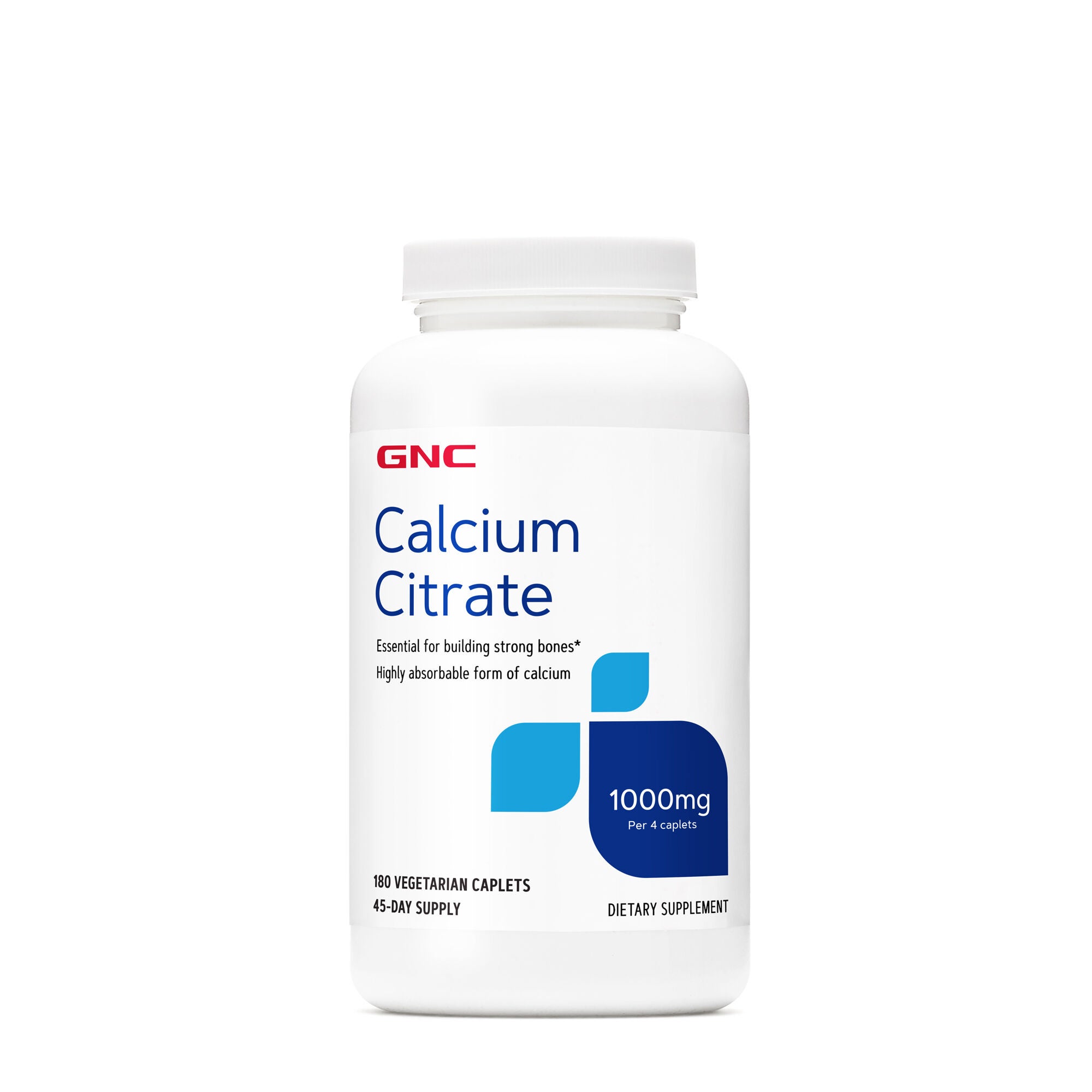
Natural calcium supplements for adults may help complement calcium obtained from everyday meals, with choices distinguished by mineral source, calcium form, serving size, and format. Calcium occurs in foods such as milk, yogurt, cheese, kale, and collard greens, while fortified plant beverages and other fortified foods provide additional dietary sources. Supplements belong alongside that food context rather than replacing a varied eating pattern. The word natural, however, does not by itself identify where the calcium originated, how it was processed, or which other ingredients appear in the formula. A closer look at the ingredient list provides a more useful picture. Algae-derived calcium comes from a marine source, while calcium carbonate and calcium citrate identify chemical forms of the mineral, not a single sourcing method. Calcium carbonate may originate from different materials, so its name alone does not establish whether a formula meets a preference for plant-derived ingredients. Hydroxyapatite is another form found in this category; it commonly comes from animal material and should not be assumed to be plant-based. For adults who prefer a vegan or vegetarian routine, the mineral source and the capsule or tablet ingredients are separate considerations. An algae-derived mineral inside a gelatin capsule, for example, would not meet the same preferences as a formula using a plant-derived capsule. Clear sourcing information matters more than imagery of leaves, oceans, or other natural settings on a package. The Supplement Facts panel adds another important distinction: the amount of elemental calcium is not necessarily the same as the weight of the calcium-containing compound. Elemental calcium is the calcium amount declared on that panel. Comparing this figure alongside the stated serving size gives a clearer basis for comparing formulas than looking only at a large number on the front label. Together, these details distinguish a supplement’s actual composition from broad descriptive language and make the category easier to navigate according to personal food preferences and daily routines.
Format is another practical difference among natural calcium supplements for adults. Tablets, capsules, chewables, gummies, and powders each involve different textures, ingredient lists, and serving conventions. Someone who prefers an unflavored option may focus on tablets or capsules, while another adult may prefer a chewable format with a clearly described flavor. Physical dimensions also matter: a bottle photograph rarely conveys the size of an individual tablet, and one serving may consist of several pieces rather than one. Serving count and piece count therefore deserve separate attention. A bottle containing a certain number of capsules does not necessarily contain that same number of servings. Gummies and chewables introduce additional considerations, including sweeteners, added sugars, flavorings, coloring ingredients, and coating materials. For powders, the label may describe whether the serving is measured by a scoop, packet, or another measure, along with preparation directions. Texture preferences are personal, whether a powder is intended for mixing into a beverage or a chewable has a firmer consistency. Capsules may use gelatin or plant-derived materials, and tablets may include binding or coating ingredients. These supporting ingredients are part of the formula even when the mineral source receives most of the attention. Adults comparing options for a shared household may also have different dietary preferences, making the full ingredient list more informative than a single front-label description. A familiar daily setting offers a useful way to think about format: a bottle kept with breakfast supplies presents different practical considerations from individual servings organized for a trip. Package design, serving instructions, and the number of pieces per serving all contribute to that comparison. Neither a longer ingredient list nor a shorter one tells the whole story; the relevant question is what each ingredient is and whether the formula matches the intended routine. Descriptive labeling, readable serving information, and a format suited to personal preferences provide a grounded basis for browsing without treating every natural calcium formula as interchangeable.
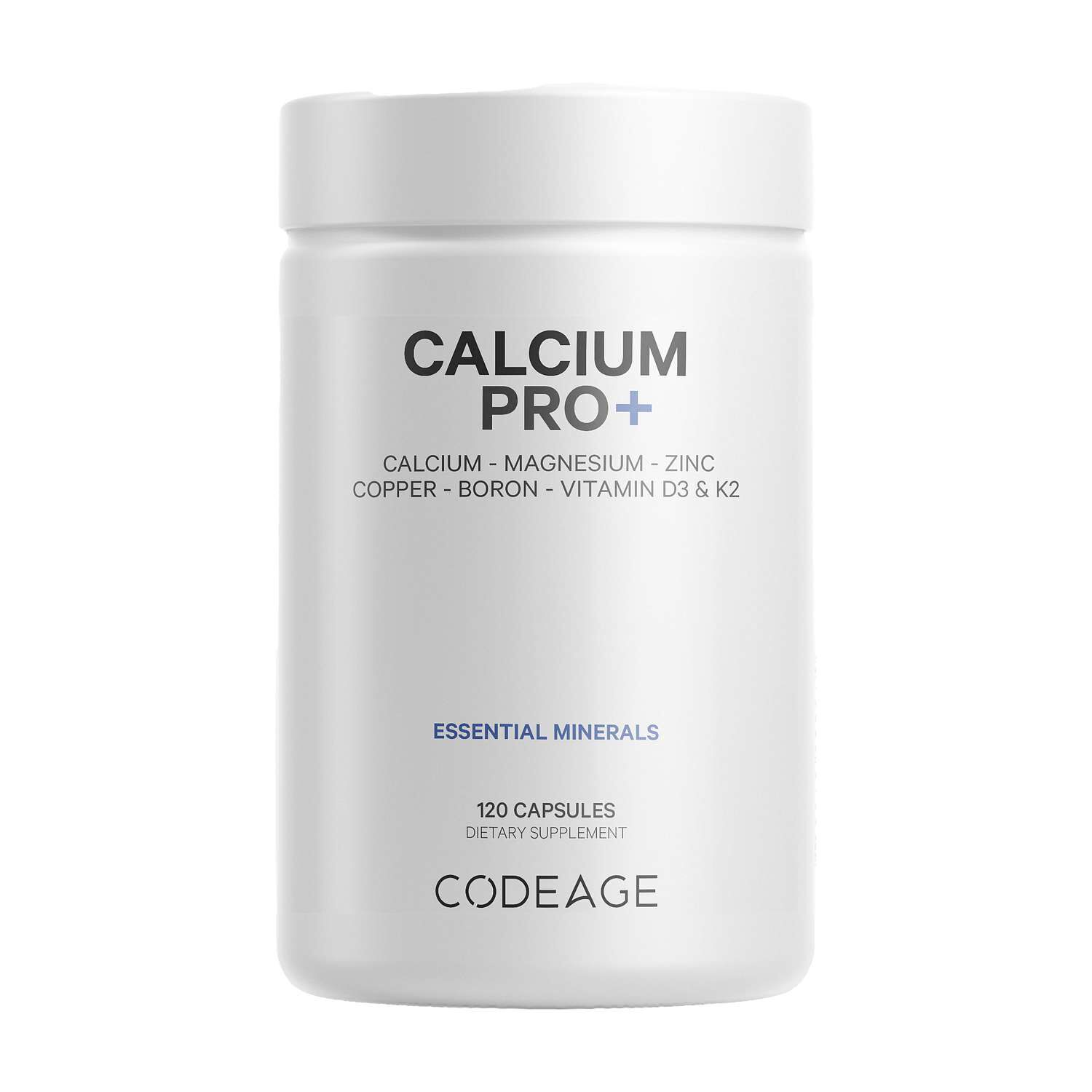
Companion nutrients add another layer to the category. Calcium formulas may include vitamin D, magnesium, vitamin K, or other nutrients, so a calcium-focused label does not always describe a single-nutrient supplement. Adults interested in a paired mineral formula can explore Calcium Supplements For Adults With Magnesium while comparing the declared amounts of each mineral and the serving size. Vitamin D ingredients also differ by form and source. Labels may list vitamin D2 or vitamin D3, and vitamin D3 may come from sources such as lanolin or lichen. That distinction is relevant when a plant-derived routine is a priority, even if the calcium itself comes from algae. Similarly, the presence of several nutrients does not establish that a formula matches every adult’s dietary circumstances. Reviewing the labels of other supplements already in a routine provides context for repeated ingredients, while individualized intake decisions are a matter for a qualified healthcare professional. Beyond composition, quality information deserves a close look. When independent testing or certification appears on a package, the named organization and the stated scope of its review are more informative than an unexplained symbol. Documentation may address ingredient identity, manufacturing practices, or testing for unwanted substances; those are different subjects, and a broad natural description does not substitute for them. Clear manufacturer information, a readable lot code, and a marked expiration date provide additional details for evaluating and keeping track of a supplement. Care after purchase matters as well. Storage directions may specify a dry location, a tightly closed container, or protection from direct sunlight. A bathroom cabinet exposed to shower moisture presents a different storage environment from a dry cupboard, making package directions worth retaining. Keeping the original label also preserves the ingredient list, serving information, and storage instructions for later reference. For adults browsing this category, the most useful distinctions remain concrete: where the calcium comes from, which form it takes, how much is listed per serving, what accompanies it, and how the format fits an established routine.
Best Sellers
Related Pages

Top Collections
- GLP 1 Support For Adults
- Supplements For Yoga Joint Flexibility
- Joint Mobility Supplement Packs
- Supplements For Balance
- Zinc Supplements For Men
- Chronic Fatigue Supplements
- Capsule Supplements For Energy And Stamina
- Zinc Supplements | Top Brands at Great Prices | GNC
- Supplements For Anxiety Relief Support
- Adult Mobility Supplements