

Energy Aids For Sports
(0 Results)
Looking to elevate your athletic performance? Energy aids for sports could be the key to unlocking your full potential. Designed to support endurance, stamina, and overall energy, these supplements might help you push through intense workouts and achieve your fitness goals. Whether you're a seasoned athlete or just starting out, incorporating energy aids for sports into your routine may make a significant difference in your training and recovery. Explore a variety of options tailored to meet the demands of any sport or activity.
-
-

-

-

-

-
-

-
-
-
-
-
 459$24.99
 -
 Optimum Nutrition459$24.99
 -

-

-

-

-

-

-
-
-

-
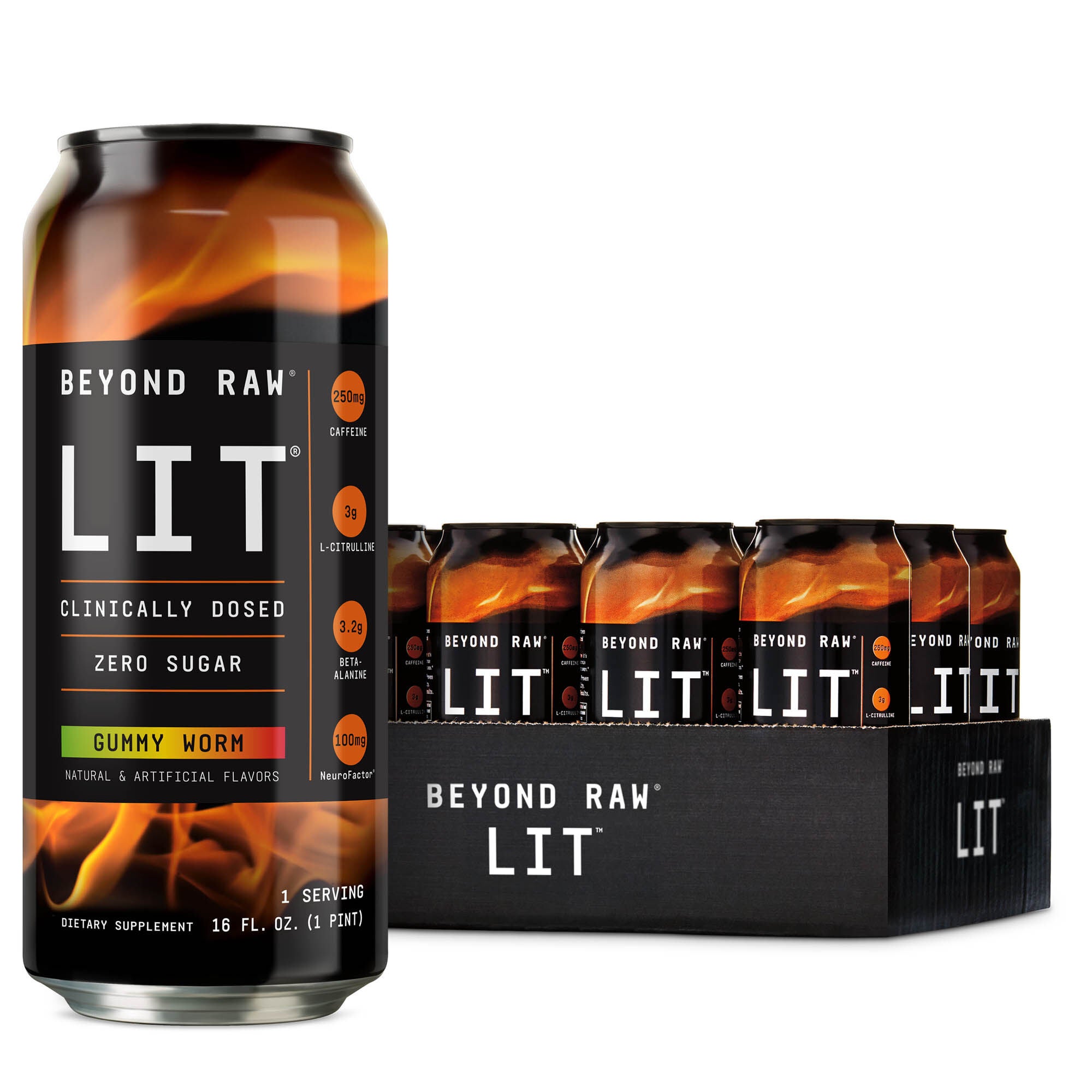
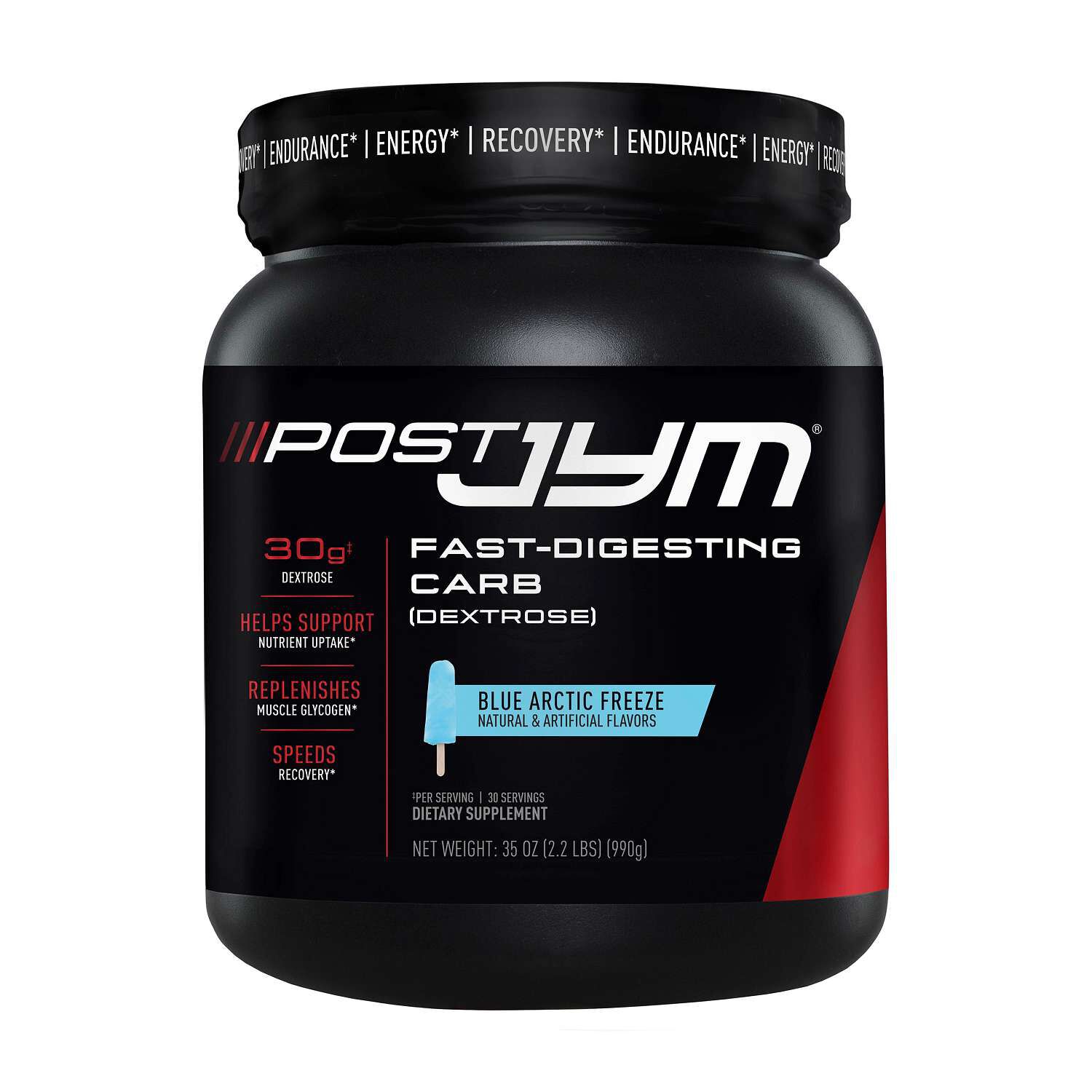
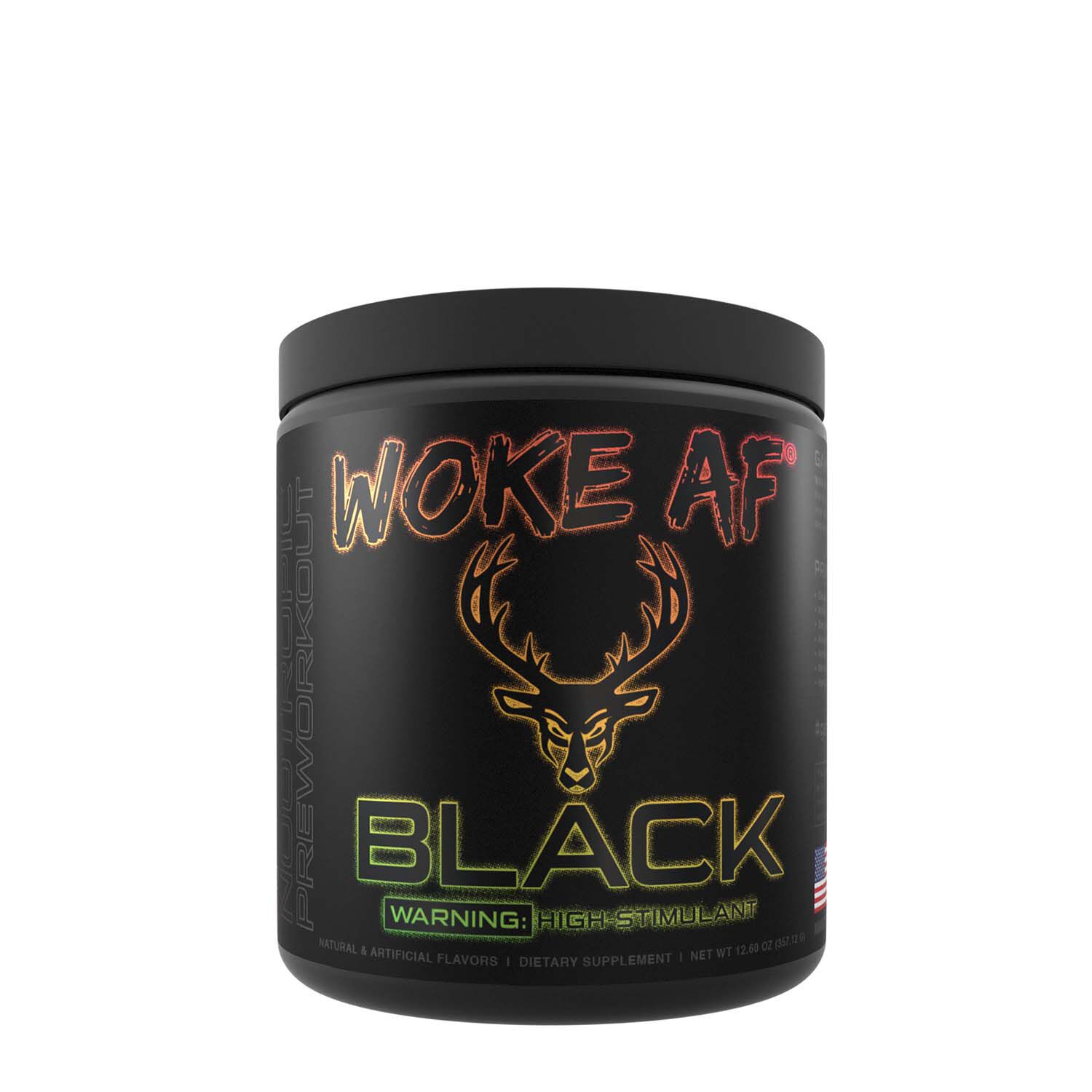
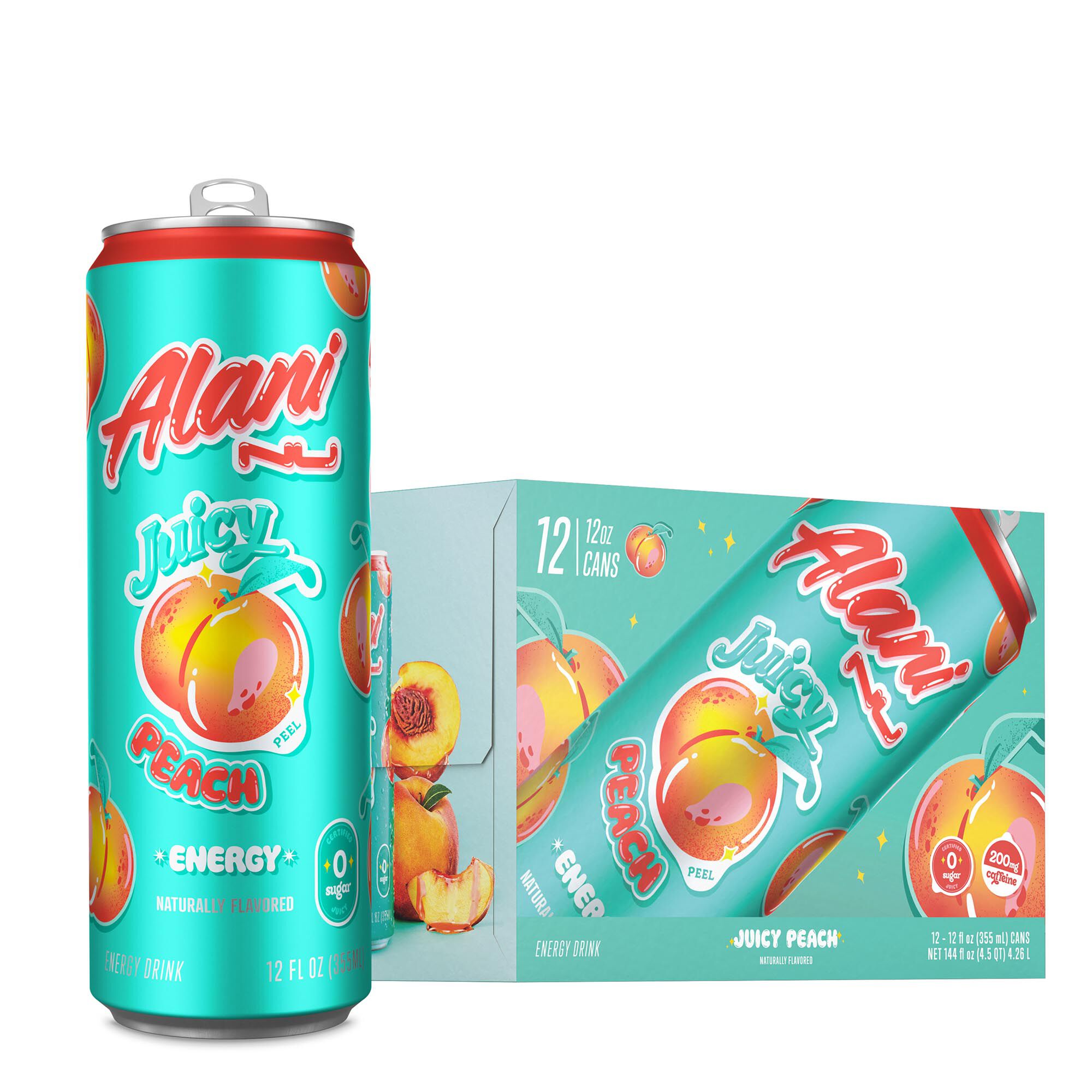
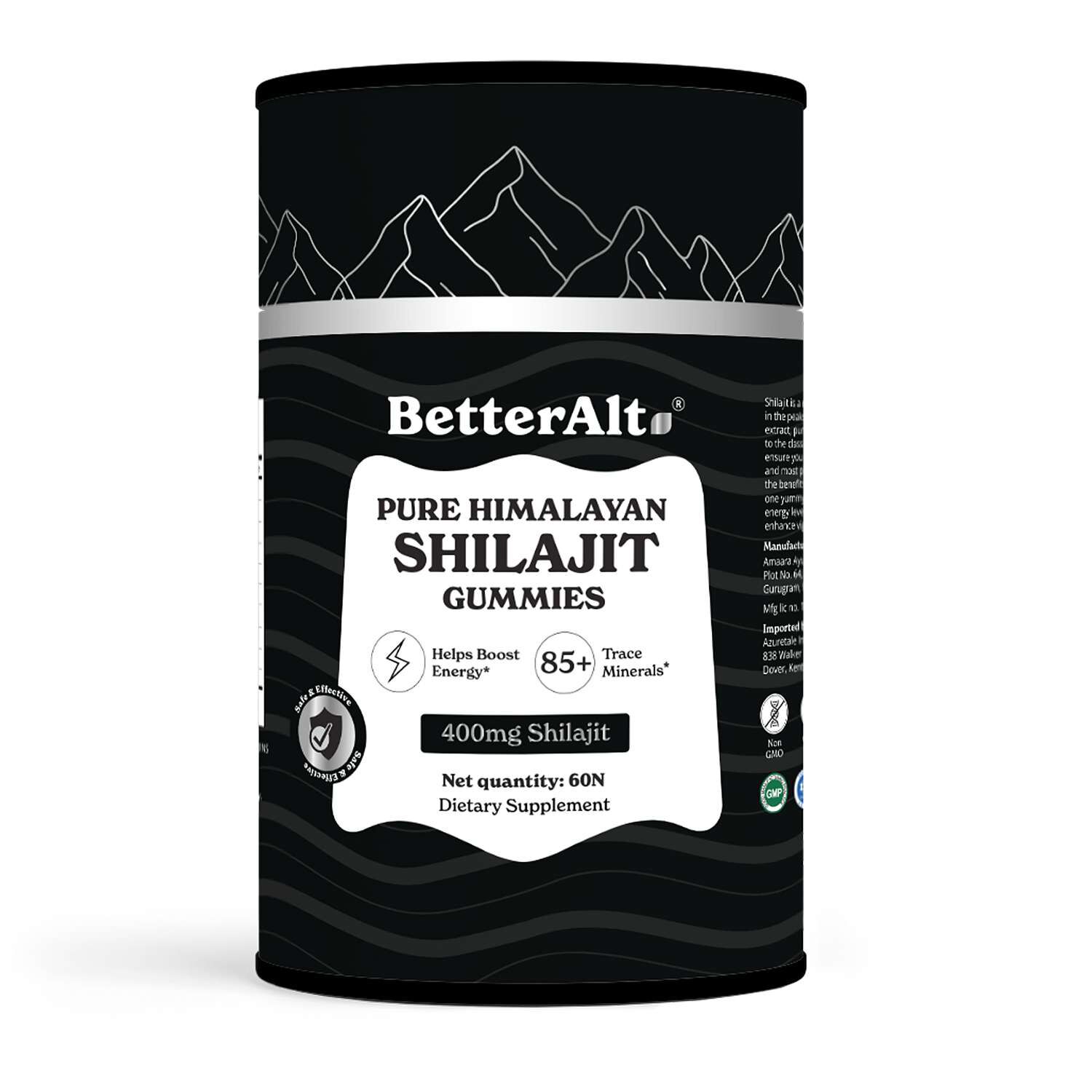
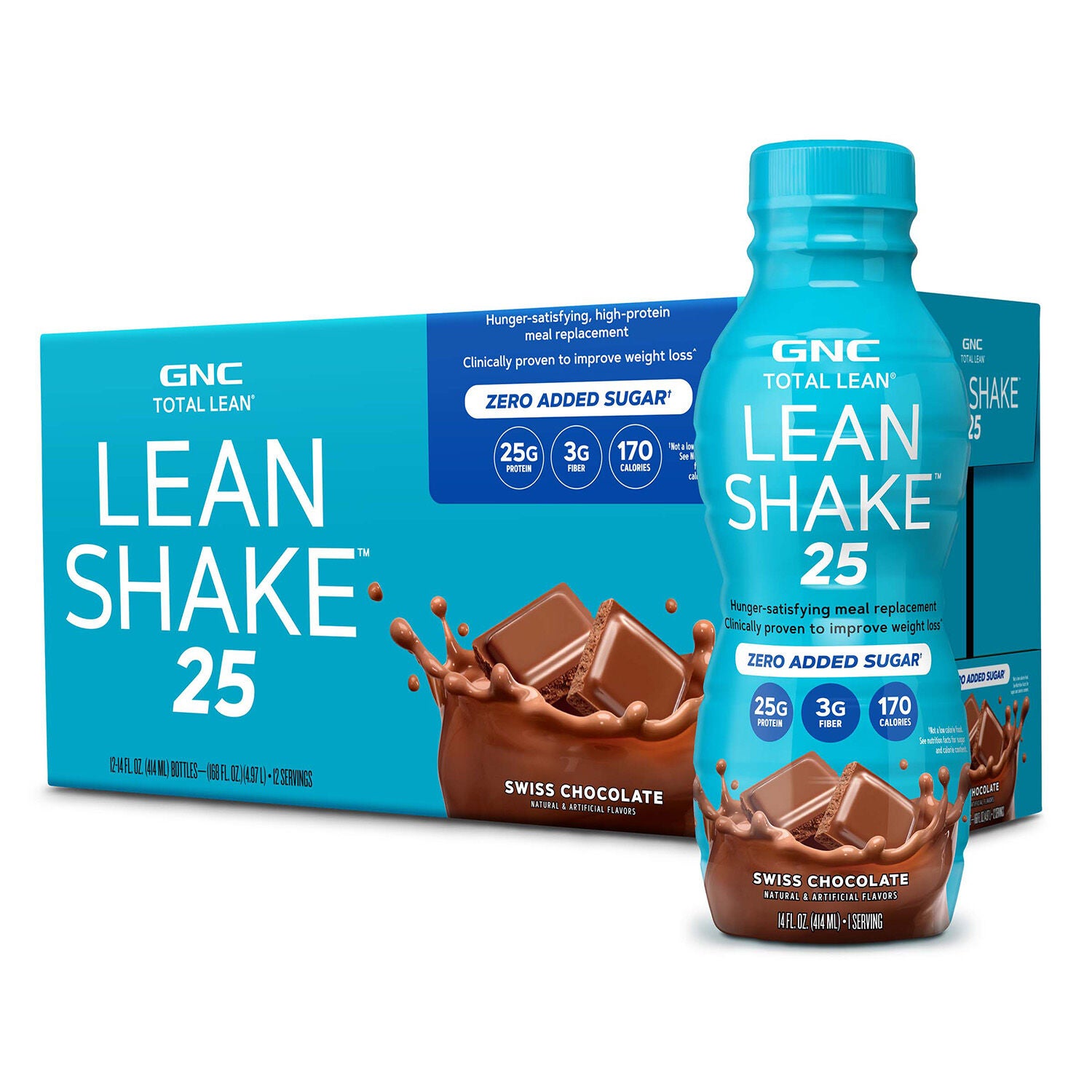
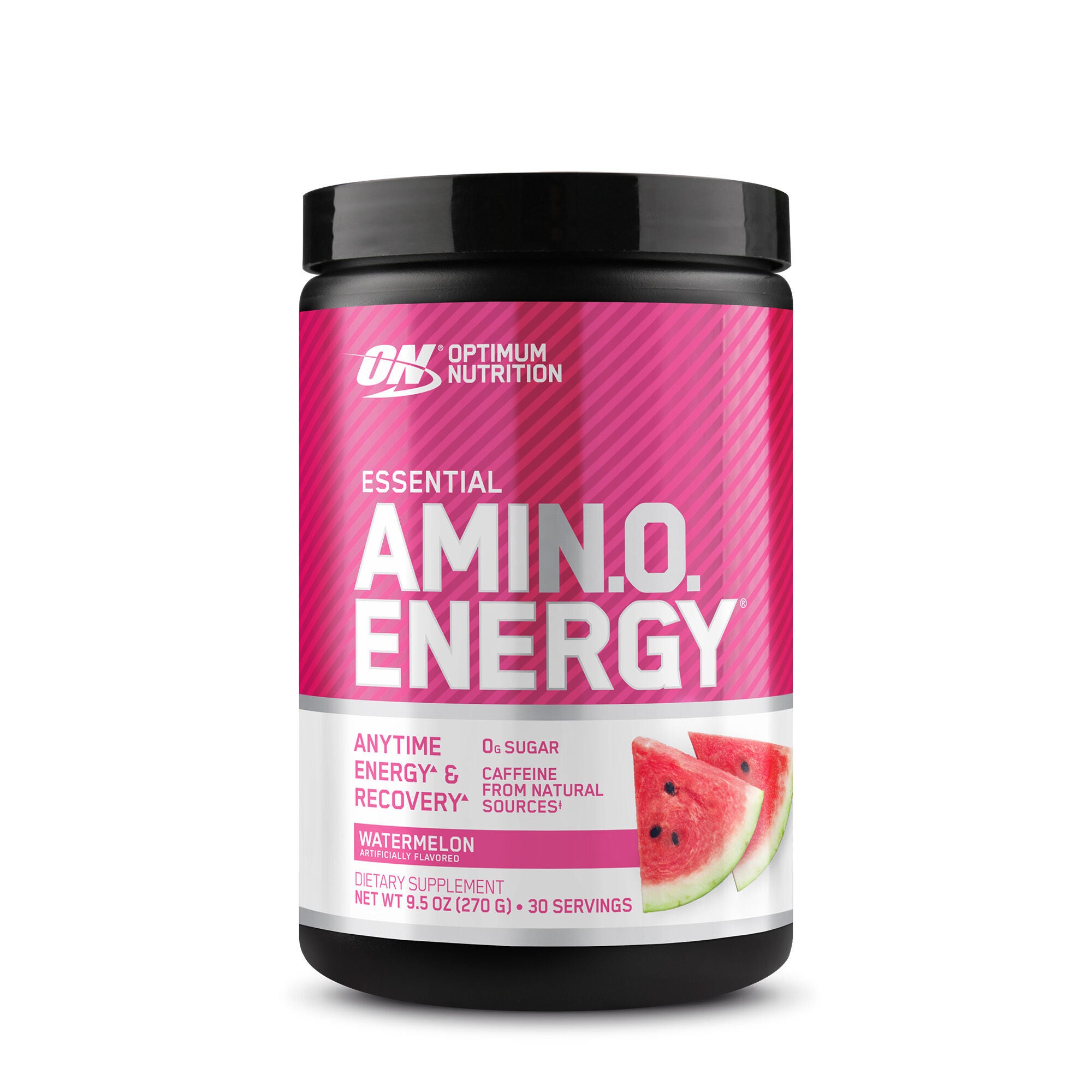
Energy aids for sports may help athletes plan convenient fuel around training, competition, outdoor recreation, and active days. This category may include carbohydrate gels, chews, drink mixes, ready-to-drink beverages, energy bars, caffeine-containing formulas, creatine products, beetroot-based options, and B-vitamin supplements. Each type serves a different purpose, so the best choice often depends on the activity, its length, the weather, personal preferences, and how easily a product fits into a gym bag or jersey pocket. Carbohydrate gels and chews may offer a compact source of fuel during longer runs, rides, hikes, tournaments, or training sessions when carrying a full snack is impractical. Sports drinks and powdered mixes may combine fluids with carbohydrates and minerals, which could make them a convenient option for active people who prefer to drink their fuel. Natural foods such as bananas, dried fruit, applesauce pouches, or toast with honey may also fit into a sports-fueling routine before activity. These familiar choices may appeal to runners, cyclists, swimmers, field-sport athletes, dancers, and anyone who wants a simple option that travels well. Before selecting an energy aid for sports, consider serving size, carbohydrate content, caffeine amount, flavor, texture, packaging, and the timing of use. A product intended for a short workout may look very different from one chosen for a long-distance event, a day on the trail, or a tournament with several games. Individual preferences matter, too: some people may prefer a light drink, while others may want a chewable format or a bar with a more substantial texture. Reading the label may help shoppers compare ingredients and decide whether a product suits their routine.
Timing and portability often shape how athletes use energy aids for sports. A carbohydrate-focused snack or drink may be used before activity to provide convenient fuel, during extended activity to help maintain a steady intake of carbohydrates, or afterward as part of a meal or snack routine. Caffeine-containing products could help some adults feel more alert and focused, although caffeine may affect people differently and could make it harder to rest when used too close to bedtime. Those who are sensitive to caffeine, pregnant, nursing, under 18, or taking medication may wish to consult a qualified healthcare professional before choosing a caffeinated product. Creatine may be selected by people involved in strength training, sprinting, jumping, or other short-burst activities, and its potential fit depends on personal goals and regular training habits. Beetroot-based products may appeal to endurance athletes who are exploring plant-based ingredients, while B-vitamin formulas may be considered by shoppers looking for nutrients involved in normal energy metabolism. Product directions and ingredient panels provide useful details about serving sizes, suggested timing, allergens, and storage. It may be wise to try a new gel, chew, drink, or supplement during a familiar practice session rather than introducing it immediately before an important event. This approach could help an athlete learn whether the flavor, sweetness, texture, and serving size fit comfortably into their routine. Water also remains a practical companion for many forms of activity, particularly when using concentrated gels, chews, bars, or powdered mixes. Individual hydration needs may vary with exercise duration, temperature, clothing, and sweat rate, so athletes may choose to plan fluids alongside their fuel instead of treating the two as separate decisions.
Energy aids for sports may suit a wide range of active lifestyles, from a weekend basketball player packing a few chews for a long tournament to a cyclist organizing supplies for a scenic ride during the cooler months. They may also make thoughtful gifts for runners, hikers, gym regulars, collegiate athletes, coaches, and people preparing for a race or charity event. A small assortment of formats and flavors could give an active friend room to discover what fits best, while a reusable gym bag pouch or hydration accessory may make the gift feel practical without assuming a specific sport. As the weather warms, portable drink mixes and compact snacks may be useful for outdoor sessions, travel, and recreational games; during cooler months, bars, chews, and single-serve packets may be easy to keep in a training bag or car. Shoppers seeking options for a structured workplace wellness program, athletic department, training facility, or performance-focused team may also explore Energy Supplements For Professionals. When comparing products, look for formats that match the activity and portions that are easy to carry, open, and use without interrupting momentum. Athletes may also consider whether they prefer simple carbohydrate sources, a blend of carbohydrates and caffeine, a creatine-focused formula, or a drink designed to accompany regular hydration. A thoughtful routine usually starts with realistic planning: pack enough for the expected duration, keep fluids available, follow the label, and allow time to become familiar with each choice. With the right format and timing, energy aids for sports could become a convenient part of preparation for practice, competition, recreation, and everyday movement.