





Energy Supplements For Outdoor Activities
(0 Results)
Energy supplements for outdoor activities could be a convenient way to support your active lifestyle, whether you’re hiking, cycling, or enjoying a day on the trail. With options that may fit a variety of fitness routines and adventure levels, these supplements might help you feel ready to take on new challenges. Explore choices that could align with your goals and keep you moving through every outdoor experience.
-
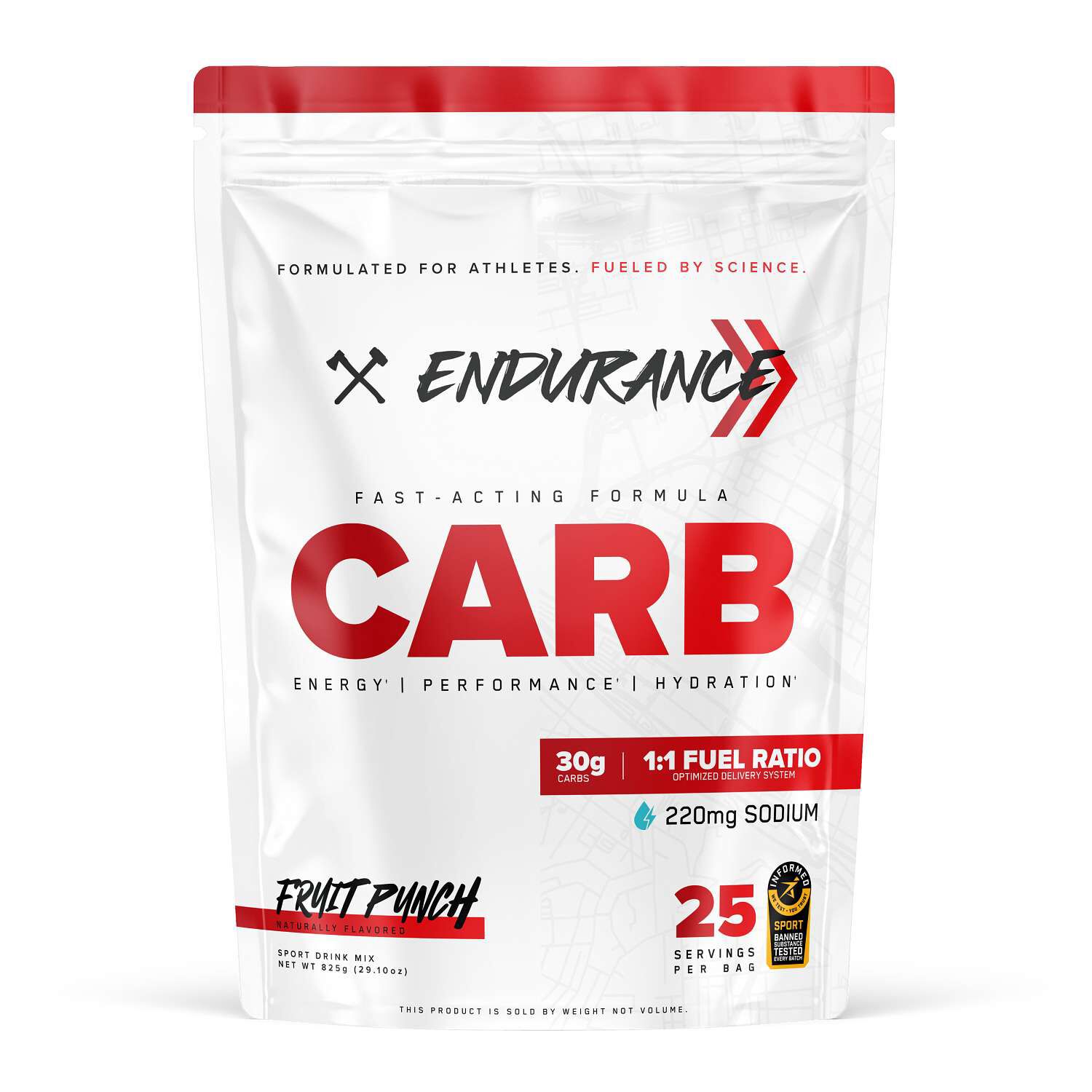 Axe & Sledge Supplements$39.99
-
 Axe & Sledge Supplements$39.99
-
 $34.99
-
-

-

-
-
 $29.99
-
 NDS Nutrition$49.99
-

-

-
 Optimum Nutrition461$24.99
-

-

-
 $29.99
-
 Axe & Sledge Supplements3$34.99
-
 461$24.99
-
 $29.99
-
-

-
 Raw Nutrition$34.99
-
-

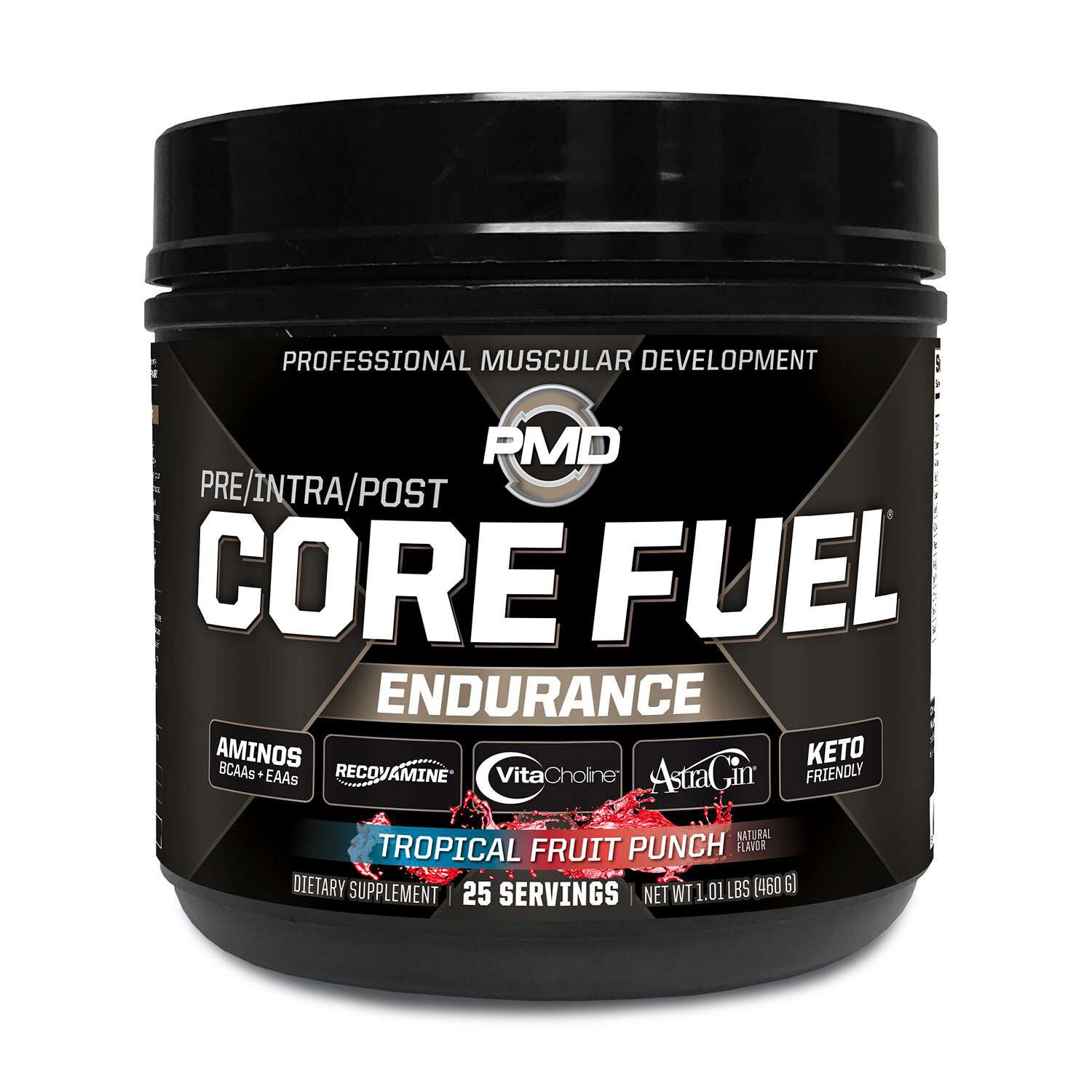
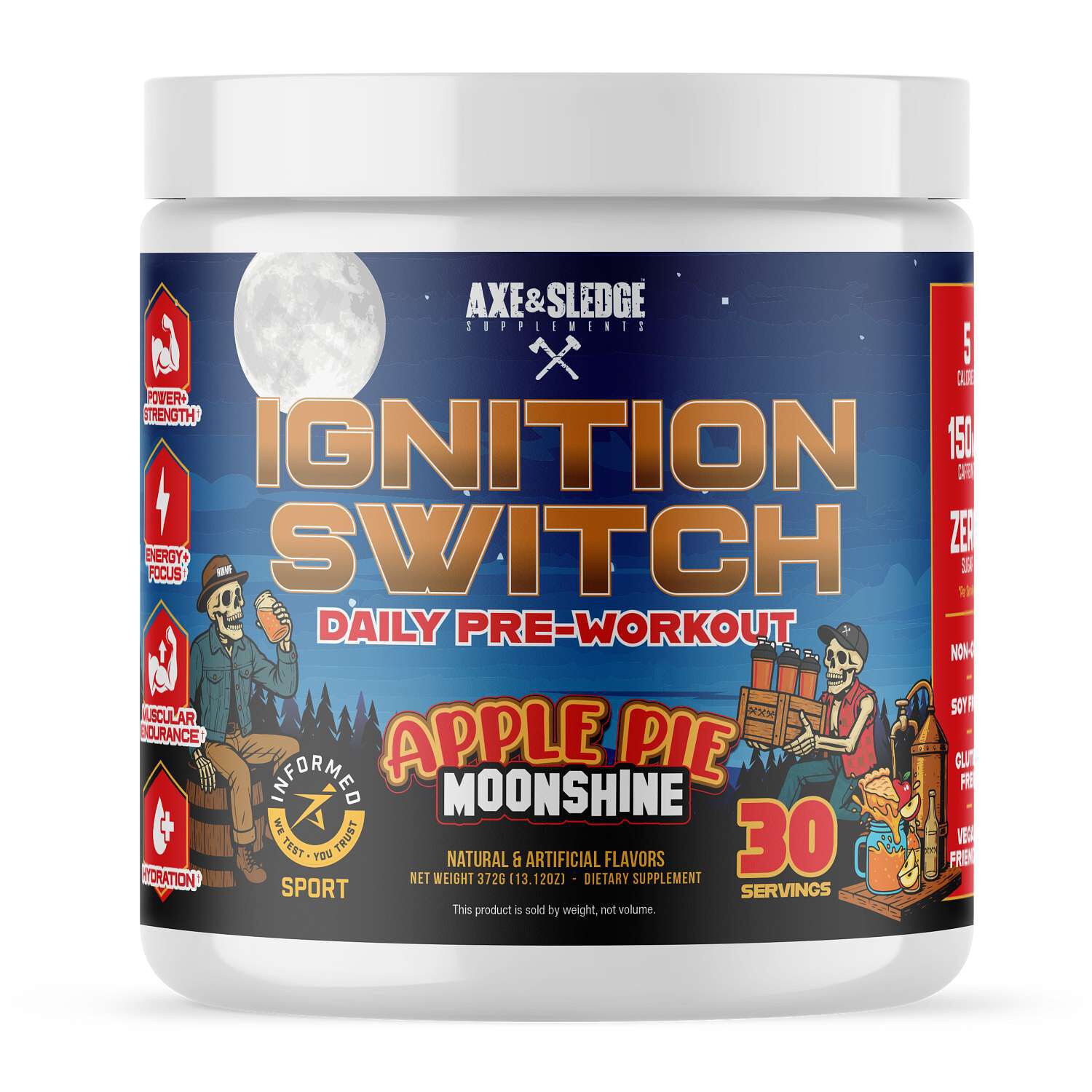
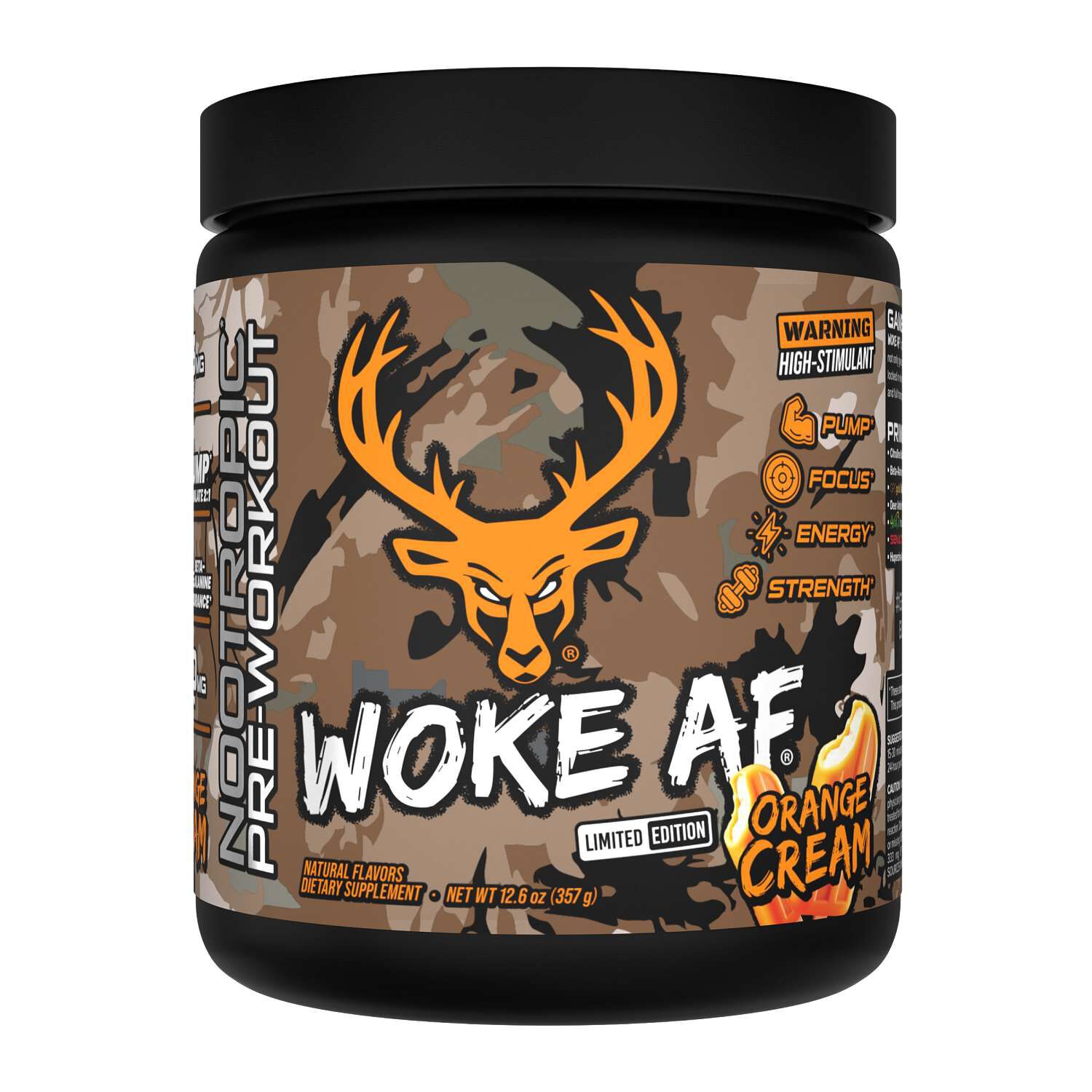
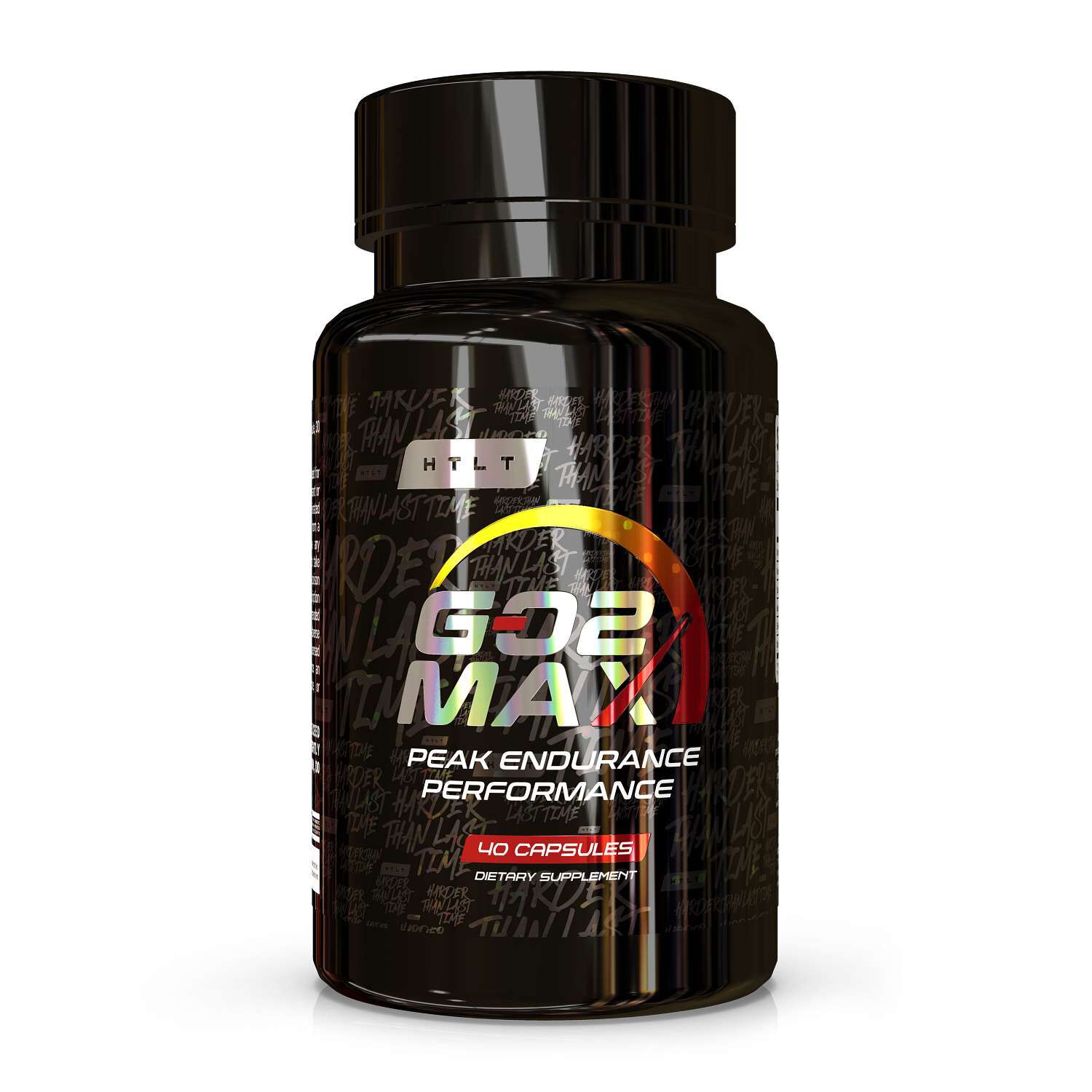
Energy supplements for outdoor activities span several categories, including caffeinated formulas, carbohydrate powders and chews, and blends containing vitamins, minerals, or botanical ingredients. These categories are not interchangeable, even when their labels feature similar language about activity and performance. A trail runner carrying a small vest, a cyclist organizing a handlebar bag, and a hiker packing for a full day may each prefer a different format and ingredient profile. The most useful comparisons begin with what a serving contains: calories, carbohydrates, caffeine, sodium, and other listed ingredients. Carbohydrate-containing supplements may provide fuel for sustained activity, while caffeine-containing formulas may support alertness. Electrolyte blends contain minerals such as sodium, potassium, or magnesium, but some have little carbohydrate and should not be mistaken for a substantial calorie source. Vitamin blends offer another distinction. B vitamins may support normal energy metabolism, but a vitamin formula is not equivalent to a carbohydrate serving or a caffeinated drink. This difference matters when comparing options for a short loop near home with those intended for a longer outing involving several hours on foot or in the saddle. An outdoor energy supplement is best understood by its ingredient panel and intended use rather than by its name alone. Some formulas combine several categories, making serving size especially important when comparing one option with another. A small scoop and a large scoop can represent very different amounts of carbohydrate or caffeine, and a package may contain more than one serving. For adults who enjoy hiking, paddling, cycling, or trail running, these details offer a clearer basis for comparison than broad performance language. The surrounding routine matters, too: route length, planned meals, water access, carrying space, and opportunities to stop all shape which format fits an outing. Supplements belong within that broader packing plan, alongside food, water, navigation, and the equipment appropriate to the activity.
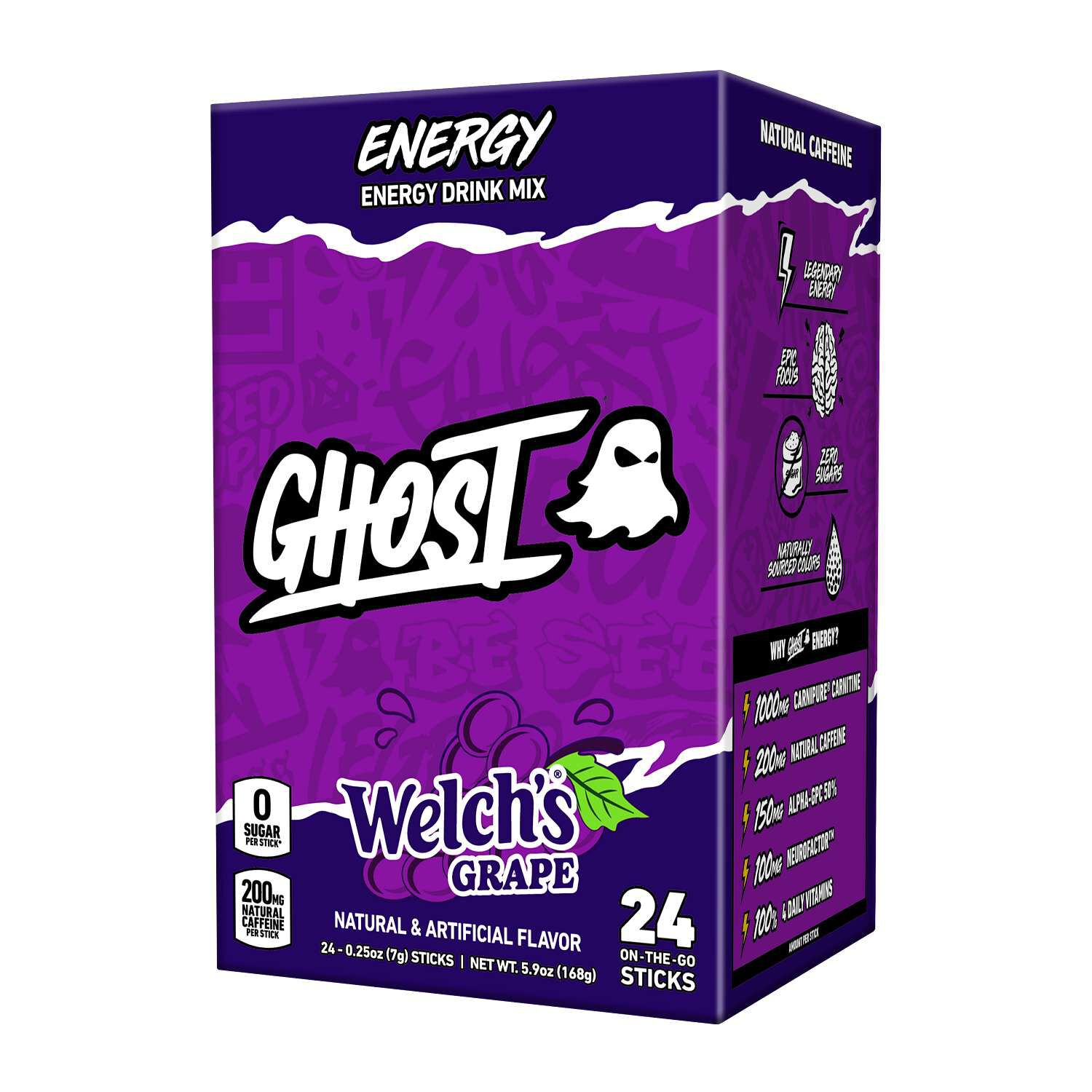
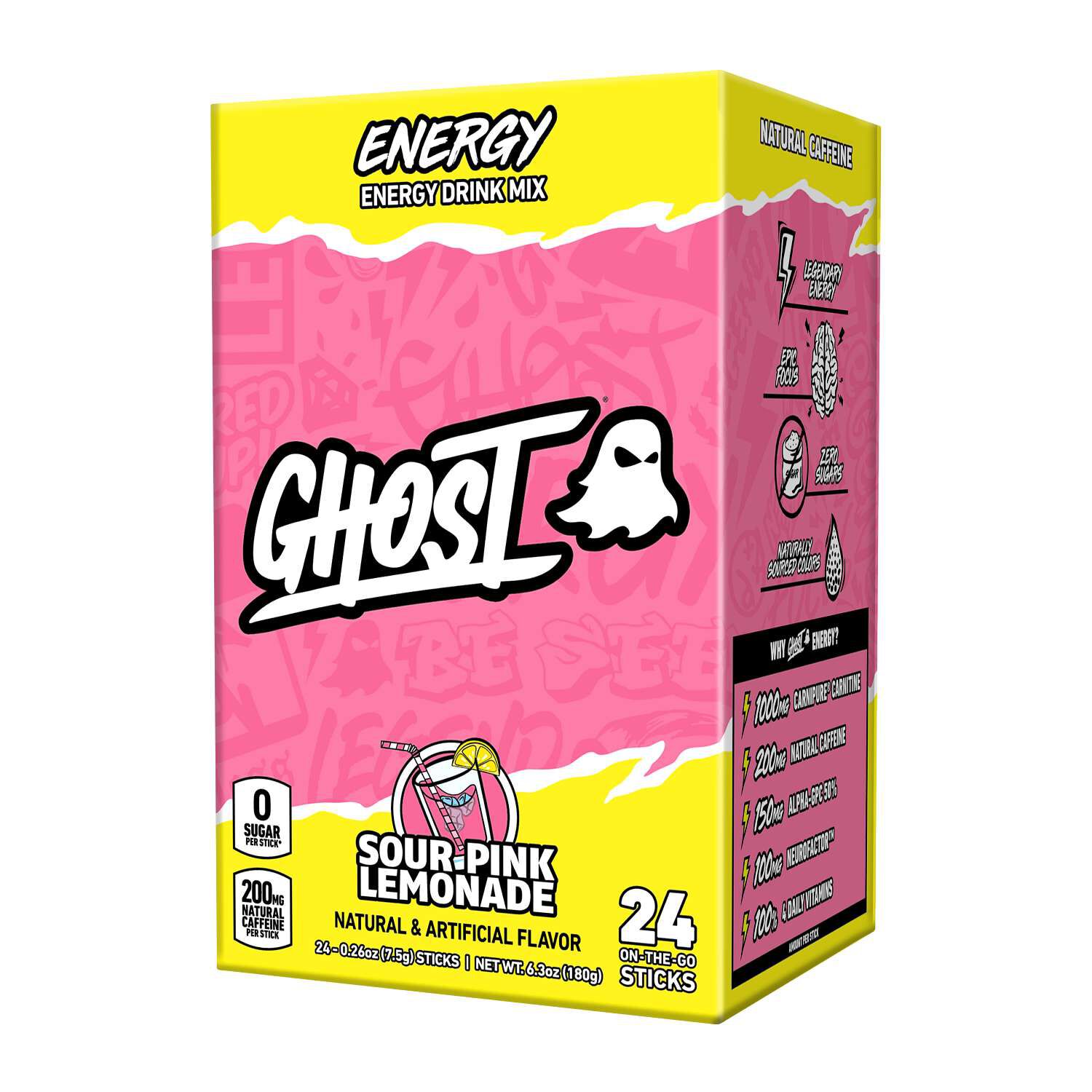
Format becomes particularly noticeable once an outing is underway. Powdered drink mixes require a bottle or reservoir, a measured amount of water, and enough room for mixing. Individual packets have a defined portion and a slim profile, while larger containers involve measuring and transferring a serving before departure. Capsules and tablets occupy little bag space, although their ingredient amounts and directions can differ substantially. Chewable formats offer another texture and portioning style, with carbohydrate and caffeine content varying by formula. For a cyclist reaching into a jersey pocket or a hiker opening a pack at a trail junction, package size, opening style, and the number of steps involved can matter as much as flavor. A packet that fits neatly into a running vest may be more practical than a rigid container, while a securely closed container may suit repeated use from a base camp or vehicle. Packaging durability is worth examining wherever a serving might share space with keys, tools, or other equipment. An outer pouch can separate packets from damp gear and provide a place for empty wrappers until they can be discarded appropriately. Storage directions also deserve attention, particularly for powders that need a tightly closed lid and portions transferred into another container. Keeping the ingredient and serving information with a transferred portion preserves an important reference away from home. Flavor is another practical consideration: a concentrated taste in a small bottle can feel quite different from the same serving mixed according to its directions. For shoppers comparing formulas containing caffeine, Caffeine Supplements For Outdoor Activities offers a more focused category to explore. Caffeine amounts vary, and botanical ingredients such as guarana or tea extracts may contribute caffeine alongside separately listed sources. Per-serving amounts, package directions, and the caffeine in other planned beverages are relevant details when comparing those options.
Intended use provides another way to narrow the category without treating every outdoor activity alike. A brief walk with frequent stopping points presents different packing considerations from a long ride with limited places to refill bottles. On a backpacking route, the weight of a container, the number of servings needed, and the amount of water required for each serving all affect how a supplement fits into the pack. During a group hike, individually packaged portions can be easier to organize than a shared tub and scoop, though ingredient preferences remain personal. For an outing that includes regular meal stops, a concentrated carbohydrate format may have a different role than it would on a route where eating opportunities are limited. These scenarios make label comparisons more meaningful: grams of carbohydrate describe one characteristic, milligrams of caffeine describe another, and listed electrolyte amounts describe another still. A blend with a long ingredient list is not automatically a better match than a simpler formula. Clearly stated quantities make it easier to understand what is included, while blends that group several ingredients under one combined weight provide less detail about each ingredient’s amount. Dietary preferences, ingredient sources, sweeteners, and allergen statements can also influence the choice. Someone who dislikes strongly flavored drinks may prefer a different format from someone who enjoys mixing a beverage for a planned rest stop. A familiar serving style may also be more convenient than one that requires extra equipment or preparation. For gift giving, known flavor preferences and established routines provide a better starting point than assumptions about another person’s supplement needs. Across these uses, energy supplements for outdoor activities are most useful to compare as distinct formulas with distinct contents, not as one uniform category. Clear labeling, practical packaging, manageable preparation, and a close match to the planned outing create a grounded way to browse, whether the destination is a nearby trail network, a winding bike route, or a backcountry campsite.
Best Sellers


Related Pages

Top Collections
- Active Supplements
- Chronic Fatigue Supplements
- Supplements For Yoga Joint Flexibility
- Joint Mobility Supplement Packs
- Zinc Supplements | Top Brands at Great Prices | GNC
- Supplements For Anxiety Relief Support
- Zinc Supplements For Men
- Vitamins For Hair Loss
- Capsule Supplements For Energy And Stamina
- Metabolism Boost For Weight Loss