Energy Supplements For Outdoor Workouts
(0 Results)
Energy supplements for outdoor workouts may offer support for those looking to stay active in the fresh air and natural elements. Whether you’re gearing up for a trail run, a hike, or a cycling session, finding the right supplement could help you make the most of your time outside. Explore options that might align with your fitness goals and outdoor adventures, so you can keep moving and enjoy every moment under the open sky.
-
-

-

-

-
-

-

-

-
-

-
-
-

-
-
-

-
-
 459$24.99
 -
 Optimum Nutrition459$24.99
 -

-
-

-
-
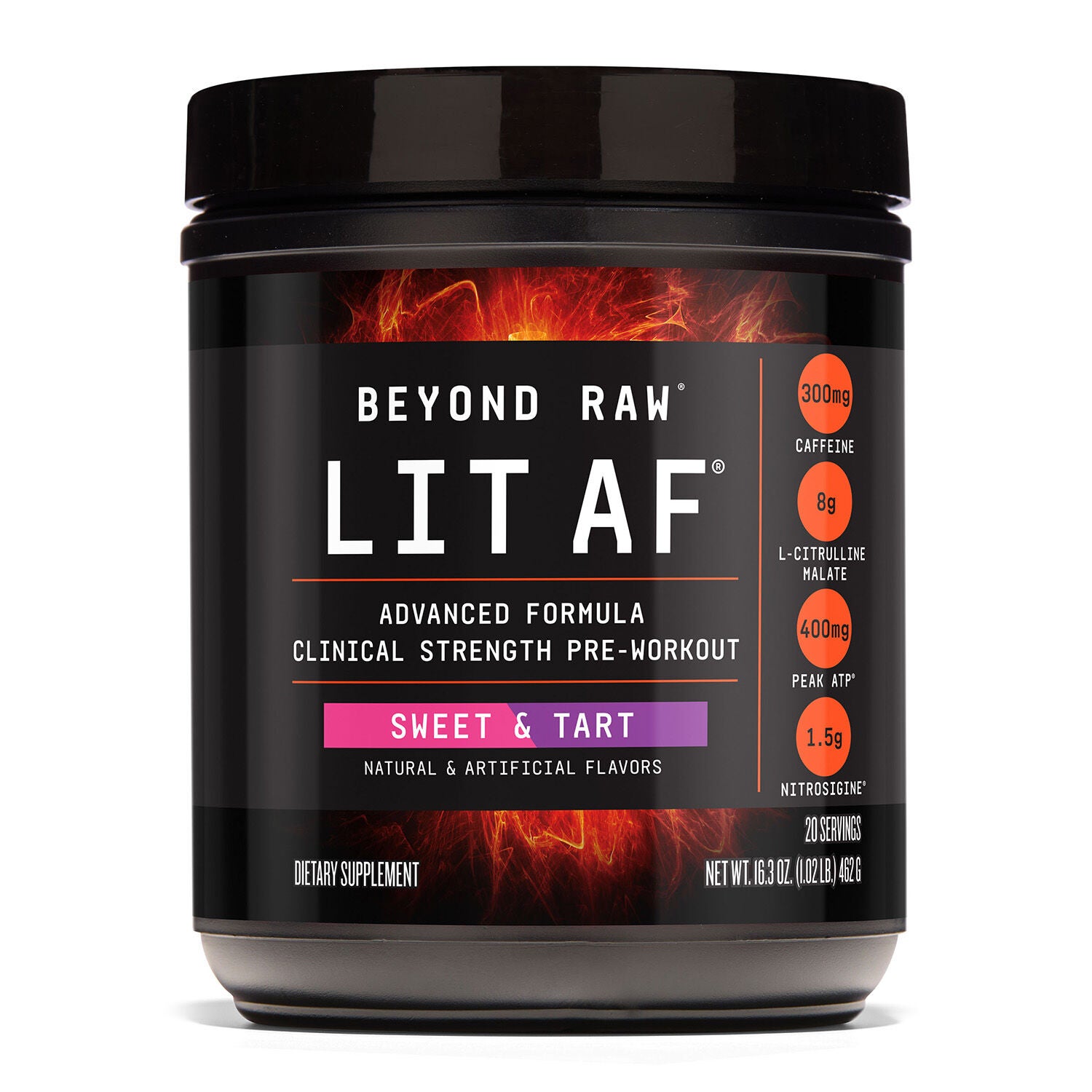
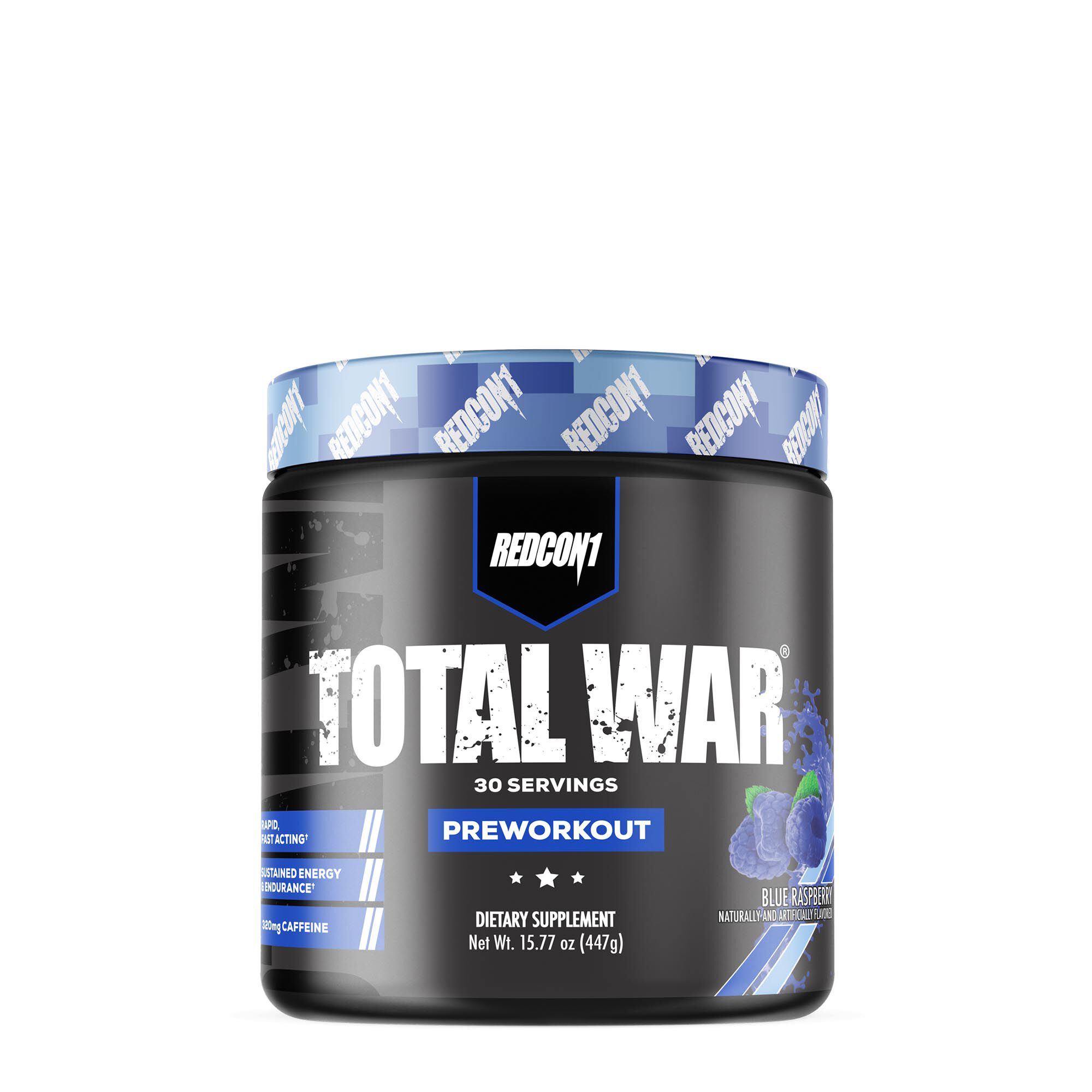
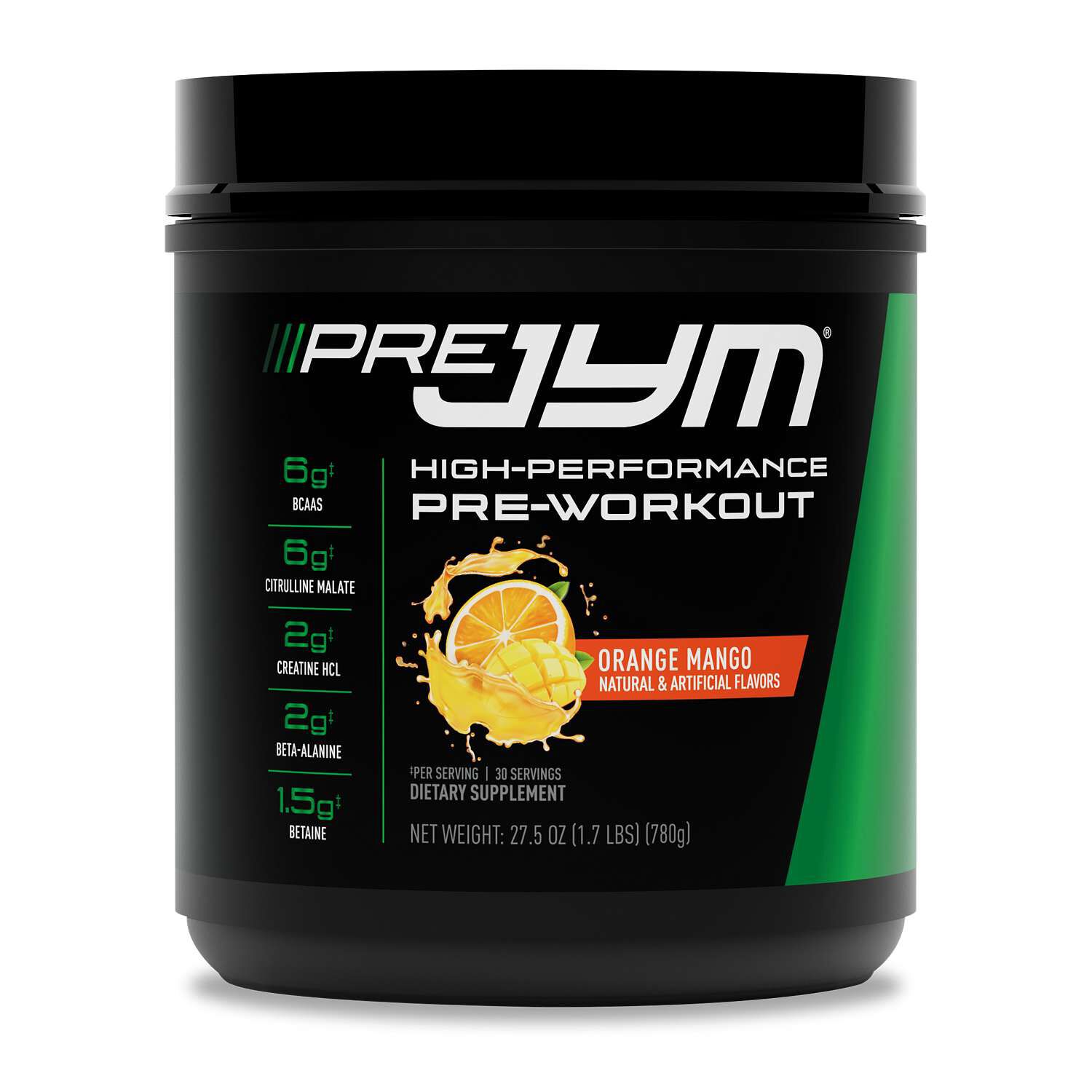
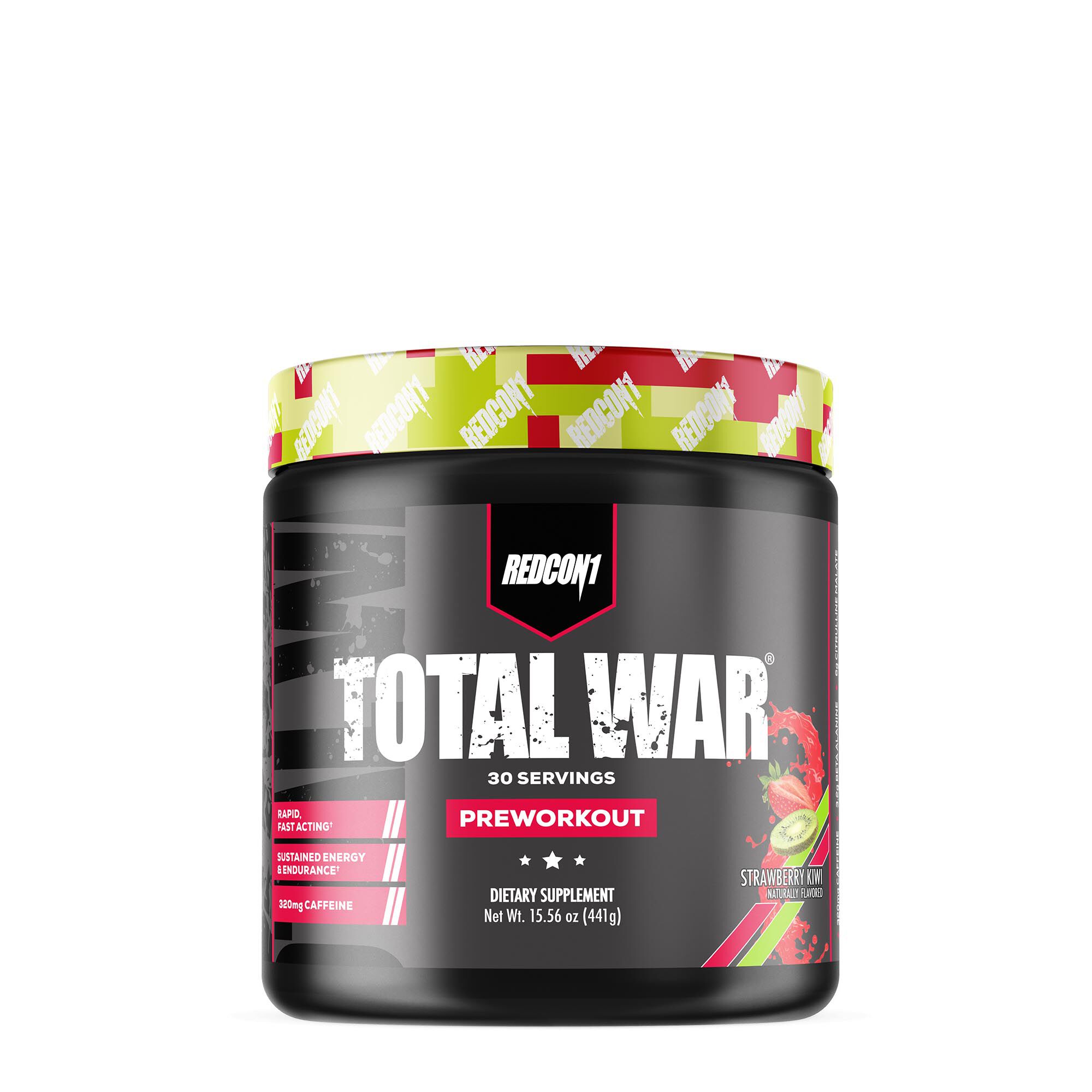
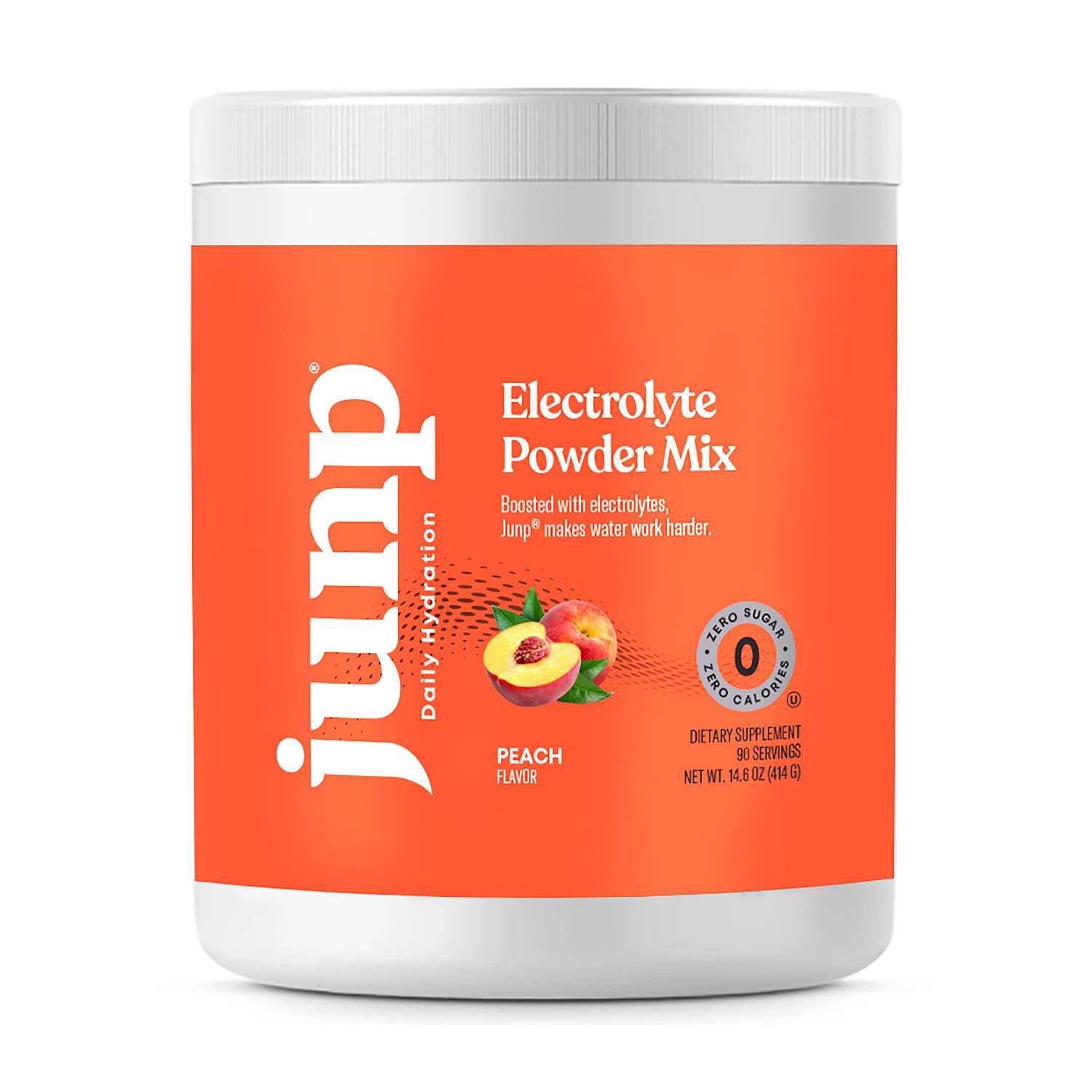
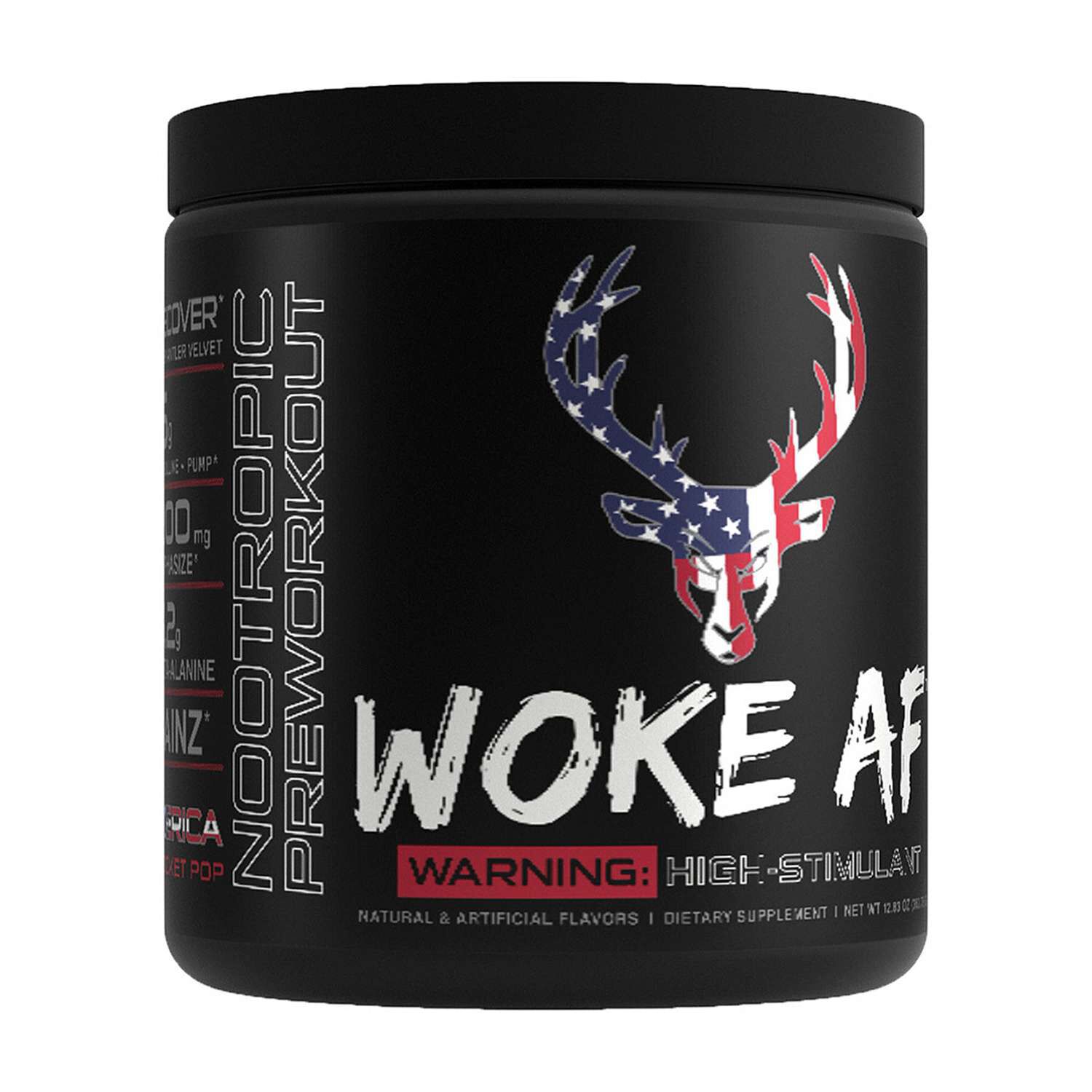
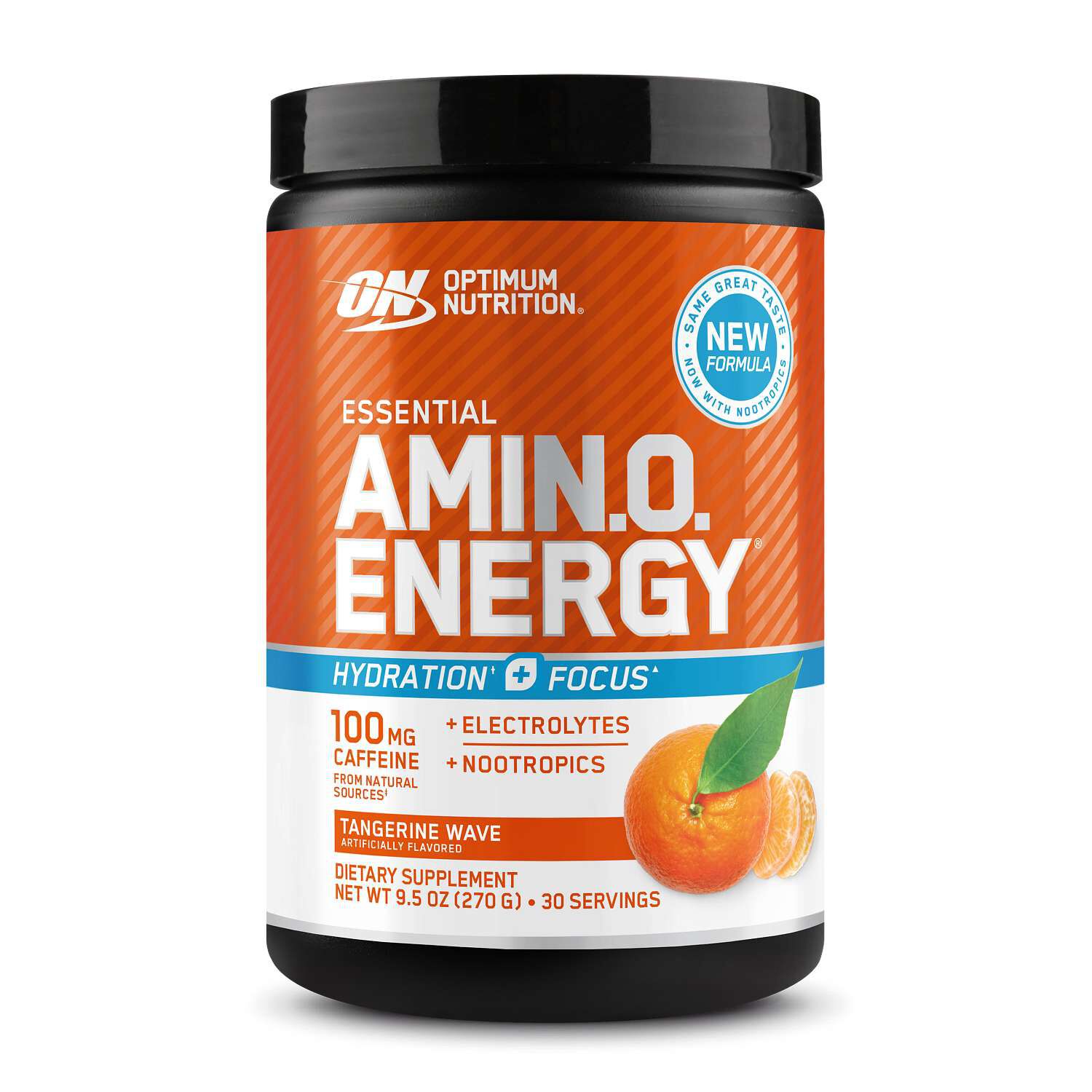
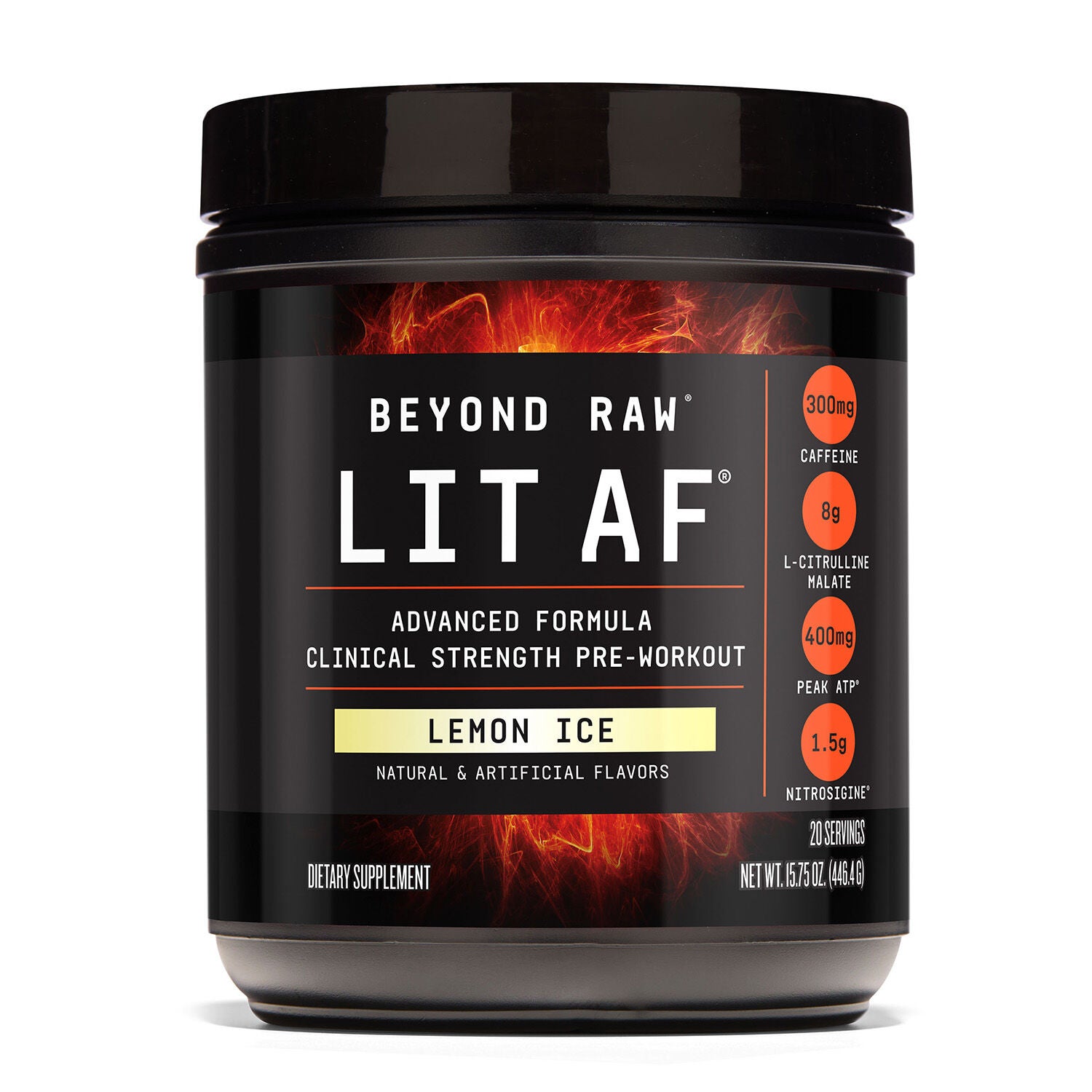
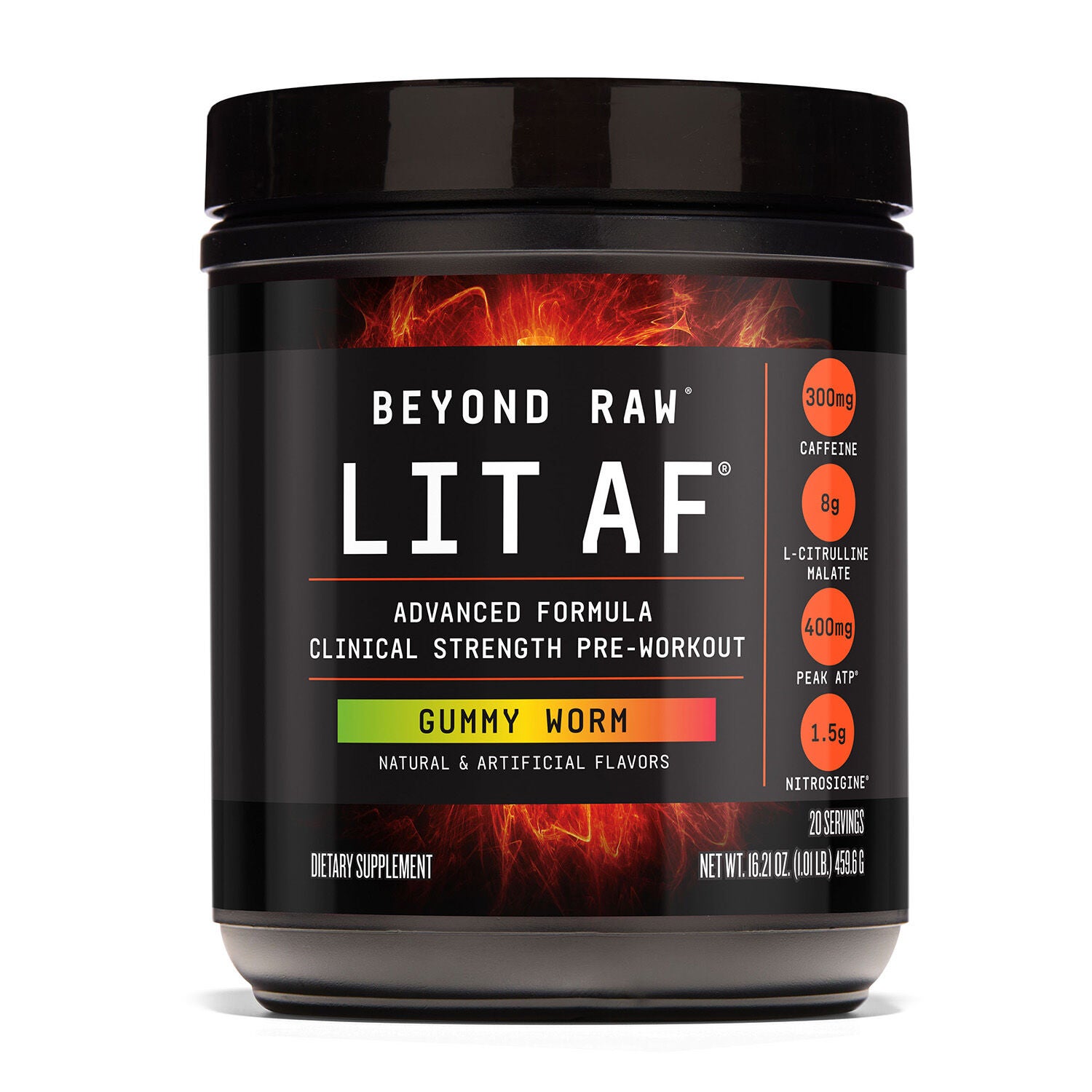
Energy supplements for outdoor workouts bring together several product types, from carbohydrate gels and chews to powdered drink mixes and caffeine-containing formulas. Their intended uses differ, even when the packaging looks similar. Carbohydrate-based products provide a measured amount of carbohydrate per serving and may support fueling during extended activity. Caffeine-containing options may support alertness, while electrolyte formulas contain minerals such as sodium and potassium and may support hydration alongside water. Some products combine these ingredients; others focus on a single category. Those distinctions matter when comparing something for a brief park workout with something to carry on a long bike ride or a trail outing with sustained climbs. A small packet that slips into a running vest serves a different practical purpose than a tub kept at home for mixing a drink before heading out. Ingredient lists, serving sizes, carbohydrate amounts, caffeine content, and mixing directions offer a more useful comparison than the product name alone. An energy drink mix and an electrolyte drink mix are not necessarily interchangeable: one may contain carbohydrates or caffeine, while another may contain neither. Likewise, a formula with vitamins does not necessarily contain a meaningful amount of carbohydrate for exercise fueling. The nutrition or supplement facts panel makes these differences easier to identify. For runners, cyclists, hikers, and adults who take their training to tracks, stairs, or outdoor exercise stations, the best fit depends on the purpose of the workout and the way supplies travel along. Someone setting a bottle beside a park bench has different packaging needs from someone carrying everything in a close-fitting vest. Viewing energy supplements through both lenses—what the formula contains and how it fits into the outing—creates a clearer picture of the category without treating every format as the same kind of product.
Format is a practical part of choosing outdoor workout supplements, particularly when pocket space and access to water shape what comes along. Single-serving powders occupy little room before mixing, although the prepared drink requires a bottle or another suitable container. Larger containers offer a different setup, with servings measured before departure according to the label. Gels usually come in flexible packets, and their serving information and directions determine whether accompanying water is part of their intended use. Chews offer a solid alternative, with serving sizes that may include several pieces rather than the entire package. Ready-to-drink formats remove the mixing step but add the weight and space of a filled container. None of these formats is inherently the right choice for every activity. A cyclist with bottle cages might prefer a measured drink mix, while a runner with small vest pockets might prioritize compact packets. For someone walking a loop near home, carrying several different formats may be less convenient than choosing one that matches an established routine. Texture and flavor also deserve attention: a thick gel, a chewy bite, and a lightly flavored drink create very different experiences during a moving workout. Comparing consistency, sweetness, and the instructed amount of water may help narrow the selection. Packaging matters beyond its size, too. Flexible wrappers can fit snug spaces, but they still need protection from sharp objects in a bag. Closures, seams, and the condition of individual packets are worth considering when products will travel beside keys, tools, or other gear. Storage and care follow the package directions, including any instructions for prepared drinks, opened containers, and moisture exposure. A resealable pouch or tub also needs secure closure between uses. Space for used wrappers belongs in the carrying plan, especially on trails without nearby trash containers. These everyday details connect product selection to the actual experience of carrying, opening, using, and packing away a serving outdoors.
Formula preferences add another layer to the comparison. Caffeine can appear in several types of energy supplements, so the stated amount per serving matters more than whether the product comes as a chew, gel, powder, or drink. Ingredients such as coffee extract, green tea extract, and guarana warrant a closer look when comparing caffeine sources, and the label remains the reference for what a serving contains. Options without caffeine offer another direction for shoppers whose preferences or workout schedules do not align with caffeinated products. Carbohydrate content deserves its own comparison, separate from caffeine: a caffeinated formula can contain little carbohydrate, and a carbohydrate-rich option can contain no caffeine. Electrolyte content varies as well, with different amounts of sodium, potassium, and other minerals across formulas. Products that combine carbohydrates and electrolytes may suit shoppers who prefer those ingredients in one bottle, while separate formats allow each category to be considered on its own. Serving counts should be read alongside serving sizes, since one packet, one scoop, and one chew do not automatically represent equivalent portions. For powders, the instructed water volume also affects the concentration and flavor of the prepared drink. Dietary preferences, ingredient exclusions, and allergen labeling can further narrow the selection without relying on broad front-label descriptions. Familiar flavors and formats may be especially appealing for outings where carrying alternatives is inconvenient, such as a point-to-point walk or a ride with only a small saddle bag. Products with clearly stated portions can also be easier to organize before departure, whether servings are going into a vest pocket or a separate compartment in a hiking pack. Within the broader category of Supplements For Outdoor Workouts, energy-focused options are best understood by their ingredients, intended timing, preparation needs, and portability. A thoughtful comparison keeps the details of the outing in view: access to water, the space available for supplies, the distance between stopping points, and personal preferences for taste and texture. Together, those details make it easier to distinguish a convenient match for a familiar outdoor routine from a format that requires a different setup.