Pre-Workout Supplements For Outdoor Workouts
(0 Results)
Pre workout supplements for outdoor workouts may offer support for those looking to make the most of their training sessions in the fresh air. Whether you’re hitting the trails, tackling a morning boot camp, or enjoying a run in the park, these supplements could help you prepare for your next adventure. Explore a variety of options that might fit your routine and complement your active lifestyle outside.
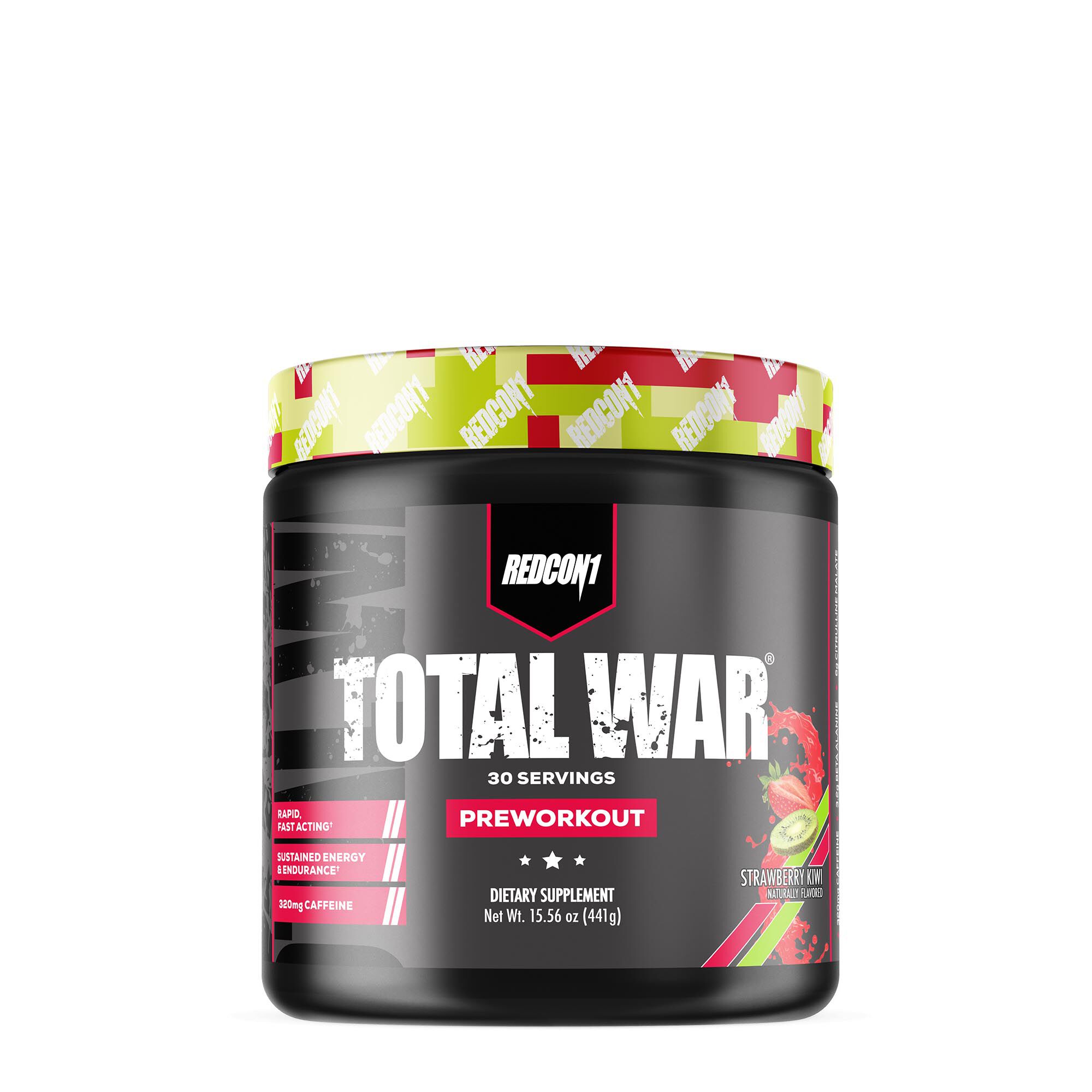

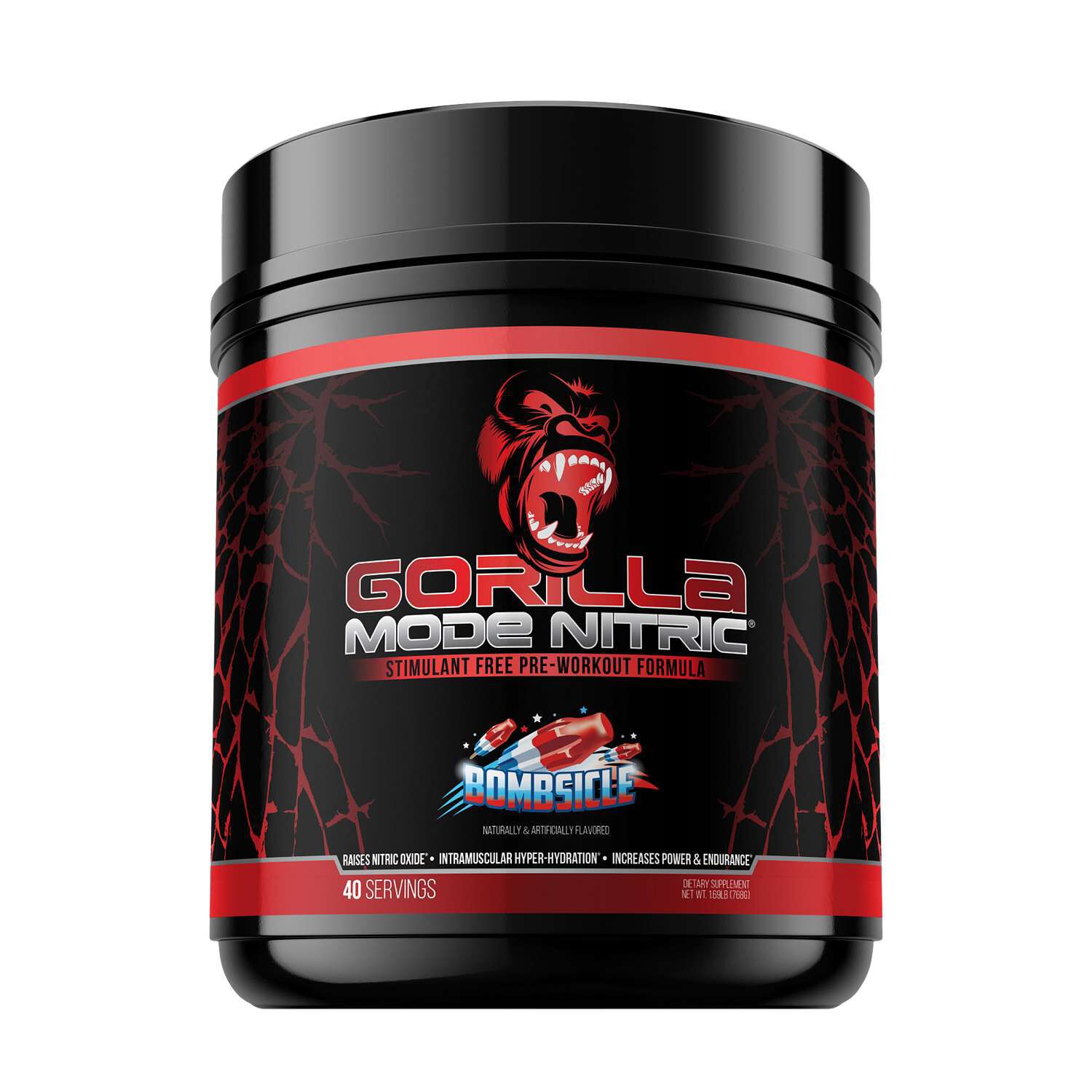
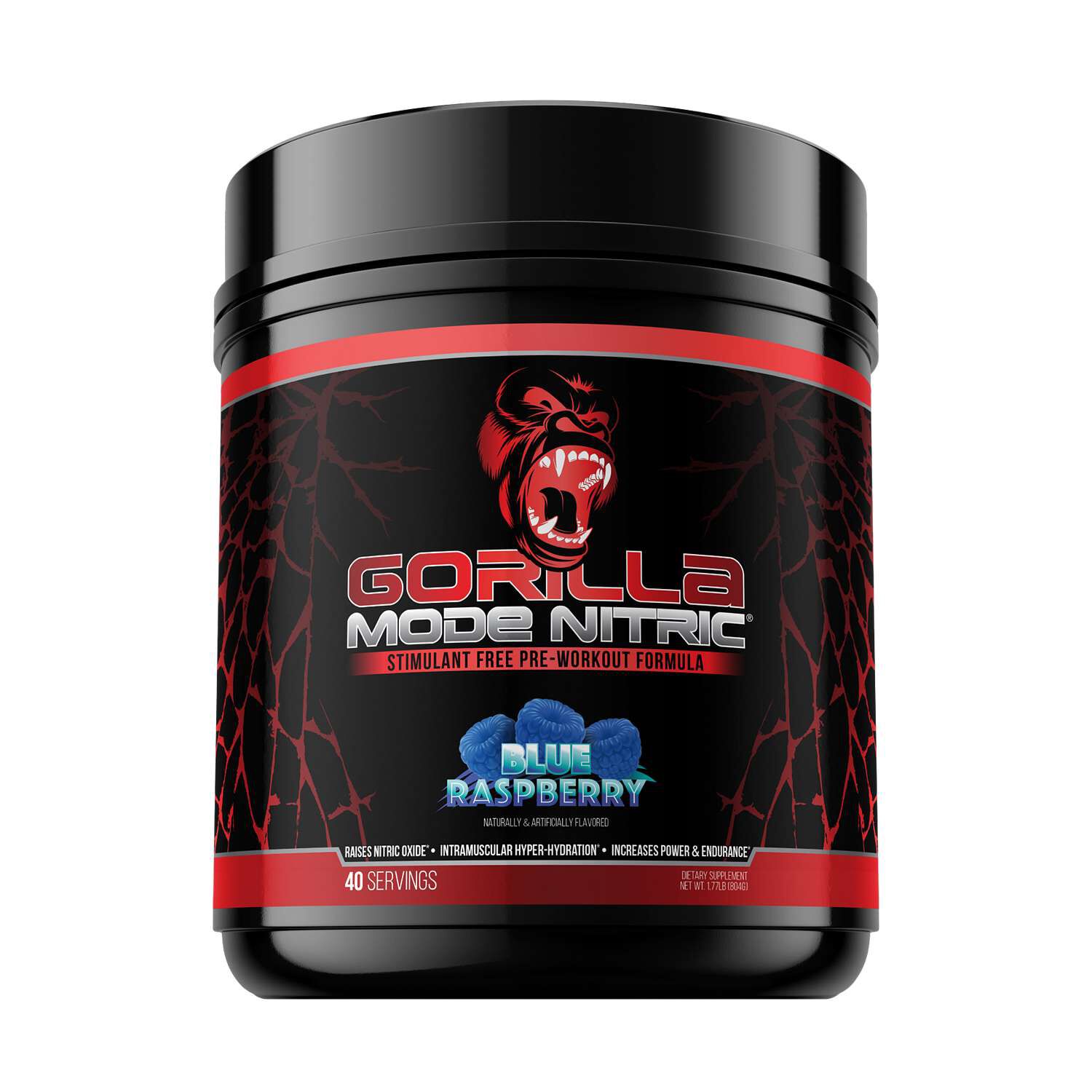
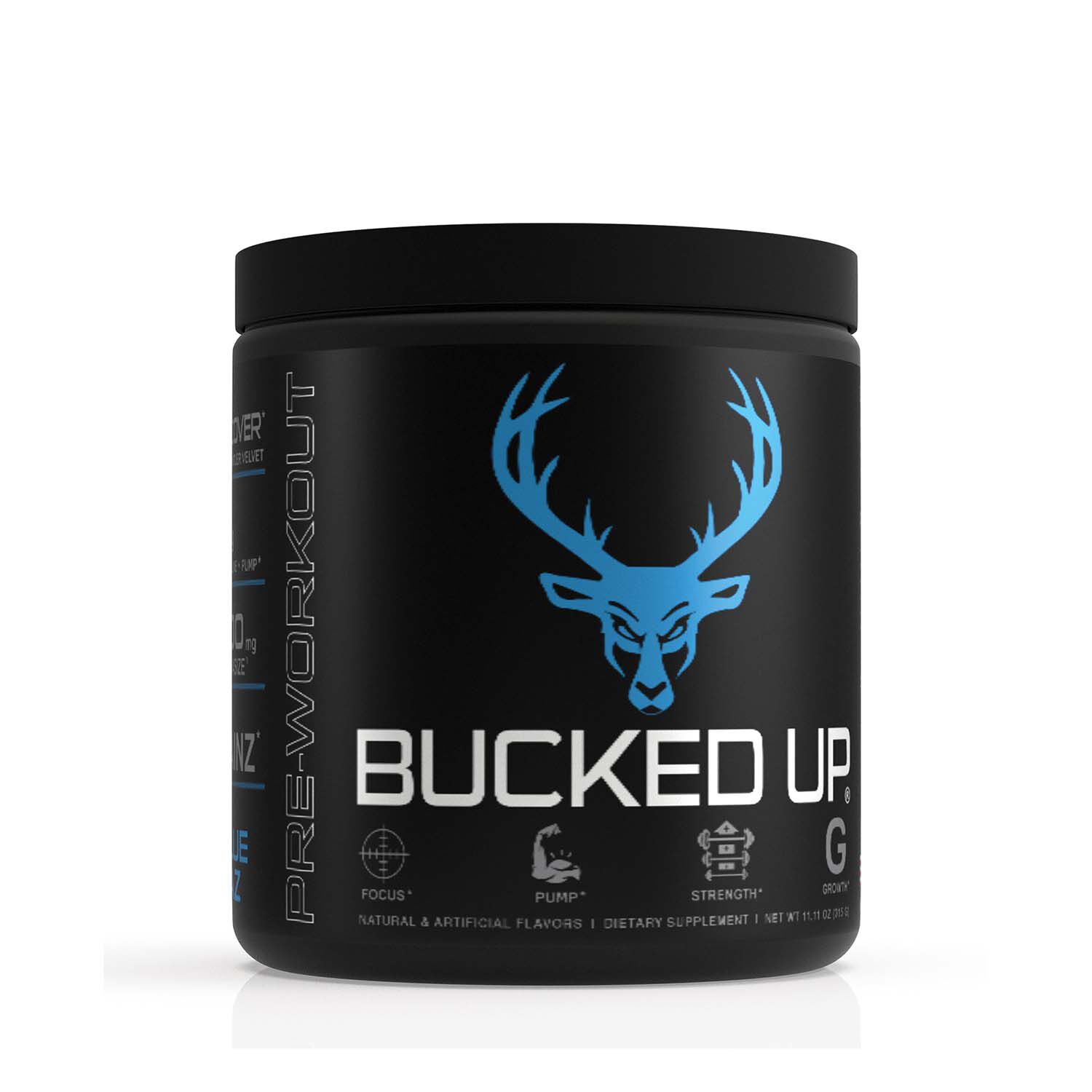


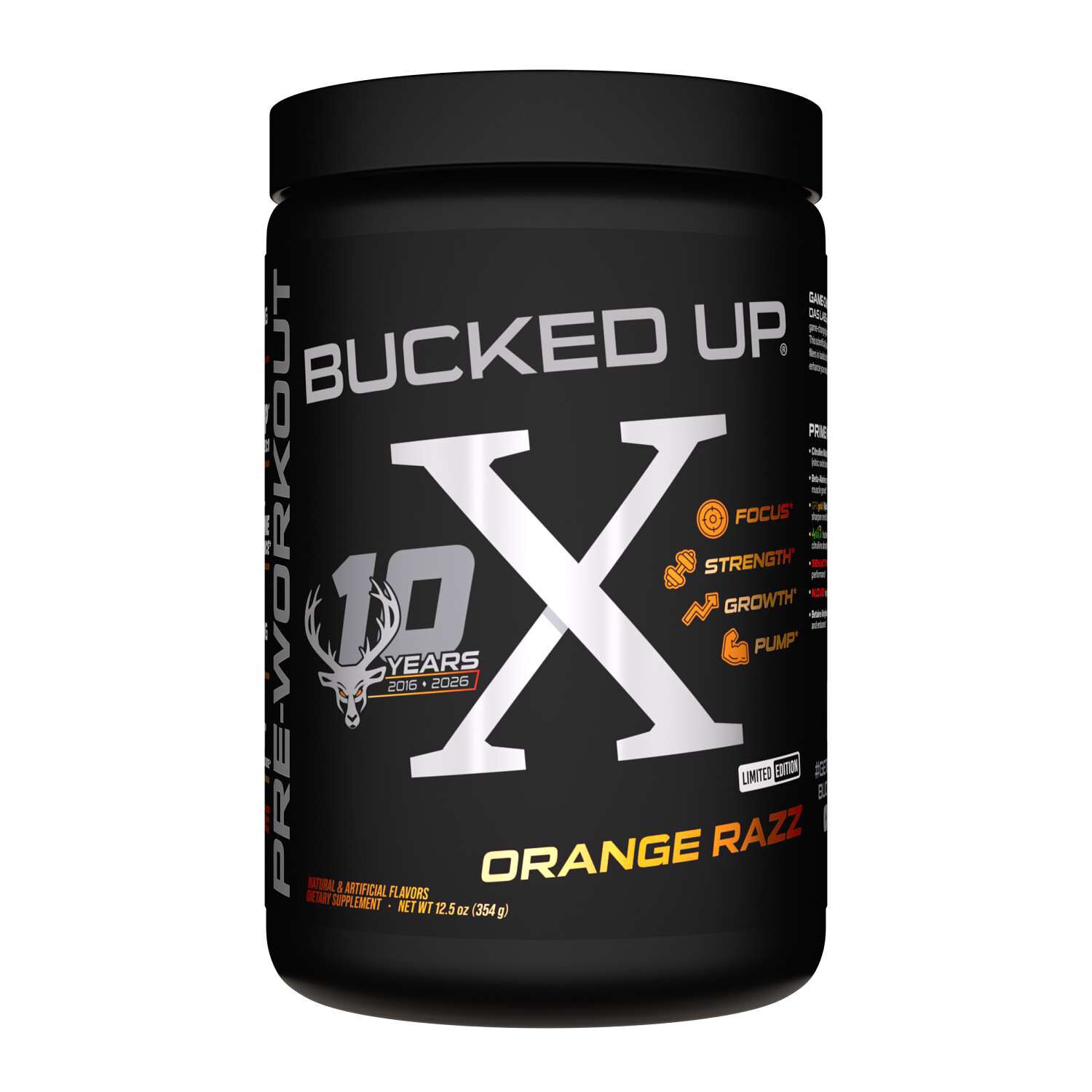
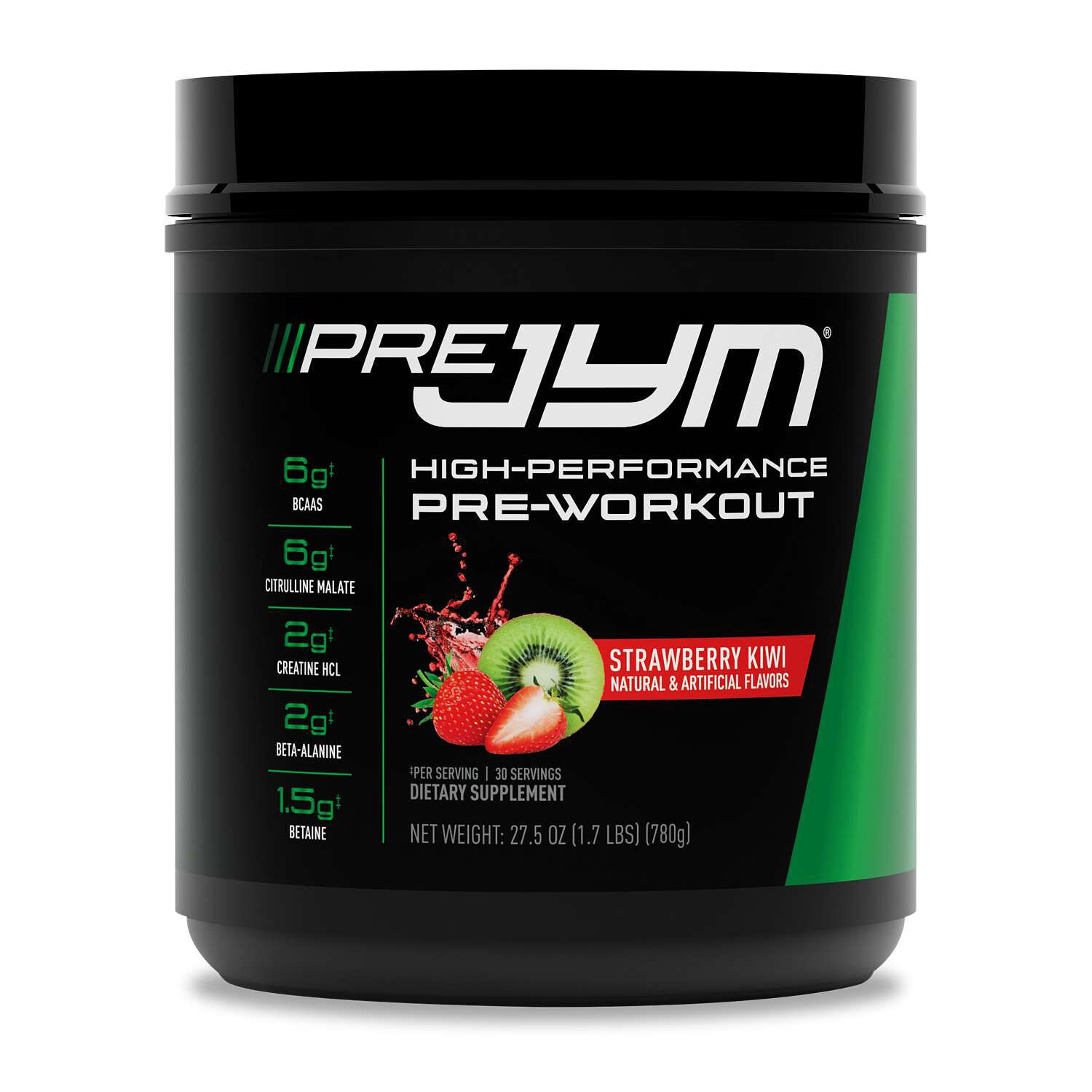


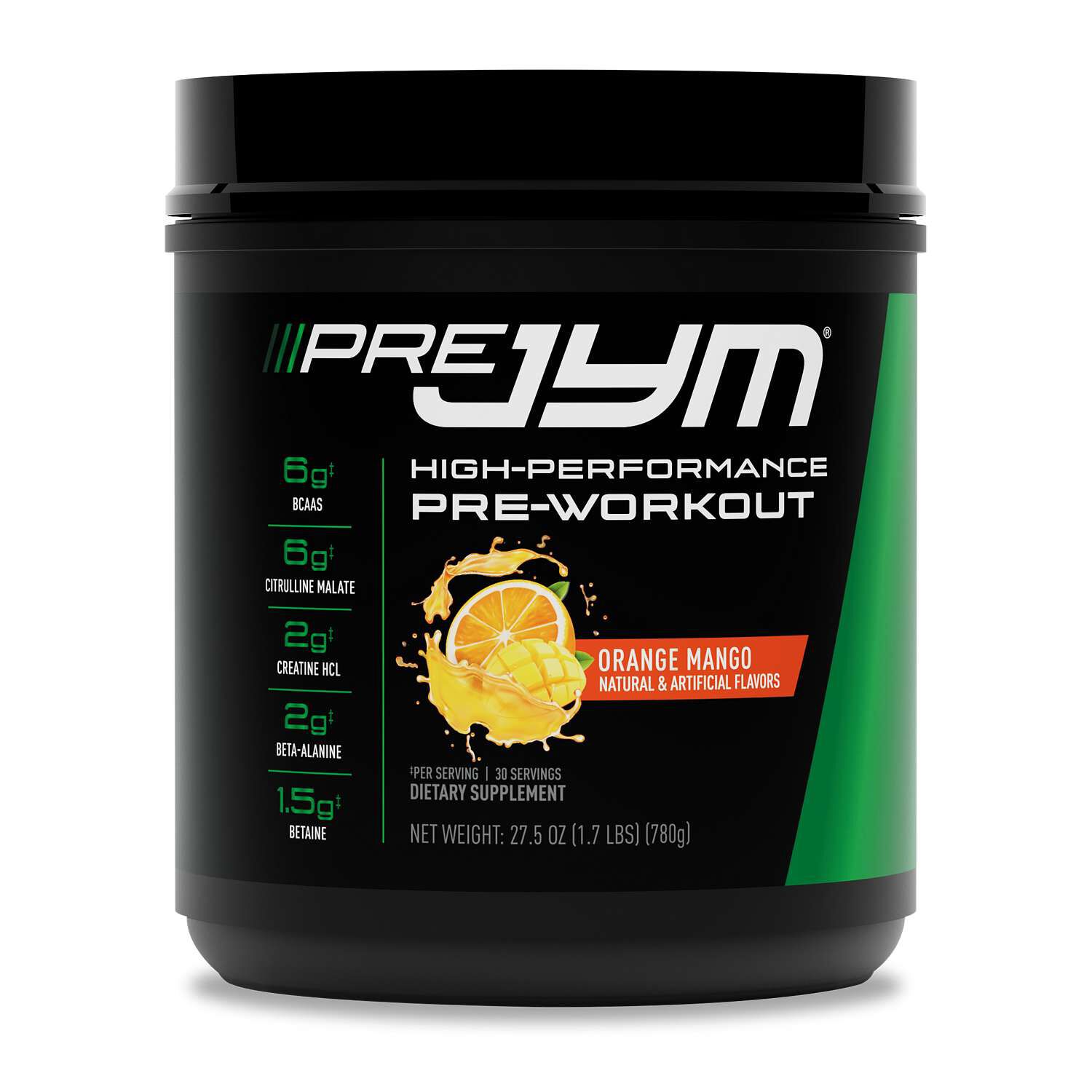
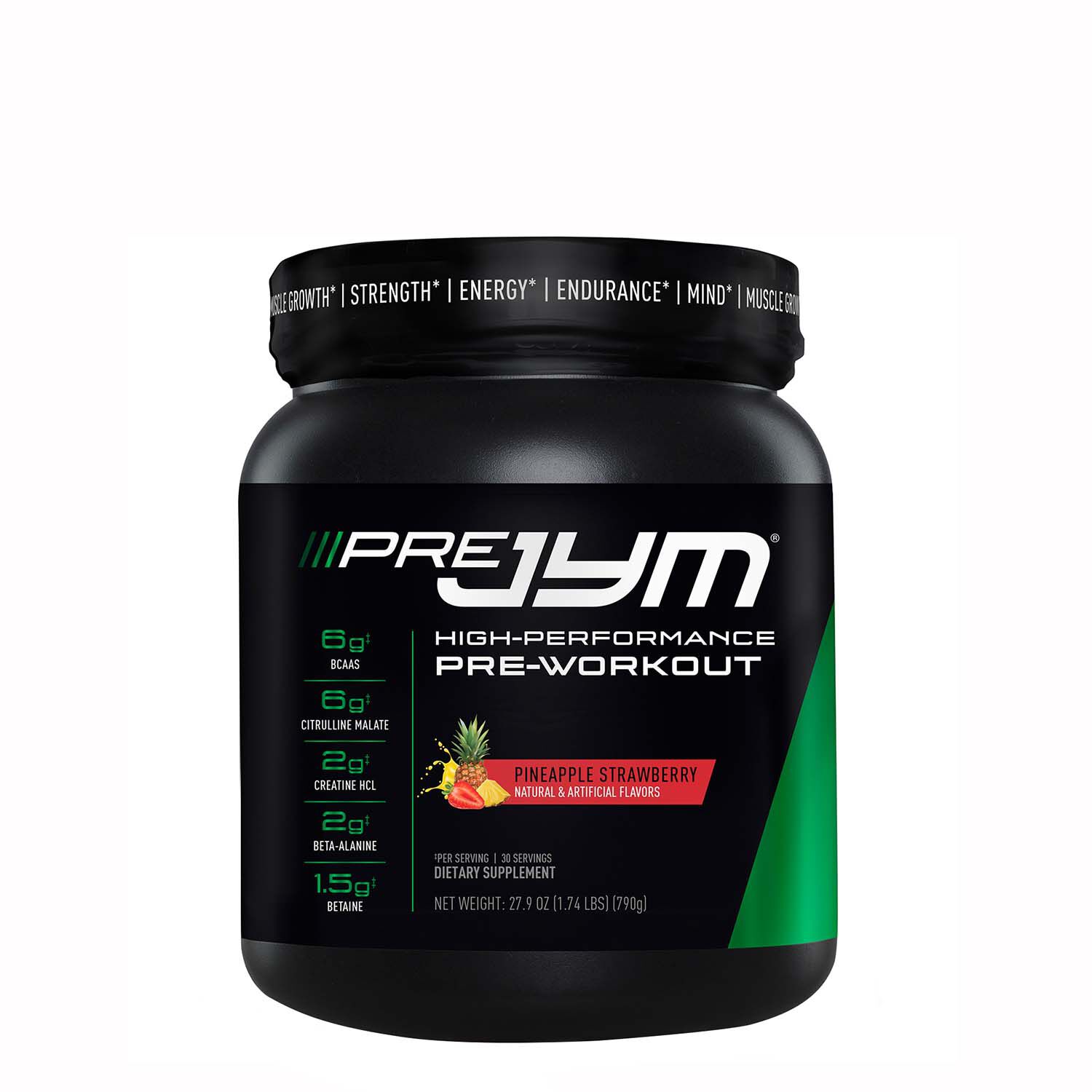

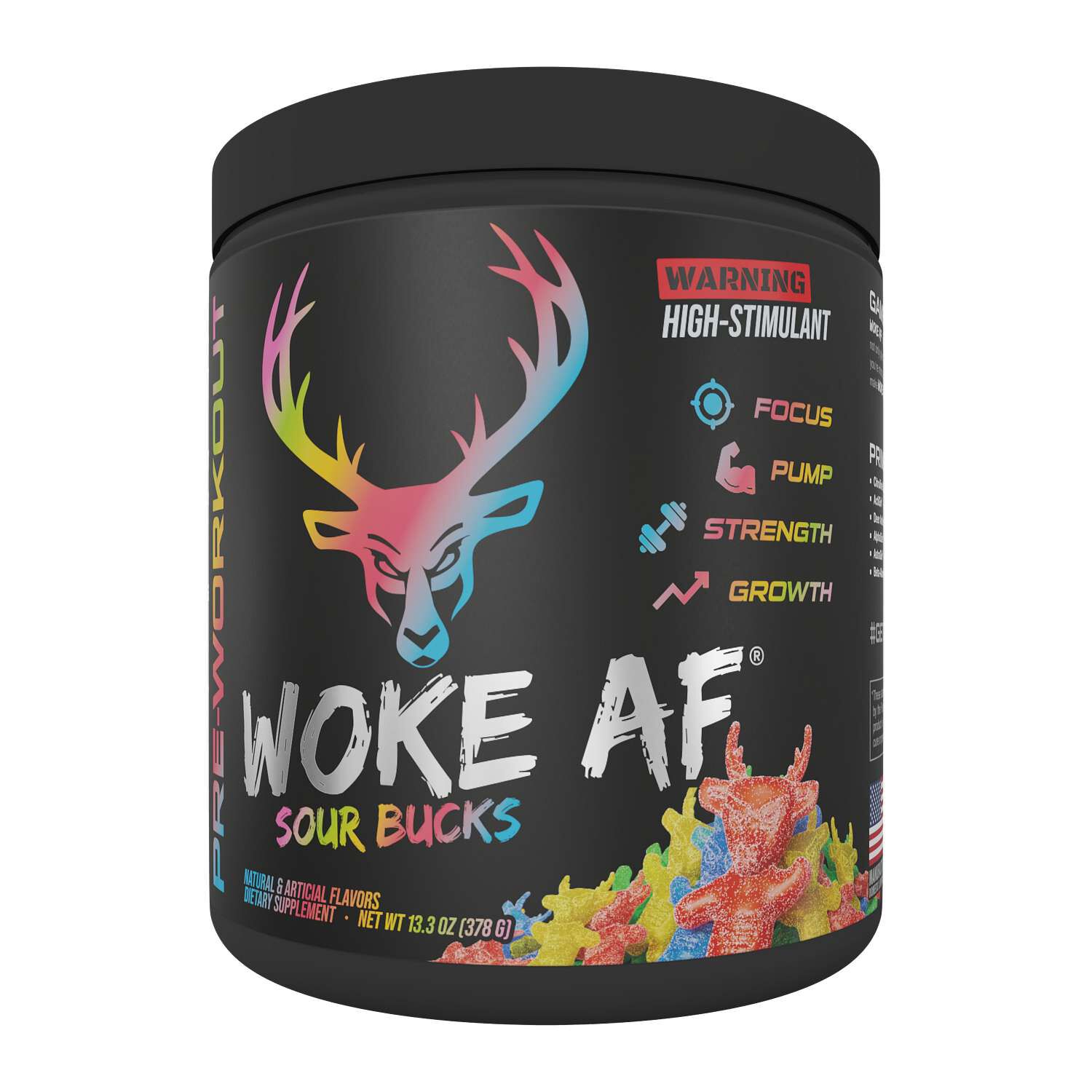
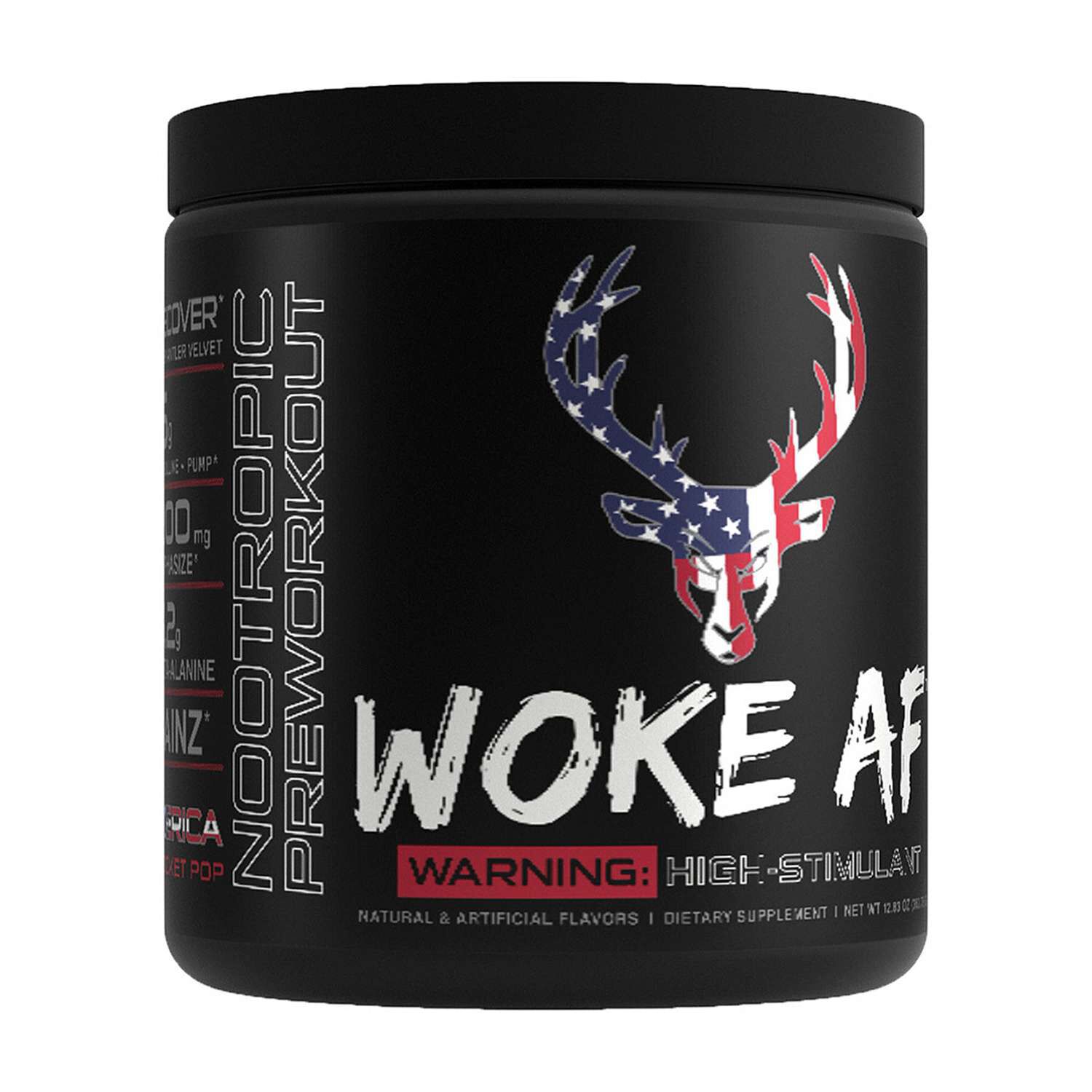
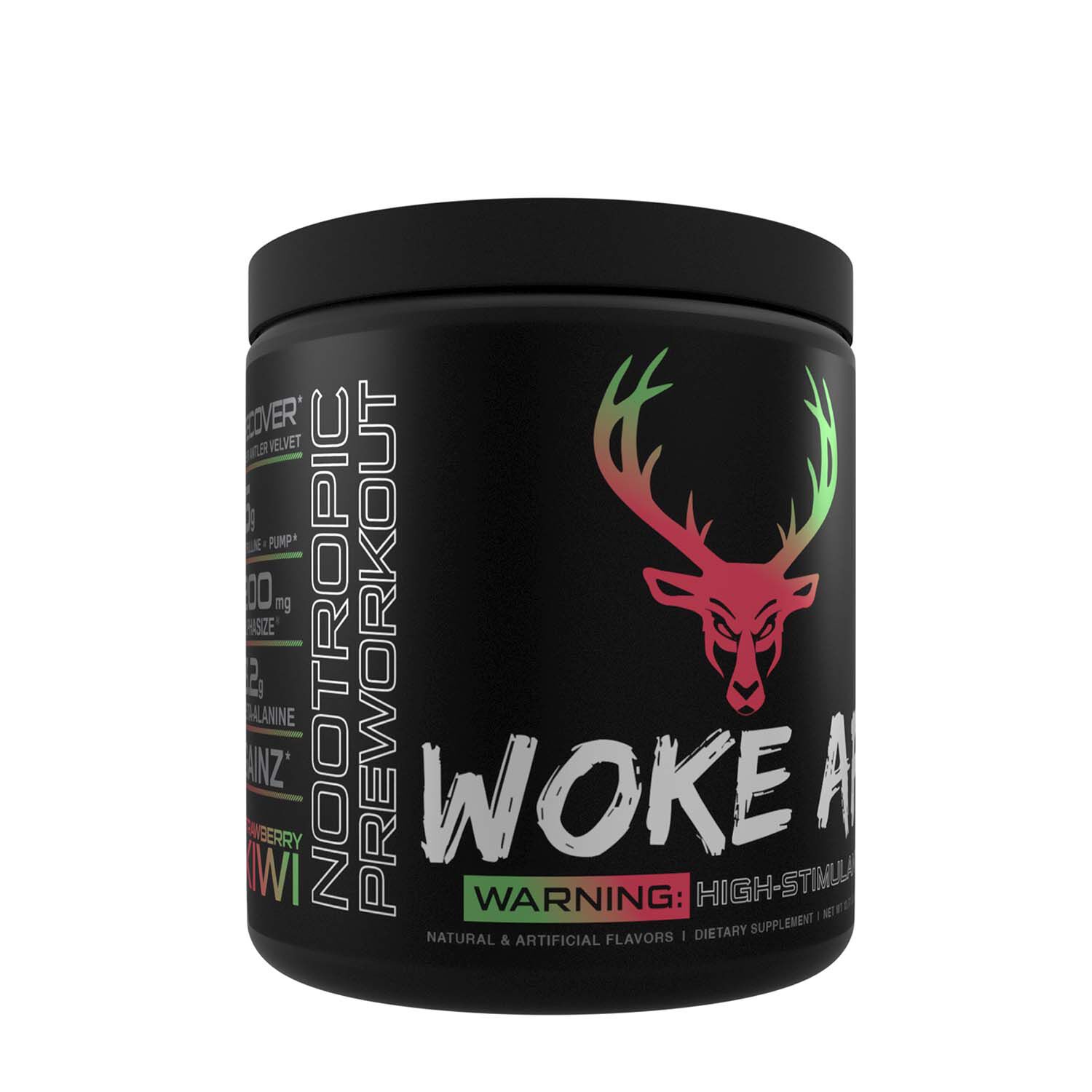
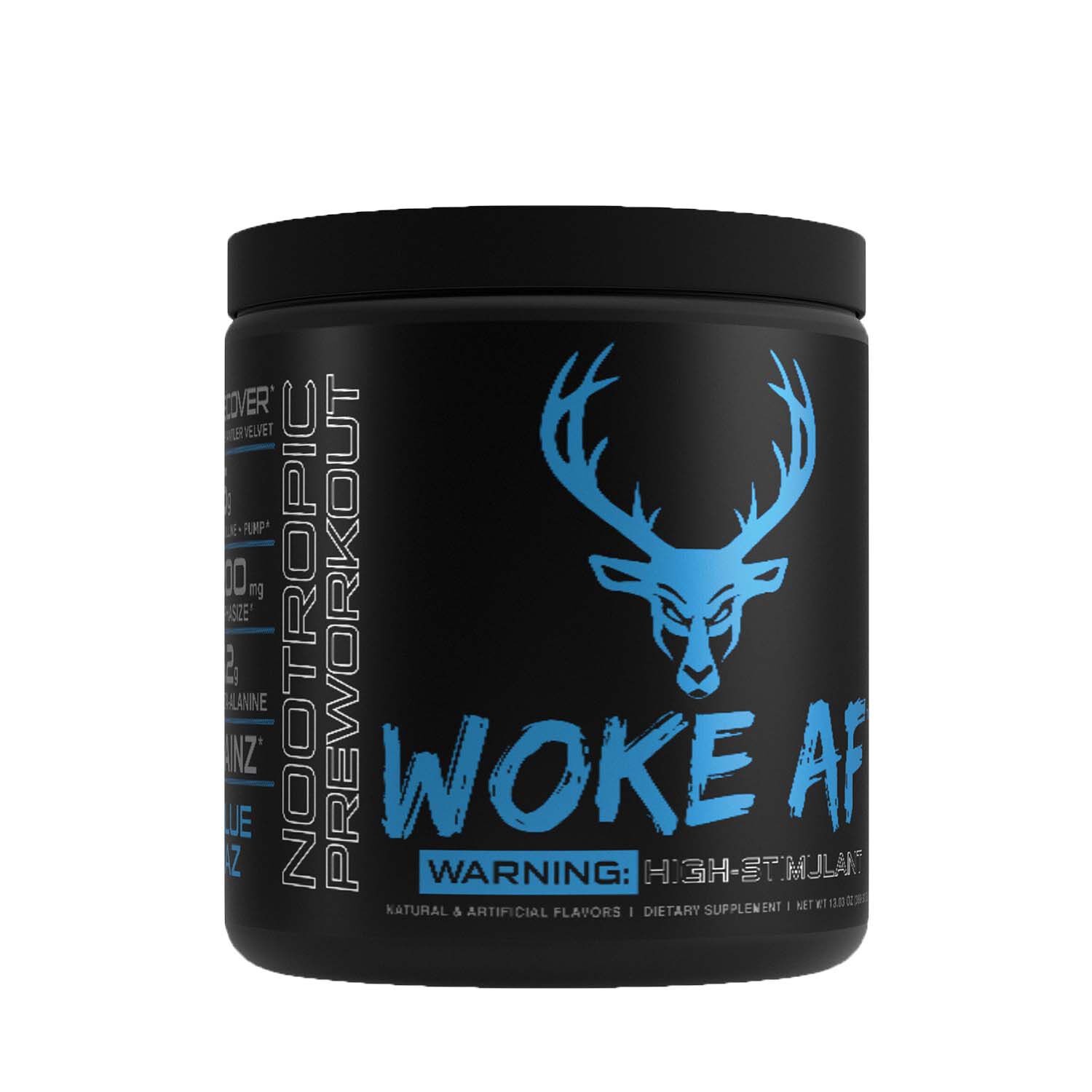

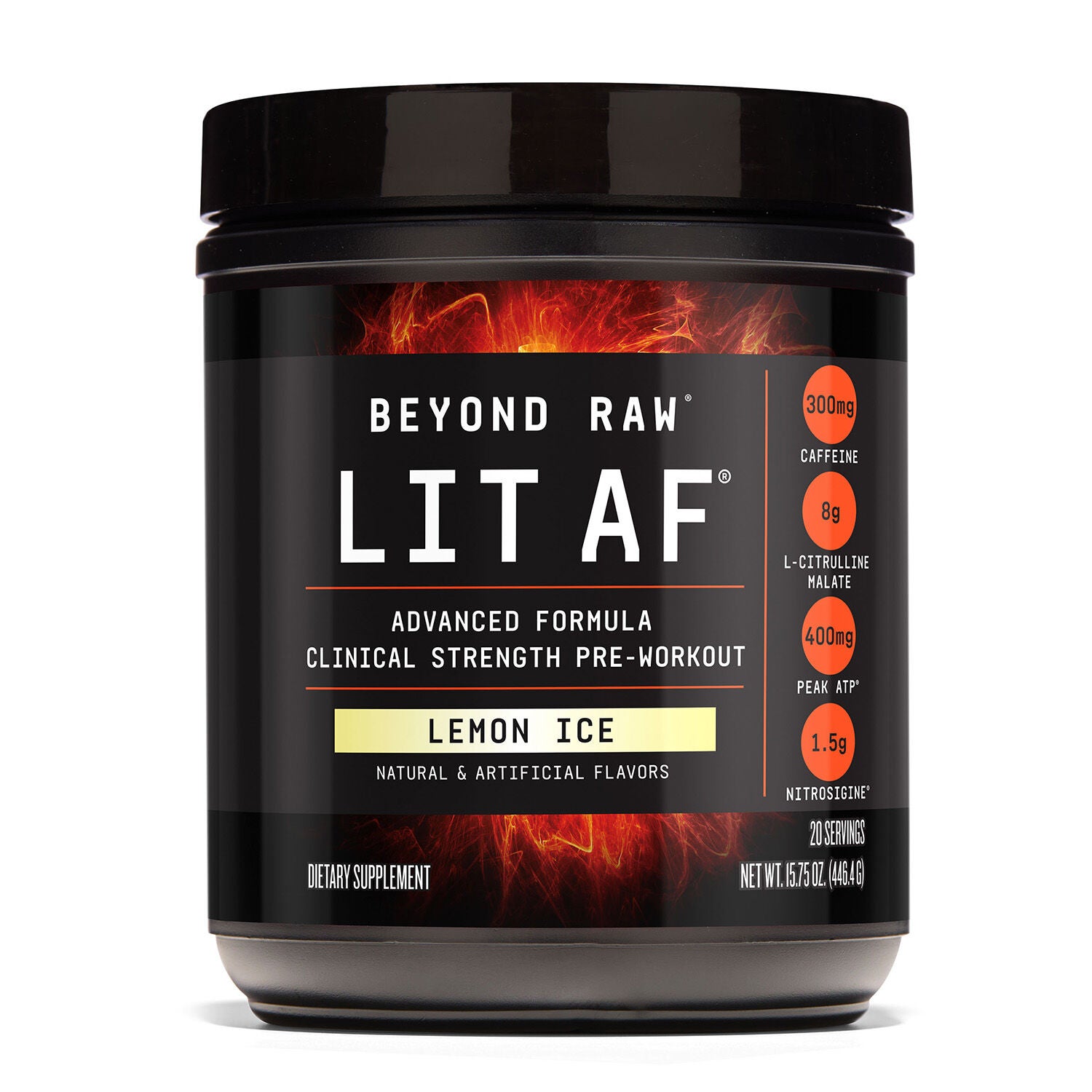
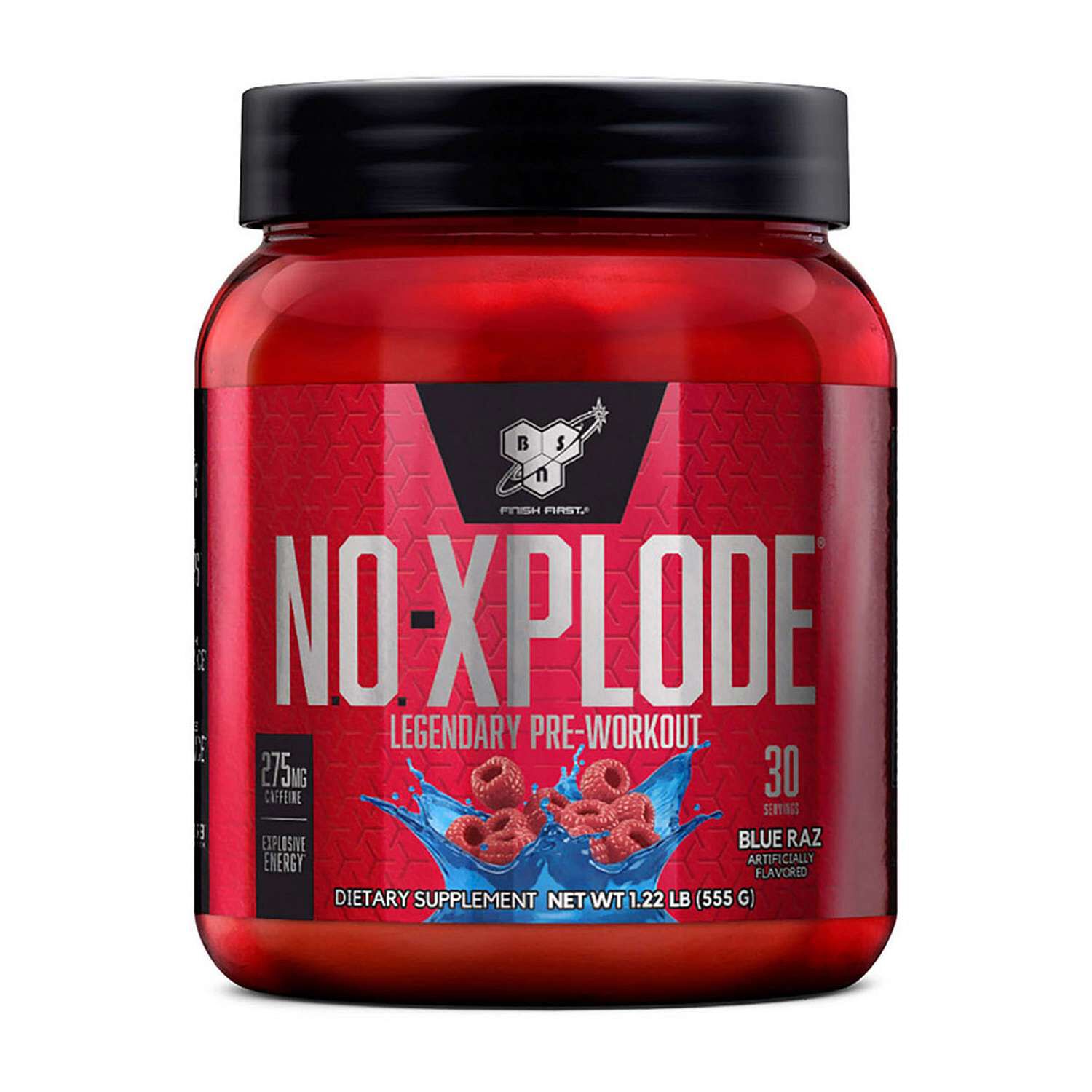
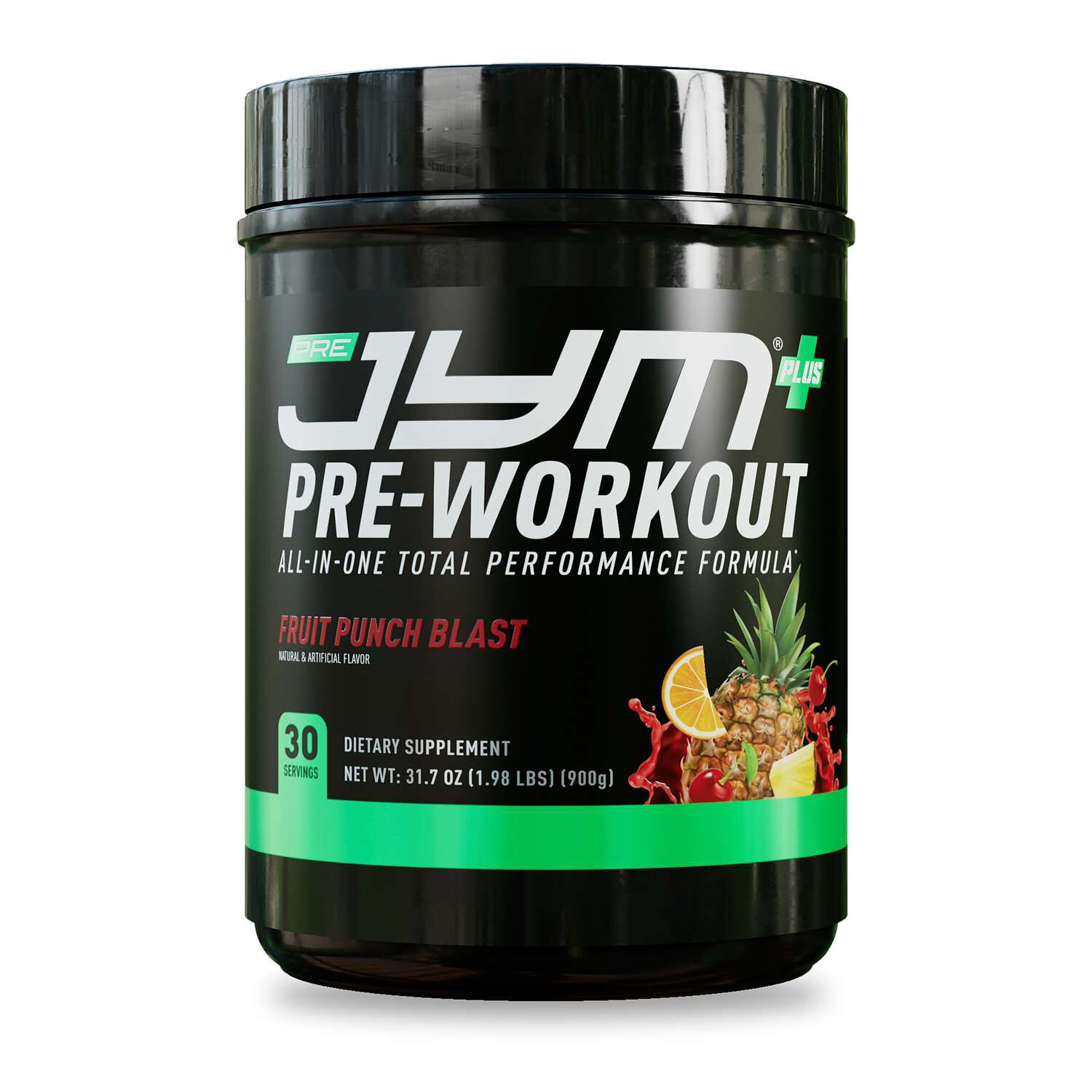

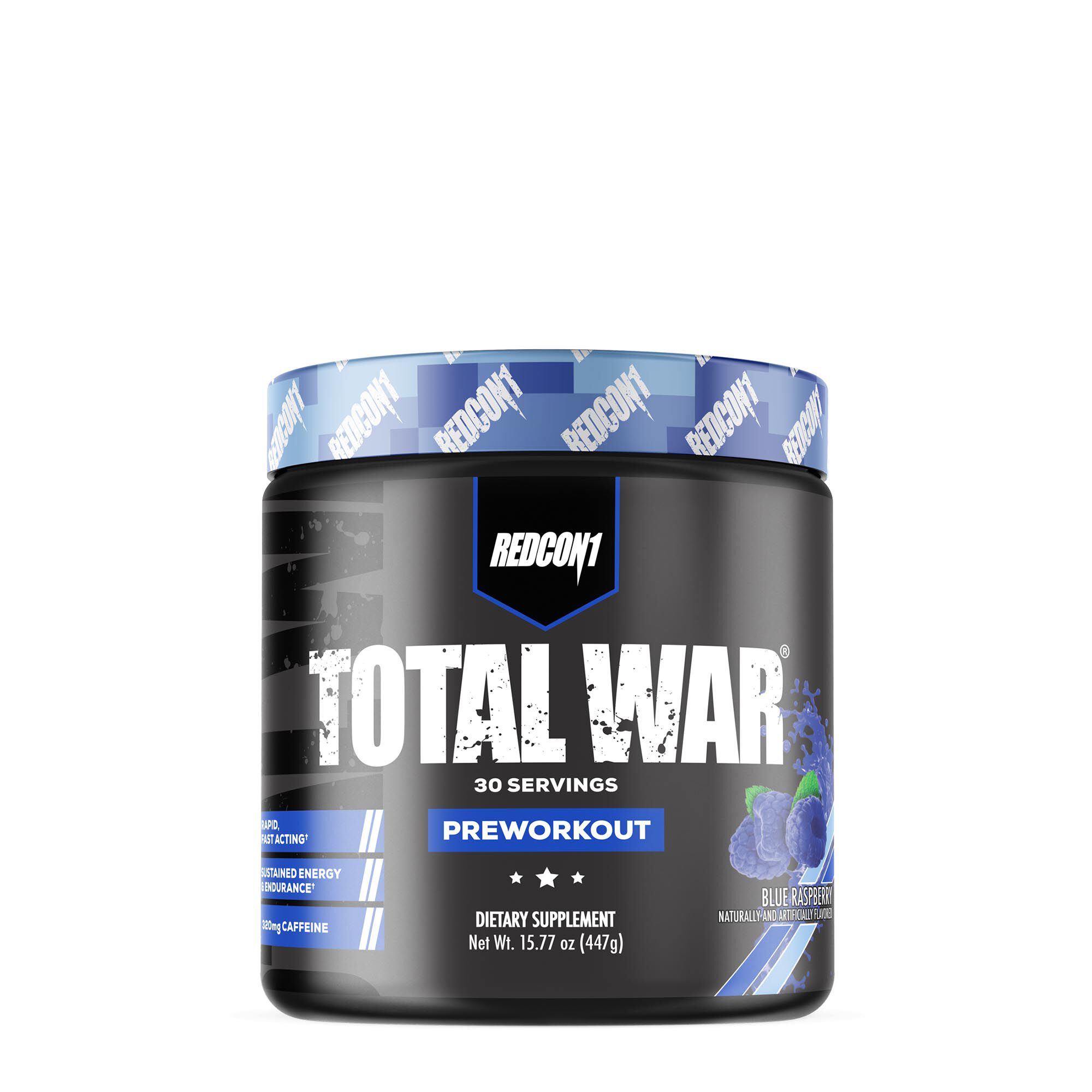
Pre-workout supplements for outdoor workouts bring familiar sports nutrition formats into settings where portability, preparation, and personal preference matter as much as flavor. A paved running loop, a neighborhood field, and a park circuit with benches and resistance bands each create a different setting for a pre-training routine. This category includes powders mixed with water, individual serving packets, ready-to-drink beverages, and chewable formats, with ingredient combinations that vary by intended use. Some formulas contain caffeine, which may support alertness before activity, while others are made without caffeine for shoppers who prefer that approach. Electrolyte ingredients such as sodium, potassium, and magnesium appear in some blends, alongside ingredients such as L-citrulline, beta-alanine, or creatine. Their presence alone does not tell the whole story: serving size, listed ingredient amounts, preparation directions, and the rest of the formula provide useful context for comparing options. For an outdoor workout, a practical match also depends on the session itself. Someone heading to a nearby track can prepare a drink at home, while a person traveling to a trailhead might prefer a sealed packet that stays separate from water until preparation. A ready-to-drink format involves no mixing, though the container still needs room in a bag and a place to go afterward. During the cooler months, a routine might shift from an early morning ride to a lunchtime walk-run or a weekend session on the field. Those changes can make serving format and caffeine preferences especially relevant. Rather than treating every outdoor activity as the same occasion, this category offers different ways to organize the time before movement. The most useful comparison is between a formula’s labeled purpose and the practical details of the workout: where it starts, how long the outing lasts, what can be carried, and whether mixing is convenient. Taste matters here, too, particularly when a drink becomes part of a familiar departure ritual alongside tying shoes, checking the weather, and packing a water bottle.
Ingredient details help distinguish outdoor pre-workout supplements beyond the front label. Caffeine content is one meaningful point of comparison, especially for shoppers whose day already includes coffee, tea, or other caffeinated beverages. A clearly stated amount per serving makes the formula easier to understand, while directions establish how the manufacturer intends it to be used. Products made without caffeine offer another category to explore without assuming that every pre-workout needs the same ingredient profile. Amino acids and related compounds also appear in varied combinations. L-citrulline and beta-alanine are common names on pre-workout labels, and some blends include creatine; each formula deserves consideration on its own rather than being judged by a single familiar ingredient. For electrolyte-containing pre-workouts, the actual amounts of sodium, potassium, and magnesium are more informative than a general reference to minerals on the package. These formulas remain distinct from plain water and from products developed specifically for use during activity. A pre-workout does not replace the water, food, clothing, or other supplies an outdoor outing calls for. Carbohydrate and sugar content, sweetener choices, and dietary labeling offer additional ways to narrow a selection according to personal preferences. Someone who enjoys a lightly flavored drink before a brisk neighborhood circuit may look for a different taste profile than someone who prefers a tart fruit flavor before training on the track. Texture and mixing directions matter as well: a powder intended for a particular volume of water may taste different when prepared in a smaller bottle. Comparing products using their labeled serving sizes keeps those differences visible. For activities that overlap with warm-weather recreation, Pre-Workout Supplements For Summer Sports offers a related category to explore. Across outdoor settings, ingredient transparency and a format that suits the routine provide a more useful basis for selection than dramatic language or the assumption that a longer ingredient list automatically makes a formula a better match.
Packaging and care become particularly noticeable when supplements leave the kitchen counter. A larger powder container suits a routine built around preparing a serving before departure, while individual packets take up less space in a day bag and keep portions separately packaged. Ready-to-drink containers remove the need for a scoop and mixing vessel, but their size and weight matter when everything must be carried from the parking area to the workout location. Chewable formats have their own serving directions and storage requirements, making the label just as important as it is for a powder or beverage. For any format, a securely closed package and storage that follows the manufacturer’s instructions matter more than rugged-looking graphics. A supplement container is not outdoor equipment, and it should not be assumed to withstand moisture, rough handling, or prolonged temperature changes simply because it fits in a backpack. Powder preparation also involves the container used for mixing. A bottle with a secure lid, readable volume markings, and an opening that accommodates the powder can make preparation less awkward on a picnic table or beside a parked car. Cleaning and drying reusable mixing equipment according to its care directions helps keep the next serving separate from the remnants of the last one. These small practical details can shape whether a format belongs in a regular routine or feels cumbersome after a few outings. Adults who alternate between indoor training and outdoor sessions may value a familiar powder, while those whose workouts begin away from home may place more emphasis on individually packaged servings. Runners, cyclists, recreational team-sport participants, and people who enjoy outdoor strength circuits can all have different preferences without needing a separate formula for every setting. For a gift, known flavor preferences and an established supplement routine are more useful starting points than guessing about ingredients. Ultimately, choosing among pre-workout supplements for outdoor workouts is about matching labeled information, preparation needs, and personal taste to the way an outing actually unfolds—from the bottle filled before leaving home to the empty packaging carried back afterward.