

Pre-Workout Supplements For Summer Sports
(0 Results)
Fueling up for summer activities could make all the difference in your performance and endurance. Pre workout supplements for summer sports are designed to support your warm-weather training routine, whether you're hitting the field, court, or trail. With a variety of options available, you may find just what you need to help you stay energized and motivated all season long. Explore how pre workout supplements for summer sports might fit into your active lifestyle and help you prepare for every game, match, or adventure ahead.
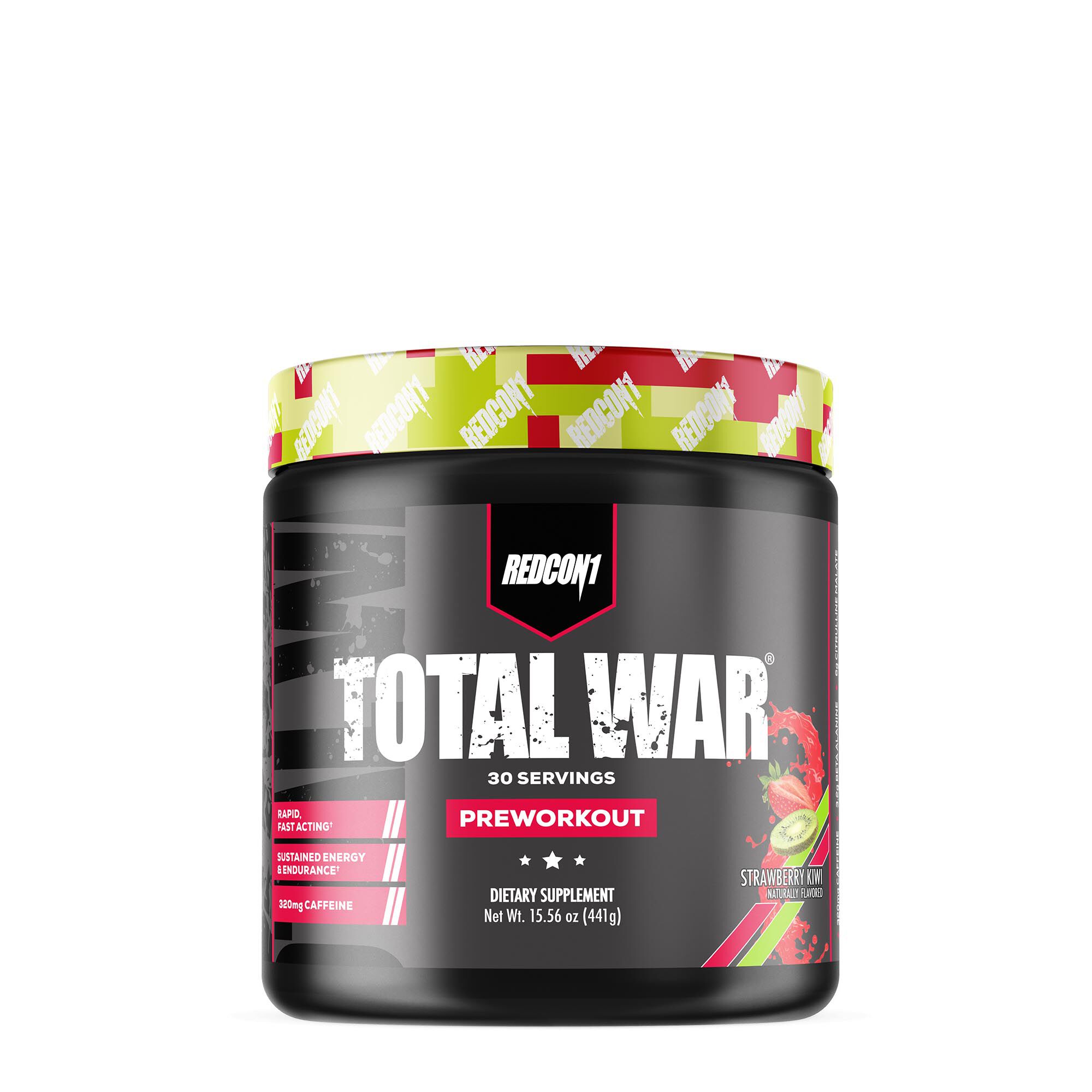
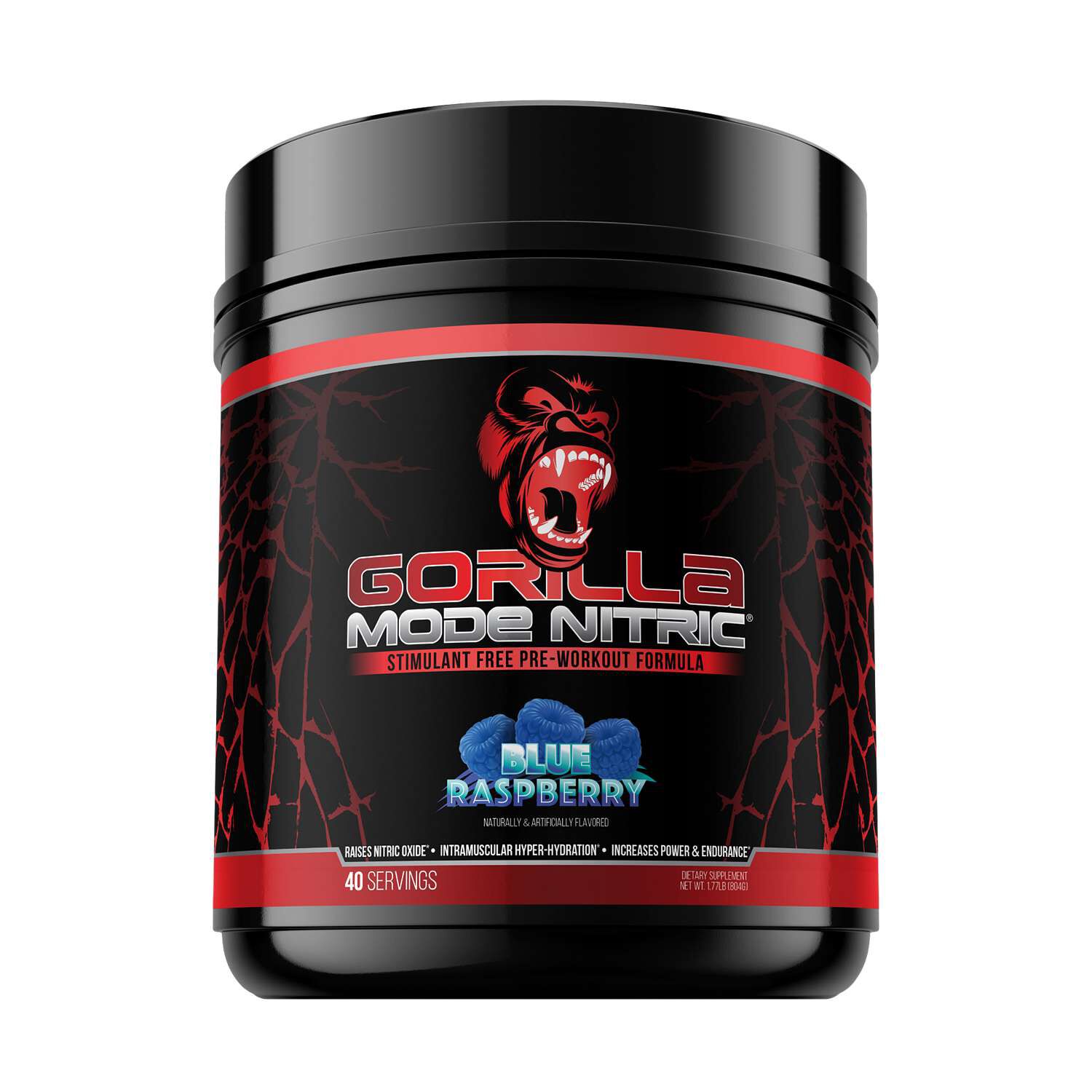


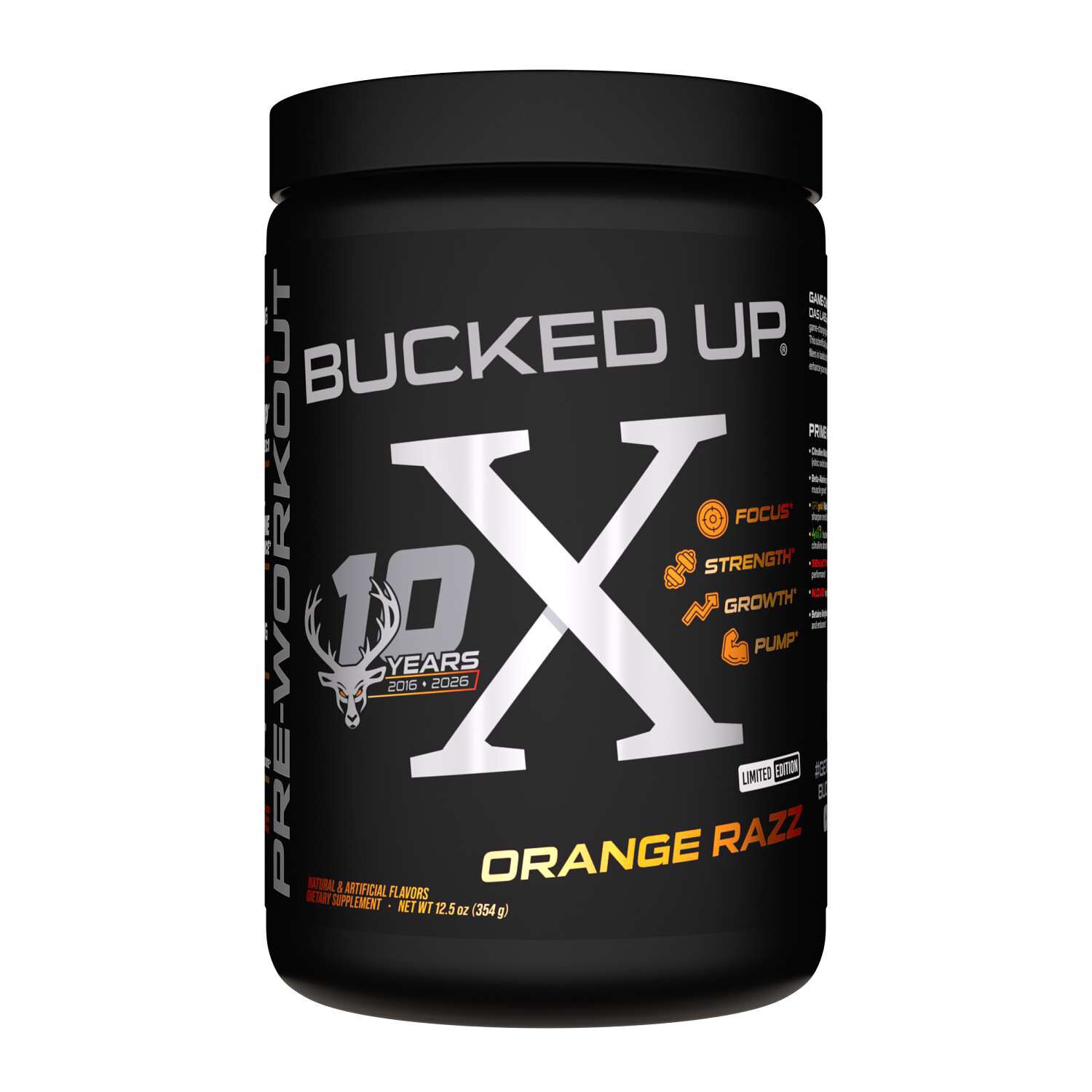
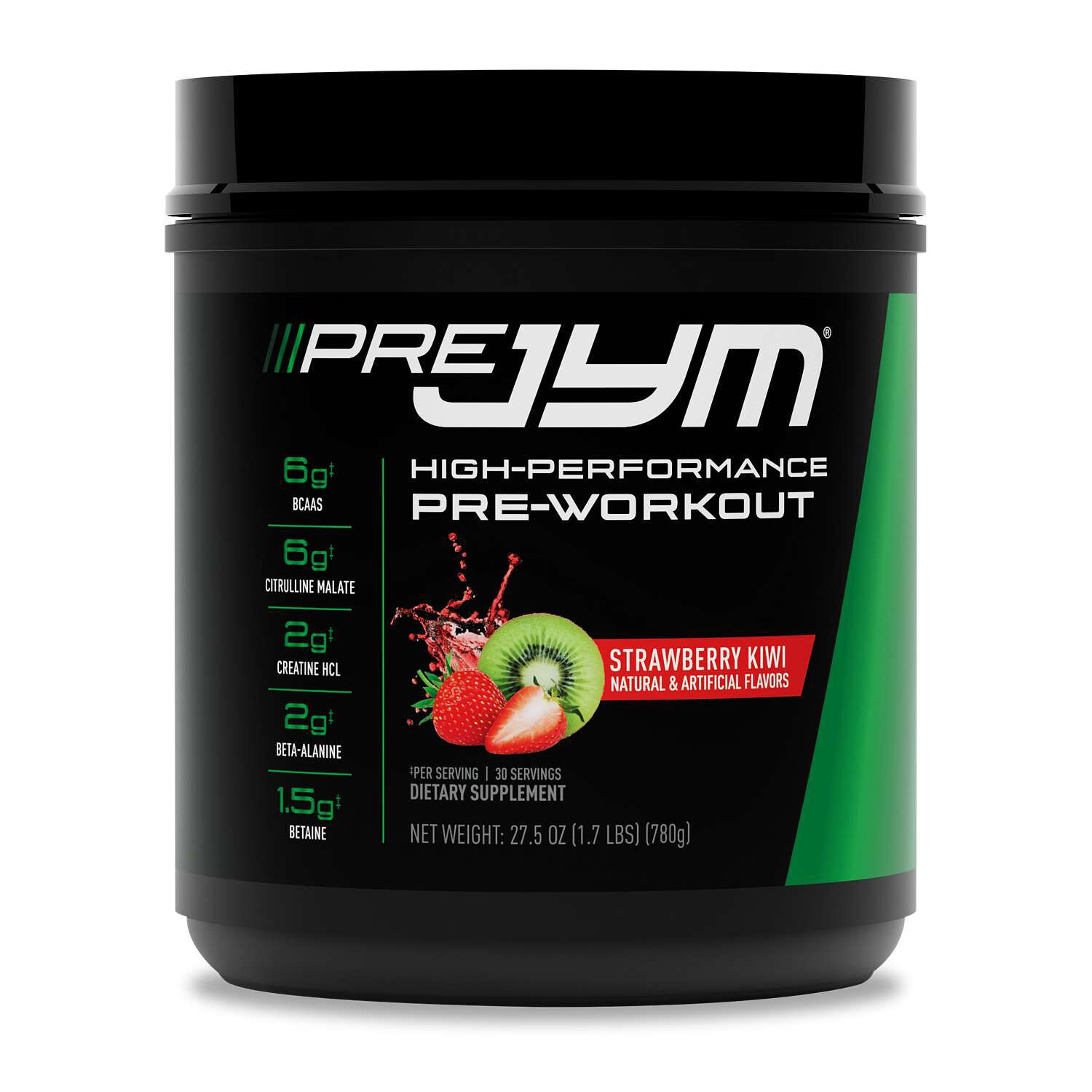


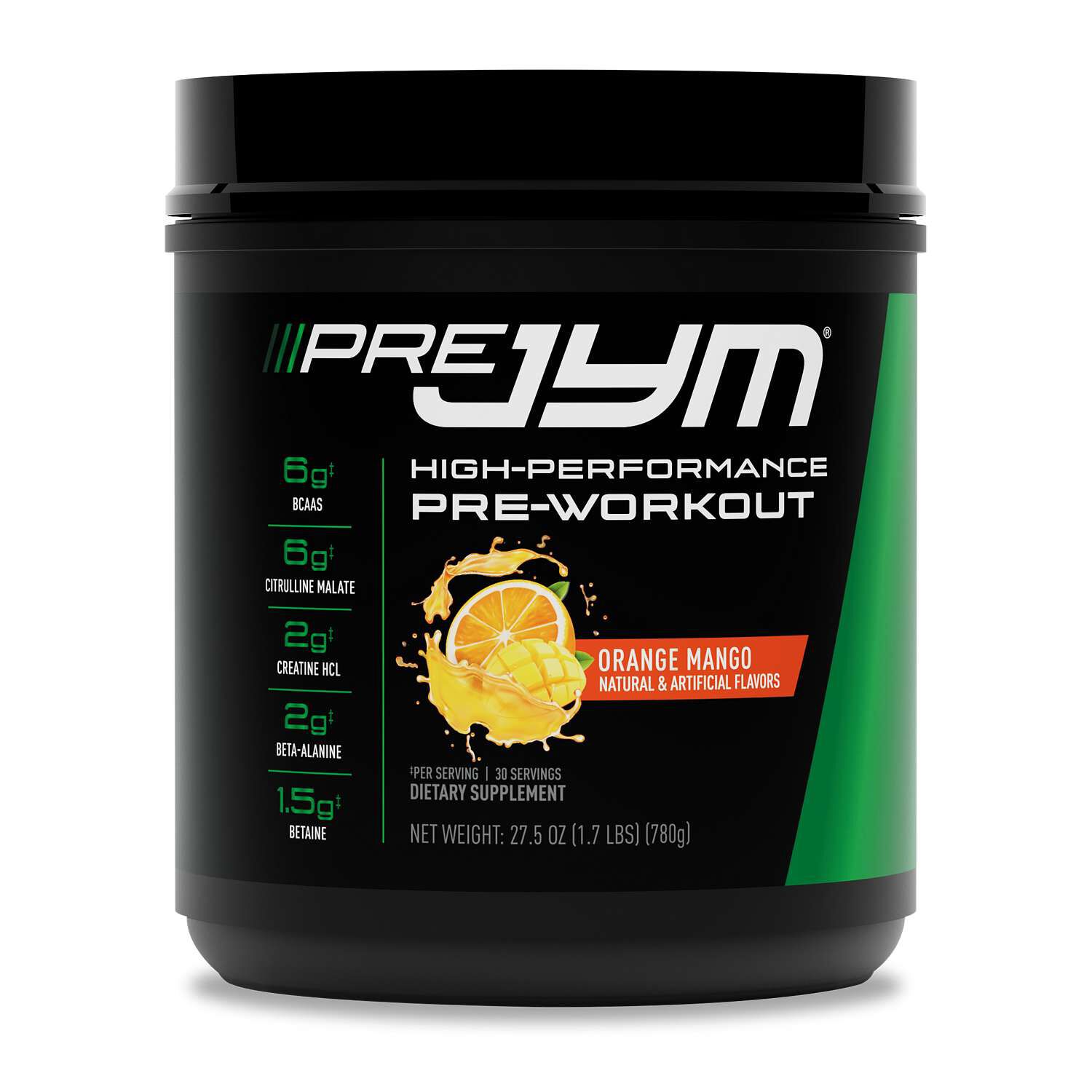
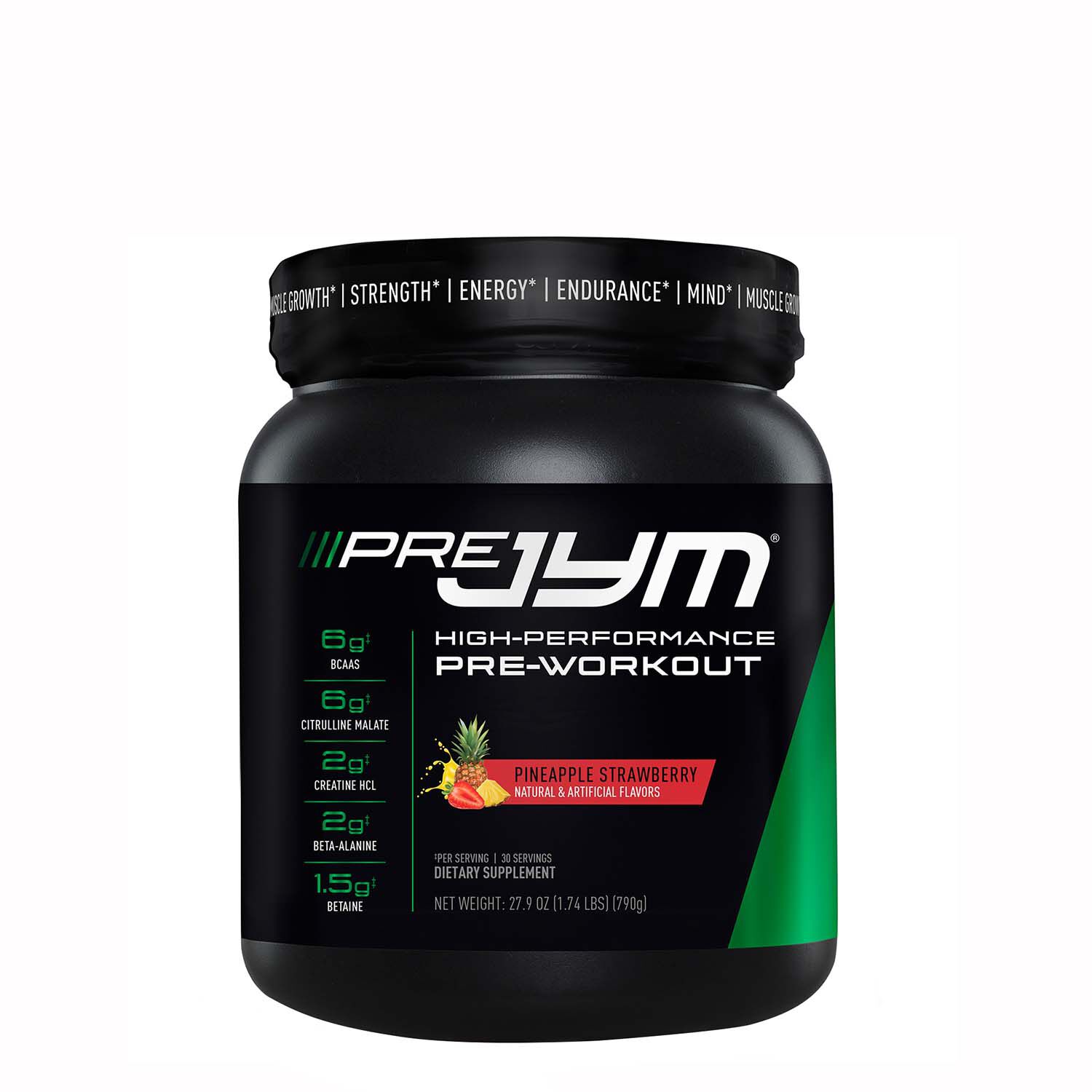

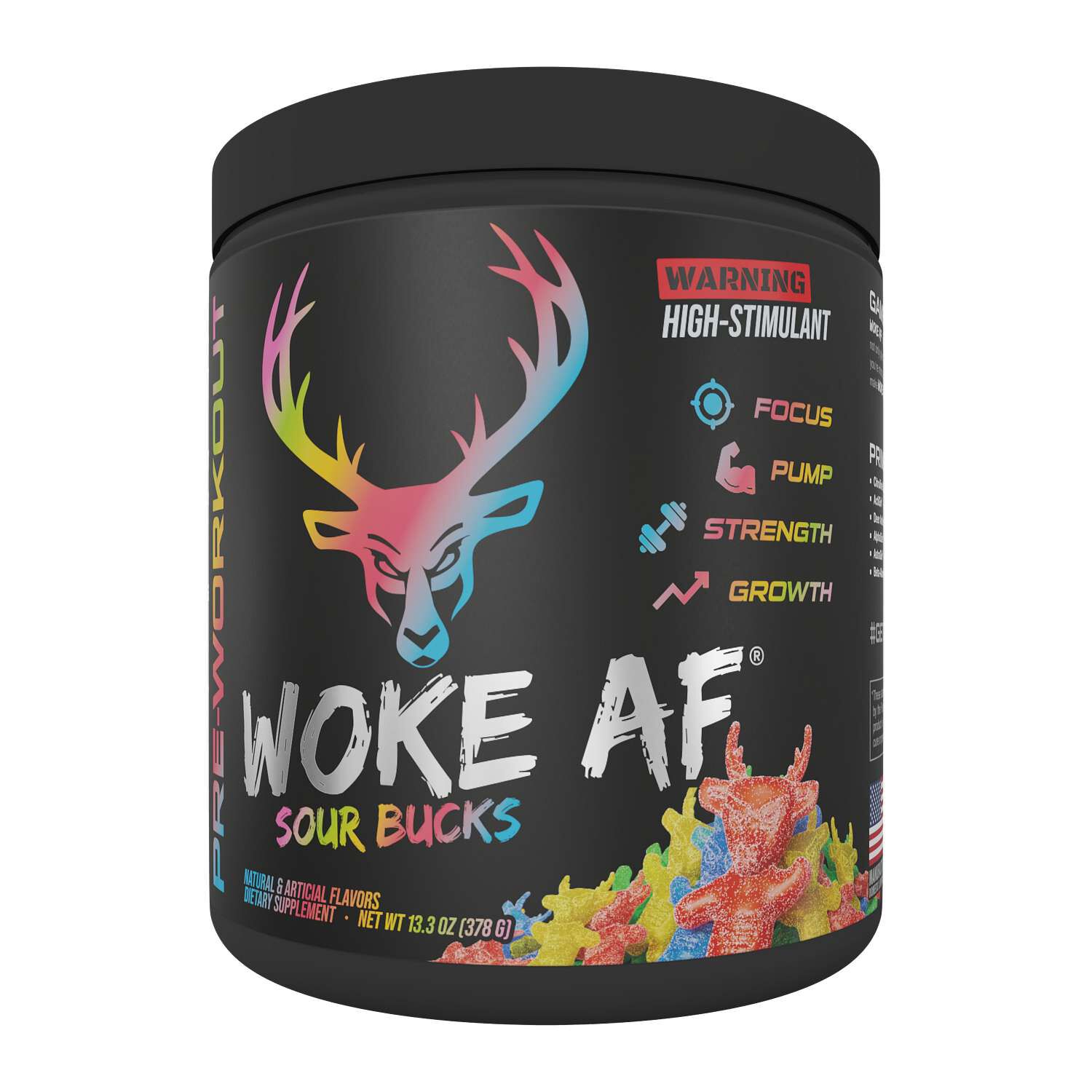
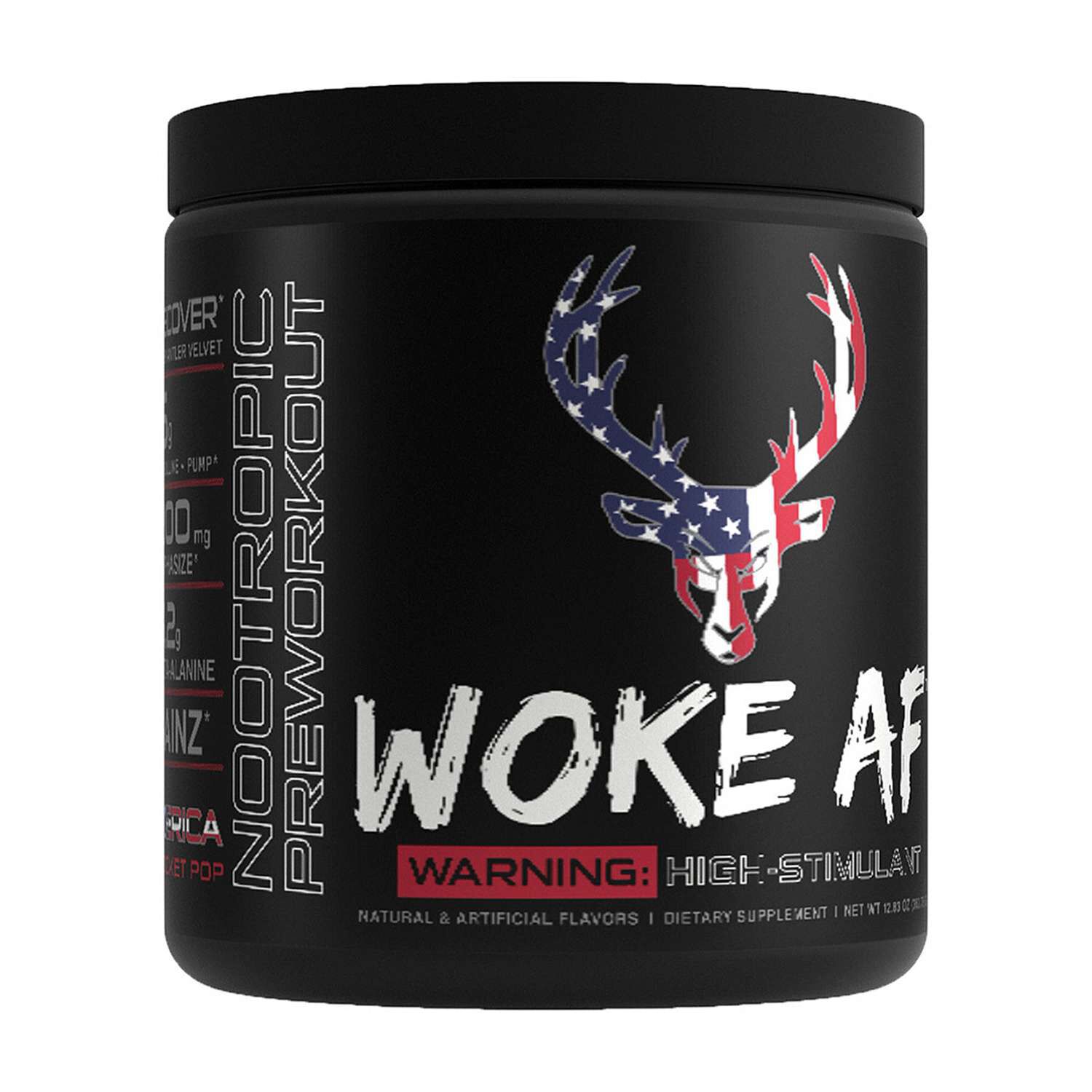
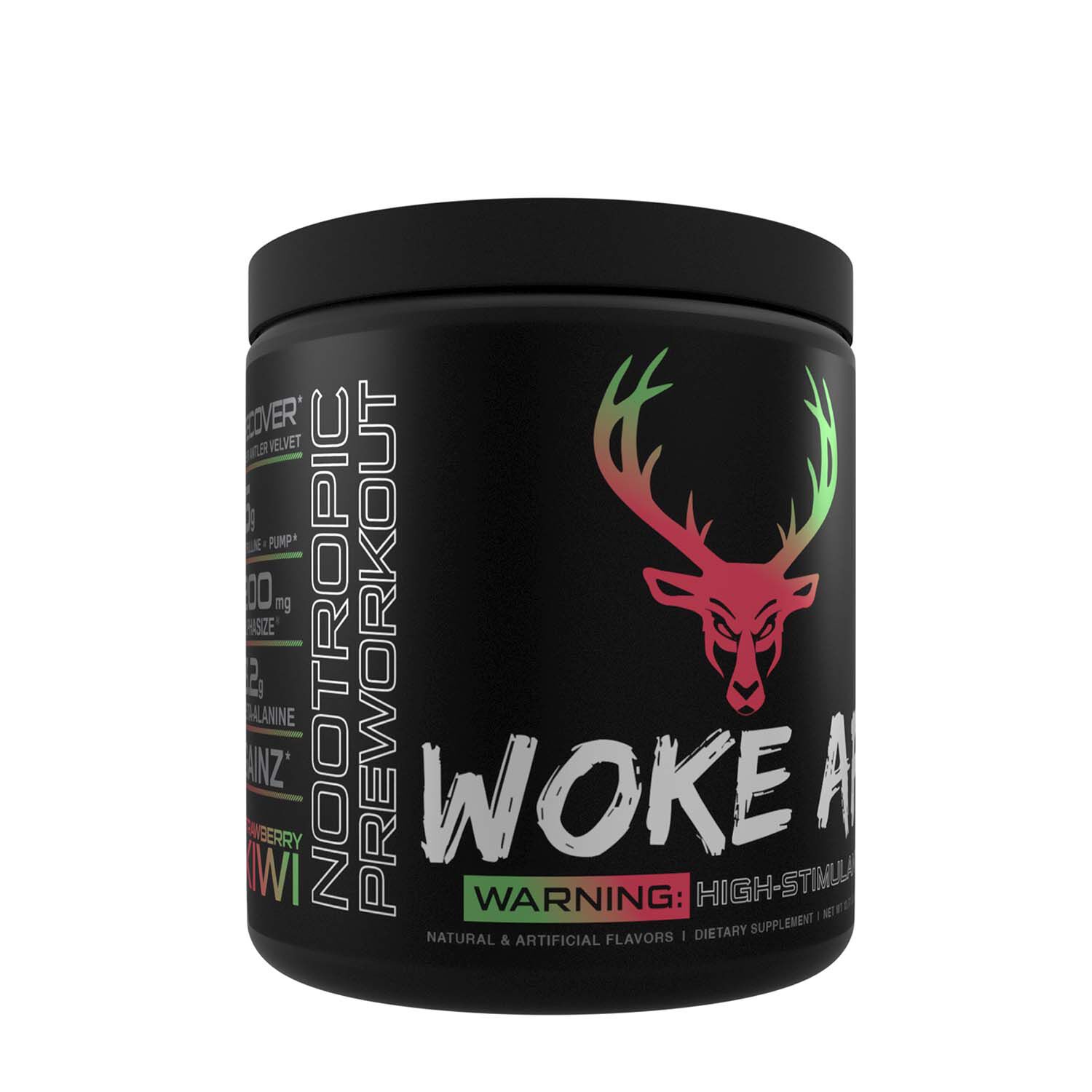
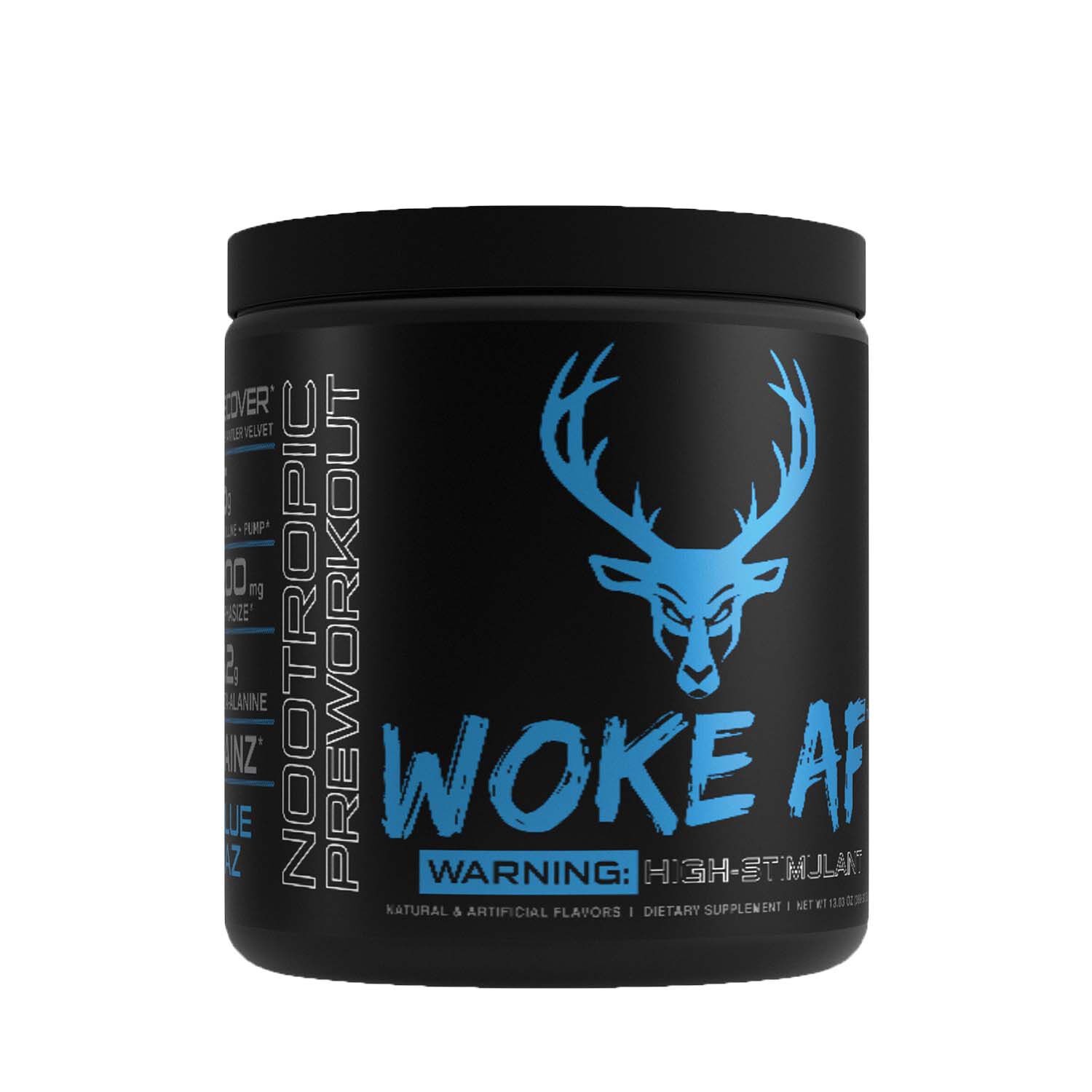

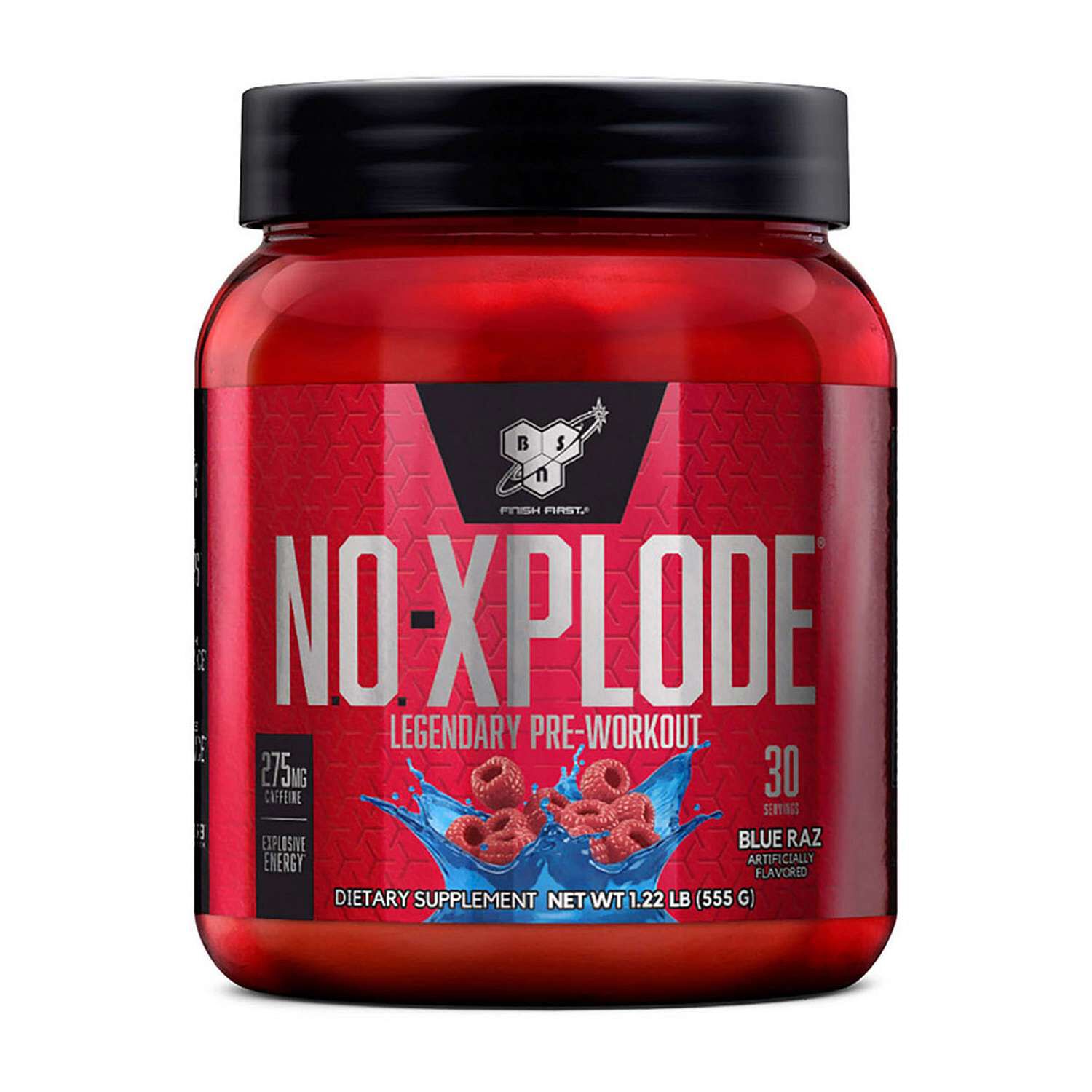
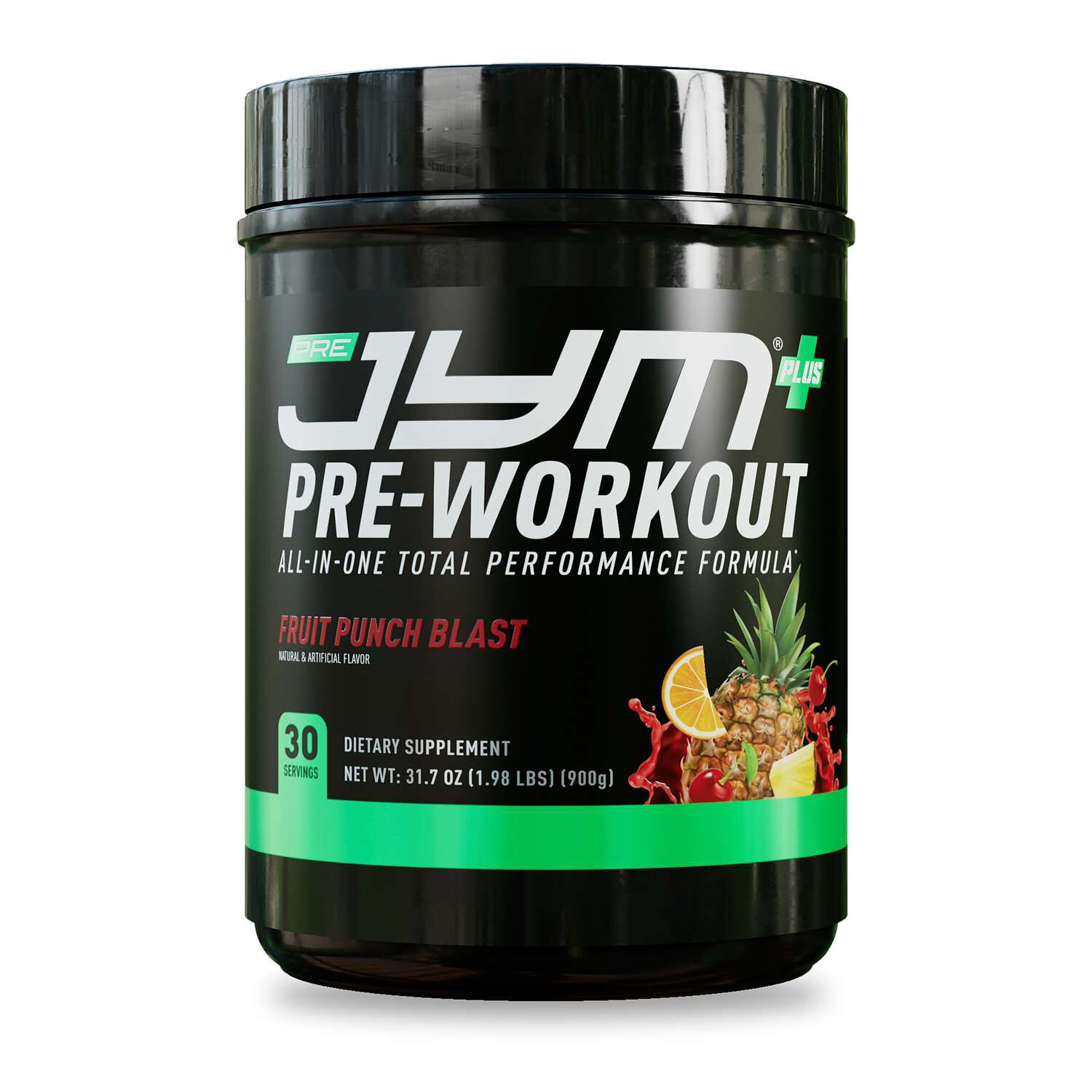
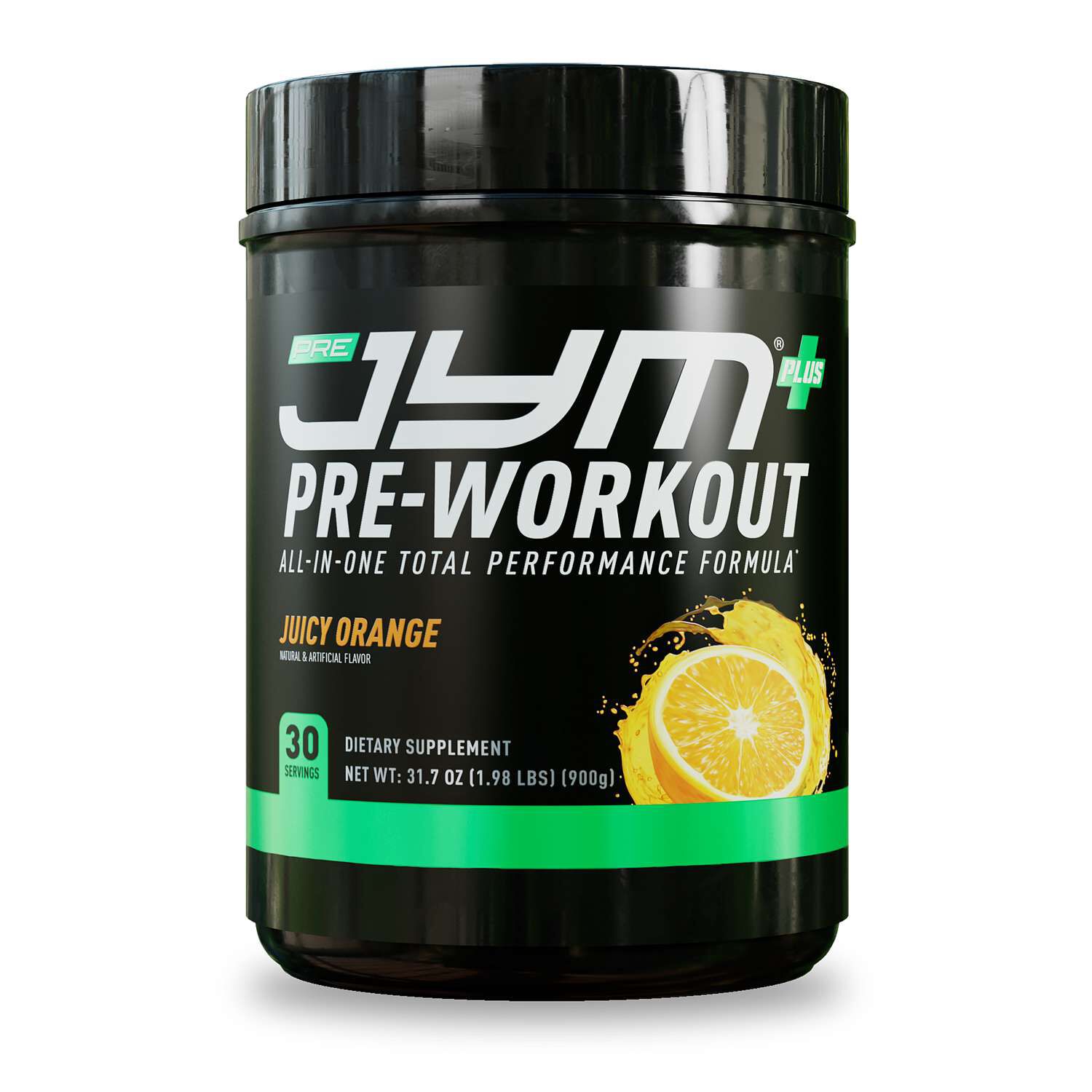


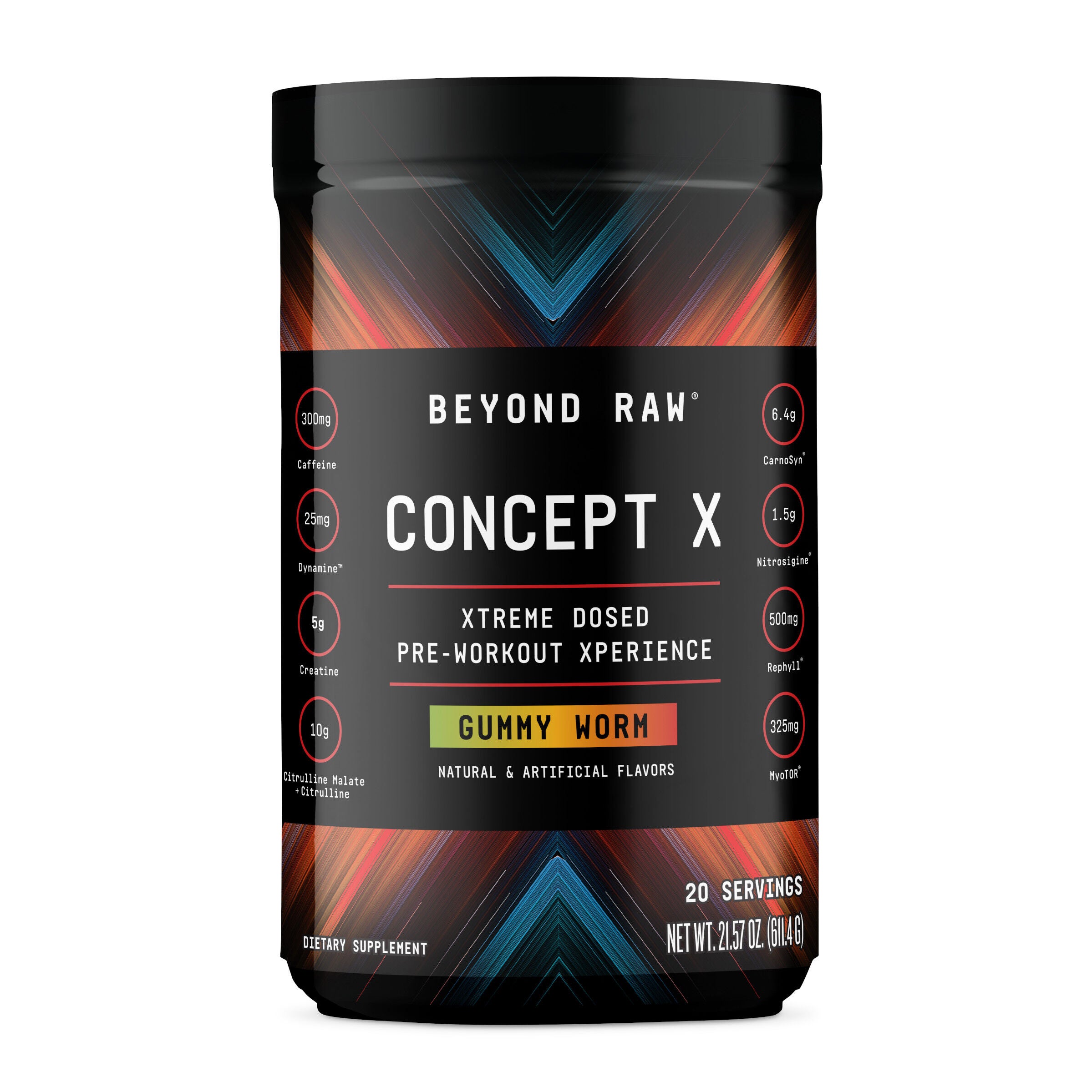
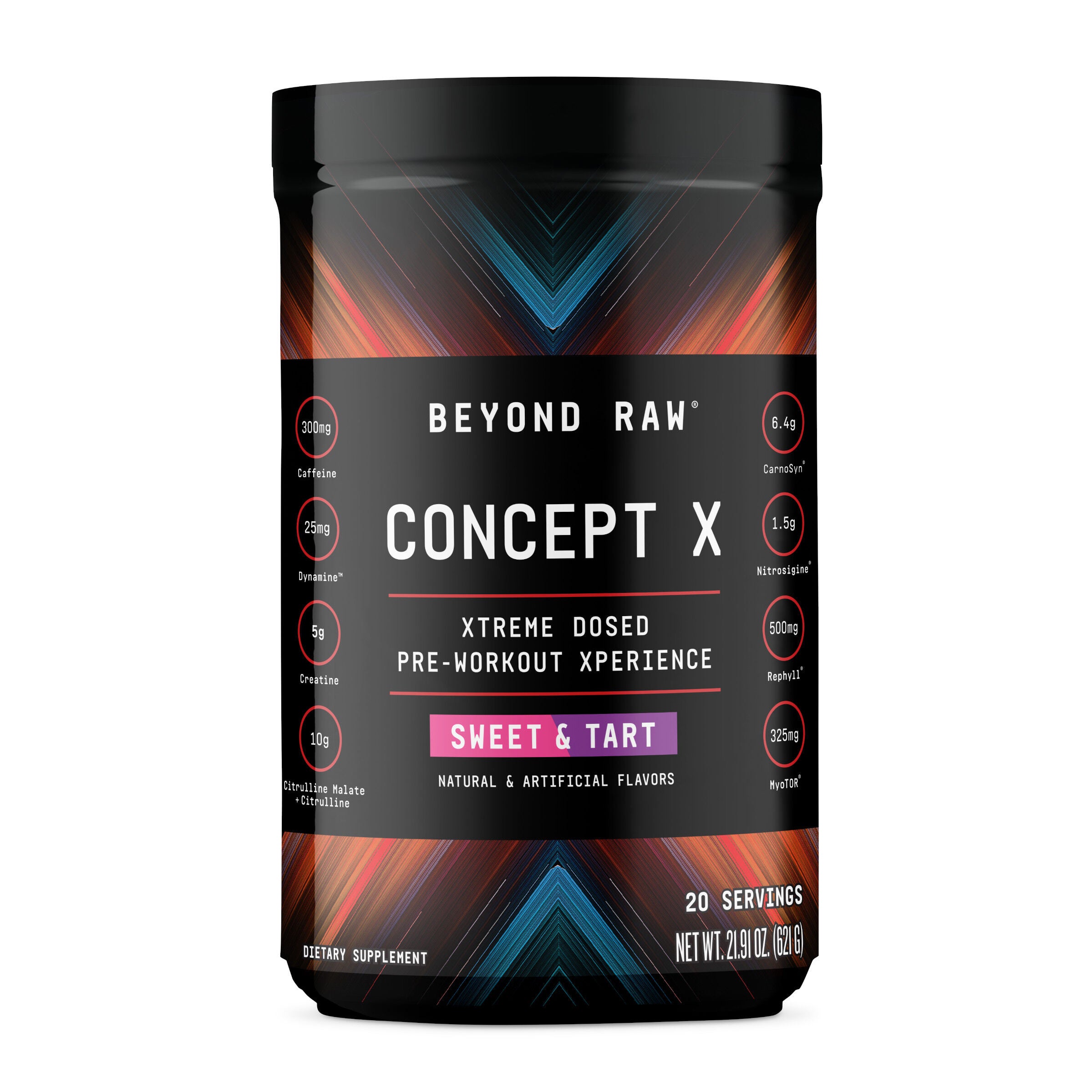
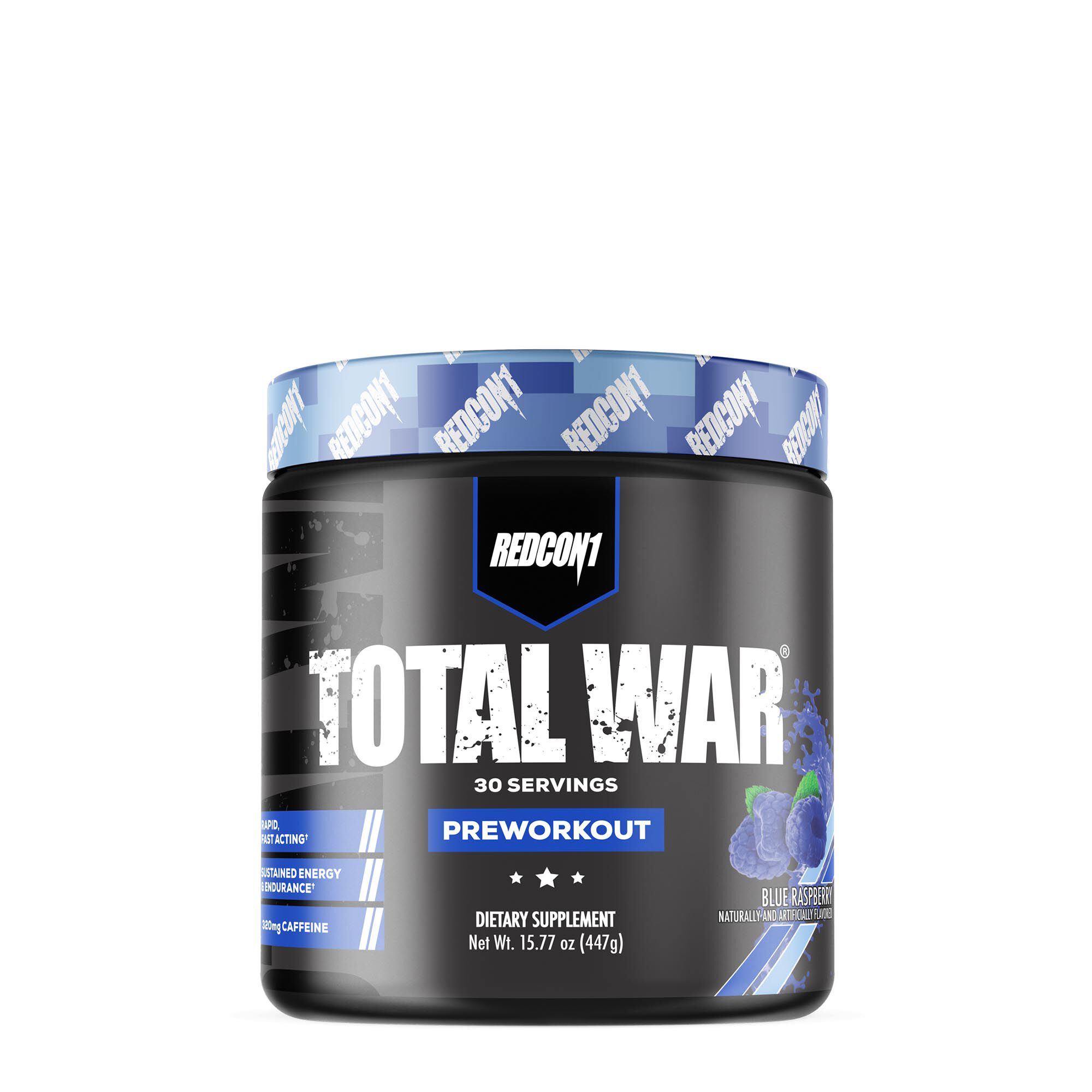
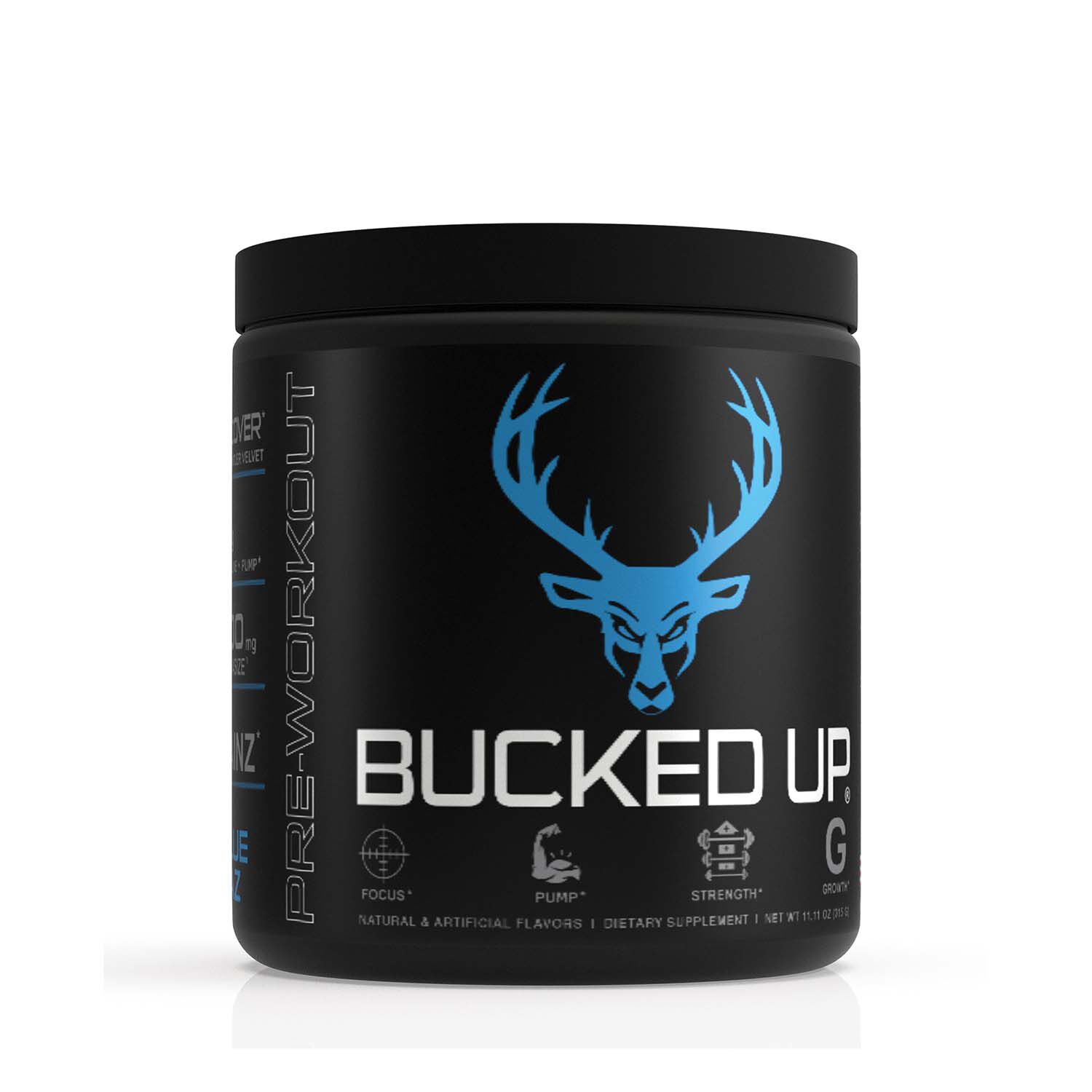
Pre-workout supplements for summer sports bring together formulas intended for use before activities such as beach volleyball, tennis, cycling, recreational soccer, and outdoor strength training. The category includes powders, capsules, and ready-to-drink formats, with differences in ingredients, serving size, caffeine content, flavor, and preparation. For an adult heading to an early court reservation or packing a bag for a weekend league game, those details can matter as much as the ingredient list itself. A powder requires water and a mixing container, while a ready-to-drink format comes with its own serving and storage directions. Caffeinated formulas may support alertness and focus before exercise, while options without caffeine offer a different choice for shoppers who prefer to leave that ingredient out of their routine. Neither format nor a sports-oriented name establishes how a formula will suit an individual. The Supplement Facts panel provides a more useful starting point, including the serving size, listed ingredients, and amounts disclosed per serving. Summer sports also cover very different demands: a short practice on a shaded court is not the same setting as a long ride across exposed roads or an afternoon tournament with breaks between games. A pre-workout supplement is only one part of preparation, alongside drinking water, meals, suitable clothing, and plans for rest. It does not replace those basics or make hot conditions less demanding. For shoppers comparing this category, the most relevant distinction is often not which label sounds strongest, but which format and ingredient profile match the intended activity and the product’s directions. That same approach remains useful when a favorite summer sport moves indoors during cooler weather, whether the setting becomes an indoor volleyball court, a cycling studio, or a covered tennis facility. The sport may stay the same even as the setting, schedule, and contents of the gym bag change.
Ingredient comparisons give pre-workout shopping more substance than flavor names alone. Caffeine, L-citrulline, beta-alanine, creatine, beetroot ingredients, and electrolytes are among the ingredients shoppers may encounter, although formulas vary and do not necessarily contain all of them. Caffeine amounts deserve particular attention because serving sizes differ, and coffee, tea, energy drinks, or other supplements may also be part of a daily routine. An option without caffeine is not automatically interchangeable with every other formula that omits it; the remaining ingredients and their amounts can be quite different. L-citrulline and beta-alanine are amino acids commonly featured in sports nutrition formulas, while creatine appears both on its own and within blends. Their presence does not mean that every formula has the same intended use, preparation directions, or suggested schedule. Some ingredients are intended for ongoing routines rather than an occasional drink before a game, making the label more useful than assumptions about the words “pre-workout.” Sodium and potassium are examples of electrolytes, and their amounts vary between products as well. A formula that lists electrolytes should not be treated as a substitute for drinking water or planning for outdoor conditions. Likewise, a cooling flavor description refers to the drinking experience, not protection from heat. These distinctions are especially relevant for a player stepping onto a sunlit court or a cyclist carrying only what fits in a jersey pocket. Comparing the same serving basis across labels can make differences easier to understand: one scoop, two scoops, and one bottle are not necessarily equivalent portions. Where a blend does not disclose individual ingredient amounts, that limits the comparisons a shopper can make. Preparation and timing should follow the particular label rather than a universal countdown before exercise. The category spans enough variation that a single mixing ratio or timing rule does not describe every option. Clear directions, readable ingredient information, and a serving format that suits the planned activity provide practical points of comparison without relying on sweeping performance claims.
Everyday usability also shapes how a pre-workout supplement fits into a sports routine. Flavor, sweetness, texture, and mixing requirements can influence whether a drink feels convenient before a morning practice or cumbersome in the minutes before leaving home. Citrus, berry, and tropical flavor profiles offer different drinking experiences, but the name alone does not reveal the amount of sugar, the sweeteners used, or the ingredients that create the flavor. Those details belong on the label. For powders, preparation directions indicate the suggested liquid amount; a larger bottle does not mean the powder portion should increase. Container capacity, a secure lid, and access to clean water are practical considerations when the destination is a public court, a lakeside field, or a recreation center. Packaging matters, too, particularly when a bag also holds damp towels, shoes, and equipment. A securely closed container helps keep its contents separate from the rest of the bag, while clearly labeled individual portions can simplify packing when that format suits the routine. Storage directions still apply away from home, and a parked car or a sunny sideline is not equivalent to a cool, dry cupboard. Keeping powder containers closed, using a dry scoop, and washing reusable drink containers according to their care instructions are straightforward parts of product care. Shoppers taking their sports routine on a trip can also explore Pre Workout Supplements For Summer Vacations for a related travel context. Recreational athletes, regular gymgoers, and adults preparing for organized practices may approach this category with different priorities, from a compact serving format to a familiar flavor or a clearly disclosed caffeine amount. Personal preferences make supplements a more individual gift choice than general sports accessories; knowing the recipient’s preferred ingredients and format is more useful than choosing by packaging alone. Across these settings, a thoughtful comparison comes back to the same tangible details: what the formula contains, how it is intended to be used, how it travels, and how it fits alongside the ordinary preparation that makes a day of sport enjoyable.