Energy Supplements For Group Workouts
(0 Results)
Energy supplements for group workouts could be a game-changer for those looking to maximize their performance and stay motivated alongside friends or teammates. Whether tackling a high-intensity interval session, a cycling class, or a team sport practice, these supplements may help support your stamina and focus so you can make the most of every rep and round. Explore options designed to fit your routine and discover how energy supplements for group workouts might help you power through your next session together.
-

-

-
-

-
-

-
-
-
-

-
-
 459$24.99
 -
 Optimum Nutrition459$24.99
 -
-

-
-

-
-
-

-

-

-
-
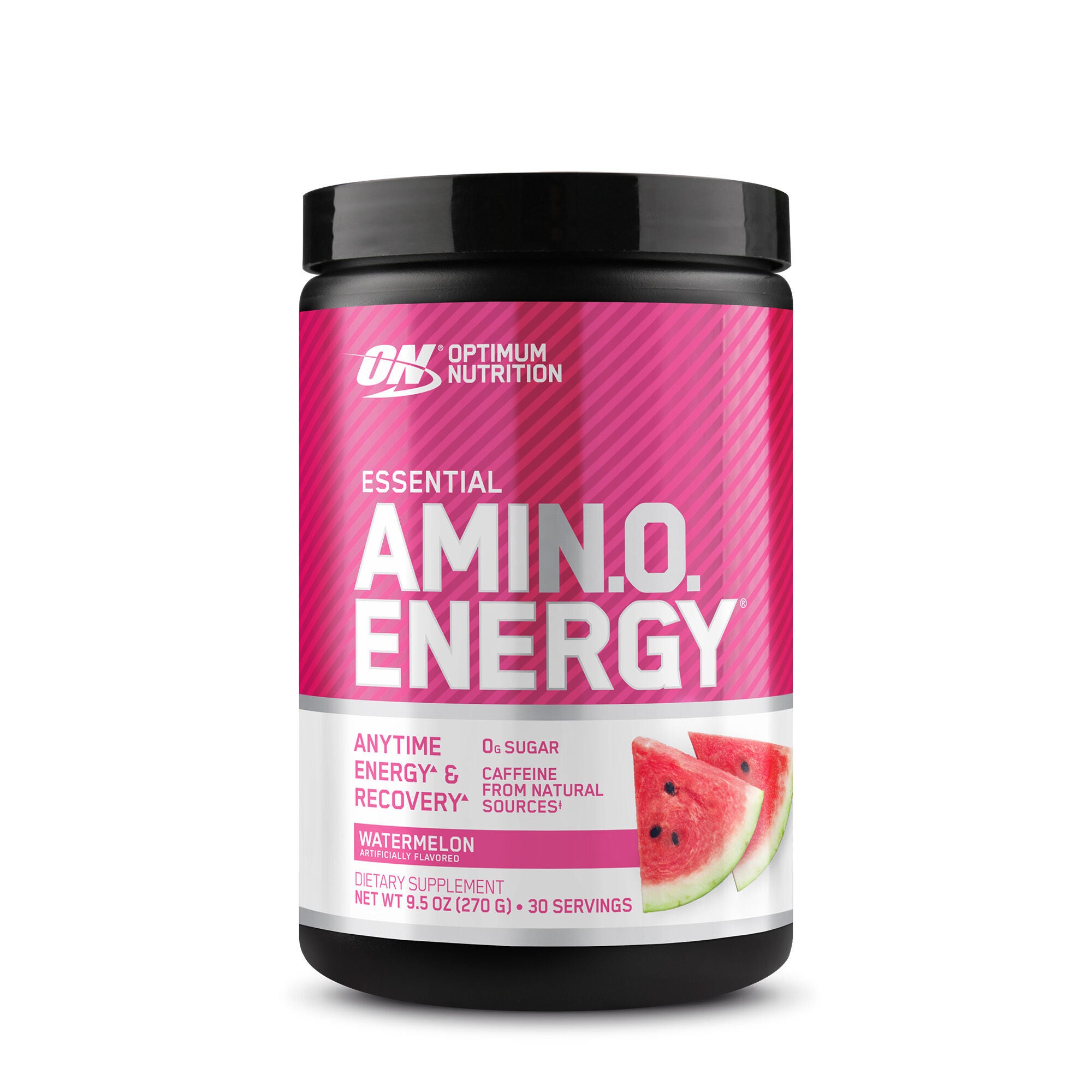
Energy supplements for group workouts bring together several product types for adults who enjoy the shared rhythm of indoor cycling, rowing, circuit training, dance fitness, and other instructor-led sessions. The category can include caffeinated powders, ready-to-drink beverages, capsules, carbohydrate chews, and drink mixes, each with a different role in a workout routine. Caffeine may support alertness and focus, while carbohydrates may provide fuel for sustained activity. Those distinctions matter when comparing products: a caffeinated formula is not necessarily a source of carbohydrate, and a carbohydrate drink does not necessarily contain caffeine. Some blends combine these ingredients with electrolytes, amino acids, or beetroot-derived ingredients, so the ingredient panel tells a more useful story than the flavor name or front label alone. Group exercise also brings practical considerations that are easy to picture. A cycling participant may have a narrow bottle holder beside the handlebars, while someone moving between circuit stations may keep a drink along the studio wall. A person arriving straight from work may prefer a sealed beverage over a powder that needs measuring and mixing. For an adult heading to a longer rowing session, a carbohydrate-containing format may be more relevant than a product chosen primarily for caffeine. These are different shopping priorities rather than interchangeable reasons to choose the same formula. Session length, personal preferences, existing caffeine habits, and the space available for a bottle all help define the fit. Energy supplements are optional additions to an exercise routine, not substitutes for meals, water, or rest. The social pace of a class does not make every participant’s preferences or needs the same, either. A regular studio attendee and a newcomer joining a friend can share the same workout while preferring very different ingredients and formats. A useful comparison begins with what a product contains, what its labeled serving represents, and how its intended use fits the activity.
Ingredient transparency is especially relevant in this category because the word energy can describe several different product concepts. A label may emphasize caffeine, carbohydrate content, or a blend of ingredients intended for use around exercise. The amount of caffeine per serving, the number of servings in a container, and any other caffeine-containing ingredients are meaningful comparison points. Coffee, tea, and other beverages already part of the day are relevant context, too. Products without caffeine offer another direction for shoppers whose preferences do not center on stimulants, particularly when a group session falls late in their daily schedule. Carbohydrate ingredients, including sugars, are distinct from ingredients included mainly for flavor or sweetness. A sweet-tasting drink is not automatically a carbohydrate-focused option, making the nutrition information more informative than taste alone. Electrolyte-containing mixes may support hydration during exercise, but electrolyte content and caffeine content are separate characteristics. Neither one tells the whole story of a formula. Beetroot powder and dietary nitrate ingredients also appear in some exercise-oriented blends; the presence of beetroot alone does not establish a particular nitrate amount. Likewise, formulas containing amino acids can differ considerably in composition, and a long ingredient list is not, by itself, a reason to prefer one blend over another. Clearly stated ingredient amounts offer a more straightforward basis for comparison. Flavor, sweetness, texture, and serving volume deserve attention alongside the ingredient list because they shape the experience of using a product. A lightly flavored powder mixed into a larger bottle is a different proposition from a concentrated serving consumed before entering the studio. Carbonated and noncarbonated beverages differ in texture, while capsules avoid the flavor element altogether. Dietary preferences and labeled allergen information may further narrow the choice. For a recurring class, the most relevant format is often one that fits comfortably into the surrounding routine without requiring extra accessories, complicated preparation, or an unfamiliar ingredient combination simply because others in the group prefer it.
Packaging and preparation give energy supplements for group workouts another layer of practical distinction. Single-serving packets take up little room in a side pocket and keep the powder separate until mixing, while a larger powder container generally calls for measuring and a suitable mixing vessel. Ready-to-drink formats remove the mixing step but occupy more bag space. Chews offer a portioned format without a shaker, although their texture and individual wrapping create a different experience from sipping a beverage. For someone carrying shoes, a towel, a change of clothes, and work belongings, those differences can matter as much as the flavor selection. Bottle compatibility is worth considering as part of the format: a narrow opening can make adding powder awkward, and a serving that calls for a larger amount of liquid requires enough container capacity. Shaker construction, lid closure, and ease of washing belong to the accessory side of the decision rather than the supplement formula itself. Durable packaging and legible serving information are useful attributes for products that travel between home, a locker, and a studio. Storage directions, expiration dates, and package integrity remain relevant whether a container stays on a kitchen shelf or accompanies several workouts each week. Powders, beverages, and chews can have different storage requirements, so each label provides the product-specific details. For shoppers comparing formulas specifically intended for the period before a session, Pre Workout Products For Group Workouts provides a related category to consider alongside broader energy formats. That distinction leaves room for different routines, from a carefully packed bag for an early class to a quick stop at the studio between other commitments. Supplements are also a preference-sensitive gift for an adult workout partner; a familiar format and known dietary preferences matter more than matching what the rest of the group uses. Across the category, thoughtful selection comes down to a clear ingredient panel, an appropriate intended use, and packaging that suits the setting. The shared playlist and instructor’s countdown may be the same for everyone, but the product someone chooses can remain personal.