

Energy Boosters For Adults
(0 Results)
Discover a world of vitality with energy boosters for adults, designed to help you tackle daily challenges with renewed vigor. Whether you're navigating a hectic work schedule or pursuing an active lifestyle, these products may provide the support you need to maintain your momentum throughout the day. Explore a diverse selection of supplements that could offer the perfect blend of nutrients to help keep your energy at its peak. Reignite your zest for life and embrace each moment with enthusiasm.

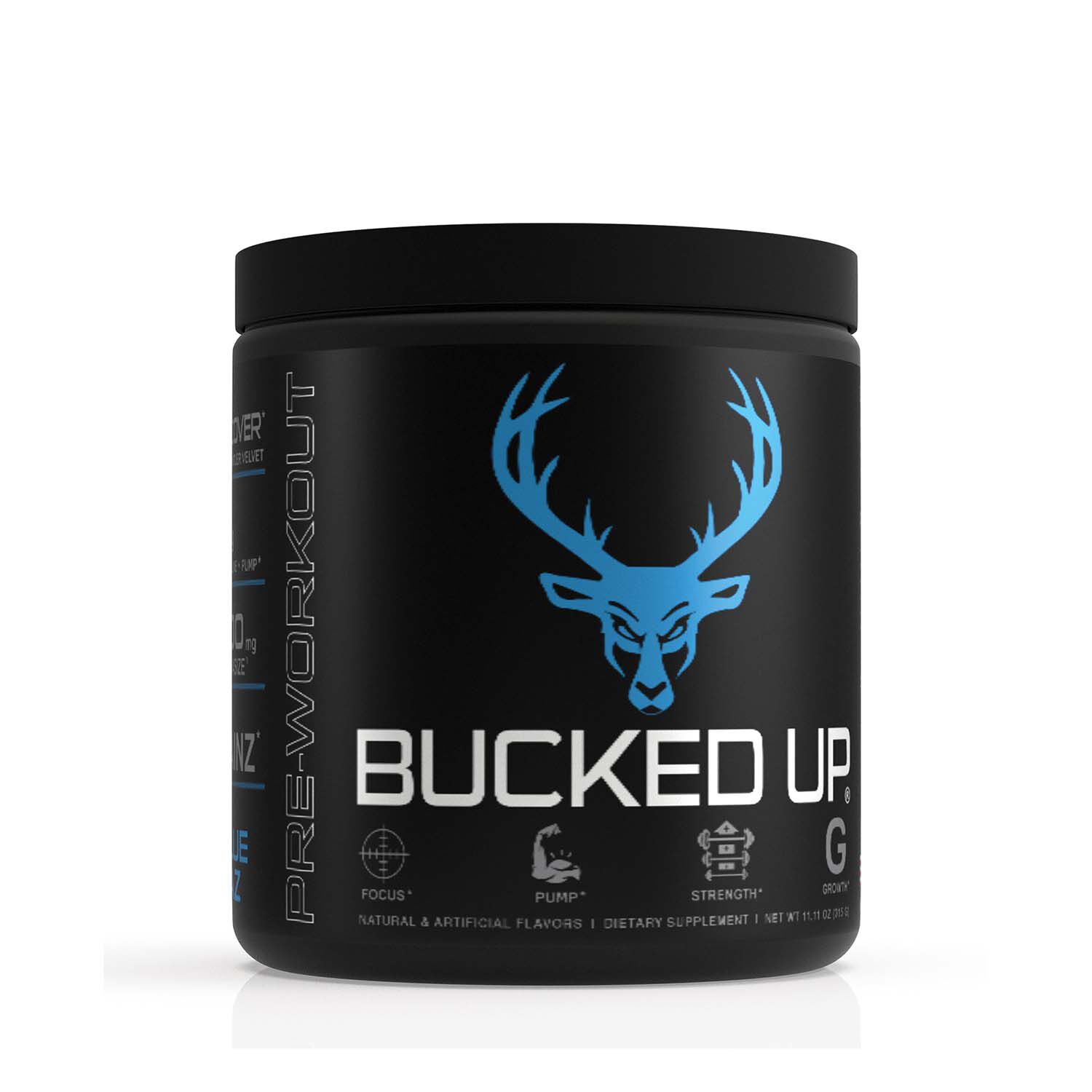


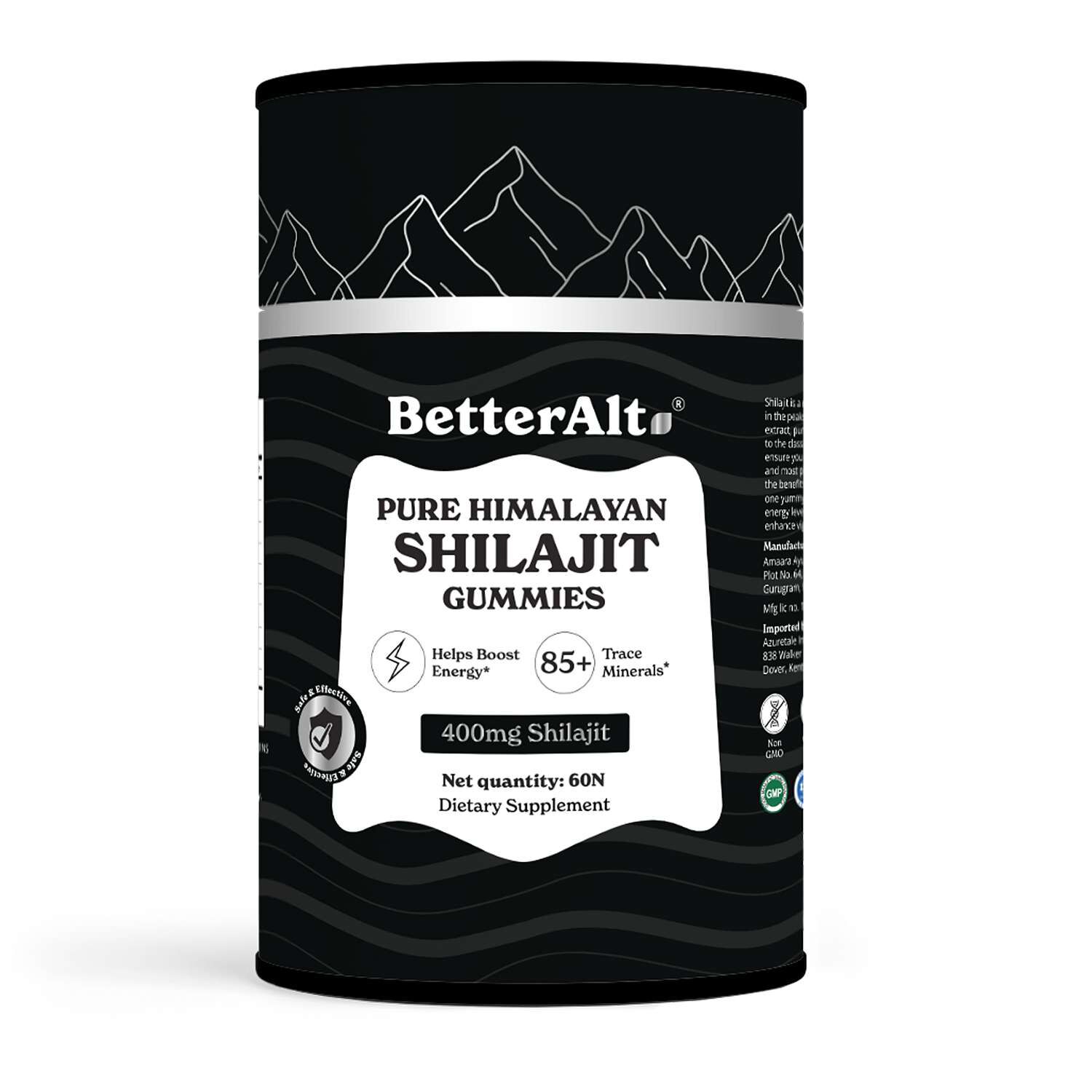
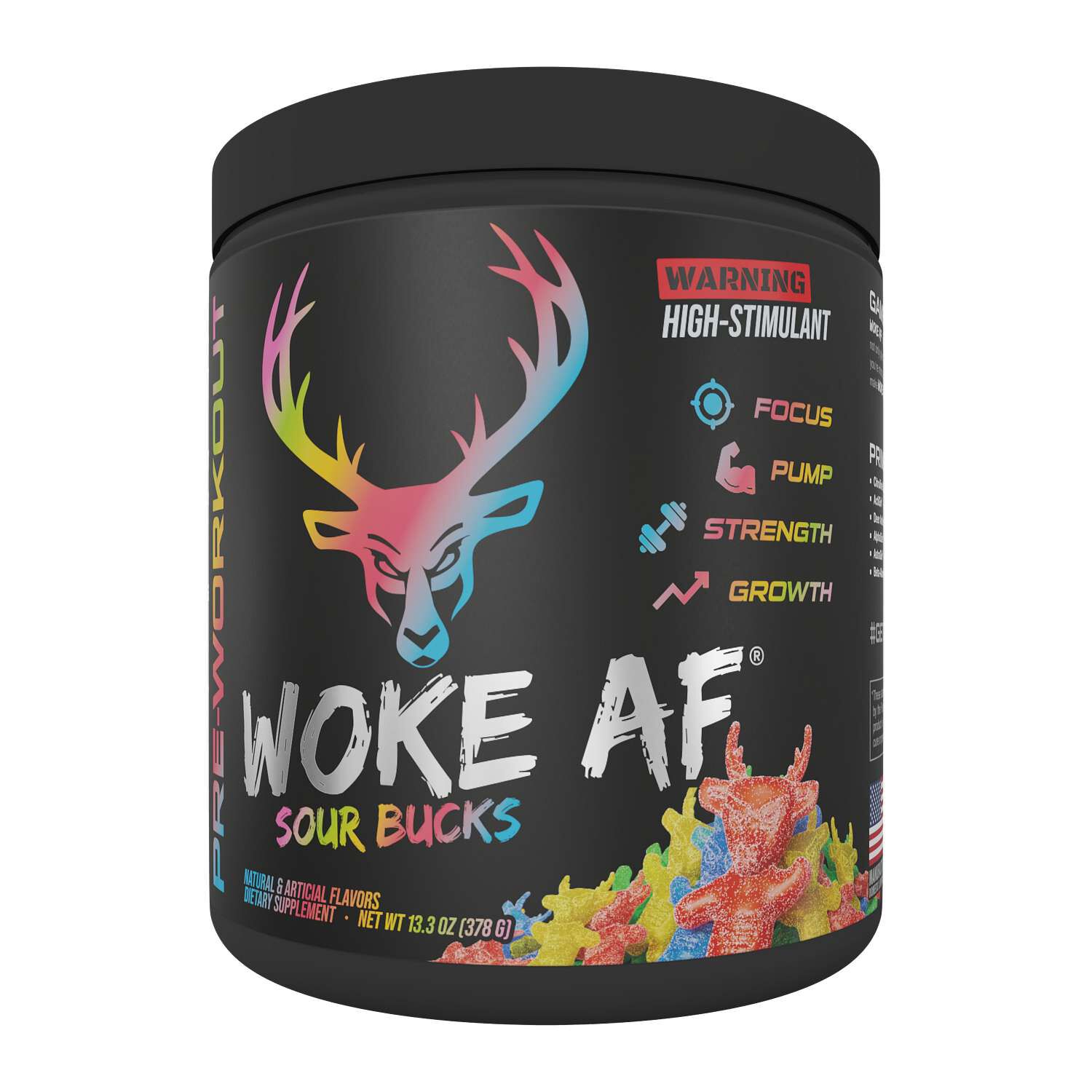
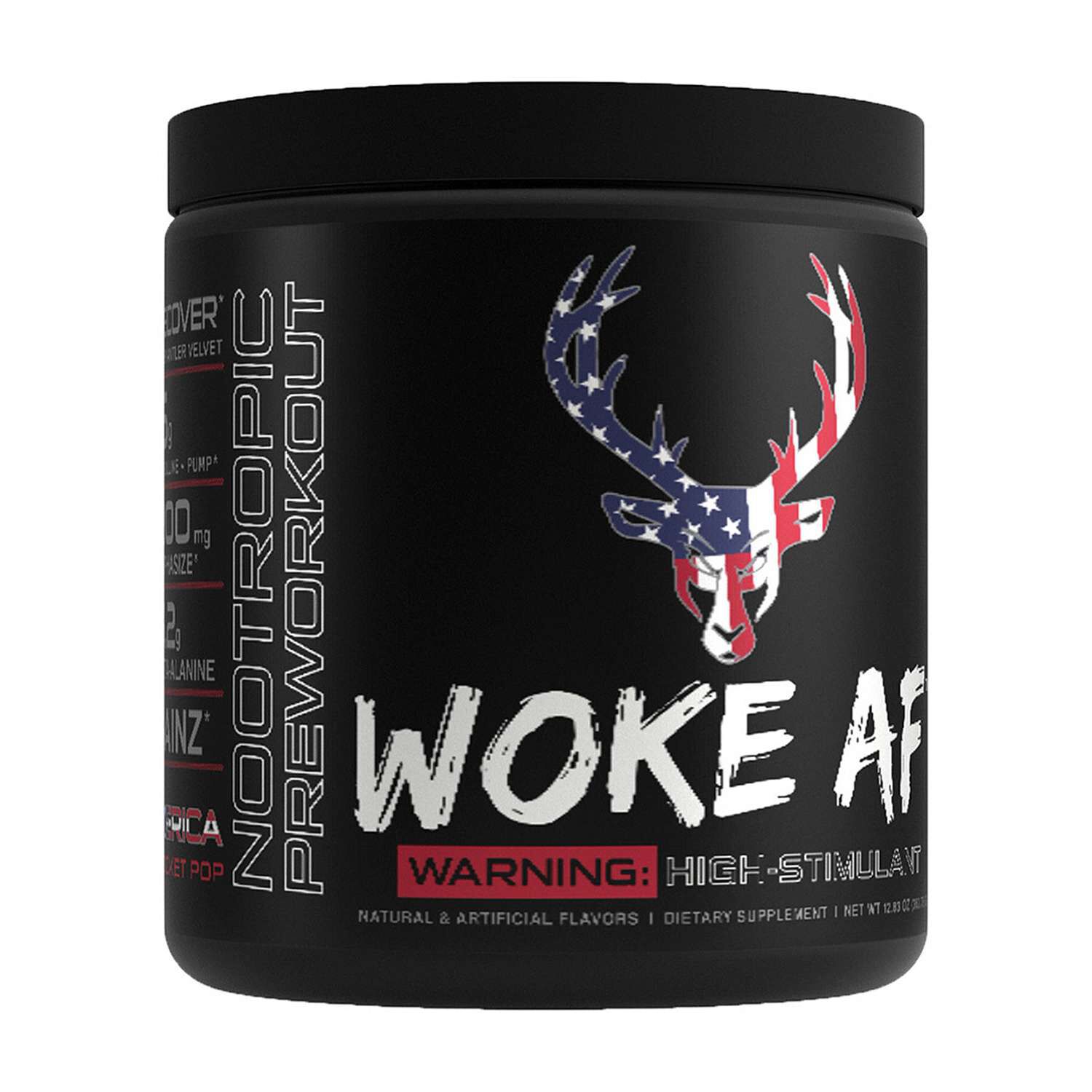
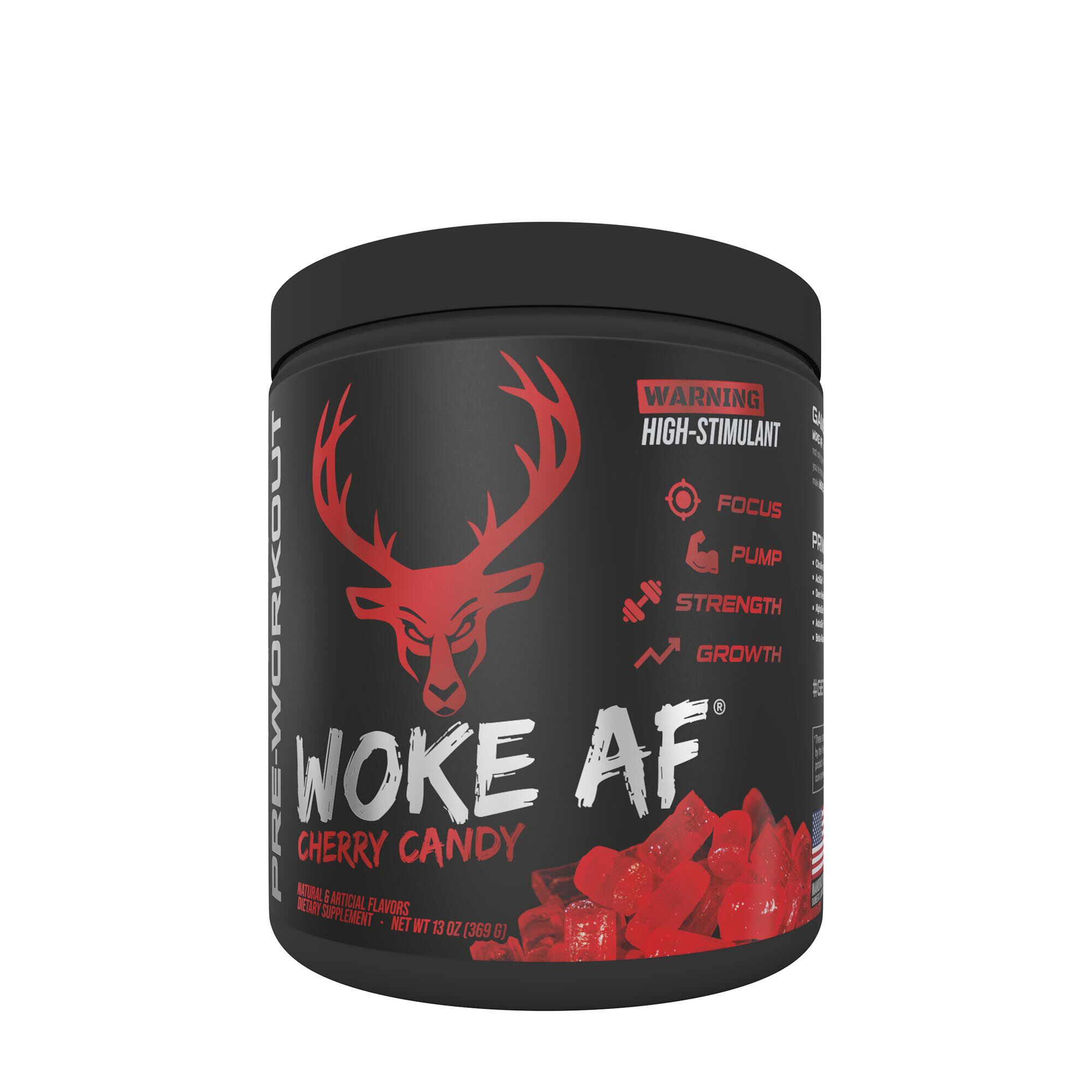

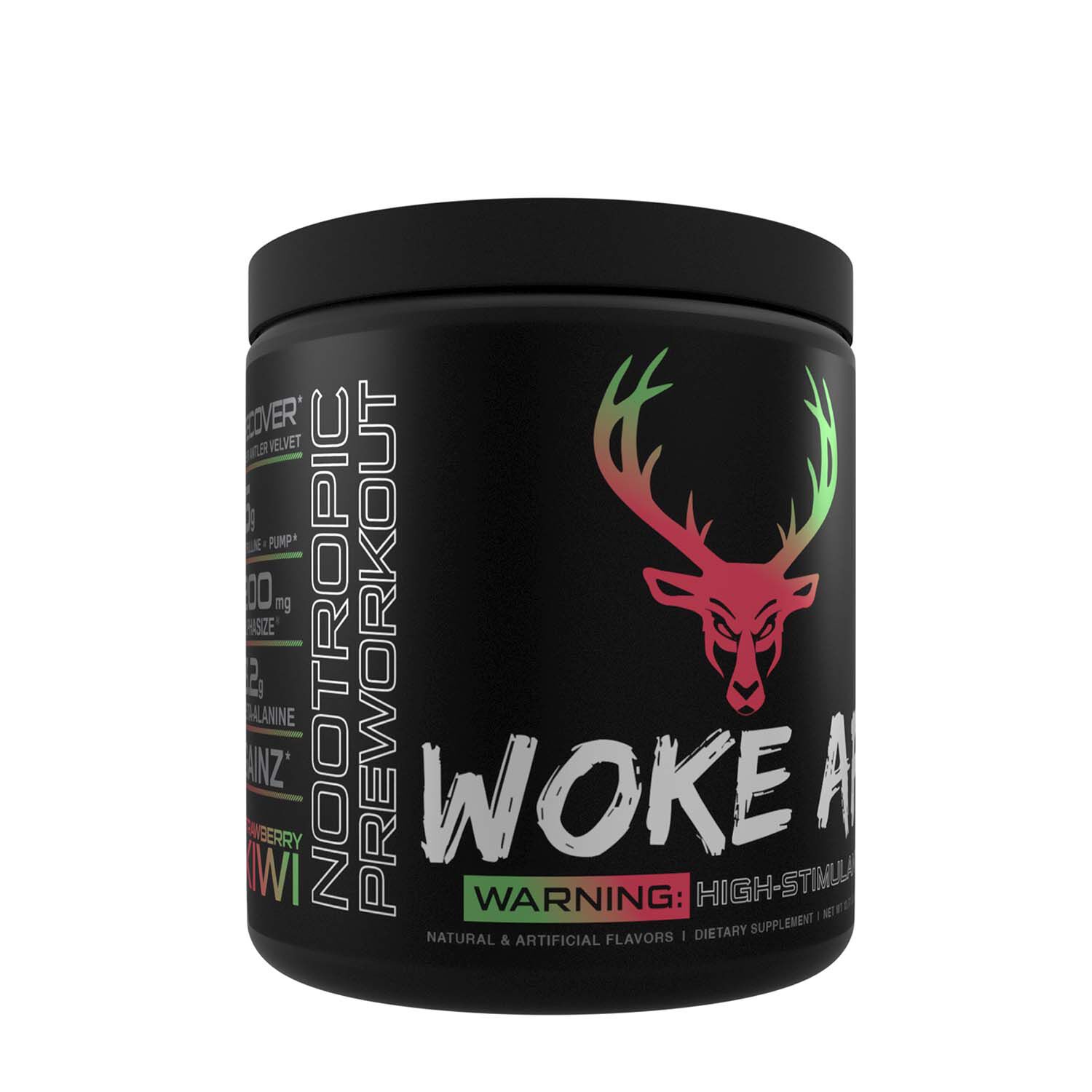
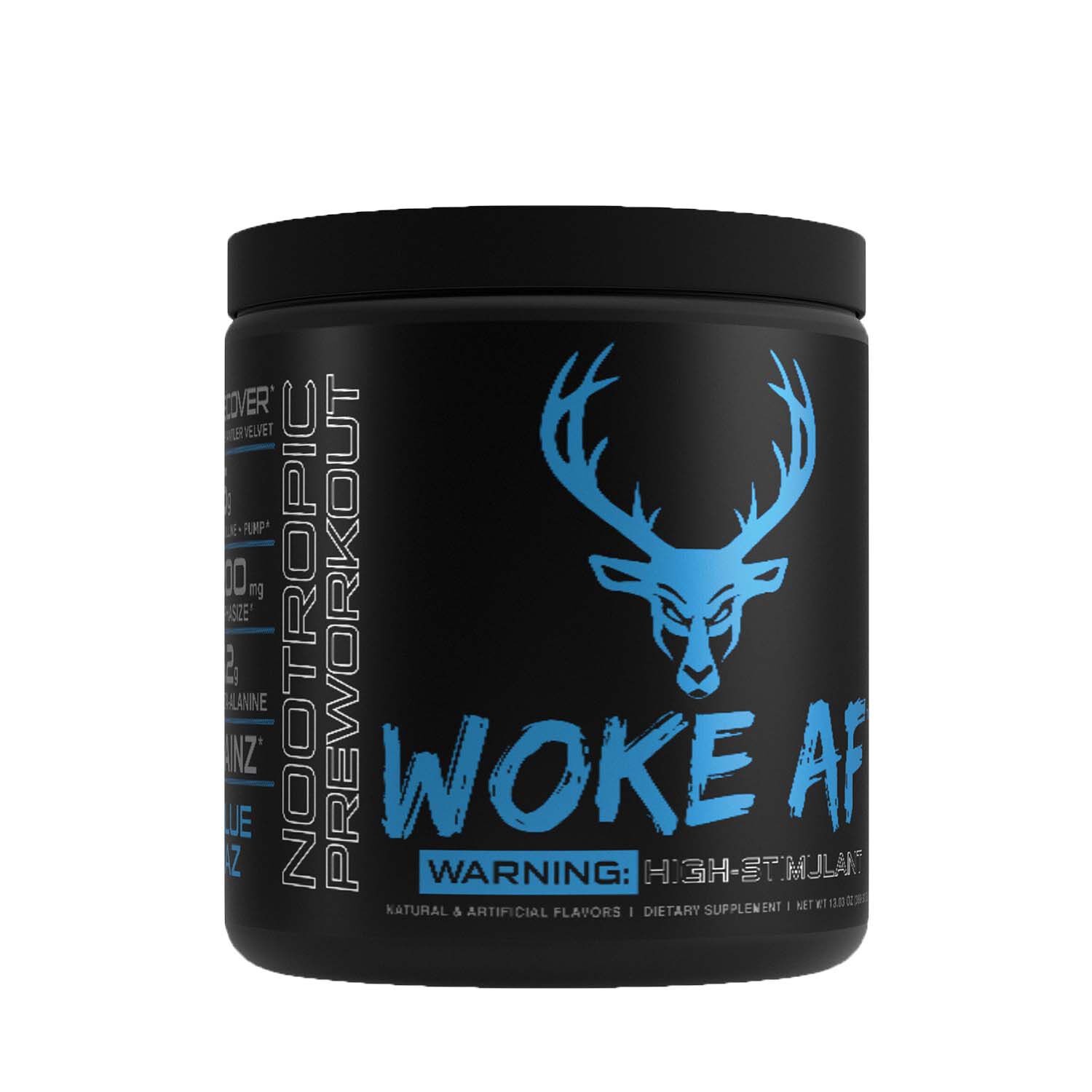
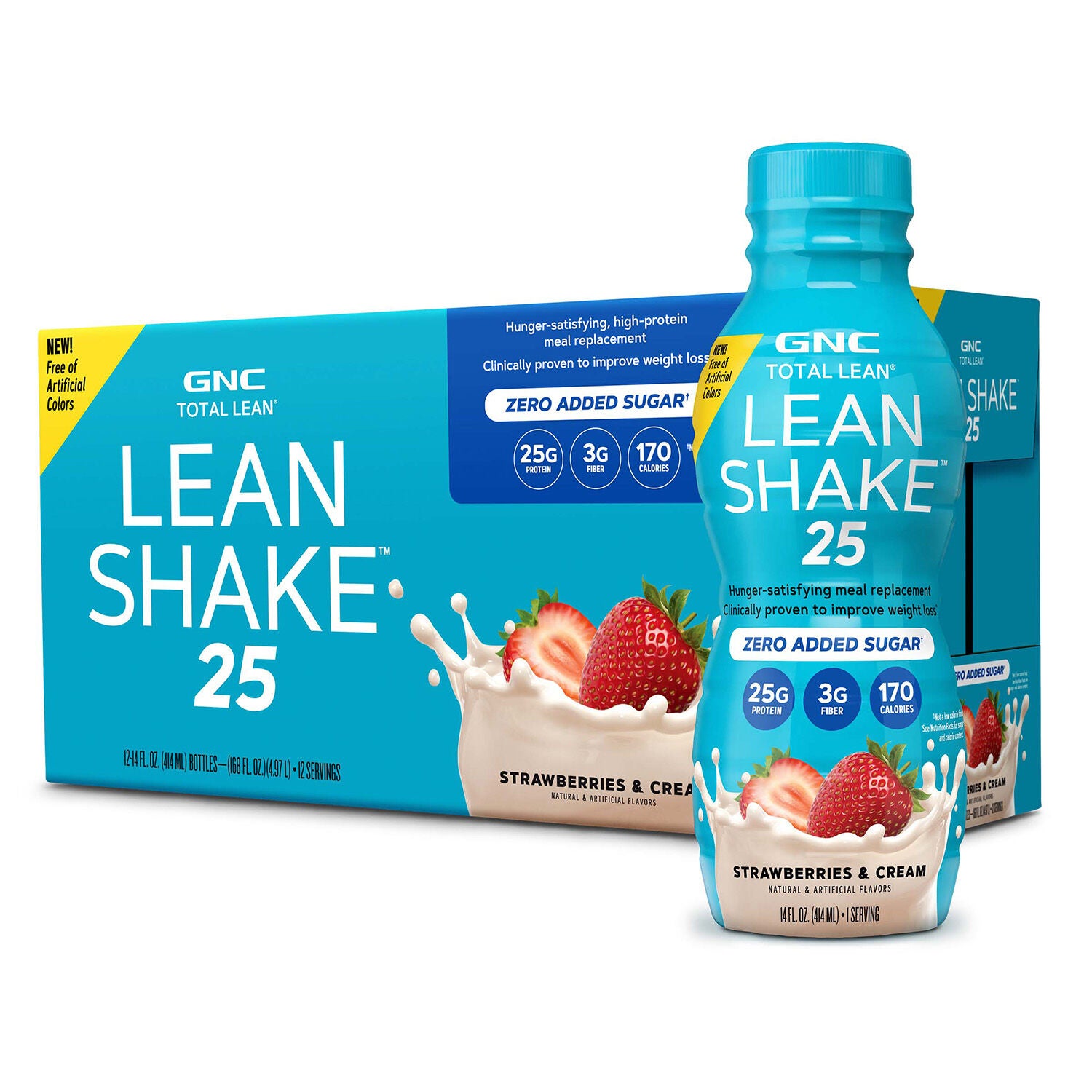


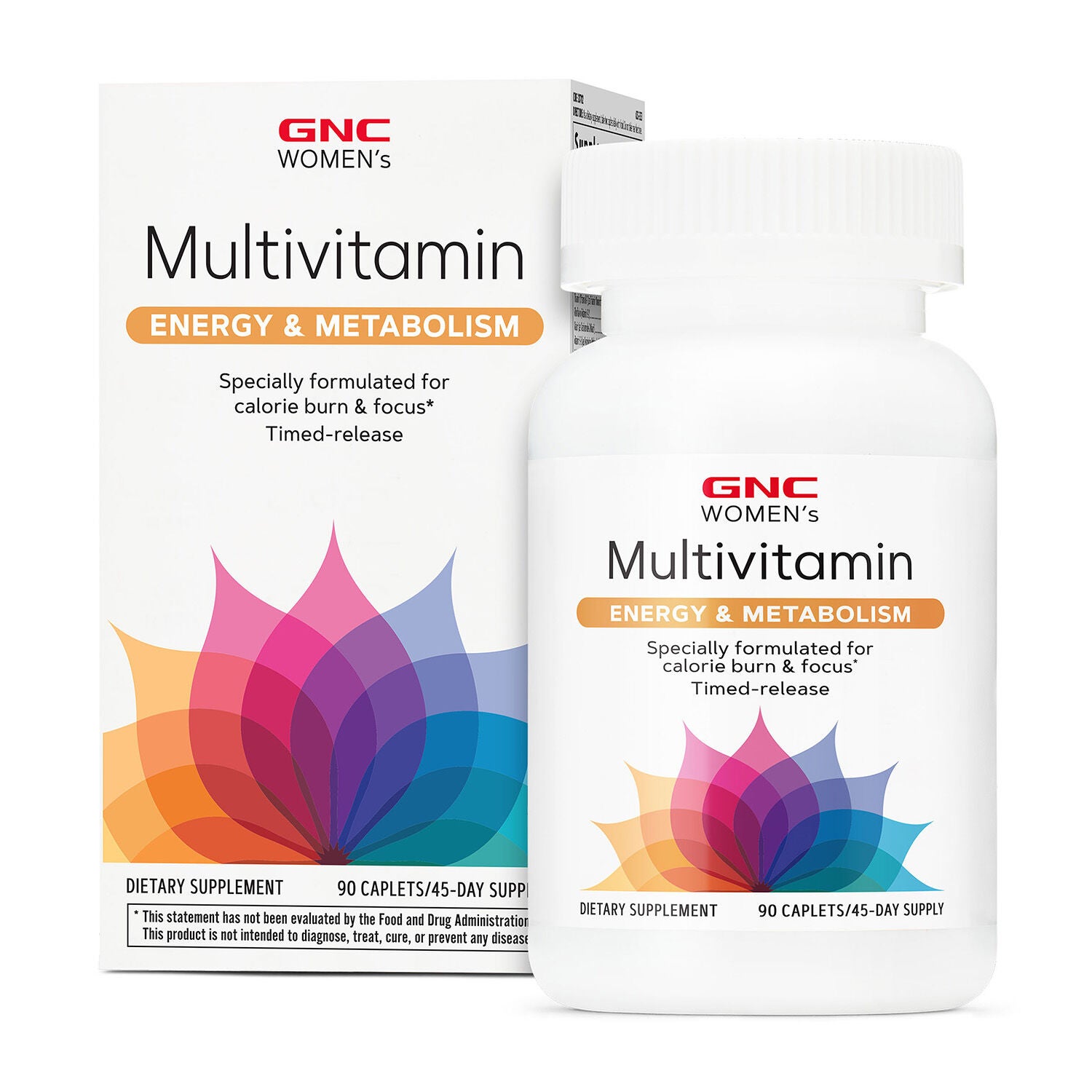

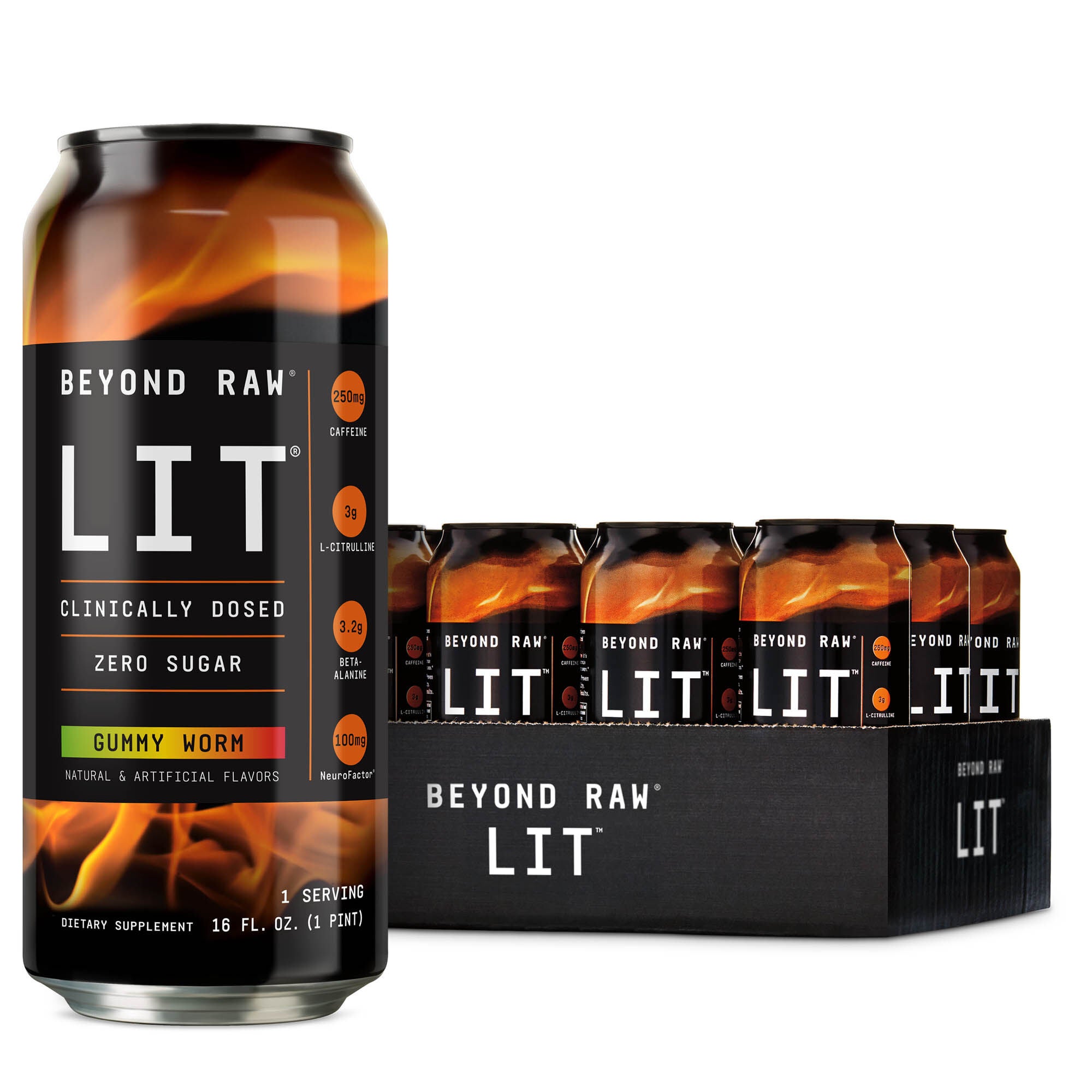


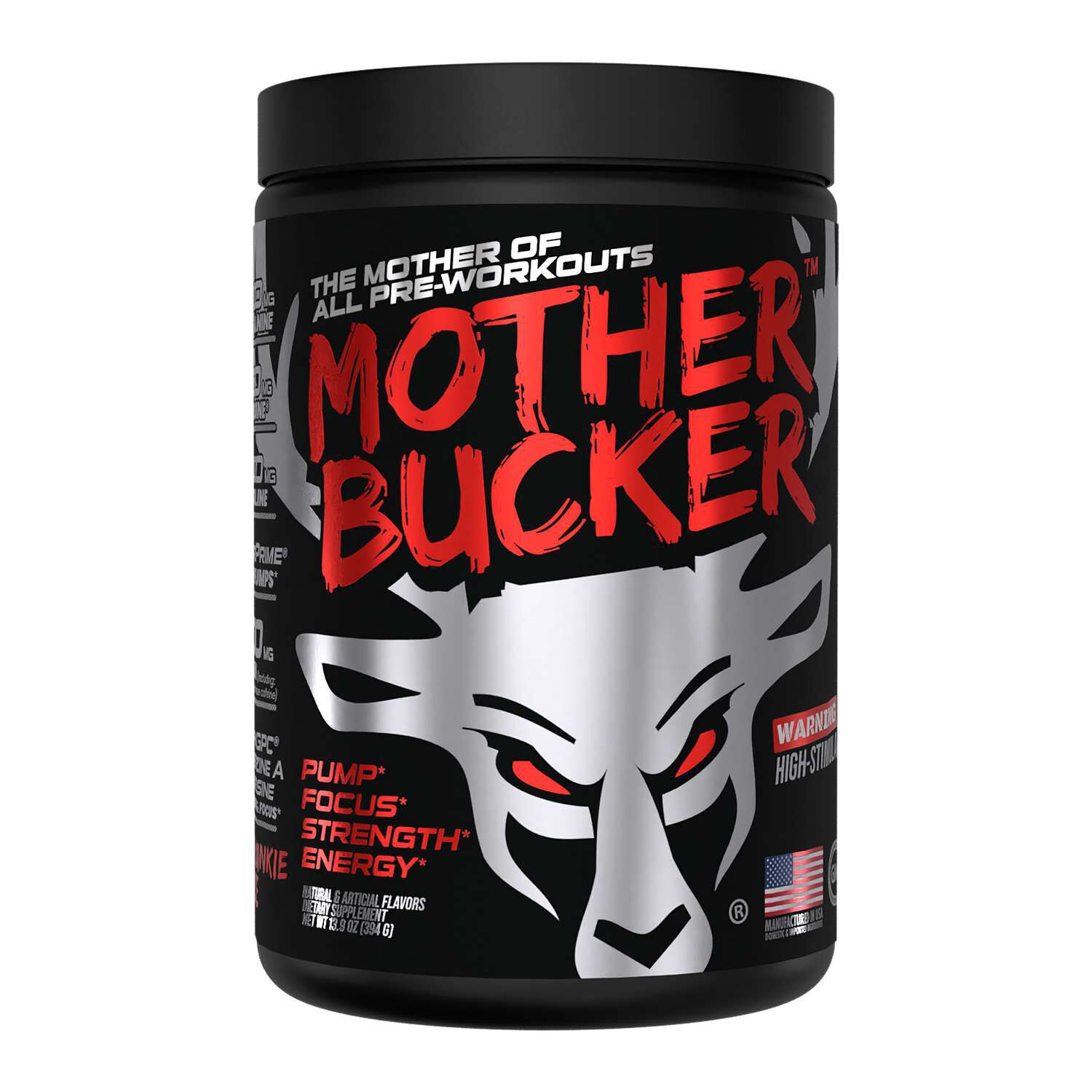
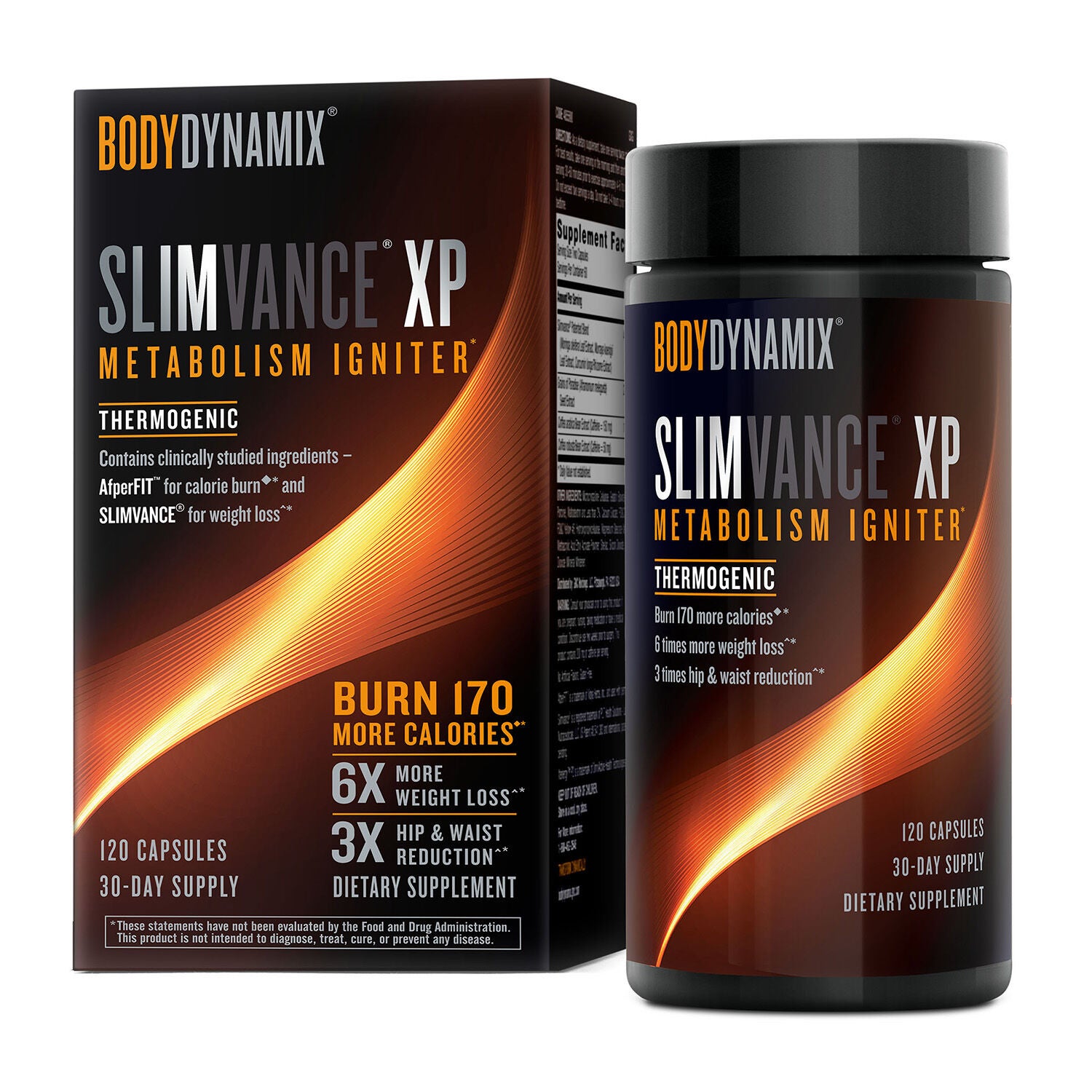
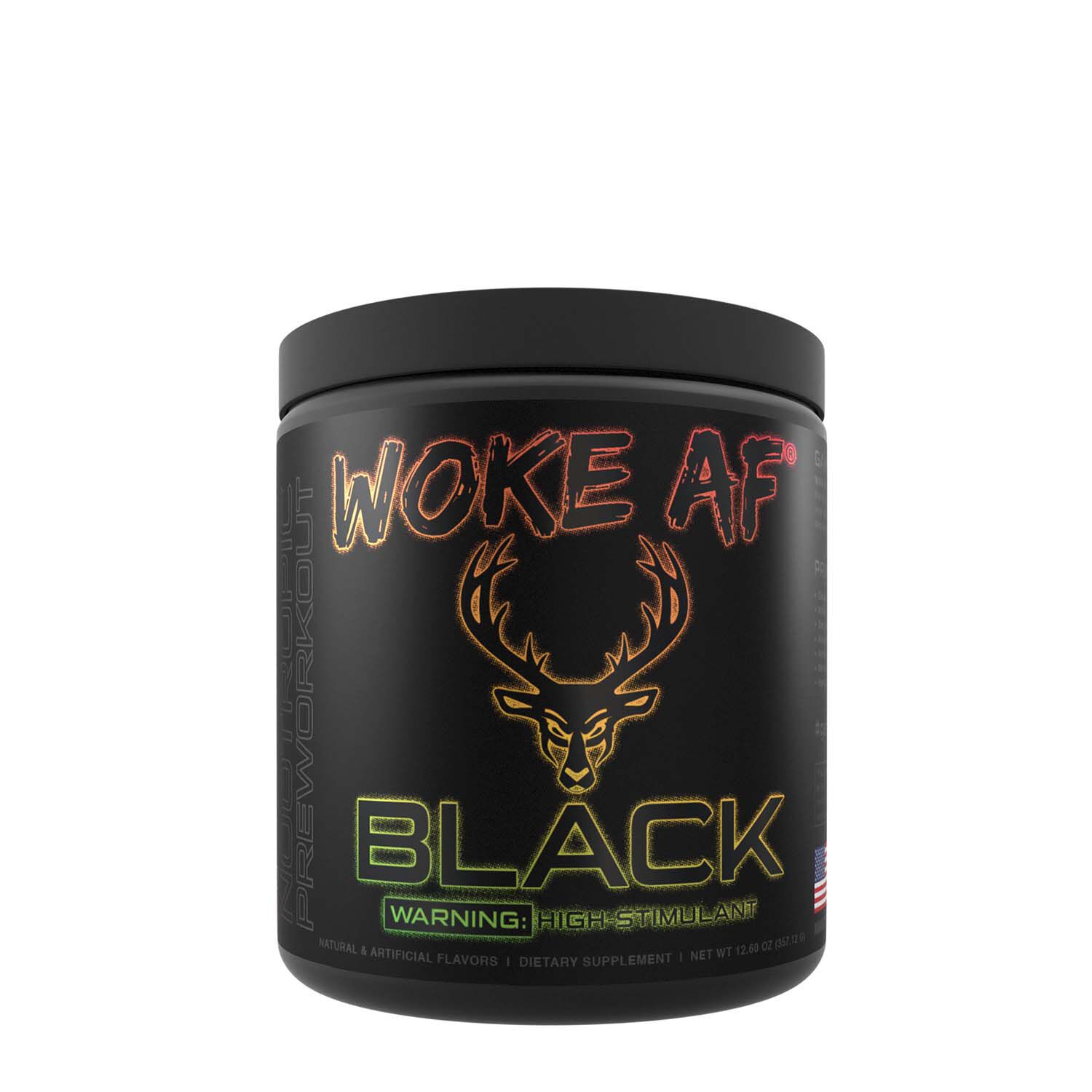
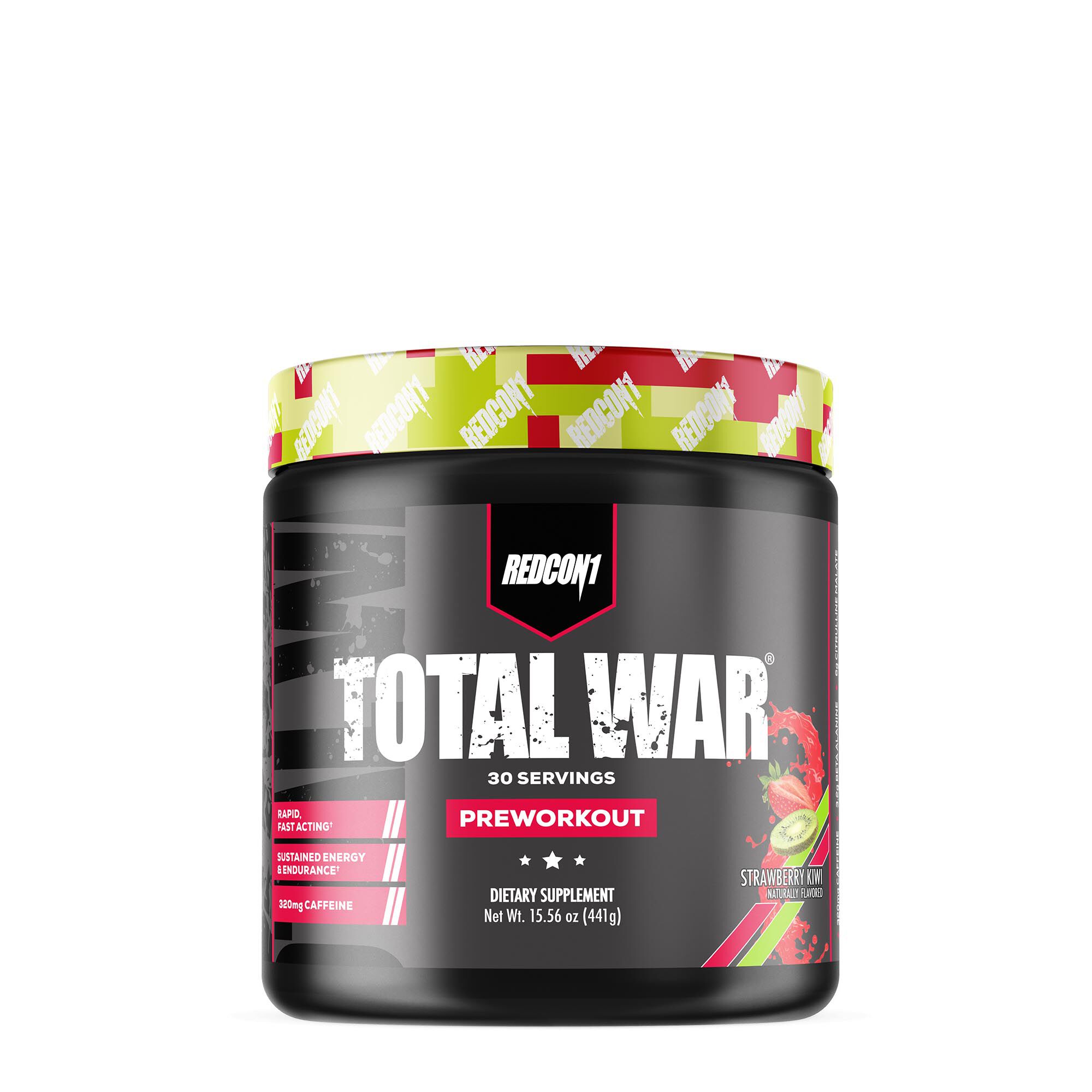
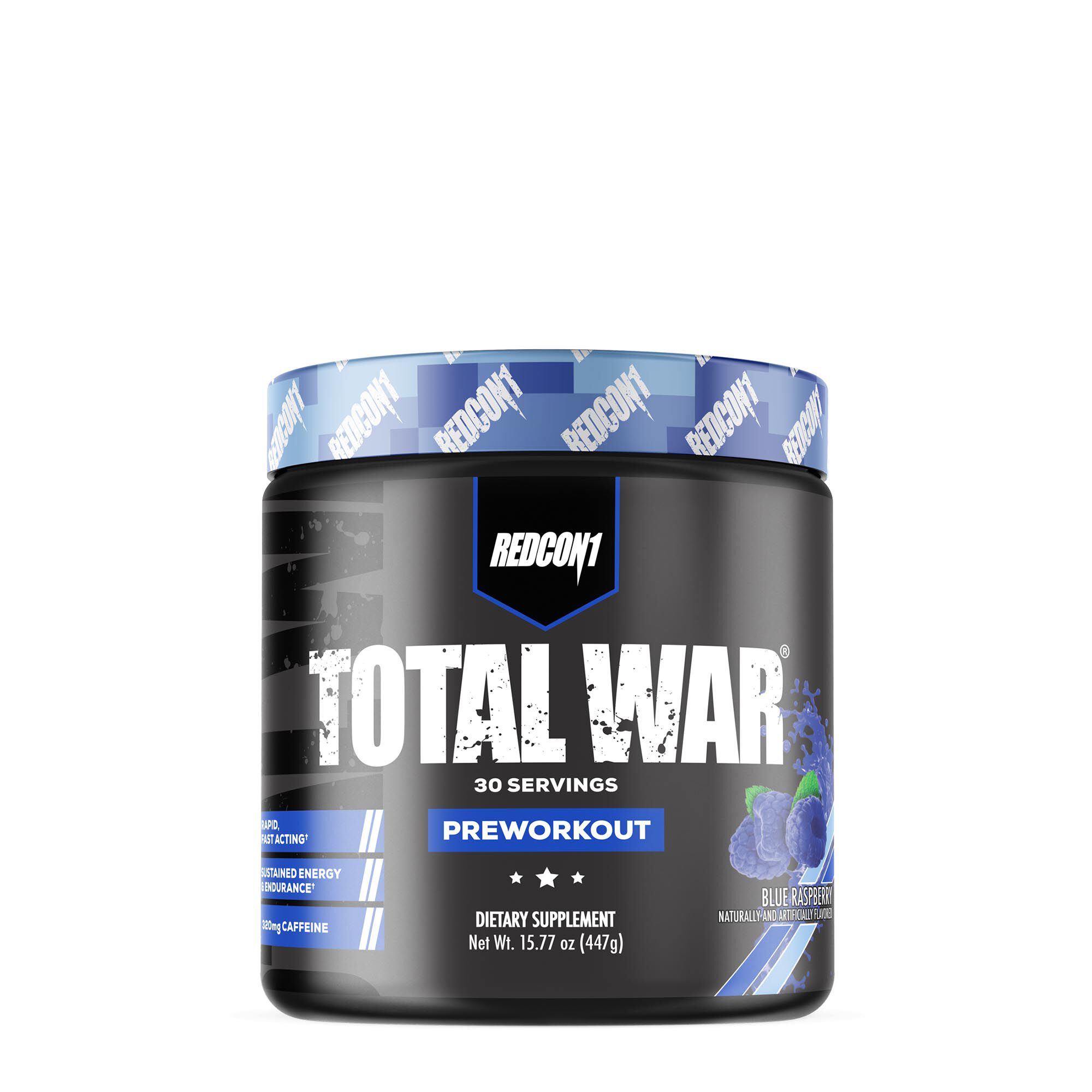
Energy supplements for adults include capsules, tablets, gummies, drink mixes, and ready-to-drink beverages designed for different preferences and daily routines. Some formulas feature caffeine, while others center on vitamins, minerals, or combinations of ingredients. The distinction matters: a caffeinated beverage and a vitamin supplement are not interchangeable simply because both appear in an energy-focused collection. Caffeine may support alertness, but the experience can vary from person to person, and a higher amount does not necessarily mean a better fit. Vitamin-based formulas offer a different approach, with ingredients such as B12 appearing alone or alongside other B vitamins. Their presence on a label should not be mistaken for an immediate, noticeable change in how someone feels. For adults comparing everyday energy supplements, the most useful starting points are the intended use, ingredient list, serving size, and format. A commuter might prefer a compact container that fits beside a lunch bag, while someone with a consistent morning routine might prefer tablets stored with other daily supplements. An adult who enjoys a flavored drink may be drawn to a powder that mixes into water rather than another capsule. These are practical differences, not just cosmetic ones: preparation, portability, taste, and the number of servings all shape whether a format suits an established routine. Energy-focused products are additions to everyday habits, not substitutes for meals, water, or sleep. They also differ from foods that supply calories through carbohydrates, fats, and protein. A beverage marketed for energy may contain caffeine but little food energy, while a snack may provide calories without caffeine. Keeping those meanings separate makes product descriptions easier to interpret. Whether the occasion is a packed workday, an afternoon of errands, or a planned exercise session, a clearly stated purpose is more informative than dramatic wording on the front of a package. Products intended for exercise can differ substantially from those positioned for general daytime use, even when their formats look similar.
Ingredient transparency is especially relevant when comparing energy supplements for adults. Caffeine may appear as a named ingredient or come from sources such as coffee, tea, guarana, or yerba mate. A botanical name alone does not tell the whole story, so the stated caffeine amount per serving provides a more useful comparison than the source by itself. An ingredient’s plant origin also does not establish whether it suits someone’s preferences. For a person who already enjoys coffee with breakfast or tea during the workday, caffeine content is an important detail when evaluating another beverage or supplement. Serving information deserves the same attention. One serving might mean two gummies, several capsules, a measured scoop, or a portion of a bottle rather than the entire container. Comparing equal serving amounts helps distinguish formulas without relying on package size. Where a blend groups ingredients together, the label may offer less detail about each ingredient’s individual quantity than a formula that lists those amounts separately. Beyond caffeine, energy formulas may include B vitamins, amino acids, electrolytes, or botanical ingredients, but a longer ingredient list is not automatically more useful. Each formula’s stated purpose and directions provide context for what is inside. Flavorings, sweeteners, sugars, and other ingredients can matter just as much to the everyday experience. A brightly flavored gummy, an unflavored capsule, and a tart drink mix create very different routines, even if some featured ingredients overlap. Dietary preferences add another layer: capsule shells may use gelatin or plant-derived materials, and gummies may use gelatin or pectin. Allergen statements and ingredient disclosures offer details that a front-label description may not capture. For drink mixes, serving volume is another practical consideration. A powder intended for a large bottle of water may not suit someone who prefers a small glass, and changing the water amount can change the taste. Specific mixing directions make the expected preparation clearer. These concrete distinctions help shoppers compare adult energy products on substance rather than treating every formula in the category as equivalent.
Format and packaging often determine how comfortably an energy supplement fits into daily life. Capsules and tablets generally need little preparation, while powders require a suitable drink container and some measuring unless they come in individual packets. Gummies offer a chewable format with a flavor and texture that become part of the experience. Ready-to-drink beverages remove the mixing step but take up more room in a tote, desk drawer, or gym bag. For someone moving between an office and an evening activity, a sealed individual serving may be more convenient than carrying a larger container. For someone who prepares a drink at the kitchen counter each morning, a tub and measuring scoop may fit naturally into the routine. Packaging details also deserve attention: a closure that seals securely, readable directions, and a clearly marked serving measure all contribute to practical handling. Product care depends on the format and the instructions on its label. Moisture can affect powders and tablets, and an opened beverage may have different storage requirements from an unopened one. Keeping the original packaging preserves access to ingredient information, directions, and date markings, rather than separating the contents from the details needed to identify them. Shelf life and container condition are more relevant here than durability in the sense used for clothing or equipment. A package that has been stored as directed and remains within its labeled date offers a clearer basis for use than an unmarked container tucked into a bag. Personal preferences matter enough that these products are usually a considered purchase rather than a casual surprise gift; knowing the recipient’s preferred format and ingredients is more meaningful than choosing an eye-catching package. Adults exploring a narrower category can also compare energy supplements for men, while continuing to evaluate each formula by its contents and intended use rather than its audience label alone. Across the broader category, the most relevant differences remain straightforward: what the product contains, how a serving is measured, how it is prepared, and where it fits into an ordinary day. Those details make the selection process more grounded and personal, whether the preference is a simple capsule routine, a measured drink mix, or a conveniently packaged beverage.