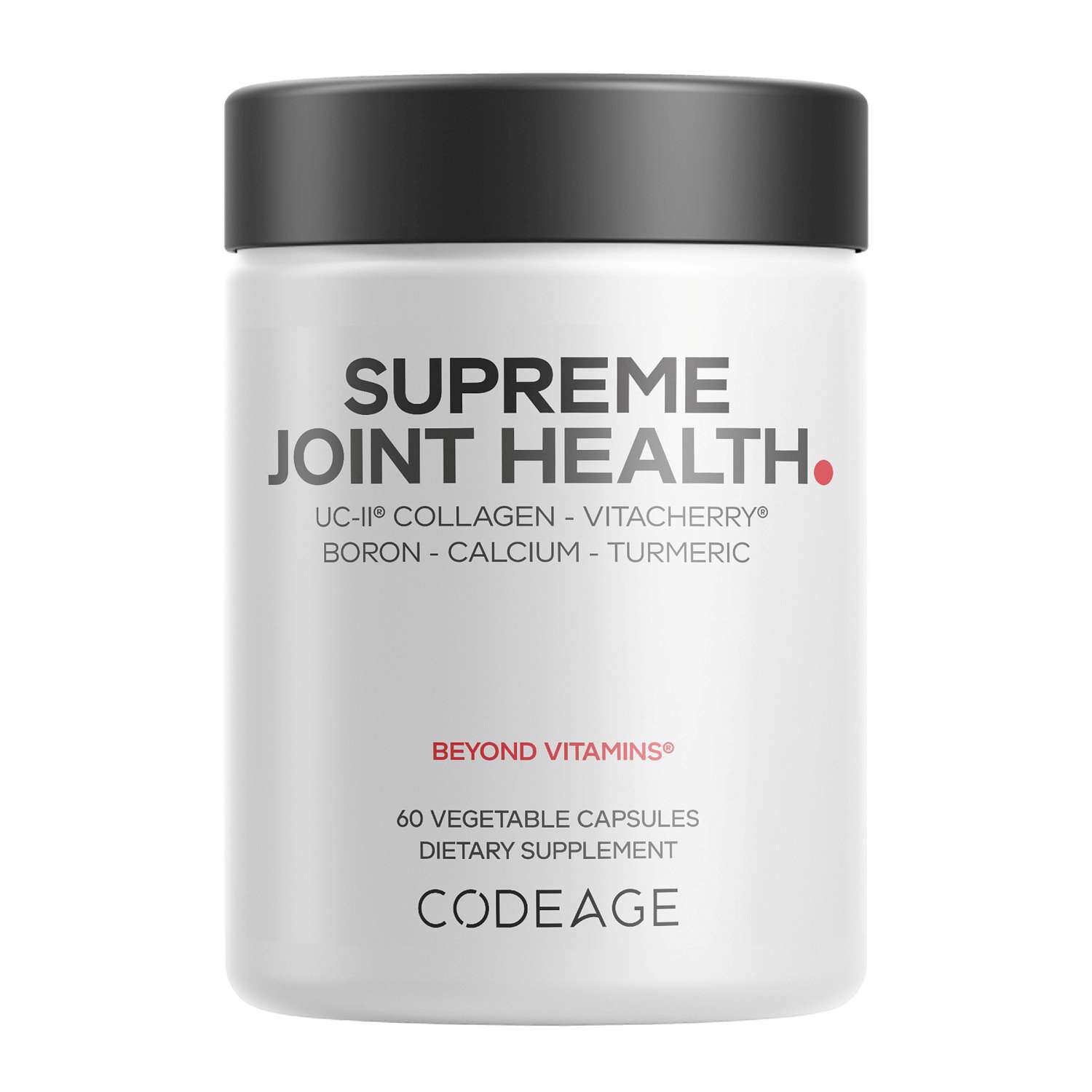
Energy Boosting Collagen Powders
(0 Results)
Energy boosting collagen powders may offer a convenient way to support your daily routine, especially for those looking to combine collagen with ingredients that could help you feel revitalized. Whether you're starting your morning or seeking a midday pick-me-up, these versatile powders are designed to fit seamlessly into your favorite beverages and recipes. Explore a wide selection of energy boosting collagen powders that may be a great addition to your wellness journey.
-

-
-
-
-
-
-

-

-

-
-
-

-

-

-

-

-

-

-
-
 44$44.99
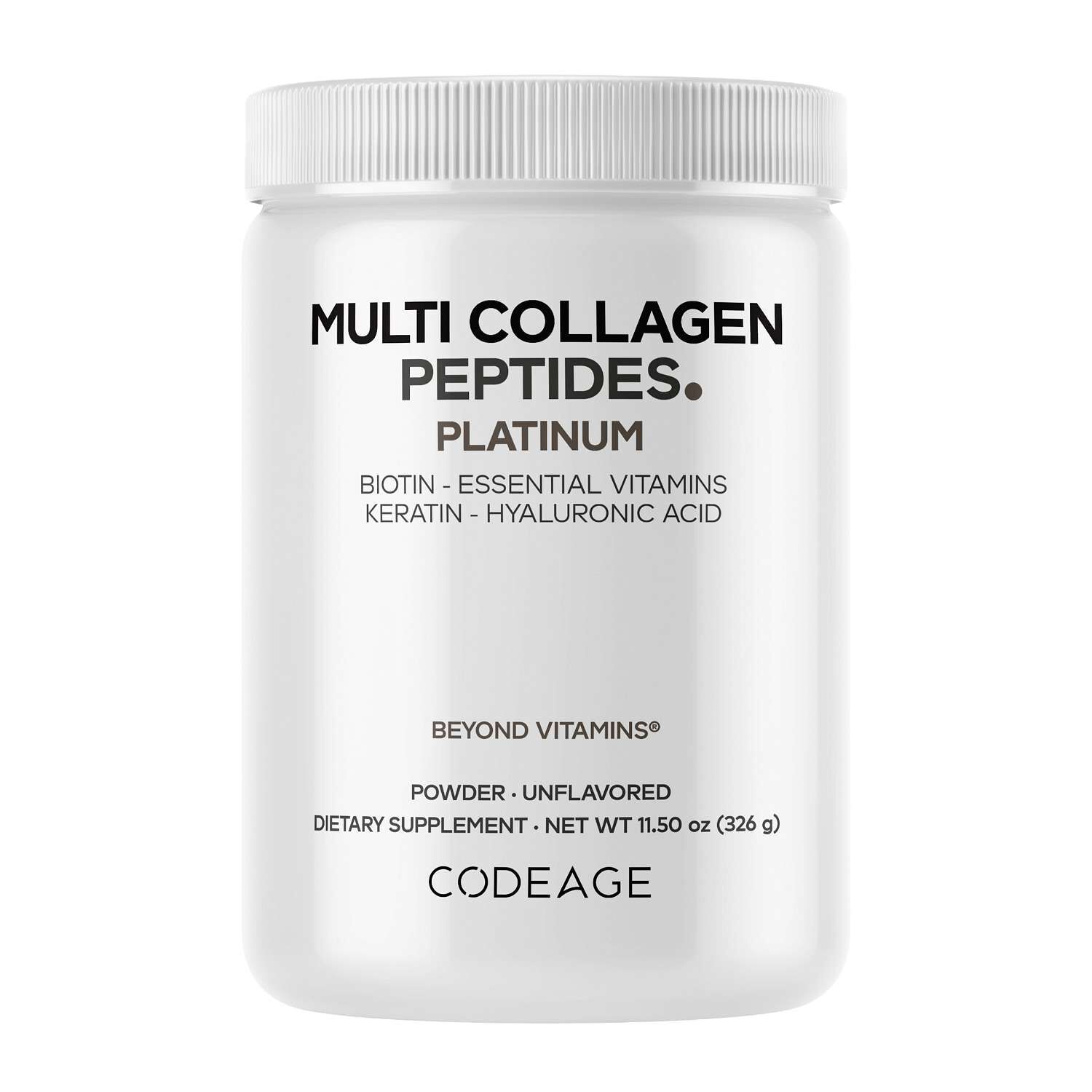
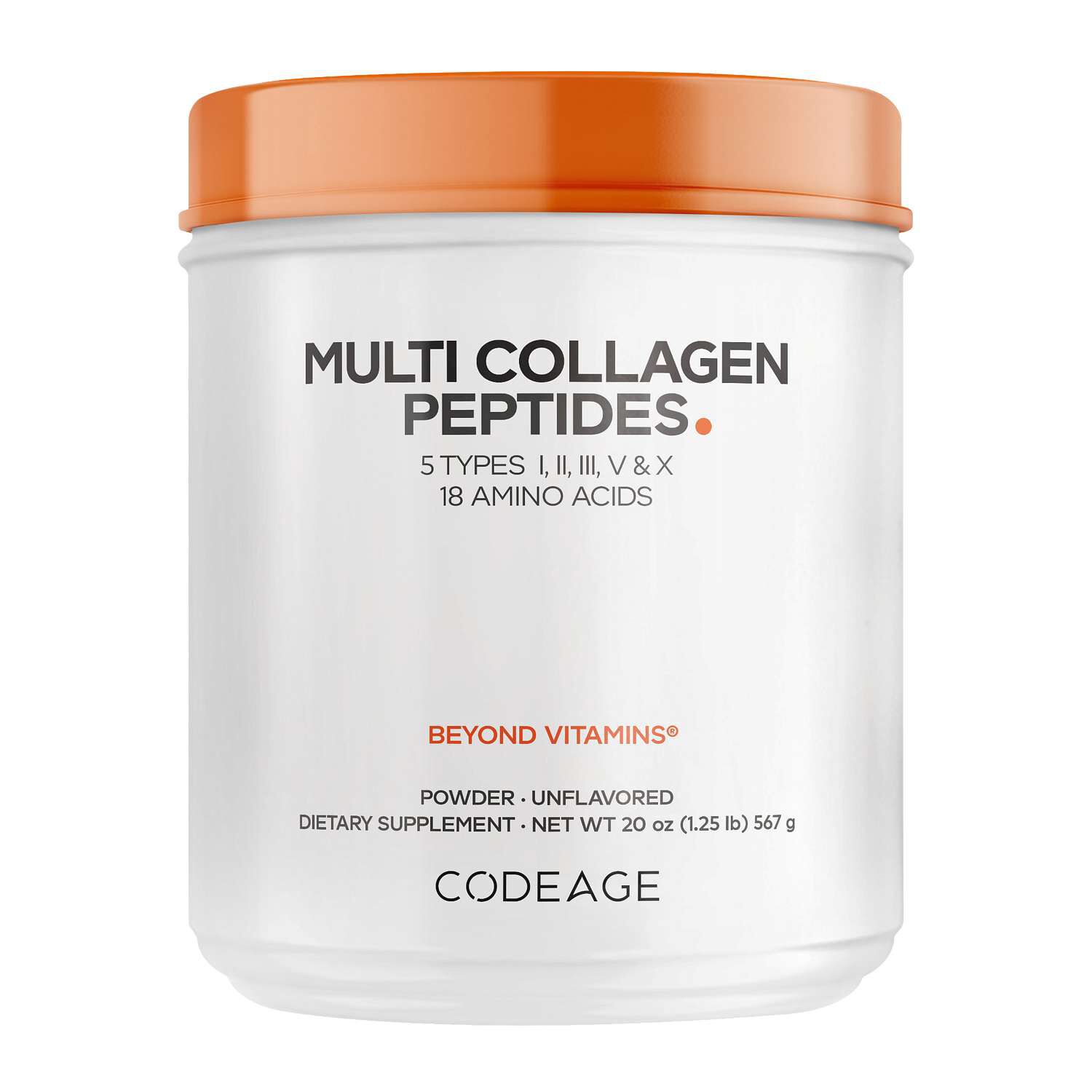
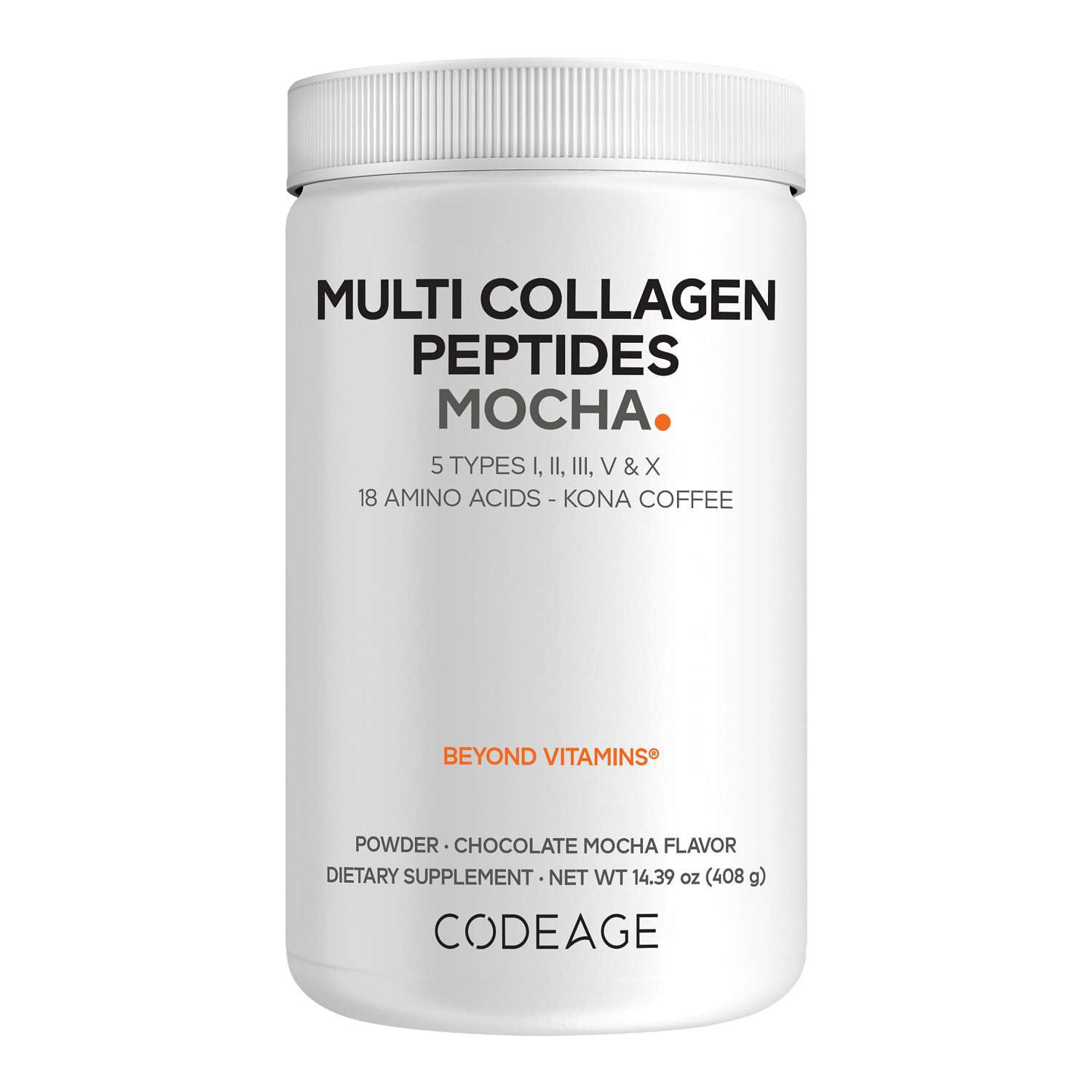

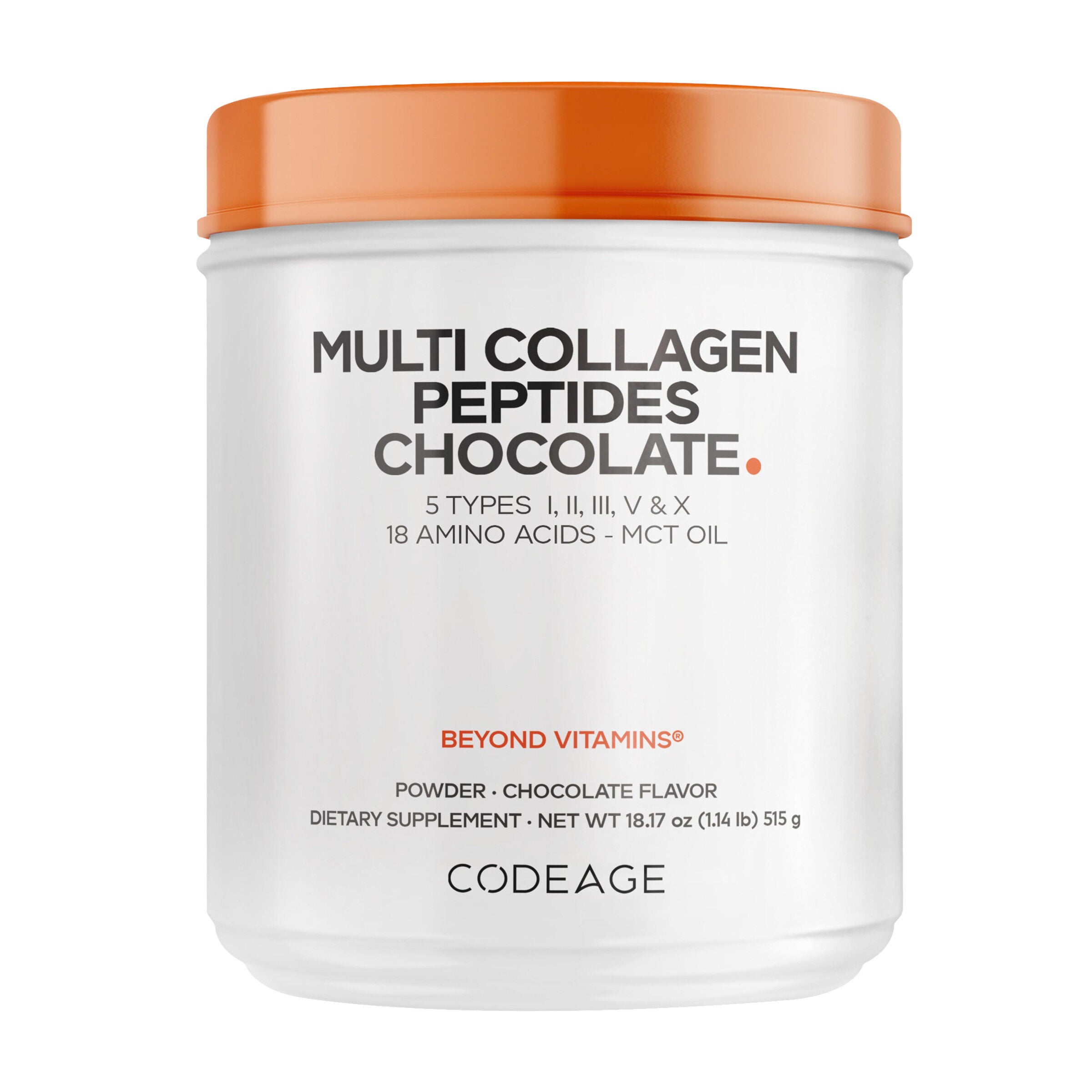
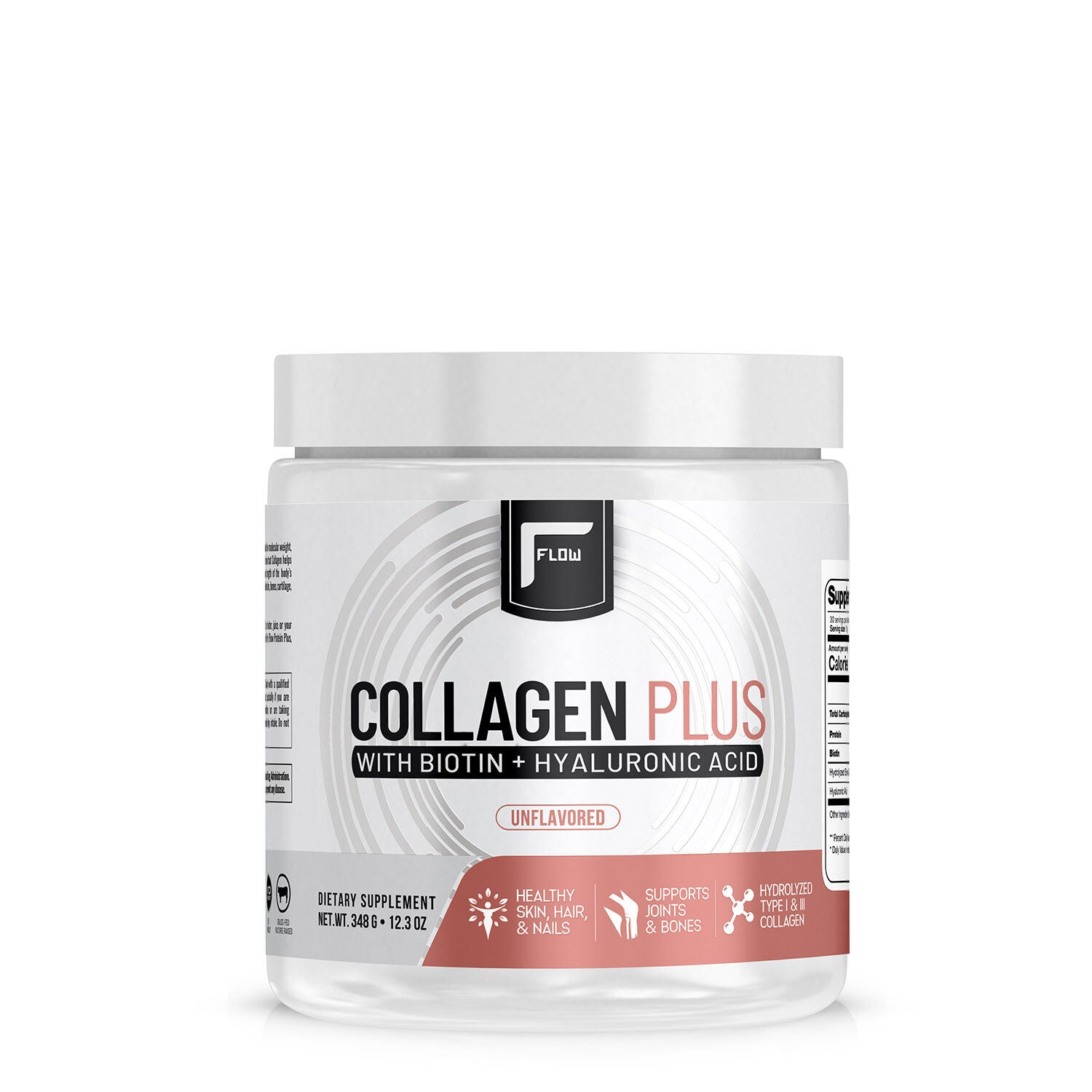
Collagen powders with added energy ingredients bring collagen peptides and ingredients such as caffeine, B vitamins, or tea extracts into a single powdered format. The category includes flavored drink mixes as well as more neutral options intended for coffee, smoothies, or other beverages. Collagen is a protein found in animal connective tissue, while collagen peptides are smaller protein fragments produced through hydrolysis. A collagen powder is not inherently a stimulant; the added ingredients determine whether a formula contains caffeine or other components associated with an energy-focused routine. Caffeine may support alertness, but its presence and amount vary by formula, and B vitamins are not interchangeable with caffeine. Some blends also contain medium-chain triglycerides, commonly called MCTs, along with sweeteners, flavorings, or ingredients that influence texture. These differences matter when comparing powders that share a similar description but have very different ingredient panels. A plain collagen powder stirred into coffee pairs the powder with the caffeine already in the beverage, whereas a caffeinated collagen drink mix brings its own caffeine to the cup. That distinction is especially relevant for someone whose morning already includes coffee or tea. Collagen sources can include bovine, marine, porcine, or chicken ingredients, and a blend can contain more than one source. Animal origin is an important consideration for dietary preferences, and marine collagen warrants a close look at the listed species and allergen statement. Traditional animal-derived collagen is not a vegan ingredient. Labels may also identify collagen types, such as type I or type III, but those designations describe the collagen rather than the amount of caffeine or the drink’s flavor. For shoppers comparing collagen and energy powders, the clearest points of distinction are the collagen source, grams of collagen per serving, additional ingredients, caffeine content when disclosed, and intended preparation. Together, those details describe what goes into the glass more accurately than a broad category name.
Flavor and preparation often shape whether a collagen powder suits an everyday routine. An unflavored option is not necessarily without a noticeable taste; its source and other ingredients can leave a subtle flavor that is more apparent in water than in a rich smoothie. Vanilla, cocoa, coffee-inspired, and fruit flavors offer different starting points, although the actual choices depend on the formulas being compared. A cocoa profile might suit a warm milk-based beverage during the cooler months, while a fruit-forward powder might be a better flavor match for a chilled drink alongside breakfast. Sweeteners also influence the experience, from the initial sweetness to the finish after each sip. Ingredient lists distinguish powders made with sugar from those made with other sweetening ingredients, and the nutrition panel provides the corresponding sugar and carbohydrate amounts. Hydrolyzed collagen powders are commonly intended for mixing into liquids, but temperature, concentration, and the rest of the formula affect how they disperse. Package directions specify the recommended serving and liquid volume, providing a useful basis for comparing texture and taste. A spoon, shaker bottle, or blender offers a different preparation experience: stirring suits a simple mug routine, a shaker accommodates a drink packed for a commute, and a blender combines powder with fruit, yogurt, or other smoothie ingredients. Not every formula is intended for both hot and cold use, so the preparation directions matter more than assumptions about collagen as a category. A desk drawer packet, a kitchen-counter tub, and a portion packed for travel each suit different habits. Single-serving packaging keeps the labeled portion together, while tubs allow preparation with the enclosed measuring scoop when one is provided. Collagen contributes protein, but its amino acid profile differs from whey, soy, and other protein sources. Someone comparing a collagen drink with a breakfast shake or exercise-related protein powder will find that distinction relevant, along with the other foods and beverages in the routine. Collagen powder is a supplement rather than a replacement for a varied meal.
Choosing among collagen powders with energy-focused ingredients also involves looking beyond the front label. Serving sizes differ, so a scoop from one container is not necessarily equivalent to a scoop from another. The amount of powder per serving, servings per container, collagen quantity, and listed caffeine amount provide a more consistent comparison. Tea or coffee extracts deserve attention because they can contribute caffeine even when a formula’s name emphasizes another ingredient. A botanical ingredient’s presence alone does not establish its caffeine content, and a blend weight does not necessarily reveal the amount of each component within it. For someone who already enjoys a morning espresso or an afternoon tea, the powder’s ingredient details belong alongside those existing beverage choices. Timing is also a practical consideration: a formula containing caffeine differs from one made without added caffeine, particularly when the intended drink is part of an evening routine. Other shoppers may be more interested in collagen blends containing antioxidant ingredients than in caffeinated formats; Collagen Powders With Antioxidants offers a related category to compare by source, flavor, and ingredient list. Regardless of formula, packaging and storage help define the everyday experience. A firmly closed lid, a dry scoop, and storage according to the label may help limit moisture-related clumping. Keeping the container away from steam rising off a kettle or coffee maker is a practical consideration in a busy kitchen. Date markings, seal condition, and package directions also matter, especially for a tub that travels between home and work. As a gift, collagen powder is most appropriate for an adult who already uses this type of supplement and whose flavor preferences, dietary requirements, and caffeine preferences are known. For personal use, the best fit is a powder whose ingredients and preparation match the intended occasion, whether that is a measured addition to breakfast, a smoothie made before leaving home, or a drink mixed at the office. Clear labeling, a suitable serving format, and a flavor that works with familiar beverages make those distinctions tangible.
Best Sellers
-
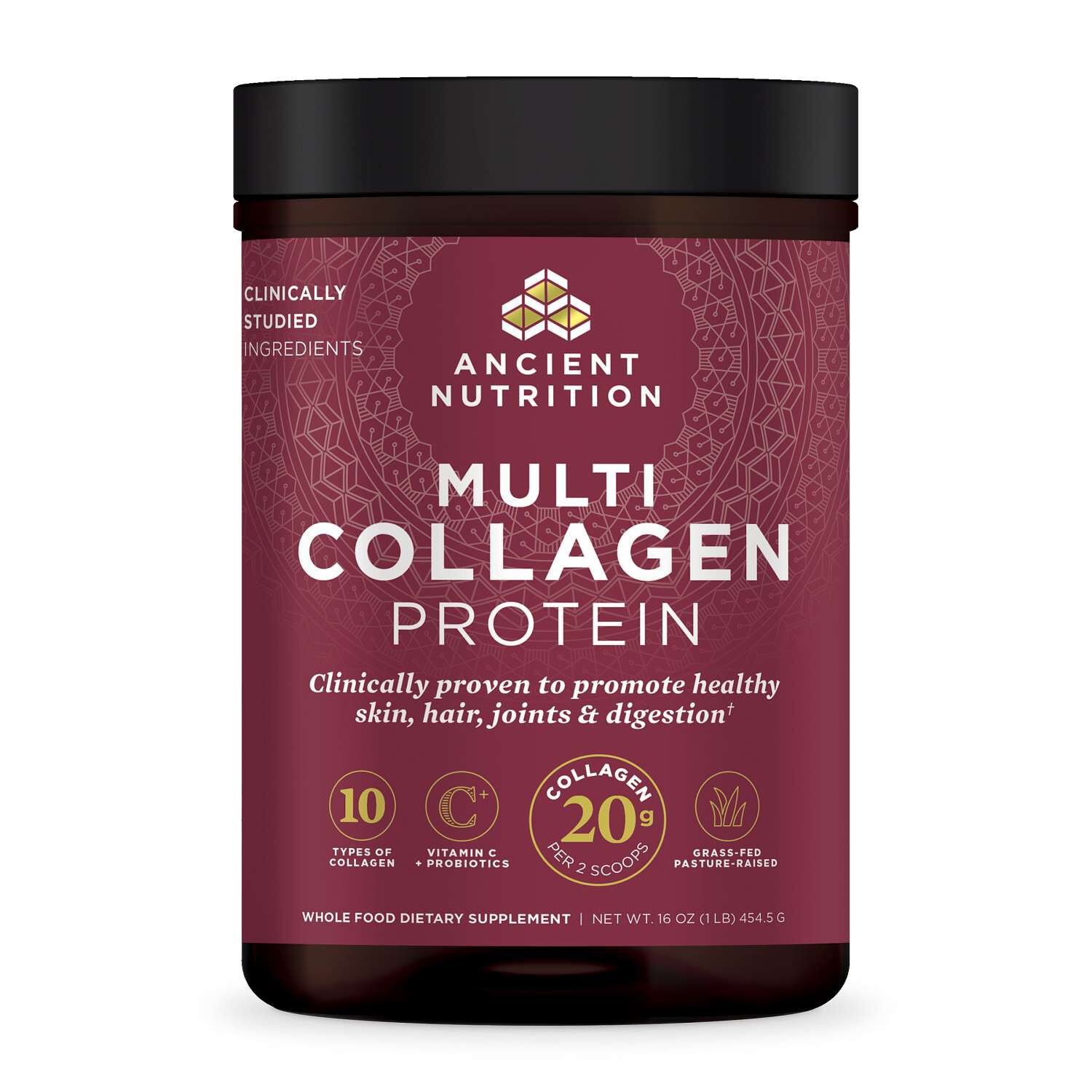
Ancient Nutrition
-
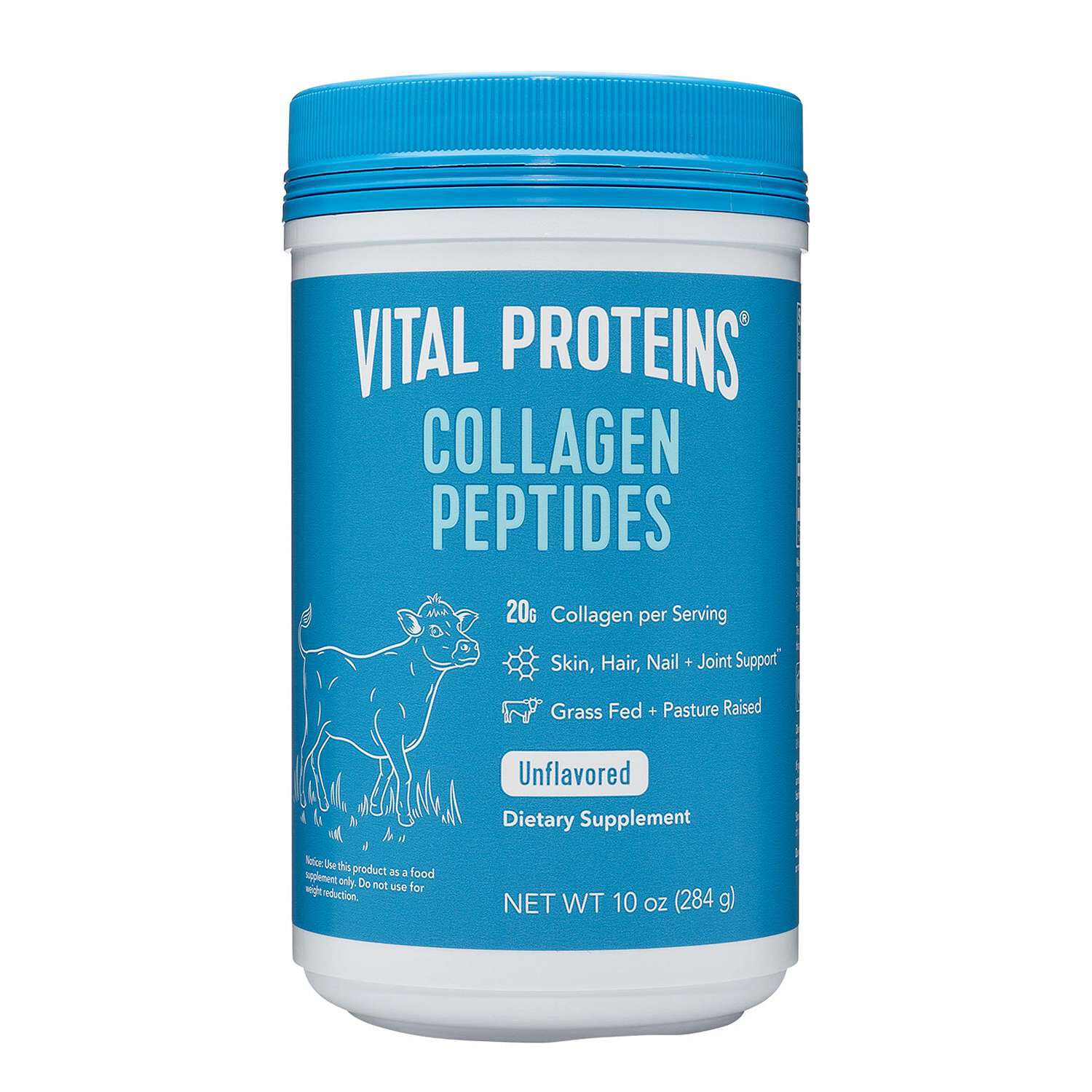
Vital Proteins