





Enhanced Collagen Powders
(0 Results)
Discover the potential benefits of enhanced collagen powders, designed to support overall wellness and vitality. These high-quality supplements may help you maintain a healthy lifestyle by providing the necessary nutrients that could support skin, hair, nails, and joint health. Explore our selection of enhanced collagen powders to find the perfect addition to your daily routine.
-
-

-
-
-

-
-
-
 44$44.99
 -
-
-

-
-

-
-
-
-


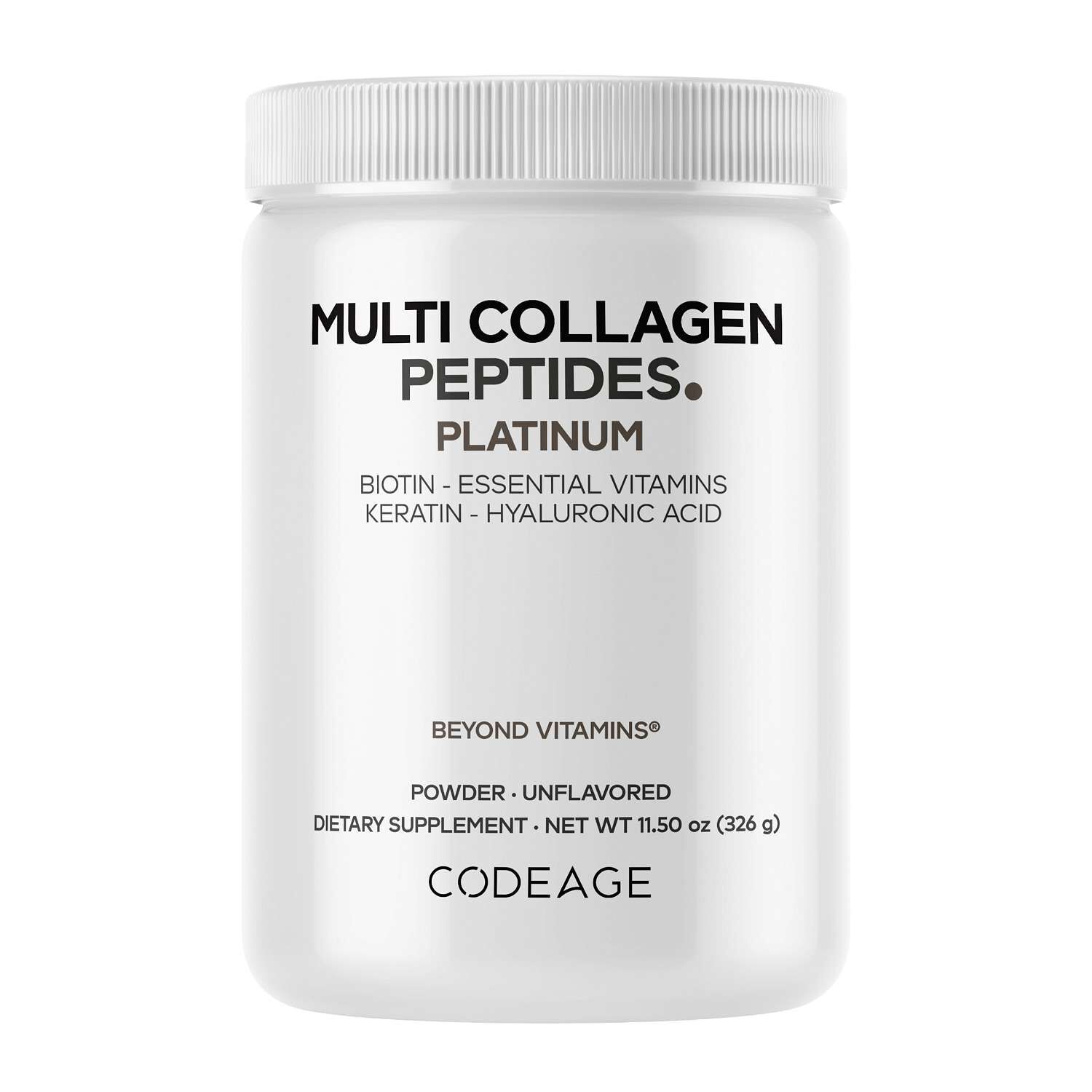
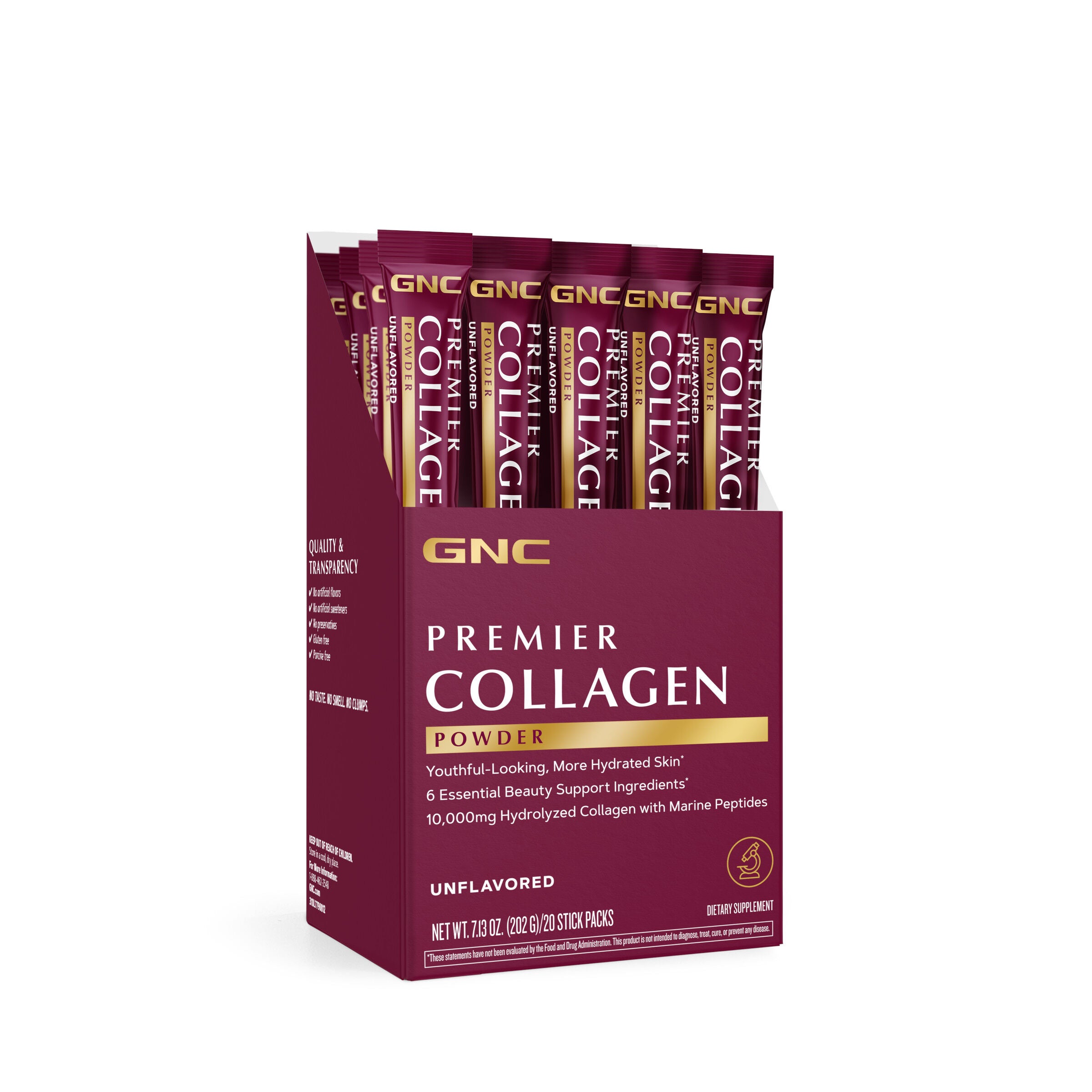

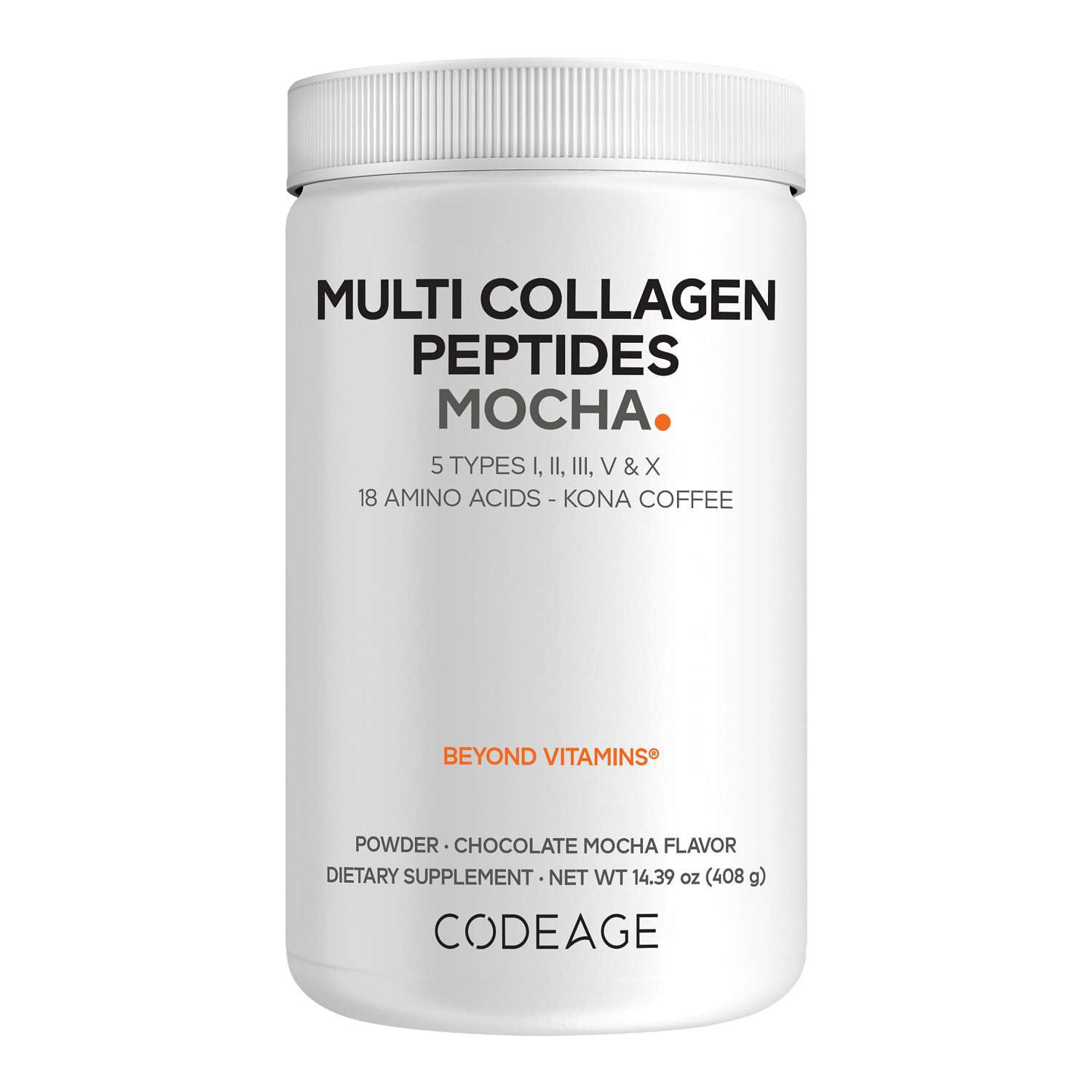

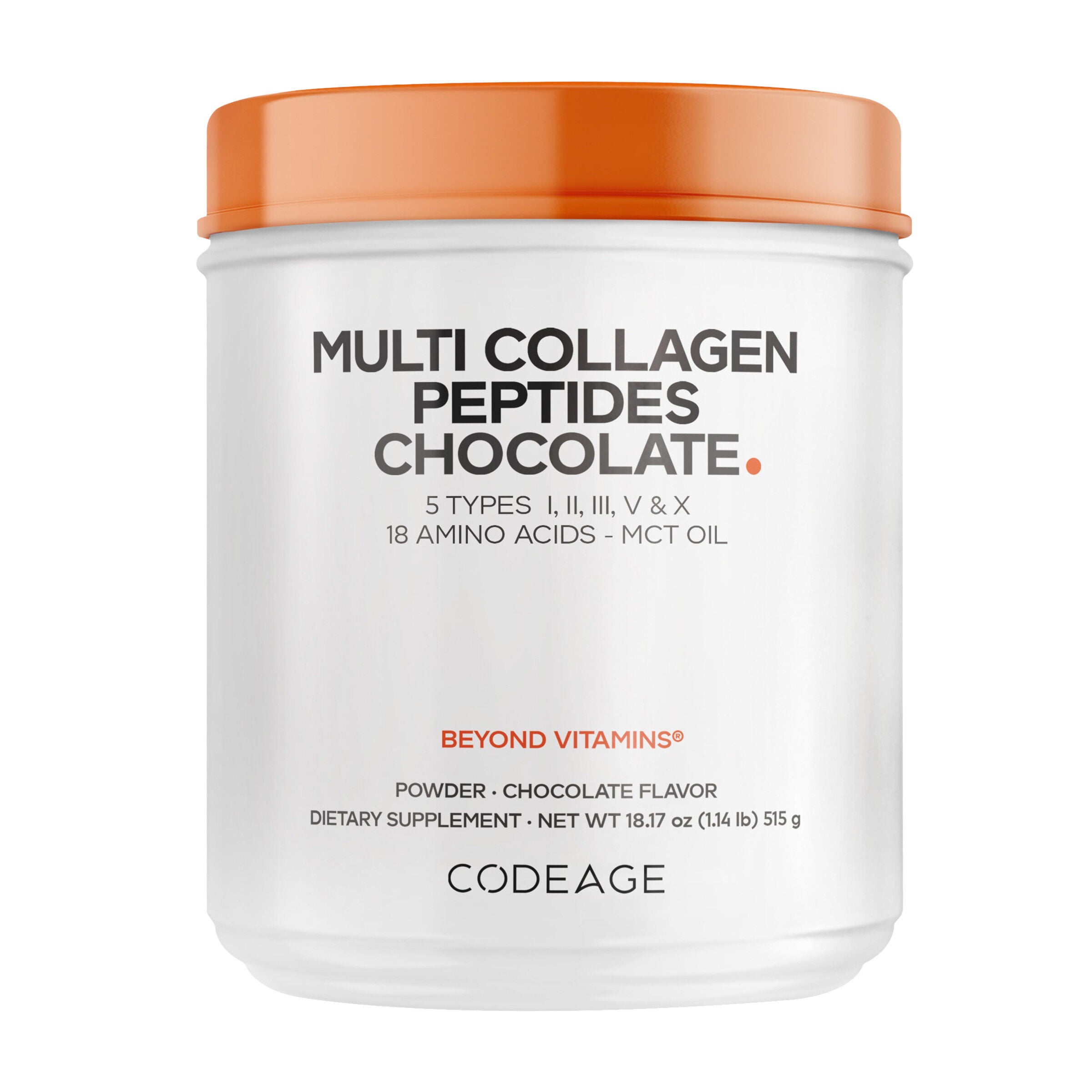
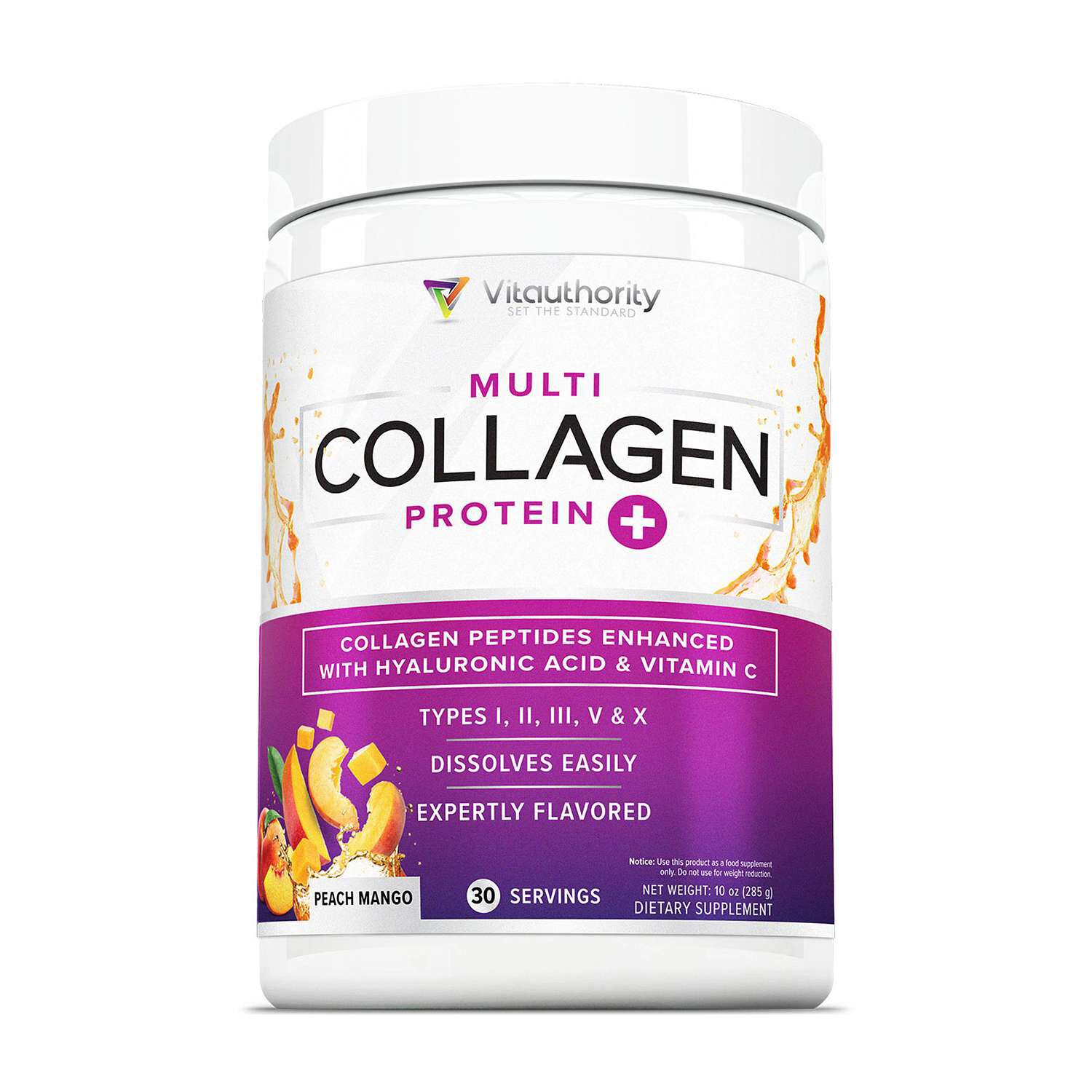
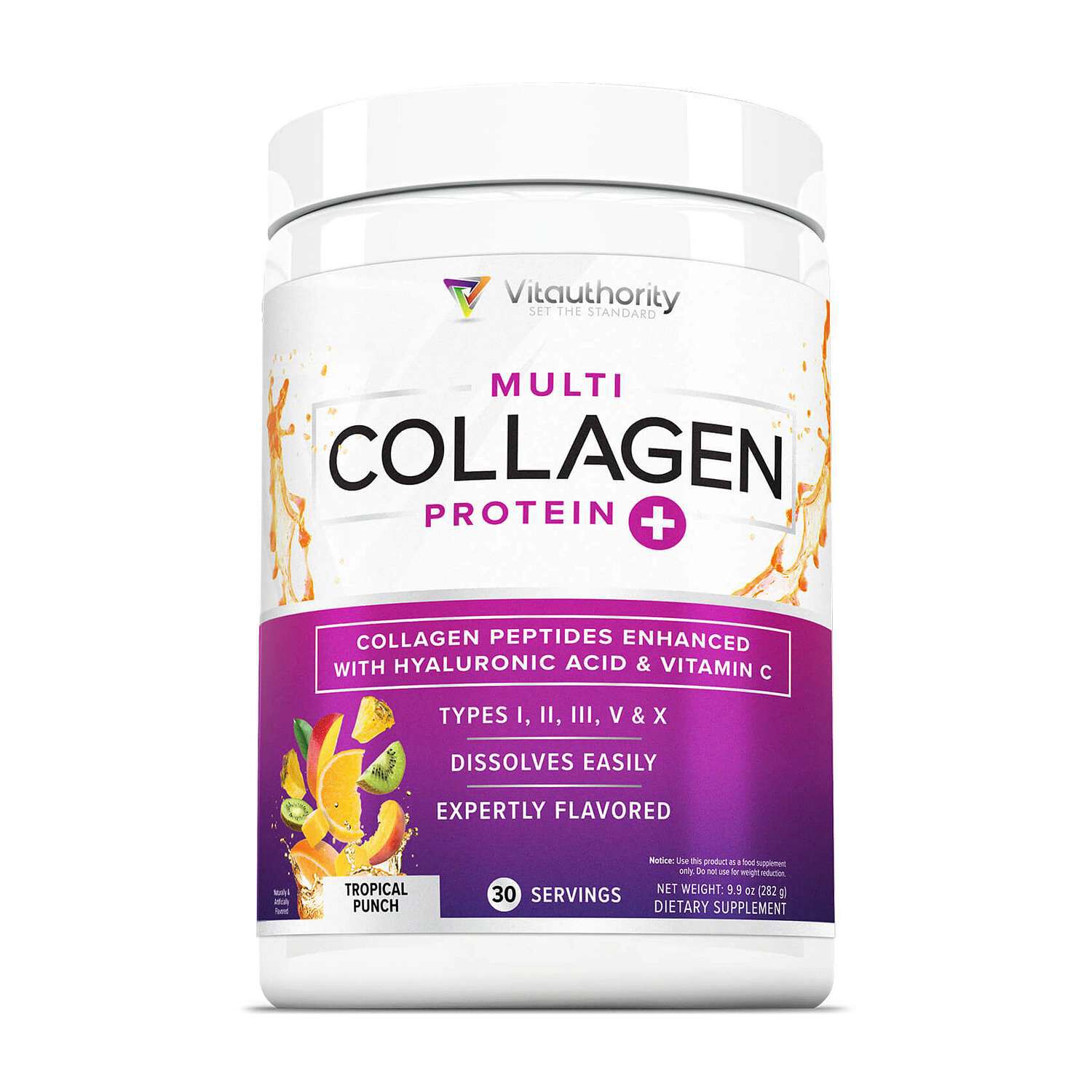
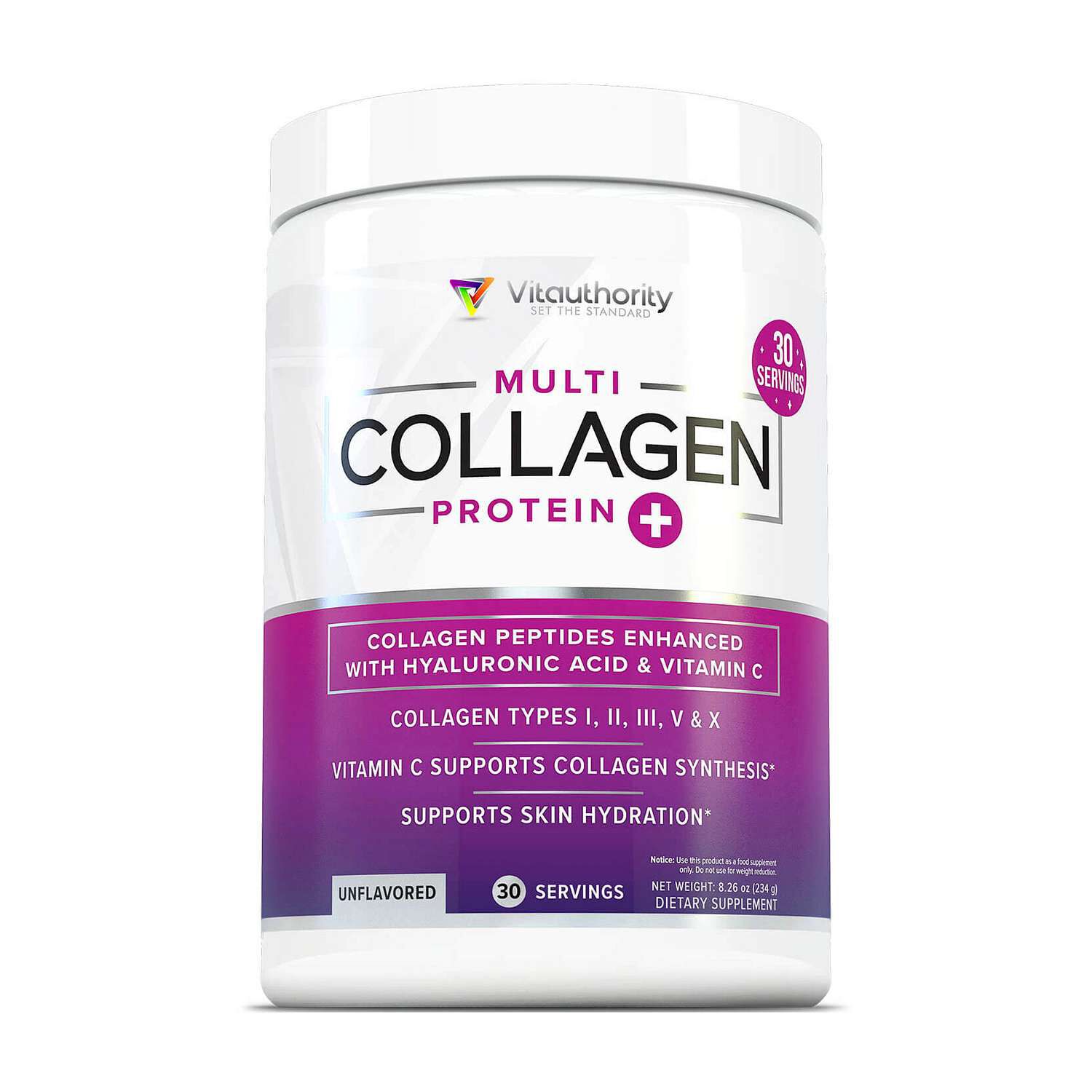
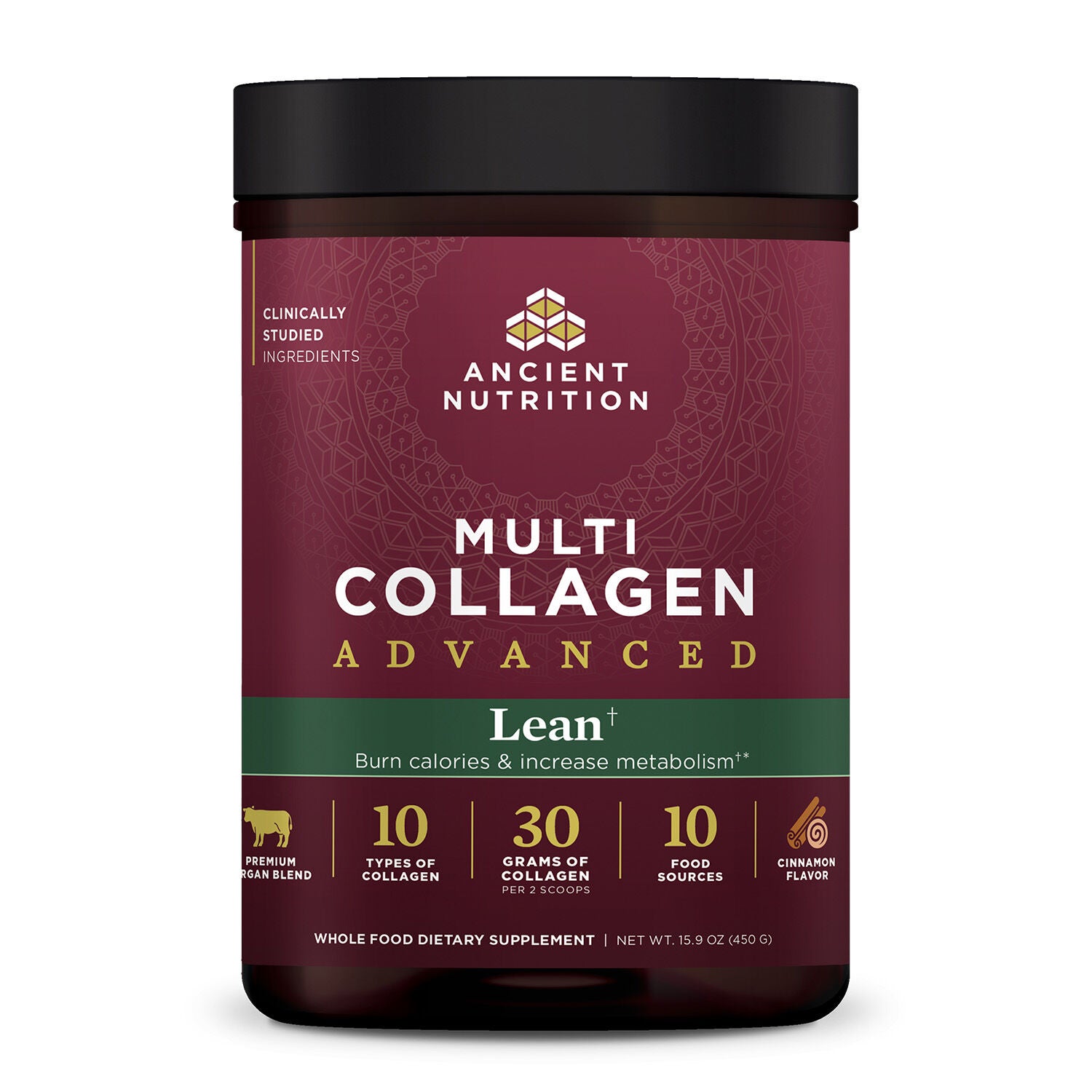
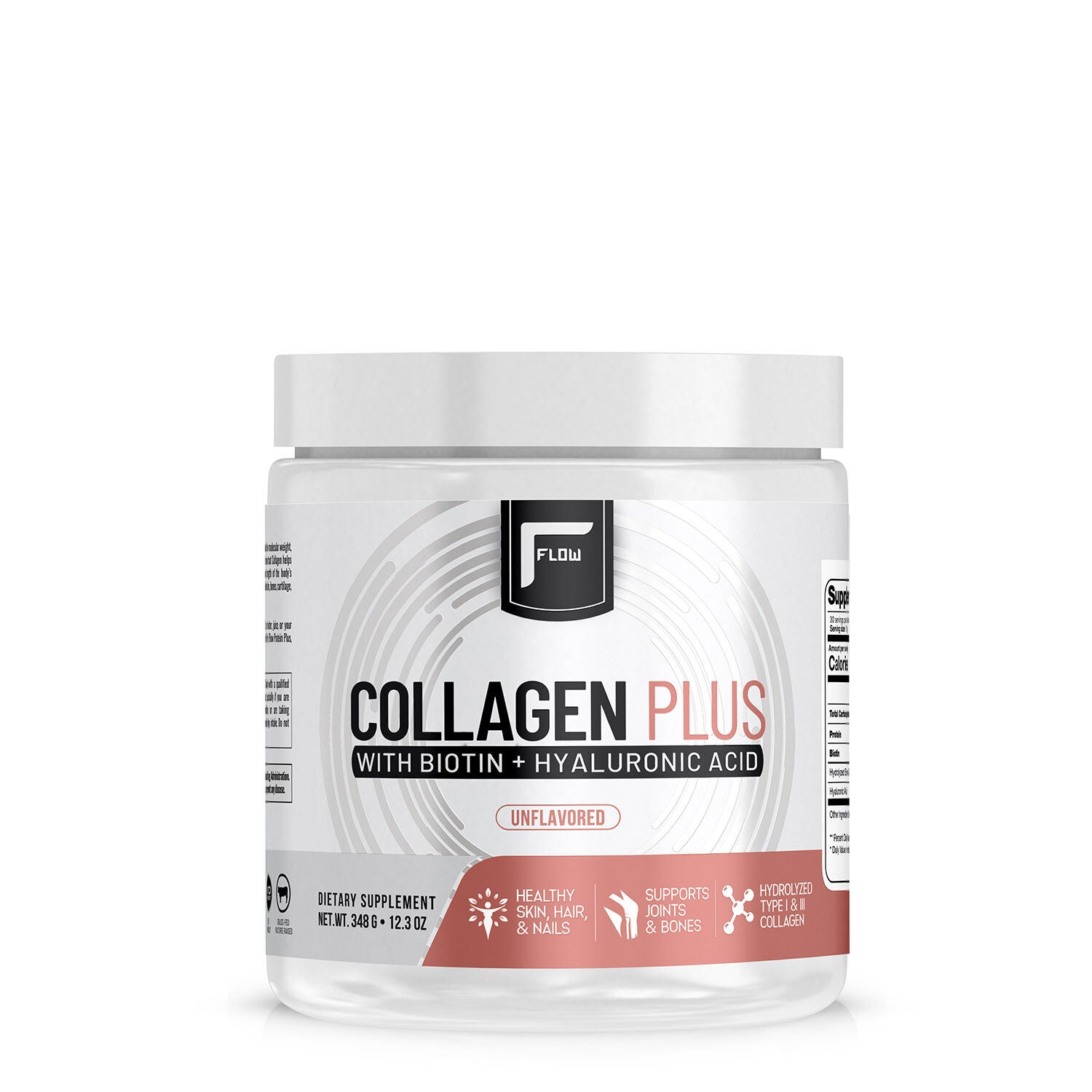
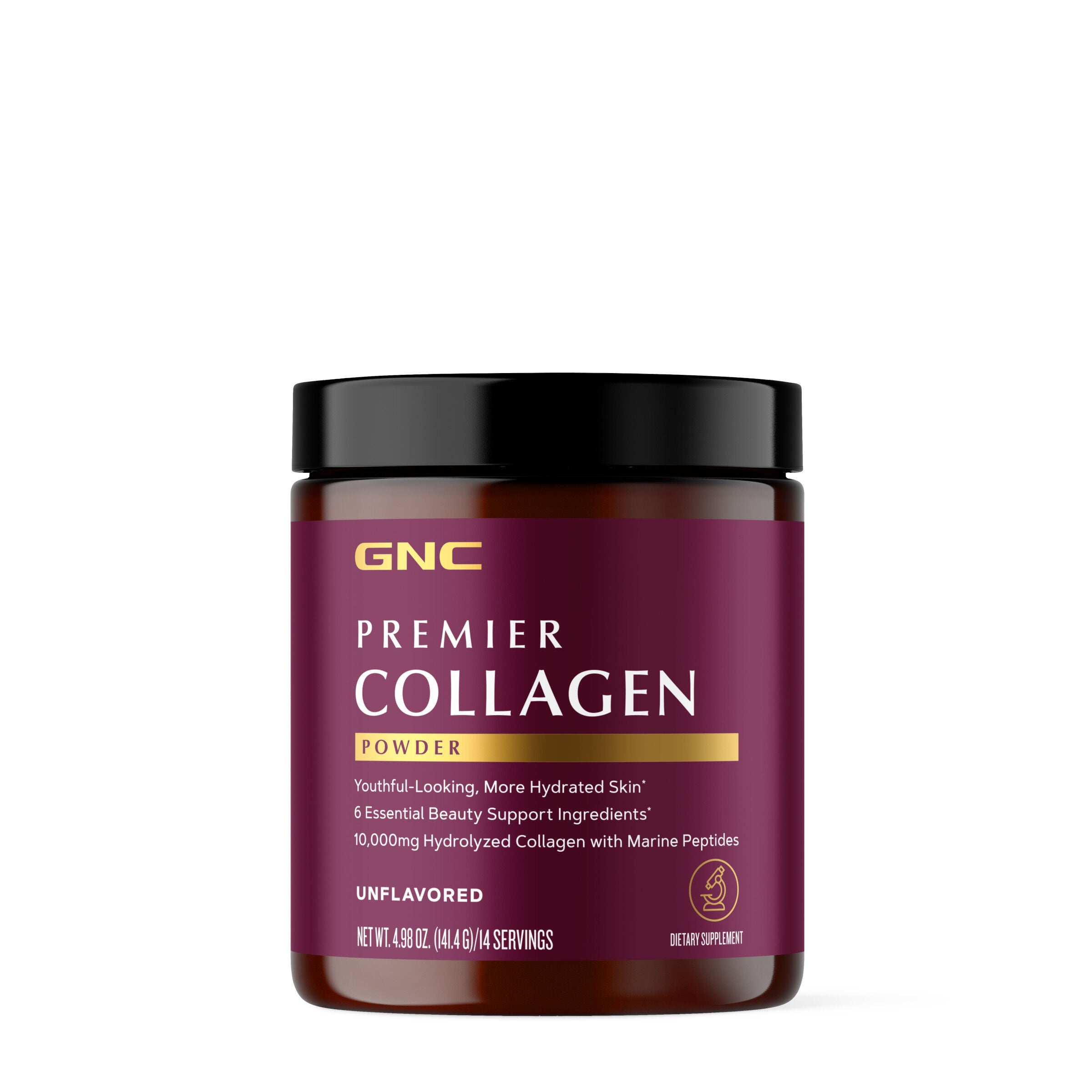
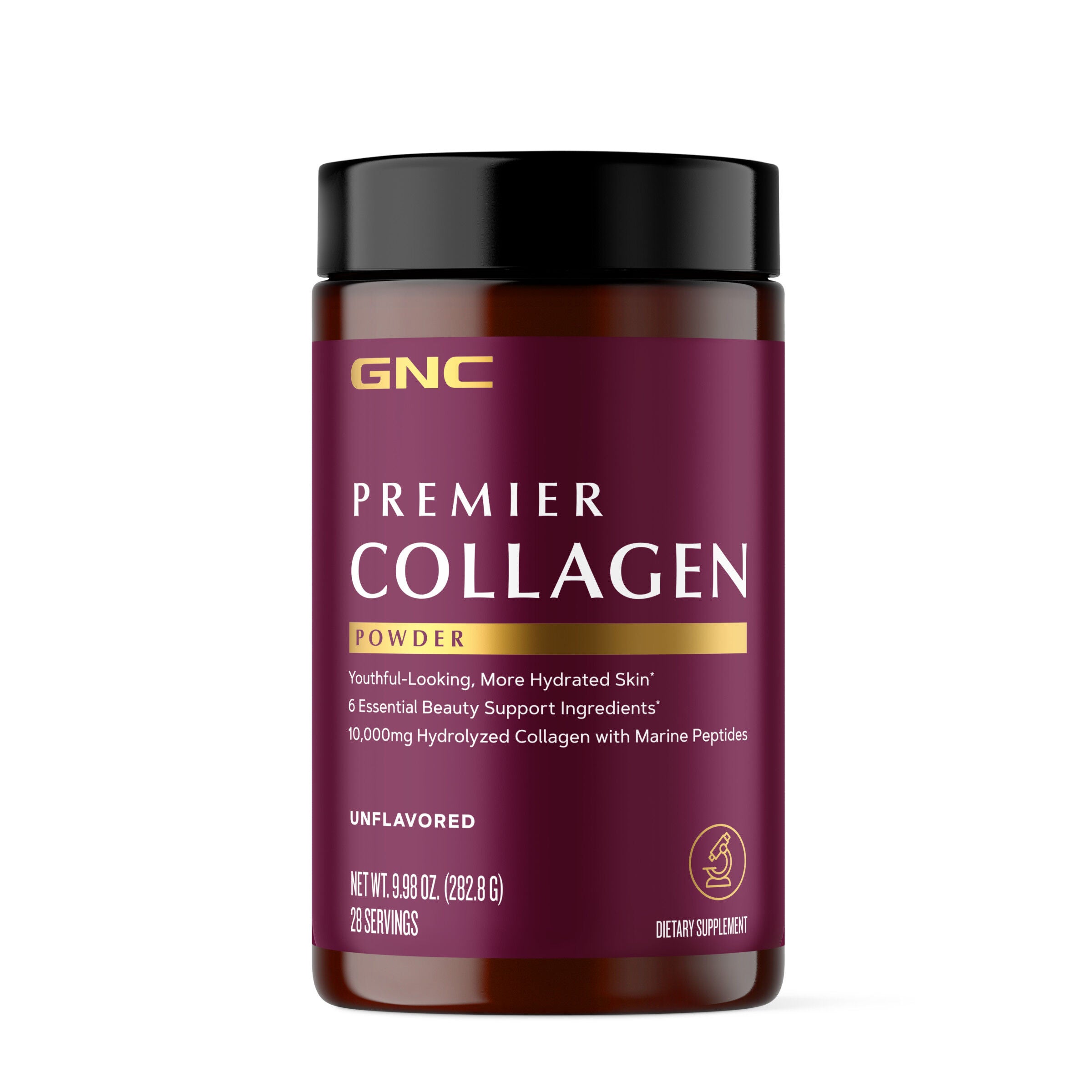
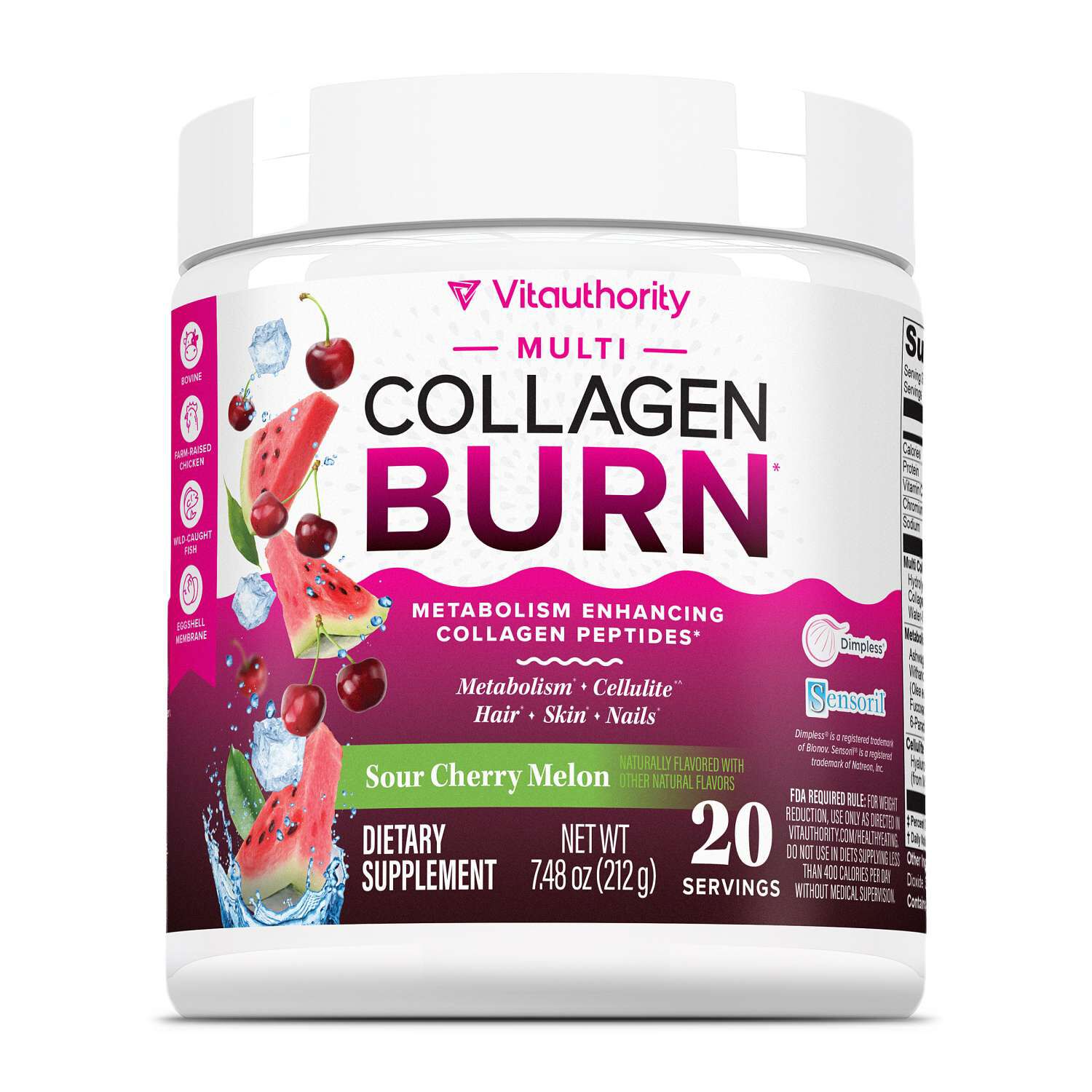
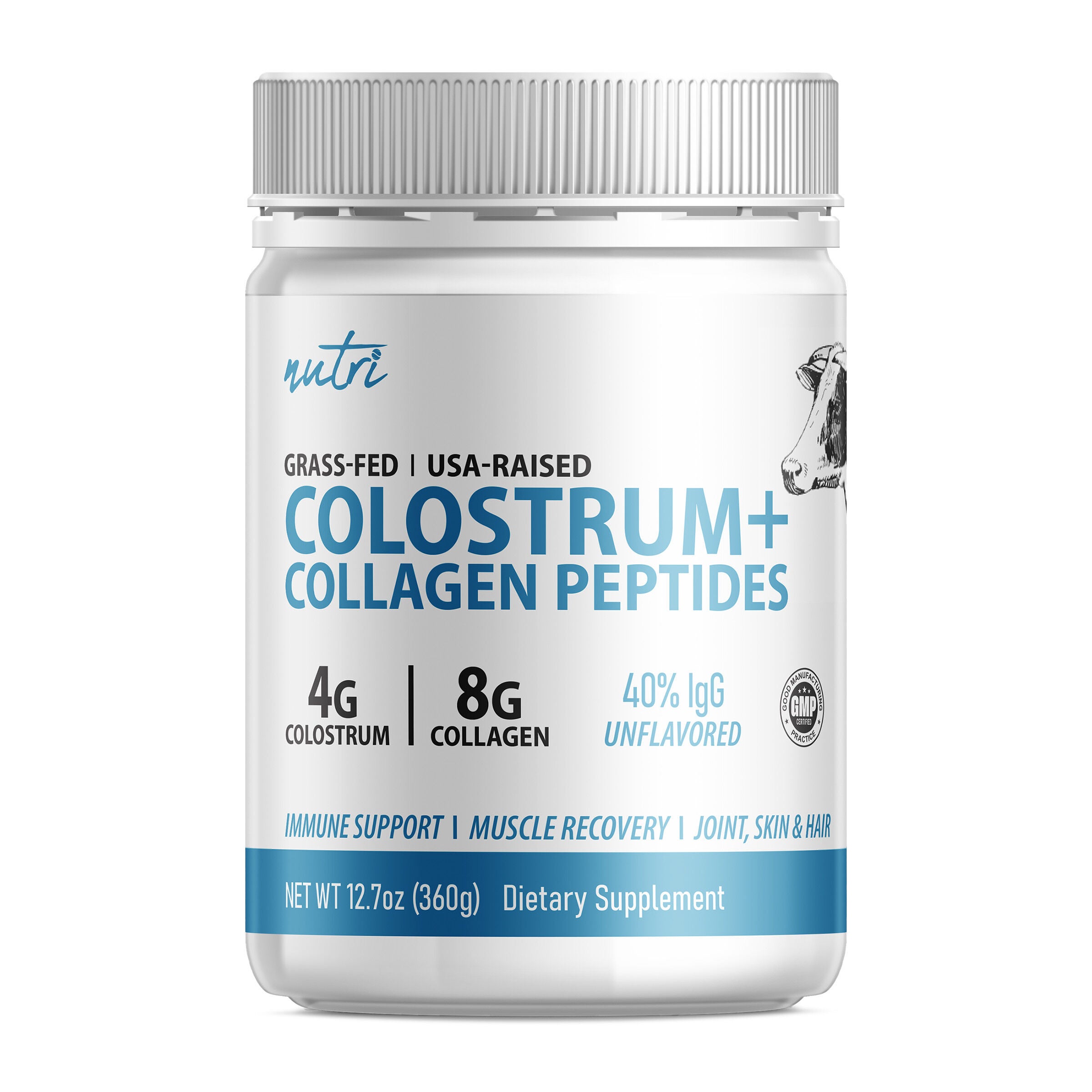
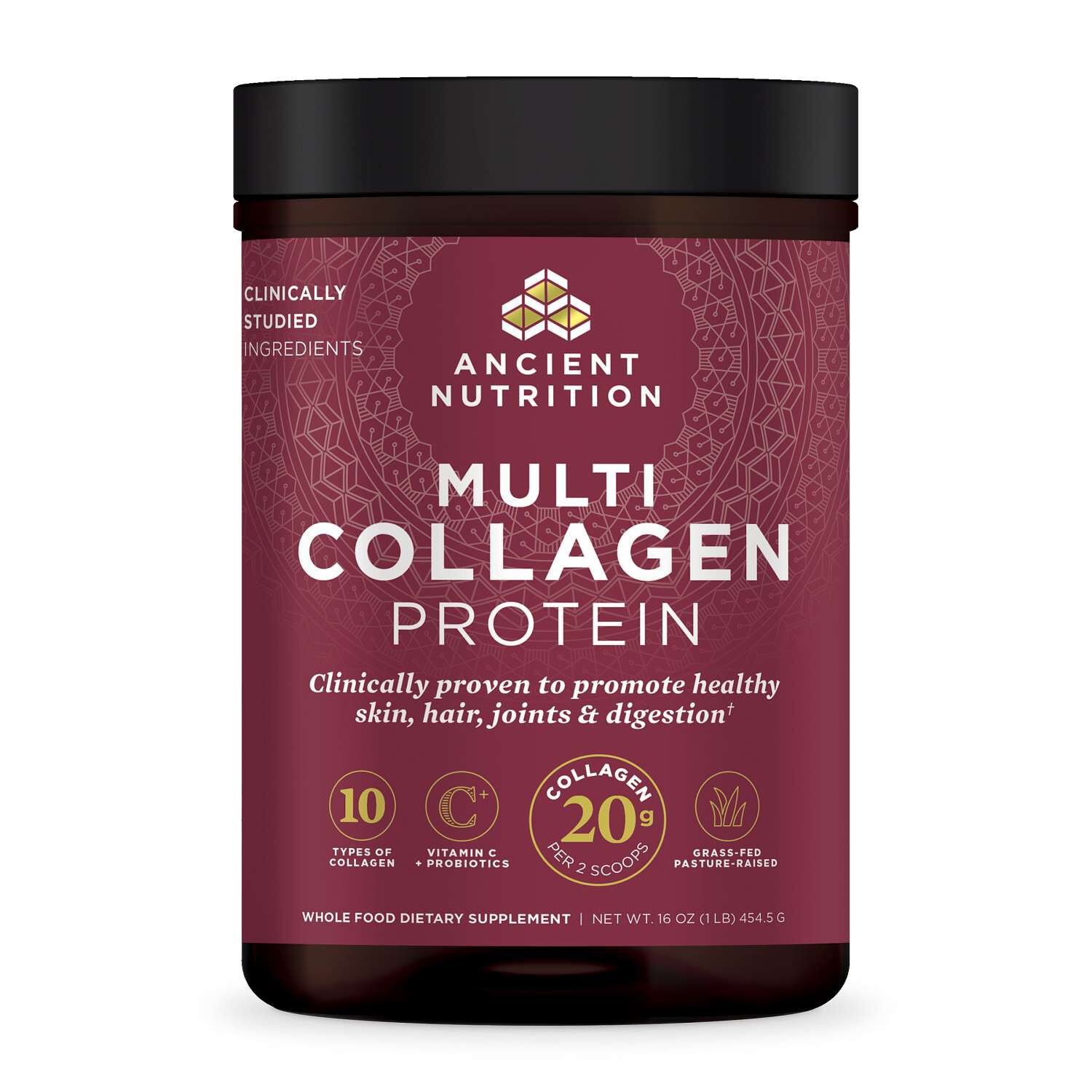
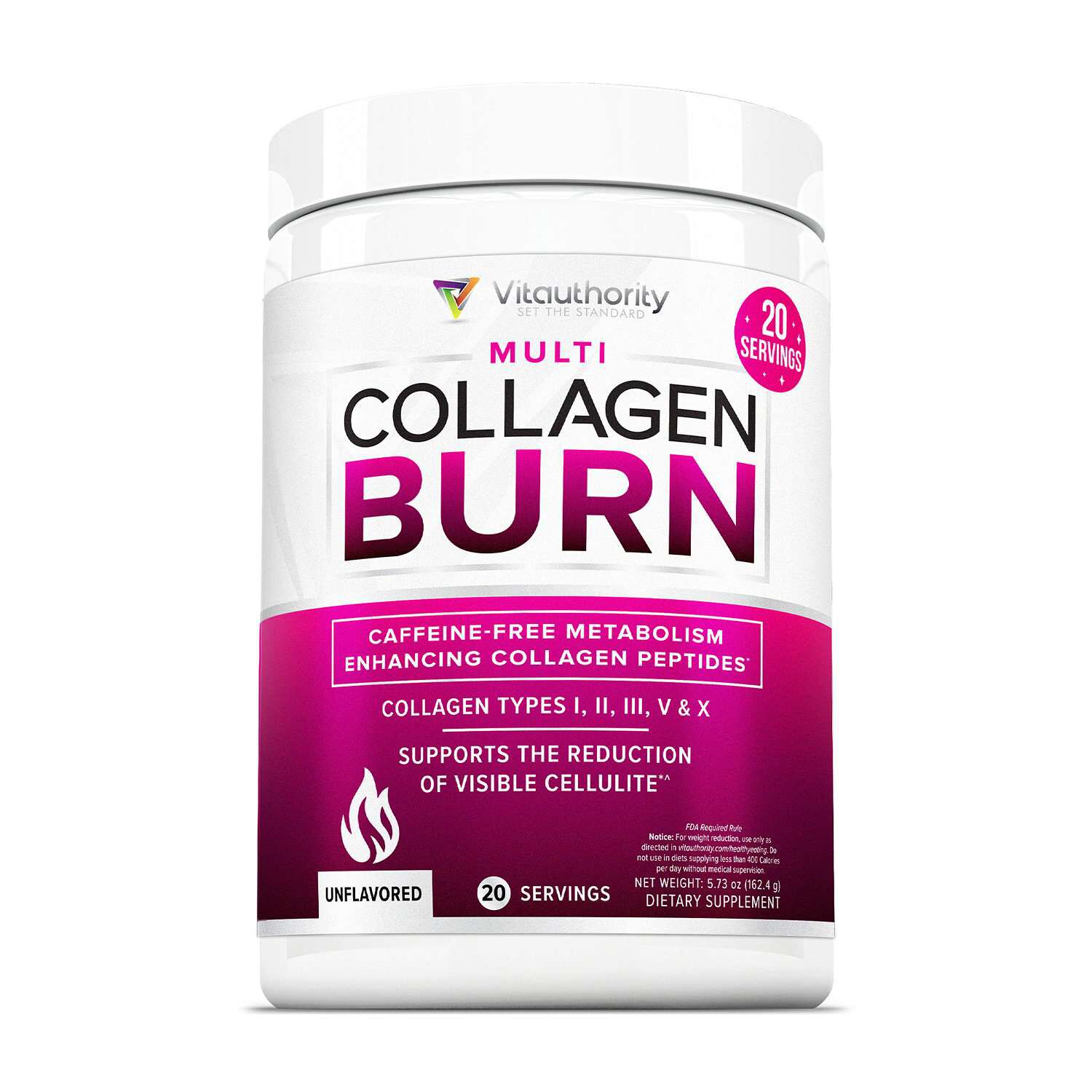
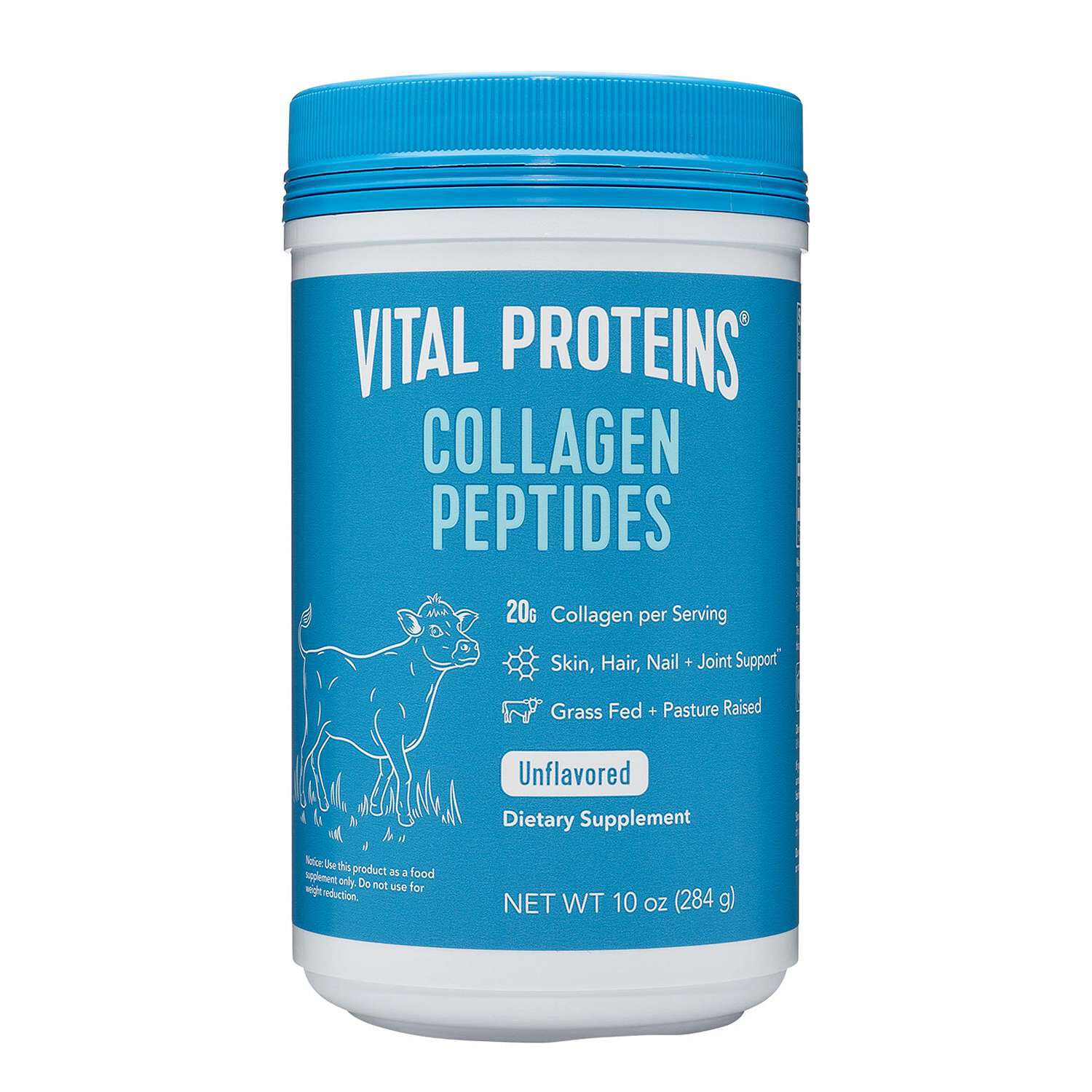
Collagen powders bring a familiar supplement format to everyday drinks and foods, with options ranging from plain collagen peptides to blends containing additional nutrients and flavorings. Collagen is a structural protein naturally present in skin, bones, tendons, and other connective tissues. In powdered supplements, it commonly comes from bovine or marine sources, and the source is an important distinction when comparing formulas. Bovine collagen comes from cattle, while marine collagen commonly comes from fish; neither is a plant-based ingredient. Hydrolyzed collagen has undergone a process that separates larger protein structures into smaller peptides. This processing may help the powder disperse in liquid, although mixing characteristics vary by formula and preparation method. Labels may also identify collagen types, such as types I and III, which describe the collagen associated with the source material rather than a flavor or serving size. Some powders contain collagen as their only ingredient. Others pair collagen peptides with vitamin C, hyaluronic acid, minerals, or other ingredients selected for a particular formulation. A descriptive name alone does not establish what is inside, so the ingredient list and Supplement Facts panel provide the clearest basis for comparison. The amount of collagen per serving, grams of protein, serving weight, and number of scoops are separate details, and one scoop is not a standardized amount across containers. A larger serving may include more flavoring or additional ingredients rather than more collagen. For shoppers browsing collagen peptide powders, these distinctions give useful context beyond the front label. An unflavored, single-ingredient powder and a flavored blend with several added nutrients serve different preferences, even when both belong to the same broader category. Adults interested in a powdered addition to an established food routine may prefer a short ingredient list, while others may value a particular flavor or combination of ingredients. The most meaningful comparison starts with what each serving contains and how that composition fits the intended use.
Flavor, texture, and preparation are often what distinguish one collagen powder format from another in day-to-day use. Unflavored does not necessarily mean undetectable: the source, concentration, and accompanying food or drink may influence aroma, taste, and mouthfeel. A serving mixed into a small glass of water may be more noticeable than the same serving blended into a larger fruit smoothie. Flavored formulas introduce another set of considerations, including sweetness, cocoa or fruit notes, and how those flavors pair with a regular breakfast or afternoon drink. A vanilla-style powder may suit an oat-based smoothie, while a plain formula may be a more adaptable choice for someone who rotates between coffee, yogurt, and other foods. Preparation directions matter because not every blend is intended for the same liquid temperature or mixing method. Some powders are labeled for hot and cold beverages; others have more specific directions. A spoon, whisk, shaker bottle, or blender offers a different mixing experience, particularly when a formula contains ingredients beyond collagen peptides. Adding powder gradually to the amount of liquid specified on the label may help produce a more even texture. Thick foods present their own practical differences: yogurt may need more stirring, and a dense smoothie may call for additional liquid according to the recipe and product directions. During the cooler months, a warm breakfast or mug of coffee may offer a familiar setting for powders labeled for that use, without requiring a separate drink. For someone leaving home early, a measured serving prepared according to the package directions may fit more naturally than a recipe with several steps. These powders are supplements rather than stand-alone meals, and their nutrient composition differs from that of other protein sources. Collagen, whey, soy, and pea protein have different amino acid profiles, so equal grams of protein do not make them nutritionally interchangeable. Intended use matters as much as the number printed beside protein on the label.
Ingredient preferences, packaging, and storage round out the comparison between collagen powders. Source information is particularly relevant for shoppers who avoid fish or bovine ingredients, and added components deserve the same attention as the collagen itself. A flavored blend may contain milk ingredients, sweeteners, colors, or ingredients with their own allergen considerations. An unflavored formula can also contain more than one ingredient, making the full label more informative than the flavor description. Statements about grass-fed cattle, pasture-raised sourcing, or other production practices describe particular sourcing attributes; they do not, by themselves, specify the collagen amount in a serving or how the powder will taste. Certifications and testing statements are most useful when the package identifies what was evaluated and by whom. Container design adds another practical dimension. A tub with a scoop offers a different measuring routine from individually portioned packets, while a resealable pouch takes up space differently in a kitchen cabinet or work bag. Packet weight and scoop capacity still need to be read alongside the serving directions rather than treated as equivalent measurements. For storage, the package instructions establish the appropriate conditions. A securely closed container, a dry measuring utensil, and a location away from steam and moisture may help preserve the powder’s intended texture during use. This is especially relevant when a container sits near a kettle, coffee maker, or dishwasher, where everyday humidity may contribute to clumping. The package date and any instructions for use after opening also belong in the comparison. For households with several powdered supplements, a clearly labeled container and its original scoop may make the routine simpler. Shoppers comparing formulas that combine collagen with fiber can also explore Collagen Fiber Powders, where fiber type and amount add further details to consider alongside collagen content. Across the category, a powder’s source, serving composition, flavor, preparation requirements, and packaging create a more useful picture than any single front-label phrase. Together, those details help distinguish a straightforward collagen peptide powder from a more complex blend and connect the format to the foods, drinks, and routines in which it may be used.
Best Sellers
-
Ancient Nutrition
-
 Vital Proteins

