

Collagen Creamer Powders
(0 Results)
Elevate your daily routine with collagen creamer powders, a delightful addition to your favorite beverages. These versatile powders could seamlessly blend into coffee, tea, or smoothies, adding a creamy texture while supporting your wellness journey. Perfect for those looking to incorporate collagen into their diet, these creamer powders may offer an enjoyable way to start your day or complement your mid-afternoon pick-me-up. Discover the potential benefits and convenience of collagen creamer powders as part of your healthy lifestyle.
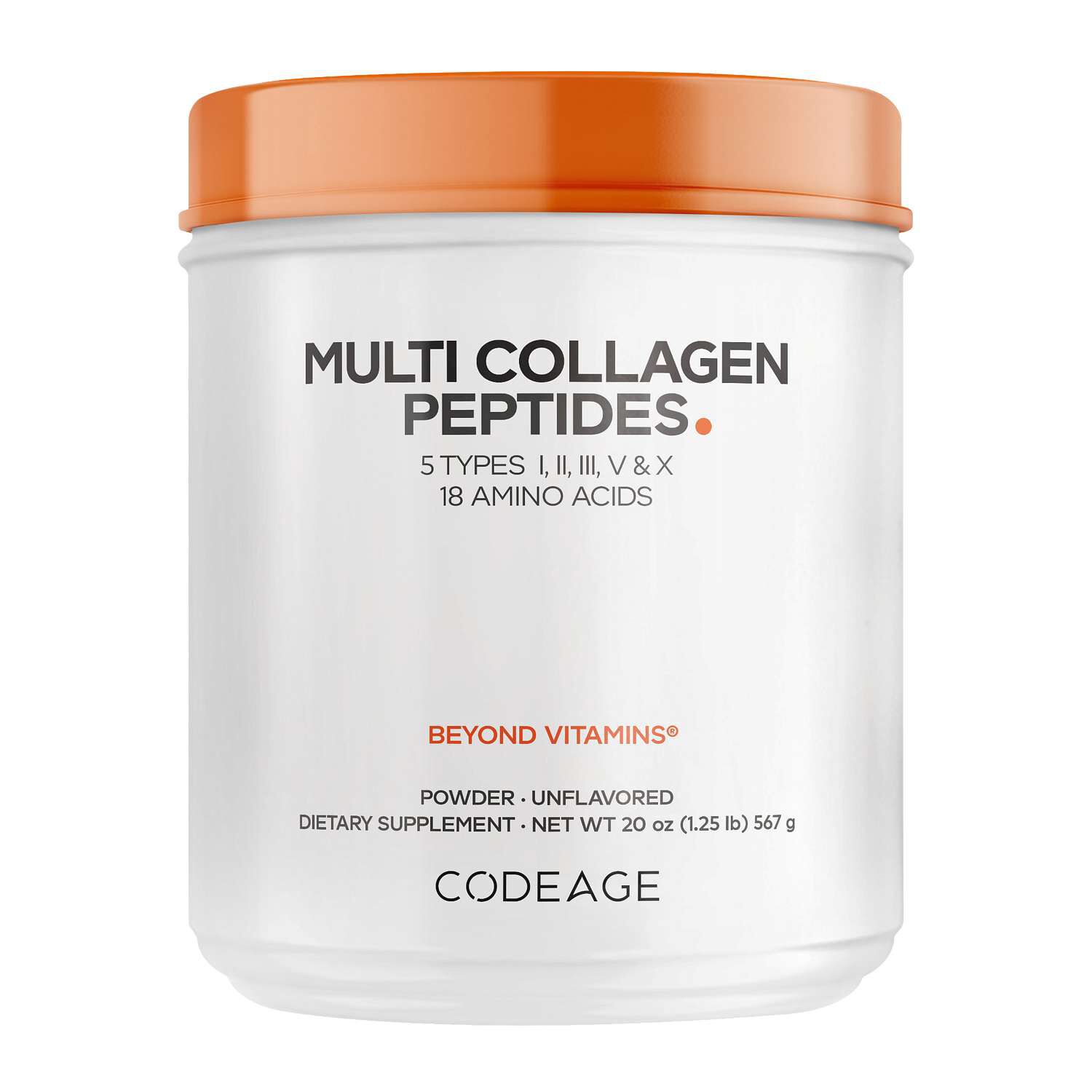

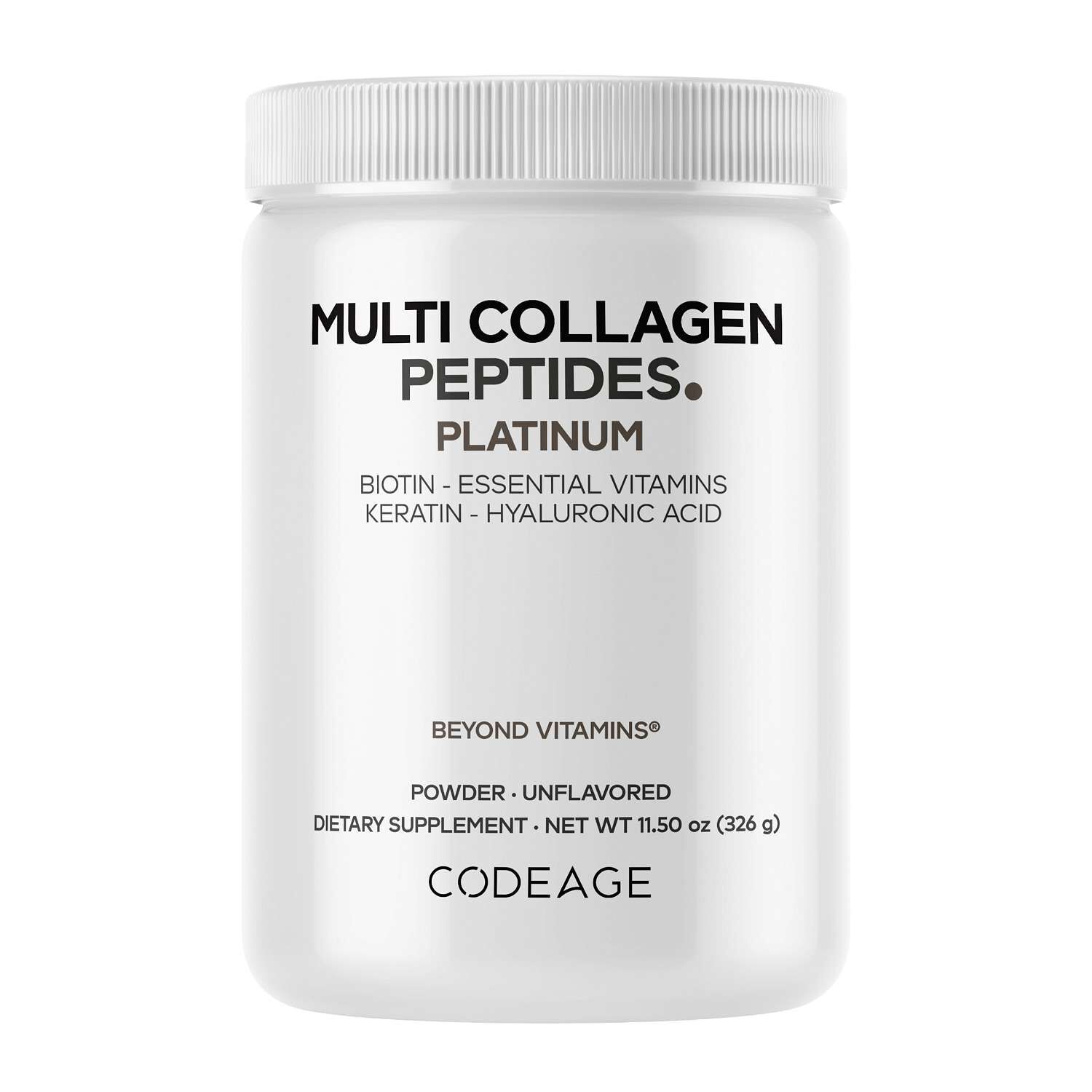


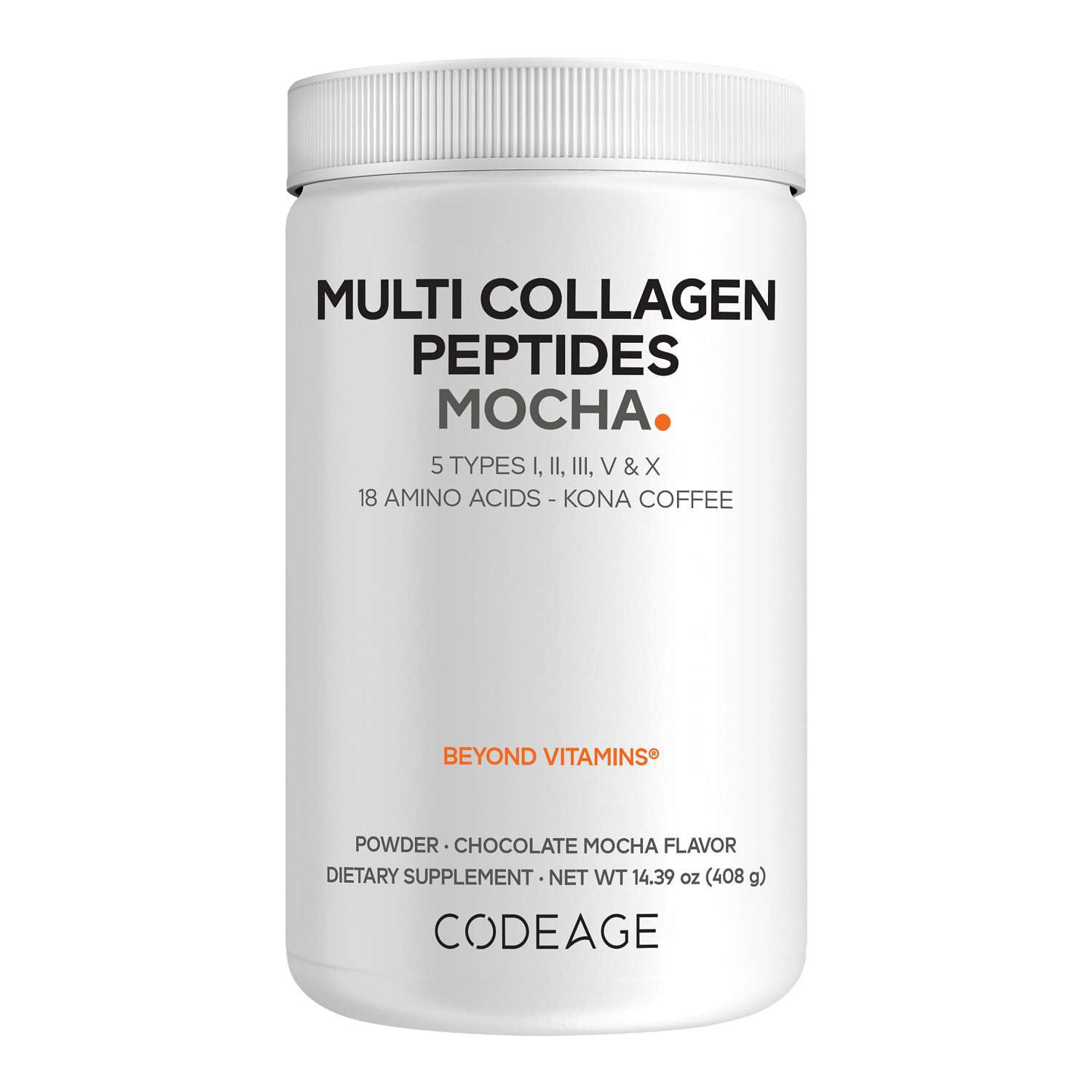
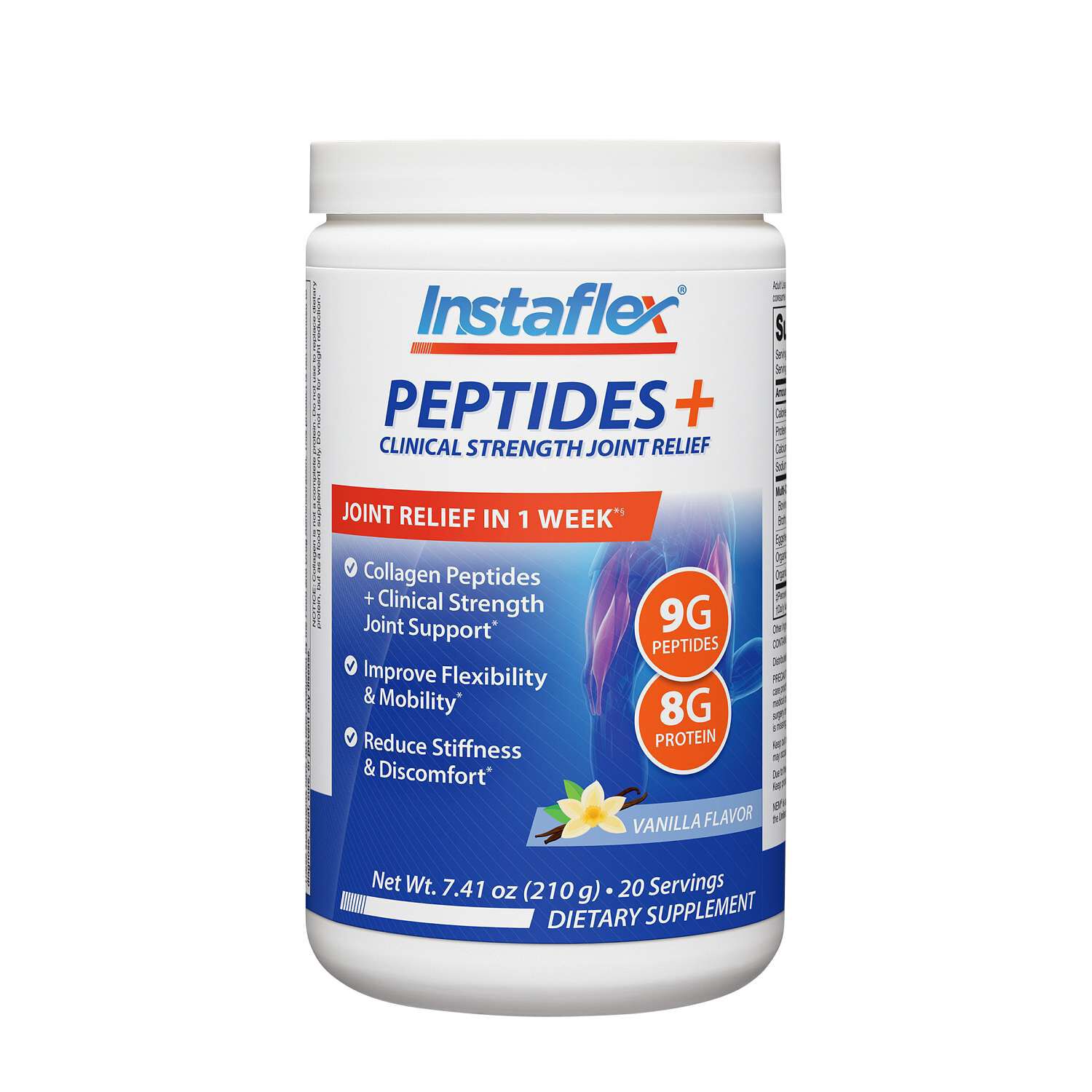

Collagen creamer powders combine collagen peptides with powdered creamer ingredients in a scoopable format for coffee, tea, and other beverages. Unlike plain collagen powder, which centers on the collagen itself, a collagen creamer also includes ingredients chosen for a creamy texture, flavor, or both. Common bases include coconut milk powder and other powdered fats, while some formulas contain milk-derived ingredients. Certain blends include medium-chain triglycerides, often called MCTs, which can come from coconut oil. Hydrolyzed collagen is collagen that has been processed into smaller peptides, and the source may be bovine, marine, or another animal source identified on the label. Because collagen is animal-derived, a coconut-based creamer containing collagen is not a vegan product, even when its creamer base contains no dairy ingredients. That distinction matters for households where different dietary preferences share the same coffee station. These powders suit people who enjoy a measured addition to their morning mug and prefer a powdered format over a refrigerated liquid creamer. They also appeal to shoppers who already use collagen and want a format designed around a familiar beverage ritual. Vanilla, chocolate, mocha, and coconut are common flavor directions, alongside options with a less pronounced taste. A vanilla blend might soften the roasted character of a dark coffee, while a coconut-forward formula could be more noticeable in a delicate tea. During the cooler months, the appeal often lies in that simple pairing: a warm mug, a familiar flavor, and a scoop measured according to the package directions. Collagen creamer powders are not interchangeable with every protein powder or meal replacement, however. Their ingredients, serving sizes, and intended uses differ, and the word “collagen” alone does not describe everything in the container. The most useful comparison is between the full formulas, including the creamer base, collagen source, flavoring, sweetener, and labeled nutrition per serving. Those details offer a clearer picture of how a powder fits an everyday beverage routine than flavor names or package size alone.
The ingredient list and nutrition panel provide important context for choosing among collagen coffee creamers. A serving’s weight includes the entire blend, not just its collagen content, so grams of powder, grams of collagen, and grams of protein are different measurements. Any stated collagen amount belongs alongside the serving size and protein information rather than being treated as the same number. Calories, fat, carbohydrates, and added sugars also vary with the recipe. Some formulas contain sugar, others use alternative sweeteners, and some have no added sweetening ingredients. A flavor such as vanilla does not, by itself, indicate how sweet the prepared drink will taste. Coconut milk powder, coconut oil, milk ingredients, cocoa, and flavorings each contribute to a formula’s character, and their position in the ingredient list helps explain what makes up the blend. Shoppers with ingredient restrictions have more to consider than the front-label description: the source statement, full ingredient list, and allergen information all matter. Marine collagen can be sourced from fish, while bovine collagen comes from cattle; a plant-based creamer base does not change those origins. Certifications and dietary descriptions are most meaningful when they appear on the individual package rather than being assumed for the category. Texture preferences deserve similar attention. Someone who likes a light splash of creamer may prefer a different formula from someone seeking a richer, latte-style cup. A powder containing coconut ingredients might bring a noticeable coconut note, even when another flavor appears on the label. Cocoa-containing blends could complement roasted coffee but may be less suited to a floral tea. An unsweetened beverage also leaves more room to notice the creamer’s own flavor than a drink already mixed with syrup. For a shared kitchen, a familiar flavor and clearly understood ingredient profile may be more practical than an adventurous blend. For someone who enjoys experimenting with coffee at home, a more distinctive flavor could be part of the appeal. Collagen creamer powder can also be a thoughtful addition to a coffee-themed gift when the recipient’s preferences and dietary restrictions are already known, paired with a mug or other everyday brewing accessories rather than chosen on flavor alone.
Preparation and storage are part of the experience with powdered collagen creamers, especially when the same container travels between a home kitchen and an office coffee corner. Mixing directions vary by formula, and the package is the reference for the amount of powder, suggested liquid volume, and suitable beverage temperature. A powder intended for hot coffee may behave differently in an iced drink. When the directions allow it, blending a serving with a small amount of warm liquid before adding the rest of the beverage may produce a more even texture than spooning powder directly over ice. A handheld frother or shaker may help with mixing, but hot liquids require equipment intended for that use; sealed containers are not appropriate unless their manufacturer specifically permits hot beverages. The ratio of powder to liquid matters as much as the mixing method. A serving in a small mug may taste richer or sweeter than the same serving in a large travel tumbler, making the suggested preparation a useful starting point. Other uses, such as stirred into oatmeal or blended into a smoothie, belong with formulas whose directions accommodate those preparations. The creamer’s flavor should also make sense with the other ingredients: a mocha blend might suit a banana-and-cocoa smoothie, while coconut could pair with warm oats and cinnamon. For shoppers comparing different powdered formats, Collagen Fiber Powders represent another category, with fiber ingredients to consider alongside the collagen rather than a creamer base alone. Whatever the format, keeping the scoop dry and closing the container securely helps limit exposure to moisture. Storage directions and the printed date take precedence over assumptions about how long a powder should last after opening. A shelf away from the steam of a kettle or coffee maker is generally more suitable than a spot directly beside the brewing area. Container size, labeled serving count, and frequency of use round out the practical considerations, whether collagen creamer is part of a daily breakfast routine or an occasional addition to a leisurely weekend mug.
Best Sellers
-
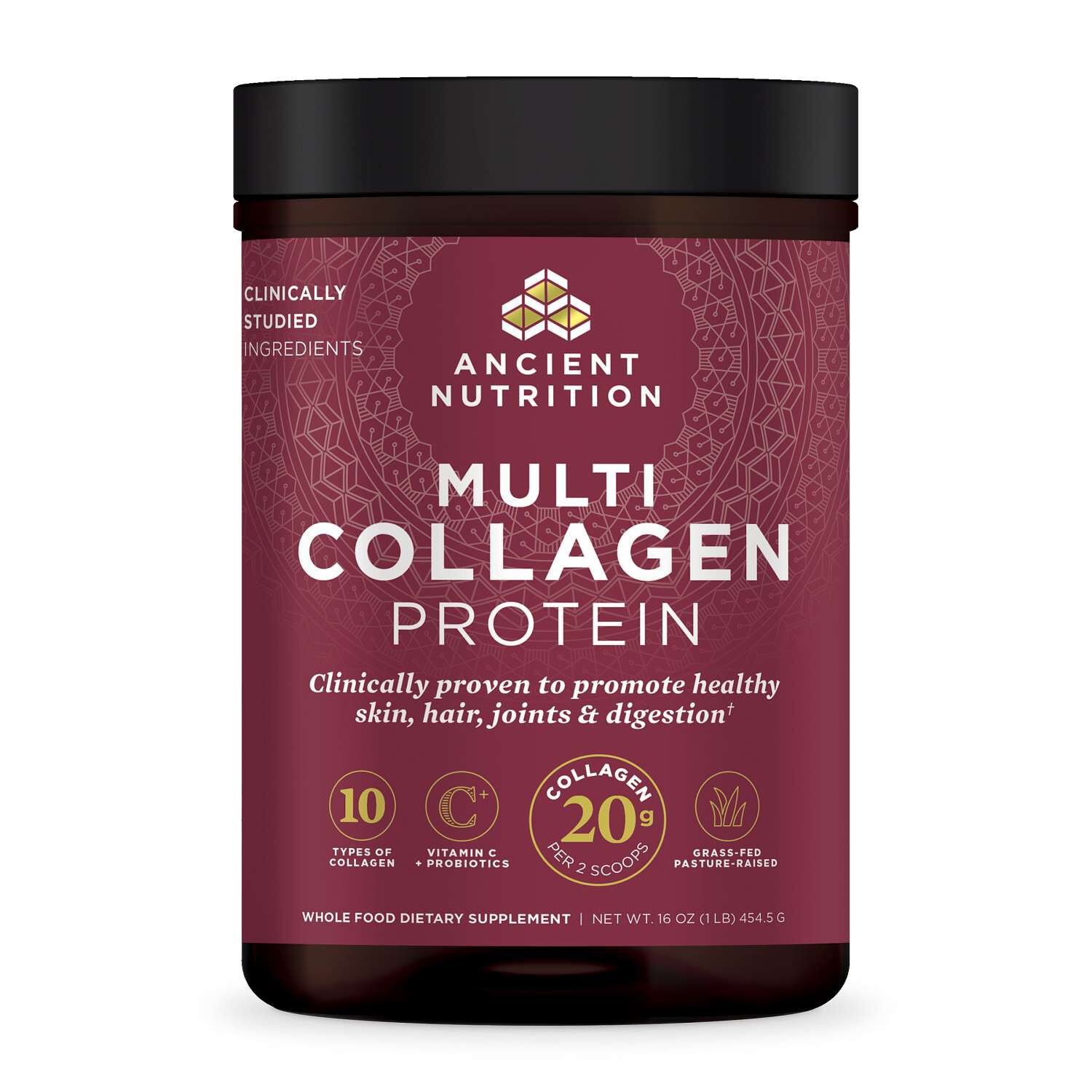 Ancient Nutrition
 -
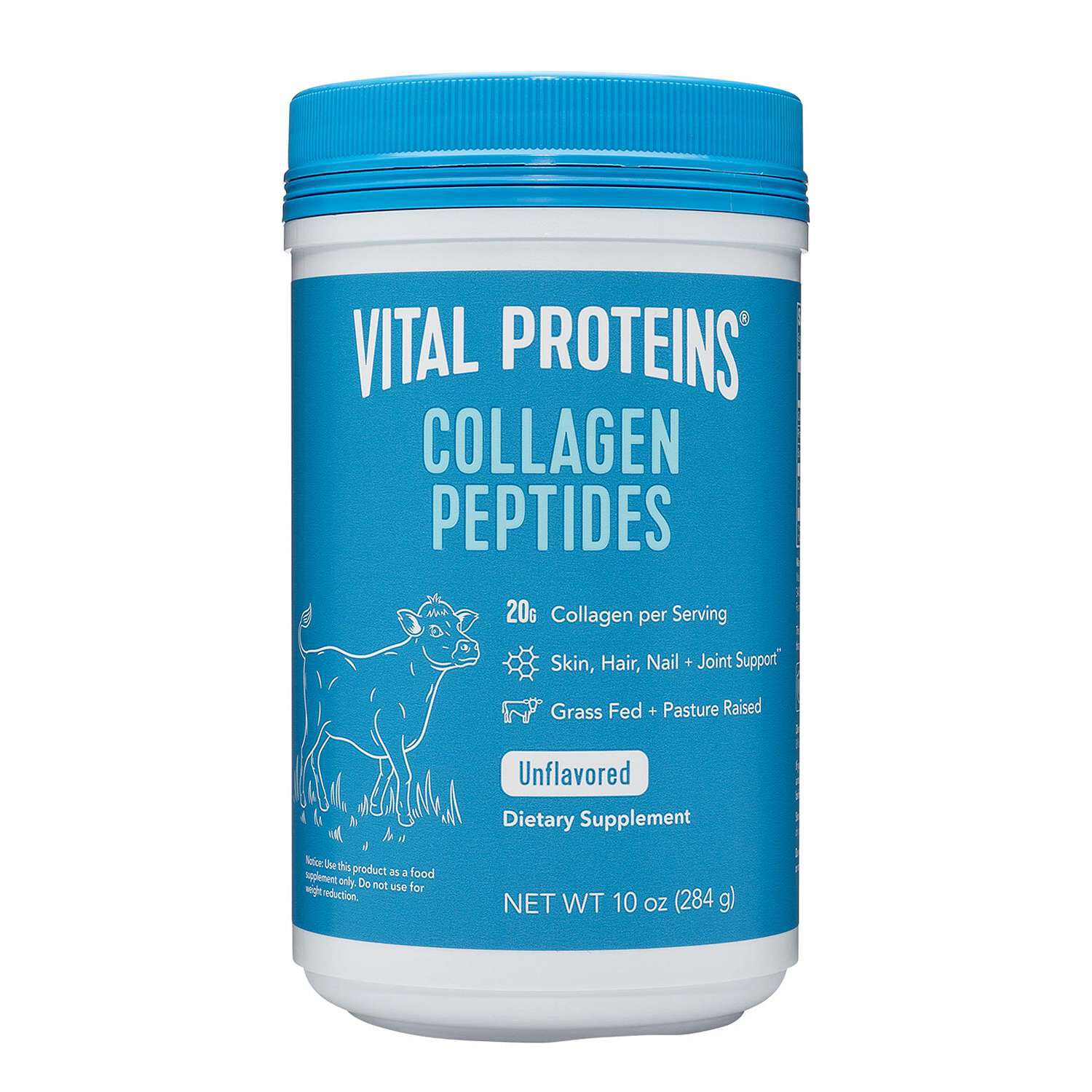 Vital Proteins