





Energy Drinks For Weight Loss Support
(0 Results)
Looking to kickstart your weight loss journey with a boost of energy? Our selection of energy drinks for weight loss support are designed to provide you with that extra pep in your step while supporting your overall health and wellness goals. Packed with metabolism-boosting ingredients and natural extracts, these energizing beverages are a convenient and delicious way to power through your day and stay on track with your fitness regimen. Say goodbye to sugary, calorie-laden drinks and hello to a refreshing way to rev up your metabolism and conquer your weight loss goals.
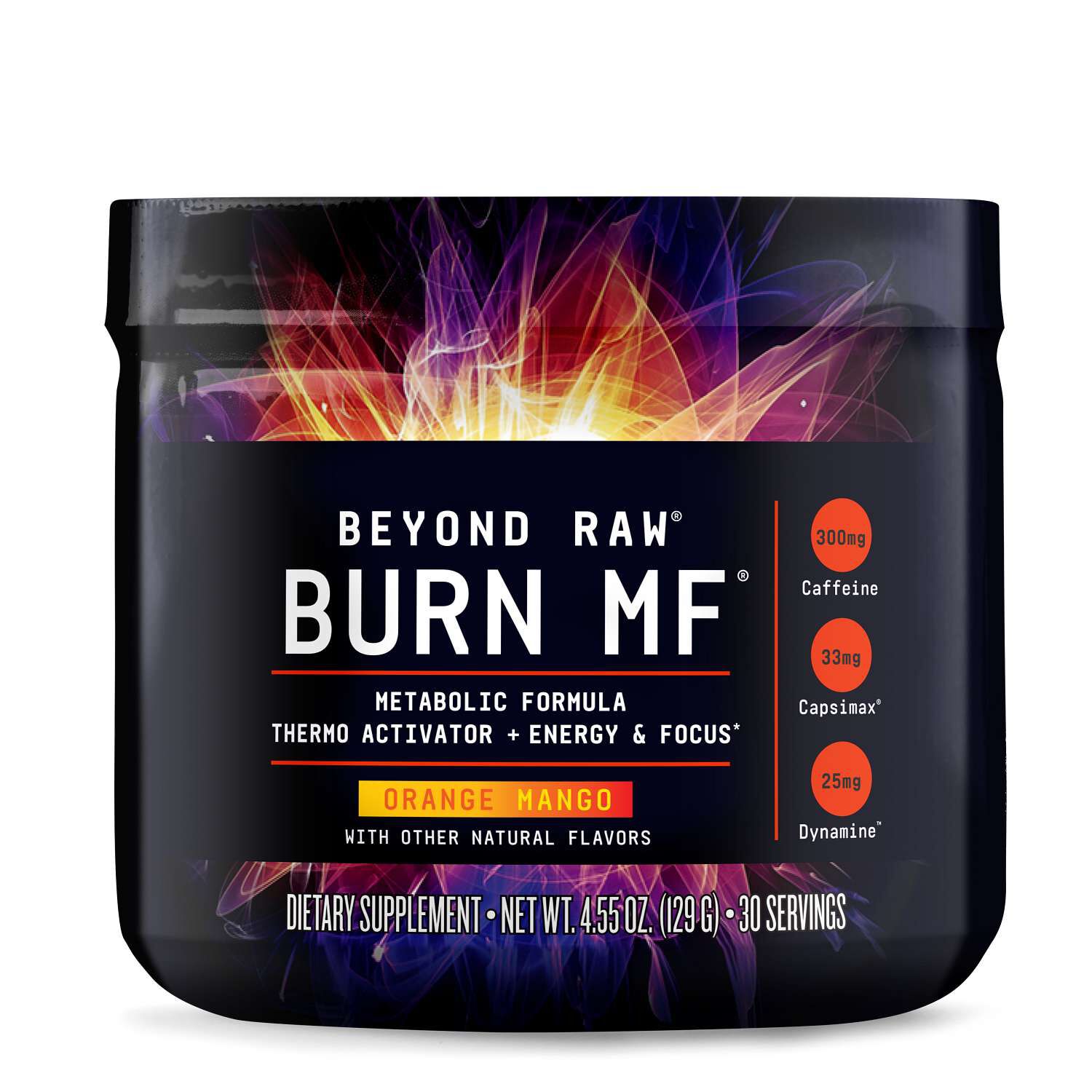
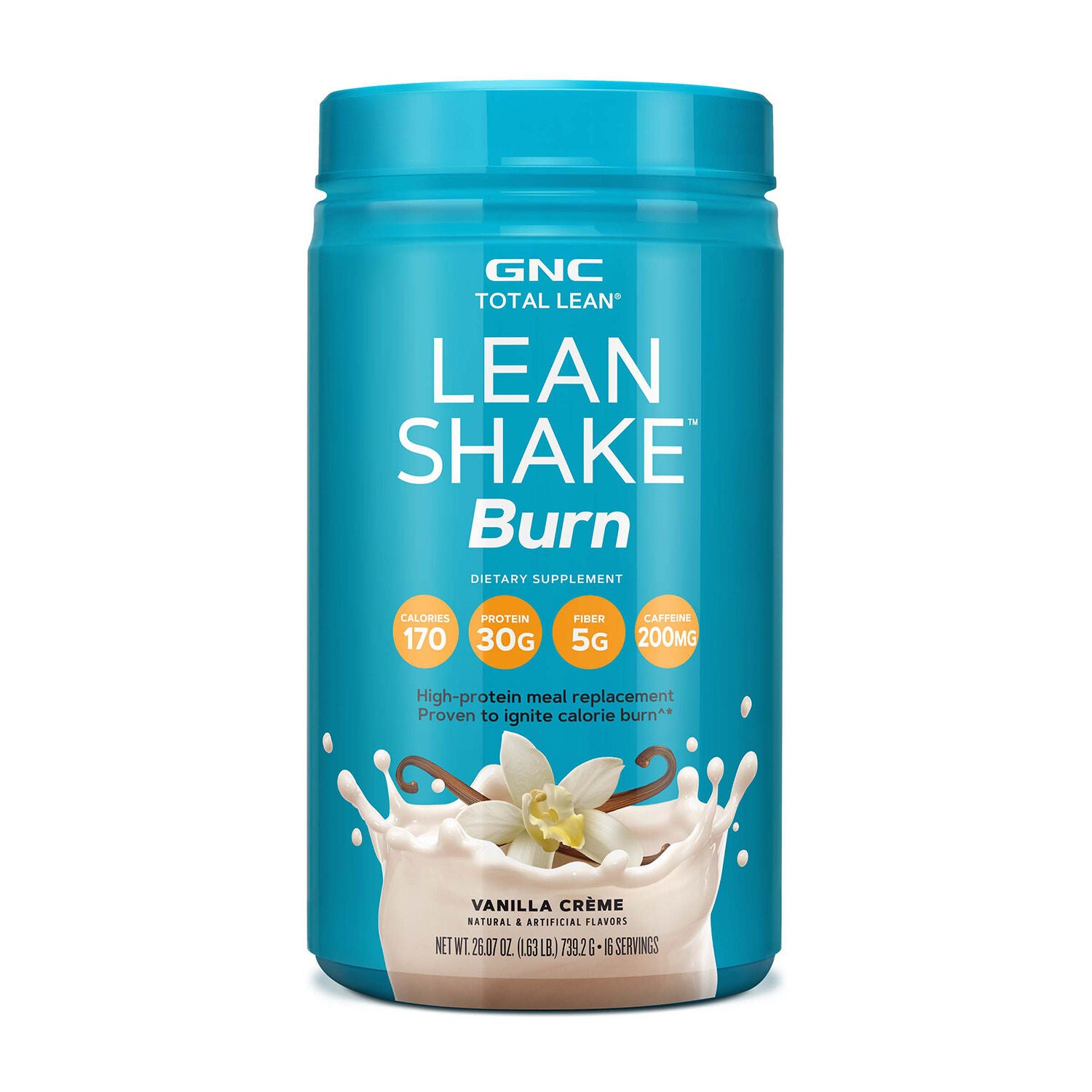
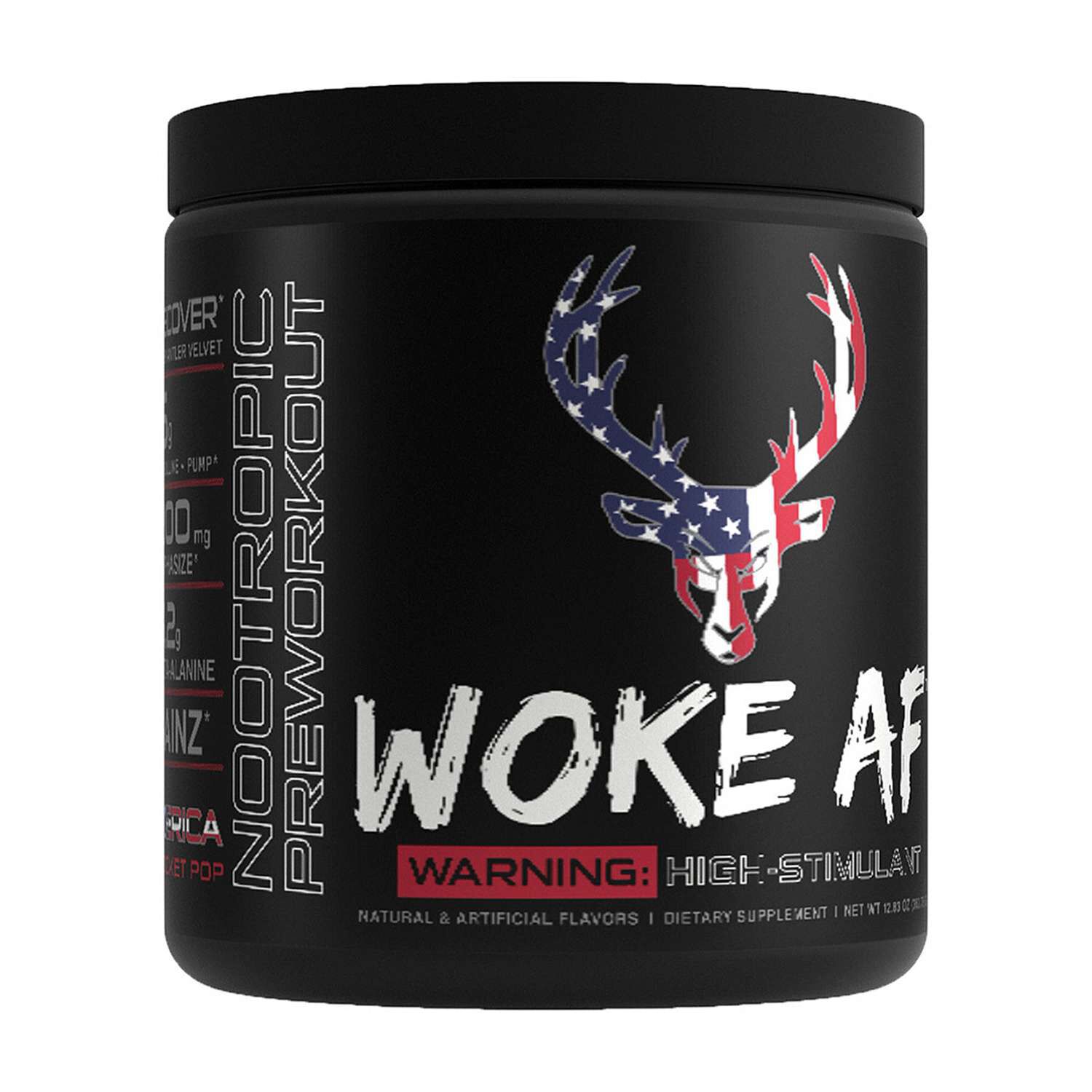

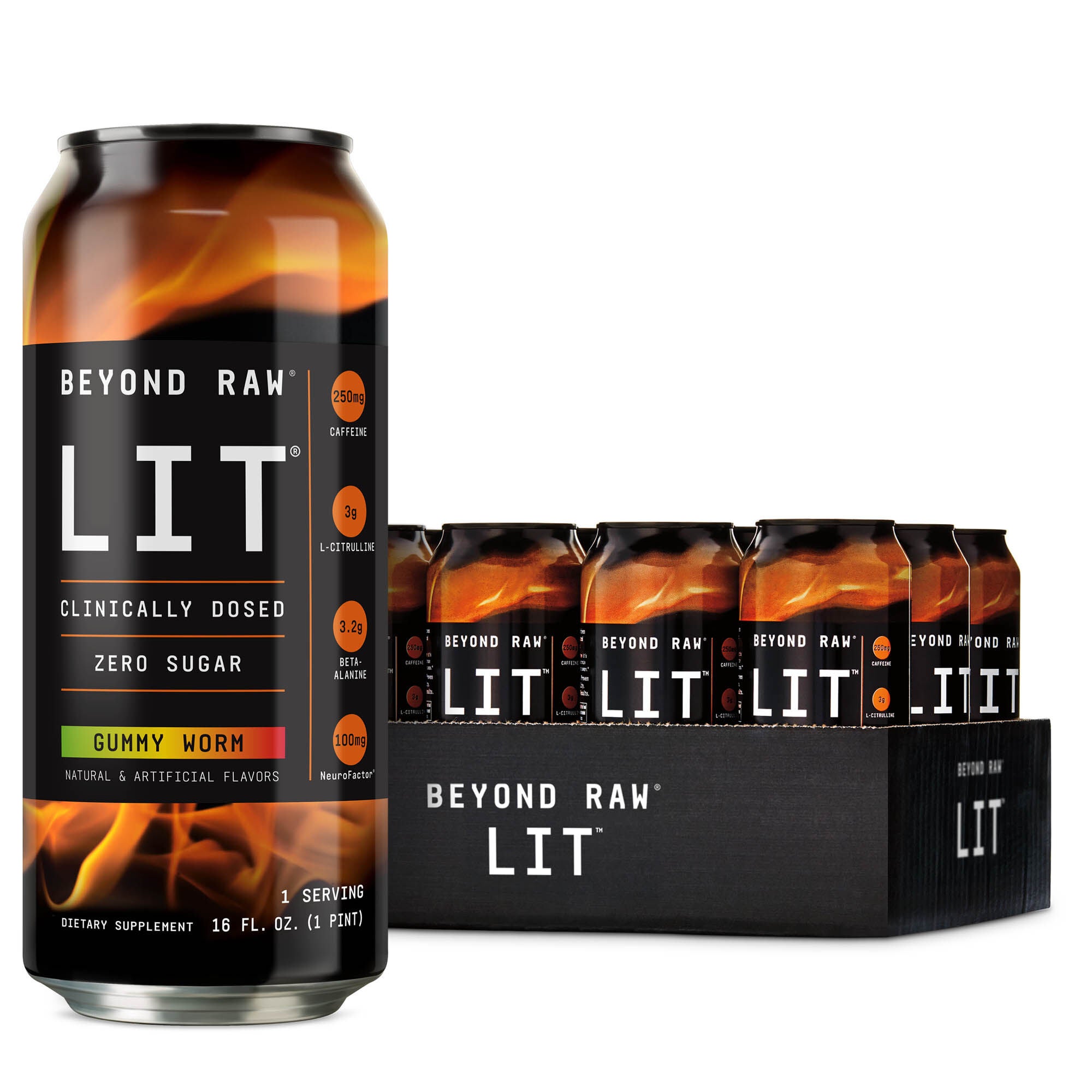
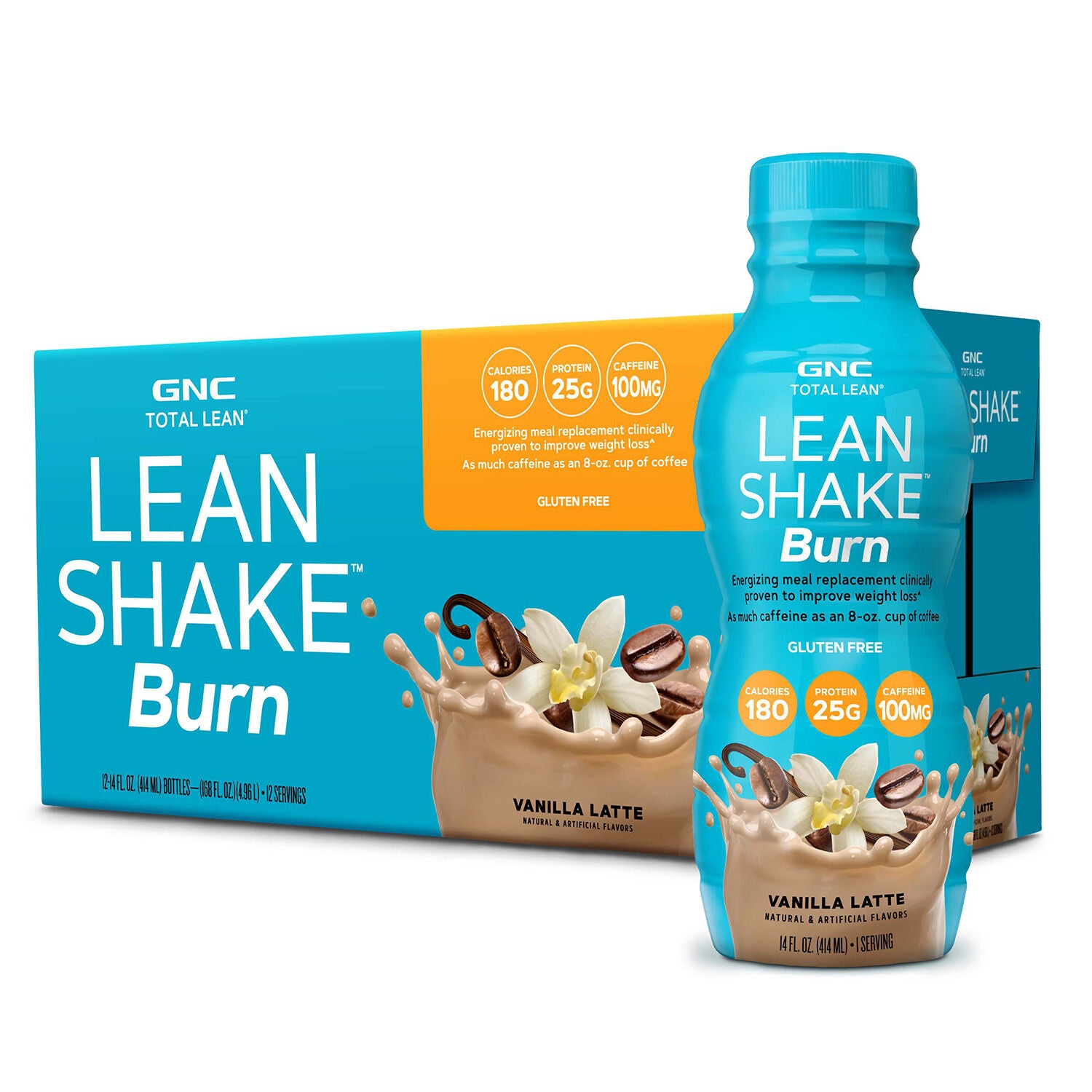


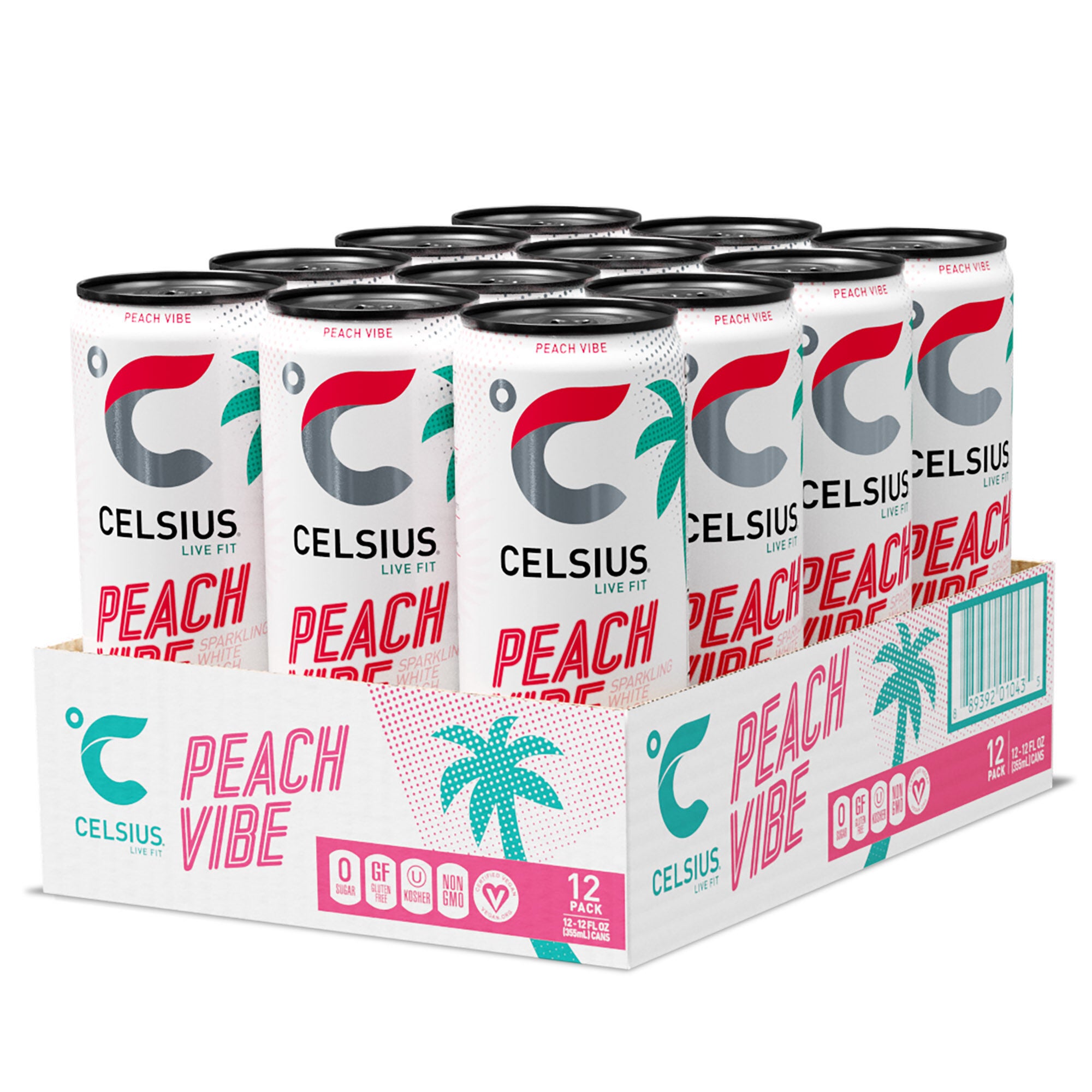
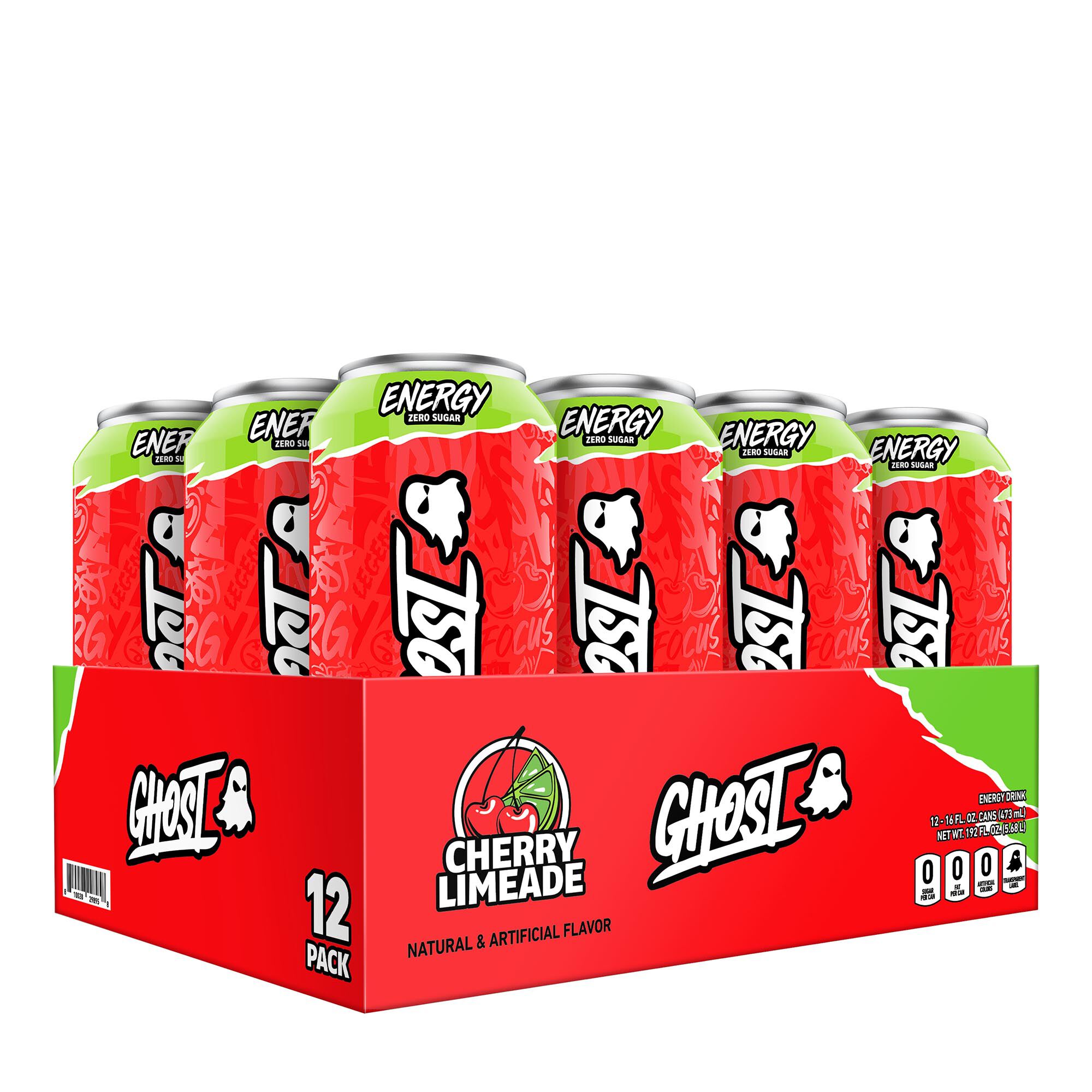

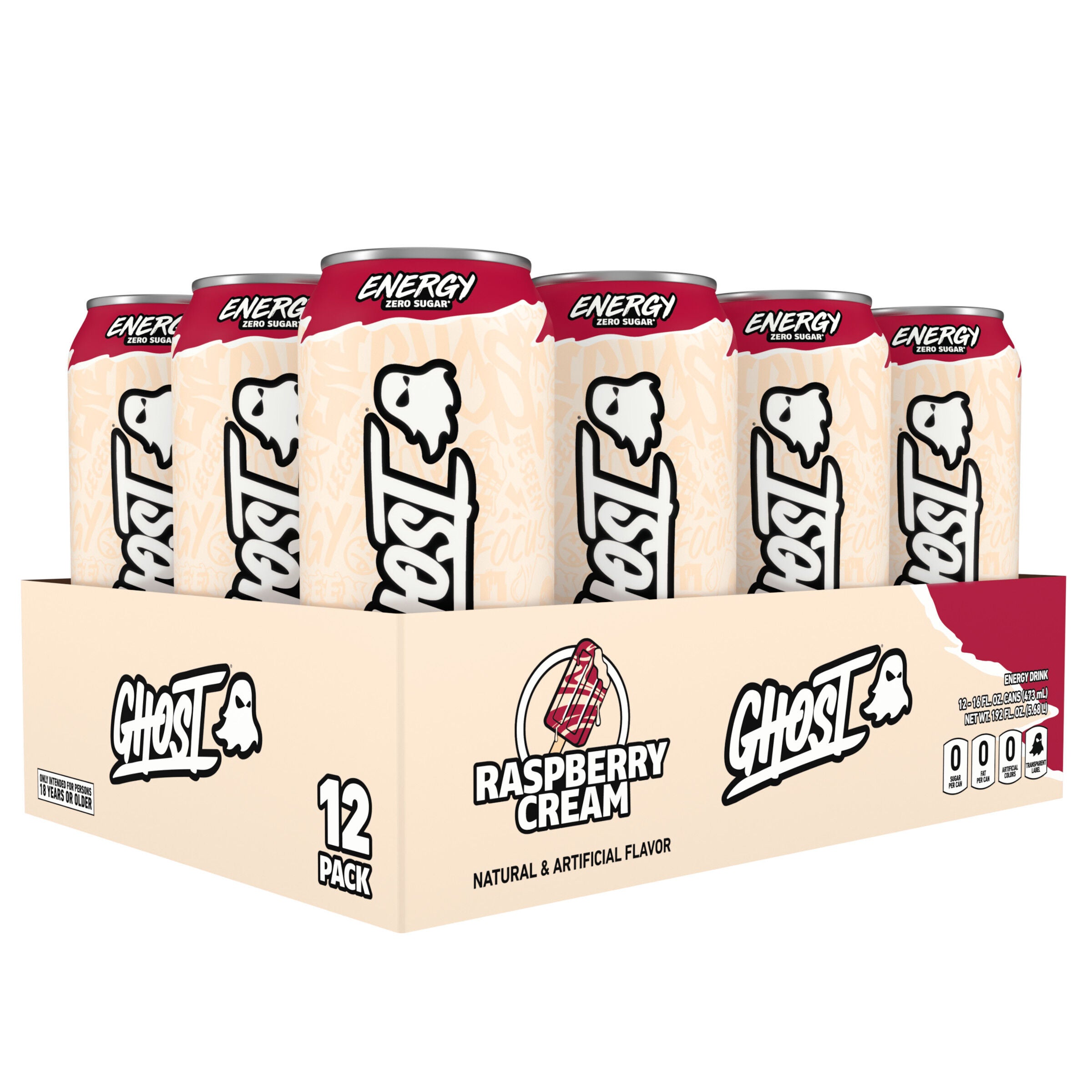

Energy drinks for weight loss support bring together convenient beverage formats, caffeine, and nutrition profiles that may fit a weight-management routine. The category is best understood through the details on the label rather than the bold language on the front of a can: calories per serving, added sugar, caffeine content, and serving size all provide useful points of comparison. A zero-sugar or lower-calorie energy drink may help reduce beverage calories when it takes the place of a sweeter drink with more calories. That potential benefit comes from the substitution, not from an expectation that an energy drink alone will produce a change in body weight. Caffeine may offer a temporary feeling of alertness, but that effect should not be confused with lasting weight-loss results. These beverages are an optional part of a broader routine, alongside everyday food choices, movement, rest, and water. For someone who enjoys a cold, flavored drink during a busy afternoon, a lightly carbonated citrus option may suit the occasion. Someone heading to an evening activity might prefer to compare caffeine amounts carefully rather than choose solely by flavor or package design. The practical appeal often lies in having a familiar, clearly labeled beverage that fits a particular moment, whether that is a morning commute, a lunch break, or time spent getting ready for a workout. Ready-to-drink cans and bottles offer convenience without mixing, while drink powders allow preparation in a separate container according to the package directions. Neither format is inherently better suited to weight management; the finished drink’s nutrition information and the amount consumed are more useful distinctions. A smaller package is not automatically lower in caffeine, and a large container does not always represent one serving. Comparing the same serving quantity across several labels may make the differences easier to understand. For this category, a thoughtful choice starts with a drink’s actual contents and intended use, not simply its association with fitness.
Ingredient lists add another layer of context when comparing energy drinks with weight-management goals in mind. Caffeine may appear as a named ingredient or come from sources such as coffee, tea, or guarana, and some formulas combine more than one source. The labeled caffeine amount is therefore a more useful comparison than whether the packaging emphasizes a plant ingredient. Morning coffee, afternoon tea, and a caffeinated workout beverage also belong in the same picture when considering how an energy drink fits the day. More caffeine should not be treated as a shortcut to better results, and sensitivity to it varies from person to person. For an adult planning a late workout or a long drive home after an evening event, the timing and amount deserve as much attention as the flavor. Caffeine may interfere with sleep, especially when consumed later in the day. Vitamins, amino acids, and botanical ingredients are additional features shoppers may encounter, but their presence is not a reliable basis for predicting a change in body weight. A formula with a longer ingredient list is not necessarily a better match for a simpler routine. Likewise, zero sugar and zero calories are different label statements, so checking both is worthwhile when comparing beverages. Sweetness may come from sugar, alternative sweeteners, or a combination, with noticeable differences in taste and finish. Some drinks have a crisp, tart profile, while others lean toward a sweeter fruit flavor that lingers after each sip. Carbonation adds another distinction: a sparkling drink has a different mouthfeel from a still beverage, particularly when enjoyed alongside lunch or carried to an activity. Those preferences matter because a drink that fits the occasion should also be enjoyable to drink. For another way to browse this category, Healthy Energy Drinks for Women offers a related collection to consider alongside the same practical comparisons of serving size, caffeine, calories, and ingredients. Personal taste and the nutrition label remain more informative than a name aimed at a particular audience.
Packaging, preparation, and storage also shape how well an energy drink fits into everyday life. A sealed can is straightforward for a planned break, while a bottle with a resealable cap offers a different kind of convenience for someone moving between errands and a desk. Package dimensions matter when the drink needs to fit in a lunch bag, a narrow cup holder, or a crowded refrigerator shelf. For powders, the serving directions, recommended water quantity, and mixing method are important parts of the finished beverage. Using less water changes the concentration and taste, while using more powder changes the amount of ingredients consumed; the marked serving should remain the reference point. A reusable mixing bottle with a secure lid and an opening wide enough for washing is a practical companion, particularly when preparation happens away from home. Care is generally straightforward: follow the beverage’s storage instructions, observe any directions for refrigeration after opening, and wash reusable containers after use. Carbonated drinks call for particular attention to handling, since shaking a sealed container may lead to an overflow when it is opened. A cool place away from direct sunlight is often more suitable than leaving beverages in a parked car, though the package directions should determine storage choices. These small details become useful in familiar situations: packing a bag before an early start, setting aside a drink for an afternoon break, or choosing a format for a weekend outing. Energy drinks are not intended as meal replacements, and a beverage’s fitness-oriented presentation does not change that distinction. Their place in a weight-management routine may be modest and practical, such as replacing a higher-calorie drink while preserving an enjoyable flavor ritual. The strongest comparison is ultimately between what a beverage contains and what the shopper wants from that occasion. Clear serving information, a suitable caffeine amount, an appealing taste, and a convenient format provide a grounded basis for choosing among energy drinks for weight loss support.
Best Sellers
-
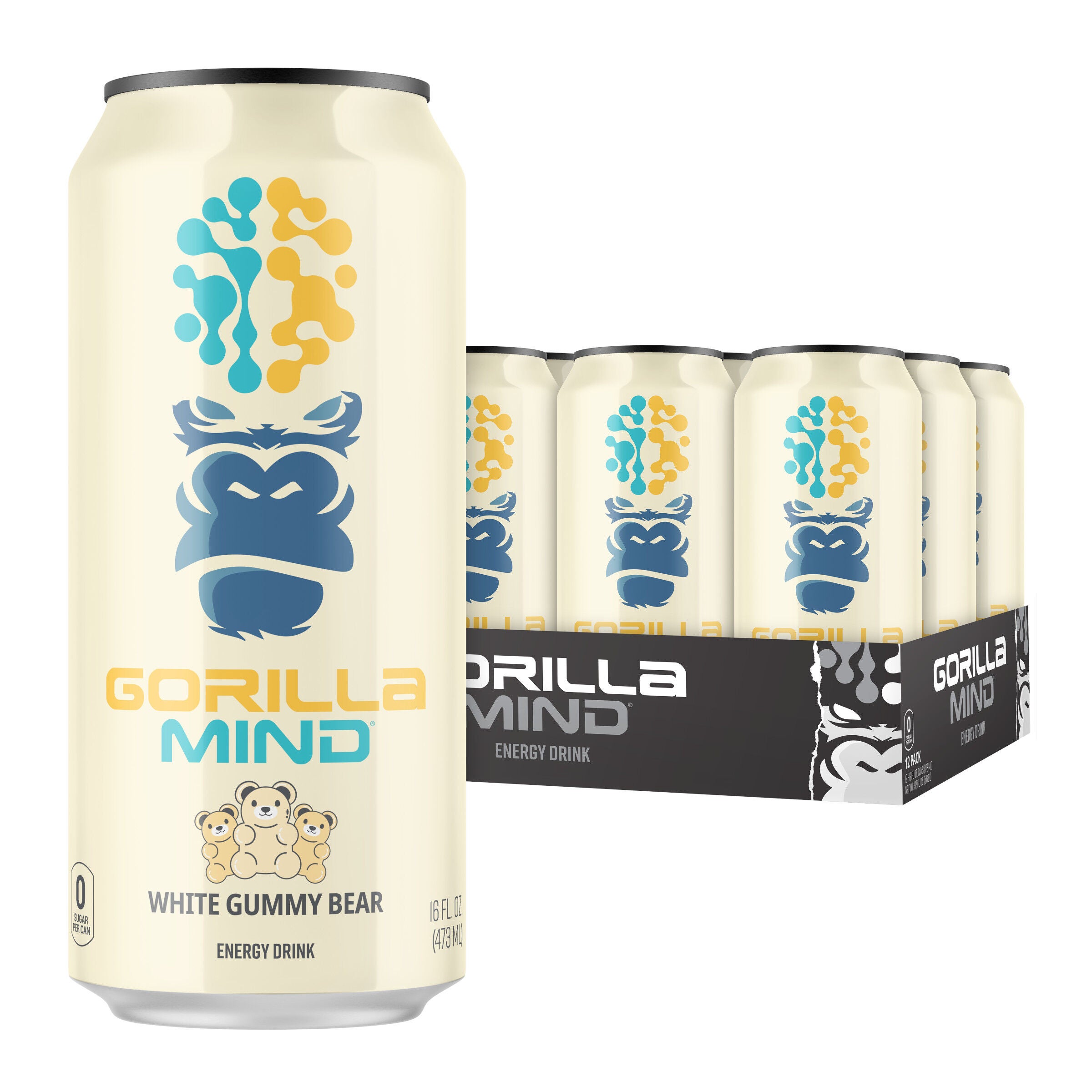 Gorilla Mind
 -
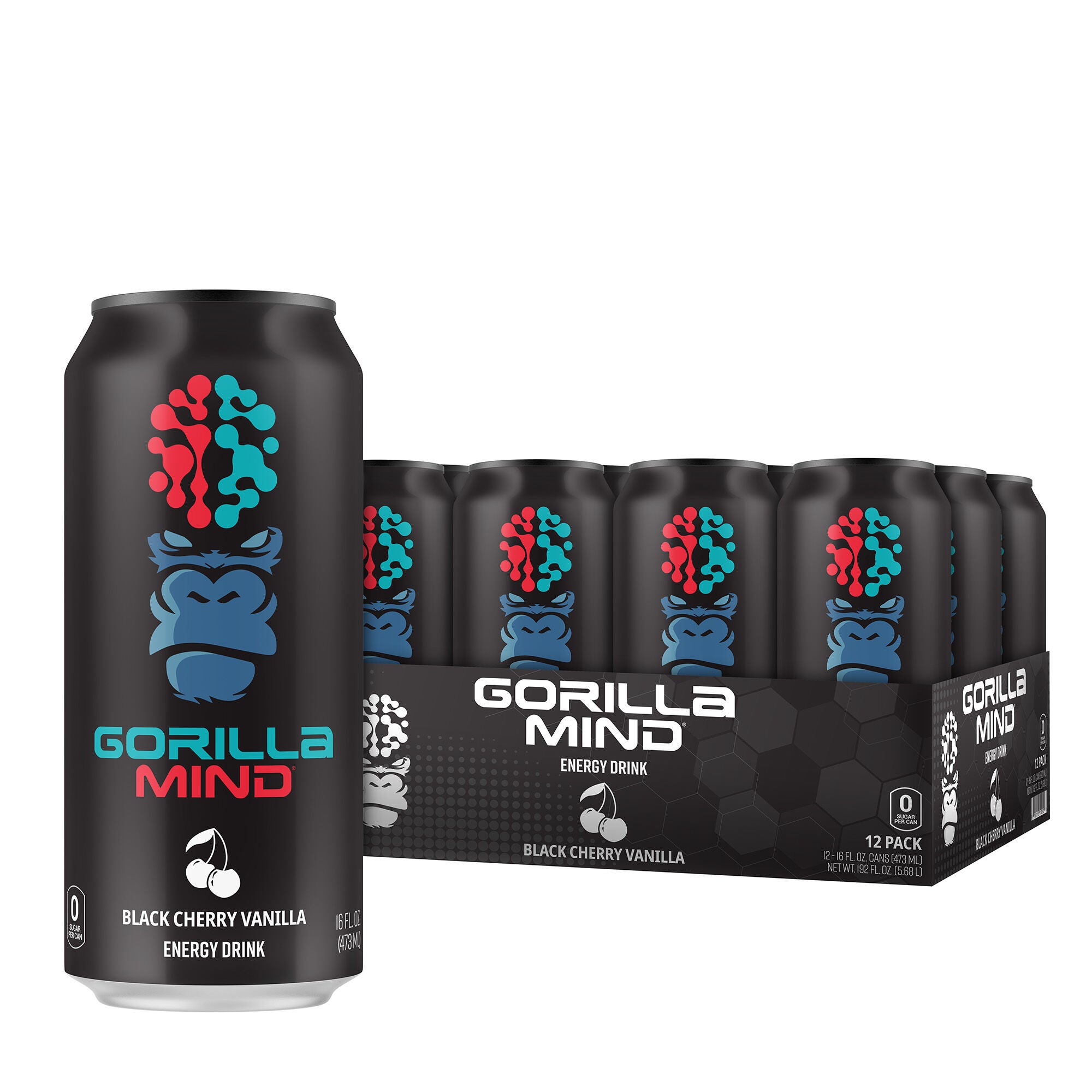
 Gorilla Mind
 -
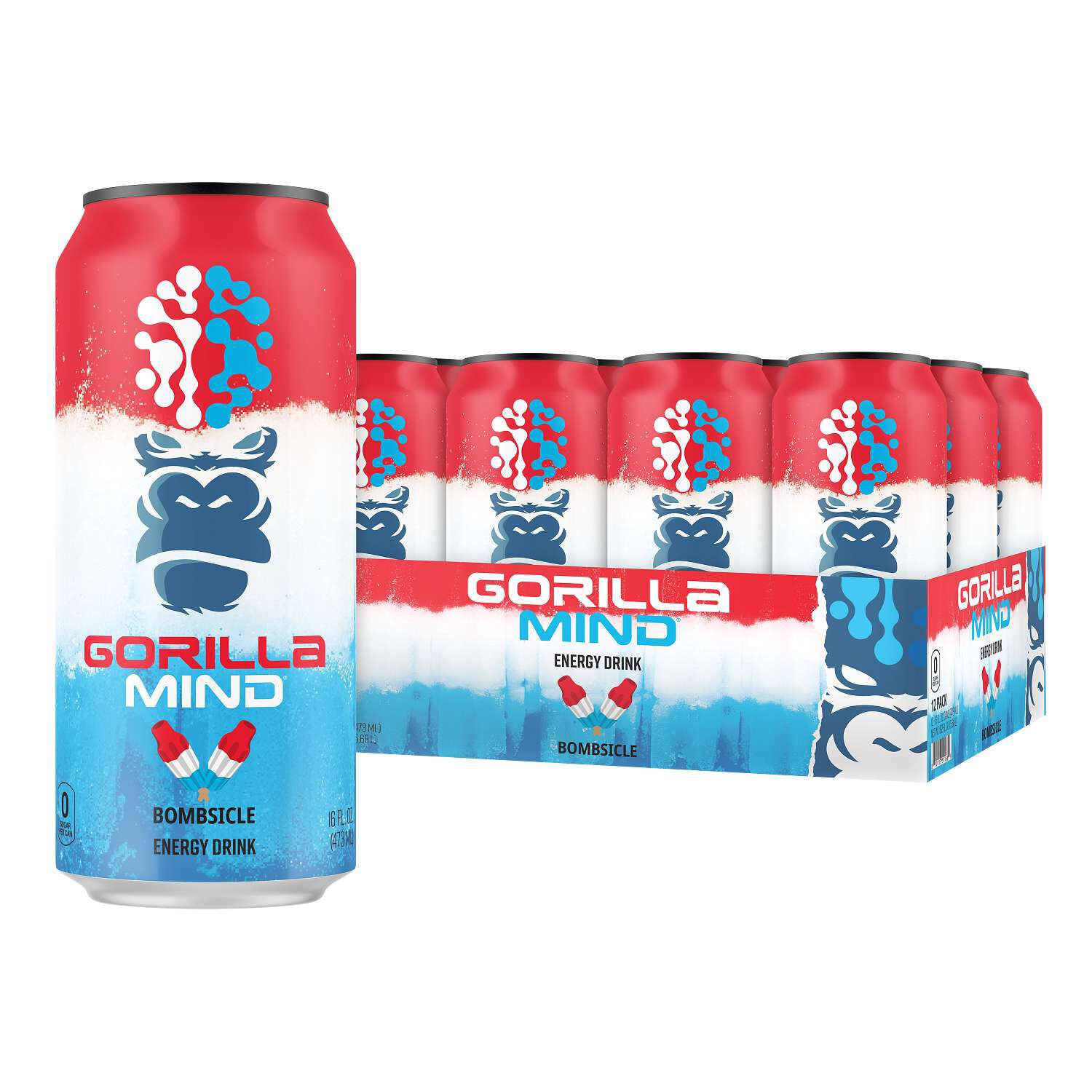
 Gorilla Mind
Related Pages

Top Collections
- Top Rated Collagen | Shop Customer Favorites | GNC
- Cortisol Supplements
- Vitamins For Hair Loss
- NAD+ Supplement Tablets
- Peptide Supplements
- Best Brand of Magnesium Glycinate
- Vitamins That Help Support Weight Gain
- Protein Powders For Muscle Growth Support
- Spirulina Tablets
- Peptide Supplements for Muscle Growth