





Energy Drinks For Focus
(0 Results)
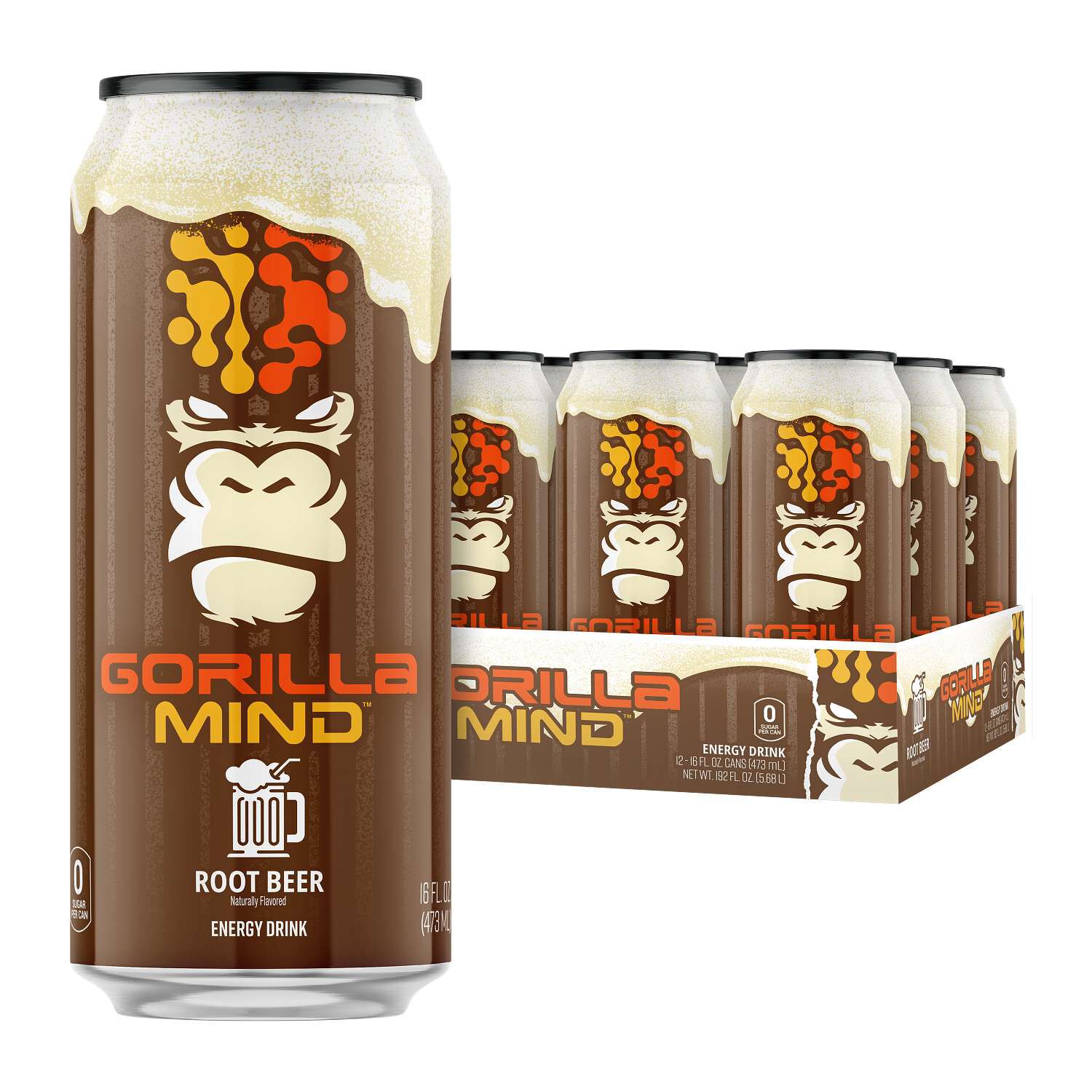
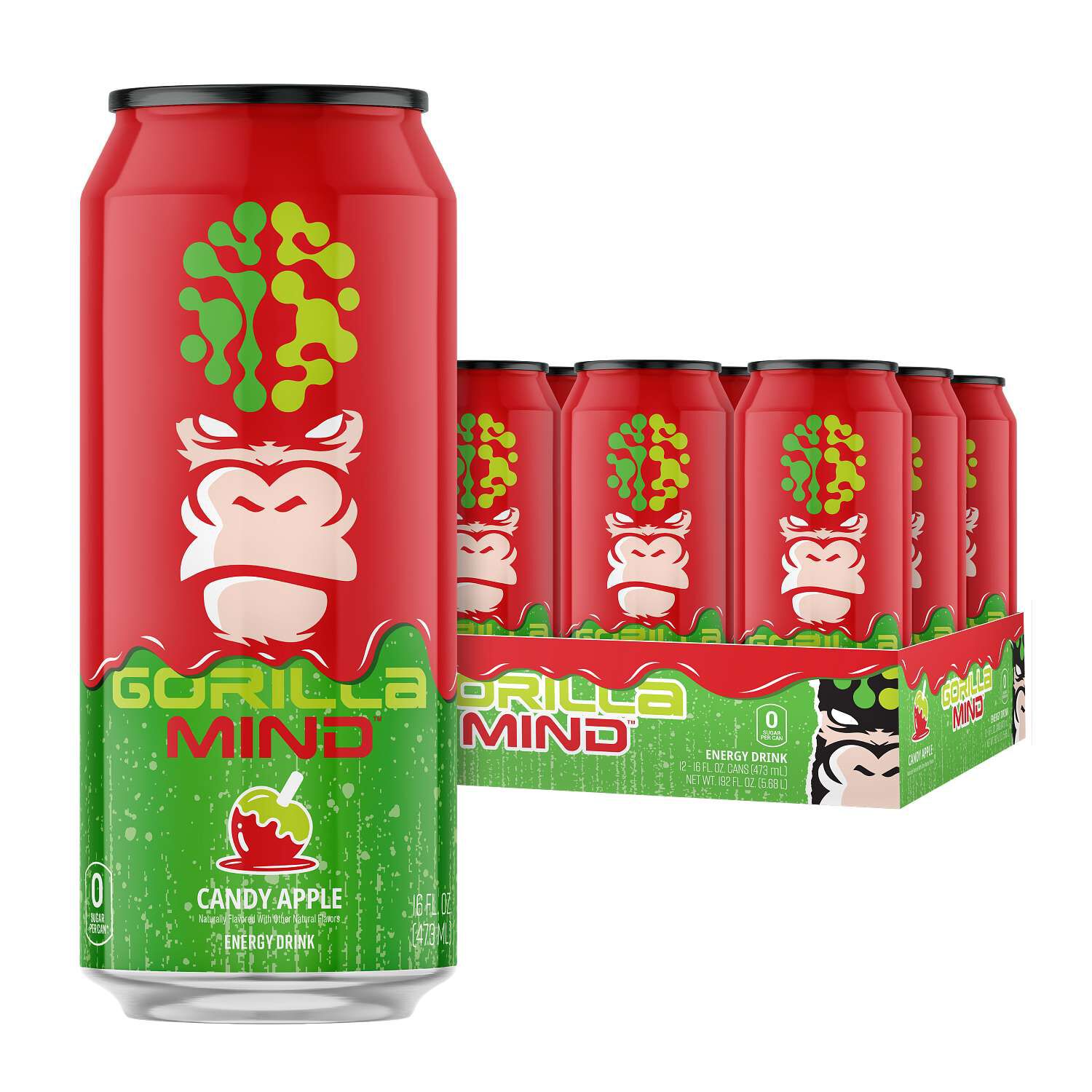
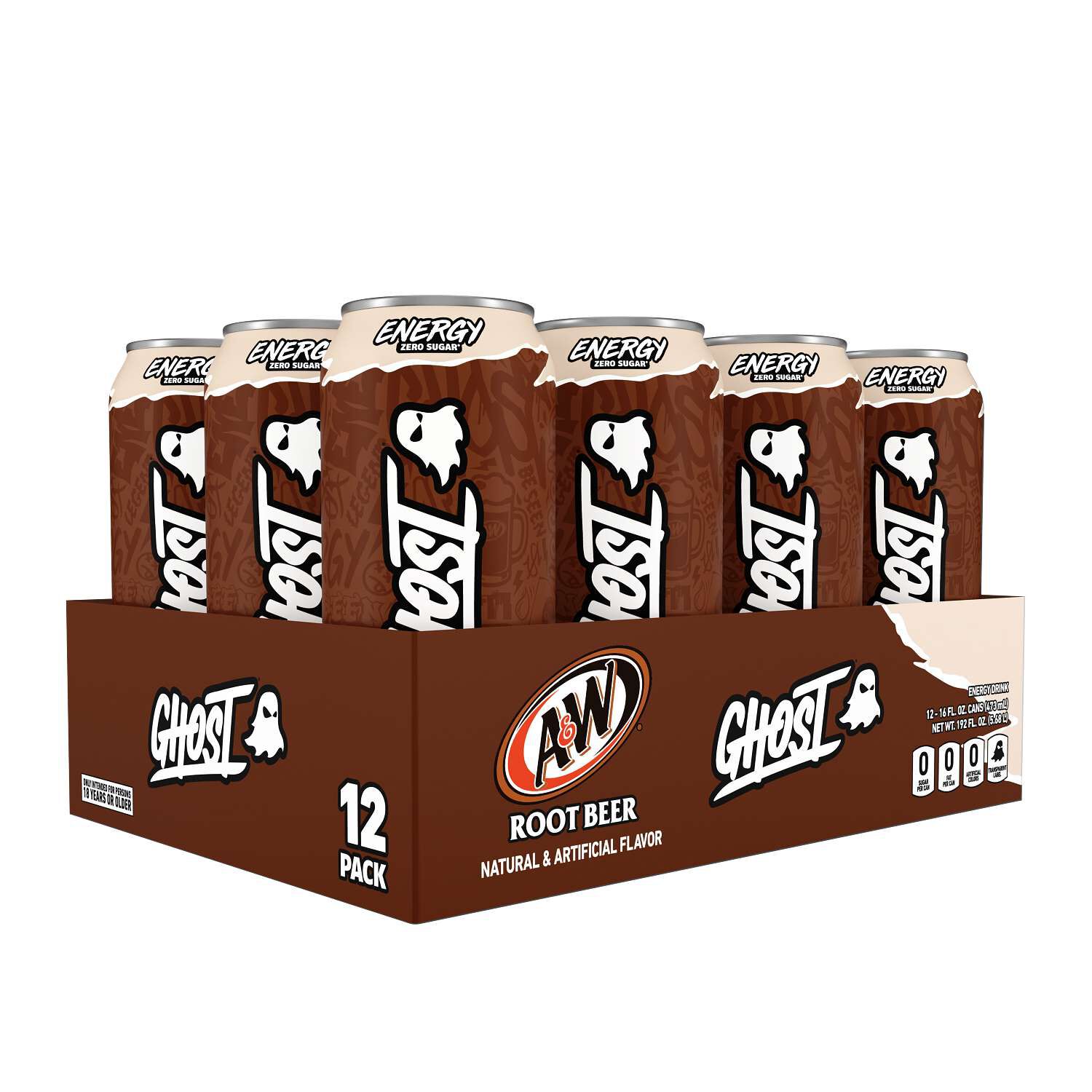
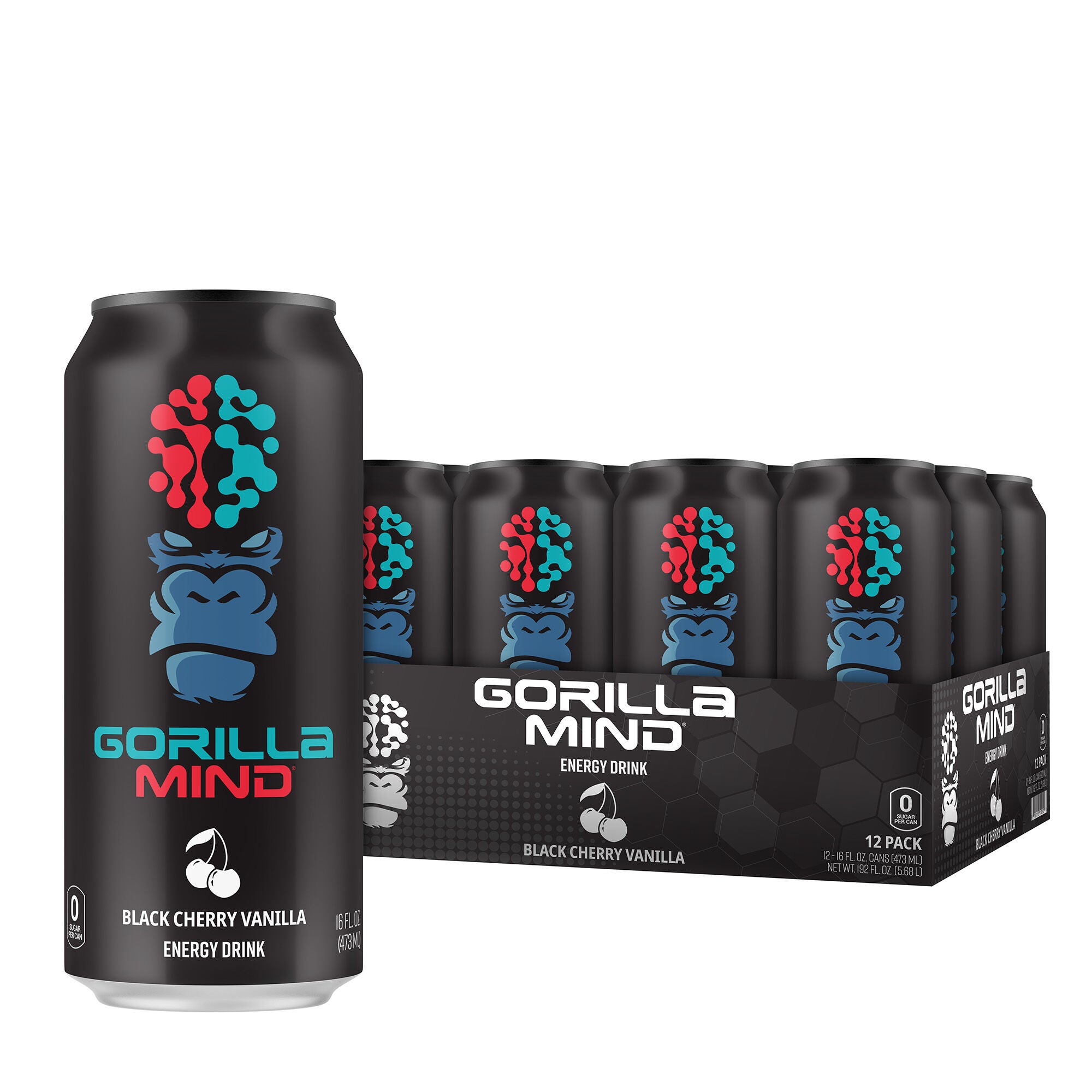
Boost your concentration and productivity with our selection of energy drinks designed to enhance focus. Whether you need a pick-me-up during a busy workday or an extra edge while studying, these beverages are packed with ingredients to help sharpen your mental clarity and keep you on track. Say goodbye to distractions and hello to sustained energy levels that will help you power through your day with ease.
-
-
-

-

-
-
-
-
-
 $27.99
 -
-

-
-
-

-
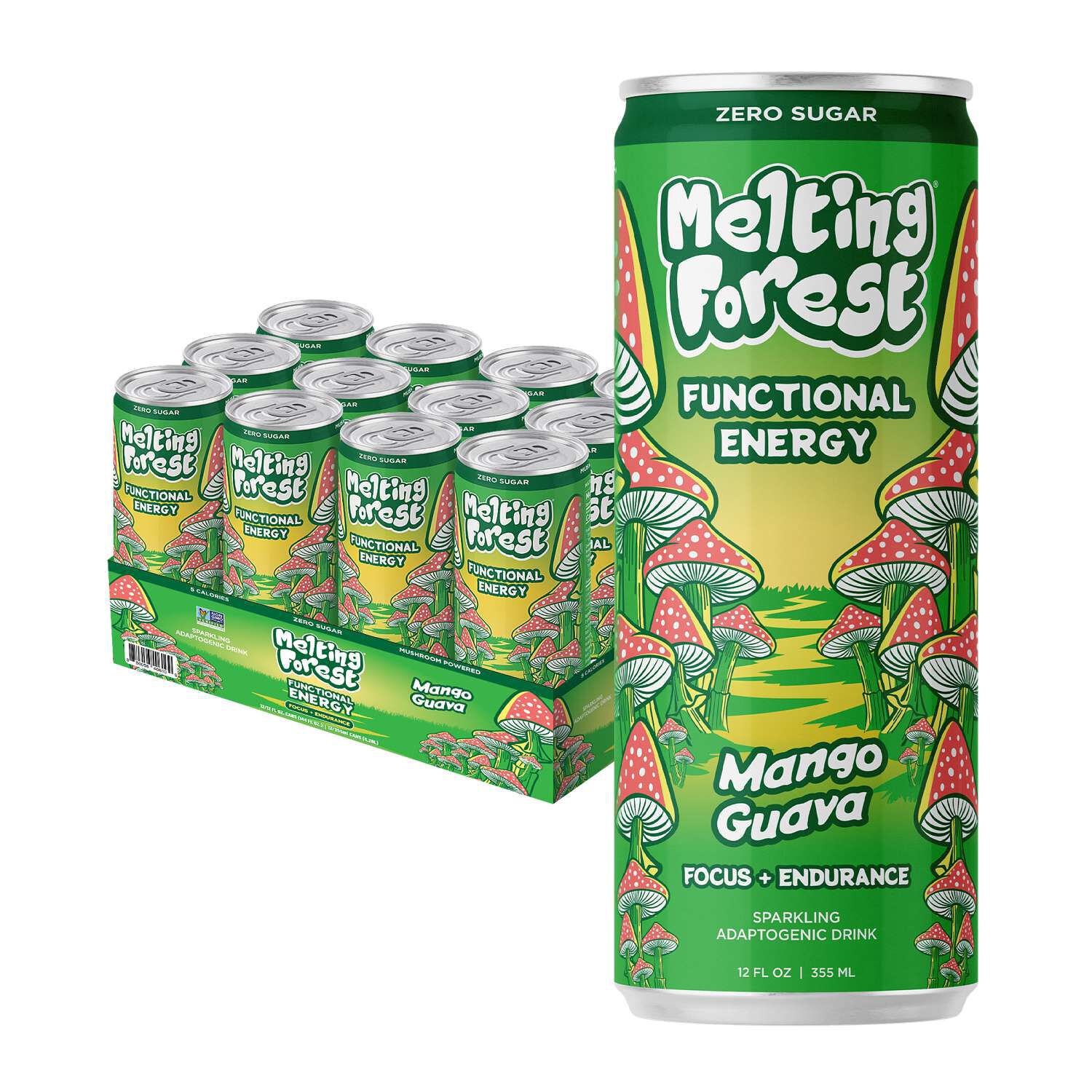 Melting Forest$39.99
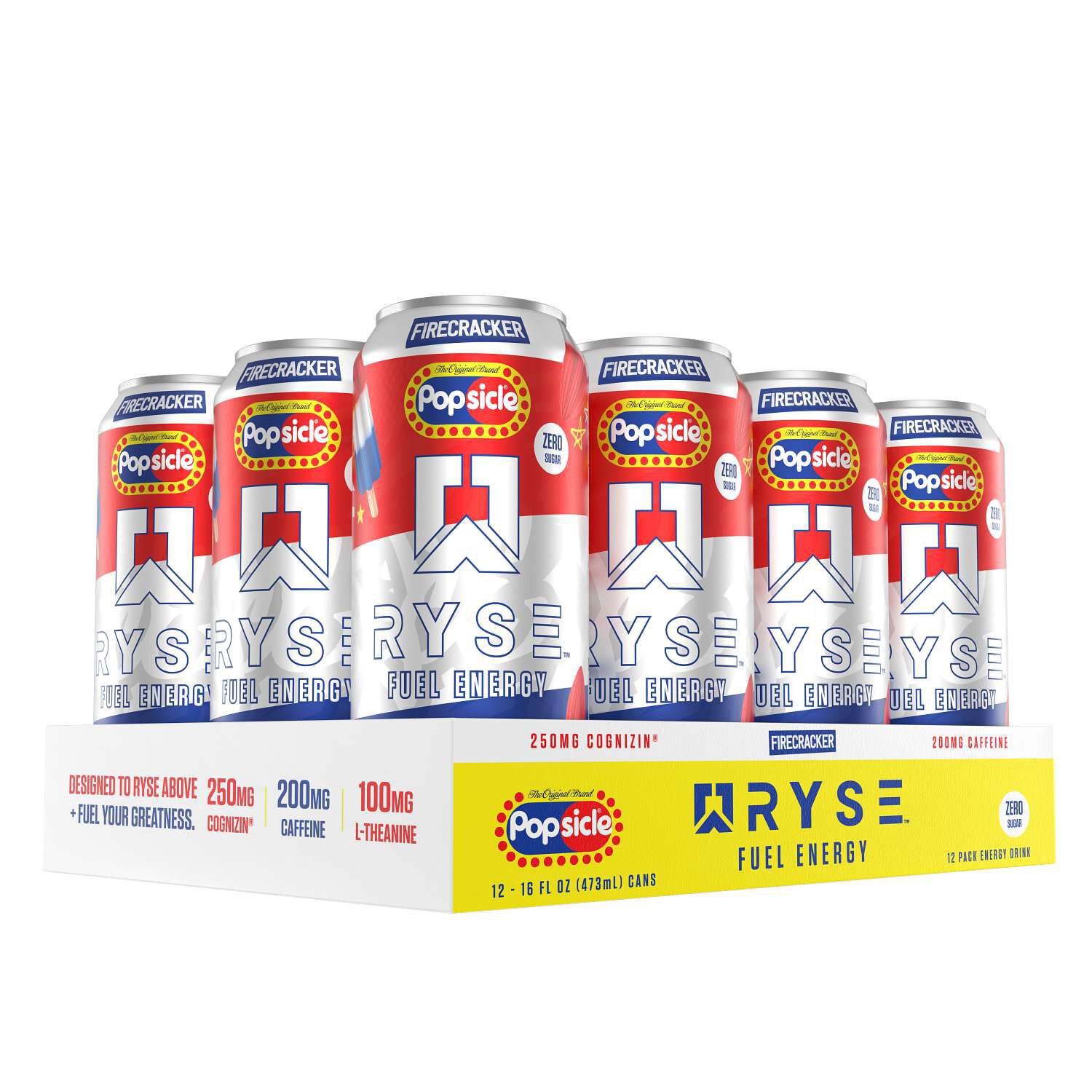
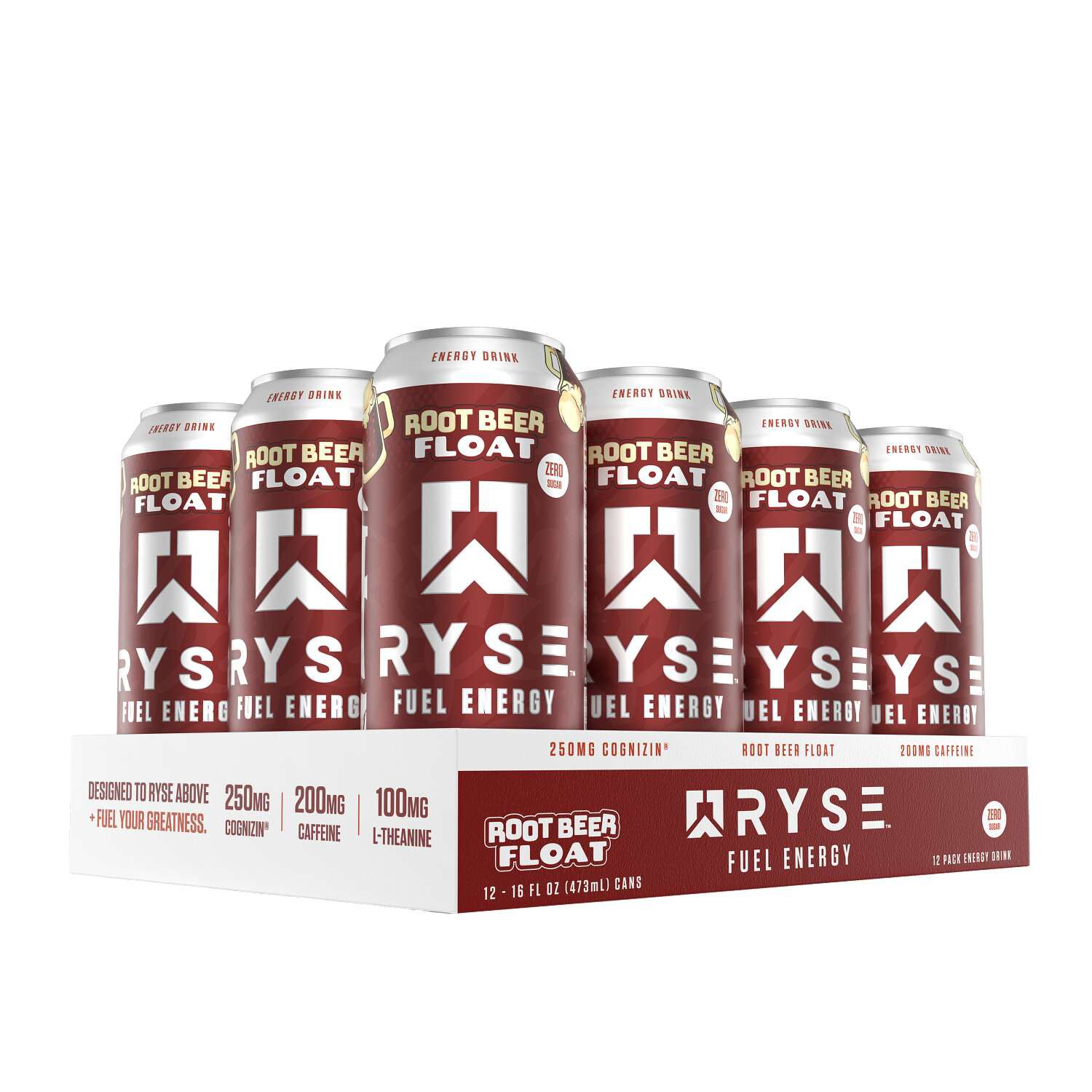
Energy drinks for focus bring together ready-to-drink convenience, a range of caffeine amounts, and ingredients selected for formulas centered on concentration and alertness. For adults comparing these beverages, the most useful distinctions are often on the label rather than in the flavor name: caffeine per serving, servings per container, sugar content, and the amounts of any featured ingredients. Caffeine may support alertness and attention, while the overall experience may vary with individual sensitivity, timing, and other sources of caffeine in a daily routine. Some formulas pair caffeine with L-theanine, an amino acid also found in tea; others include B vitamins, botanical extracts, or ingredients such as choline compounds. Those additions make ingredient-by-ingredient comparisons worthwhile, but a longer ingredient list does not necessarily mean a more suitable drink. Beverages described as nootropic energy drinks belong to a broad category, not a single standardized formula, so two cans with similar descriptions can have quite different contents. A formula built around caffeine and L-theanine may appeal to someone seeking support for concentration, although the pairing does not establish how any individual will feel after drinking it. Likewise, added B vitamins do not establish that a beverage will provide a noticeable change in focus. For a morning spent organizing a presentation, an afternoon of detailed design work, or an adult study session at a kitchen table, the practical fit comes down to clearly stated ingredients, a suitable serving size, and a flavor worth sipping. These drinks are distinct from ordinary sparkling water, and they are not interchangeable with beverages designed primarily for hydration. Understanding that distinction keeps the comparison grounded in intended use. A focus-oriented description identifies the theme of a formula; it does not describe a uniform experience shared by every beverage in the category. The strongest basis for choosing among them is the actual label, considered alongside personal preferences and the occasion.
Flavor and texture matter because an energy drink is still a beverage, whether it sits beside a laptop or travels in a lunch bag. Bright citrus, tart berry, tropical fruit, and lighter tea-inspired profiles offer different drinking experiences, with sweetness and carbonation shaping the finish as much as the named flavor. A sharply sparkling drink has a different texture from a still beverage, while a strongly sweet formula can linger on the palate. Someone who enjoys the bite of sparkling water may prefer pronounced carbonation; someone looking for a softer sipping experience may favor a less fizzy option. Sugar content is another meaningful point of comparison. Some energy drinks contain added sugar, while others use alternative sweeteners or a combination of sweetening ingredients. The nutrition panel and ingredient list provide more detail than a front-label description alone, including carbohydrate amounts and the particular sweeteners used. Neither sweetness nor a fruit-inspired name reveals how much caffeine is inside. Caffeine sources can include coffee, tea, guarana, or separately added caffeine, and a botanical source still contributes caffeine to the formula. When several sources appear together, a clearly stated caffeine amount makes comparison more straightforward. Container size deserves similar attention: a smaller can and a larger can may contain different amounts per serving, even when their packaging looks alike. The serving information matters especially when one container holds more than one serving. Ingredient transparency also helps distinguish a drink that names individual amounts from one that lists a blend without separating every component. For shoppers with dietary preferences, certifications, allergen statements, and sweetener details are more useful than broad lifestyle language. These concrete features help sort out beverages that look similar at first glance, without relying on dramatic descriptions of productivity. A drink for a short desk session may have a different practical fit than one intended to accompany a leisurely afternoon project, particularly when portion size and taste preferences differ.
Packaging and everyday handling round out the comparison. Slim cans can fit neatly into a compact lunch bag, while wider containers take up more room beside a keyboard or inside a cup holder. A resealable bottle offers a different kind of convenience from a pull-tab can, especially when the beverage will move between locations. Container material, closure type, and package dimensions are useful details for commuters, adult students, and people who divide their workday between a shared office and a home desk. Aluminum cans are lightweight, but dents, punctures, and exposure to heat can affect the package; bottles also need storage appropriate to their labels. Storage directions and date markings provide the relevant handling information, including whether refrigeration is needed after opening. For carbonated varieties, opening a chilled container gently and keeping it upright helps manage the fizz. An opened can also loses carbonation over time, making serving size part of the texture comparison as well as the ingredient comparison. During the cooler months, a cold energy drink may still fit naturally alongside an indoor creative project or a busy morning commute, with flavor preferences carrying more weight than the weather outside. Occasions that combine desk work with exercise introduce another distinction: a focus-themed beverage and a sports-oriented drink may emphasize different ingredients and intended uses. The Energy Drinks For Athletes collection offers a related category to compare when activity is part of the occasion, while each beverage’s own label remains the reference for its contents. Across either setting, an energy drink does not replace sleep, meals, or water, and more caffeine does not necessarily mean better concentration. Timing also matters because caffeine may affect sleep, including when the drink is enjoyed well before bedtime. For adults browsing energy drinks for focus, a thoughtful match is ultimately specific: a clearly labeled formula, a portion that suits the occasion, a package that fits the setting, and a taste that makes sense for the way the beverage will be enjoyed.
Best Sellers
-
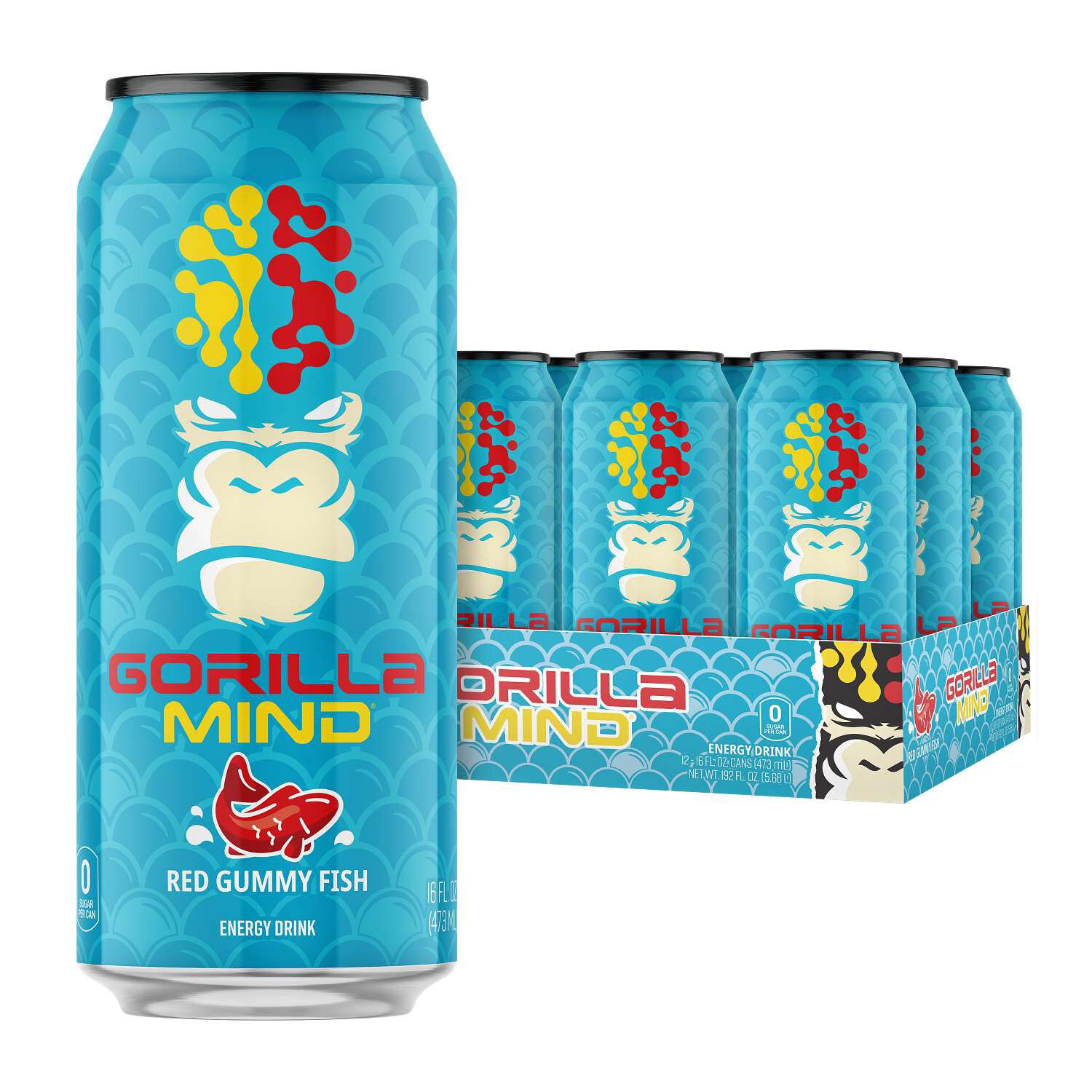
Gorilla Mind
-
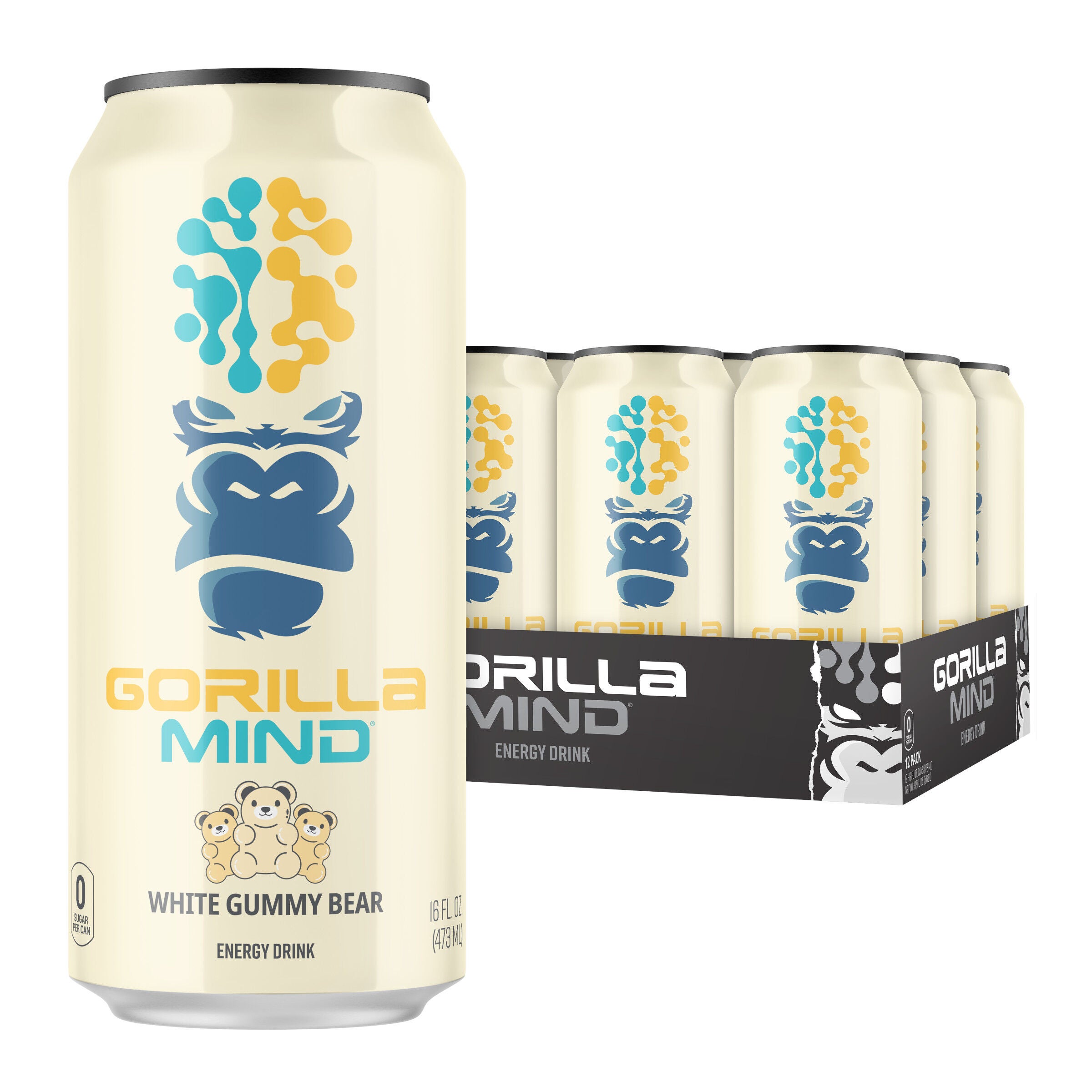
Gorilla Mind
-
Gorilla Mind


