Nootropic Energy Drinks
(0 Results)
Enhance your focus and boost your energy levels with our selection of Nootropic Energy Drinks. Designed to support cognitive function and mental clarity, these drinks are perfect for those looking to stay sharp and alert throughout their day. Packed with a blend of brain-boosting ingredients, our Nootropic Energy Drinks offer a convenient way to power through your tasks and achieve peak performance. Whether you need a pick-me-up during work or a study session, these drinks are sure to provide you with that extra mental edge you're looking for.
-

-

-
-

-
 459$24.99
 -
-

-
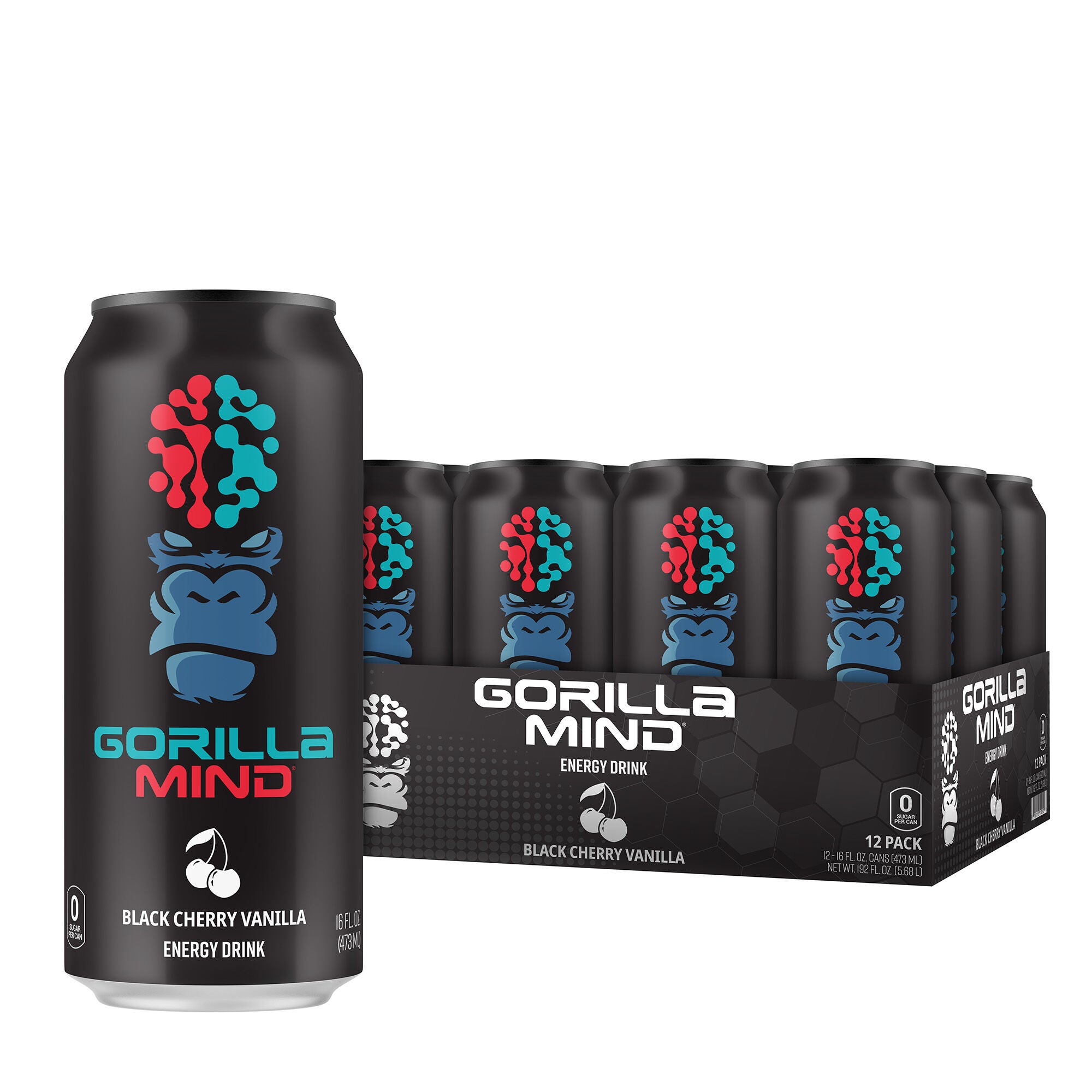
Nootropic energy drinks pair the familiar energy drink format with ingredients selected for formulas that may support focus and alertness. Caffeine is common, while additional ingredients can include L-theanine, L-tyrosine, citicoline, alpha-GPC, and botanical extracts. The term “nootropic” describes the category rather than a single recipe, so two drinks with similar descriptions can have quite different ingredient lists, serving sizes, and caffeine amounts. Some emphasize a short ingredient list; others combine several amino acids, vitamins, and plant-derived ingredients. That variety makes the label more informative than the category name alone. For adults considering a drink for a desk-based workday, a study session, or an evening of gaming, the practical comparison starts with what is in each serving and how that serving fits into an established routine. A ready-to-drink can requires no measuring or mixing, while a powdered drink requires water and preparation according to its directions. Carbonated formulas have a sparkling texture, and noncarbonated options offer a still beverage experience. Citrus, berry, and tropical fruit profiles are common throughout the broader energy drink category, with sweetness and tartness varying by formula. Those details matter when choosing something to sip alongside a project rather than finish in a few mouthfuls. Nootropic energy drinks are distinct from ordinary soft drinks because of their added functional ingredients, but the name does not establish how a particular formula might feel or how long any effects might last. They also differ from sports beverages designed primarily around fluid and electrolyte intake, although some formulas include electrolytes. A drink that contains caffeine and focus-oriented ingredients is not automatically interchangeable with every other beverage used around exercise. Intended use, preparation, and serving information remain important distinctions. Comparing these basics creates a clearer picture of the category than relying on a flavor name, an eye-catching can, or a broad description of productivity.
Caffeine content is one of the most useful points of comparison among nootropic energy drinks. The amount is not necessarily moderate simply because a formula contains nootropic ingredients, and caffeine may come from more than one source. Coffee-derived caffeine, tea extracts, guarana, and yerba mate can appear on ingredient lists, so the stated caffeine amount per serving deserves attention alongside the source. A plant-derived source does not, by itself, establish how a drink might feel compared with another caffeinated formula. Caffeine may support alertness, but individual experiences can vary, and a drink containing several additional ingredients is not automatically a better fit than a simpler formula. L-theanine is an amino acid found in tea that also appears alongside caffeine in some beverages. L-tyrosine is another amino acid used in certain nootropic formulas. Citicoline and alpha-GPC are choline-containing ingredients, but they are not identical names for the same compound. For a closer look at that particular ingredient category, Energy Drinks With Alpha GPC offers a more specific way to explore the theme. Ingredient presence and ingredient quantity are separate considerations: seeing a compound named on the front of a package does not reveal its amount in a serving. Where amounts are disclosed, the full label offers more detail than a front-panel callout. Botanical blends warrant the same attention because the plant, extract, and stated quantity can differ between formulas. Added B vitamins may also appear, though their inclusion does not establish that a beverage might feel more energizing than one without them. Similarly, combining caffeine with L-theanine does not establish that every person might experience a smoother drink or an identical period of focus. The most useful comparisons keep the whole formula in view rather than treating one ingredient as a shortcut to a particular experience. Serving size, caffeine amount, and the quantities of other listed ingredients provide a more concrete basis for comparing drinks than broad descriptions alone.
Taste, packaging, and everyday convenience also shape whether a nootropic energy drink fits a routine. Sugar content and sweetness are separate characteristics: a beverage with zero grams of sugar can still taste quite sweet if it contains other sweetening ingredients. Nutrition information identifies sugar and calorie amounts, while the ingredient list identifies the sweeteners used. Someone who prefers a tart citrus drink may value a different flavor balance than someone who enjoys a rounded berry profile. Carbonation adds another distinction, especially for a beverage sipped gradually during a spreadsheet review, a design project, or a tabletop gaming session. Container size matters, too. A larger can is not necessarily one serving, and the amount listed per serving may differ from the amount in the entire container. A resealable bottle offers a different carrying and sipping experience from a pull-tab can; powdered formats require a suitable mixing container and access to water. For a commute or shared workspace, closure type and the package’s fit in a bag pocket or cup holder can be as relevant as the flavor. Packaging condition, storage directions, and date information deserve attention before use, and any instructions for an opened container belong in that same practical comparison. Timing also matters when fitting a caffeinated beverage around coffee, tea, or other caffeinated products already included in the day. A drink considered for an early work session may not suit the same person’s late-night routine. Label directions and cautions provide product-specific context that a category description cannot replace. For an adult receiving these drinks as a gift, familiar flavor preferences and an established interest in caffeinated beverages offer a more thoughtful starting point than assumptions about desired effects. Across the category, a useful match rests on transparent ingredient information, a suitable serving format, and a taste the recipient or shopper enjoys. Nootropic energy drinks offer varied ways to combine beverage convenience with ingredients that may support alertness or focus, without making every formula or every drinking experience the same.
Best Sellers
-
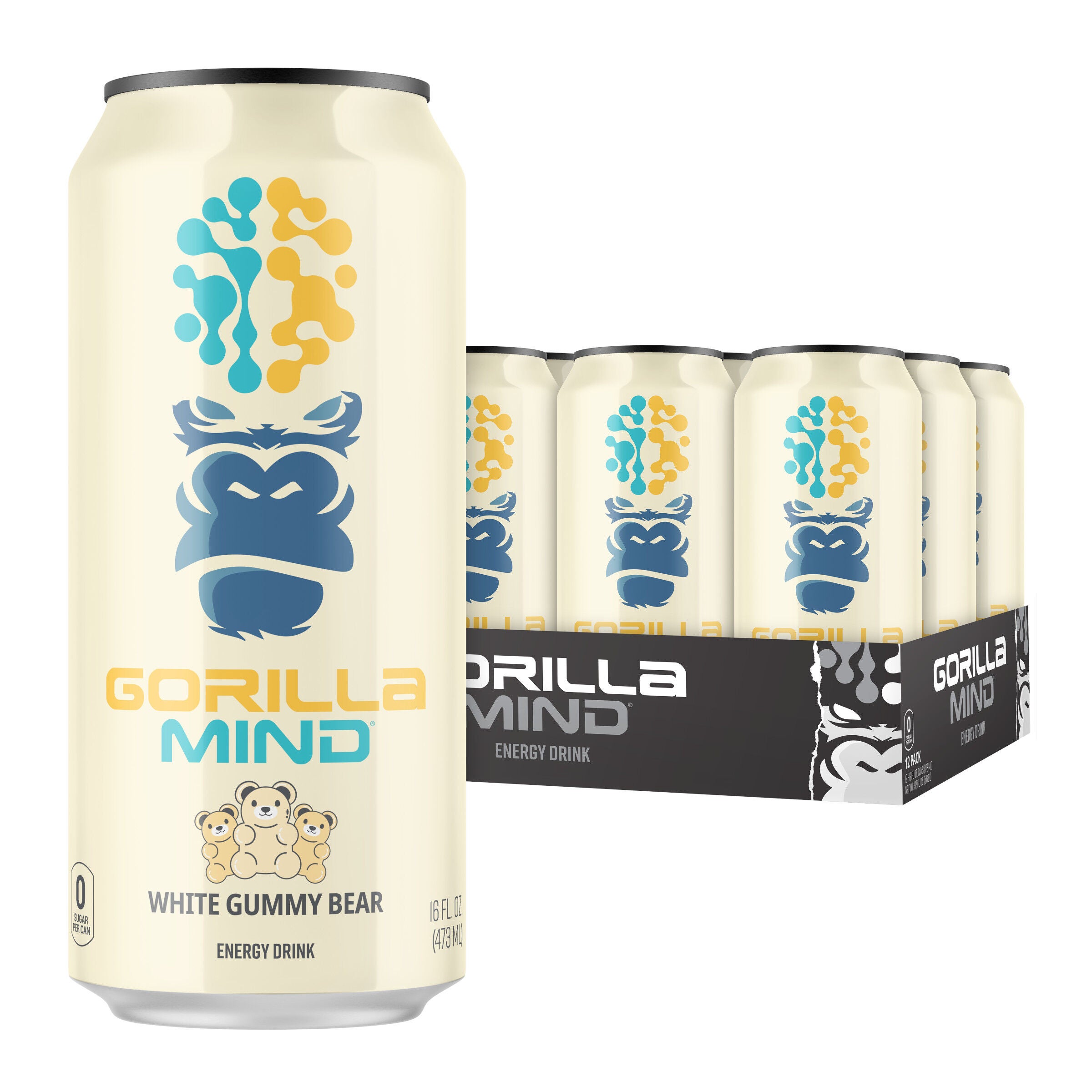 Gorilla Mind
 -
 Gorilla Mind
 -
 Gorilla Mind