Nootropic Pre Workout
(0 Results)
Enhance your workout performance and mental focus with our selection of top-quality nootropic pre-workout supplements. Designed to support cognitive function, boost energy levels, and increase motivation, these innovative formulas are perfect for anyone looking to take their fitness routine to new heights. Whether you're hitting a new personal best at your favorite gym or pushing through an intense home workout, our nootropic pre-workout options provide you with that extra edge to power through your sessions with clarity and determination.
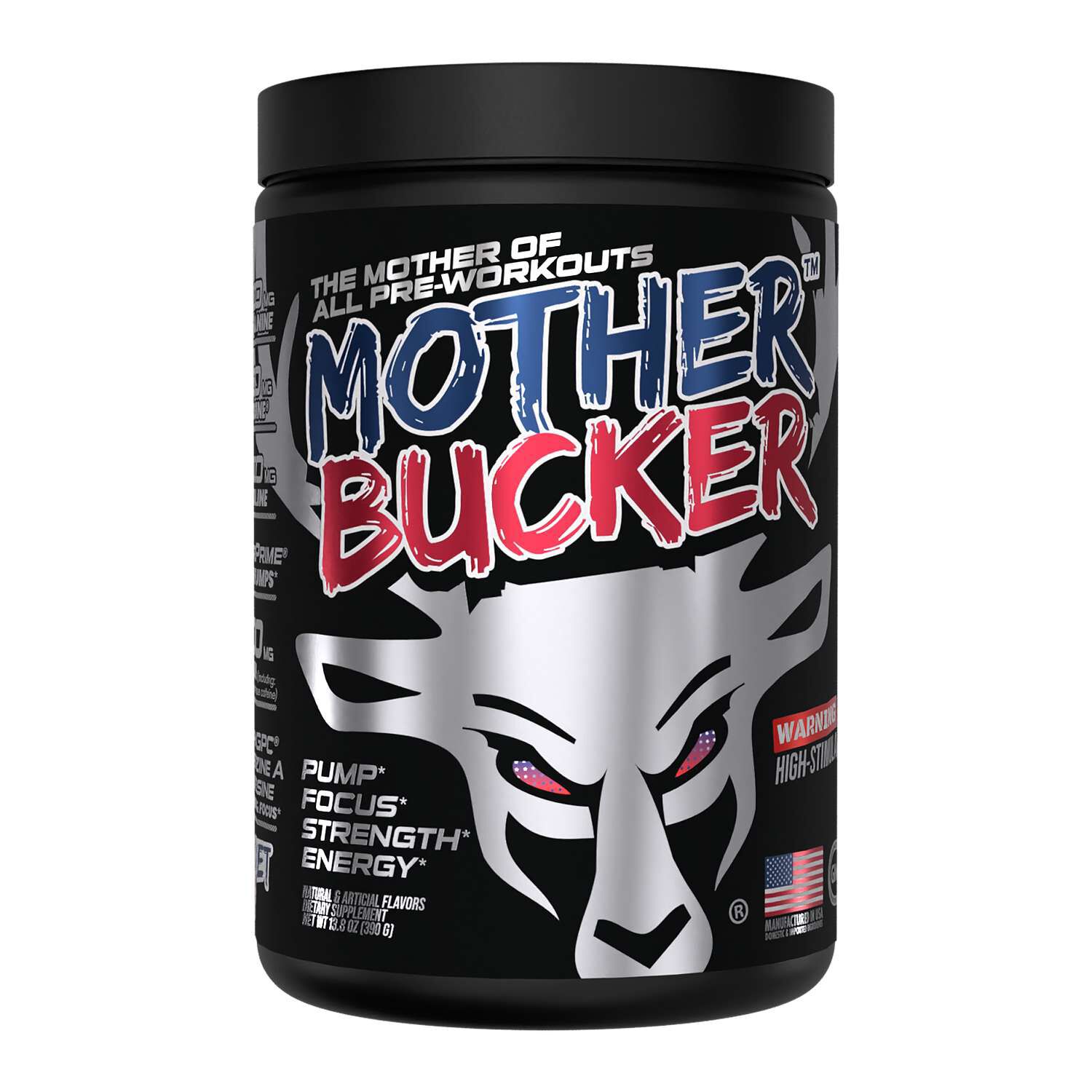
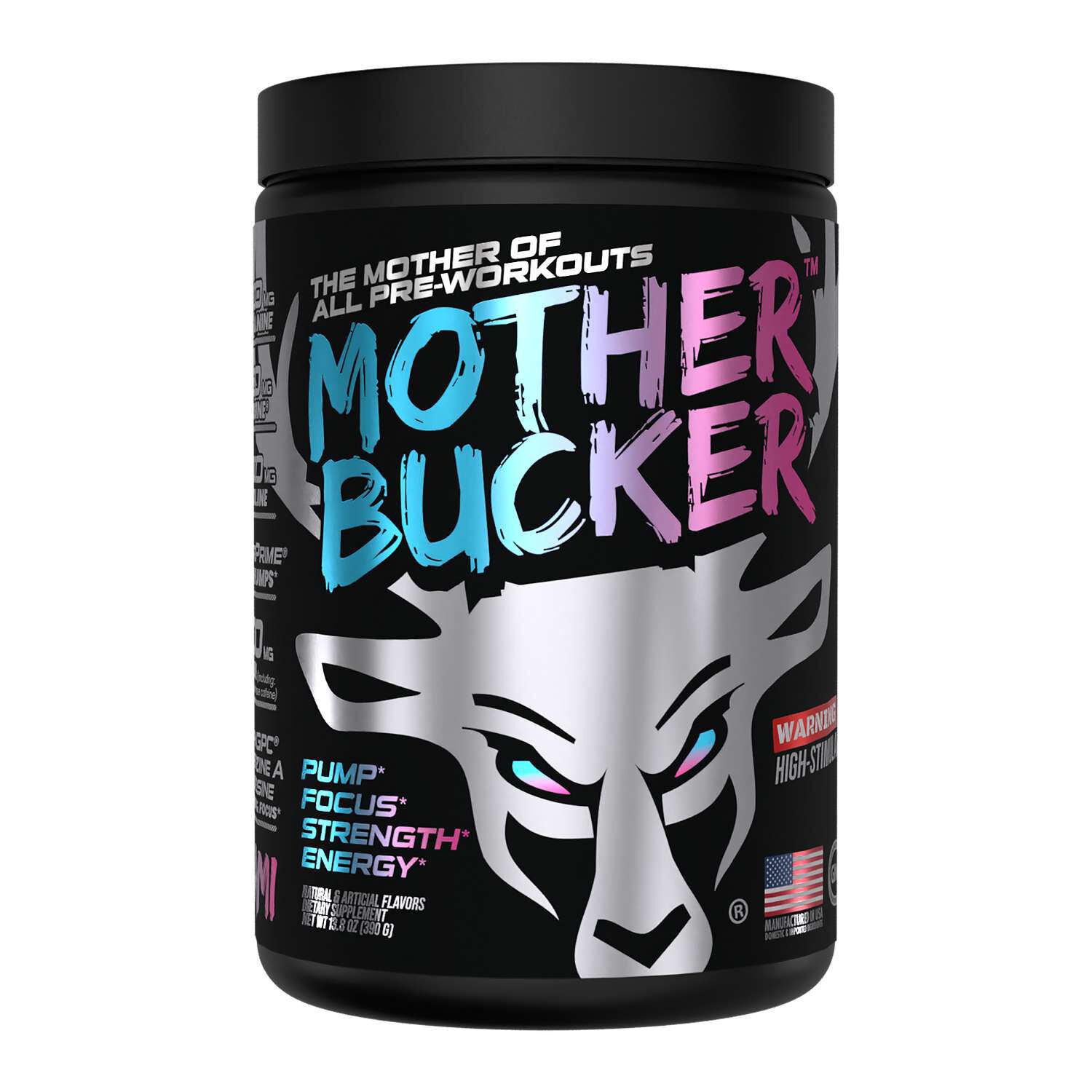
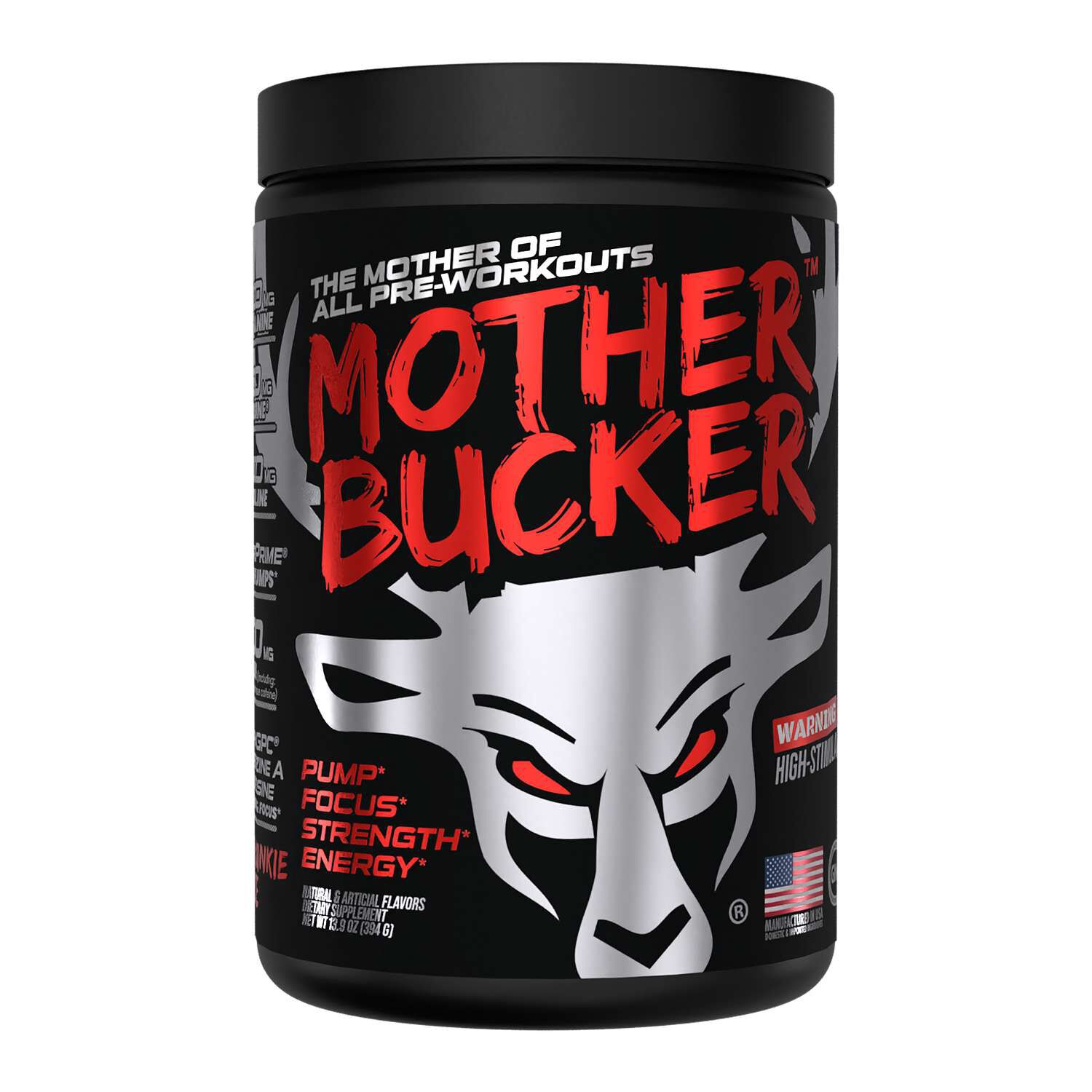

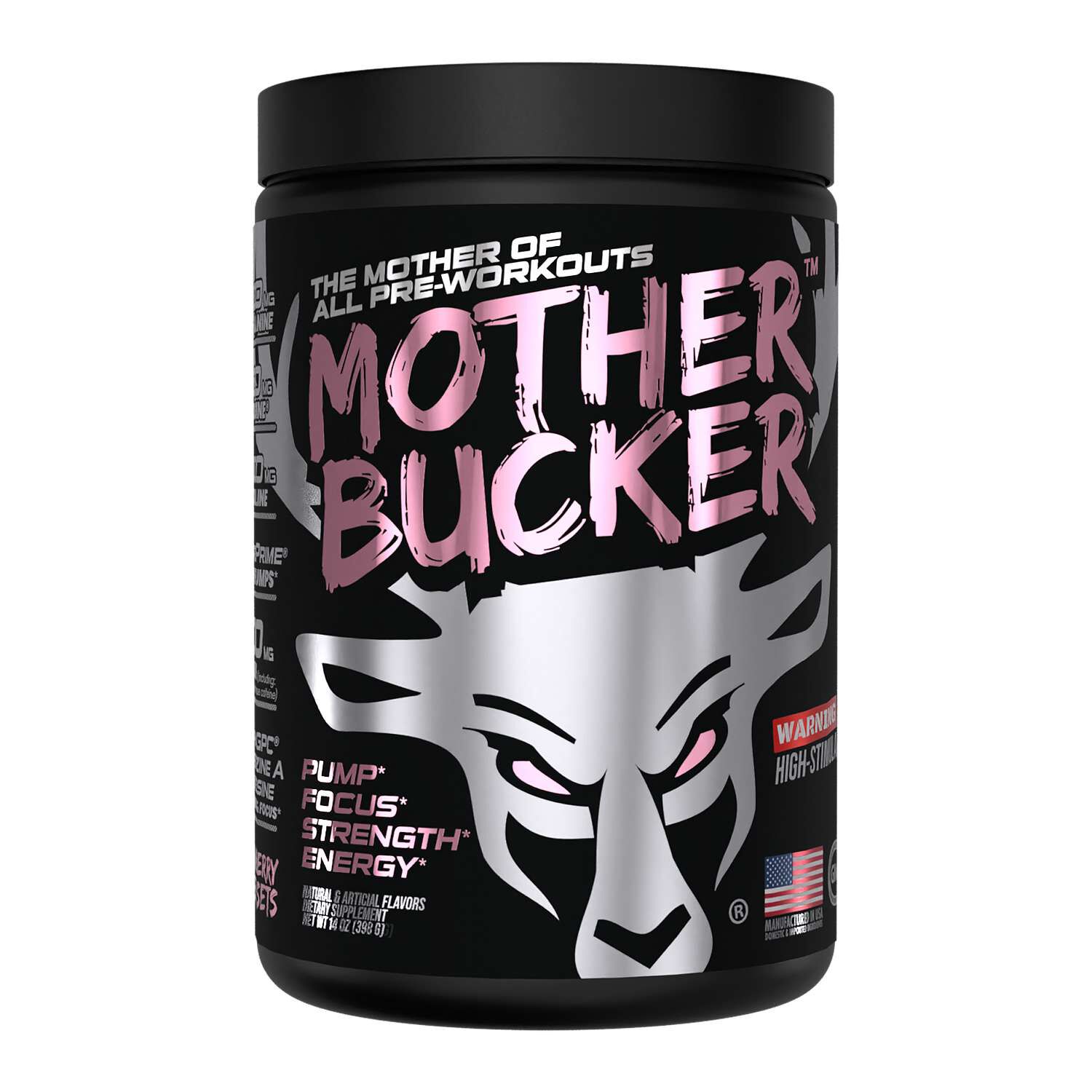
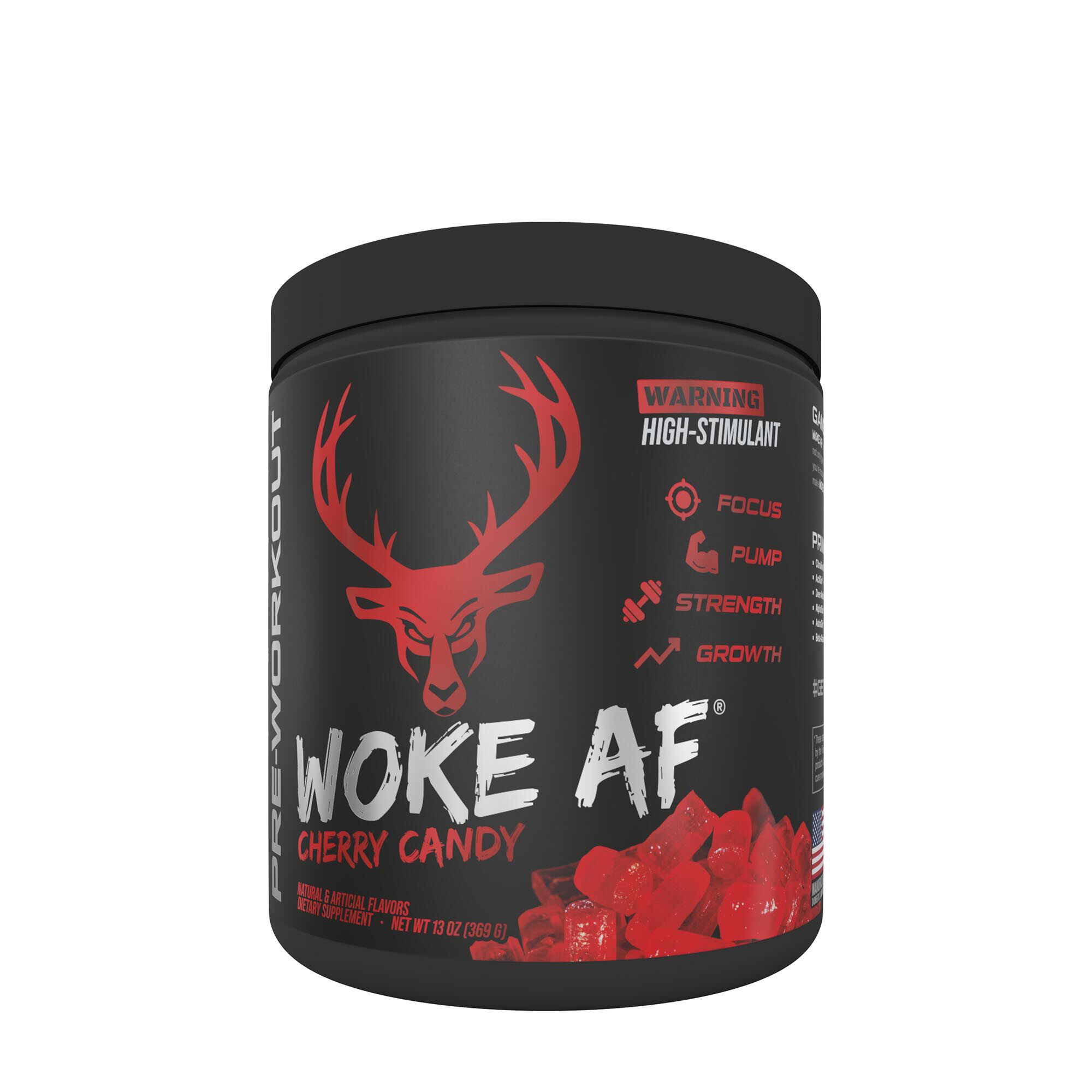

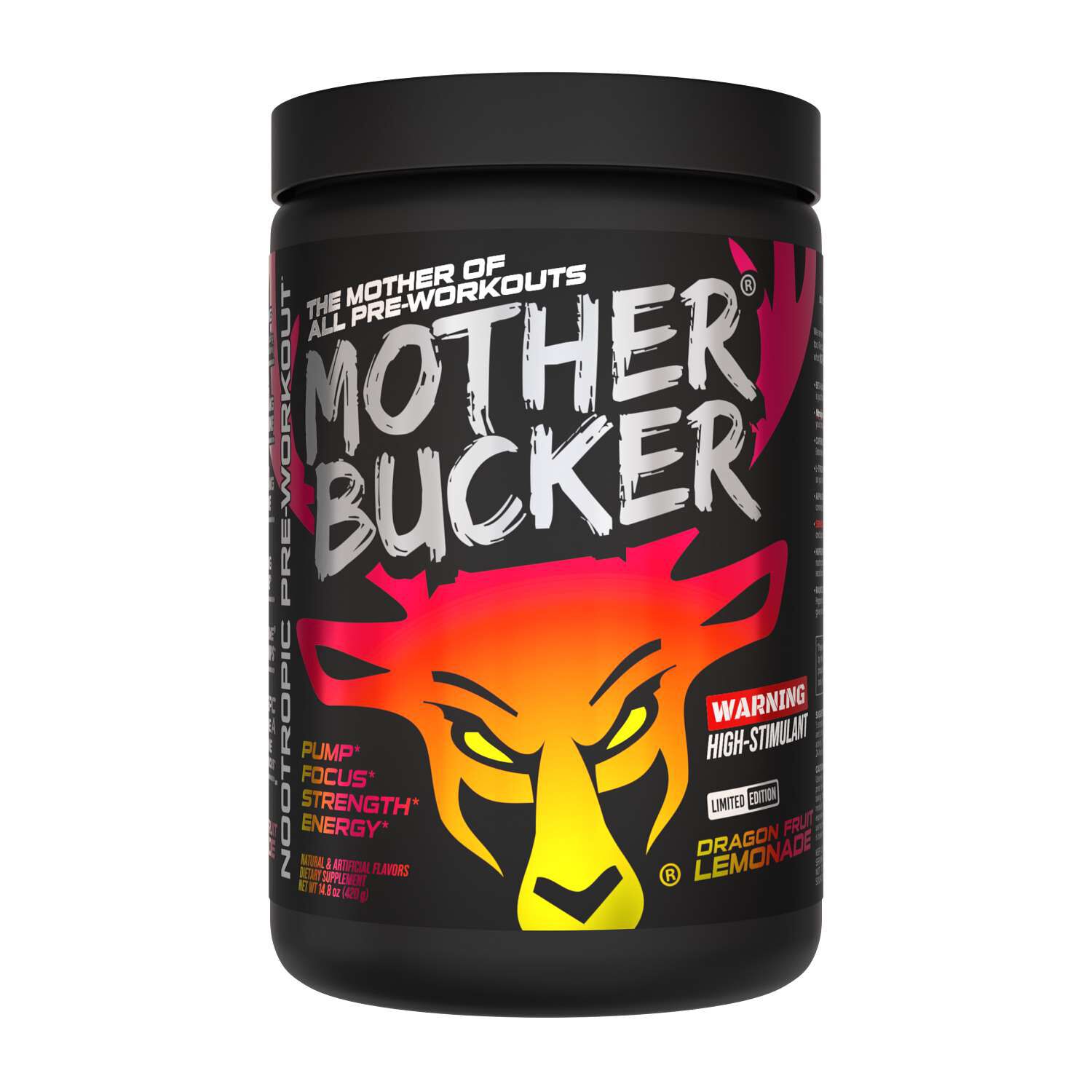
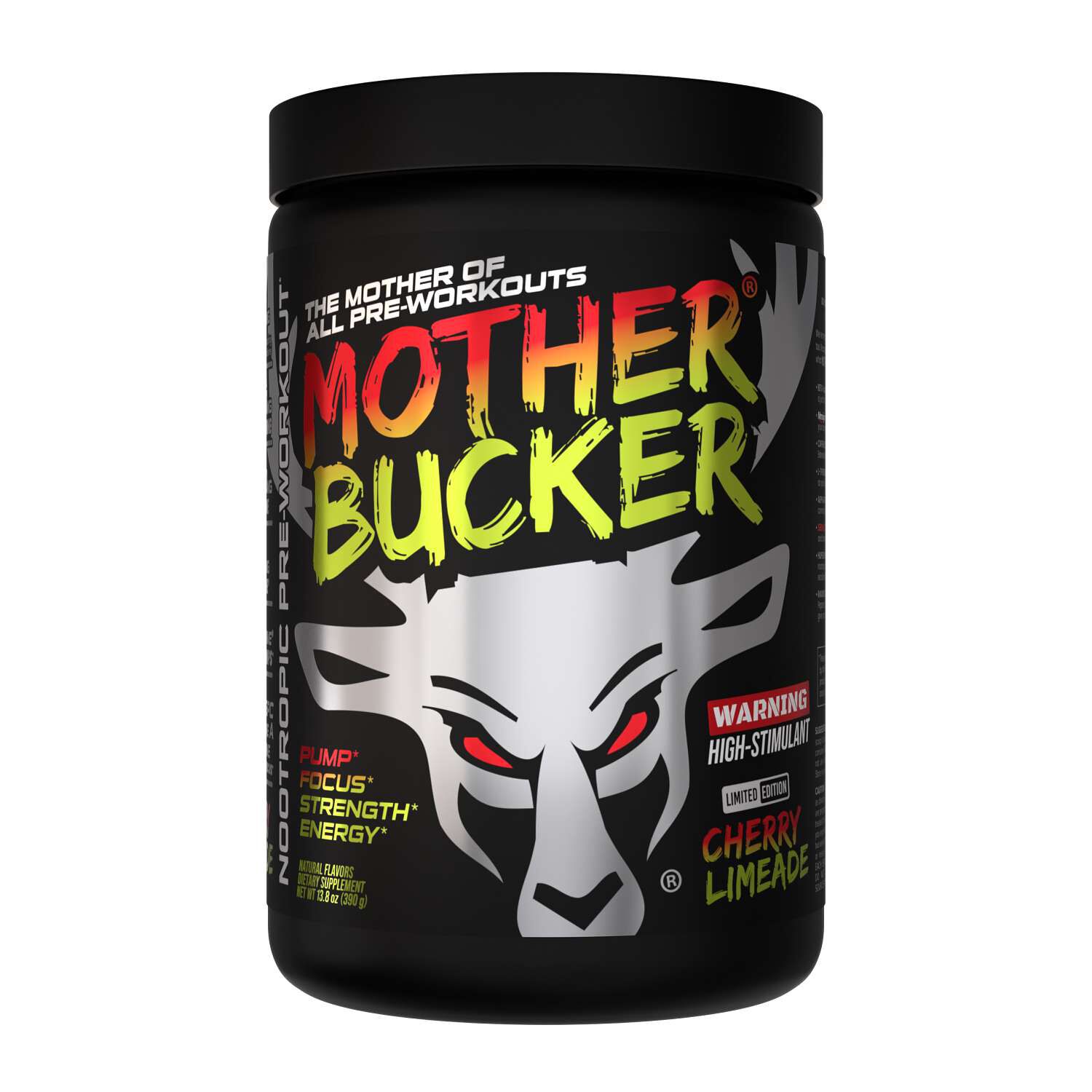
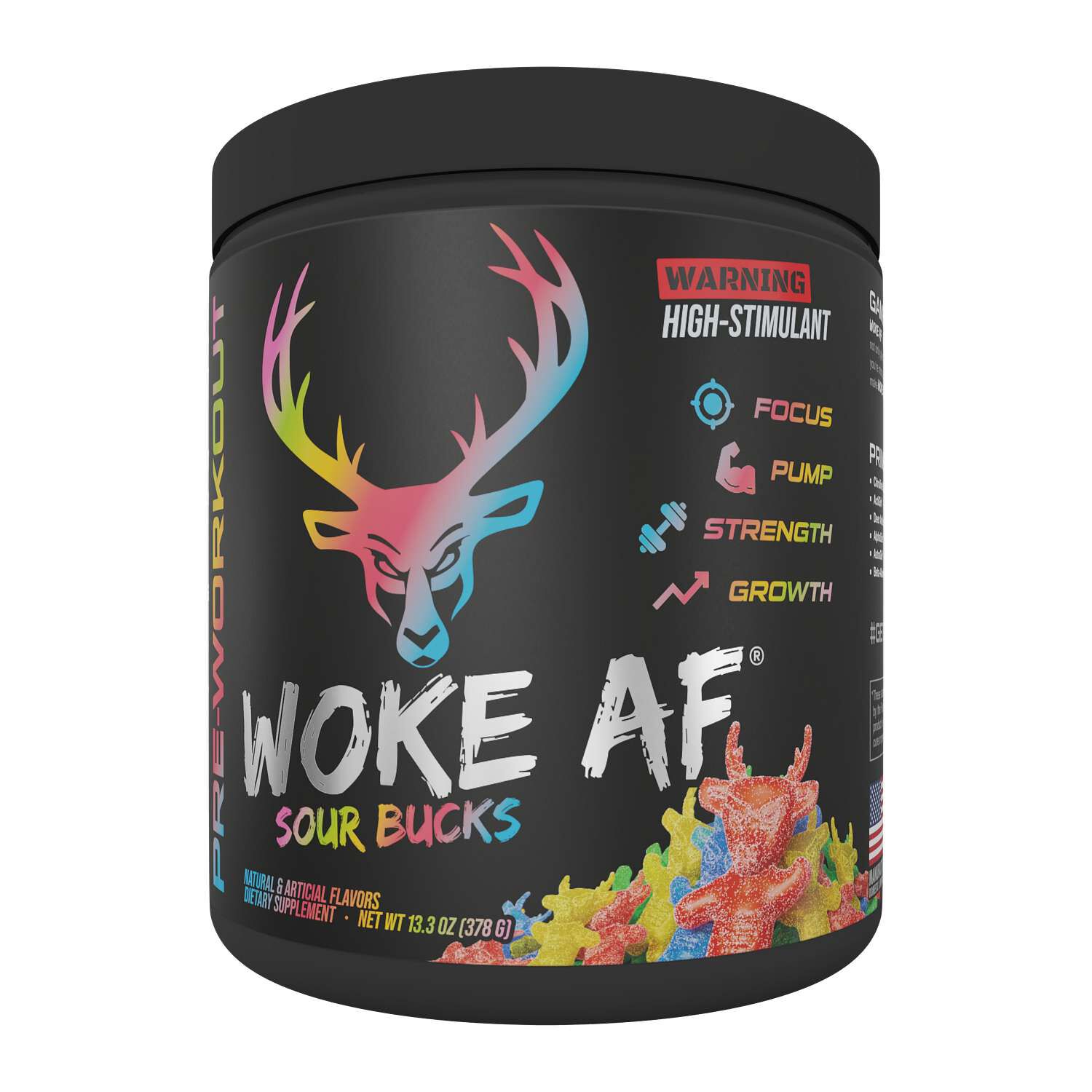
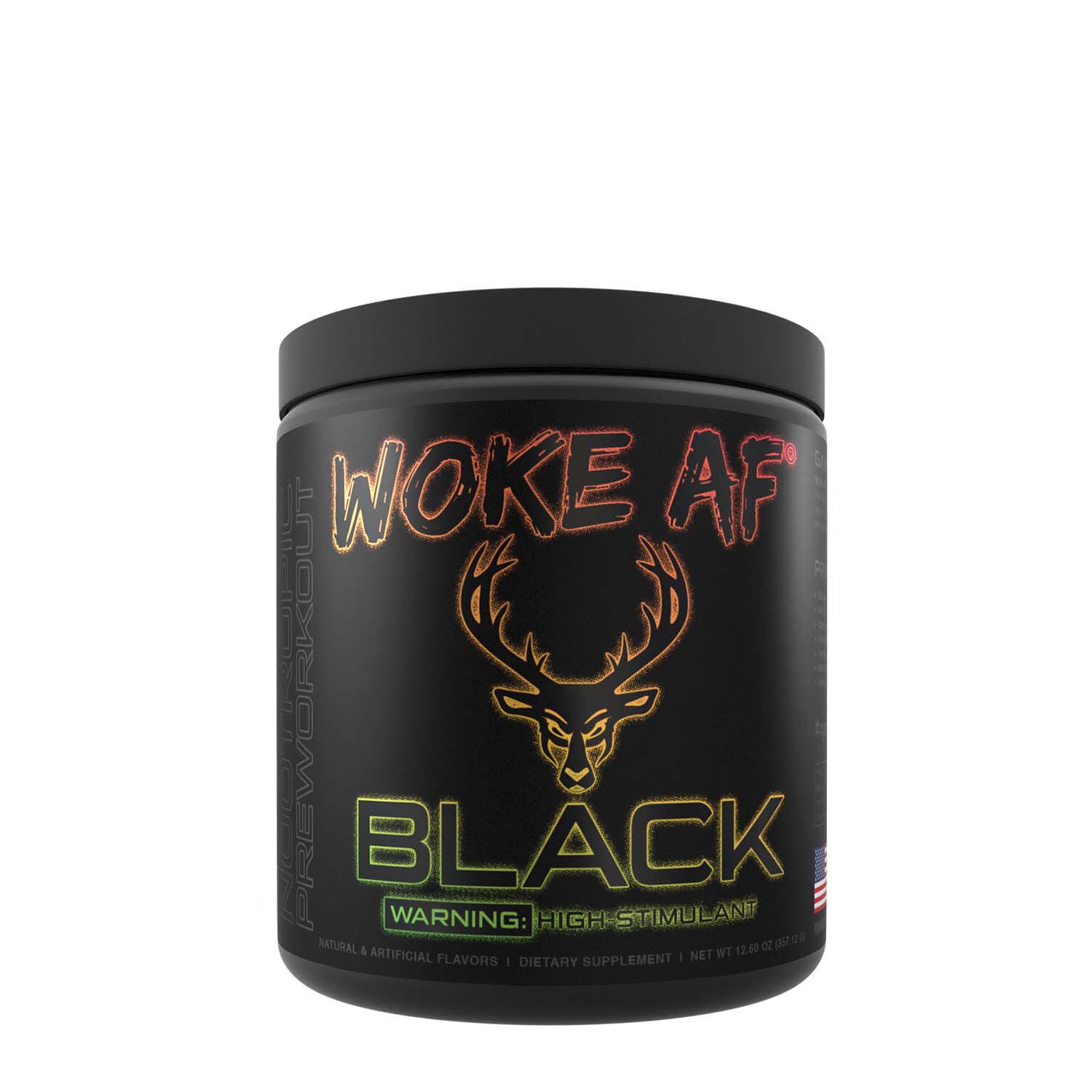
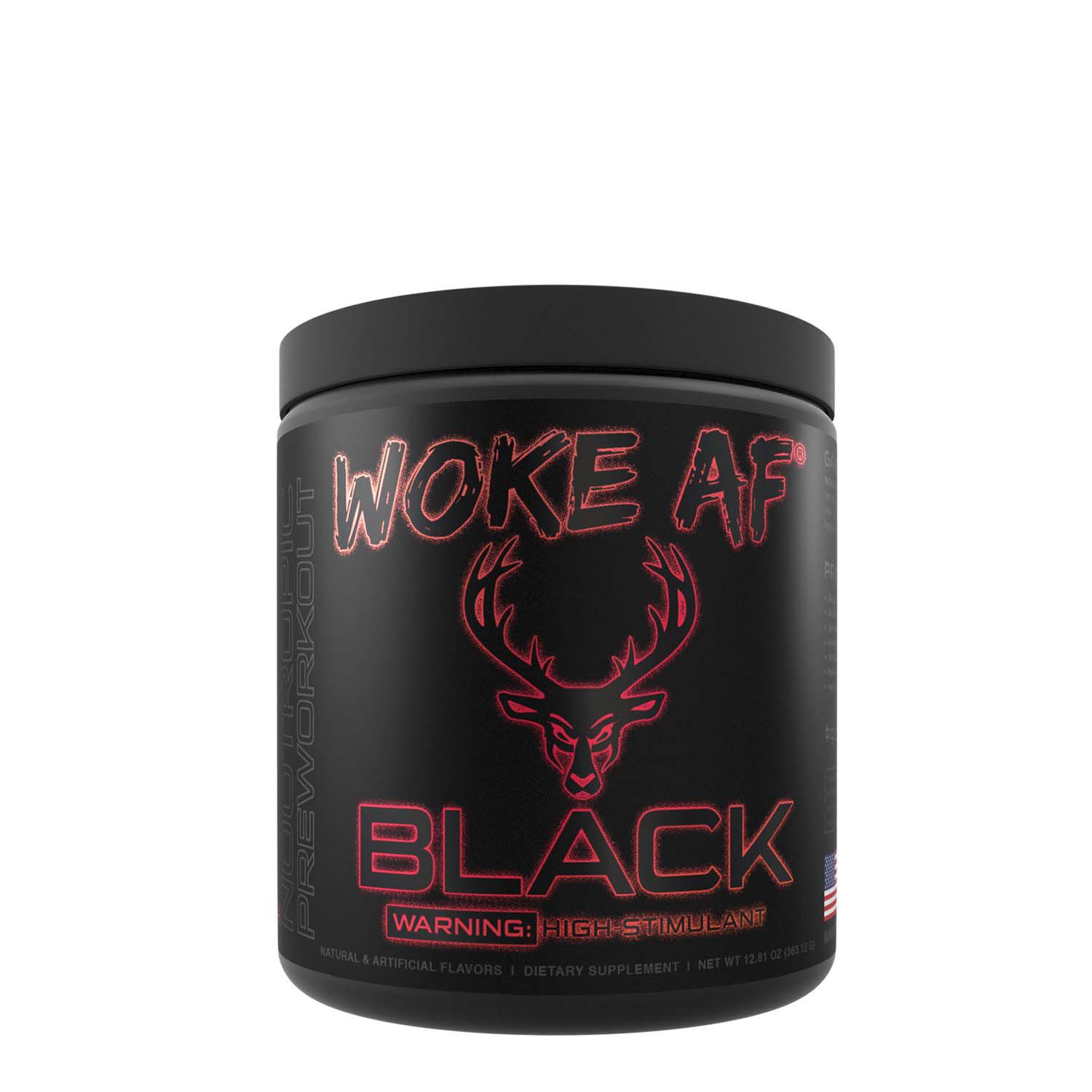
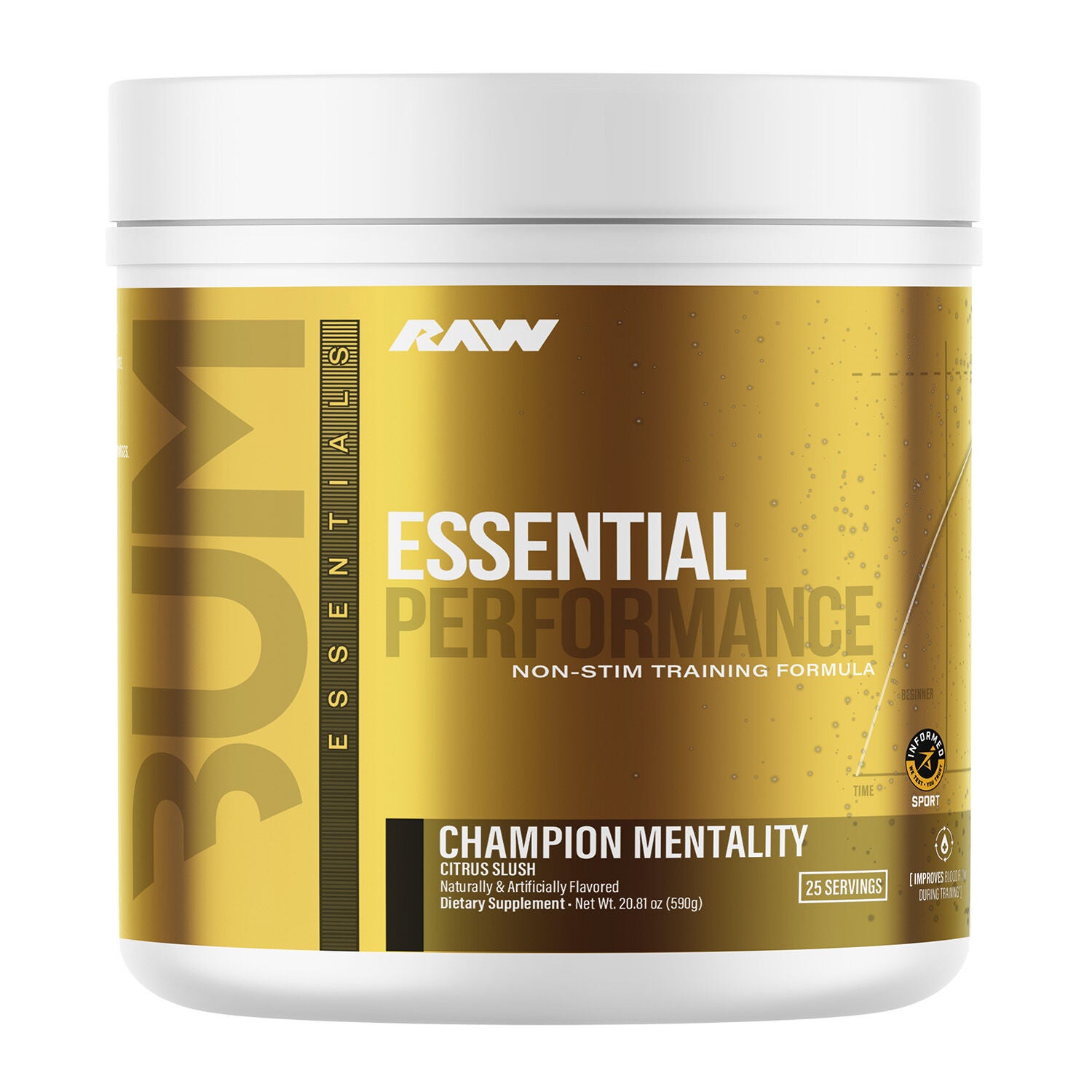
A nootropic pre-workout is a sports nutrition supplement that combines ingredients associated with mental focus with ingredients commonly found in exercise formulas. Depending on its composition and serving size, it may support concentration, a sense of energy, and readiness for training. The distinction is its attention to the mental side of a workout alongside physical performance: settling into a session, keeping track of a planned sequence, or staying engaged through another set. “Nootropic” does not describe one standardized formula, so two products in this category can have very different ingredient profiles. Caffeine, L-theanine, tyrosine, and sources of choline are examples of ingredients shoppers may encounter, while citrulline, beta-alanine, or creatine may appear alongside them. These ingredients have different roles and are not interchangeable simply because they share a container. A formula built around caffeine and a short ingredient list differs from a blend containing several amino acids, botanical ingredients, and flavoring components. Some nootropic pre-workout supplements contain caffeine, while others are formulated without added caffeine. The category therefore extends beyond the familiar image of a strongly caffeinated drink before a demanding gym session. For adult shoppers, the appeal may be a formula that fits a particular training style, whether that means a carefully paced lifting session, a circuit with several stations, or an exercise class that calls for following changing cues. The word “focus” on the front of a package is only part of the description; the ingredient panel, amounts per serving, and preparation directions provide the more useful details. A nootropic pre-workout may support the mindset brought to exercise, but its name alone does not establish how noticeable its effects might be. Comparing the actual composition offers a clearer picture than treating every product in the category as the same kind of workout companion. That distinction matters when evaluating a familiar ingredient in a new blend or comparing two formulas with similar front-label descriptions.
Format, flavor, and serving information are practical differences within the nootropic pre-workout category. Powder offers flexibility in preparation within the label’s directions, with water quantity influencing how concentrated the flavor tastes. A citrus blend mixed into a smaller amount of water can taste quite different from the same serving prepared with more water, even though the ingredient amounts remain unchanged. Ready-to-drink formats remove the mixing step, while individually packaged powder servings can suit a gym bag or a desk drawer when storage directions allow. Capsules offer another format where present, without the flavored drink experience. None of these formats establishes ingredient quality by itself; the useful comparison remains what each labeled serving contains. Serving count also deserves context because container size and scoop size are not the same measure. Directions may identify a serving as one scoop, part of a scoop, or another stated amount, making the printed serving information more informative than the appearance of the container. Caffeine content is another meaningful point of comparison, including caffeine contributed by ingredients such as tea extracts or guarana. Its source does not change the fact that it contributes caffeine to the formula. For shoppers whose routines include coffee, tea, or other caffeinated beverages, a clearly stated caffeine amount makes the composition easier to understand. Flavoring ingredients, sweeteners, colors, and allergen statements also distinguish products, especially for people with established dietary preferences. A tart fruit profile, a sweeter drink, and an unflavored powder each create a different experience before exercise. Mixability matters in everyday use as well: directions for the amount of liquid, mixing method, and preparation help set expectations for texture. Fine powder, a little foam after shaking, or visible settling can vary by formulation, so appearance alone is not a dependable way to compare products. Clear ingredient information and straightforward preparation details offer a more useful basis for matching a formula to personal preferences.
The intended setting also shapes what makes a nootropic pre-workout convenient. Someone heading directly from work to a fitness studio may prefer a format with little preparation, while a home-gym routine may leave room for measuring powder and mixing a drink before training. A person following a written strength program might be interested in a formula that may support concentration between sets; someone moving through a fast-paced class might be looking for a similar sense of engagement in a different setting. Those are distinct uses within the same product category, rather than reasons to expect identical experiences from every formula. Shoppers comparing workout-focused blends with the broader category can also explore Nootropic Powder Supplements. Not every nootropic powder is intended for exercise, and not every pre-workout contains ingredients selected with mental focus in mind, making the stated purpose an important distinction. Beyond the formula itself, packaging and care affect day-to-day convenience. A secure lid, legible directions, and a container that fits the space where it will be stored are practical details that become noticeable after repeated use. Powder products generally carry storage instructions concerning moisture, sunlight, or other conditions; those directions, along with the printed date and any instructions after opening, are the appropriate reference for product care. Keeping the container closed and using a clean, dry measuring utensil are straightforward ways to handle a powder as directed. For travel, the original packaging keeps the ingredient information and serving instructions with the product. Personal preferences matter when shopping for a training partner, too: knowing the recipient’s usual format, flavor choices, and caffeine preferences is more useful than choosing by package design. Across these situations, the most relevant distinctions are concrete ones—what the supplement contains, how it is prepared, what its label says about intended use, and whether its format suits the routine around a workout. A thoughtful match rests on those details rather than dramatic language or expectations of a particular result.