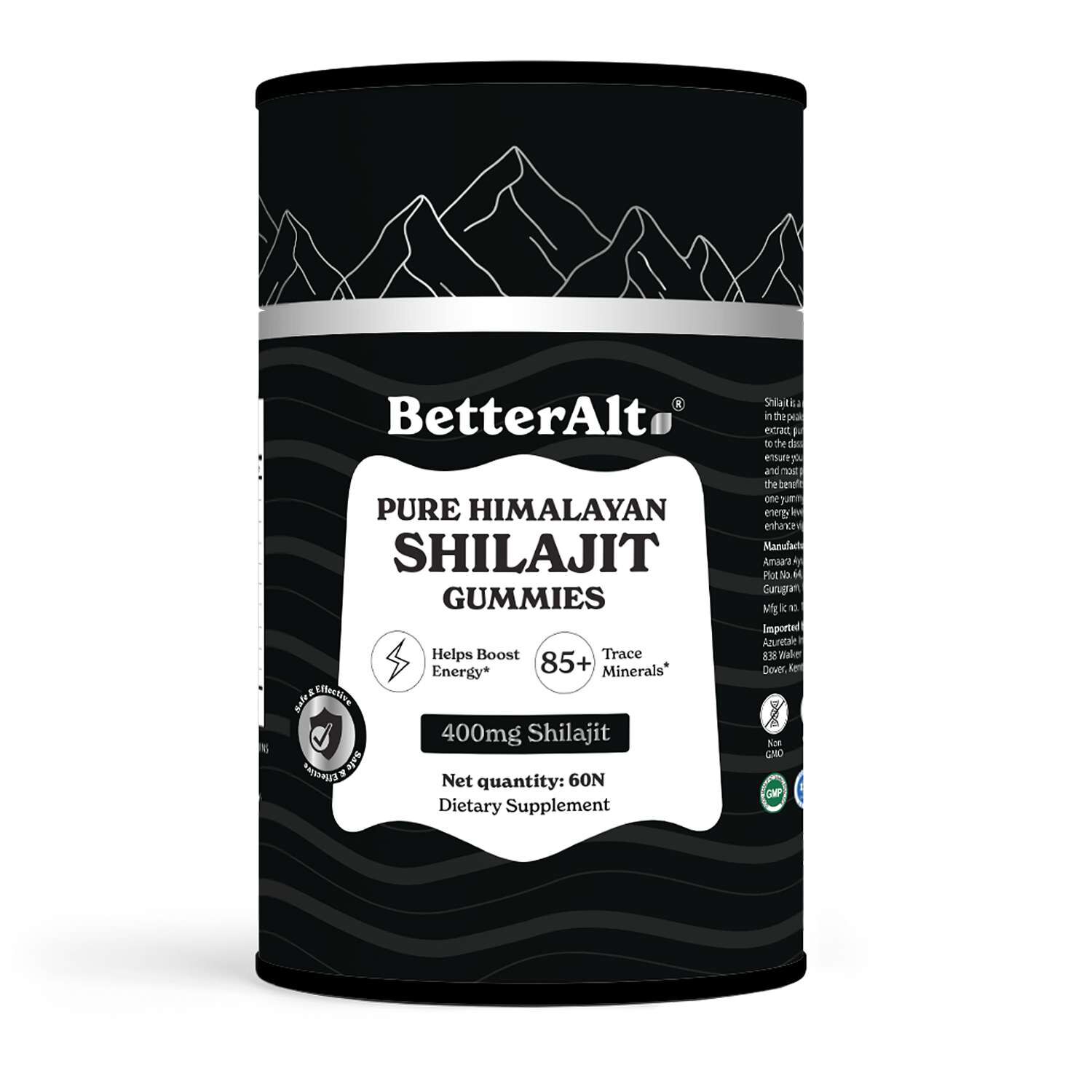
Energy Softgels
(0 Results)
Explore the potential of energy softgels to support your active lifestyle and help you power through the day. These convenient, easy-to-swallow supplements might provide a burst of vitality when you need it most. Whether you're tackling a busy workday or gearing up for an intense workout, energy softgels could be the ideal companion to help maintain stamina and focus. Discover how these supplements might fit into your daily routine and contribute to feeling more energized and ready to take on any challenge.
-

-
-
 NDS Nutrition$109.99
-

-
 75$28.99
-

-
-
-
 185$24.99
-
-
-

-

-

-

-
-

-

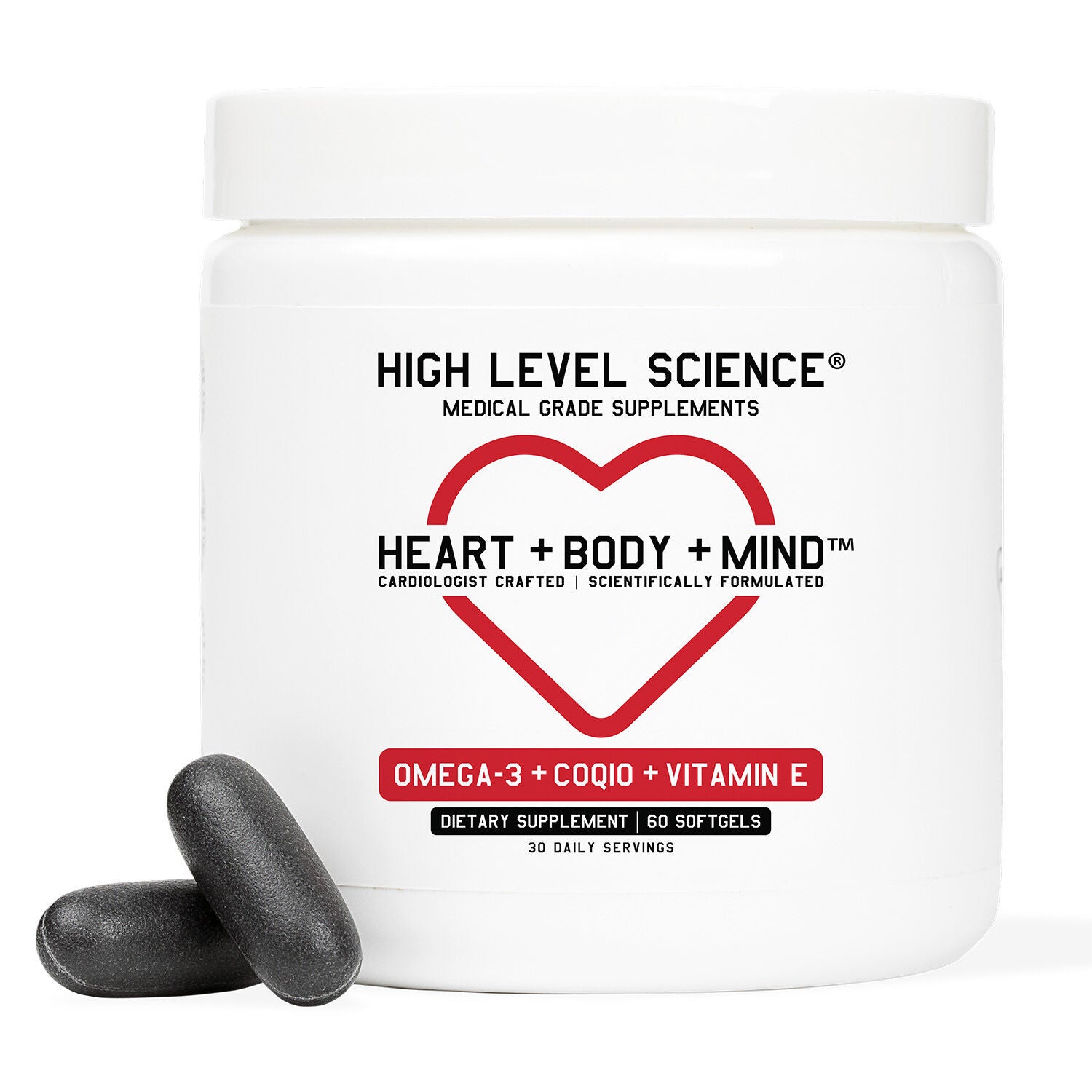
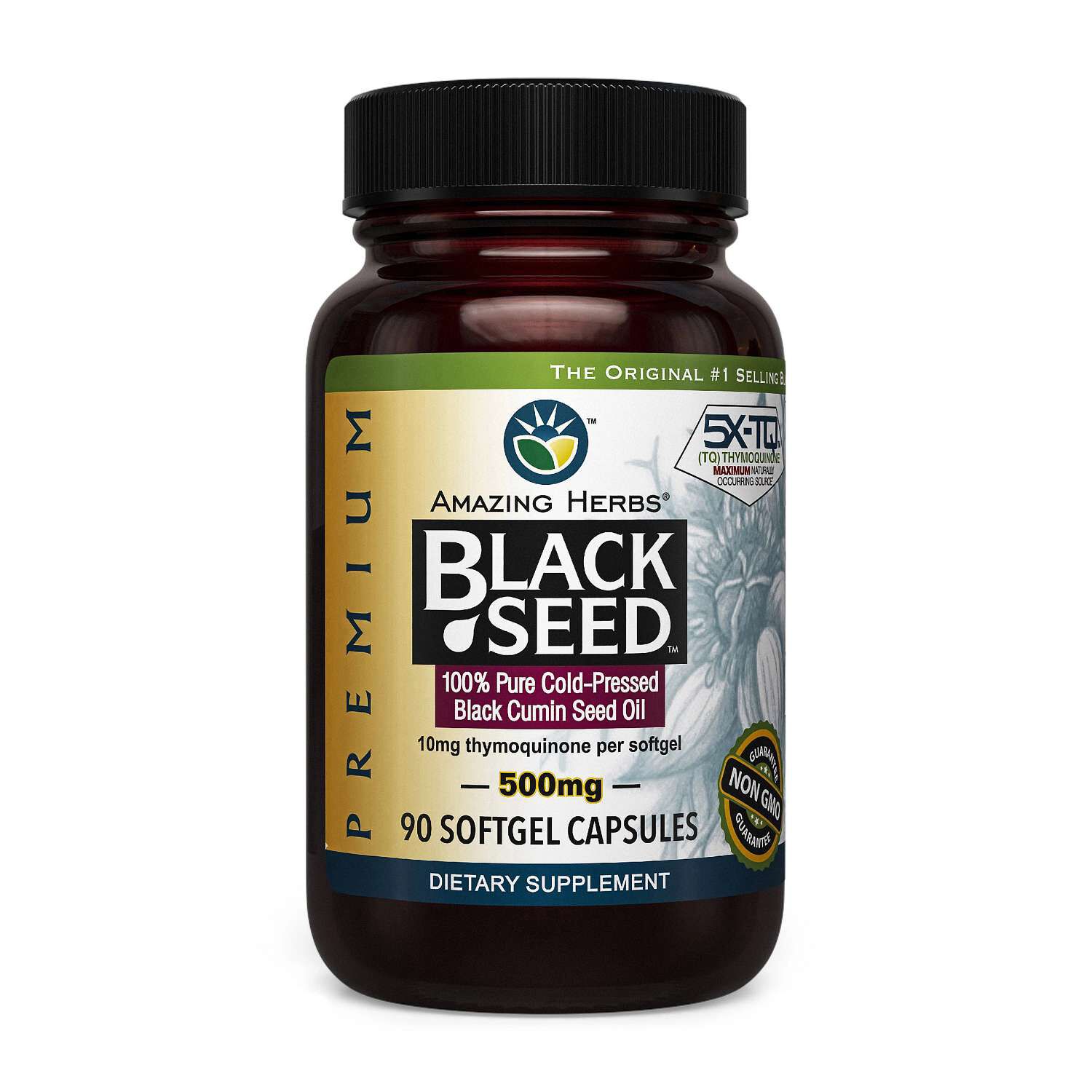
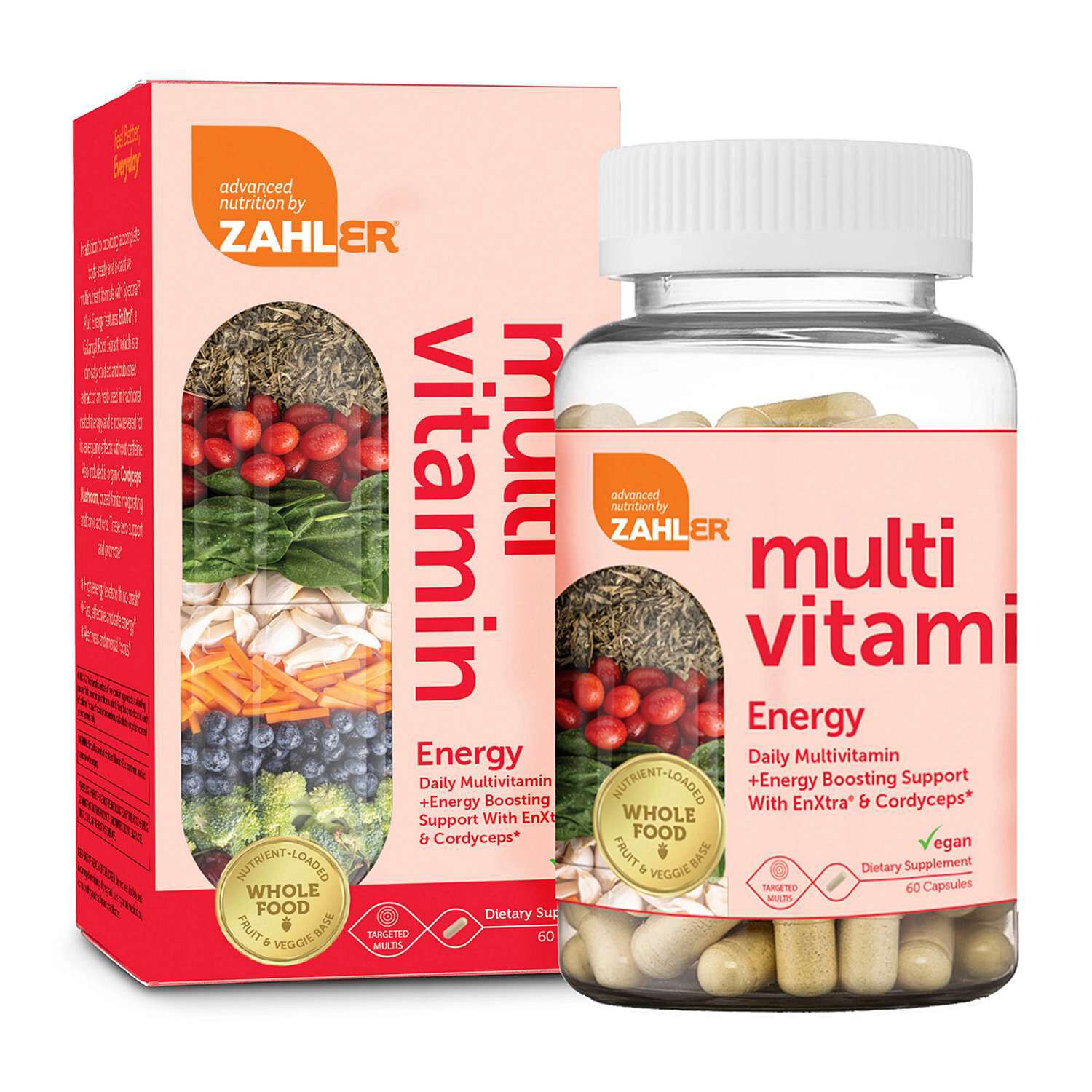
Energy softgels are dietary supplements in a sealed, soft-shell format, often containing liquid, oil-based, or suspended ingredients. The category generally includes two types of formulas: vitamin-based supplements intended for everyday nutritional support and blends containing caffeine or other ingredients intended for occasional use. B-vitamin formulas may support normal energy metabolism, which is the process the body uses to obtain energy from carbohydrates, fats, and protein. Caffeine-containing formulas may support alertness and focus. These purposes are different, even when both appear under the same energy softgel category, and some formulas combine vitamins with caffeine or botanical ingredients. A B-complex formula can contain thiamin, riboflavin, niacin, pantothenic acid, vitamin B6, biotin, folate, and vitamin B12, although the exact combination varies. Other formulas feature only selected B vitamins rather than the full group. B vitamins are nutrients, not stimulants, so their presence does not mean a formula contains caffeine or may produce the same experience as a caffeinated beverage. Likewise, the word “energy” on a label does not identify a single ingredient or a uniform formula. A softgel intended for daily nutritional support can have a very different ingredient profile from one positioned for use before exercise. For an adult who prefers supplements without a flavored drink or a chewable format, softgels may be a practical match for an established routine. Someone comparing options for a desk-based workday may prioritize a different ingredient profile than someone considering a supplement alongside a workout routine. The distinction comes from the ingredients, serving directions, and intended use—not from the softgel shape alone. Energy supplements are not substitutes for meals, hydration, or sleep, and the category name should not be read as a description of how any individual will feel. The most meaningful comparisons are between formulas with similar purposes, with attention to what each serving contains and whether caffeine is part of the formula.
The shell and its contents are useful details when comparing energy softgels. Traditional softgel shells commonly contain gelatin, glycerin, and water, while shell composition and ingredient sourcing differ among formulas. Gelatin can come from different animal sources, so the ingredient panel and dietary statements matter for shoppers with vegetarian preferences or other ingredient restrictions. A smooth exterior and rounded shape may appeal to adults who prefer this format over a tablet, but softgels vary in length, width, and firmness. The word “soft” does not necessarily mean small, chewable, or suitable for opening. Directions on the package establish how the serving is intended to be taken. Inside the shell, ingredients can be dissolved or suspended in a carrier, and that carrier is part of the formula rather than an incidental detail. Oils, colors, and other supporting ingredients belong in the comparison alongside the featured vitamins or botanicals. A liquid center does not, by itself, establish faster absorption or a stronger effect than another supplement format. Similarly, a longer ingredient list does not establish that a formula is a better match for a particular routine. Straightforward vitamin formulas and blends with several ingredients serve different preferences, and clear labeling makes those differences easier to understand. Serving size also deserves attention: the number of softgels in a bottle is separate from the number of servings it contains. Ingredient amounts are typically presented per listed serving, which may consist of more than one softgel. When caffeine is included, its stated amount provides more useful context than a general description such as “energy blend.” Coffee-derived ingredients, tea extracts, guarana, and other botanical sources can contribute caffeine, depending on the formula. Front-label wording alone may not capture those distinctions. The Supplement Facts panel, other ingredients list, and package directions together offer a fuller picture of what is inside, how the formula is presented, and the use for which it is intended.
Everyday fit also includes packaging, storage, and the setting in which a supplement will be used. A bottle kept in a desk drawer presents different practical considerations from one carried in a gym bag or tucked into a travel pouch. Softgel shells can stick together, change shape, or leak when exposed to unsuitable storage conditions, making the package’s storage directions particularly relevant. A tightly closed original container preserves access to the ingredient information, serving directions, and date markings that can be lost when supplements are transferred into an unmarked container. Packaging condition matters as well: intact seals, readable labels, and undamaged softgels are useful quality checks before use. Durability in this category is less about a rugged outer finish and more about maintaining the integrity of the shell and its contents throughout normal storage and handling. Intended use remains equally important. Some formulas are positioned for a consistent daily routine, while others have directions tied to a particular occasion or activity; those uses should not be assumed to be interchangeable. For someone who already drinks coffee, tea, or caffeinated beverages, the caffeine information across those choices is relevant context when comparing formulas. Directions about timing, food, serving size, and age suitability belong to the individual supplement rather than to the energy softgel category as a whole. Dietary supplements can be a personal purchase, so they are generally better selected around the intended user’s stated preferences than chosen as a surprise gift. Shell ingredients, preferred serving format, and interest in caffeinated or noncaffeinated options are all meaningful distinctions. Shoppers comparing related supplement formats can also explore Softgels For Health for broader context beyond energy-focused formulas. Within this category, the clearest match is one with an understandable ingredient profile, suitable serving directions, and packaging that fits the way the supplement will be stored and used. Those concrete details offer a more grounded basis for comparison than broad energy language alone.
Best Sellers
-
GNC Herbal Plus