Enzyme Chewable Supplements
(0 Results)
Explore the potential benefits of enzyme chewable supplements, a convenient option for those looking to support their wellness routine. These easy-to-take supplements may offer an enjoyable way to incorporate enzymes into your daily regimen. Whether you're at home or on the go, enzyme chewable supplements could be a simple addition to your lifestyle. Discover a variety of choices designed to fit your preferences and nutritional goals.
-

-
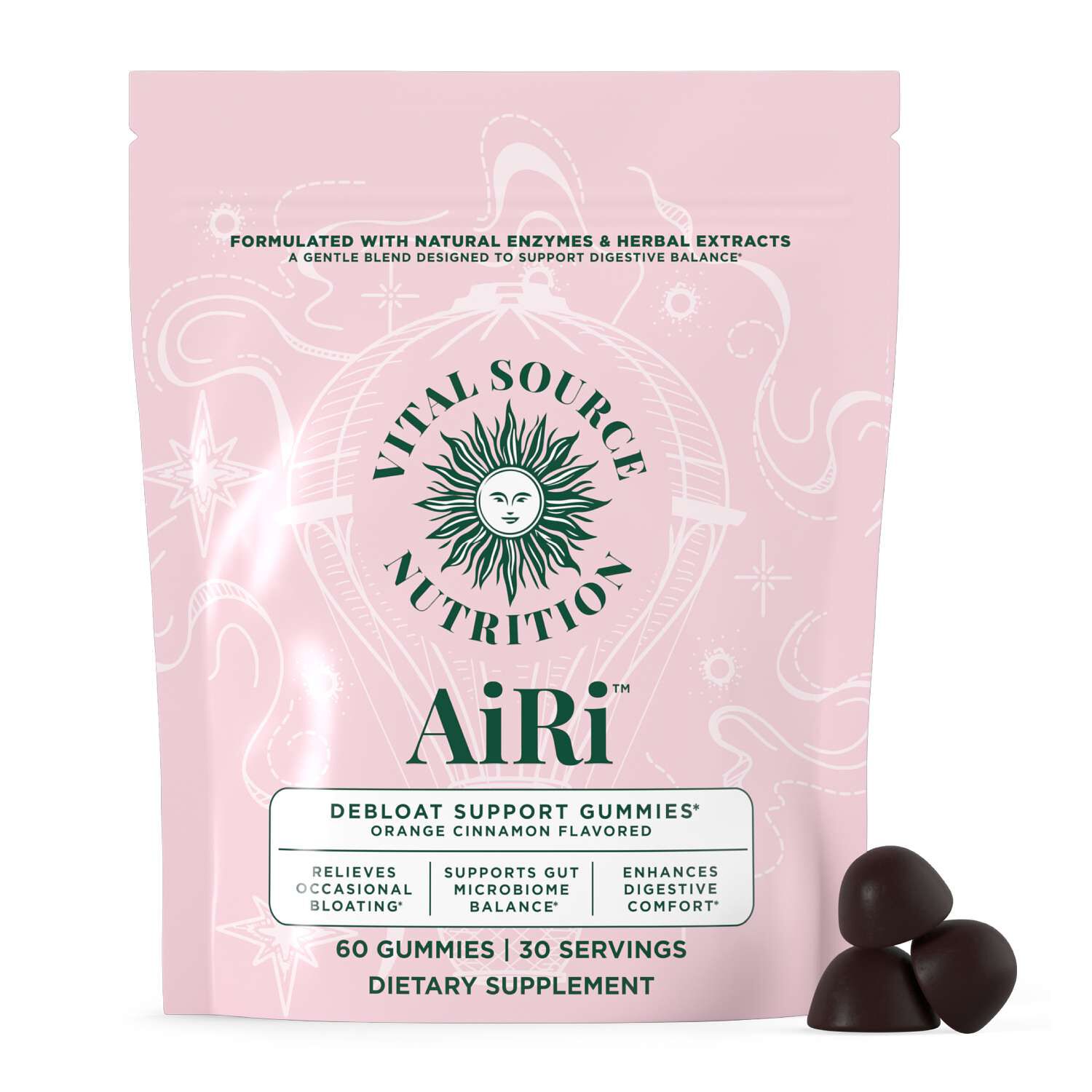 $29.99

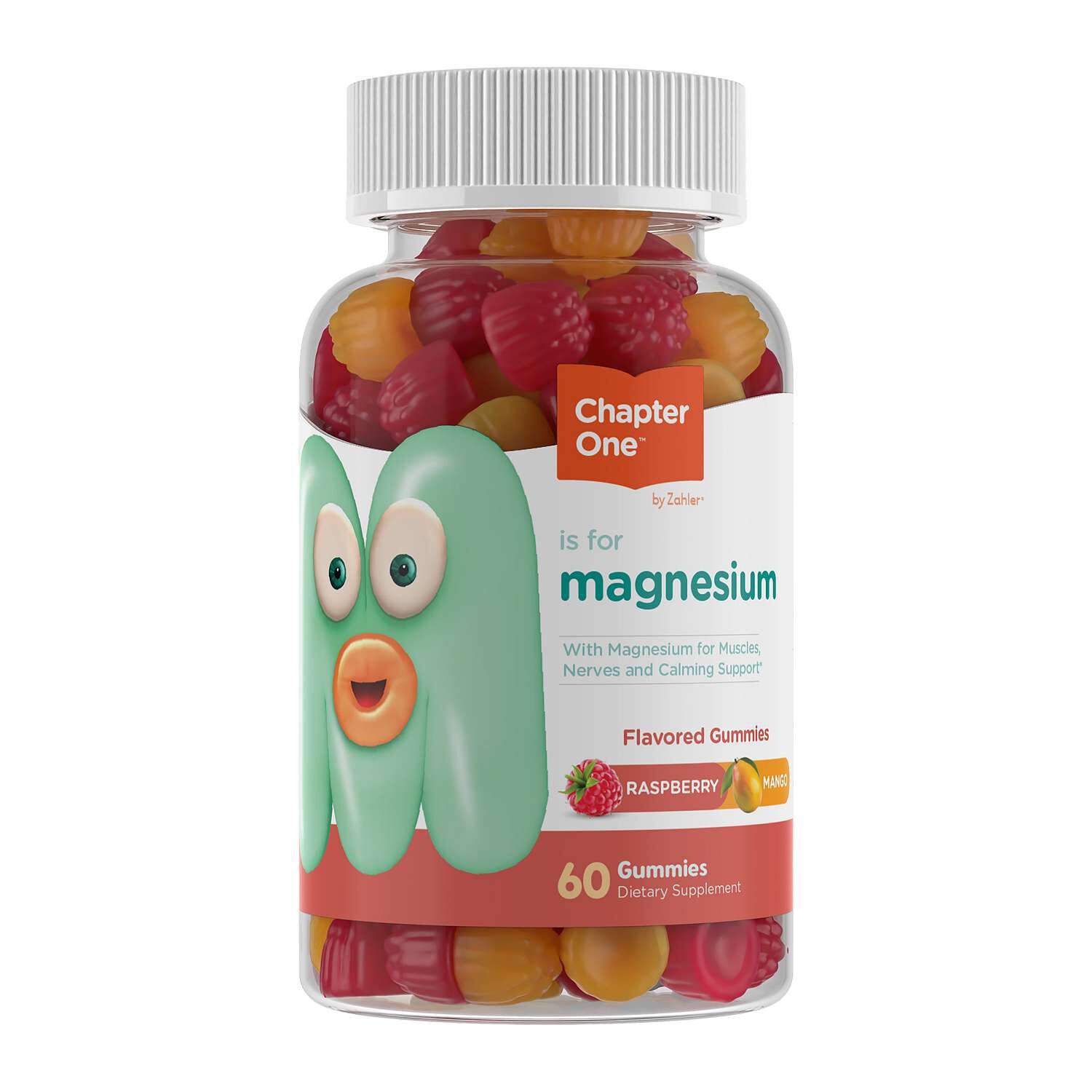
Enzyme chewable supplements offer a convenient way to add enzyme ingredients to a meal-focused routine, especially for shoppers who prefer a tablet that can be chewed instead of swallowed with water. These products may be used before or during meals, depending on the directions on the label, and many formulas are designed with a blend of enzymes associated with different food groups. Amylase may help break down starches, lipase may help process fats, and protease may help process proteins. Papain, sourced from papaya, and bromelain, sourced from pineapple, are also found in certain formulas and could complement a broader enzyme blend. Because formulas vary, shoppers may want to compare the Supplement Facts panel, serving size, suggested timing, flavor, texture, and ingredient sources before choosing. Some chewables have a soft, tablet-like texture, while others may be firmer or more tart, with fruit flavors that can make them easier to keep in a purse, desk drawer, travel bag, or kitchen cabinet. Directions commonly recommend chewing a serving at the beginning of a meal or immediately afterward, though each product should be used according to its own label. A glass of water may be helpful for personal comfort, even when water is not required to take the chewable. These supplements may appeal to people who enjoy hearty meals, varied cuisines, occasional dining out, or a simple routine that fits around busy schedules. They could also suit shoppers who prefer plant-sourced ingredients, papaya-based formulas, pineapple-derived ingredients, or multi-enzyme combinations rather than a single-enzyme option. For anyone comparing products, it may help to consider whether the formula includes the enzyme types that align with the foods most often included in their meals, as well as whether it fits their preferences around sweeteners, colors, allergens, and dietary patterns.
Choosing an enzyme chewable can be much like choosing a snack for a long day: the best fit often comes down to details that make the product pleasant and practical to use. A person who regularly eats meals built around grains, vegetables, beans, or other starch-containing foods may look for amylase in the formula. Someone whose meals often include cheese, creamy sauces, oils, nuts, or other sources of fat may compare products that contain lipase. Protease may be a consideration for shoppers who want an enzyme blend that includes an ingredient associated with protein-containing foods. Papaya and pineapple ingredients may appeal to people who enjoy familiar fruit-derived options, while a broader blend may be preferable for shoppers who like several enzyme types in one serving. Label reading matters, since formulas may differ in the number of tablets per serving, the amount of each ingredient, flavoring agents, added sweeteners, and serving instructions. Shoppers with food allergies or dietary restrictions may want to review the allergen statement and other label details carefully. Those who follow vegetarian or vegan eating patterns could look for a designation that matches their preferences, and anyone avoiding certain grains or other ingredients may wish to check the full ingredient list rather than relying only on the front of the package. It can also be useful to consider portability. A resealable bottle may work well for a desk or cupboard, while a compact container could be convenient for weekend travel, work lunches, or meals away from home. Since taste and texture are personal, a shopper may prefer to begin with a smaller format when available and see how well the chewable fits into an established meal routine. People who already use other supplements may want to review overlapping ingredients and follow the serving directions provided for each product. Anyone managing a health condition, following a special eating plan, or using prescribed treatments may wish to discuss supplement choices with a qualified healthcare professional before adding a new product.
Enzyme chewable supplements can also make a thoughtful addition to a care package for a friend who enjoys cooking, a host who loves planning dinner gatherings, or a traveler who appreciates compact wellness items that fit neatly beside toiletries and snacks. They may be especially fitting for someone who prefers fruit-flavored chewables and likes keeping a few practical products close at hand for restaurant meals, family celebrations, or busy days when meals happen at different times. During the cooler months, when soups, baked dishes, holiday meals, and cozy comfort foods often take center stage, a chewable format may offer an easy way to keep a meal-related supplement within reach. The same convenience can carry into early fall gatherings and winter travel without relying on a short seasonal window. A simple routine might involve checking the label before a meal, taking the stated serving at the recommended time, and storing the bottle in a dry, accessible place. Products should not be judged only by the number of enzymes listed; flavor, serving size, ingredient sourcing, packaging, and personal preferences all have a place in the decision. Shoppers exploring chewable supplements more broadly may also enjoy browsing Natural Chewable Vitamins for additional formats that may fit a chewable-centered routine. As with any supplement purchase, reading the label carefully may help set clear expectations, and a qualified healthcare professional could offer personalized guidance when dietary needs or existing routines call for extra consideration.
Best Sellers
-
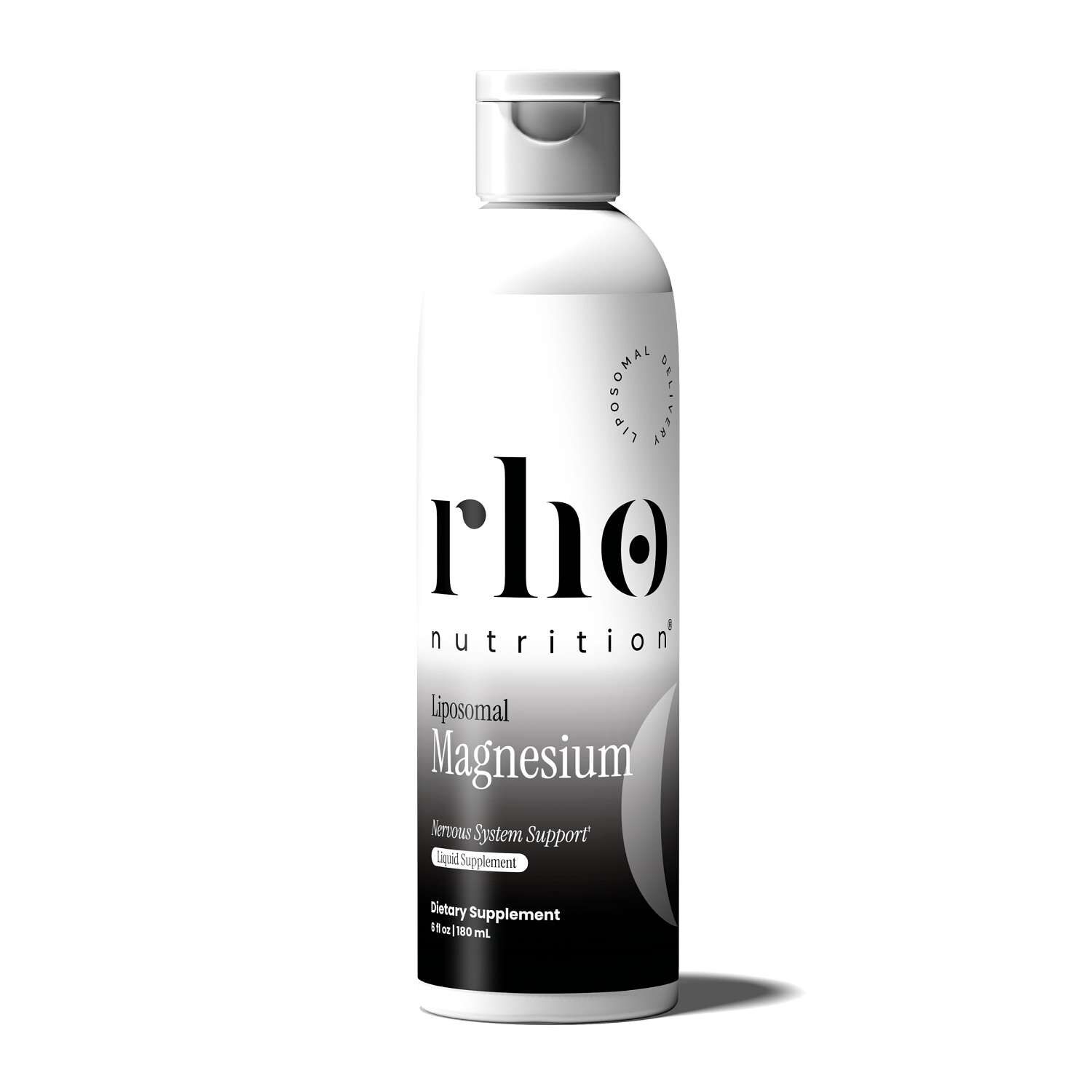 Rho Nutrition
 -
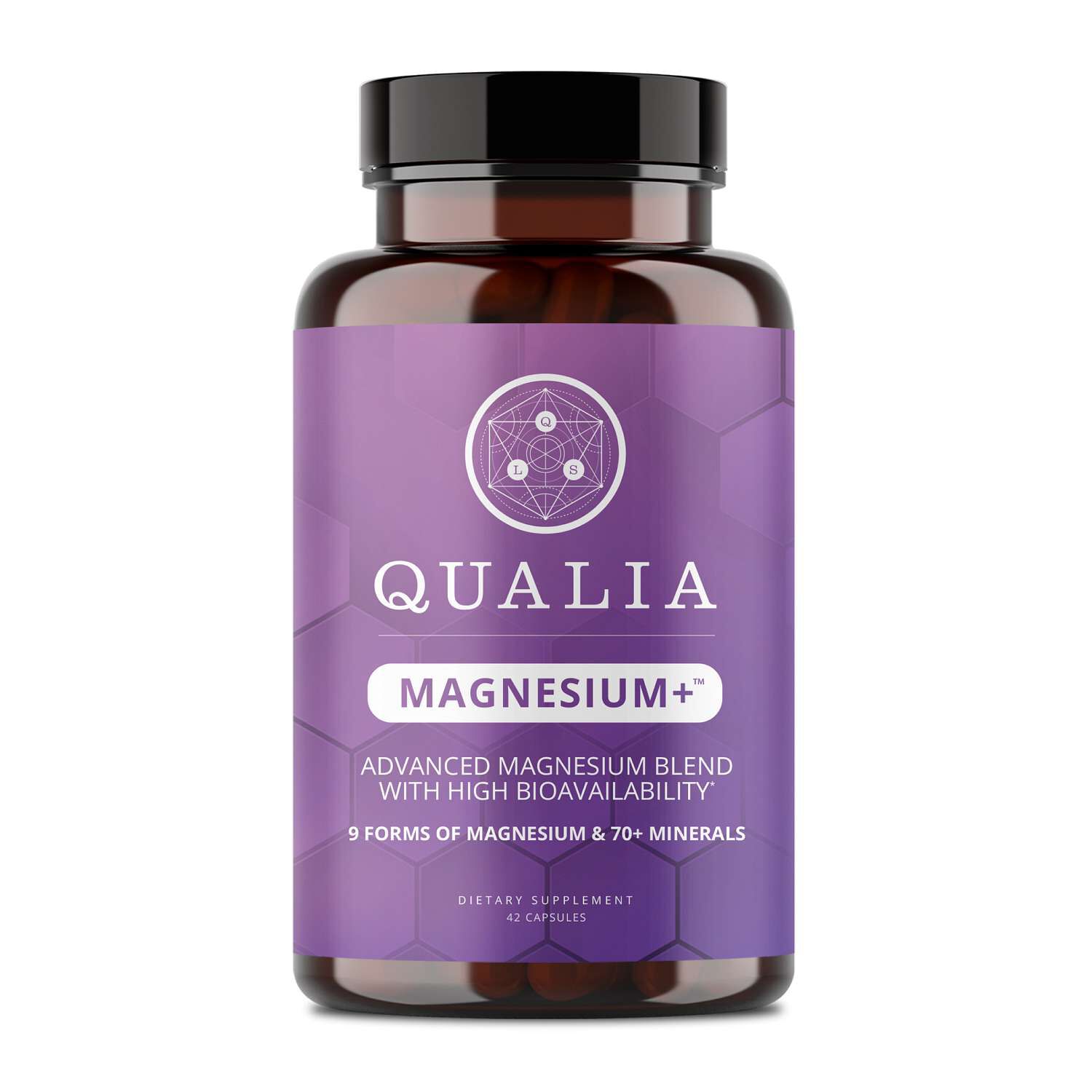 Qualia Life Sciences