





Fat Burning Supplements For Adults Over 18
(0 Results)
Fat burning supplements for adults over 18 are designed to complement a balanced diet and regular exercise routine. With a variety of formulas that may support your wellness journey, these supplements can fit into different lifestyles and fitness goals. Explore options that might help you stay motivated and energized as you work toward your personal best. Whether you're looking to enhance your active lifestyle or add a boost to your daily regimen, discover fat burning supplements for adults over 18 tailored to support your individual needs.
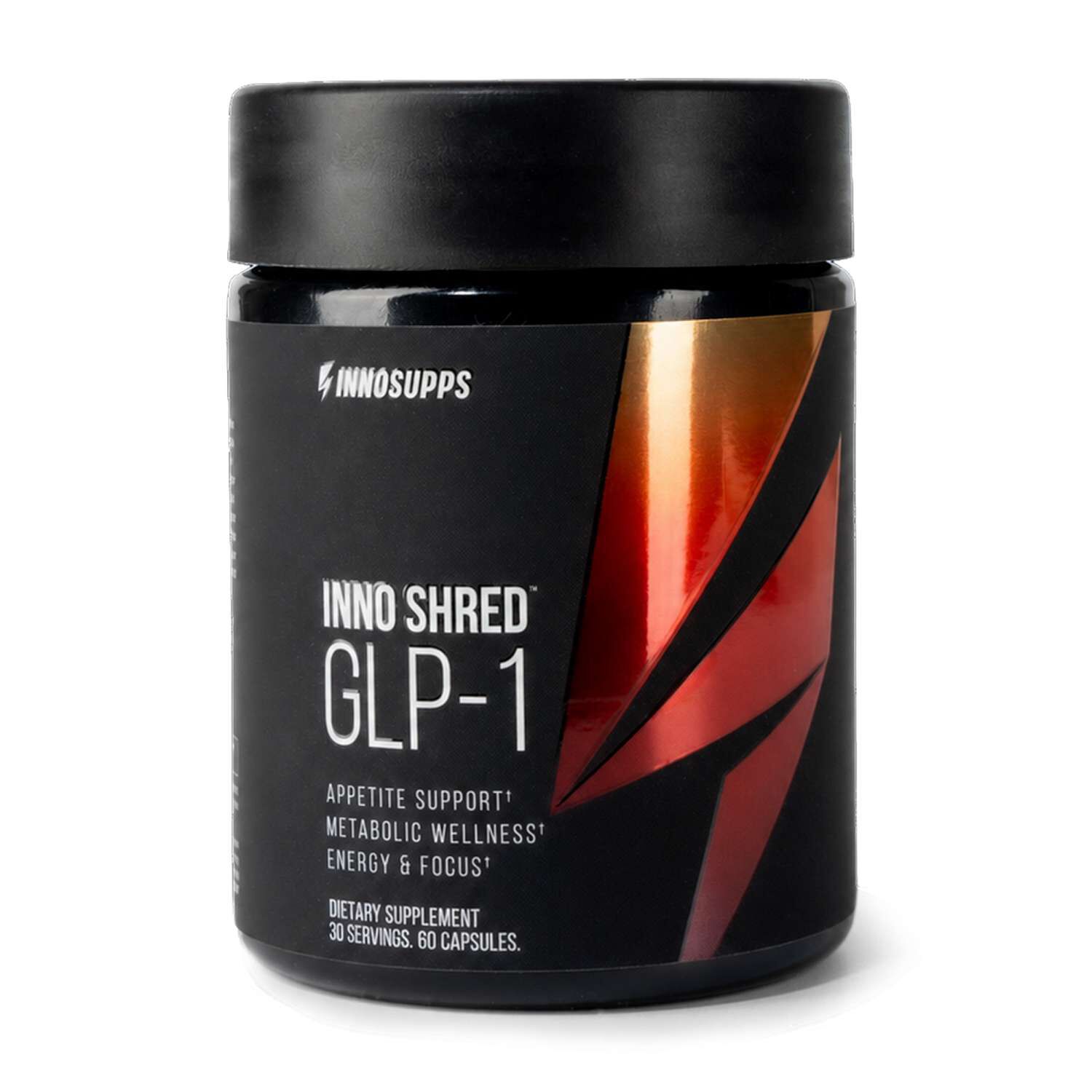


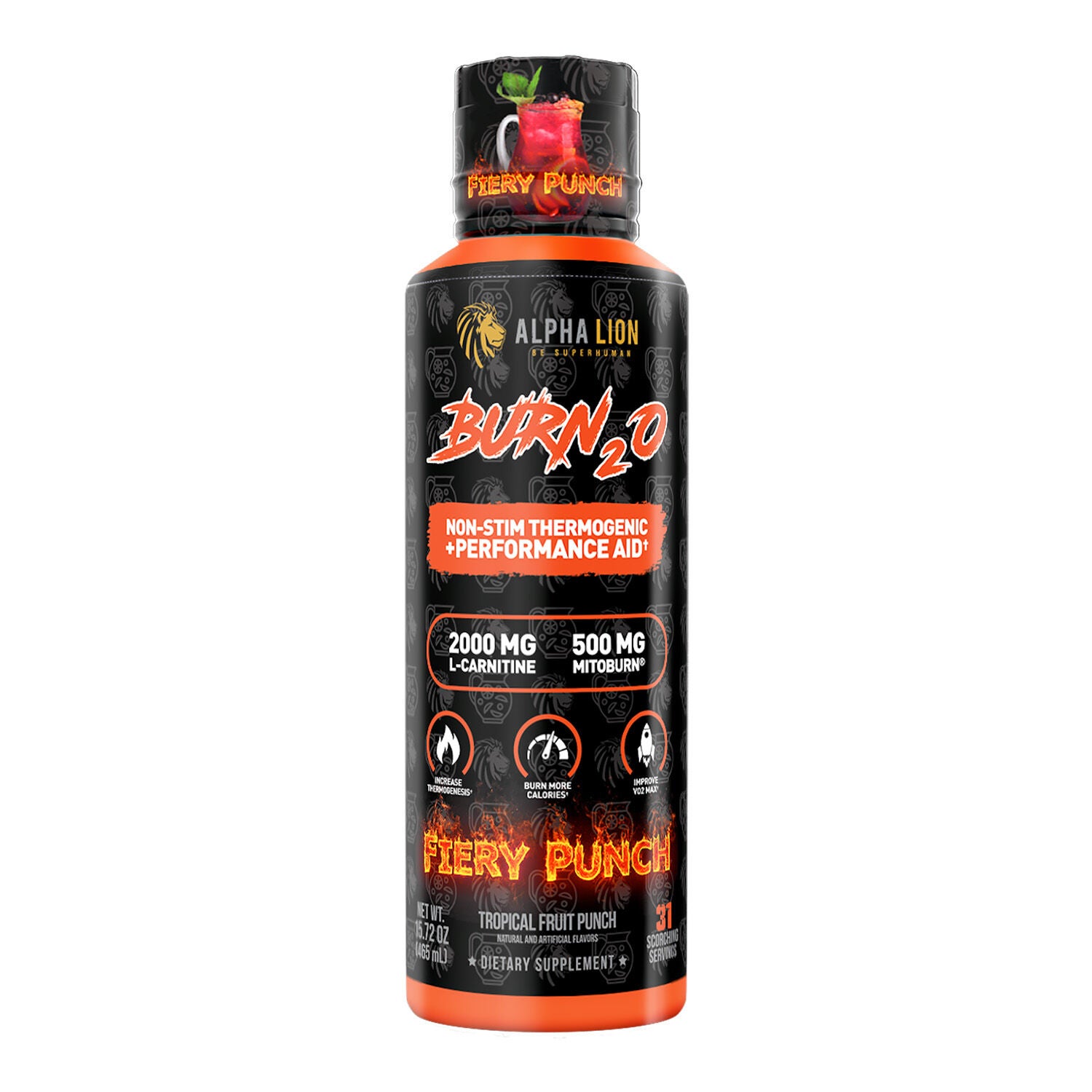

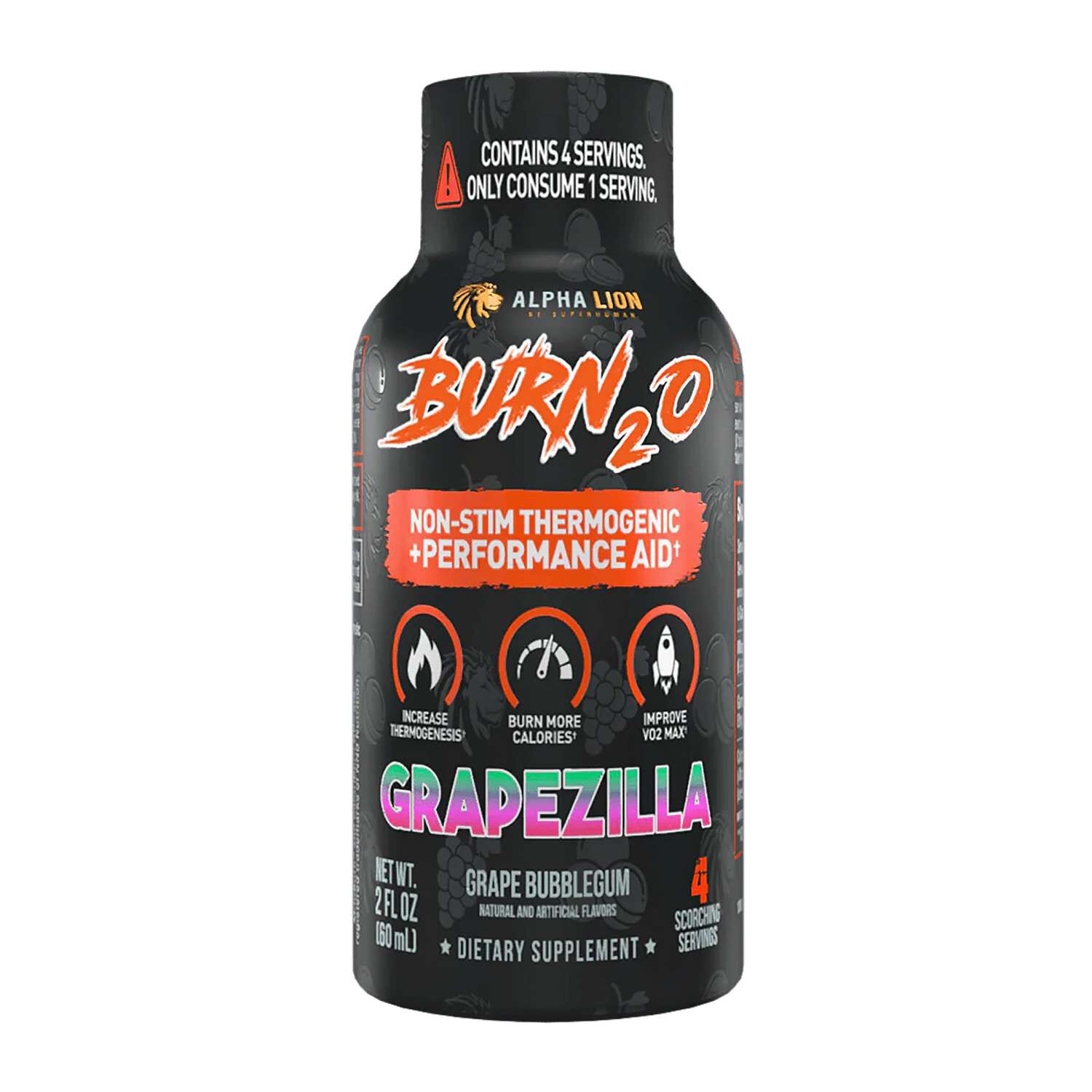
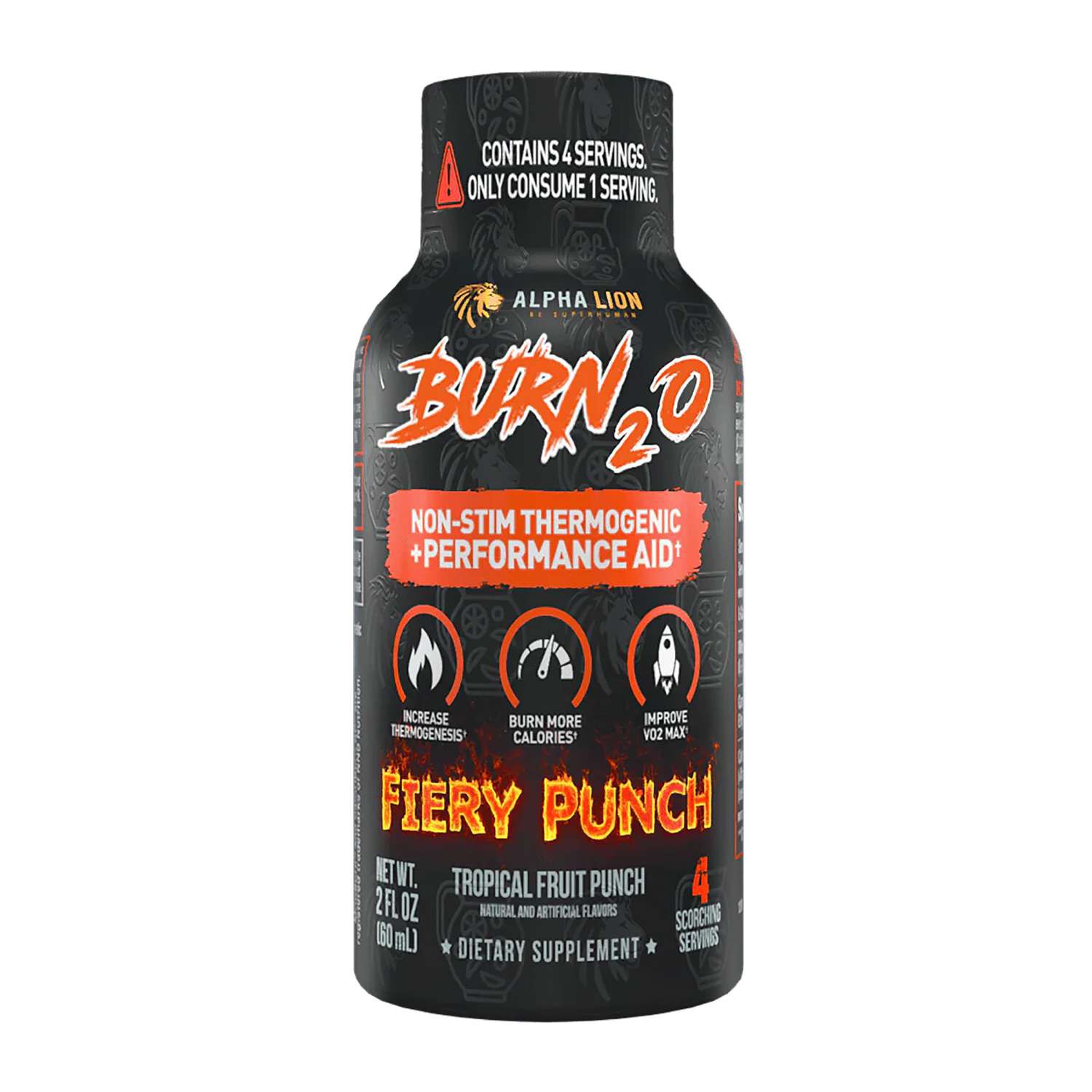
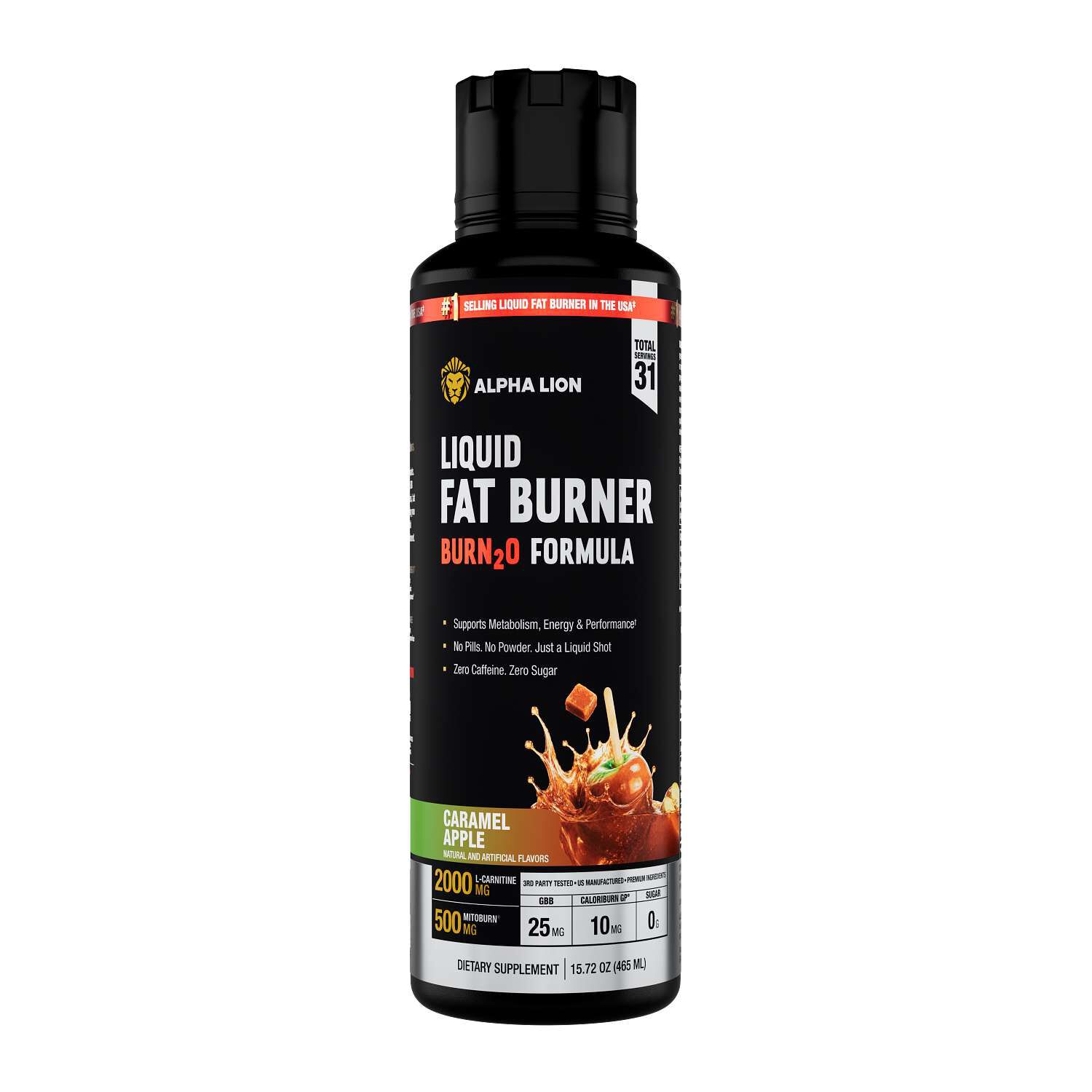
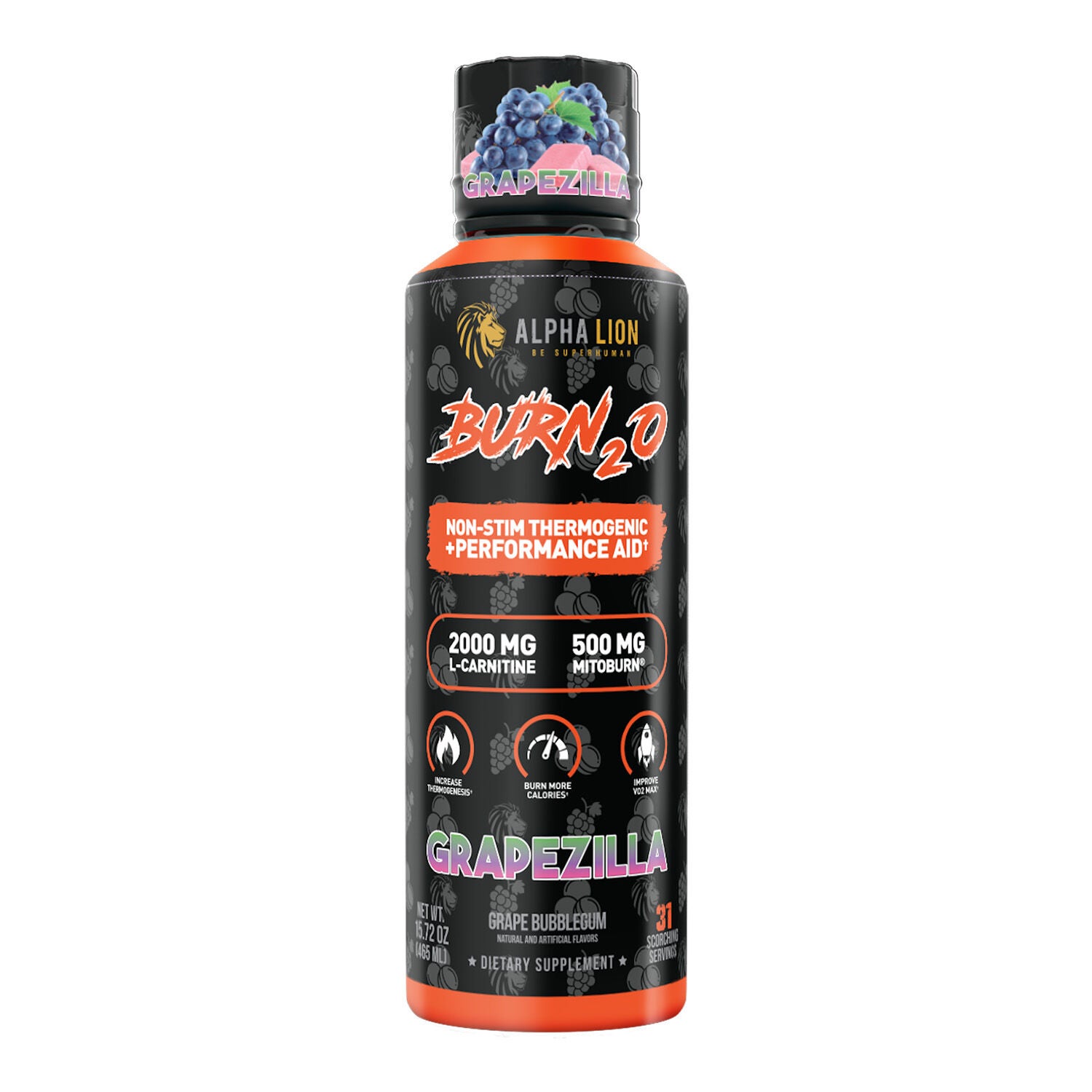
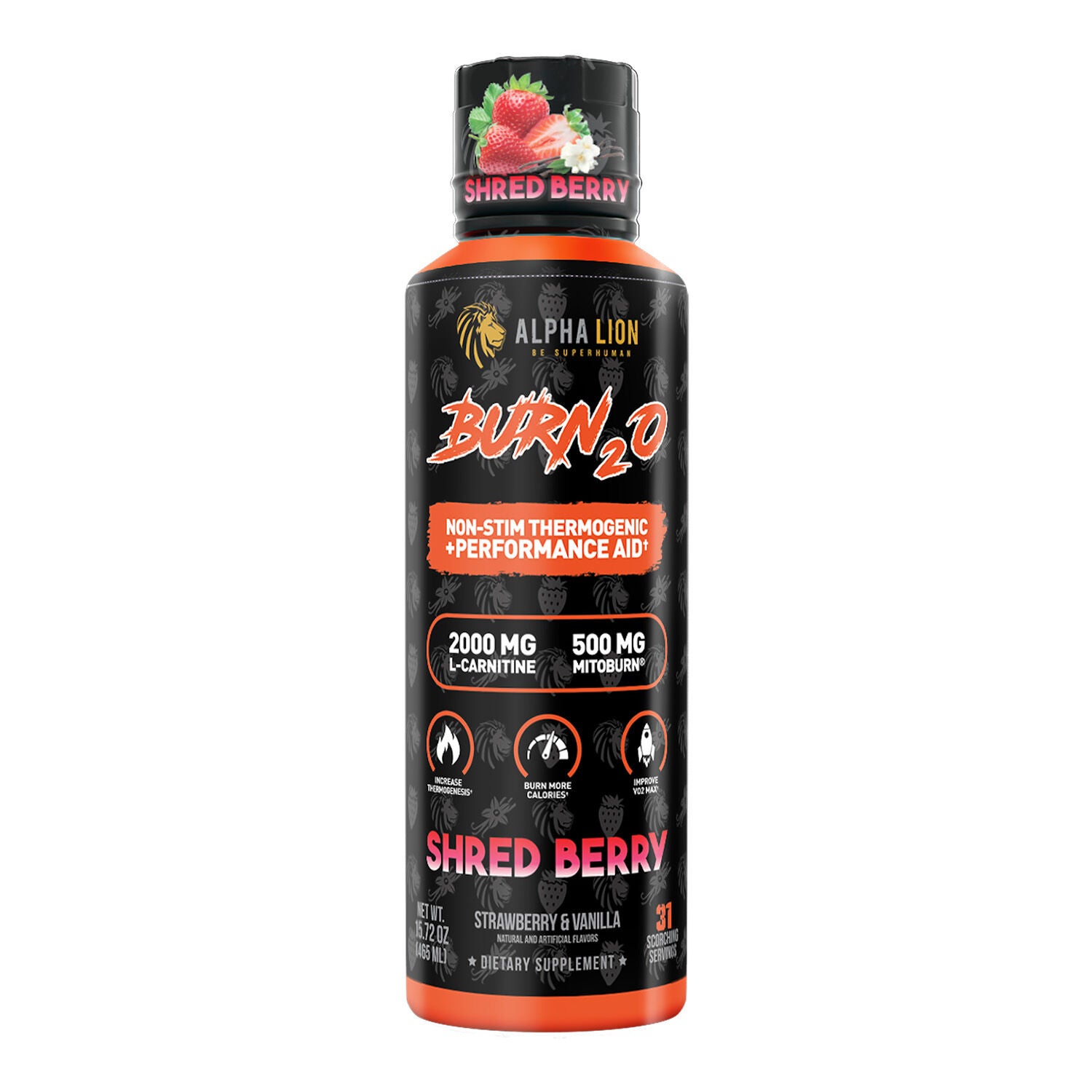
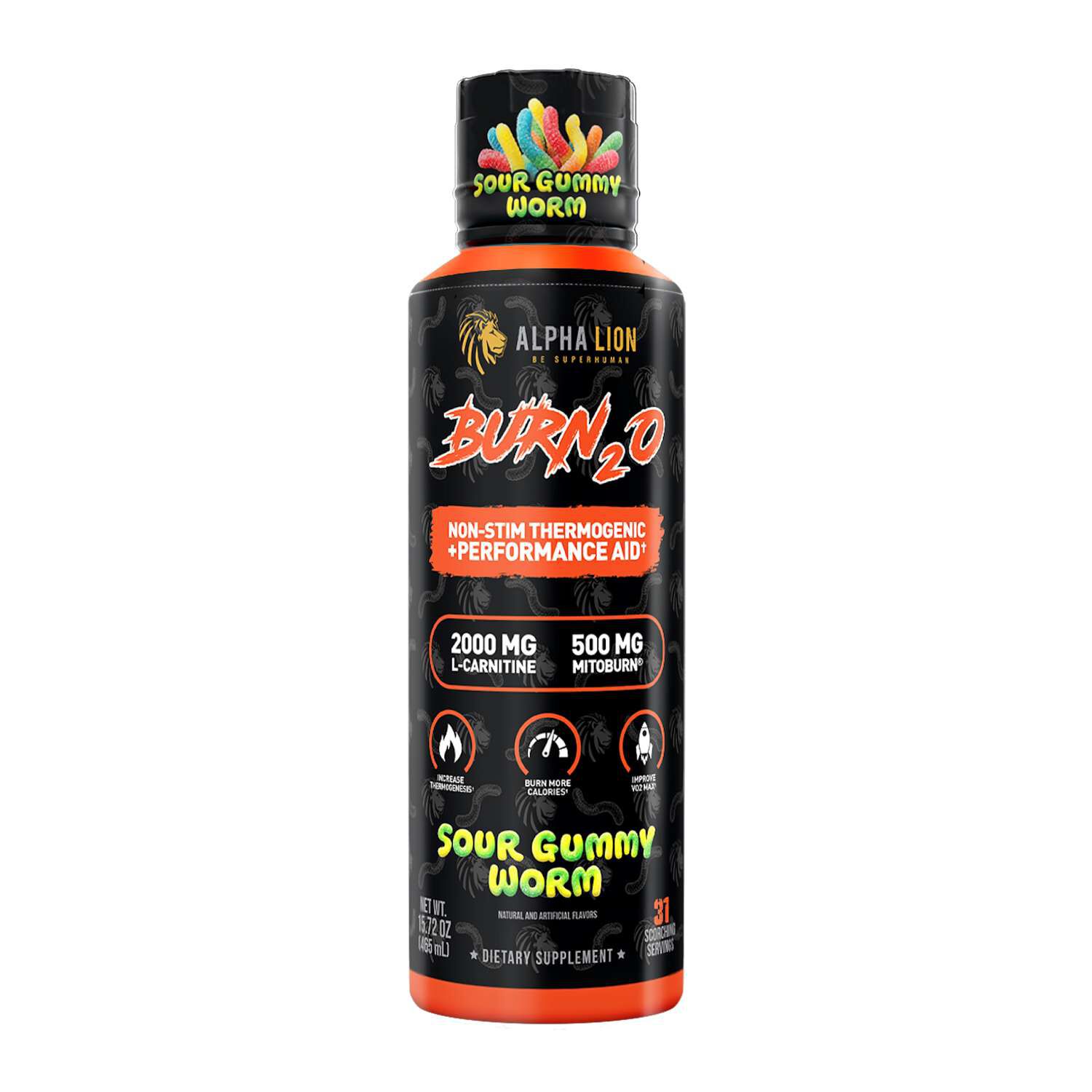
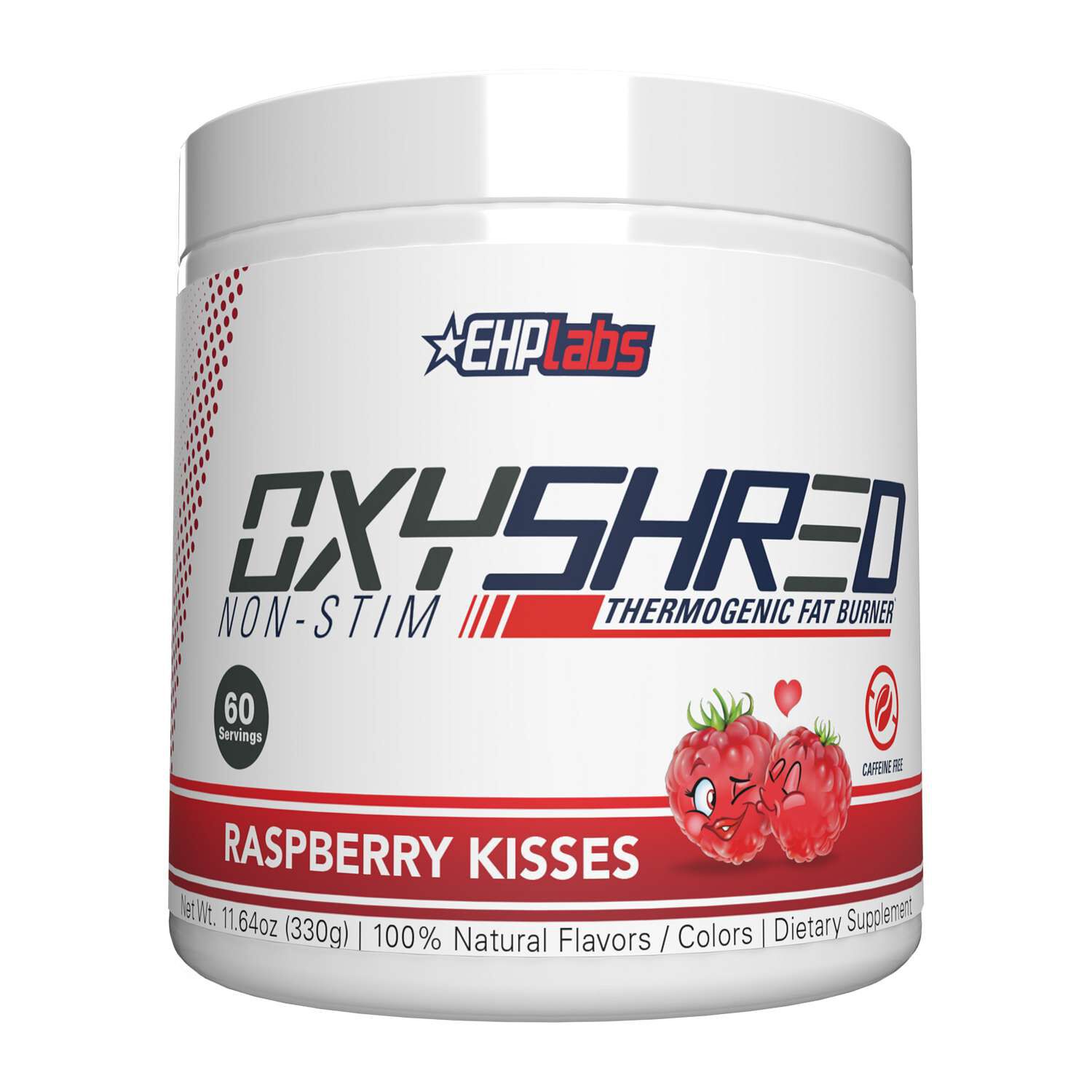

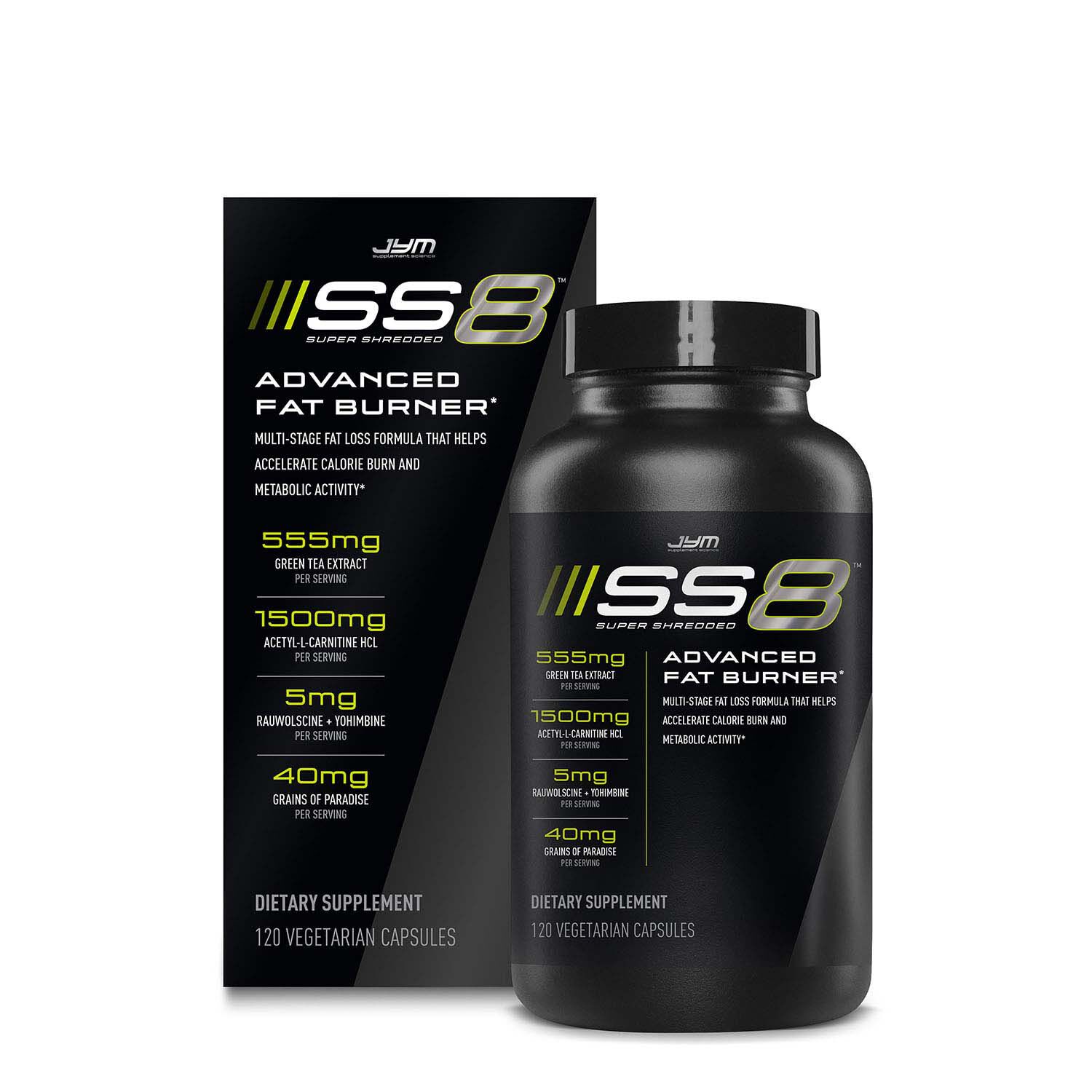
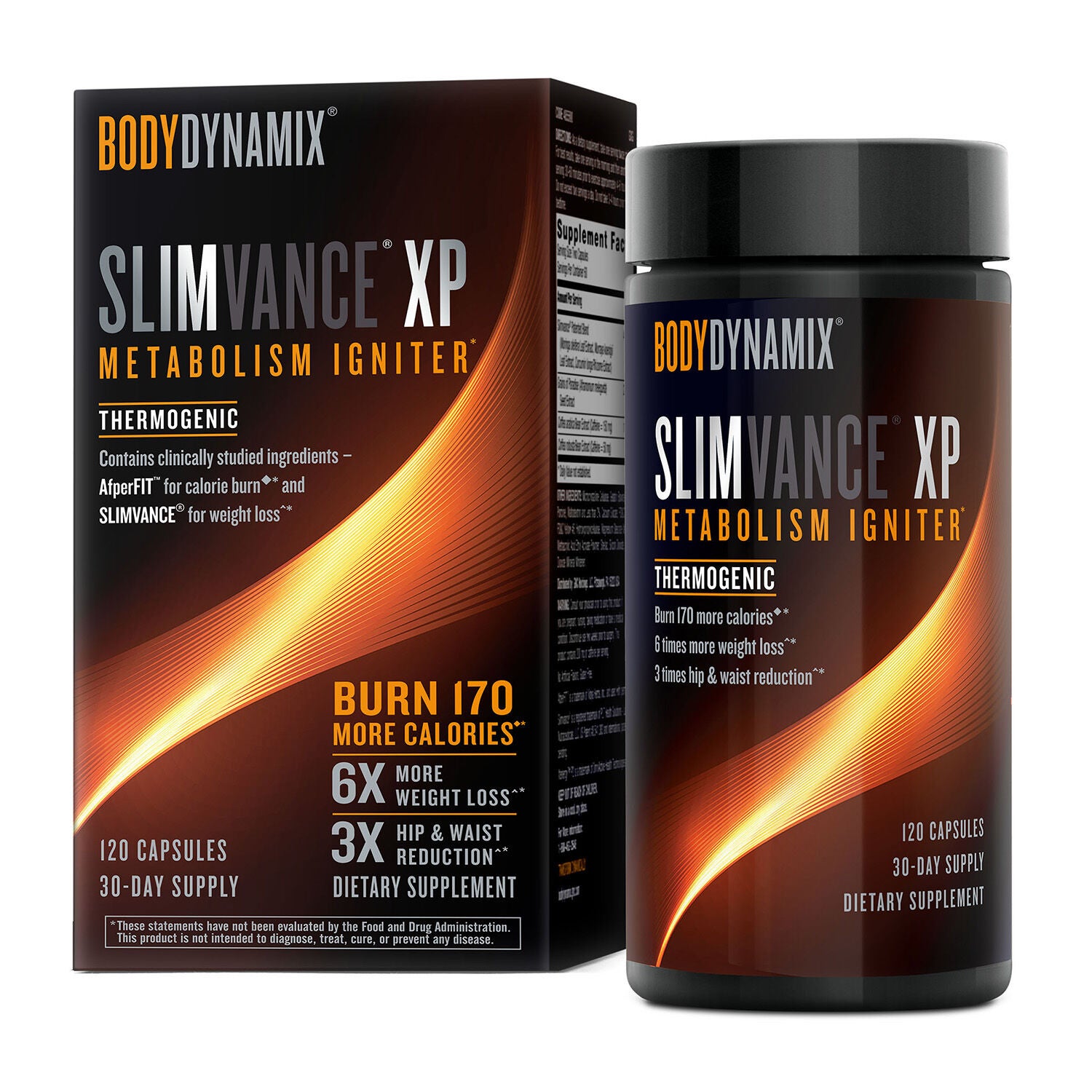
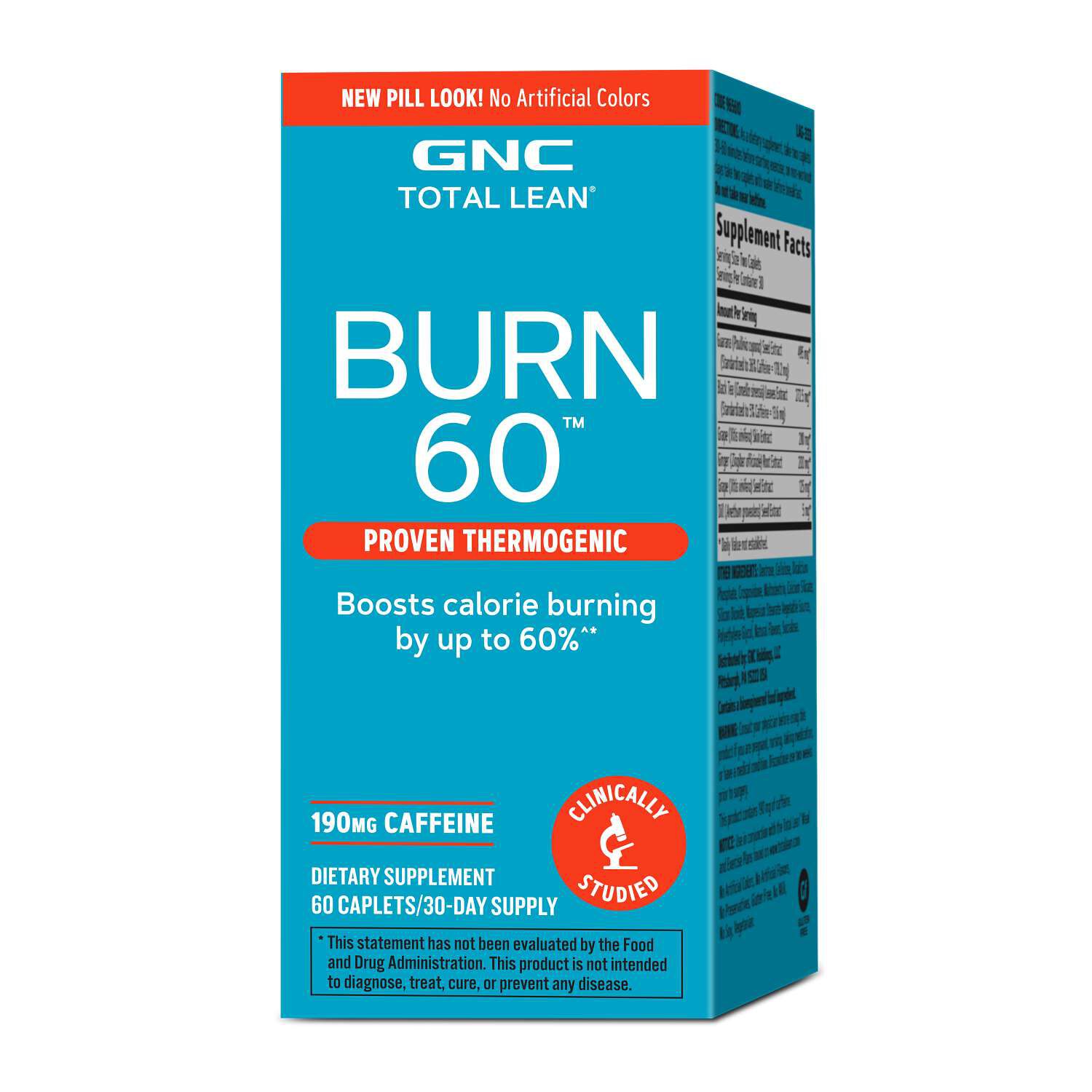


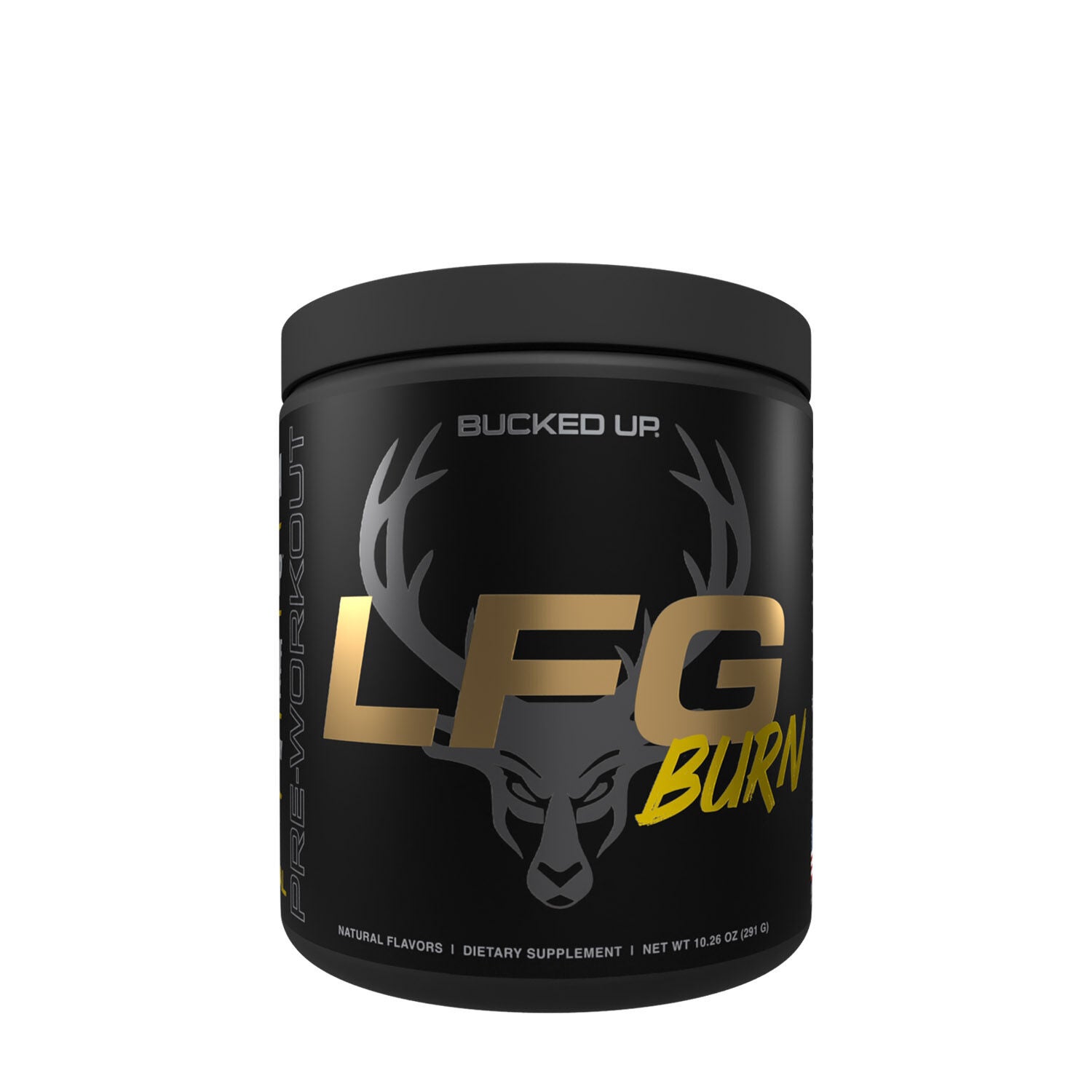
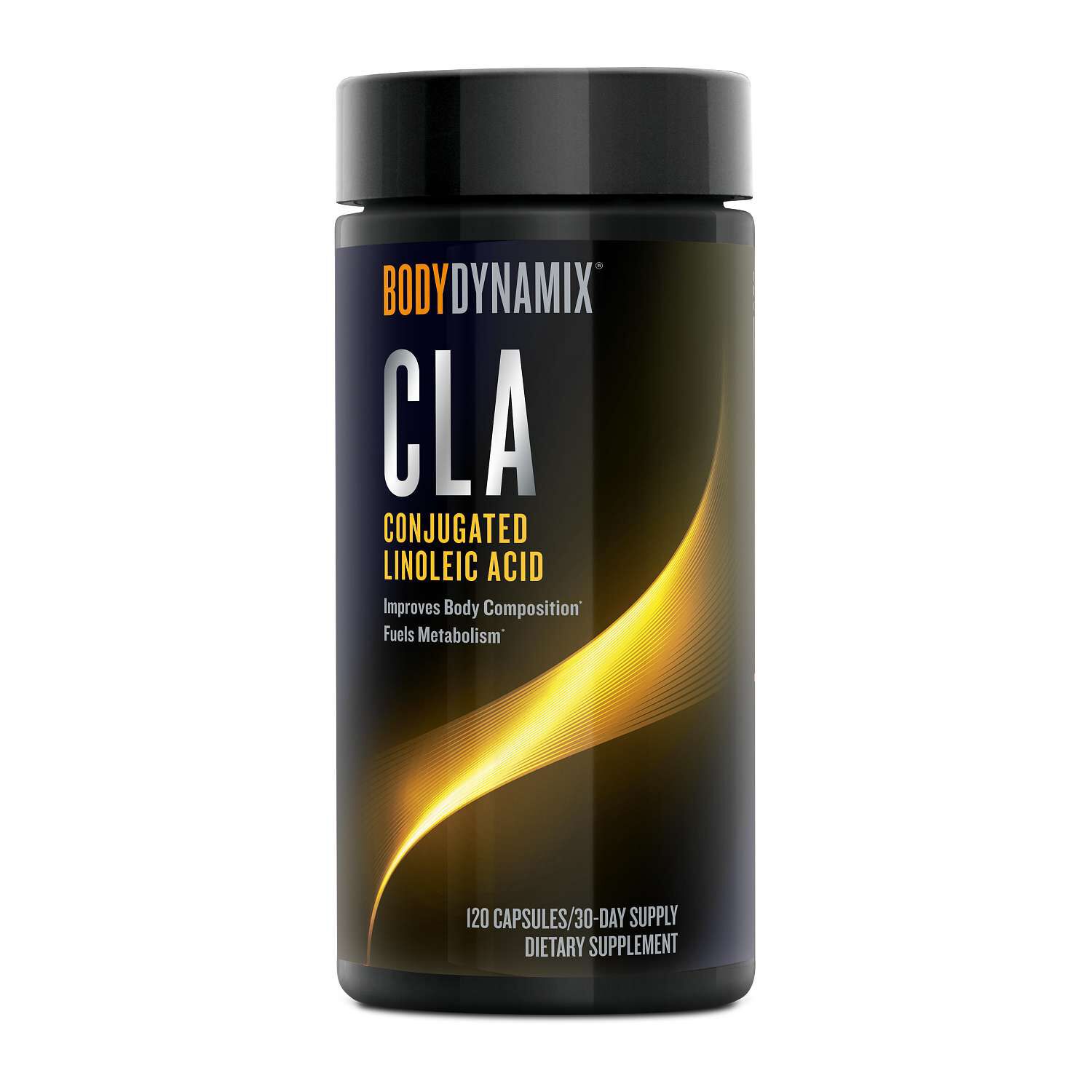


Fat burning supplements for adults over 18 are dietary supplements marketed for adult weight management routines, with formulas that vary in ingredients, serving size, and format. The category name describes their intended use, not a certain outcome: no single ingredient or combination establishes what an individual will experience. These supplements may complement a routine that includes balanced meals, regular movement, and consistent rest, but they are not substitutes for those habits. Common ingredients in this category include caffeine, green tea extract, and L-carnitine, sometimes alongside other botanical extracts, amino acids, vitamins, or minerals. Caffeine may support alertness and energy expenditure, while green tea extract contains plant compounds called catechins, including epigallocatechin gallate, often abbreviated as EGCG. L-carnitine is a compound involved in normal energy metabolism and appears in both standalone and blended formulas. Its presence on a label does not establish that a supplement will produce a noticeable change in body composition. Ingredient research also does not necessarily describe the finished formula, particularly when the amounts or combinations differ. For shoppers comparing adult fat burning supplements, the most useful distinctions are often practical: whether a formula contains caffeine, how clearly it identifies ingredient amounts, and whether its serving format suits everyday use. Someone who already drinks coffee may be especially interested in the stated caffeine amount, while someone who dislikes swallowing capsules may focus on a drink mix. The adult age designation is another meaningful detail, although being over 18 does not make every formula appropriate for every person. Package labeling provides the product’s intended audience, directions, and cautions. A clearly presented label makes it easier to understand what a formula contains without relying on dramatic imagery or ambitious marketing language. In this category, a thoughtful comparison starts with those tangible details rather than an expectation of rapid or uniform results.
The physical form of a supplement can matter as much to the shopping experience as the ingredient list. Capsules offer a premeasured format without mixing, while tablets have their own size, shape, and coating characteristics. Powdered supplements involve measuring and mixing, with flavor, sweetness, texture, and the stated amount of liquid all contributing to the experience. For someone packing a gym bag before a commute, a securely closed container and a clearly marked serving size may be more convenient than a format that requires additional preparation. Someone who prefers preparing a drink at home may place more importance on how a powder mixes and whether its flavor fits their preferences. Serving size deserves close attention because one serving may consist of more than one capsule or a particular measured portion of powder. The number of servings per container is therefore different from the number of capsules or the container’s weight. The Supplement Facts panel identifies declared dietary ingredients and their amounts, while the other ingredients list can describe capsule materials, flavoring components, sweeteners, colors, and processing ingredients. These details are relevant to shoppers comparing dietary preferences or avoiding particular ingredients. Some formulas list each active ingredient individually; others include blends that may not disclose every component’s individual amount. Green tea extract is also distinct from brewed green tea, and its stated extract amount does not automatically equal its catechin or caffeine content. Likewise, a botanical name alone does not describe the concentration of an extract. When caffeine appears in a formula, labeling may identify it as a separate ingredient, as a component of botanical sources, or both. Those distinctions help explain why two supplements with similar names can have different compositions. Packaging and storage information round out the comparison: closure type, seal condition, expiration dating, and labeled storage requirements all matter for a consumable product that may spend time in a cupboard, a desk drawer, or a travel bag.
An adult weight management routine can look different from one household to another, and the most relevant supplement features depend on that everyday context. A person who enjoys strength training before work may evaluate formats differently from someone who takes neighborhood walks after dinner or exercises between appointments. These scenarios do not establish a need for a supplement; they illustrate why convenience, ingredient transparency, and personal preferences matter more than a one-size-fits-all description. A formula with a long ingredient list is not automatically a better match than one with fewer components, and a larger serving amount does not by itself demonstrate greater usefulness. Similarly, the sensation associated with a caffeinated formula is not a reliable measure of a change in body composition. Any effects may vary with the formulation and the individual, and the category label does not establish how quickly changes might occur. Comparisons are more grounded when they focus on the exact form, serving information, stated caffeine content, and ingredient quantities rather than broad claims. The intended use also separates these products from meal replacements, protein powders, and general multivitamins, even when some ingredients overlap. Fat burning supplements are not designed to supply all the nutrients of a meal, and their place in a shopping routine is different from that of food or everyday hydration. They are also a personal purchase rather than an obvious surprise gift, since preferences and suitability can be difficult for another person to judge. For shoppers browsing a related collection, Fat Burning Supplements For Adults In Summer offers another way to explore the category, with the same attention to labeling and intended adult use. Across formats, the clearest product information makes ordinary decisions easier: understanding what one serving contains, recognizing whether preparation is required, and knowing how the package is meant to be stored. Those concrete details provide a more useful foundation for comparing adult fat burning supplements than a dramatic name or a narrowly defined vision of fitness.
Best Sellers

Related Pages
Top Collections
- Top Rated Collagen | Shop Customer Favorites | GNC
- Cortisol Supplements
- Vitamins For Hair Loss
- NAD+ Supplement Tablets
- Peptide Supplements
- Best Brand of Magnesium Glycinate
- Vitamins That Help Support Weight Gain
- Protein Powders For Muscle Growth Support
- Spirulina Tablets
- Peptide Supplements for Muscle Growth