Fat Burning Supplements For Active Lifestyles
(0 Results)
Fat burning supplements for active lifestyles could be a valuable addition to your fitness journey. Designed with the needs of those who prioritize movement and performance, these supplements may support your training goals. Whether you’re looking to complement your workout routine or seeking ways to optimize your efforts, exploring fat burning supplements for active lifestyles might help you stay motivated and on track. Discover options that could align with your commitment to living energetically and achieving your personal best.
-

-

-
-
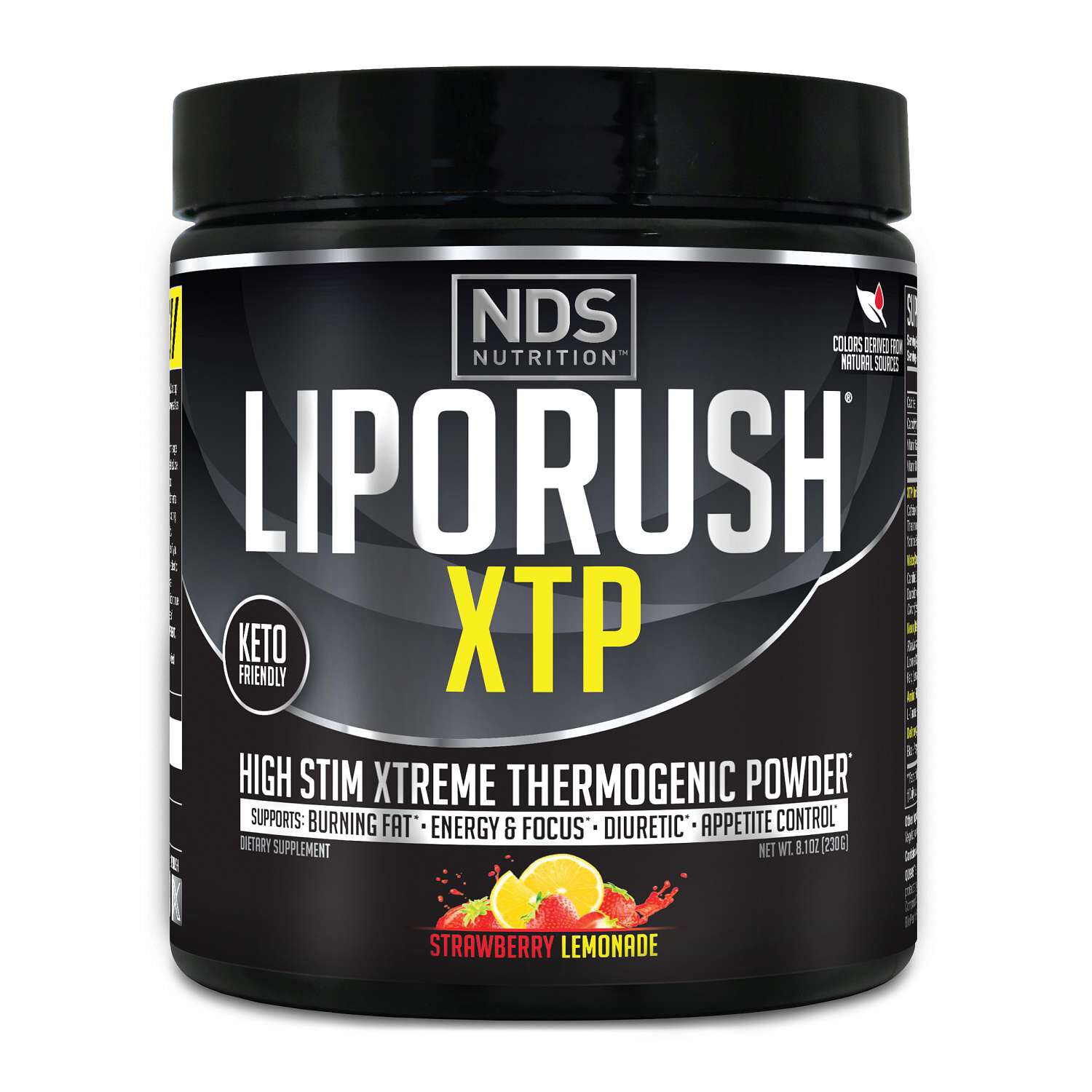 NDS Nutrition$69.99
-
-
-
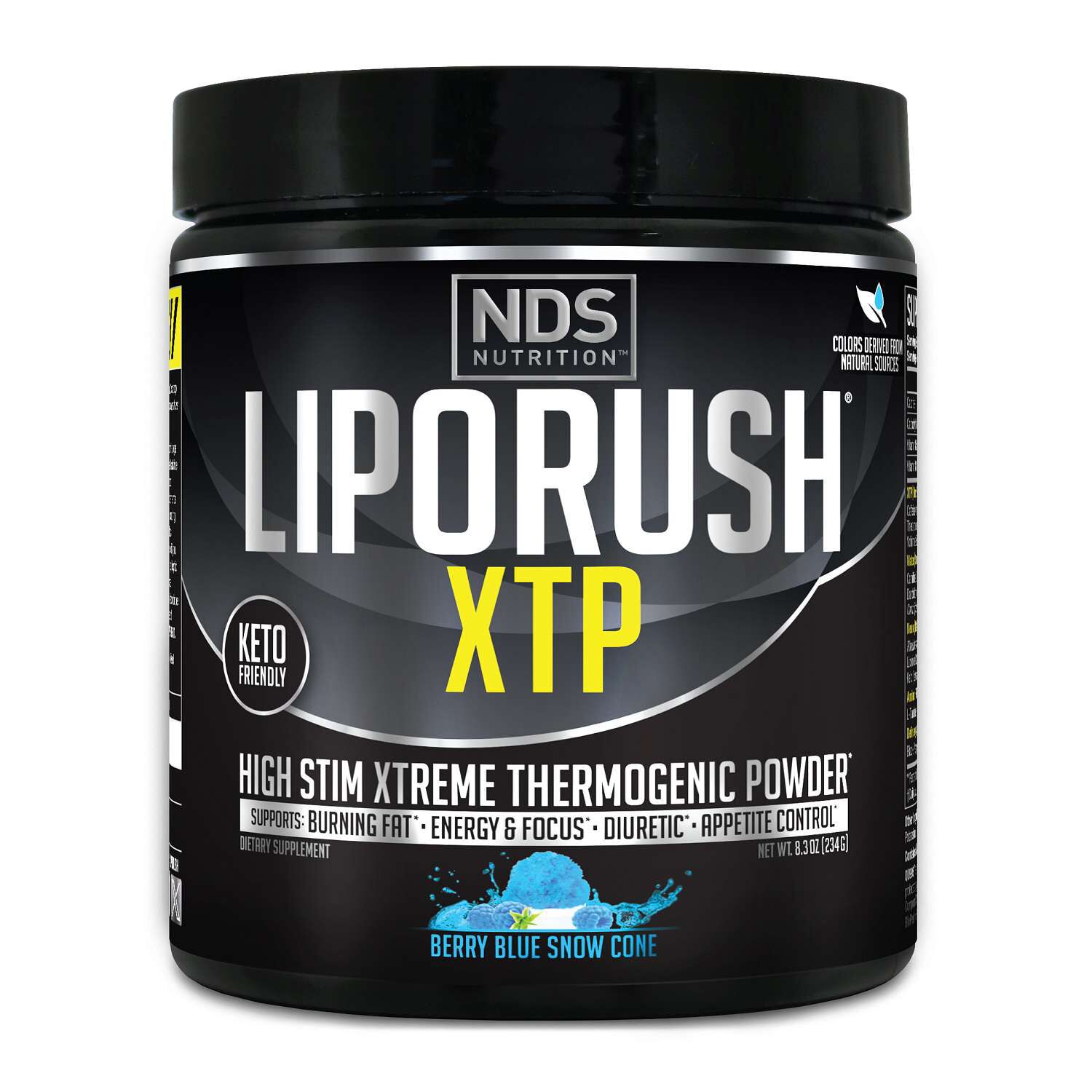 NDS Nutrition$69.99
-
-
-
-

-
-
-
-
-
-

-
-
-
 Basic Supplements$29.99
-

-

-

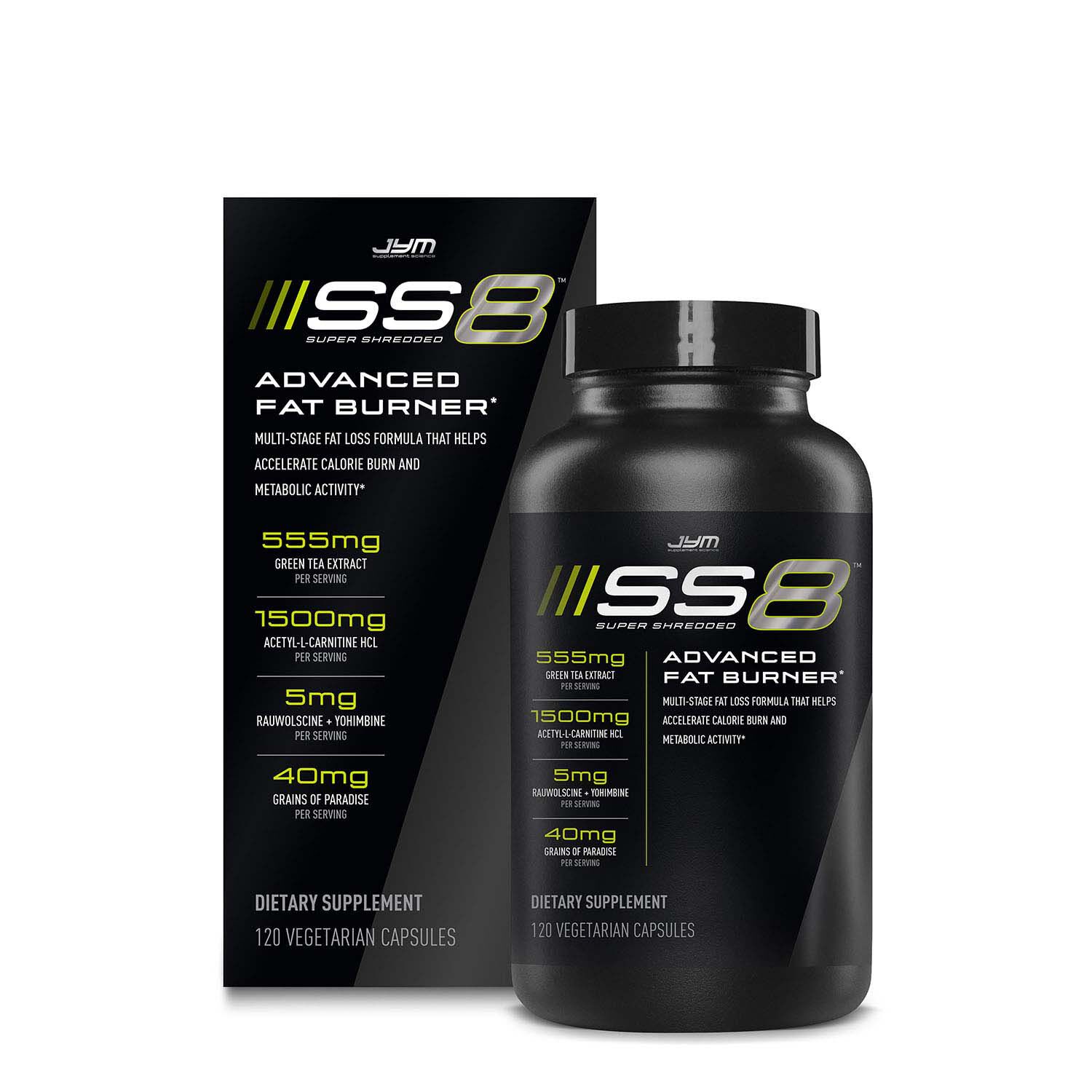
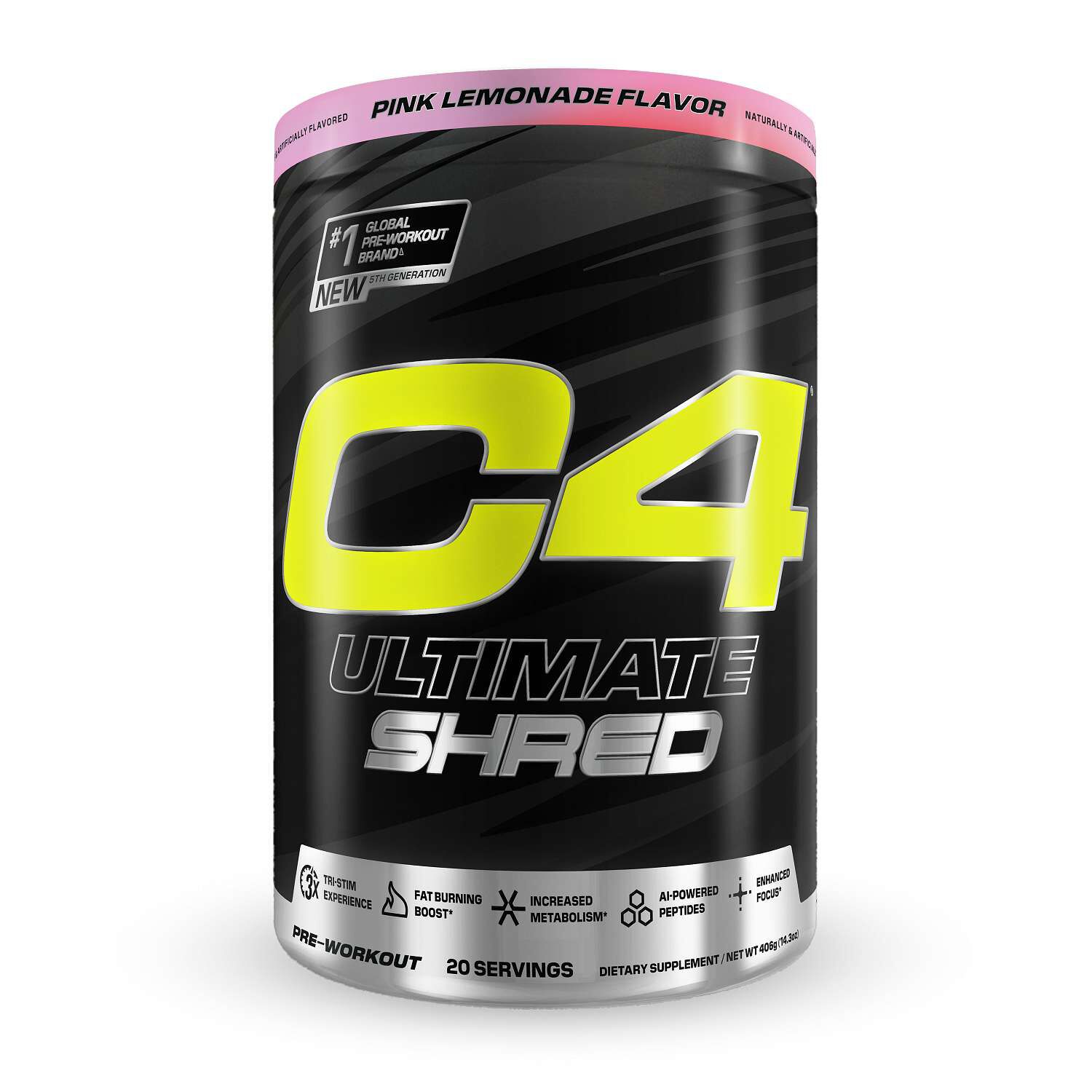
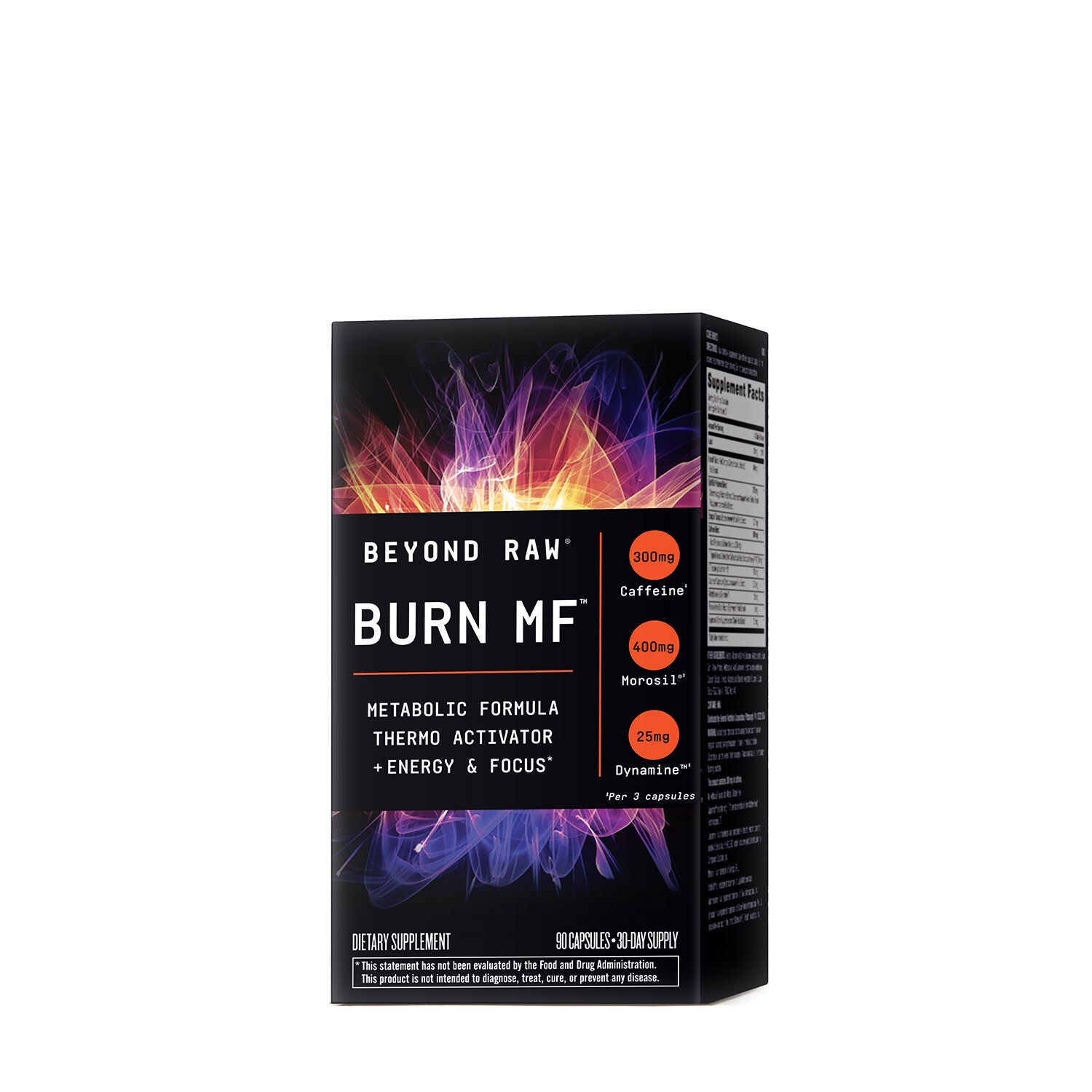
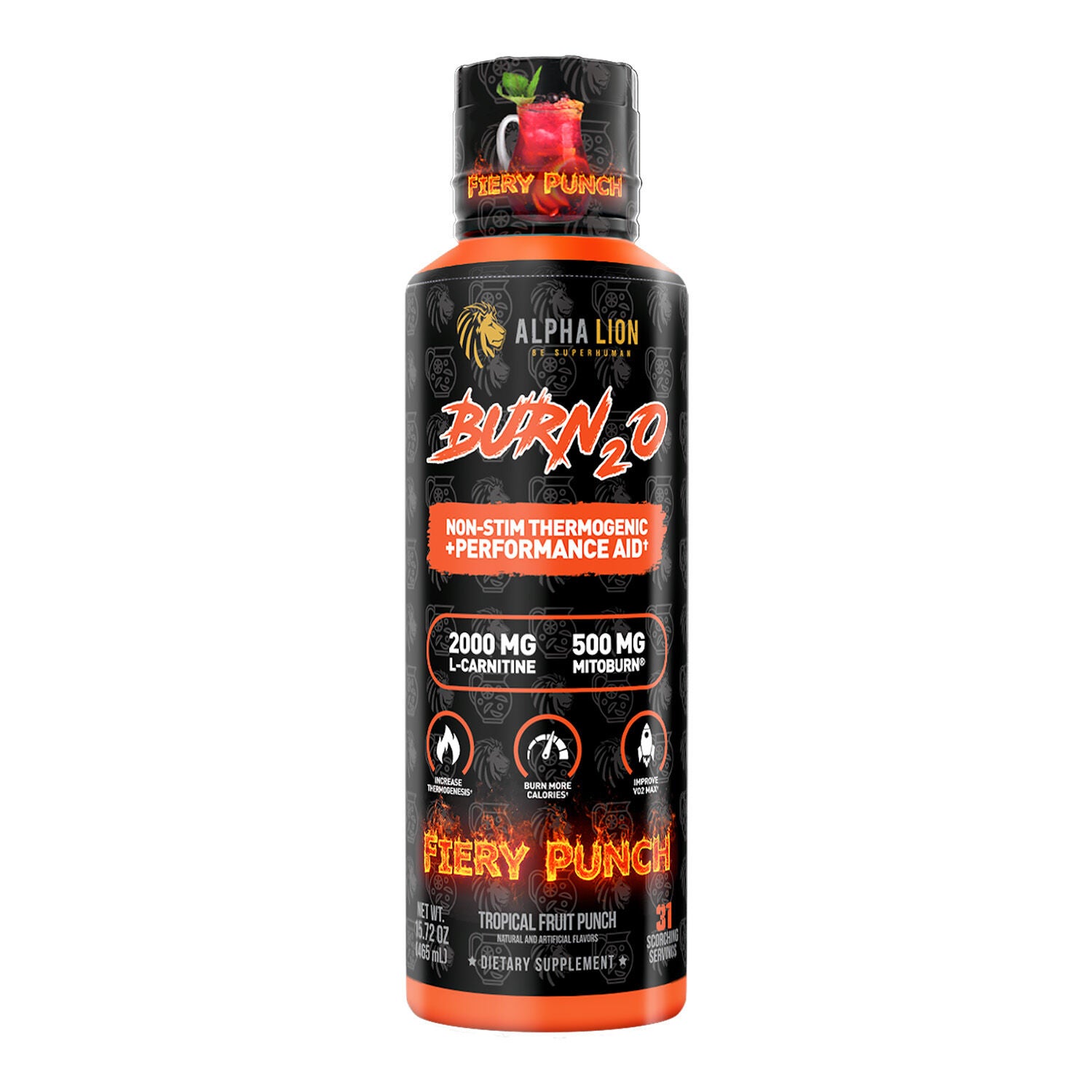
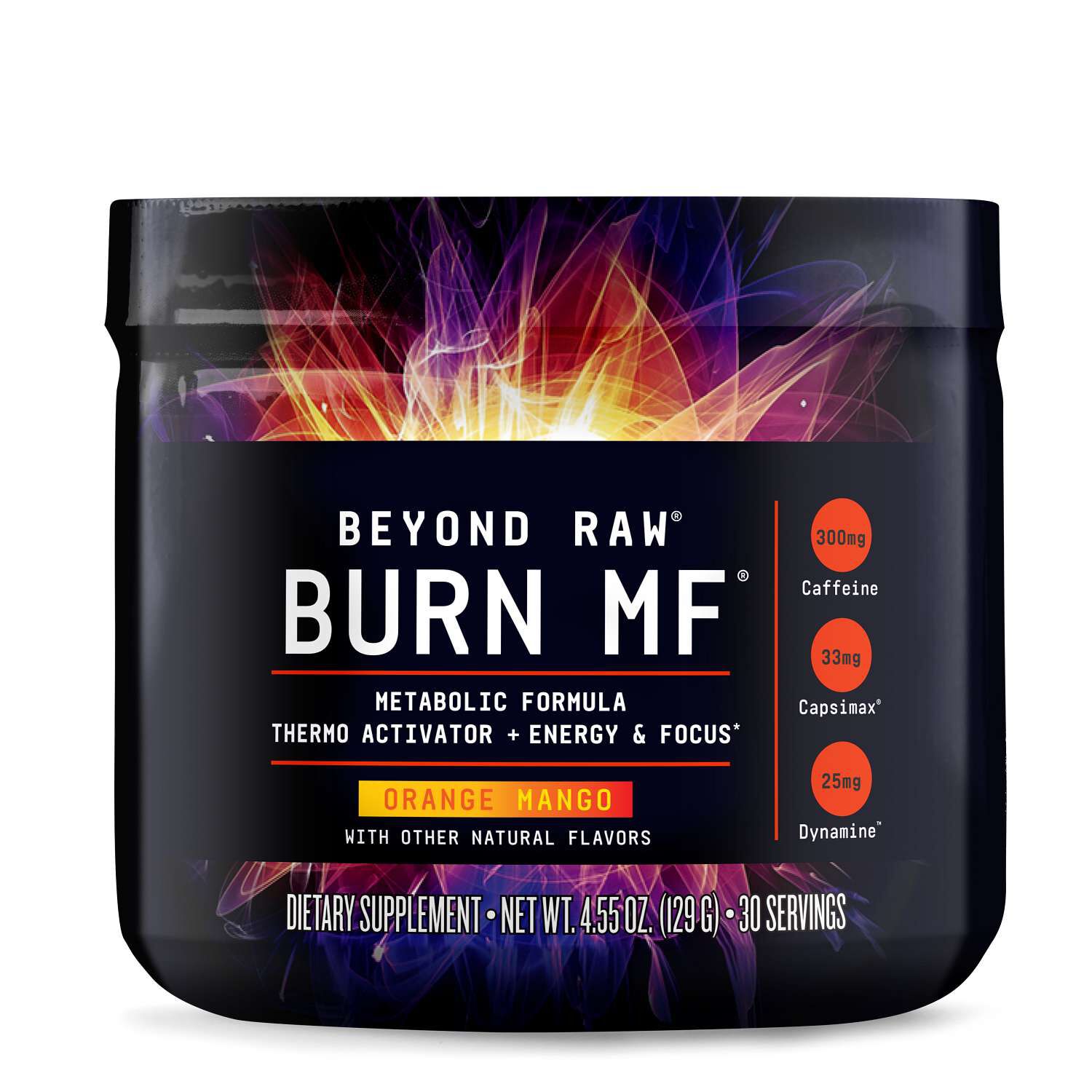
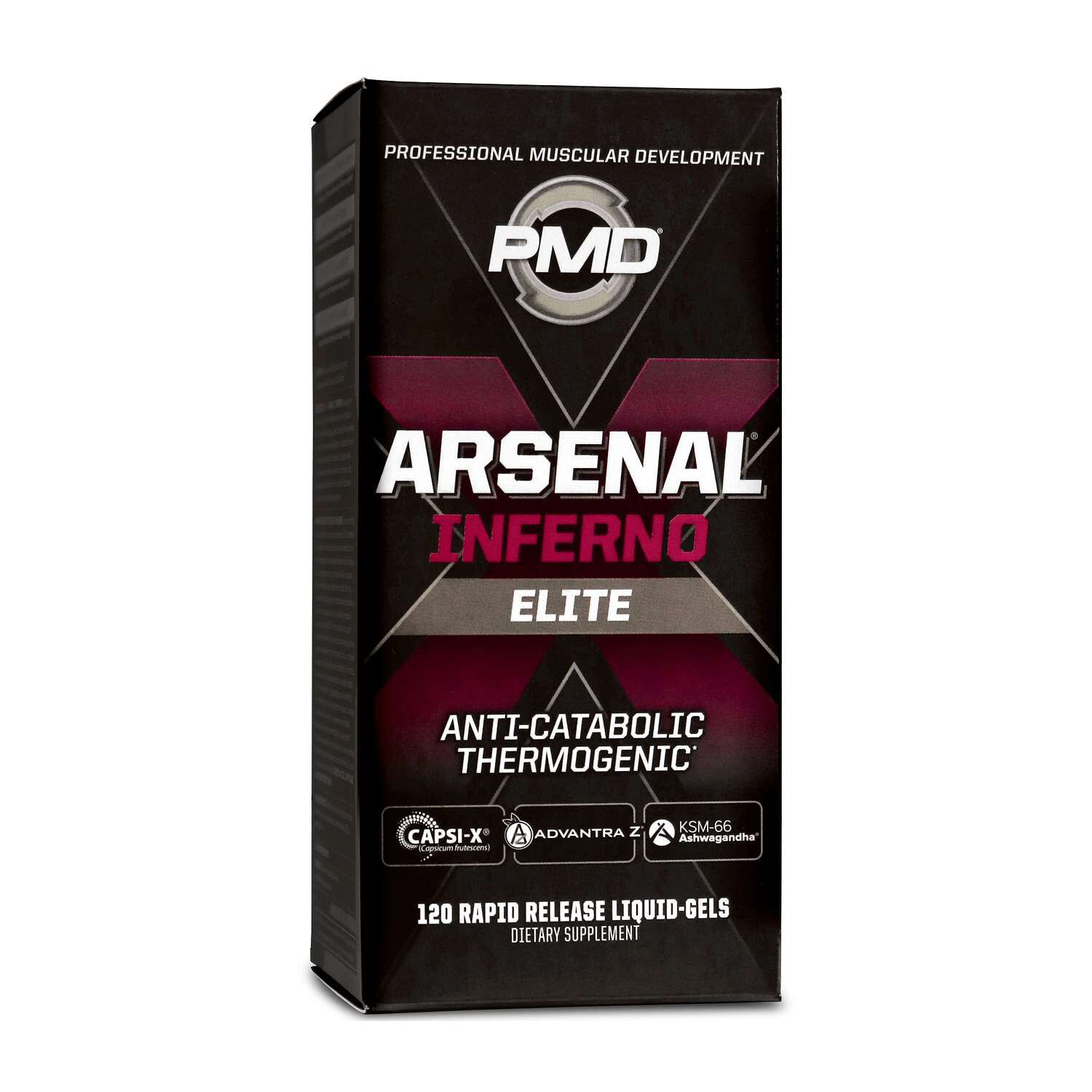
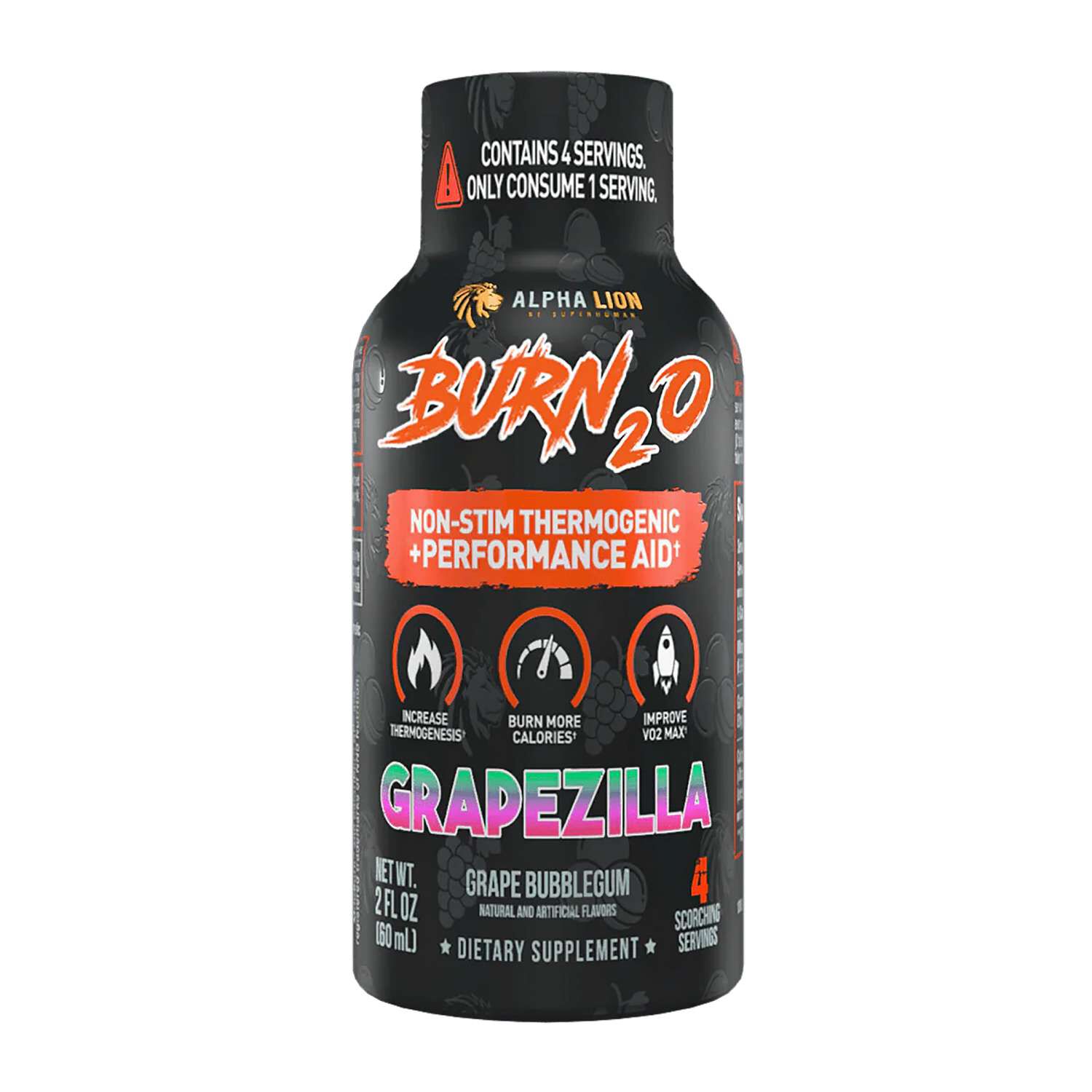
Fat burning supplements for active lifestyles are dietary supplements marketed for adults considering an optional addition to a regular fitness routine. The category includes capsules, tablets, powders, and liquids, with formulas that vary in their ingredients, serving sizes, and intended use. Some contain caffeine, while others are formulated without added caffeine. Common ingredients across the category include green tea extract, L-carnitine, and chili pepper extracts, although no single ingredient list defines every formula. Caffeine may support alertness, but its presence does not establish how a supplement might affect body composition. Green tea extract contains plant compounds called catechins and may also contain caffeine; the amount depends on the extract. L-carnitine is an amino acid derivative, while capsaicin is a compound associated with the heat of chili peppers. These ingredients are distinct, not interchangeable names for the same thing. The term thermogenic often appears in this category and refers to formulas marketed around the body’s use of energy and heat production. That wording is not a measurement of personal results. For someone who lifts before work, walks at lunch, or rides a bike on the weekend, a useful comparison starts with what is actually in the formula rather than the intensity of its name or packaging. The Supplement Facts panel, ingredient list, and labeled directions provide more concrete information than workout imagery or a dramatic description. An extract amount, for example, is different from a stated caffeine amount, and a blend name may not reveal the quantity of every ingredient it contains. Fat burning supplements sit alongside everyday habits rather than replacing them. Regular movement, varied meals, and time set aside for rest give an active routine its structure, whether the goal is maintaining a familiar schedule or working toward a new fitness milestone. Descriptions centered on energy or weight-management goals do not establish a predictable outcome for any individual.
Format is another practical distinction when comparing fat burning supplements for an active lifestyle. Capsules and tablets have little flavor and do not require a mixing container, while powders bring taste, texture, and preparation into the decision. Someone carrying a laptop, lunch, and training clothes may prefer a compact container; someone with a regular kitchen routine may be comfortable measuring and mixing a powder according to its label. Liquid formats have their own serving measurements and storage directions, so they are not automatically equivalent to capsule or powder versions with similar names. The labeled serving also matters: one capsule or one scoop does not necessarily represent the serving described on the panel. Container count and servings per container are different details, and both help explain how a format fits into an established routine. Beyond the featured ingredients, capsule shells, flavorings, sweeteners, colors, and other components contribute to the formula’s makeup. Plant-based capsule materials may matter to someone with a dietary preference, while a flavored powder calls for closer attention to its sweetener and flavor ingredients. Allergen statements provide another point of comparison. With caffeine-containing formulas, the amount stated per serving is more informative than phrases associated with intensity. Coffee, tea, and other supplements may also contain caffeine, making the ingredient lists across a routine relevant to the comparison. A formula described as having no added caffeine is not necessarily the same as one containing no naturally occurring caffeine from botanical ingredients. Care and storage belong in the decision as well. Readable date markings, secure closures, and clear storage instructions are useful packaging details. Original containers keep directions and ingredient information together, while dry measuring tools help keep moisture out of powders. A bottle left loose among damp gym clothes presents a different storage situation from a designated cabinet. The practical fit involves preparation, portability, ingredient preferences, and the care described on the label—not just the format shown on the front.
Active lifestyles also differ in ways that make a single category label only a starting point. A recreational runner preparing for longer outings, a strength-training regular with a familiar weekly schedule, and someone adding more walking to the day may all browse the same collection for different reasons. Their schedules, preferred formats, and existing food and beverage habits can be quite different. An early training session before the commute creates a different shopping context from an evening class followed by dinner. Those details do not establish that a supplement is necessary, but they make intended use and labeled directions more meaningful than a broad fitness slogan. Collections organized around a particular audience can provide another way to browse. The related collection of Natural Fat Burning Supplements For Women provides a more focused path for shoppers interested in that category, while ingredient amounts, serving information, and format remain useful points of distinction. The word natural alone does not describe a formula’s strength, suitability, or expected results. Likewise, two formulas featuring the same botanical ingredient may use different extracts or include different accompanying ingredients. Clearly stated quantities and straightforward ingredient descriptions make those differences easier to understand. Any quality-testing statements are most informative when they identify what was evaluated, rather than relying on a general impression of quality. Testing related to ingredient identity or composition is separate from evidence about a personal fitness outcome. For everyday shopping, a considered match is less about finding the most forceful description and more about understanding the formula in the context of an established routine. Progress in an active lifestyle can take many forms: showing up for scheduled sessions, becoming more comfortable with a familiar route, or keeping meals and rest consistent through a busy schedule. Fat burning supplements are an optional category within that broader picture, with label clarity, practical format, and realistic expectations providing a grounded basis for comparison.