





Fat To Fuel Supplements
(0 Results)
Transform your fitness journey with fat to fuel supplements that could help support your energy and performance goals. These innovative solutions might assist in optimizing your body's natural processes, potentially turning stored fat into a valuable energy source. Whether you're an athlete aiming to maximize endurance or someone looking to elevate daily activities, exploring the benefits of fat to fuel supplements may offer the support you need. Discover how these supplements might contribute to a more energized and active lifestyle.
-
 $19.99
-
 Portions Master$49.99
-
 Portions Master$49.99
-

-
-
-
-
-
-

-

-

-

-

-

-
-

-

-
-
-

-
-
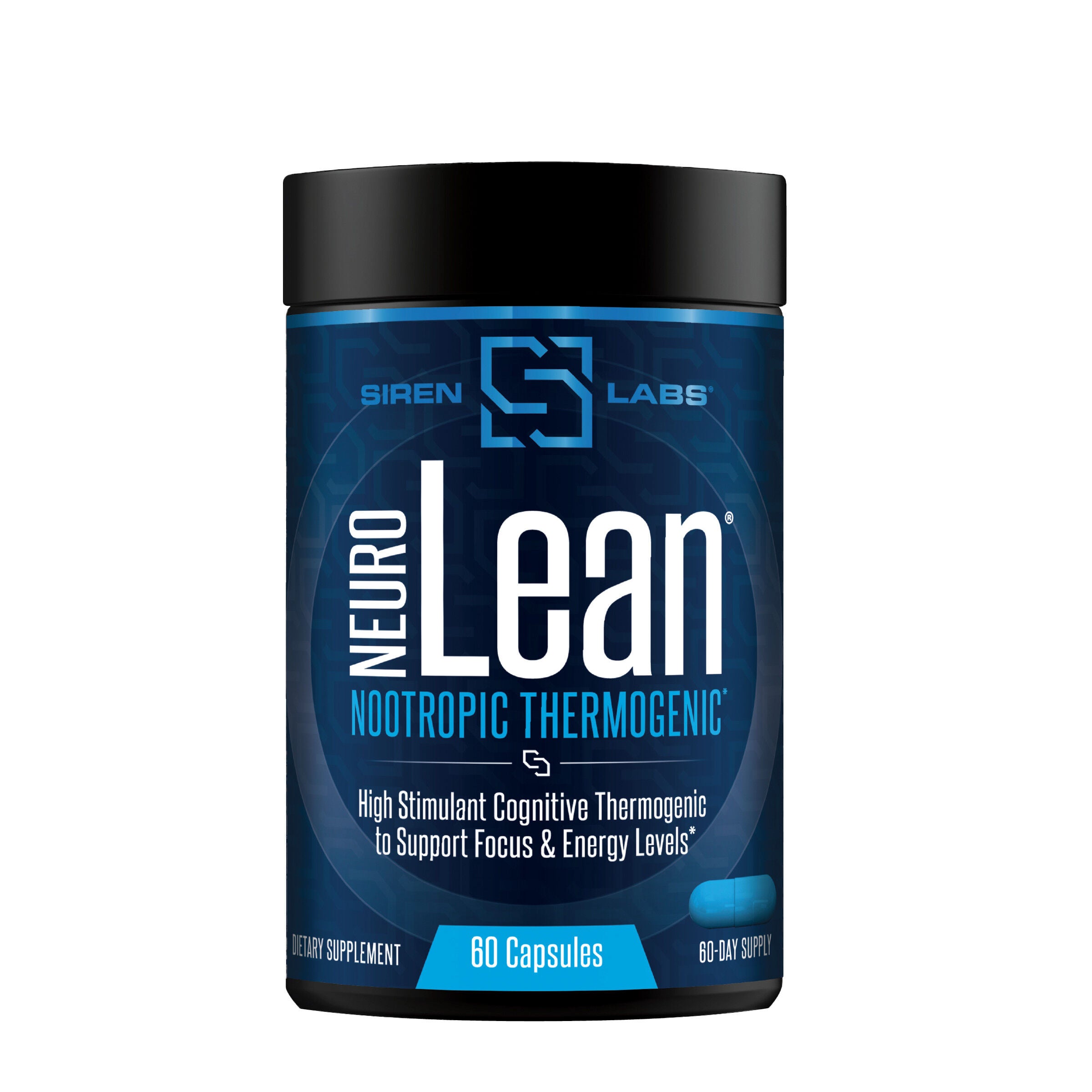
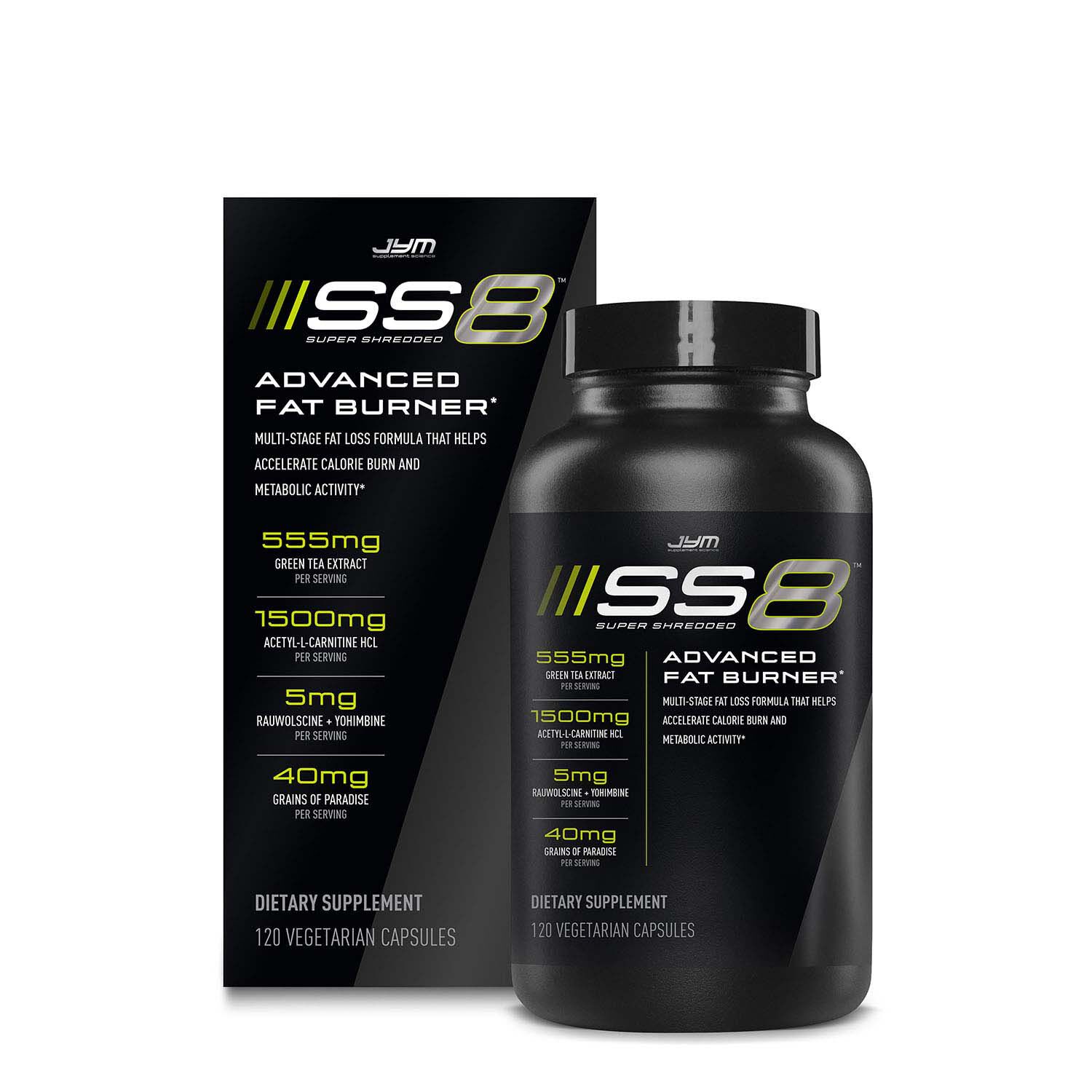
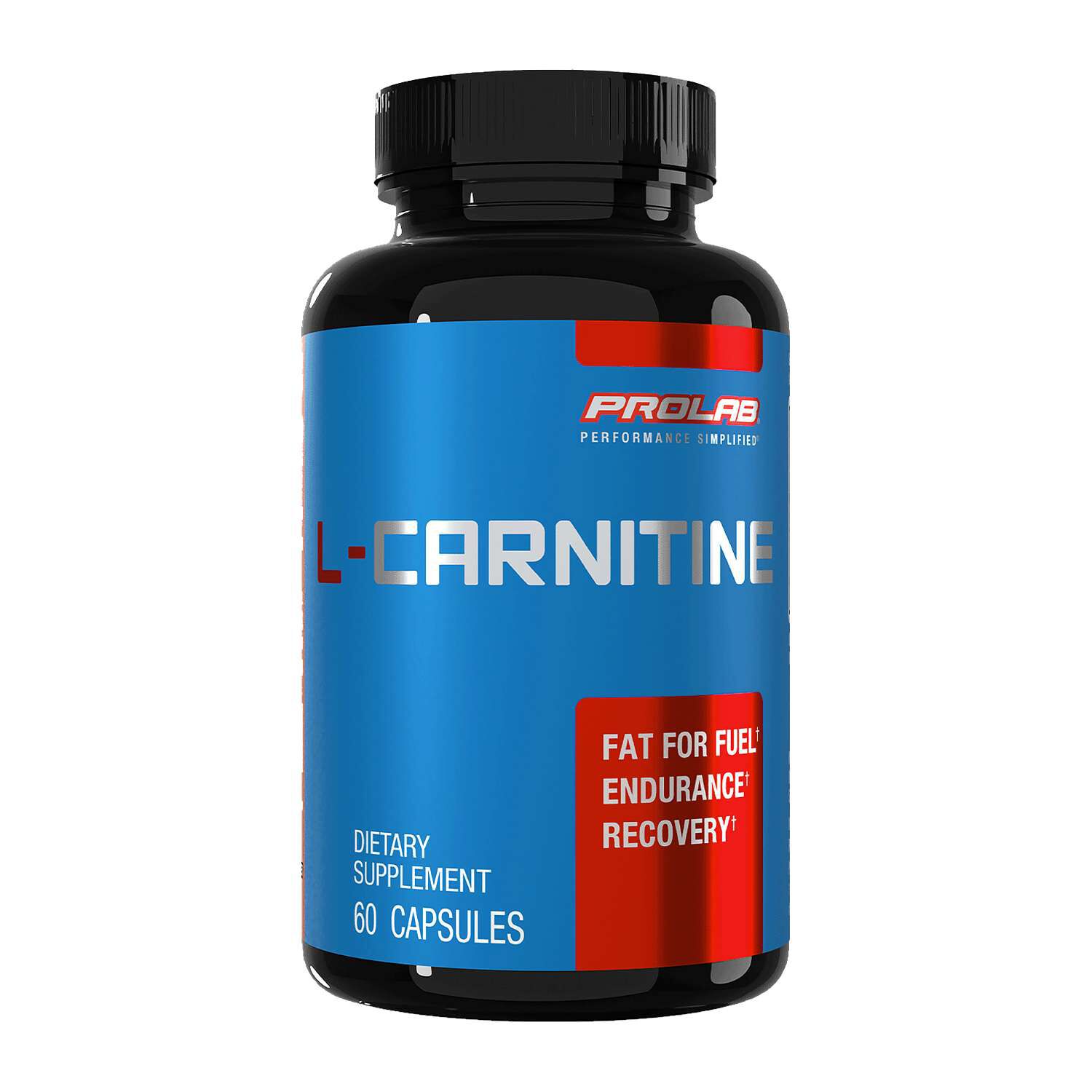
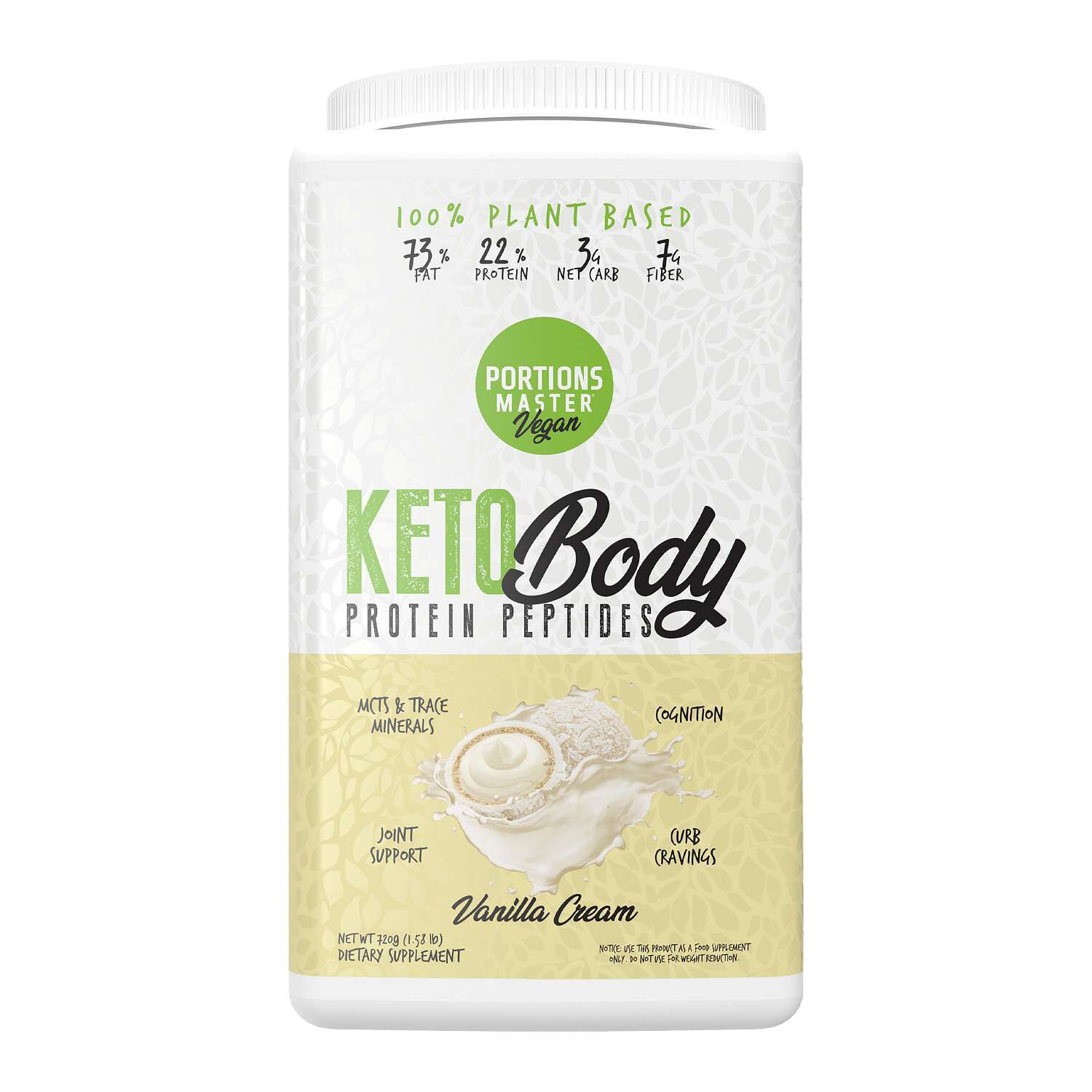
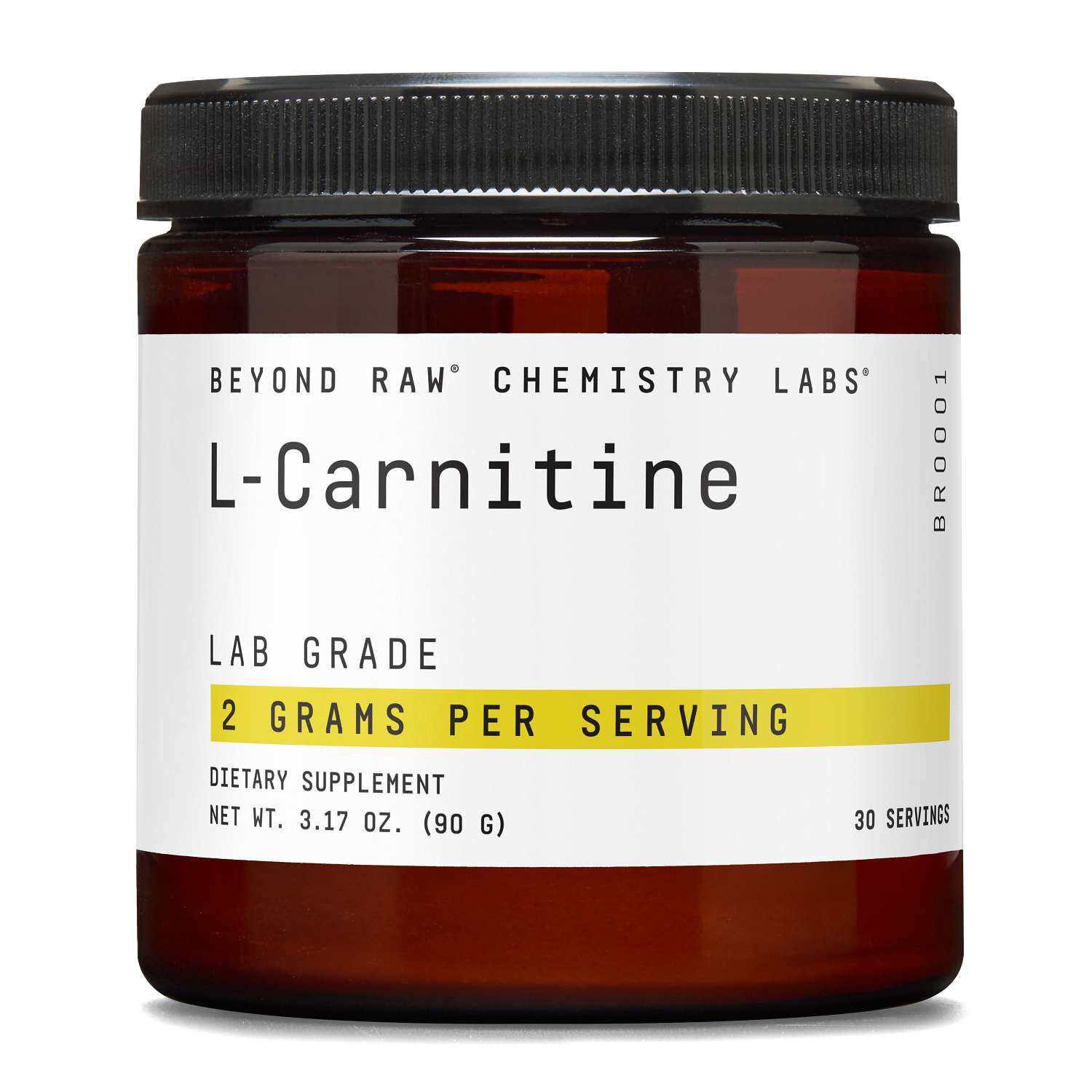
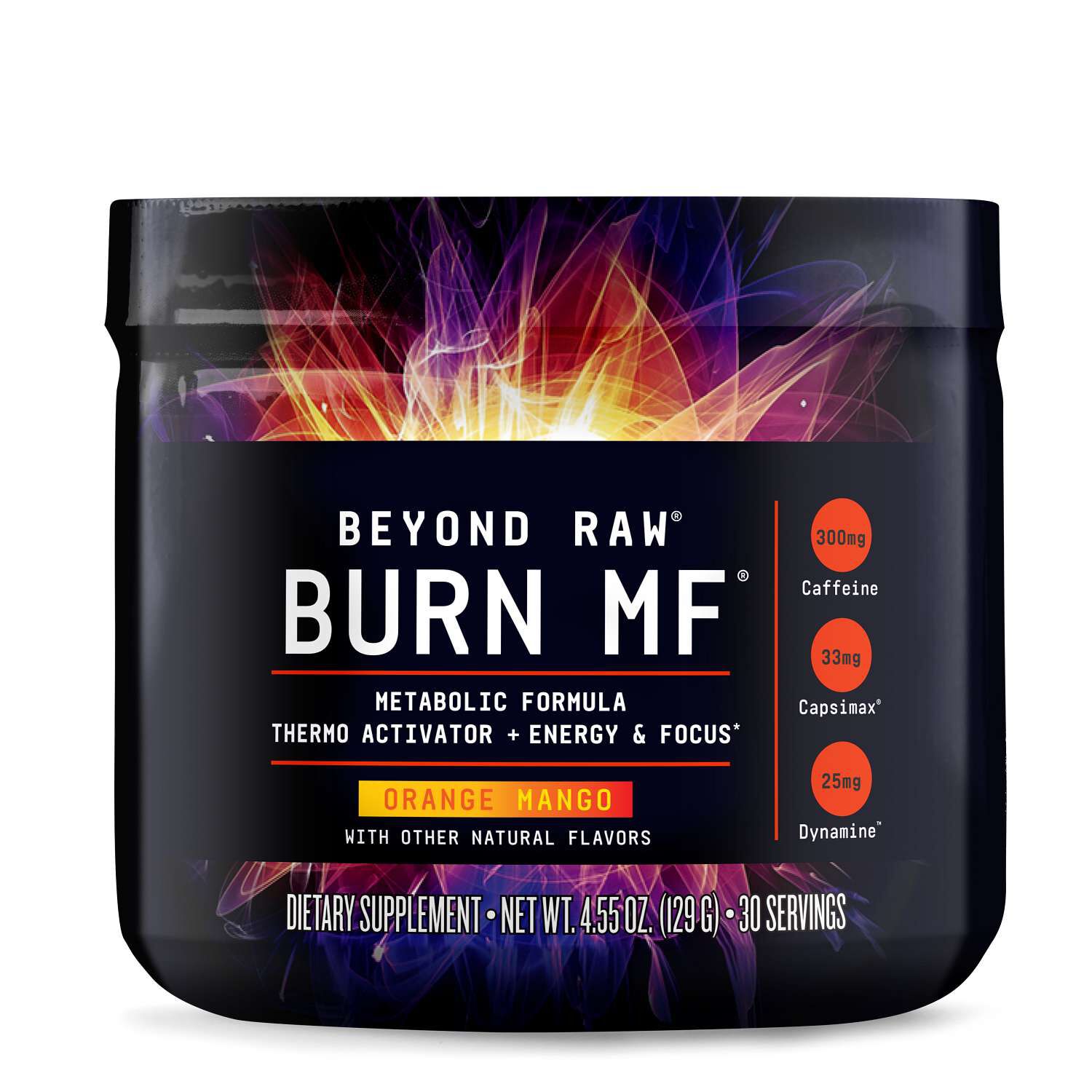
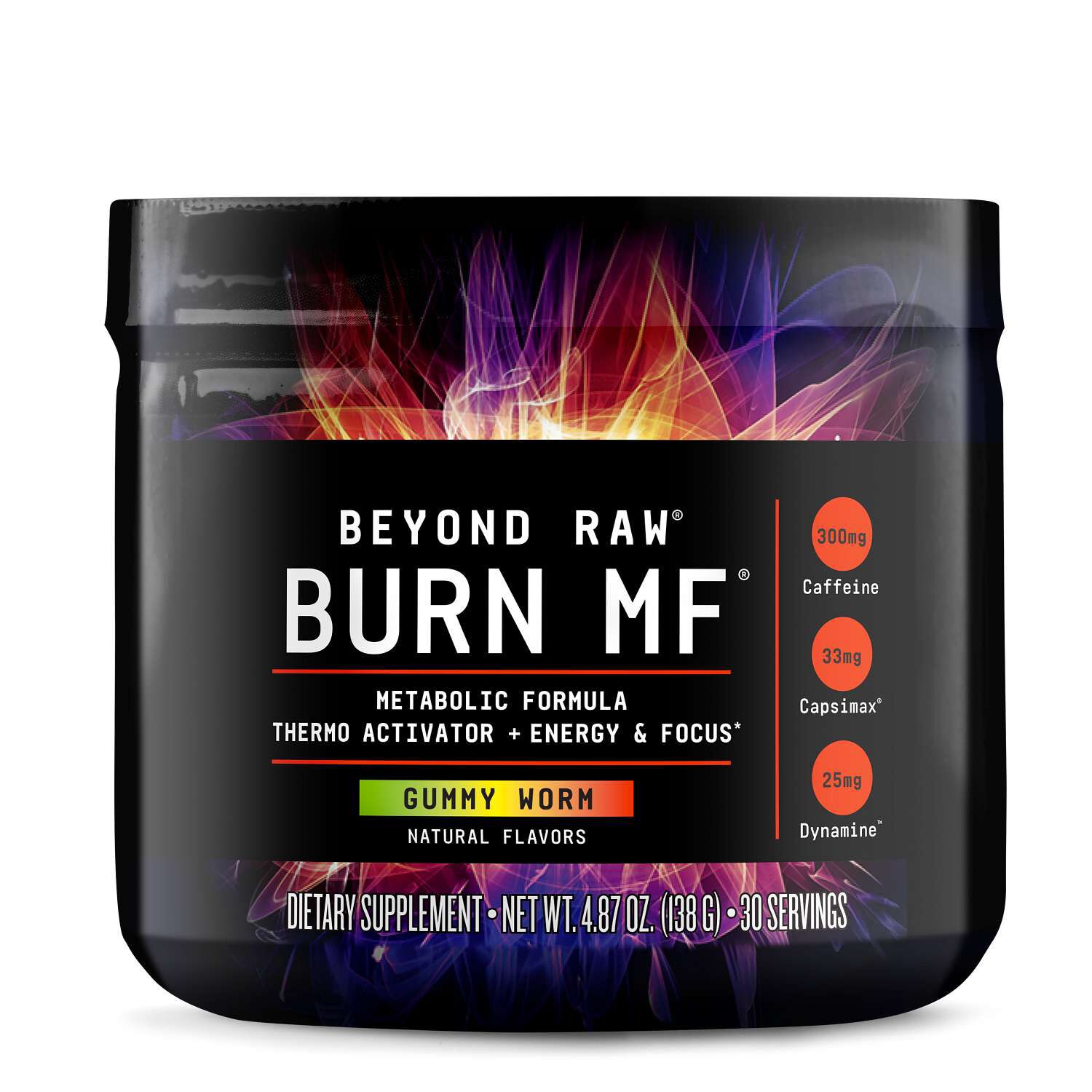
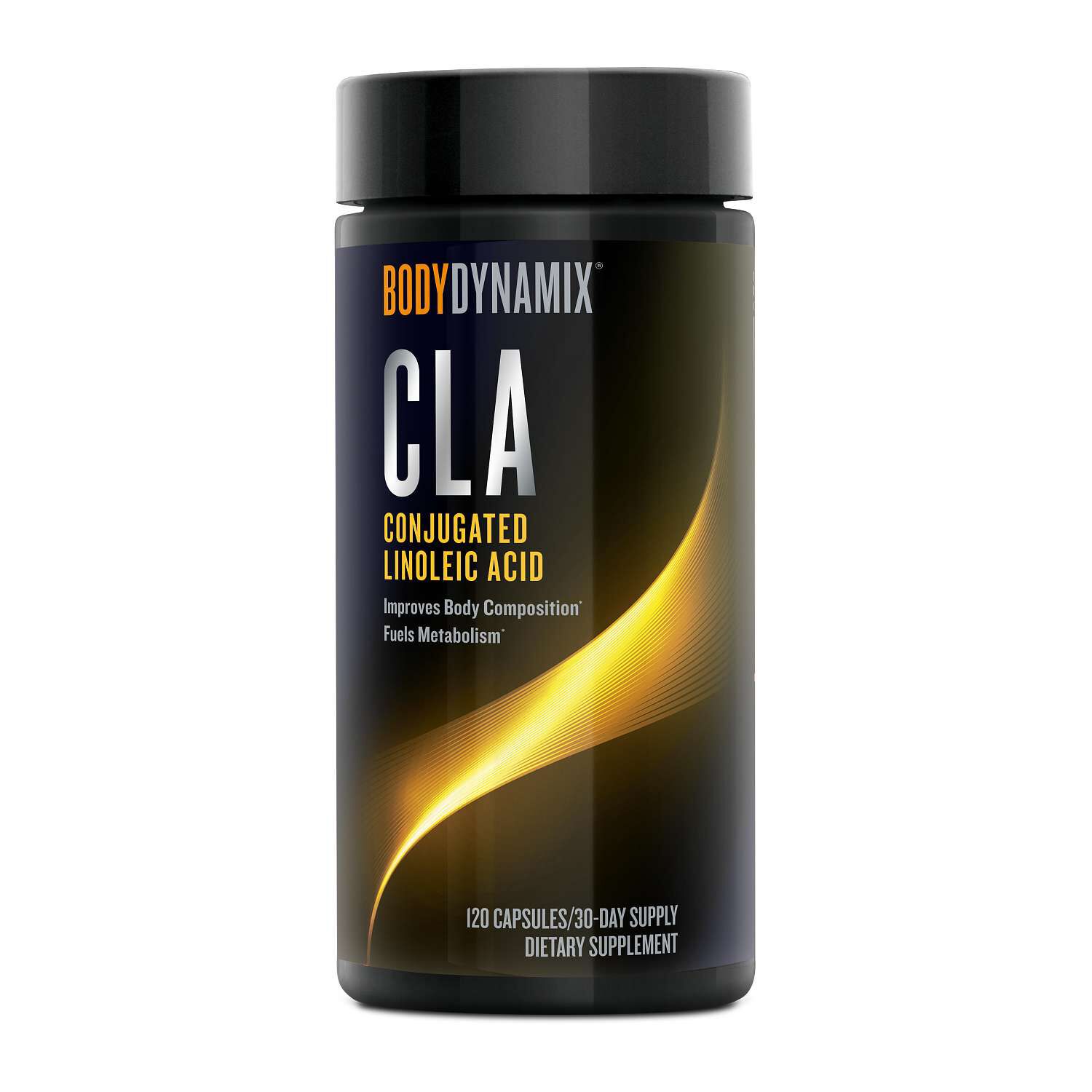
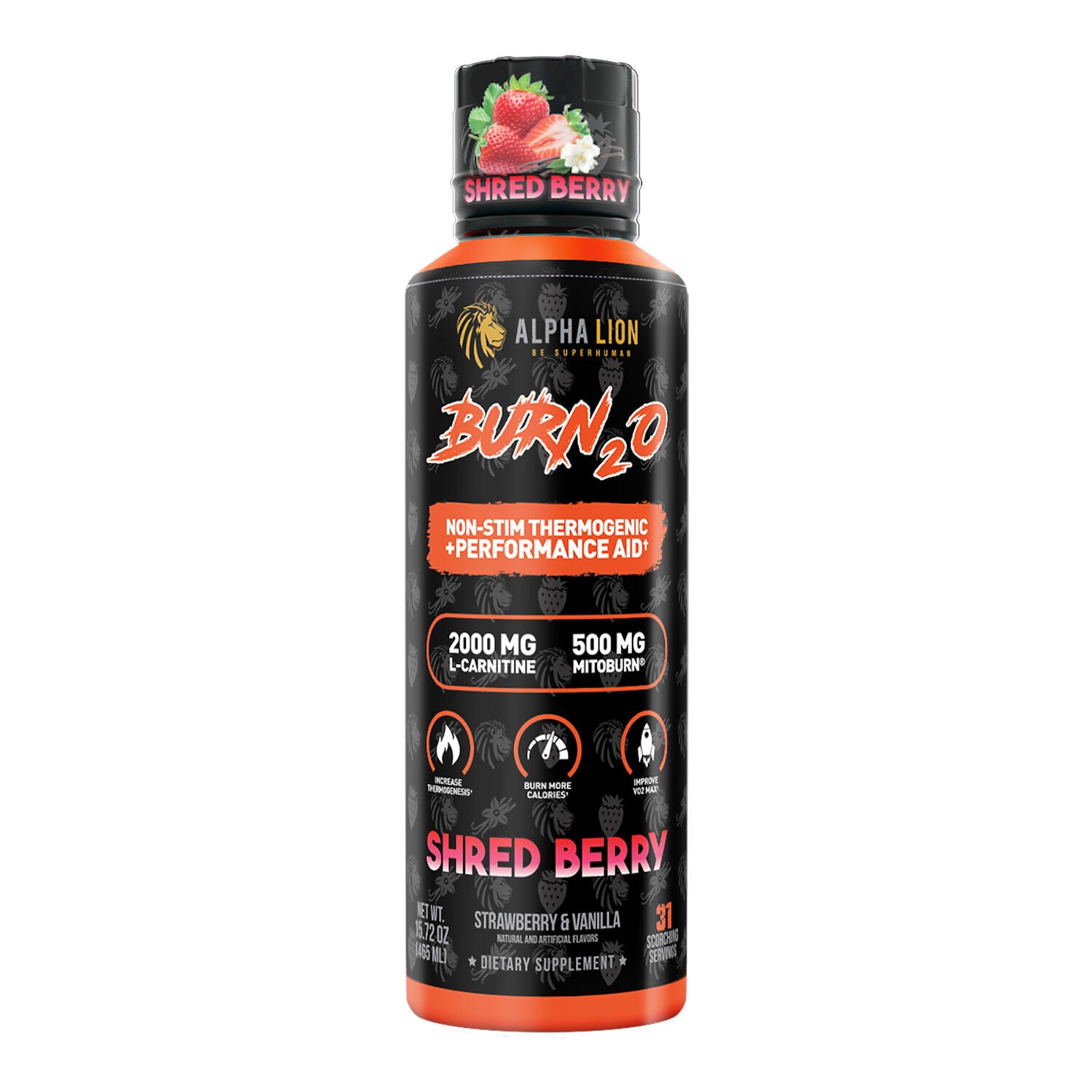
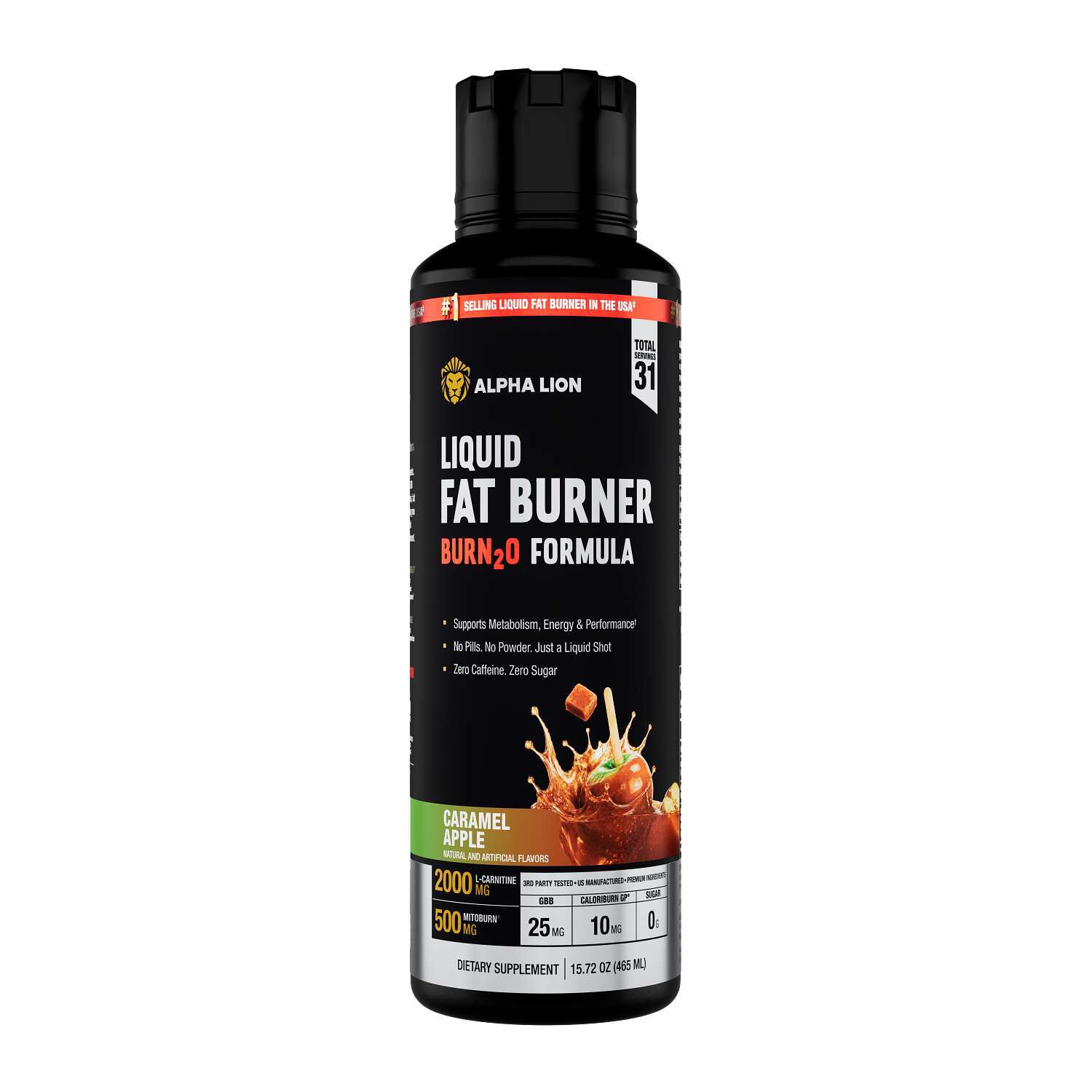
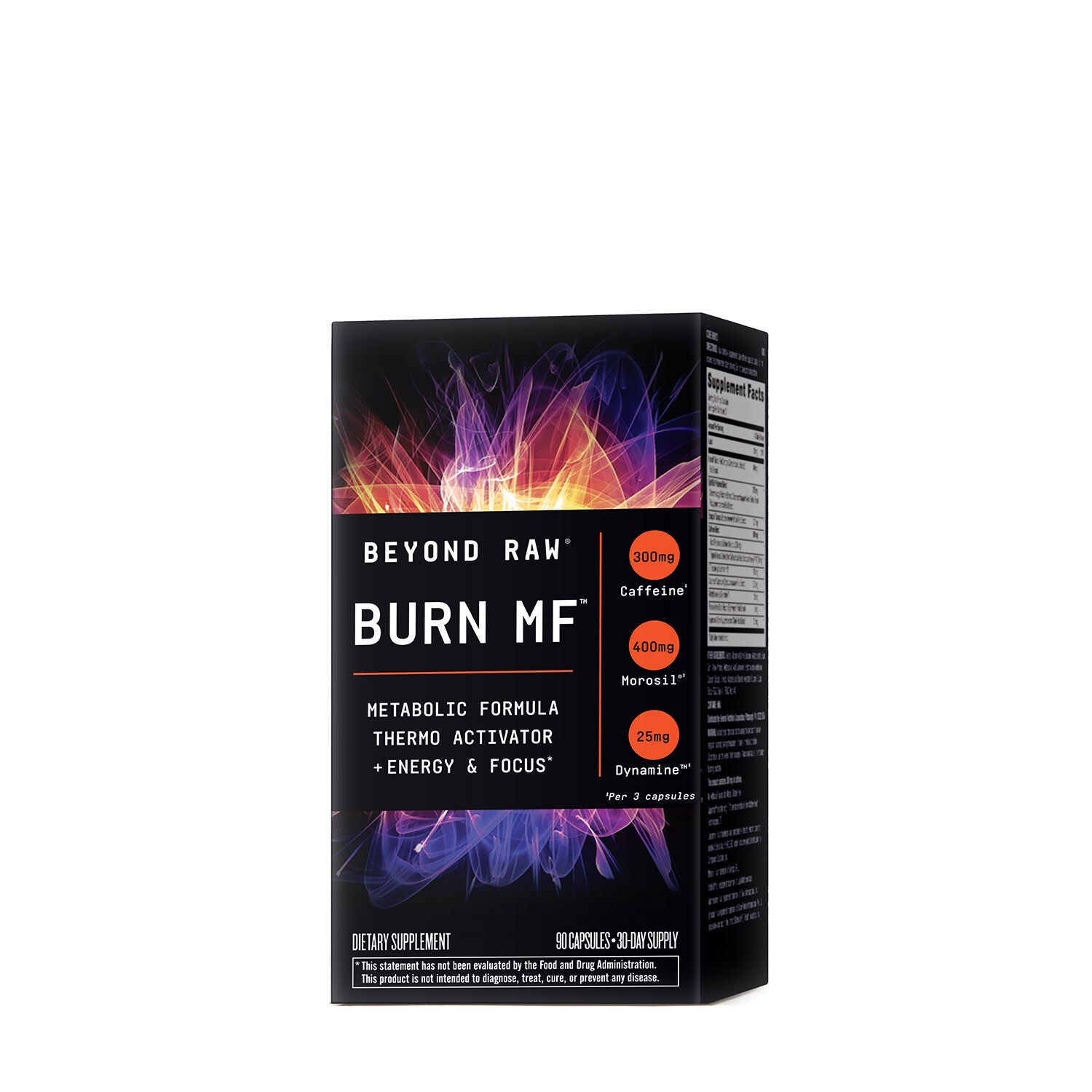
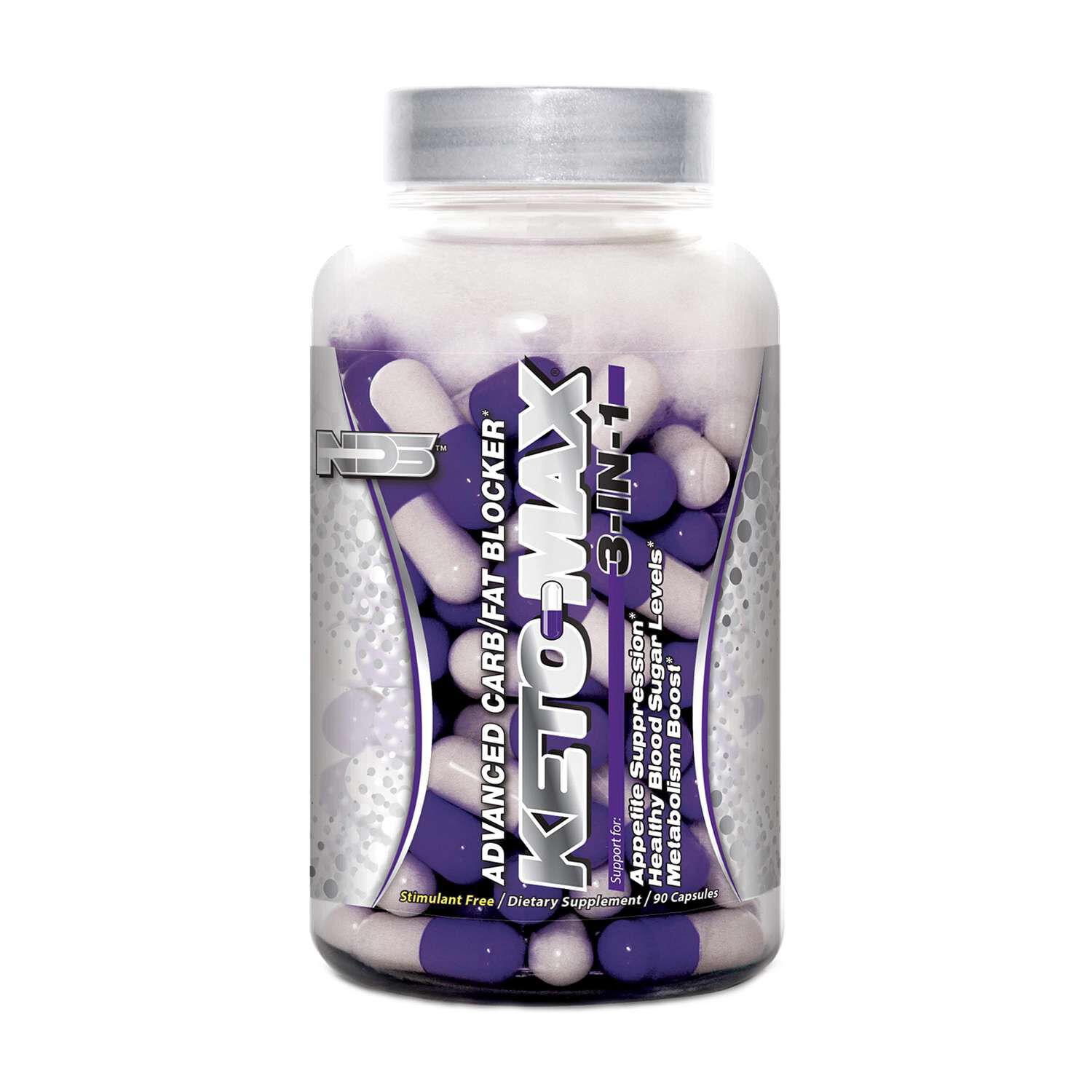
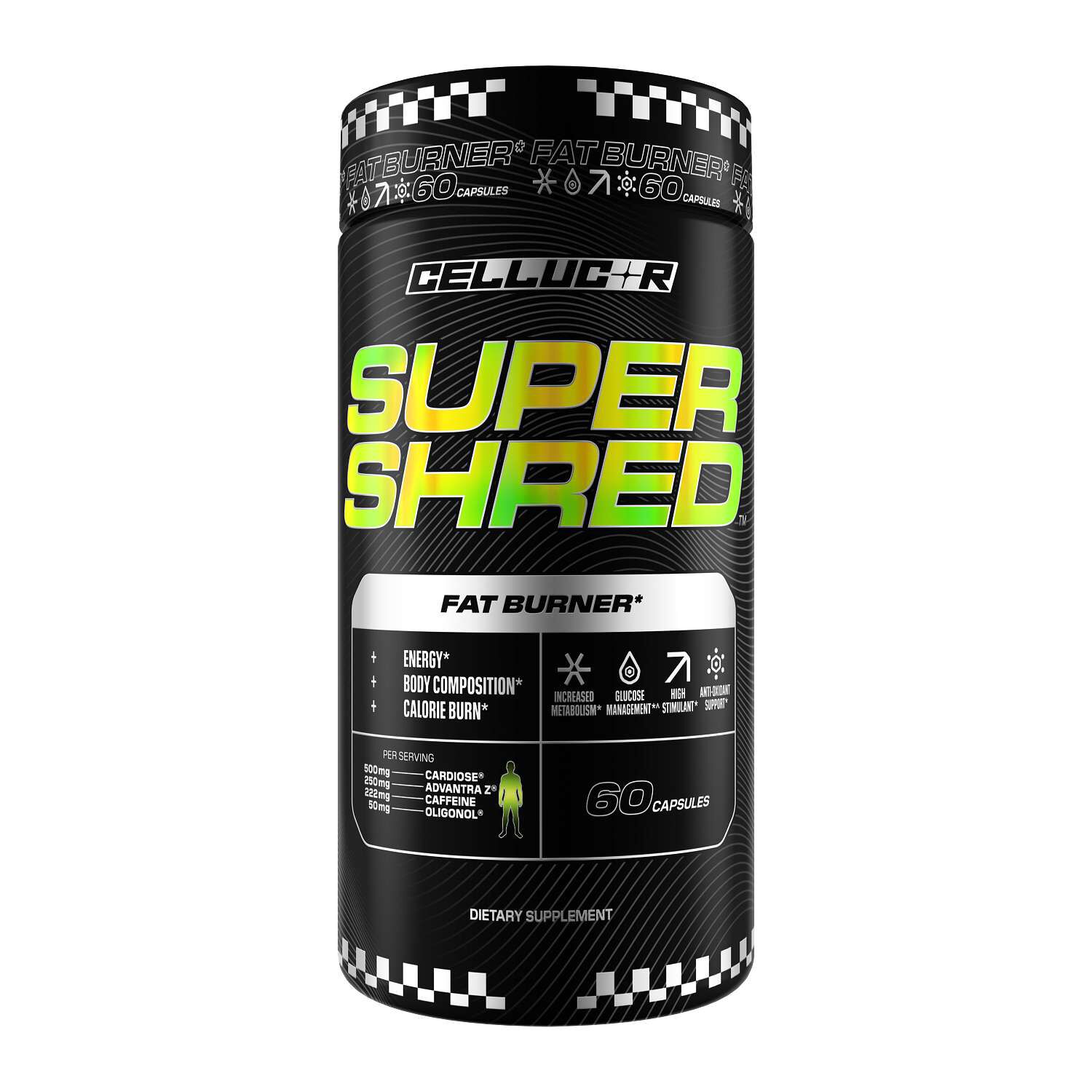
Fat to fuel supplements are dietary supplements marketed around energy metabolism and the body’s use of fat as a fuel source. The category may include thermogenic formulas, carnitine supplements, and products associated with ketogenic eating, although the name does not describe one standard formula or a uniform result. Some formulas emphasize caffeine or botanical ingredients, while others feature amino acid derivatives or dietary fats. Depending on their ingredients, these supplements may complement an adult’s fitness or nutrition routine, but the category name alone does not establish their effects. The body uses both carbohydrate and fat for energy, and the proportion varies with activity, food intake, and other factors. Ingredient details are therefore more informative than imagery suggesting that a capsule can switch the body into a different mode. A thermogenic blend and an oil-based powder may share this shopping theme while differing substantially in composition, serving size, and intended use. Caffeine may contribute to a feeling of alertness; its amount can vary across formulas, and it can also come from ingredients such as green tea or coffee extracts. Carnitine is another ingredient associated with this category, but its presence alone does not establish a particular effect on body composition. Medium-chain triglycerides, often labeled MCTs, are dietary fats rather than a label for fat loss. Formulas containing added fats can also contribute calories, a meaningful distinction when comparing them with capsule-based options. Some supplements contain one featured ingredient, while others combine several ingredients in a blend. A clearly stated ingredient list helps distinguish these approaches without assuming that a longer list represents a better match. For adults with established eating and exercise habits, this category may offer options to consider alongside those habits, with attention to what each formula contains rather than what the phrase fat to fuel appears to suggest.
Format is another important distinction, especially when a supplement needs to fit into an ordinary day rather than an occasional workout. Capsules and tablets involve a different serving experience from powders that require measuring and mixing. A bottle may suit someone who prefers a simple format without flavor or preparation, while a powder may appeal to someone already accustomed to mixing a drink according to label directions. Capsule size, tablet dimensions, texture, and flavor are practical details, not minor afterthoughts. Some capsule shells contain gelatin, while others use plant-derived materials, so the shell ingredients matter for shoppers with dietary preferences. Softgels may contain oils, and powdered formulas may include sweeteners, flavoring ingredients, or ingredients intended to help the powder mix. Those details belong in the comparison alongside the featured ingredients. Serving size also deserves attention: one capsule is not necessarily one serving, and a scoop measurement is specific to the formula and its enclosed scoop. The amount listed per serving provides a more useful basis for comparison than the number printed prominently on the front of a container. An ingredient blend may list its combined weight without showing the individual amount of every component, which creates a different degree of label detail from a formula listing each amount separately. Packaging quality matters as well. An intact seal, readable lot information, a labeled expiration date, and clear storage directions are useful features to examine. Original containers typically carry preparation instructions and ingredient information that can be lost when contents are transferred elsewhere. A secure closure and storage consistent with the label may help preserve the product’s condition between uses. For powders, the condition of the scoop and the cleanliness of the mixing container are also part of everyday care. Any independent testing or certification statement is most useful when its scope is clear; an assessment of manufacturing practices or ingredient identity is not the same as evidence of a particular fitness outcome.
The most relevant comparison is often between the formula and the routine it would join. An adult who enjoys coffee with breakfast may evaluate a caffeine-containing supplement differently from someone who rarely chooses caffeinated beverages. Someone who exercises after work may have different preferences from someone who trains early in the morning. These are considerations of timing, preparation, and personal preference rather than reasons to expect a particular result. A desk drawer, a gym bag, and a kitchen cabinet each present different storage conditions, and a convenient format still needs to remain within its labeled storage directions. For someone who already prepares a shaker bottle, a measured powder may fit an existing habit; for someone who prefers less preparation, capsules may be more appealing. Shoppers exploring that format can also browse Muscle Fuel Capsules while comparing ingredient lists, serving instructions, and capsule characteristics. Across formats, intended use should come from the individual label rather than an assumption based on the category name. A formula positioned for use around exercise is not automatically interchangeable with one centered on dietary fats, and similar front-label language can conceal meaningful differences in composition. Eating patterns matter to the comparison as well: a capsule, an oil, and a flavored powder may contribute different amounts of calories and nutrients. The Supplement Facts panel and other ingredient list provide context that a short product description cannot capture on its own. Food, movement, rest, and consistency remain the broader setting for fitness goals, with supplements serving as optional additions rather than substitutes for those habits. No single category term establishes how an individual will respond. A thoughtful selection rests on transparent labeling, a suitable format, manageable preparation, and realistic expectations. Within the fat to fuel theme, those concrete details may make the difference between a supplement that fits comfortably into an established routine and one whose format or composition does not suit the shopper’s preferences.
Best Sellers
Related Pages


Top Collections
- Zinc Supplements | Top Brands at Great Prices | GNC
- Cortisol Supplements
- NAD+ Supplement Tablets
- Top Rated Collagen | Shop Customer Favorites | GNC
- Best Brand of Magnesium Glycinate
- Peptide Supplements
- Vitamins That Help Support Weight Gain
- Protein Powders For Muscle Growth Support
- Vitamins For Hair Loss
- Peptide Supplements for Muscle Growth