

Fatty Acid Supplements
(0 Results)
Discover our wide selection of fatty acid supplements designed to support your overall health and well-being. From omega-3 to omega-6 and beyond, these essential nutrients play a crucial role in various bodily functions, including heart health, brain function, and inflammation regulation. Whether you're looking to boost your cognitive performance or enhance your cardiovascular system, our range of high-quality fatty acid supplements offers a convenient way to incorporate these beneficial nutrients into your daily routine. Explore our collection and find just what you need to take your wellness journey to new heights.
-
-

-
-

-

-

-

-
-

-

-
-

-
-

-
 $23.99
 -
 $24.99
 -
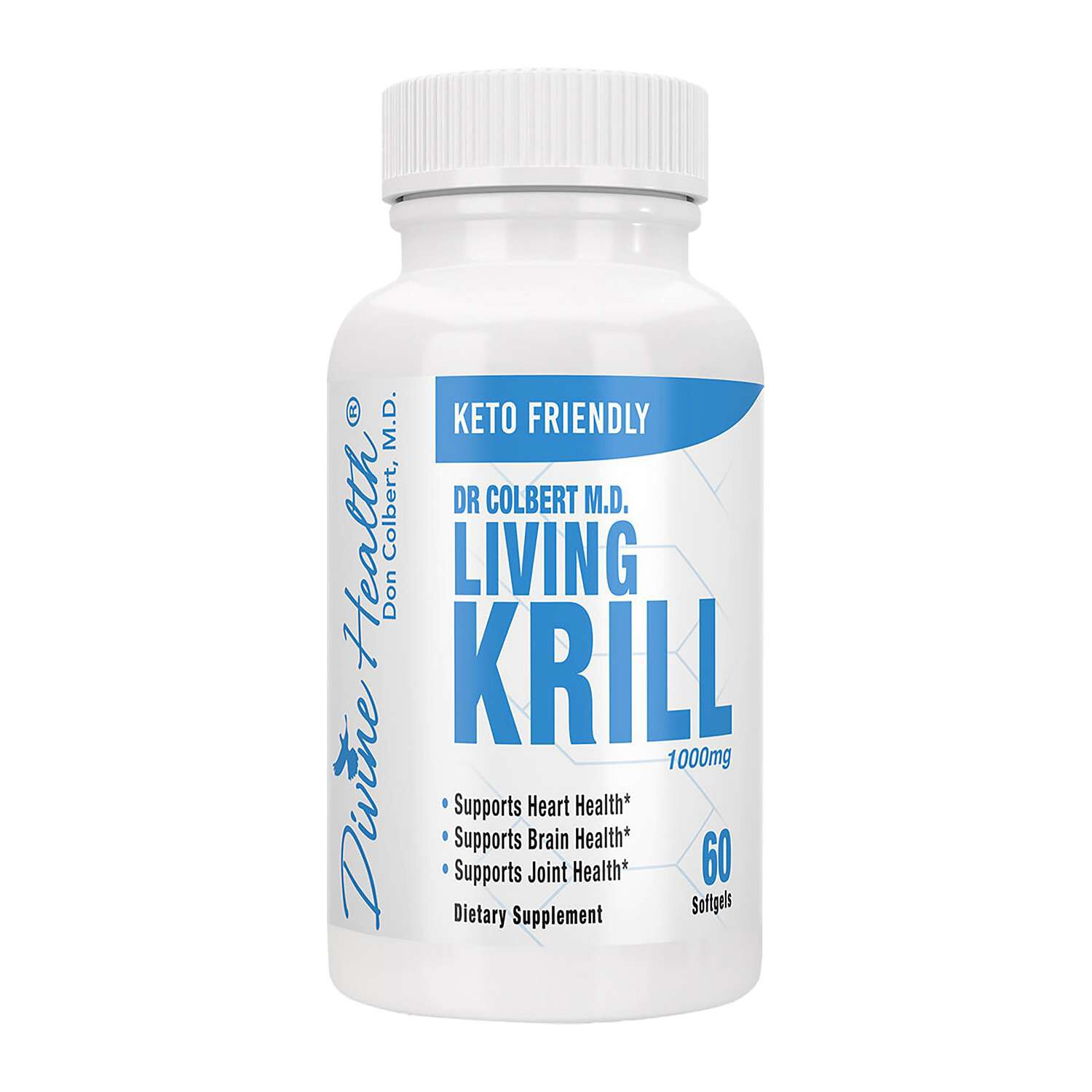 Divine Health$34.99
 -
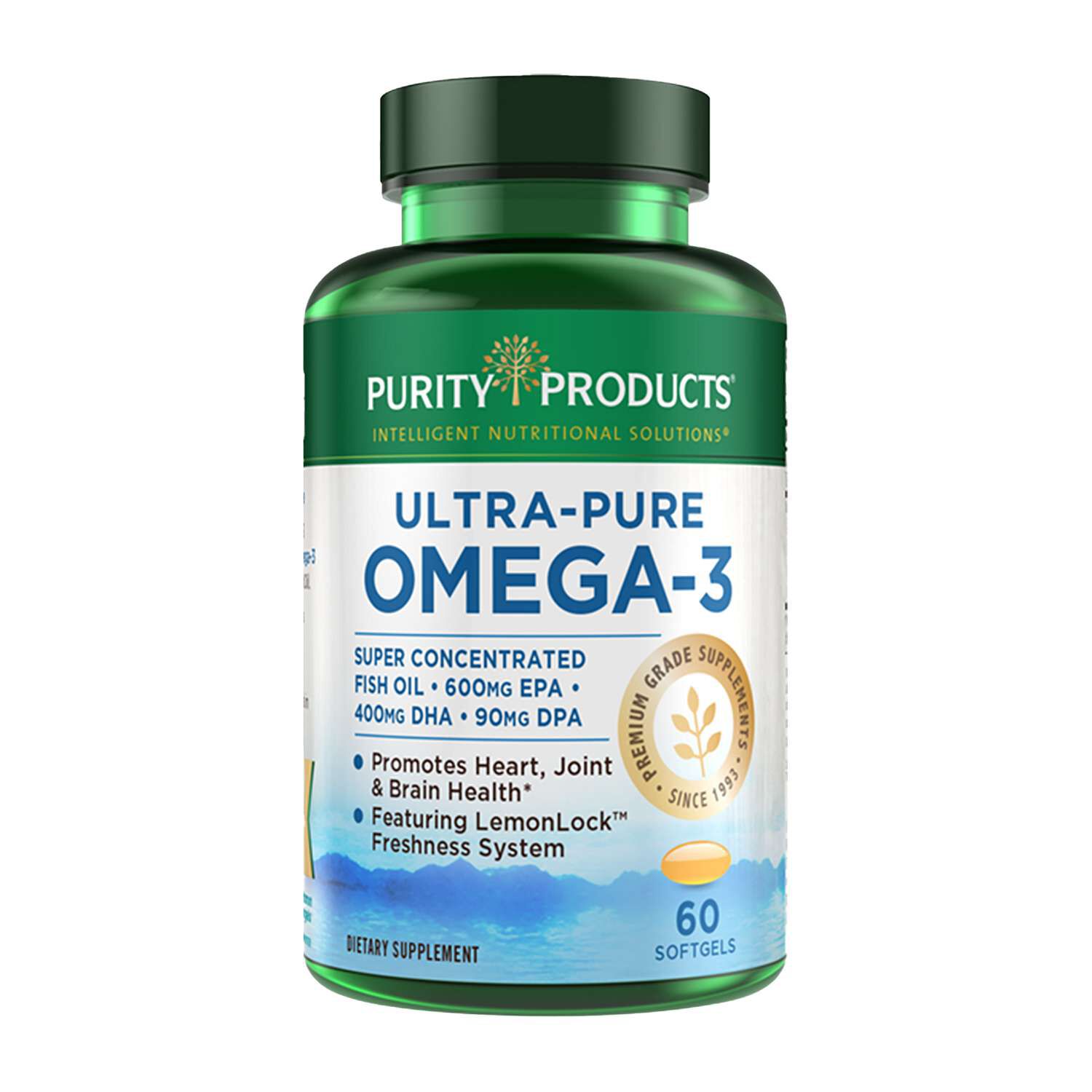 Purity Products$26.99
 -
 Portions Master$25.99
 -
 Divine Health$34.99
 -
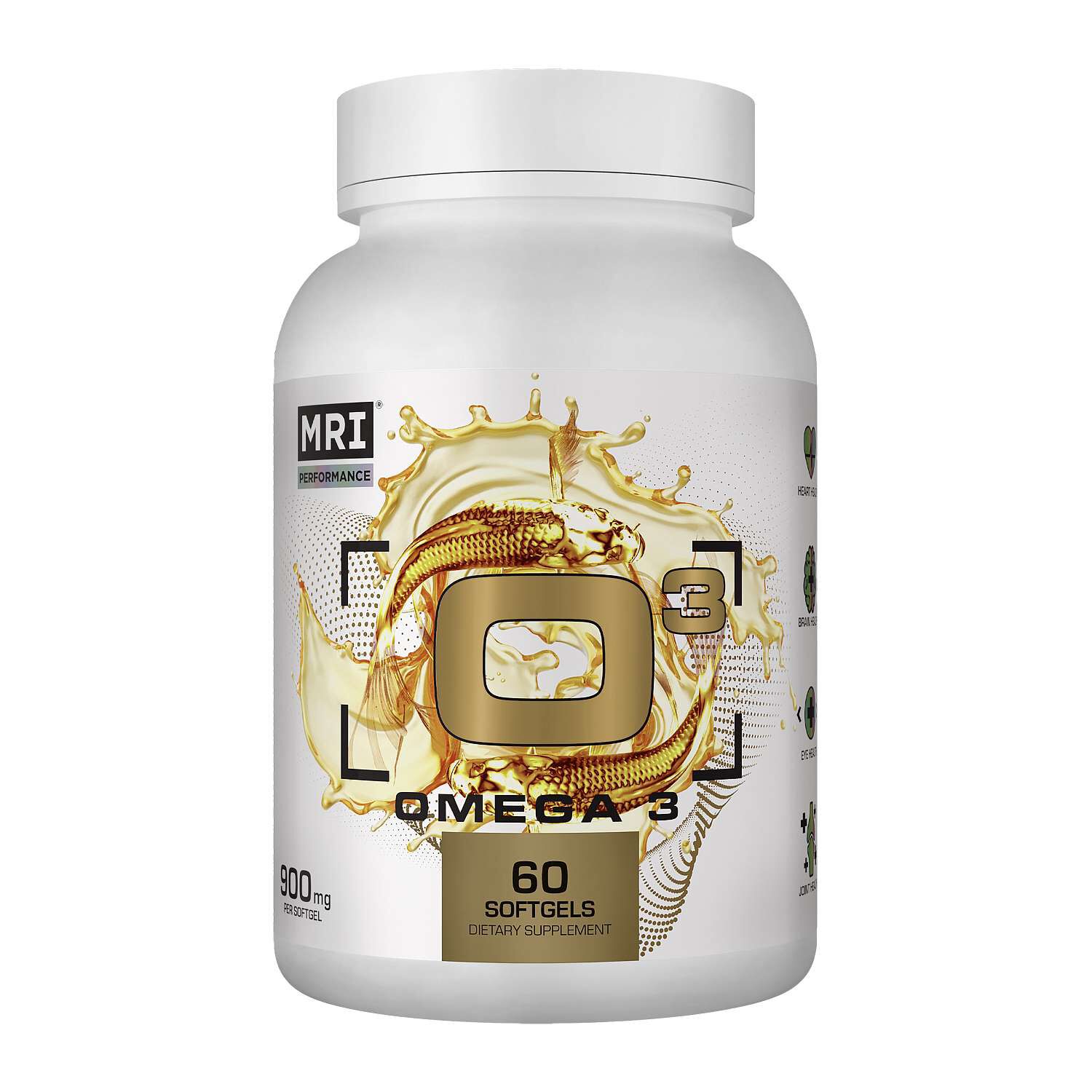 MRI Performance$29.99
 -
 Portions Master$24.99


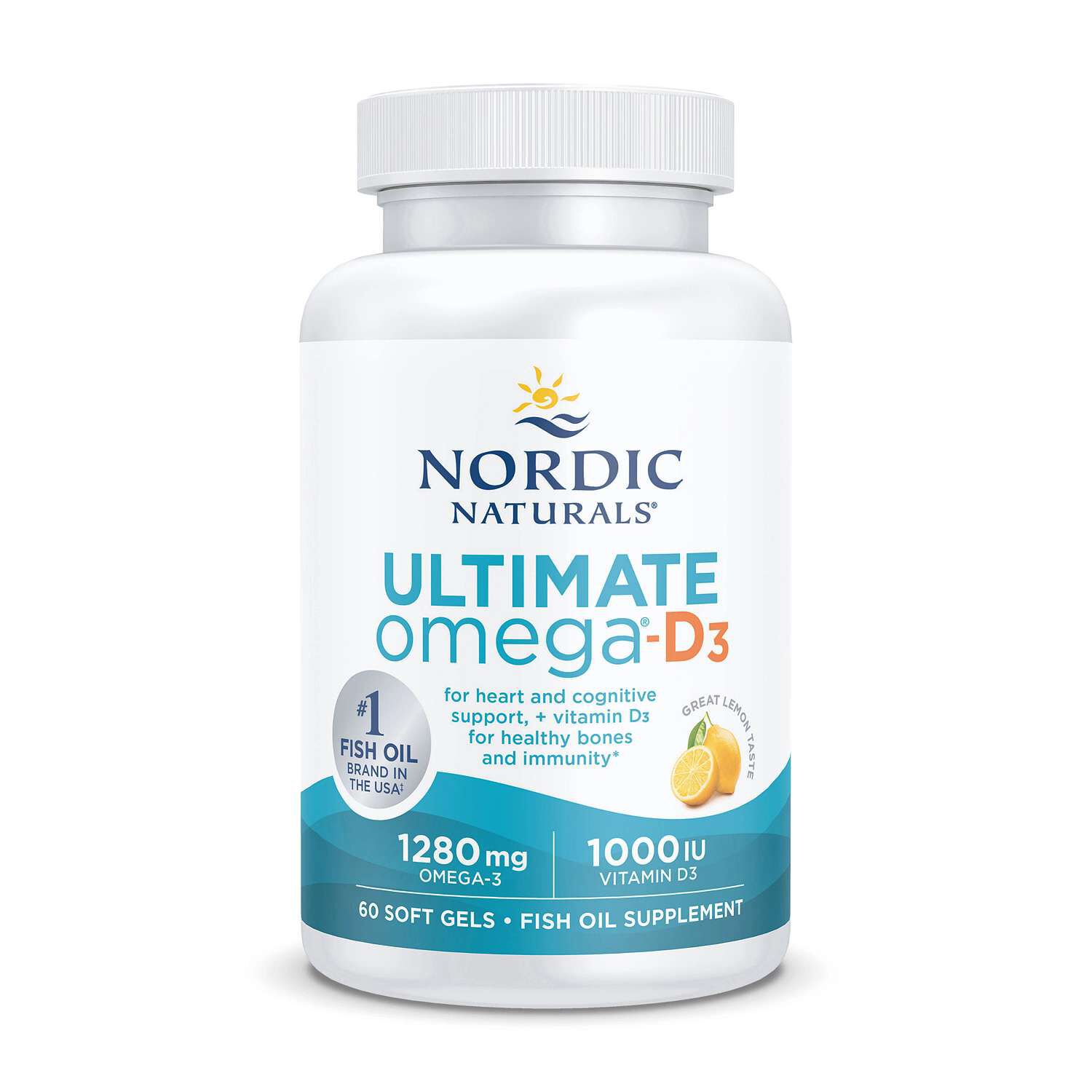
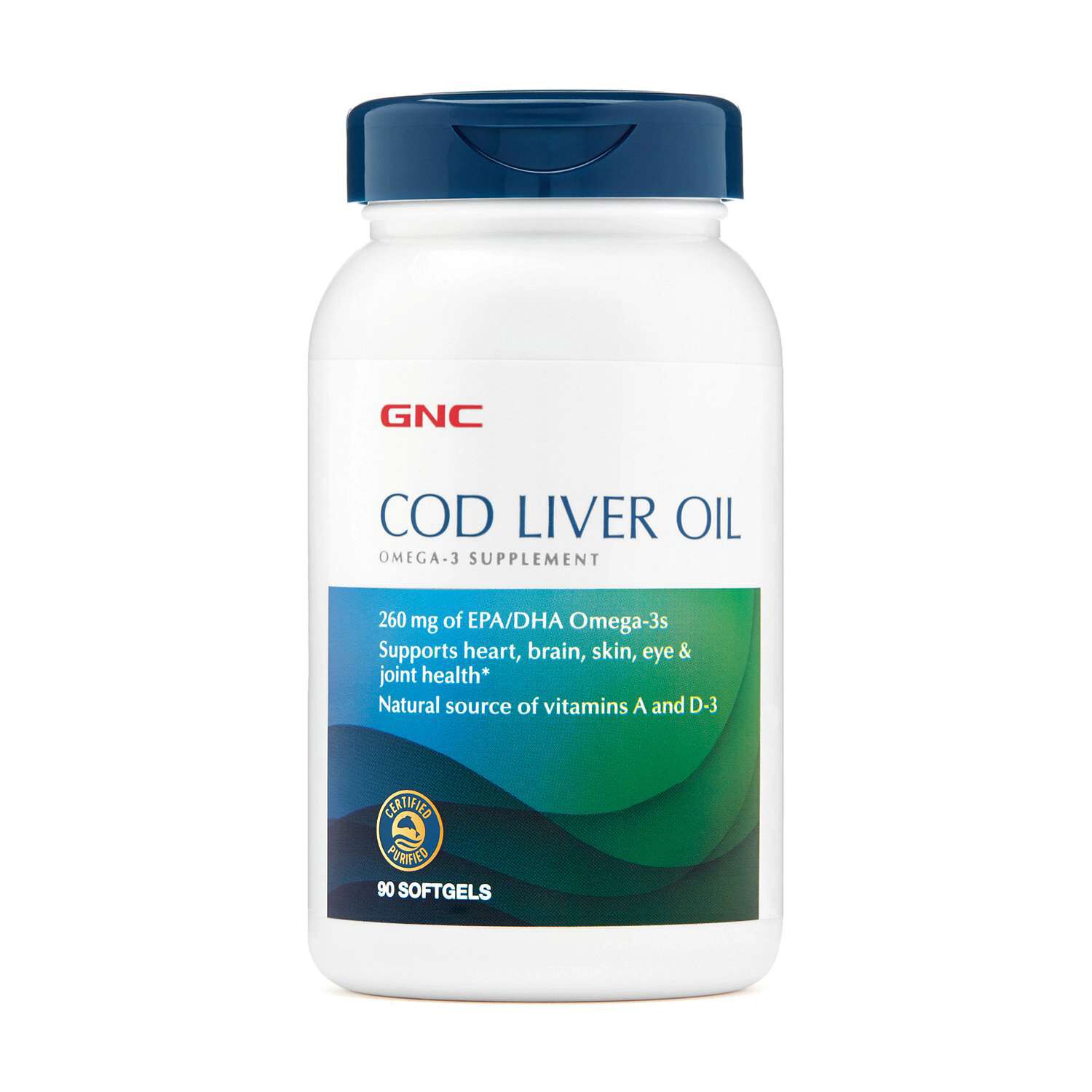
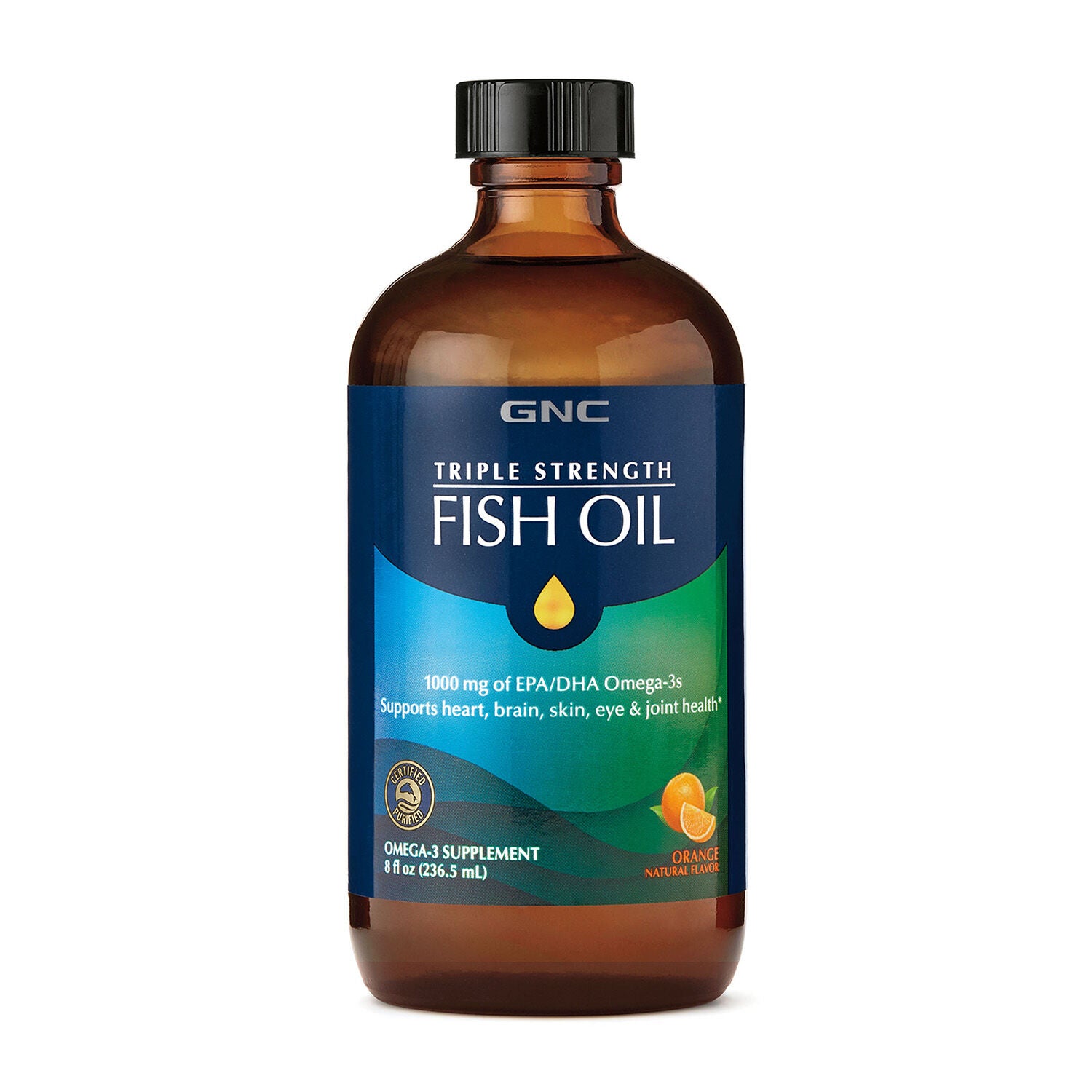
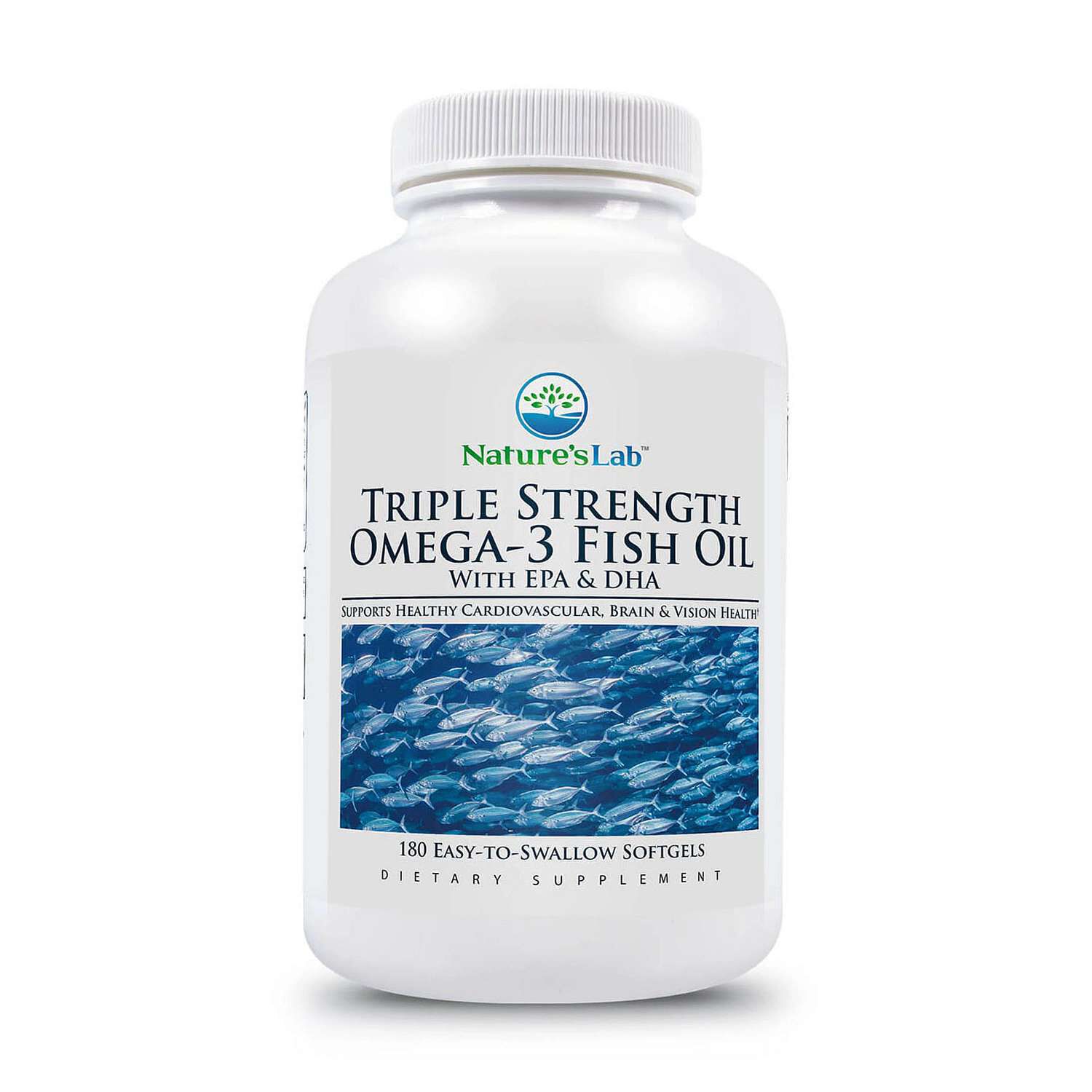
Fatty acid supplements bring together a broad category of dietary oils in softgel, capsule, and liquid formats, with differences that begin at the source. Fish oil, krill oil, algae oil, and flaxseed oil each have a distinct fatty acid profile, so the category includes more than interchangeable bottles of oil. Omega-3 supplements typically feature EPA, DHA, ALA, or a combination of these fatty acids. EPA stands for eicosapentaenoic acid, DHA for docosahexaenoic acid, and ALA for alpha-linolenic acid. Fish oil commonly supplies EPA and DHA, while algae-derived oils can provide DHA, EPA, or both, depending on the formulation. Krill oil is another marine source, with some of its omega-3 content carried in phospholipids. Flaxseed oil supplies ALA, a plant-based omega-3 also found in foods such as walnuts and chia seeds. The body can convert some ALA into EPA and DHA, but that conversion is limited; these ingredients are related, not equivalent sources of the same fatty acids. Omega-6 and omega-9 oils add further variety. Some omega-6 supplements feature gamma-linolenic acid, or GLA, from sources such as evening primrose or borage oil. Omega-9 formulas often feature oleic acid, a monounsaturated fatty acid also present in olive oil. Unlike ALA, oleic acid can be made by the body. For a closer look at that part of the category, Omega 9 Supplements focuses on a different fatty acid family than omega-3 oils. Combination formulas may bring omega-3, omega-6, and omega-9 oils together, but their proportions vary. Those distinctions give shoppers a useful starting point: the oil source identifies where the ingredients come from, while the fatty acid listing identifies what the formula actually contains. A bottle described as fish oil and one described as an omega blend can therefore differ substantially, even when their front labels display similar quantities of oil. The category name is a broad description rather than a single ingredient specification.
The format of a fatty acid supplement matters just as much to everyday use as its source. Softgels enclose the oil in a flexible shell and offer a measured portion without pouring. Their dimensions vary, and a serving may consist of one softgel or several, making both capsule size and serving size relevant to the experience. Shell materials also differ: some contain gelatin from animal sources, while others use ingredients suited to vegetarian preferences. A plant-derived oil does not by itself establish that the finished capsule is vegan; the shell and other ingredients are part of that distinction. Liquid oils offer another format, with servings measured according to the label and flavors that may include citrus or other additions. For someone who already keeps a measuring spoon beside a breakfast bowl, a liquid format may fit naturally into that setup. Someone who prefers a compact bottle beside other packaged supplements may favor capsules or softgels instead. Taste, aroma, texture, and the number of pieces per serving are practical considerations rather than minor details, especially for a purchase intended for regular use. The Supplement Facts panel provides a more precise comparison than the front of the package alone. Milligrams of fish oil describe the amount of oil, not necessarily the amount of EPA and DHA within it. A larger oil quantity does not automatically mean a larger quantity of those individual omega-3s. When EPA and DHA are listed separately, their amounts show their respective contributions per serving. The same distinction applies to blends: the combined weight of several oils does not describe the proportion of every fatty acid they contain. Ingredient lists add context about flavorings, capsule materials, and other formulation components. Manufacturing information may also describe purification methods or independent testing. A named certification or accessible testing documentation provides something concrete to review, while a broad quality description alone says less about what was examined. These details help distinguish formulas without treating every oil, serving, or package format as equivalent.
Fatty acid supplements are intended to supplement dietary intake, and their place in a shopping routine often reflects food preferences as much as format preferences. An adult who does not eat fish may be interested in algae-derived EPA or DHA, while someone seeking a plant oil containing ALA may look toward flaxseed oil. Those are different ingredient choices, not direct substitutes based solely on their plant origin. A person who already eats a varied selection of fish, nuts, seeds, and vegetable oils may approach the category with a different set of preferences than someone whose usual meals contain few of those foods. Dietary patterns also make source transparency important. Fish oil comes from fish, krill oil comes from a crustacean, and algae oil has a different origin from either. Allergen statements and ingredient disclosures matter alongside vegan, vegetarian, or other dietary designations. For shared households, clearly labeled packaging makes it easier to distinguish one person's selection from another's, particularly when bottles look similar. Packaging and care deserve attention because oils can change with exposure to air and light. An opaque bottle or individually sealed packaging can limit light exposure, while closure design affects how easily a container can be secured after use. Storage directions vary by formulation and package, especially after opening, so the printed instructions are the relevant reference for handling and storage. Keeping the original container also preserves access to the ingredient list, serving information, lot code, and date marking. Bottle size is another everyday consideration: a large container takes more cabinet space, while a smaller package may suit a compact kitchen or a travel bag, provided it is stored as directed. For liquids, a clearly marked measuring utensil makes the labeled serving easier to measure than an ordinary table spoon. Whether the preference is a marine oil, an algae-derived formula, a seed oil, or a blend, the most meaningful distinctions remain specific and readable: source, fatty acid composition, amount per serving, capsule or liquid format, and ingredient transparency. Together, those details give this broad supplement category a clearer shape and make comparisons more relevant to individual dietary preferences and daily routines.
Best Sellers
-
Nordic Naturals
-
 Nordic Naturals
 -
Nordic Naturals