





Herbal Omega Fatty Acid Supplements
(0 Results)
Herbal omega fatty acid supplements offer a plant-based approach for those looking to support their wellness routines. Sourced from a variety of herbs and botanicals, these supplements may provide an alternative to traditional fish oil options. Explore a range of herbal omega fatty acid supplements designed to fit into different lifestyles and dietary preferences. Whether you’re seeking new ways to enhance your daily regimen or simply exploring plant-derived sources, these supplements could be a convenient addition to your wellness journey.
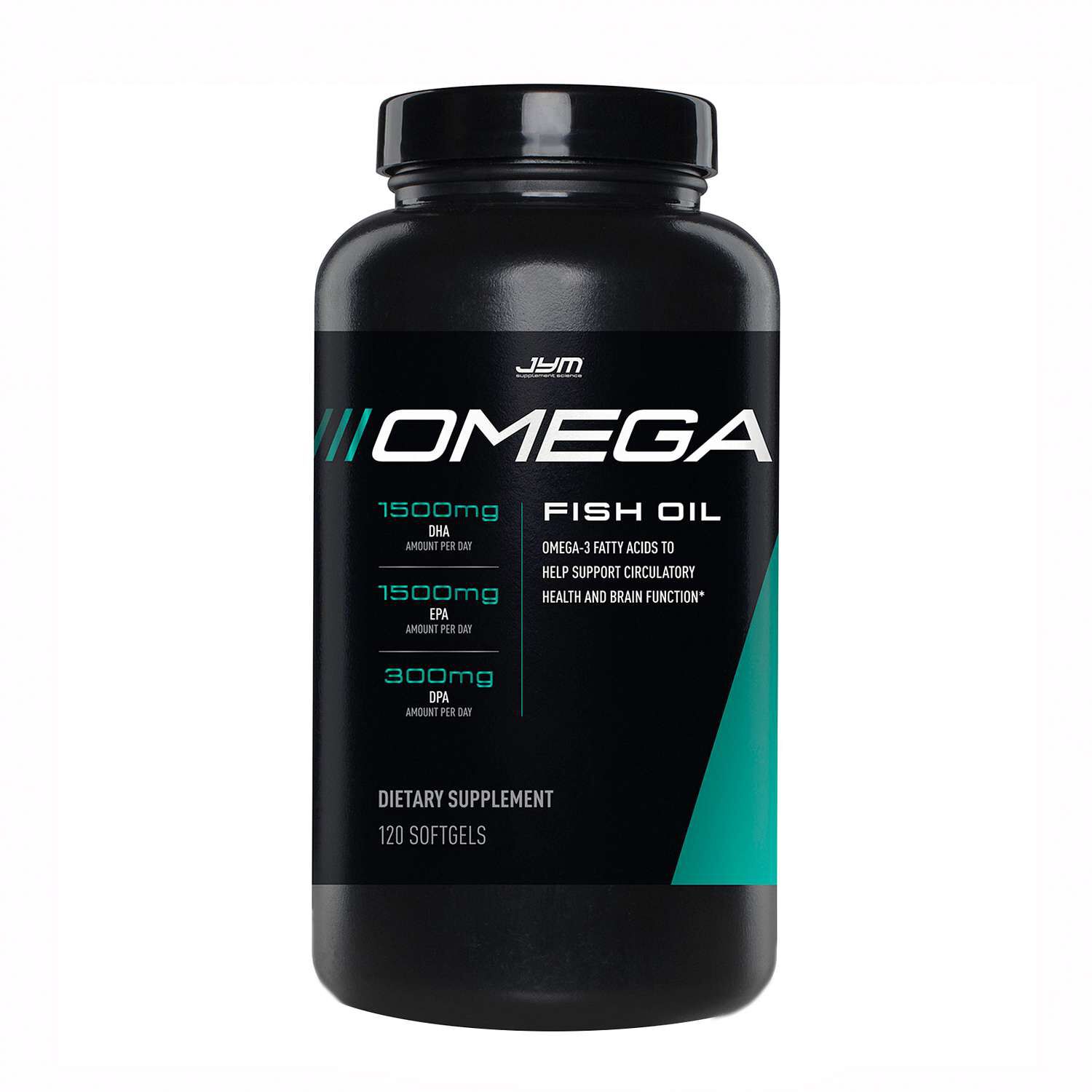


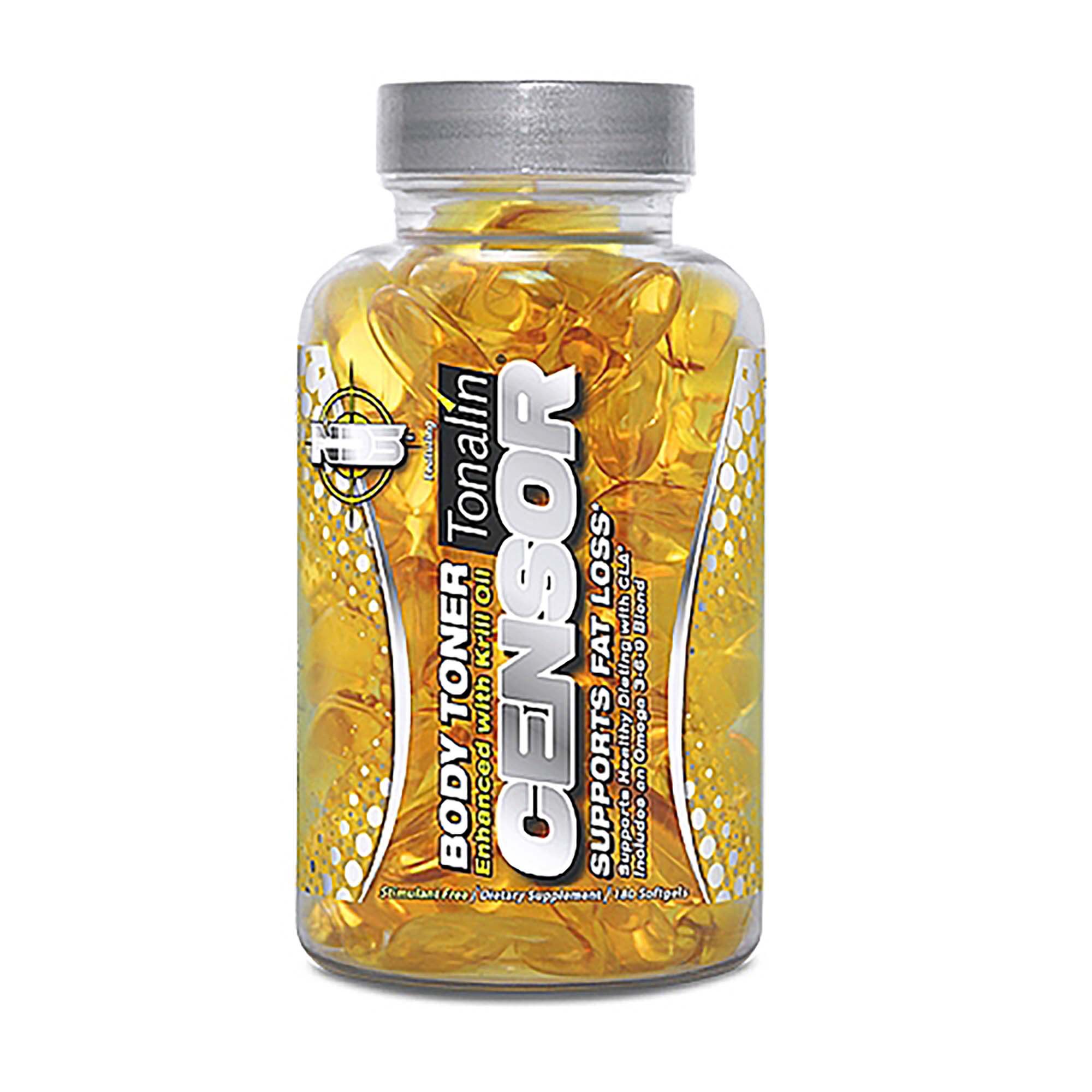

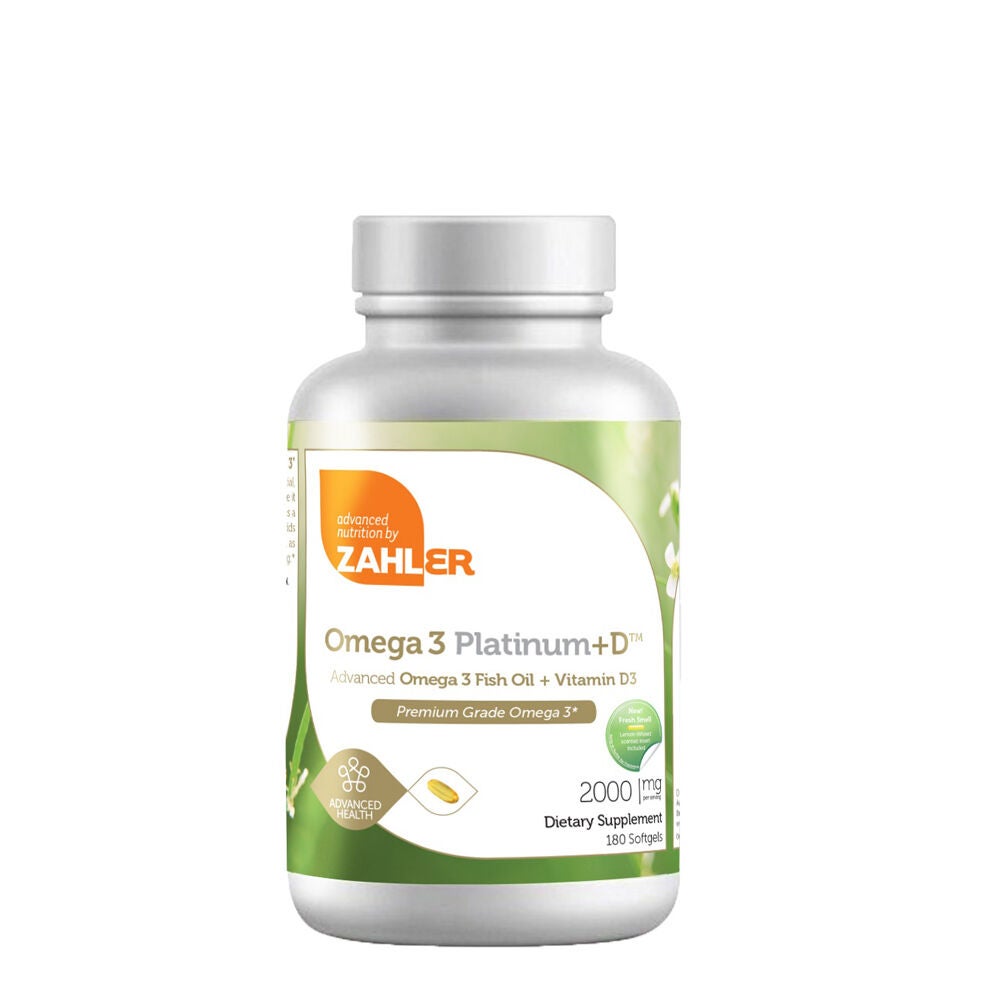
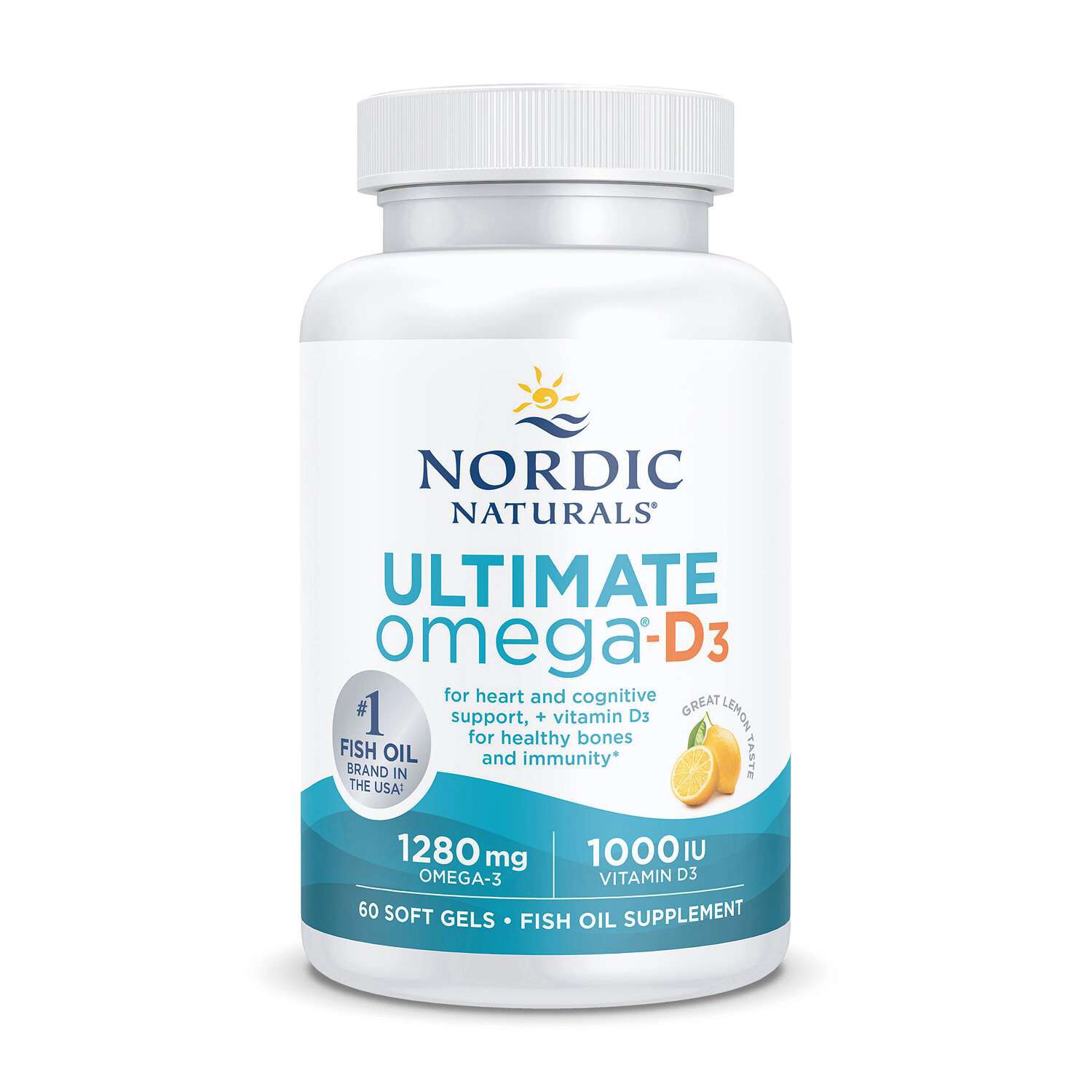

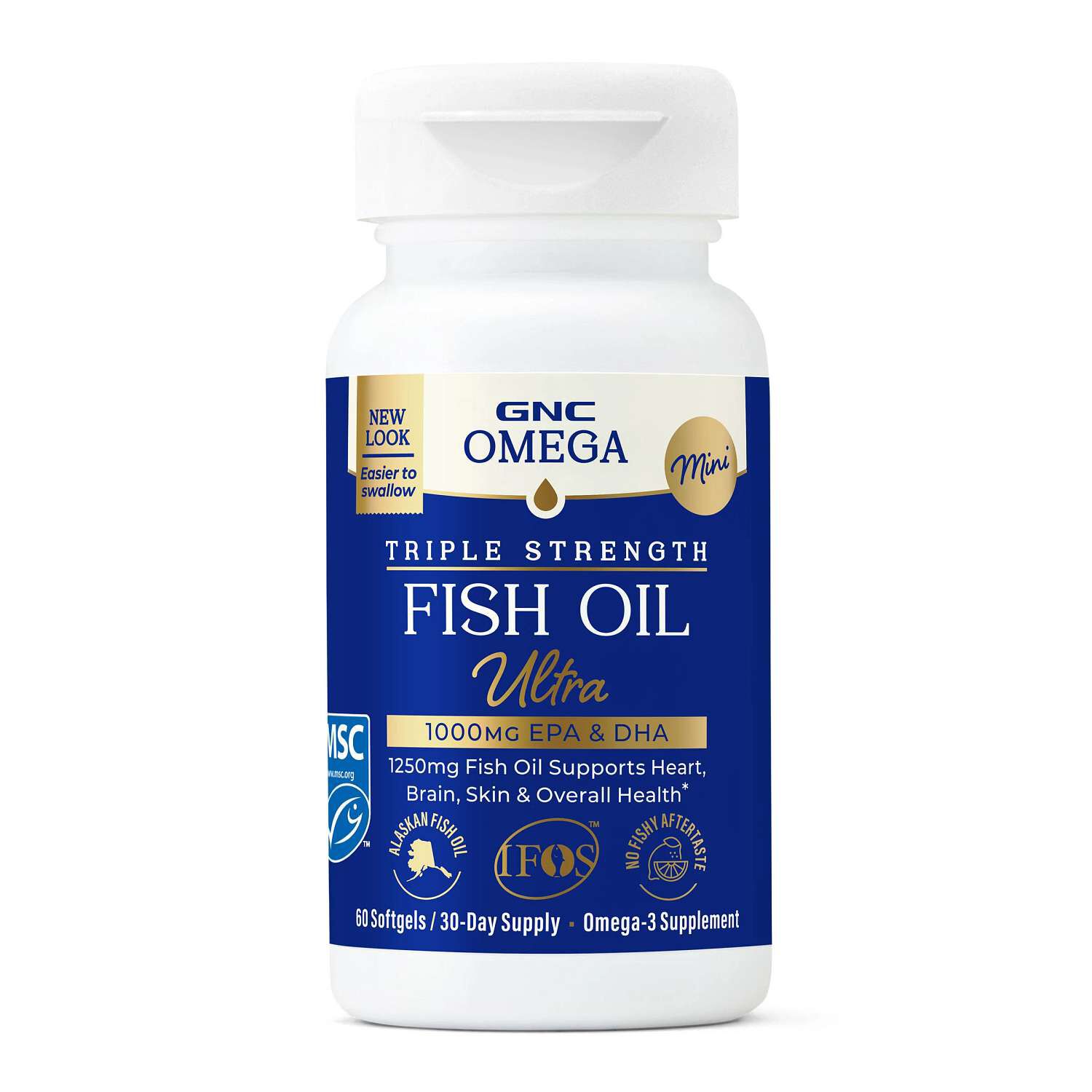
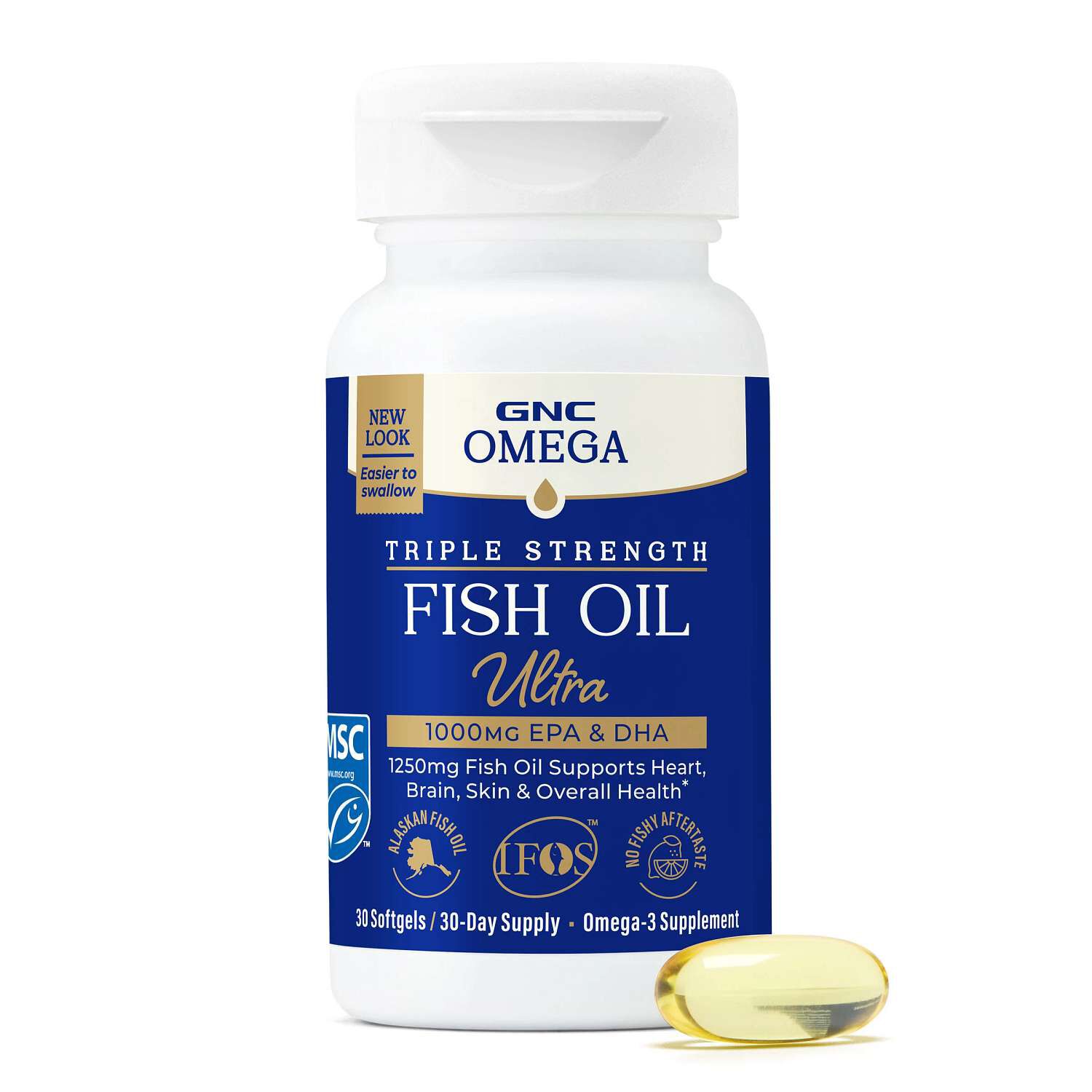
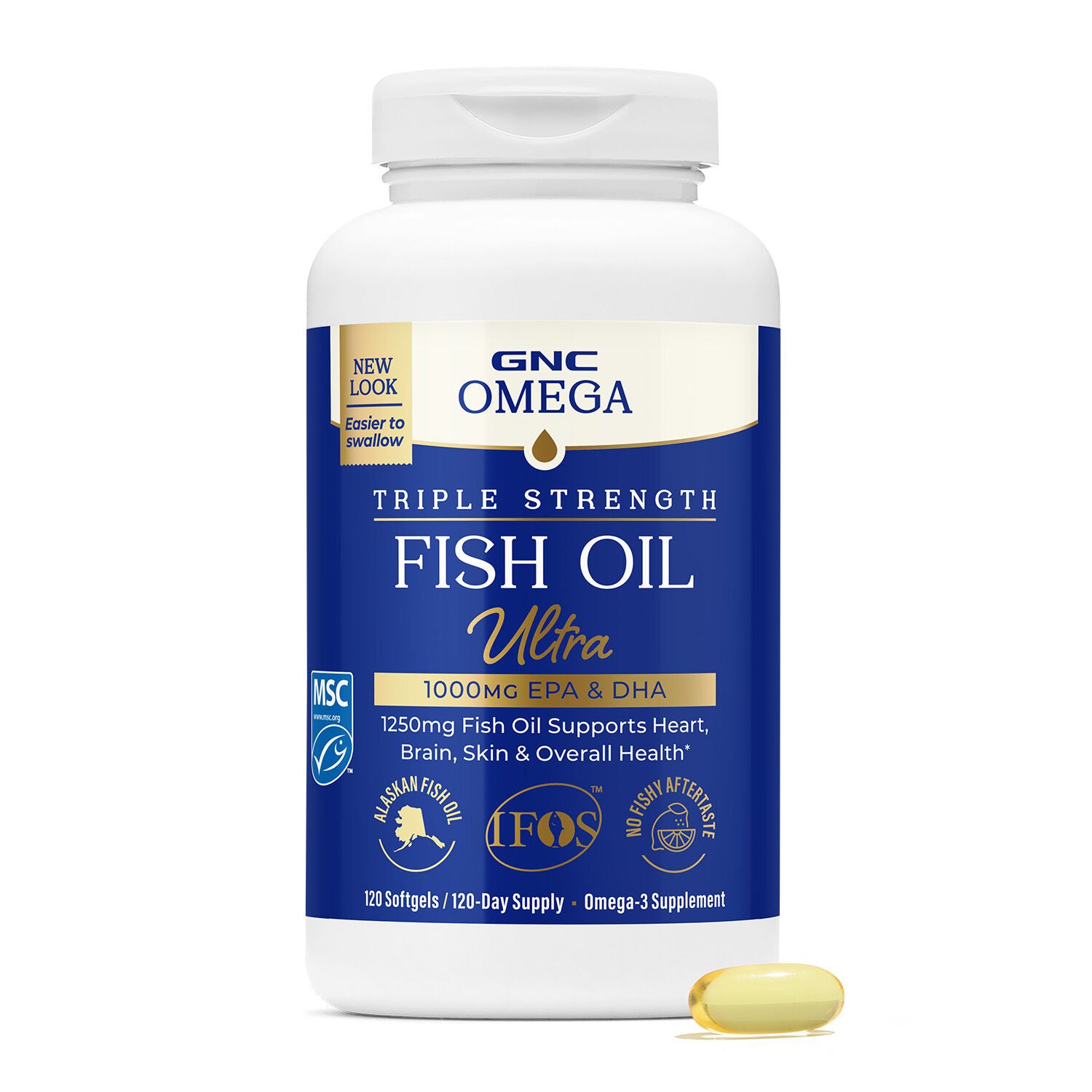
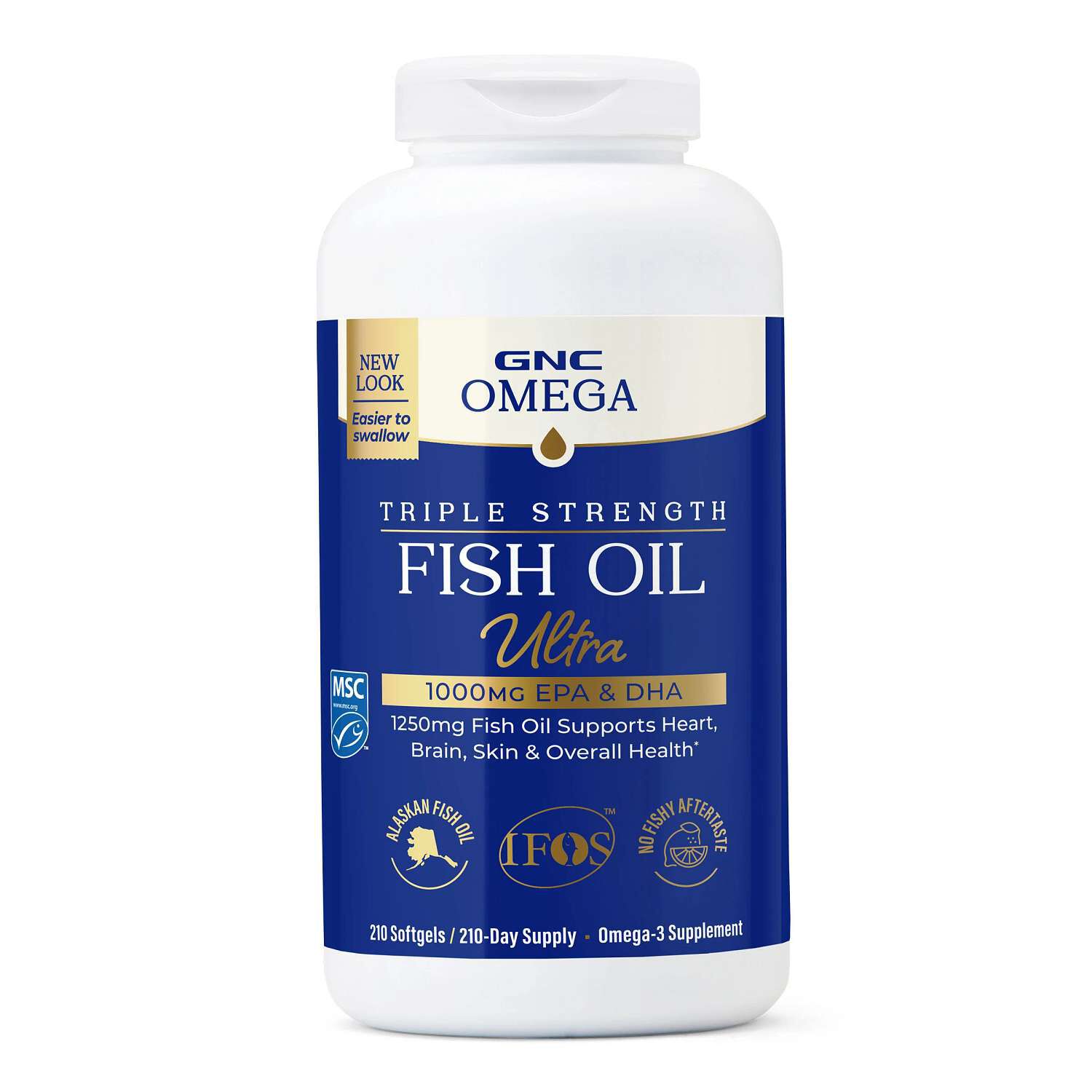
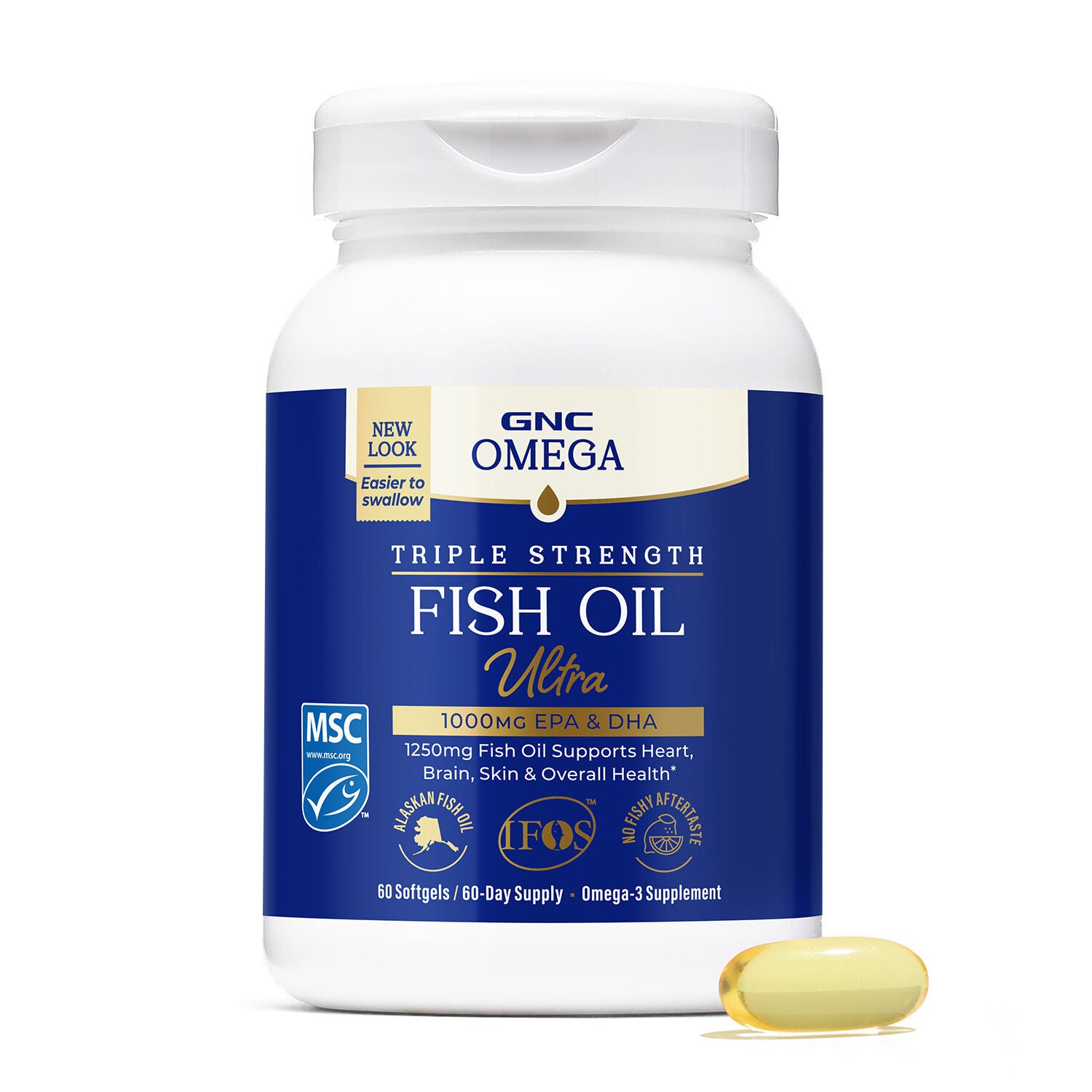
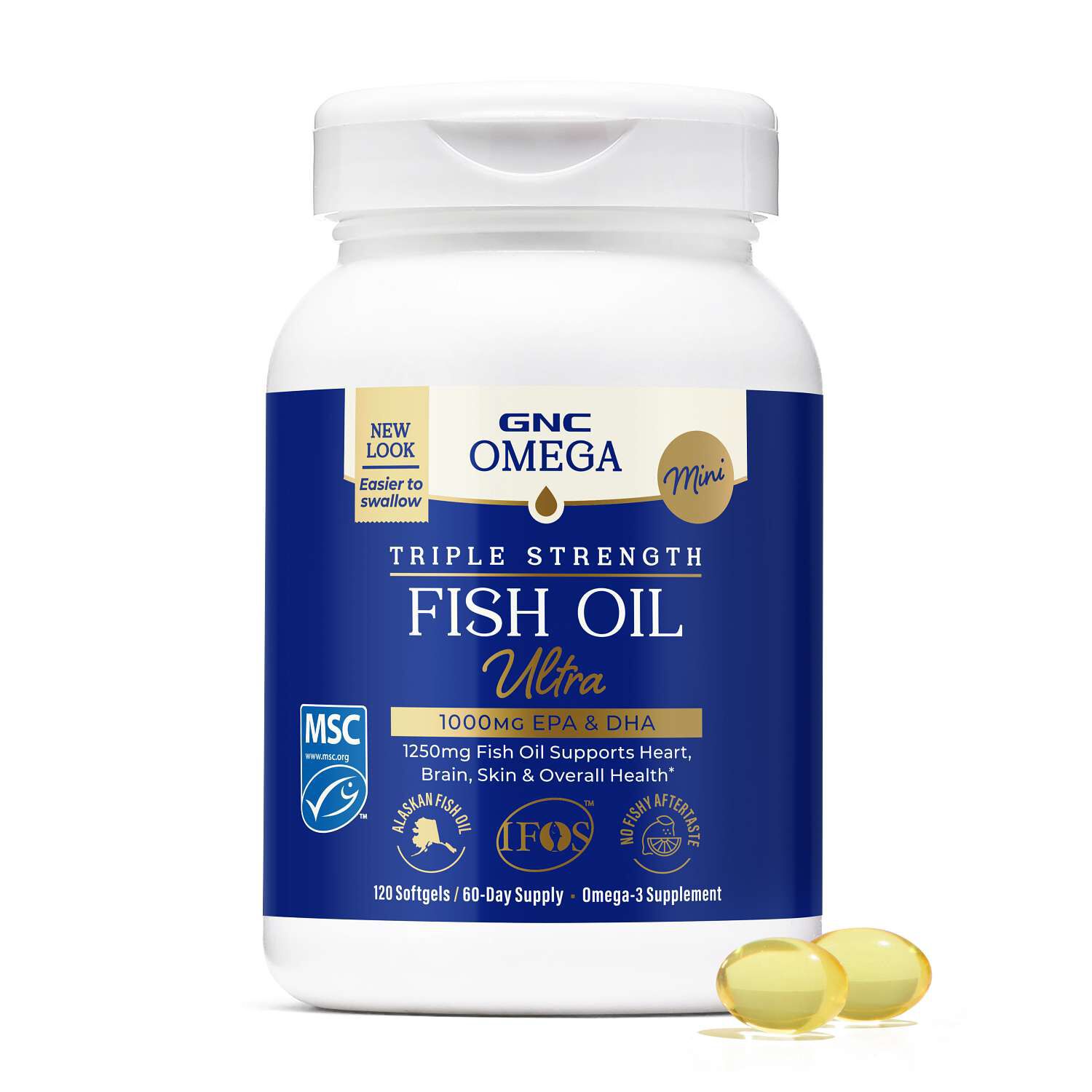
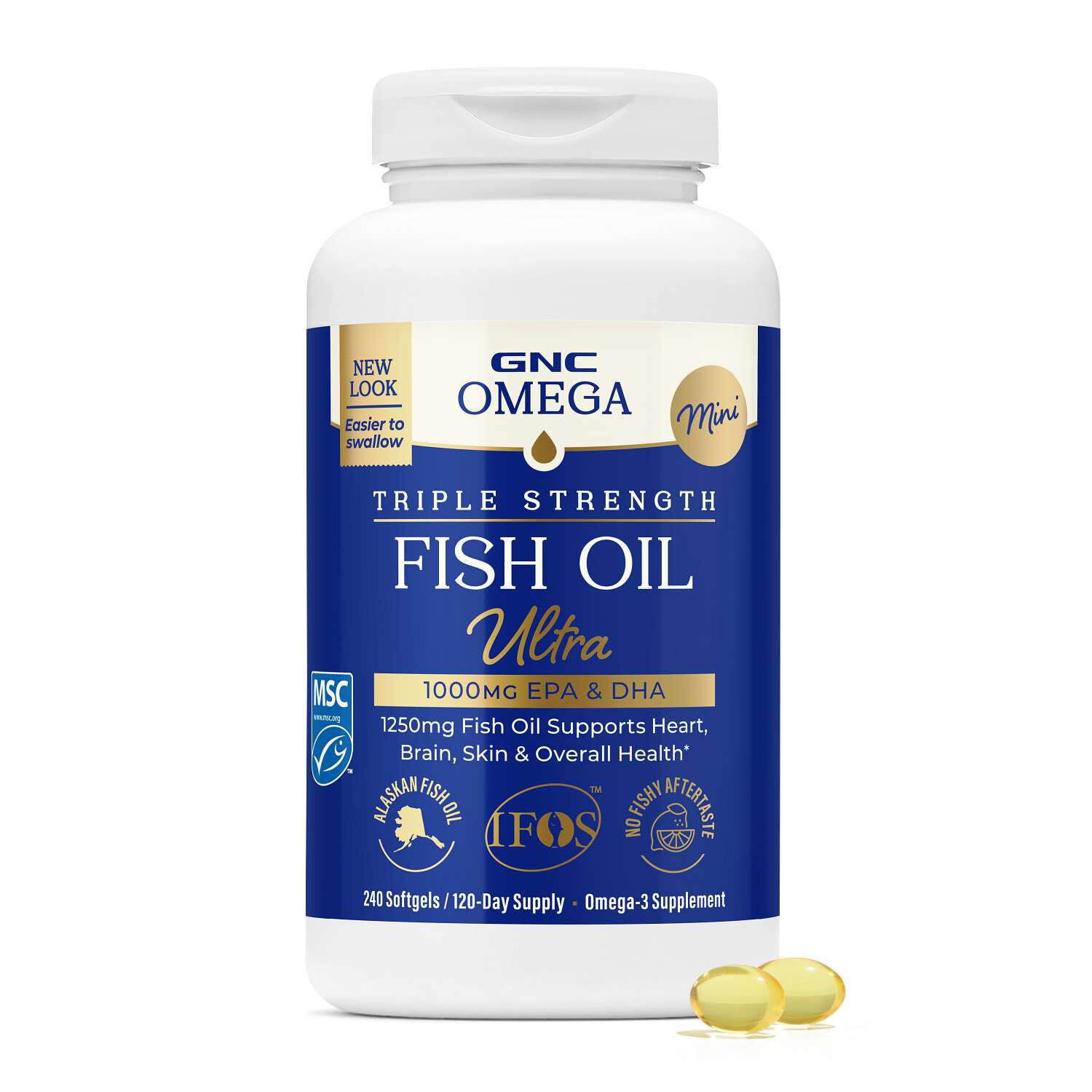

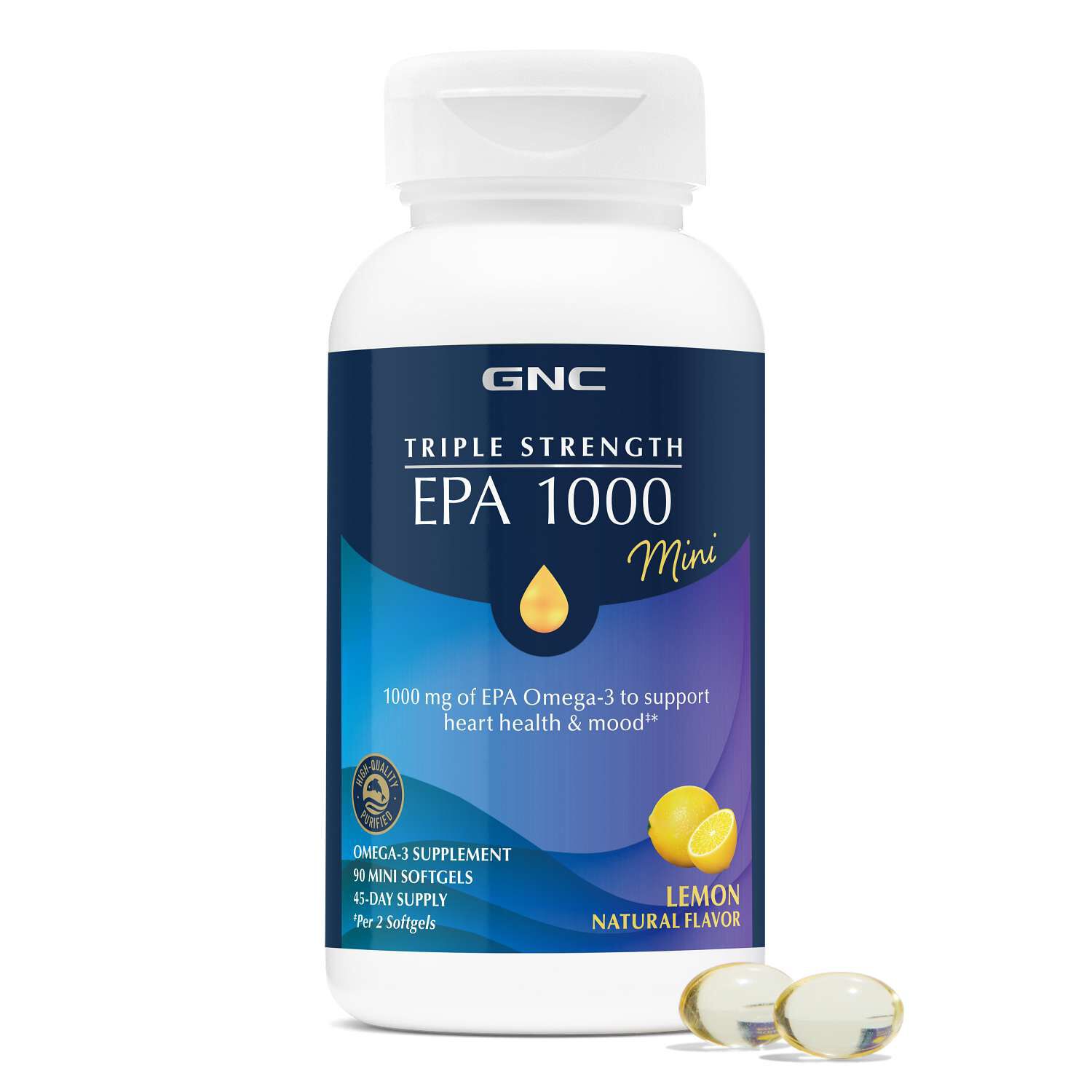

Herbal omega fatty acid supplements center on oils from seeds and other botanical sources, while related plant-based omega formulas also include oils derived from algae. The source matters because different oils provide different fatty acids, even when their names appear together in the same supplement category. Flaxseed oil, chia seed oil, and perilla seed oil are sources of alpha-linolenic acid, commonly abbreviated ALA, an omega-3 fatty acid. Algal oil offers a different omega-3 profile: depending on the formula, it supplies docosahexaenoic acid, or DHA, either alone or alongside eicosapentaenoic acid, or EPA. Although algae grow in aquatic environments, algal oil does not come from fish. That distinction is useful for shoppers seeking an omega supplement made without fish-derived oil. ALA, EPA, and DHA belong to the same omega family, but they are not interchangeable ingredients. The body converts some ALA into EPA and DHA, and that conversion is limited and varies among individuals. An ALA-focused seed oil therefore differs from an algal formula that directly supplies DHA or EPA. Other botanical oils bring different fatty acid profiles to the category. Evening primrose oil and borage seed oil contain gamma-linolenic acid, abbreviated GLA, which belongs to the omega-6 family. Olive oil contains oleic acid, an omega-9 fatty acid, while flaxseed oil contains a mixture of fatty acids beyond ALA. Formulas combining several oils bring these sources together in proportions that vary by label. An omega-3-6-9 description identifies the fatty acid families represented; it does not mean that each appears in equal amounts. The ingredient list and Supplement Facts panel offer a clearer picture of the formula than the category name alone. For shoppers comparing herbal omega supplements, the most meaningful distinction is often the named fatty acid and its source, rather than the number of oils included. A single-source formula has a narrower ingredient profile, while a blended formula combines several sources in one serving.
Format, capsule materials, and serving size also distinguish plant-based omega fatty acid supplements. Oil-filled softgels enclose a measured portion of oil, while liquid formats use a measured serving poured from a bottle. A liquid formula may suit someone who prefers to avoid capsules, although its flavor, measuring requirements, and storage directions become part of the everyday routine. Softgels have their own practical details, including capsule dimensions and the number required for a labeled serving. One serving is not necessarily one softgel, and two bottles with similar front-label numbers may provide different amounts per serving. The weight of an oil is also different from the amount of a particular fatty acid within that oil. For example, the milligrams listed for flaxseed oil do not represent an equal number of milligrams of ALA, and the weight of algal oil does not necessarily equal its DHA content. Labels that state individual fatty acid amounts make that distinction easier to follow. Capsule shells deserve attention alongside the oil itself. A formula made with botanical oil is not automatically vegan or vegetarian, because some softgels use animal-derived gelatin. Other capsule shells use plant-derived materials, with the specific composition identified in the ingredient information. Flavorings, colors, and other added ingredients also vary. A shopper following a vegan eating pattern may prefer a clearly labeled vegan formula, while someone avoiding a particular ingredient will need the full ingredient statement rather than a front-label description alone. Fish and other allergen statements remain relevant even when the featured oil comes from a plant or algae. These details matter for adults whose food preferences, ingredient restrictions, or household routines shape their supplement choices. Someone who already uses ground flaxseed in breakfast foods, for instance, may be comparing a concentrated oil format with an existing food habit. Another shopper may be interested specifically in algae-derived DHA rather than a seed-oil blend. Those are different preferences, and a supplement’s source, serving information, and capsule composition help distinguish them without relying on broad category language.
Processing and packaging add another layer of context when comparing herbal omega fatty acid supplements. Cold-pressed describes an extraction method; it does not, by itself, establish the amount of ALA, GLA, DHA, or EPA in a serving. Likewise, an organic designation or a statement about genetically modified ingredients addresses a different attribute from fatty acid composition. Information about testing is most useful when it identifies what was evaluated, such as ingredient identity, fatty acid content, or specified contaminants. A general quality statement offers less detail than a clearly described testing practice. Oils also require attention to storage because exposure to air, light, and heat may contribute to oxidation over time. Bottle directions establish the intended storage conditions, including whether refrigeration is specified after opening. Keeping the original container preserves access to the serving directions, ingredient information, lot identification, and date markings. For liquid oils, the closure and measuring method are practical parts of everyday use; for softgels, the container’s directions remain relevant even when each portion is individually enclosed. Package size is another useful consideration because the number of servings, rather than the capsule count alone, shows how long a bottle fits a routine. A large capsule count may represent fewer servings than expected when several capsules make up one serving. Broader source comparisons are also available within Fish Oil and Plant Oil Omega Supplements, where fish-derived and botanical oil categories offer additional context for ingredient preferences. Within herbal and plant-based selections, the clearest comparisons stay grounded in the same concrete details: the oil source, named fatty acids, amount per serving, capsule materials, and storage requirements. Together, these attributes describe what is inside the bottle and how the format fits an established routine. Whether the preference is a straightforward seed oil, an algae-derived omega-3 formula, or a blend of botanical oils, the label provides the most specific description of its composition and intended use.
Best Sellers
-
 Nordic Naturals
-
 Nordic Naturals
-
 Nordic Naturals
Related Pages
Top Collections
- Zinc Supplements | Top Brands at Great Prices | GNC
- Cortisol Supplements
- NAD+ Supplement Tablets
- Top Rated Collagen | Shop Customer Favorites | GNC
- Best Brand of Magnesium Glycinate
- Peptide Supplements
- Vitamins That Help Support Weight Gain
- Protein Powders For Muscle Growth Support
- Vitamins For Hair Loss
- Peptide Supplements for Muscle Growth