





Fatty Acids
(0 Results)
Fatty acids are essential nutrients that play a key role in supporting overall wellness as part of a balanced lifestyle. Whether you’re looking to complement your daily nutrition or exploring new ways to support your health goals, adding fatty acids to your routine could be a convenient option. Discover a variety of fatty acid supplements designed to fit into your everyday regimen and help you take the next step on your wellness journey.
-

-

-
-

-

-

-
-

-
-

-
-
-
-
-

-
-
-
-
-

-
 $24.99
-
 $23.99
-
 Portions Master$25.99
-
 $24.99
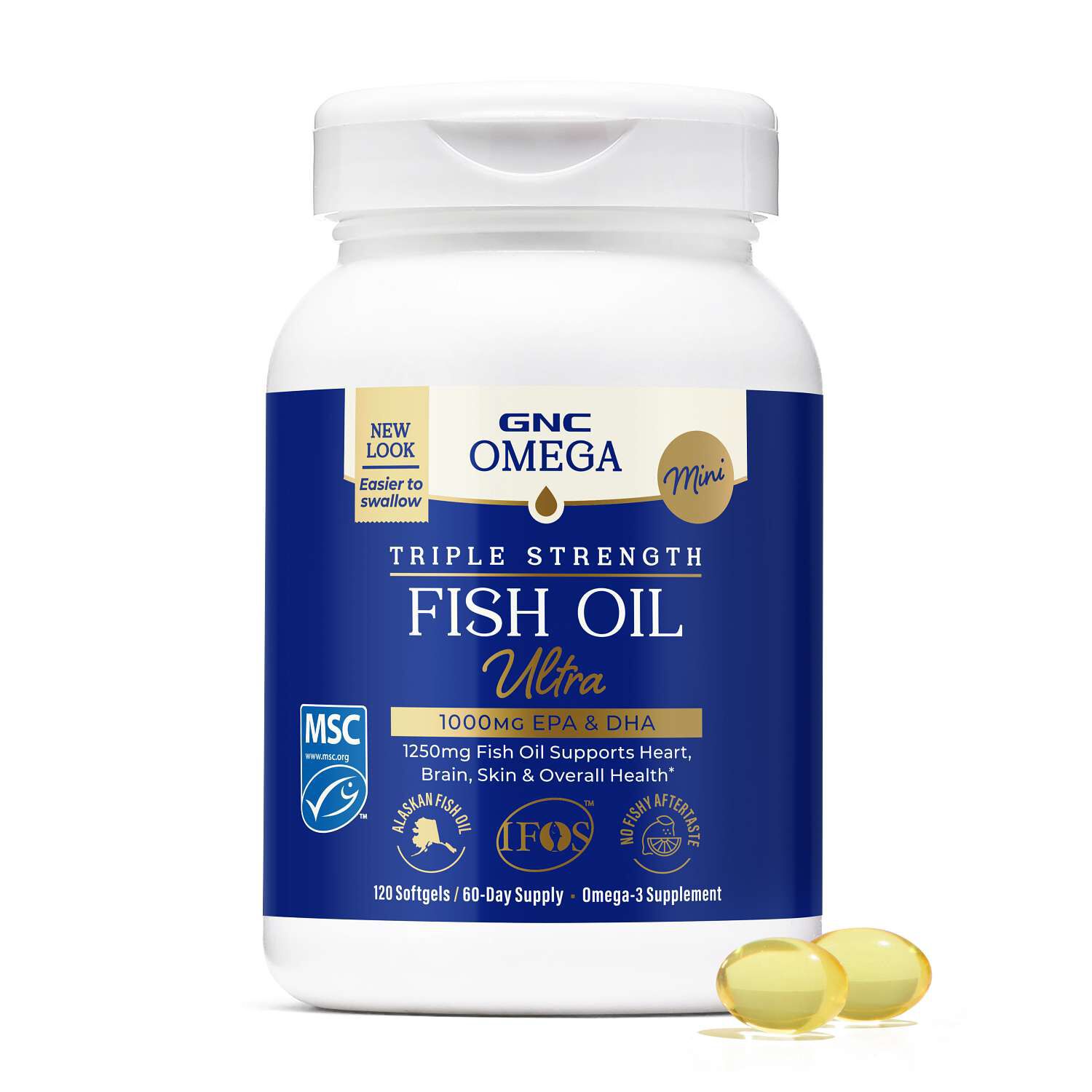
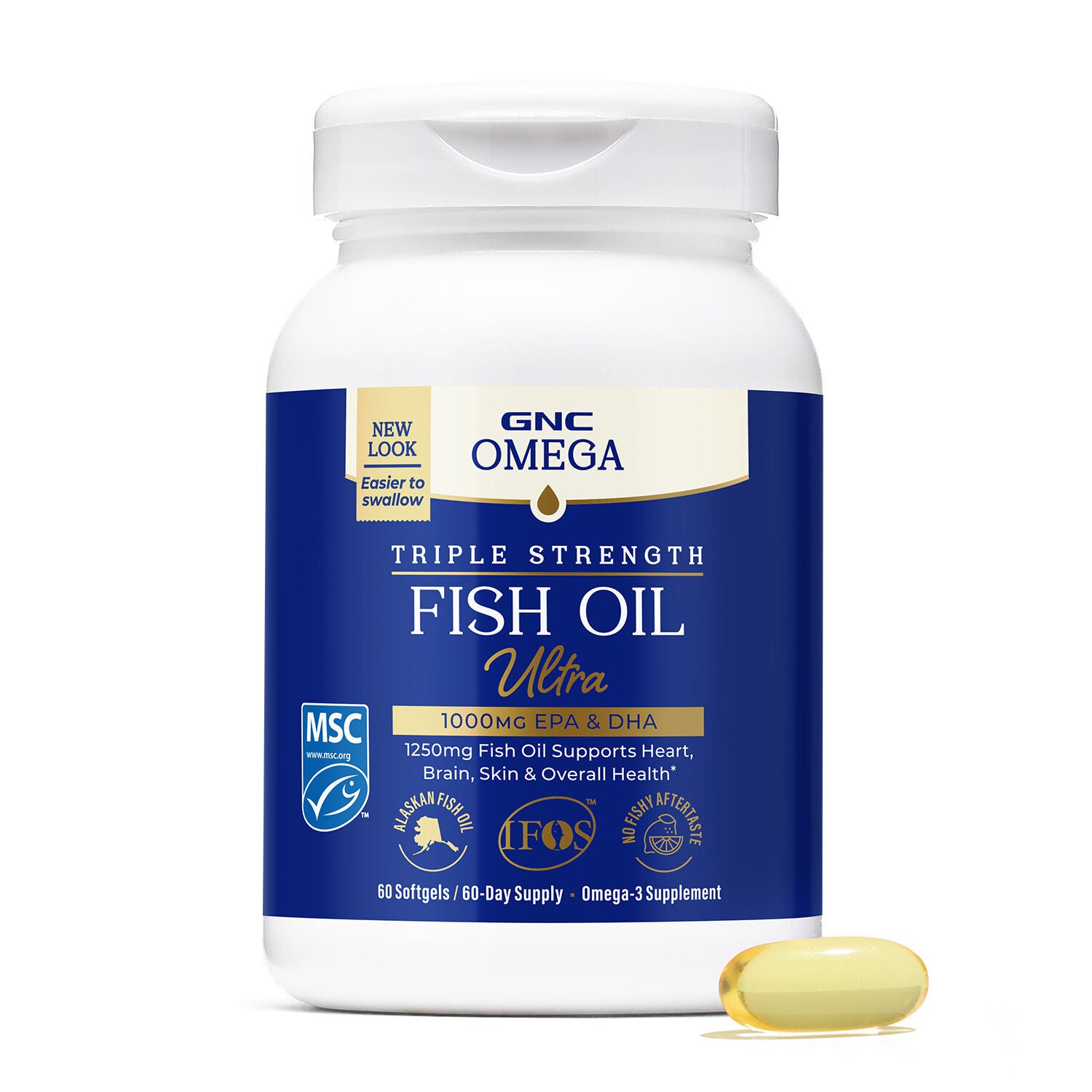
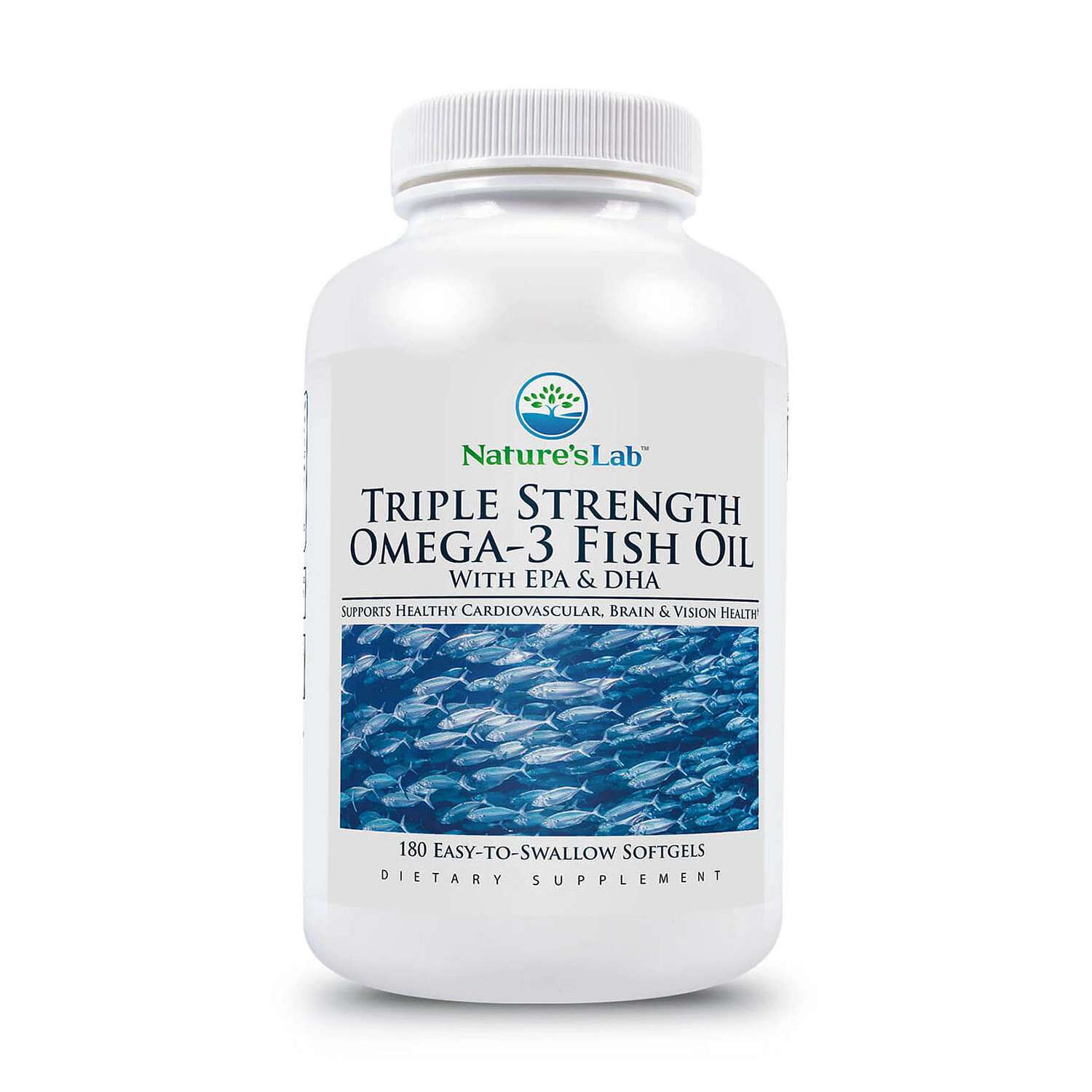
Fatty acids are carboxylic acids with hydrocarbon chains and a terminal carboxyl group (–COOH). They are building blocks of many lipids, including triglycerides, which make up much of the fat in foods and oils. Although the terms are closely related, a dietary oil is generally a mixture containing different fatty acids rather than one isolated compound. Fatty acid supplements bring that variety into several familiar formats, from oil-filled softgels to bottled liquids. Understanding the names on these products starts with their chemical structure: saturated fatty acids have no carbon-to-carbon double bonds, while unsaturated fatty acids have one or more. Monounsaturated fats have one such bond, and polyunsaturated fats have more than one. The omega designation identifies the position of the first double bond when counted from the methyl end of the chain. Within the Omega 3 Acids category, three commonly discussed fatty acids are alpha-linolenic acid, or ALA; eicosapentaenoic acid, or EPA; and docosahexaenoic acid, or DHA. ALA occurs in foods such as flaxseed, chia seeds, and walnuts, while fish and certain algae are sources of EPA or DHA. These names describe distinct fatty acids, not interchangeable names for the same ingredient. Omega-6 fatty acids include linoleic acid, found in many seed oils, while oleic acid, a prominent fatty acid in olive oil, belongs to the omega-9 family. Some supplements focus on one family, and others combine oils with different fatty acid profiles. For shoppers, the practical distinction is often between a broad oil source and the particular fatty acids that source contains. Someone who already eats walnuts regularly may be interested in a different composition than someone comparing marine and algae-derived oils. A fatty acid supplement may complement dietary intake, but its source, composition, and serving format give a more useful picture than a large number on the front of a bottle alone.
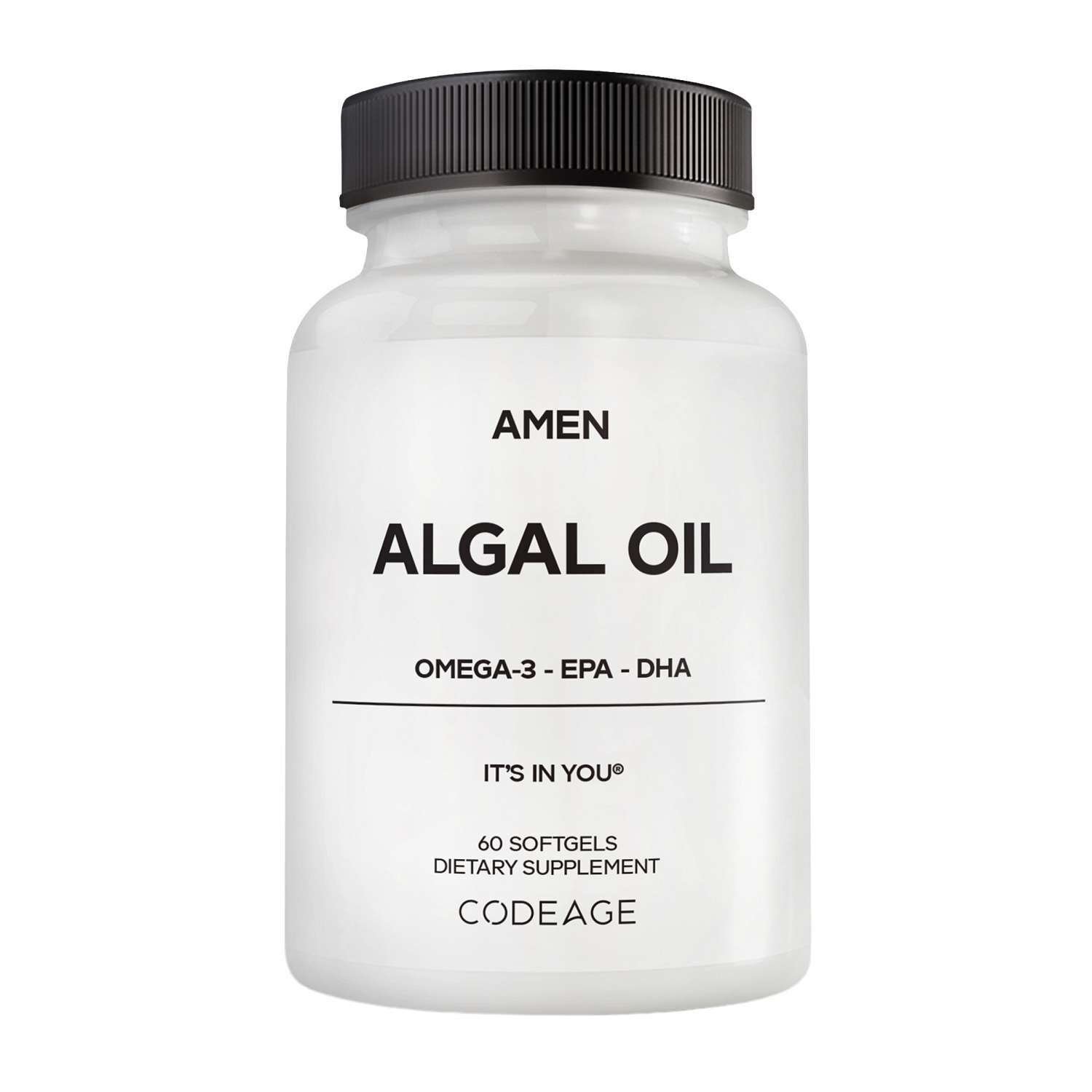
The source oil and the amount of each named fatty acid deserve separate attention when comparing fatty acid supplements. A stated quantity of fish oil, for example, is not necessarily the same quantity of EPA and DHA; those fatty acids account for portions of the oil. The Supplement Facts panel identifies serving size and declared ingredient amounts, making it possible to distinguish the amount of oil from the amounts of individual fatty acids. A serving may consist of one softgel, several capsules, or a measured quantity of liquid, so package comparisons are more meaningful when the serving information is considered alongside the front label. Some formulas identify EPA and DHA separately, while others describe a blend of oils or list additional fatty acids. Plant-derived does not always mean the same fatty acid profile, either: flaxseed oil primarily supplies ALA, whereas algae-derived oils may contain DHA, EPA, or both, depending on the formula. Evening primrose and borage oils are associated with gamma-linolenic acid, commonly abbreviated GLA, which belongs to the omega-6 family. These distinctions matter when the intended purchase is a particular fatty acid rather than simply an oil-based supplement. Capsule materials are another part of the comparison. Softgel shells may contain gelatin, glycerin, and water, while other capsule formats use different materials. The oil source alone does not establish whether every ingredient fits a vegetarian or vegan preference. Flavorings, colors, and other ingredients can also vary between formulations. For someone who prefers a short ingredient list, those details may be as relevant as the oil itself. For a shopper who dislikes flavored supplements, an unflavored format might be a better everyday fit. Fish-derived ingredients also make the allergen statement relevant to the purchase. Source descriptions, ingredient lists, and any clearly identified independent testing information provide concrete details for comparison without relying on broad descriptions of quality. Such information is most useful when it states what was assessed, rather than leaving the shopper to infer what a testing statement means.
Format often determines how comfortably fatty acid supplements might fit into an established routine. A softgel offers a contained portion without a measuring utensil, while a bottled liquid involves measuring the serving described on its label. Someone who keeps supplements in a kitchen cabinet may prefer a different package than someone who carries a bottle between home and the office. Capsule dimensions, serving count, bottle size, and closure design are practical considerations, especially when a serving involves more than one softgel. Liquid products may have a noticeable oil texture or flavor, and flavored versions differ in their ingredient lists. These are matters of personal preference rather than evidence that one format is universally better. Intended use also helps distinguish options: a shopper seeking a marine-derived fatty acid profile may compare EPA and DHA amounts, while someone avoiding fish ingredients may focus on algae-derived oils and capsule materials. A mixed omega formula may appeal to someone interested in several fatty acid families, although the blend name alone does not explain the amount of each component. Care and storage matter for oil-based products as well. Fatty acid oils can change with exposure to air, light, and heat, so package directions, a securely closed container, and the stated storage conditions are relevant to everyday handling. Some liquids have refrigeration instructions after opening; other formats have different requirements. The printed date and package seal provide additional details to check before use. A larger container is not automatically the most practical choice if its serving count does not suit the household’s purchasing habits. Packaging that protects the contents and remains easy to close may be more useful than an oversized bottle. Across fatty acid supplements, a thoughtful comparison comes back to a few tangible features: the oil’s origin, its named fatty acids, the amounts per serving, the surrounding ingredients, and a format that suits the person using it.
Best Sellers
-
Nordic Naturals
-
Nordic Naturals
-
Nordic Naturals

Top Collections
- Zinc Supplements | Top Brands at Great Prices | GNC
- Cortisol Supplements
- NAD+ Supplement Tablets
- Top Rated Collagen | Shop Customer Favorites | GNC
- Best Brand of Magnesium Glycinate
- Peptide Supplements
- Vitamins That Help Support Weight Gain
- Protein Powders For Muscle Growth Support
- Vitamins For Hair Loss
- Peptide Supplements for Muscle Growth