





Omega 3 Acids
(0 Results)
Omega 3 acids are popular nutrients that many people choose to include in their daily routines. Found in a variety of foods and available as dietary supplements, omega 3 acids may support overall wellness as part of a balanced lifestyle. Whether you are looking for softgels, liquids, or chewables, there are plenty of options to explore. Discover a wide selection of omega 3 acids that could fit your nutritional needs and preferences.
-
-

-

-
-

-

-

-
-
-
-

-
-
-
-

-

-
-
-
 $24.99

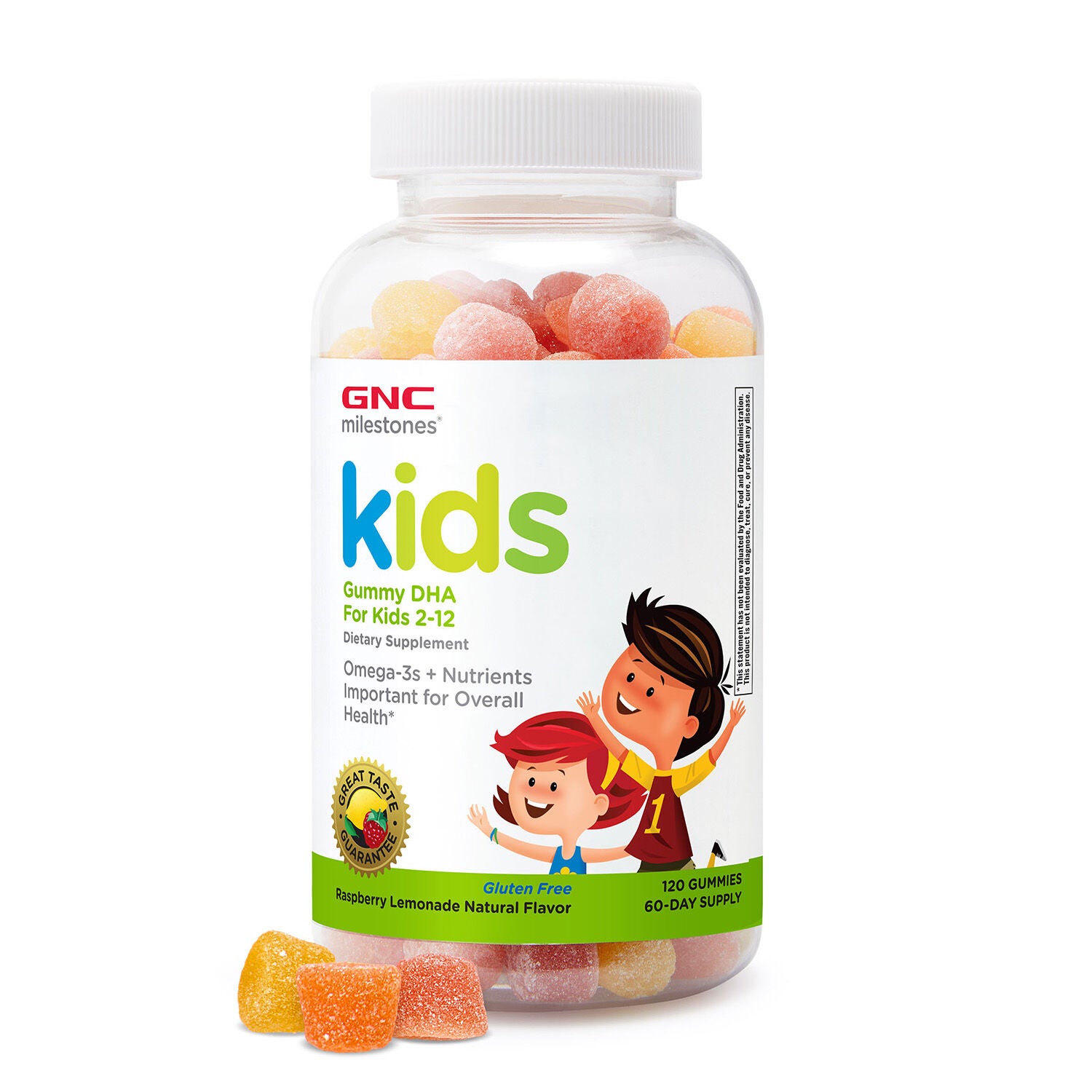
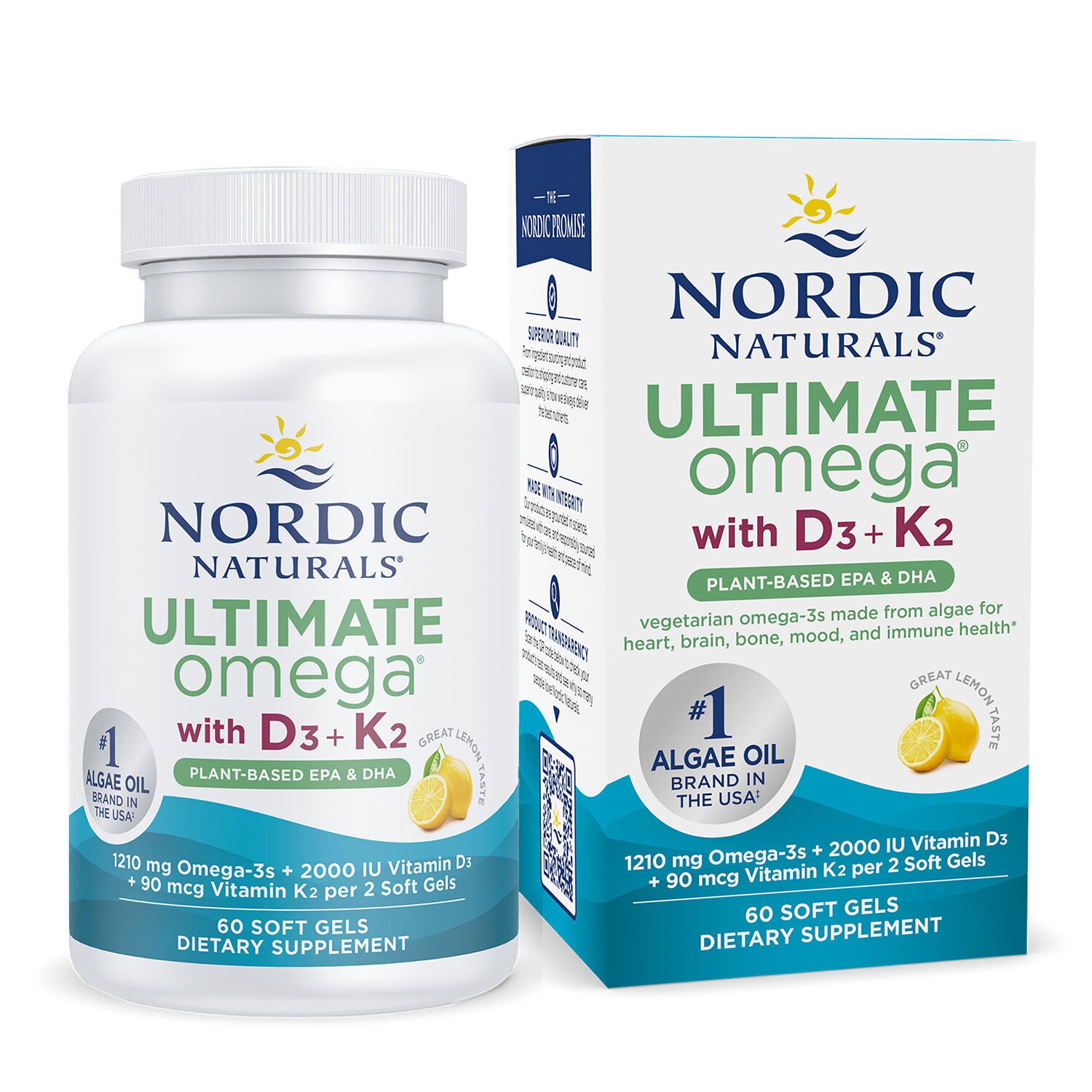
Omega-3 fatty acids are polyunsaturated fats found in foods and dietary supplements. The three most familiar types are alpha-linolenic acid, or ALA; eicosapentaenoic acid, or EPA; and docosahexaenoic acid, or DHA. ALA is a fat the body cannot make on its own, so it comes from dietary sources such as flaxseeds, chia seeds, walnuts, and certain plant oils. EPA and DHA occur in fish and other marine sources, including algae. These distinctions matter when browsing omega-3 supplements because the source of an oil helps explain which fatty acids it contains. Fish oil commonly supplies EPA and DHA, while flaxseed oil is associated with ALA. Algal oil formulas may contain DHA, EPA, or both, depending on their composition. The words “omega-3” therefore describe a family of fats rather than a single ingredient with the same makeup in every bottle. Supplements in this category come in softgels, capsules, liquids, and chewable formats, with differences in serving size, flavor, and ingredient composition. A person who enjoys salmon or sardines regularly may approach the category differently from someone whose meals center on beans, grains, and vegetables. Neither eating pattern tells the whole story of a supplement, however; the details remain on the label. For shoppers following a vegetarian or vegan eating pattern, both the oil source and the capsule shell deserve attention. An algae-derived oil does not, by itself, establish that every other ingredient is plant-derived. Gelatin, flavorings, and other components can vary by formula. Fish-derived options also differ in the species used and the information provided about sourcing. Understanding those basic distinctions gives omega-3 fatty acid supplements useful context without treating every oil, serving, or format as interchangeable. It also keeps the focus on what a formula actually contains rather than on the size of its bottle or the prominence of a number on the front label.
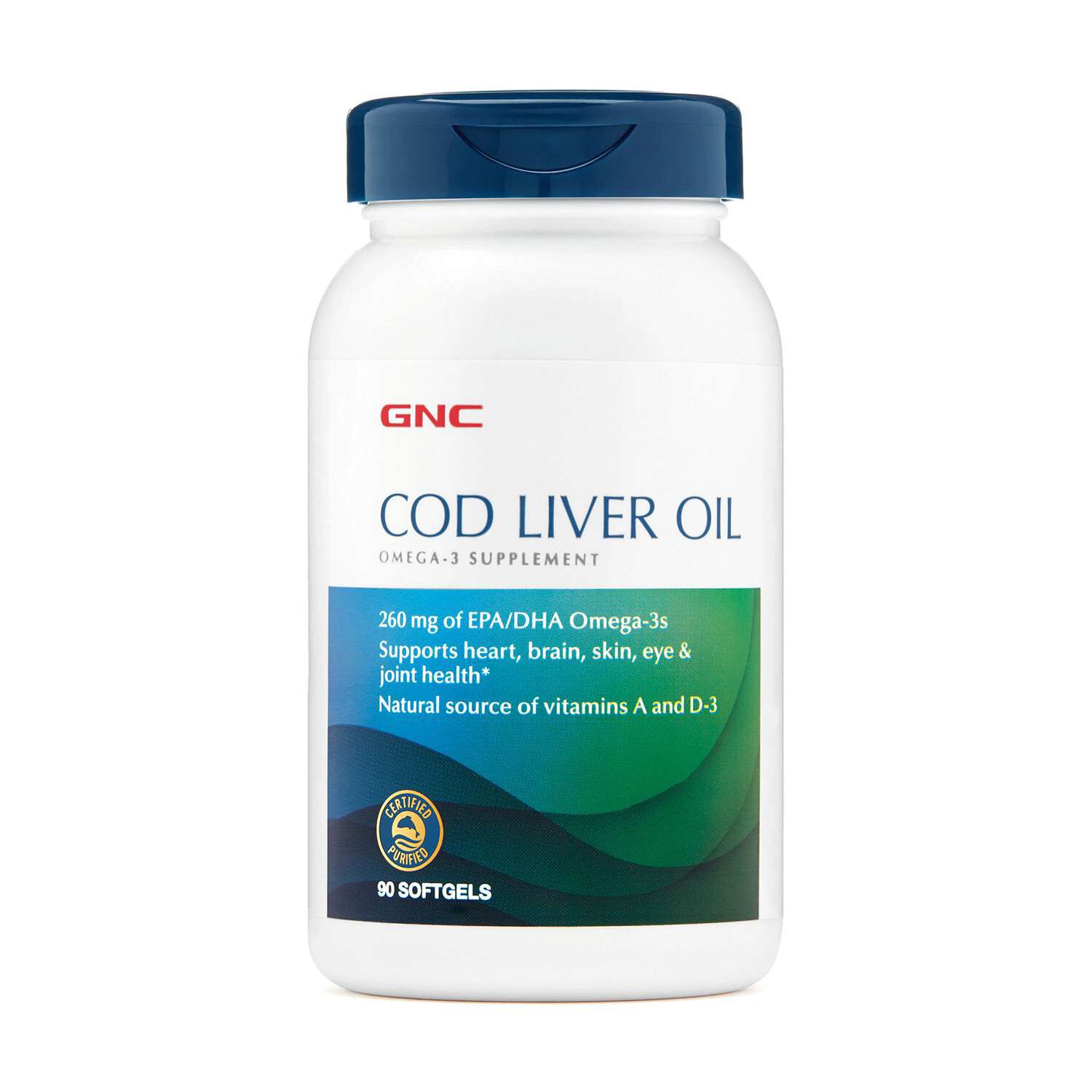
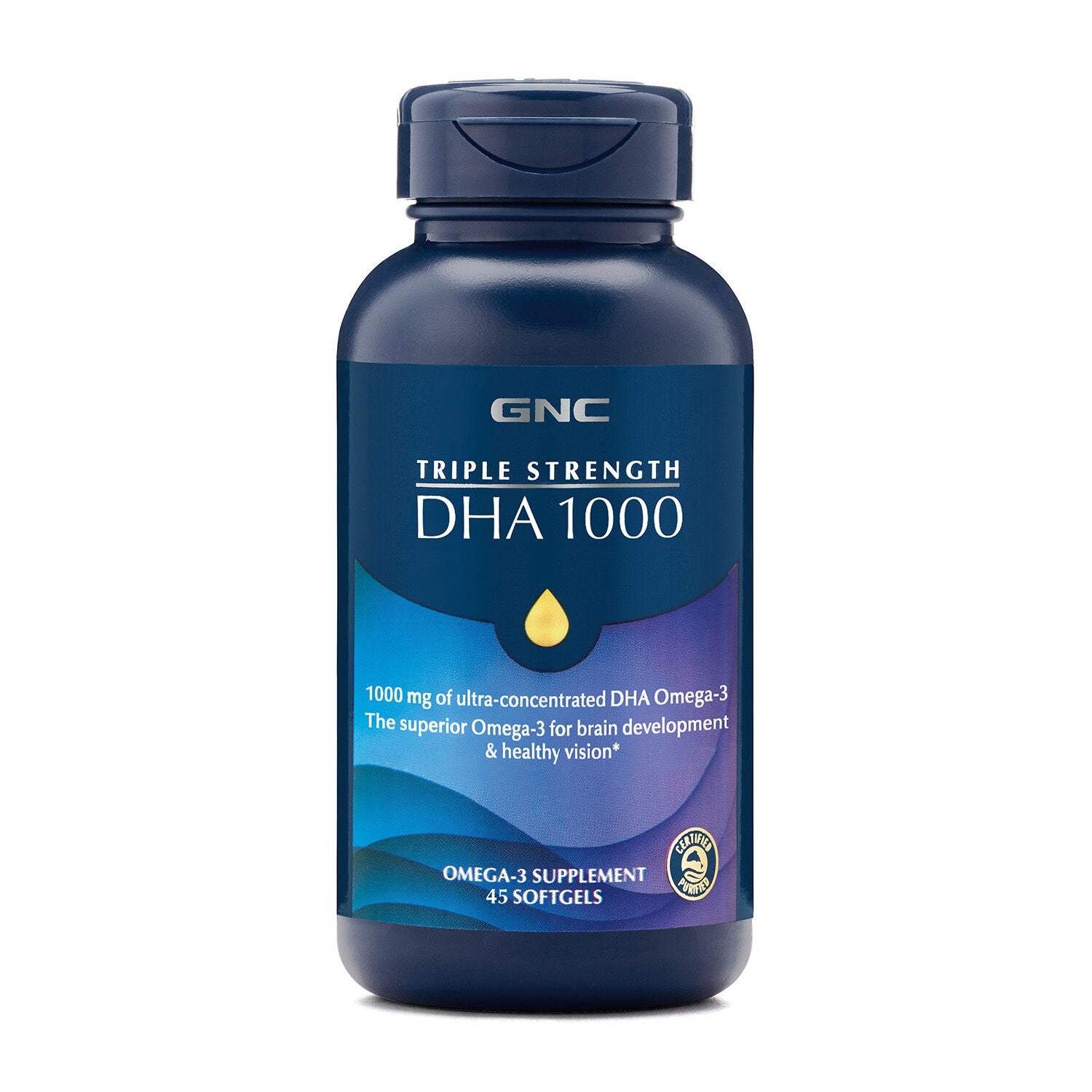
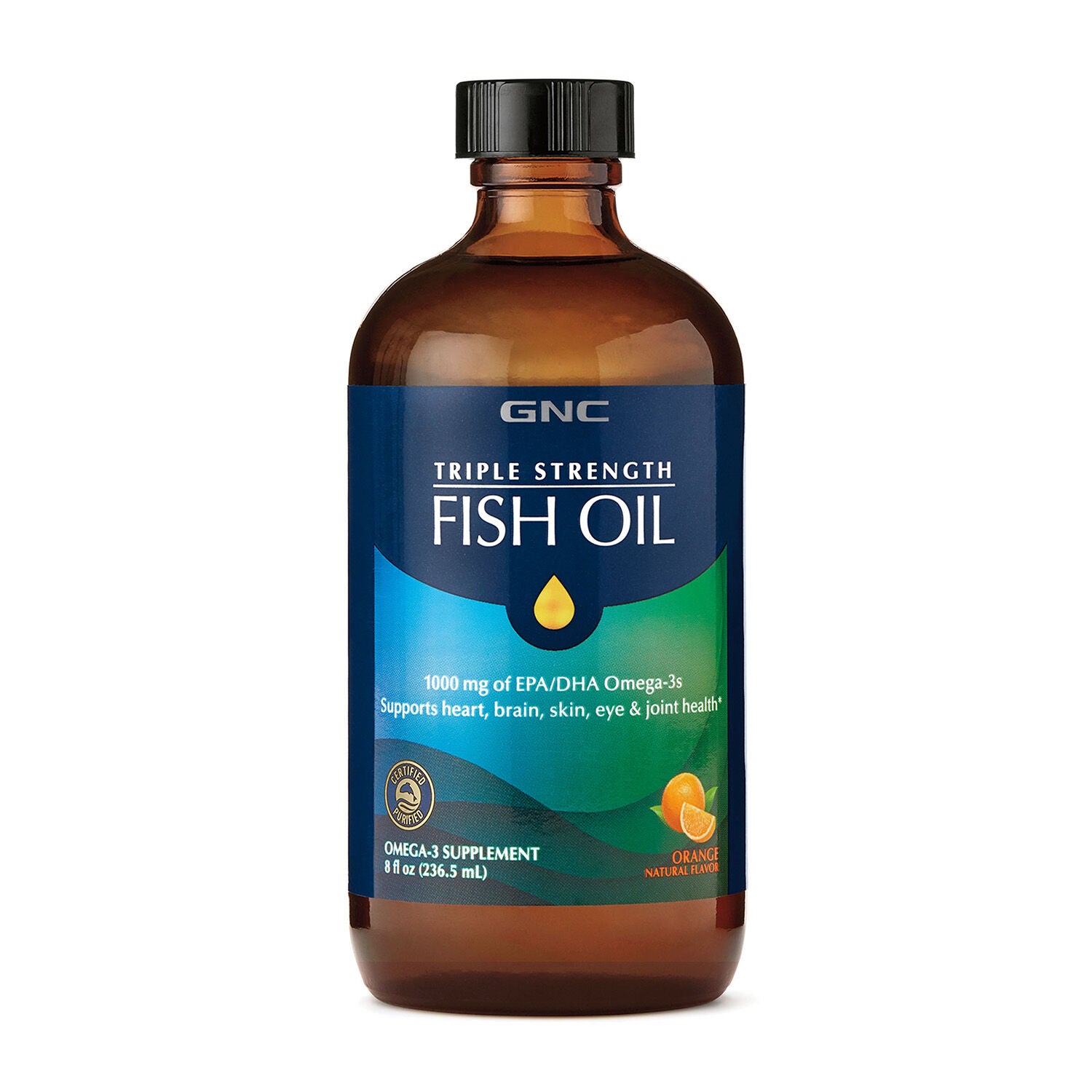
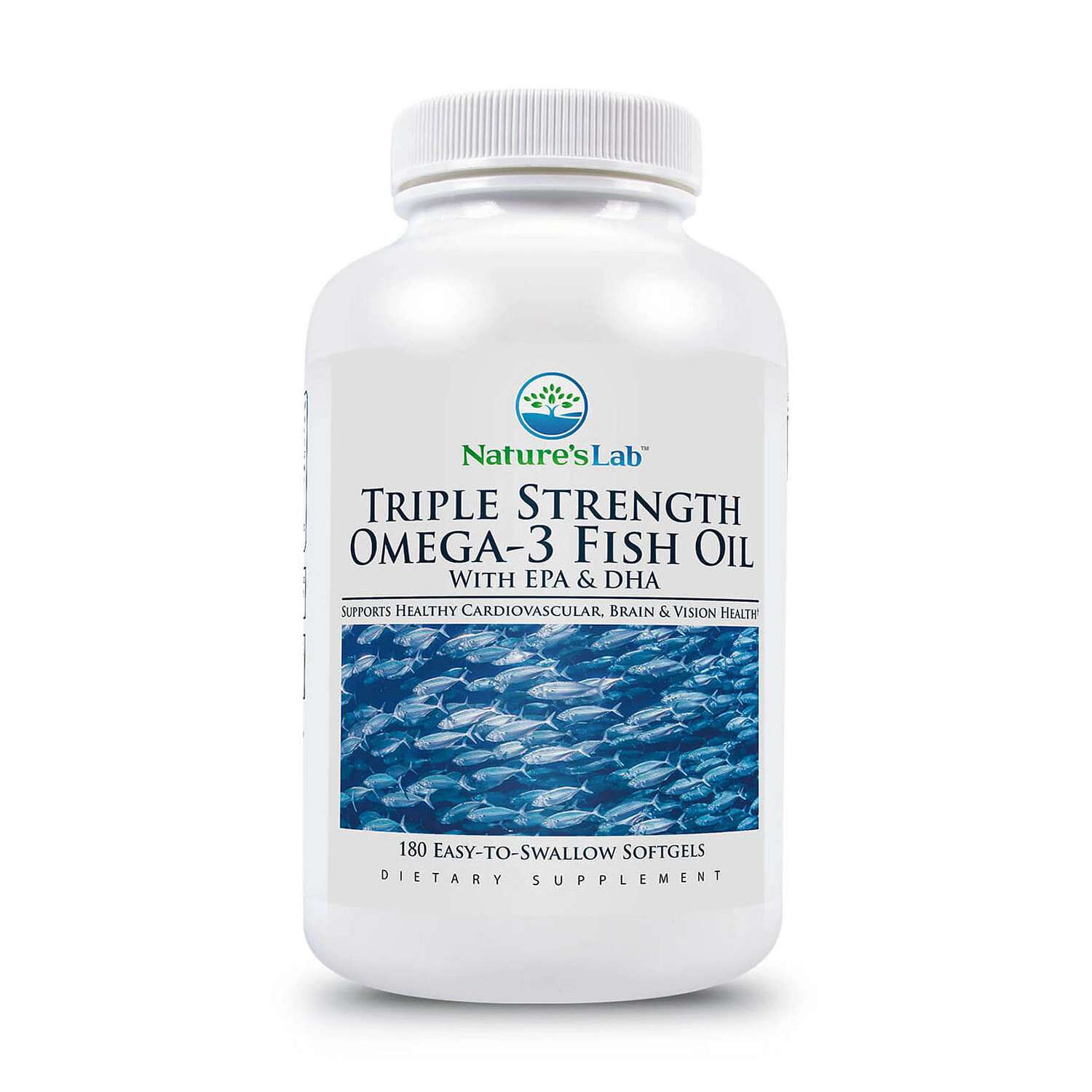
The amount of oil in a serving is not necessarily the same as the amount of omega-3 fatty acids it supplies. A fish oil serving can contain EPA and DHA alongside other fats, so the Supplement Facts panel offers a more detailed picture than an oil-weight statement alone. Some labels list EPA and DHA separately, while others also identify additional omega-3 fatty acids. The stated serving size matters just as much: amounts listed for two softgels are not amounts for one softgel. For liquids, the serving is usually expressed as a measured volume. Comparing formulas on the same serving basis makes differences in composition easier to understand, especially when one bottle emphasizes oil content and another emphasizes EPA or DHA. Ratios vary, too. An EPA-focused formula has a different composition from a DHA-focused formula, even when their combined omega-3 amounts appear similar. Blended oils introduce another distinction because they may contain other fatty acid families alongside omega-3s. Those ingredients belong in the comparison rather than being counted automatically as omega-3 content. Beyond the nutrient panel, the ingredient list describes the capsule shell, added flavors, sweeteners, and other components used in the finished format. A citrus-flavored liquid, for example, has a different sensory profile from an unflavored oil or a softgel. Clear fish and shellfish declarations are another relevant detail for shoppers with ingredient restrictions. Quality information can include named testing organizations, sourcing descriptions, and explanations of what a testing program evaluates. A seal is more informative when its meaning is explained rather than left to interpretation. Some manufacturers also publish testing documentation associated with a lot number. Such information adds context about the contents and manufacturing process, but it does not describe an individual experience with a supplement. The most useful product descriptions connect the source, serving size, fatty acid amounts, and supporting documentation in language that is straightforward to compare.
Format and packaging are practical parts of shopping for omega-3 acids, particularly when a supplement needs to fit an established daily routine. Someone who packs lunch before an early commute may prefer the simplicity of a capsule format, while someone who keeps supplements beside a breakfast bowl may be more interested in a measured liquid. A person who dislikes swallowing larger capsules may find a smaller format more suitable, although serving counts can differ. Softgel dimensions are not always apparent from a bottle photograph, making any stated size information valuable. Liquid formulas involve a different set of details, including flavor, measuring instructions, and care after opening. Chewable formats have their own texture and ingredient considerations, including the presence of sweeteners. These differences are about personal preference and intended use, not a single format being right for everyone. Package design matters as well: a secure closure, readable label, and clearly marked date contribute to the everyday handling of a supplement. Storage directions vary, and some oils have specific instructions once opened. Original packaging preserves access to the ingredient list, serving directions, lot number, and date information; those details can be lost when capsules are transferred to an unmarked container. Exposure to moisture and direct light is another reason to pay attention to the manufacturer’s storage directions rather than treating every bottle alike. For a shared household, distinct packaging and legible labels may make different formulas easier to tell apart. Bottle quantity also deserves to be read alongside serving size, since the number of capsules does not necessarily equal the number of servings. Across this category and the related Advanced Omega 3 selection, the most meaningful distinctions remain concrete: where the oil comes from, which omega-3 fatty acids it contains, how much a labeled serving supplies, and what the format requires for everyday handling. Those details give shoppers a grounded way to browse omega-3 supplements according to their dietary preferences and routines.
- Q: What are omega-3 fatty acids?
A: Omega-3 fatty acids are important polyunsaturated fats that play a crucial role in supporting heart, brain, and joint health. They are commonly found in fish oil, flaxseed oil, and certain plant sources. - Q: What are the main types of omega-3s found in supplements?
A: The primary types of omega-3s in supplements are EPA (eicosapentaenoic acid), DHA (docosahexaenoic acid), and ALA (alpha-linolenic acid). EPA and DHA are typically sourced from fish oil, while ALA is found in plant-based sources like flaxseed. - Q: How can I add more omega-3s to my diet?
A: You can increase your omega-3 intake by consuming fatty fish such as salmon, mackerel, or sardines, adding chia seeds or walnuts to meals, or by taking an omega-3 supplement. - Q: Are there vegetarian or vegan sources of omega-3 supplements?
A: Yes, there are vegetarian and vegan omega-3 supplements available. These often use algae oil as a source of DHA and EPA or flaxseed oil for ALA. - Q: Can I take omega-3 supplements with other vitamins or minerals?
A: Omega-3 supplements can generally be taken alongside most vitamins and minerals. However, it's always recommended to consult with a healthcare professional if you have specific questions about combining supplements.
Best Sellers
-
Nordic Naturals
-
Nordic Naturals
-
Nordic Naturals
Related Pages

Top Collections
- Daily Collagen Supplements | Top Brands & Deals | GNC
- Natural Collagen Supplements | Top Brands & Deals | GNC
- Top Rated Collagen | Shop Customer Favorites | GNC
- Cortisol Supplements
- Vitamins For Hair Loss
- Spirulina Tablets
- NAD+ Supplement Tablets
- Peptide Supplements
- Best Brand of Magnesium Glycinate
- Vitamins That Help Support Weight Gain