





Omega 3 Support
(0 Results)
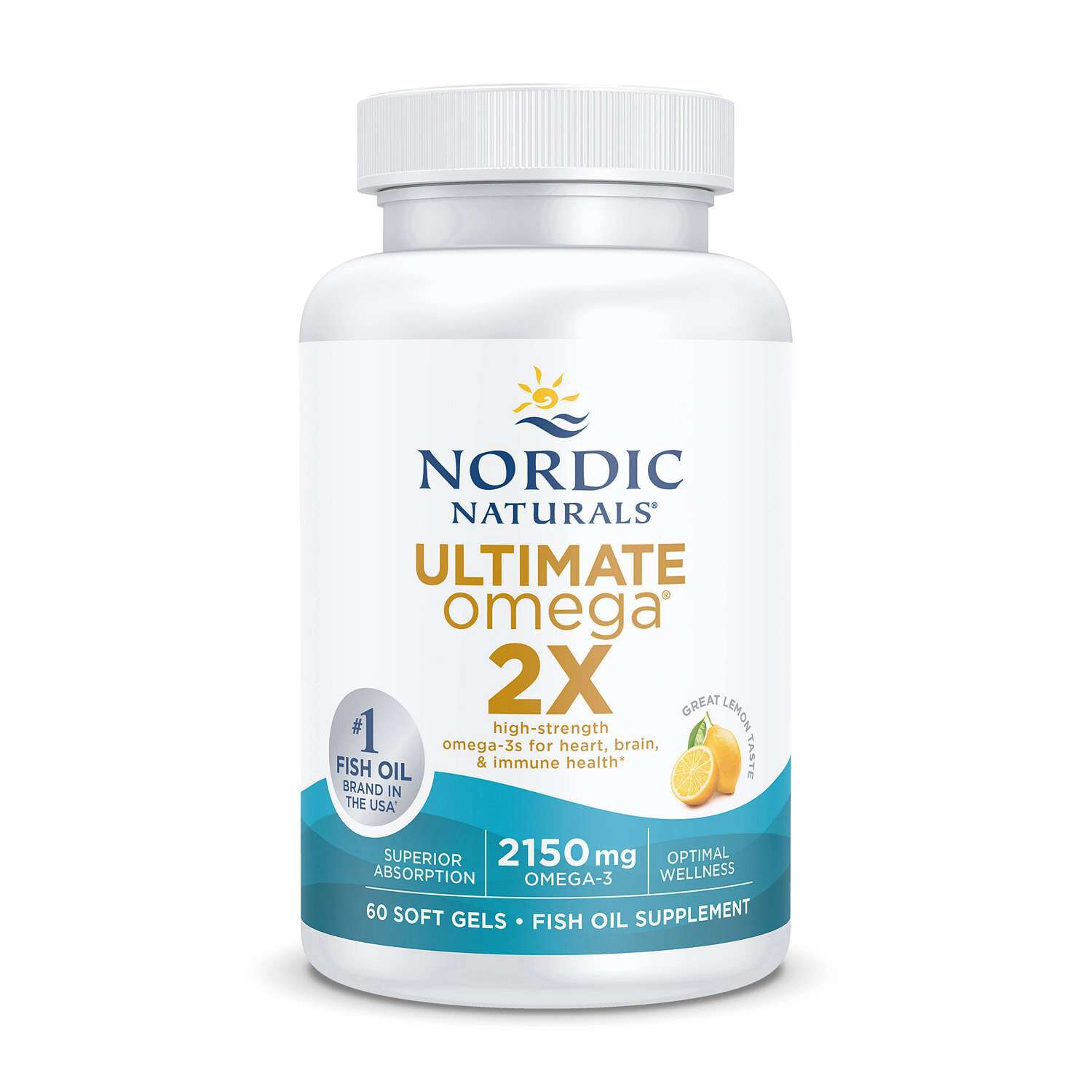
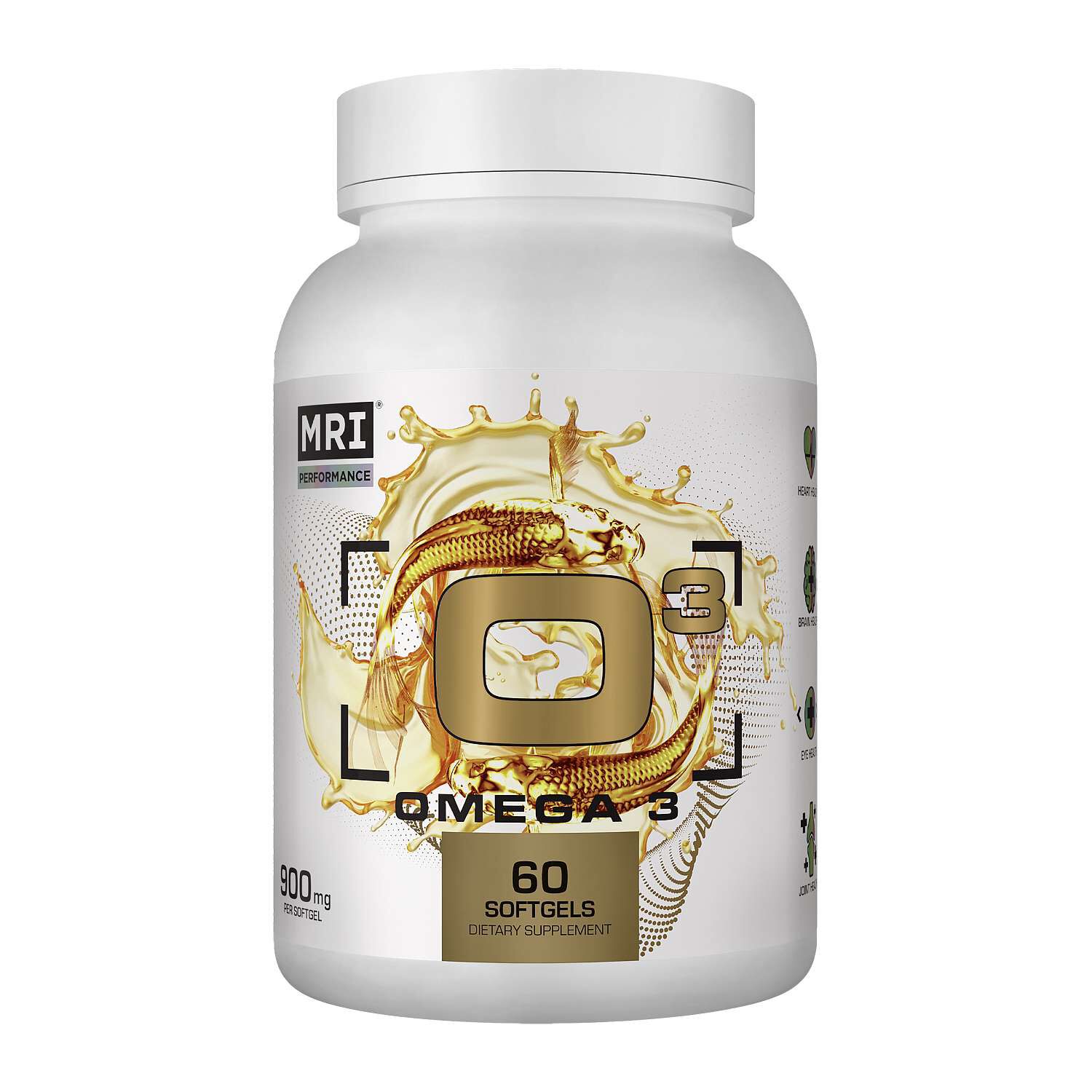
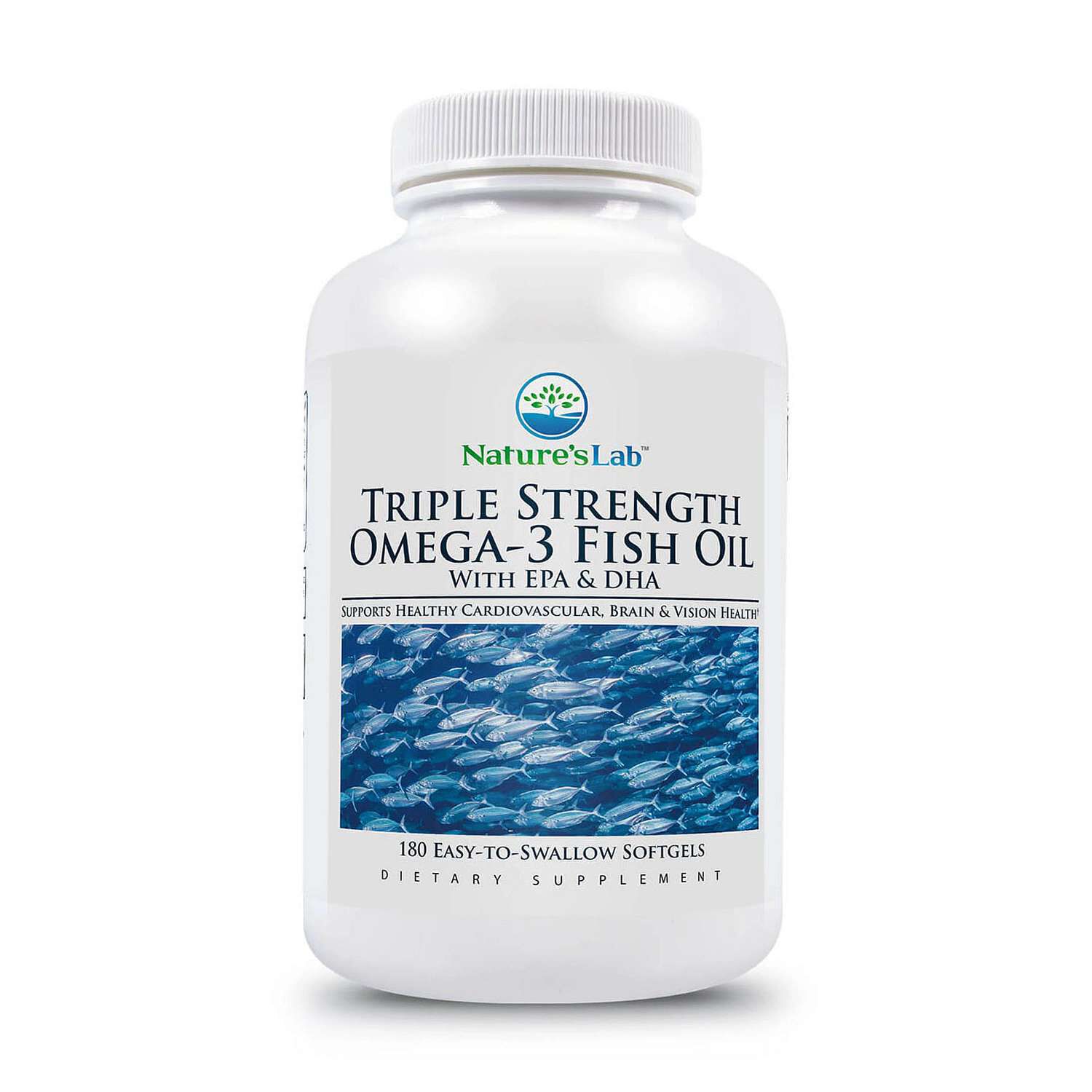
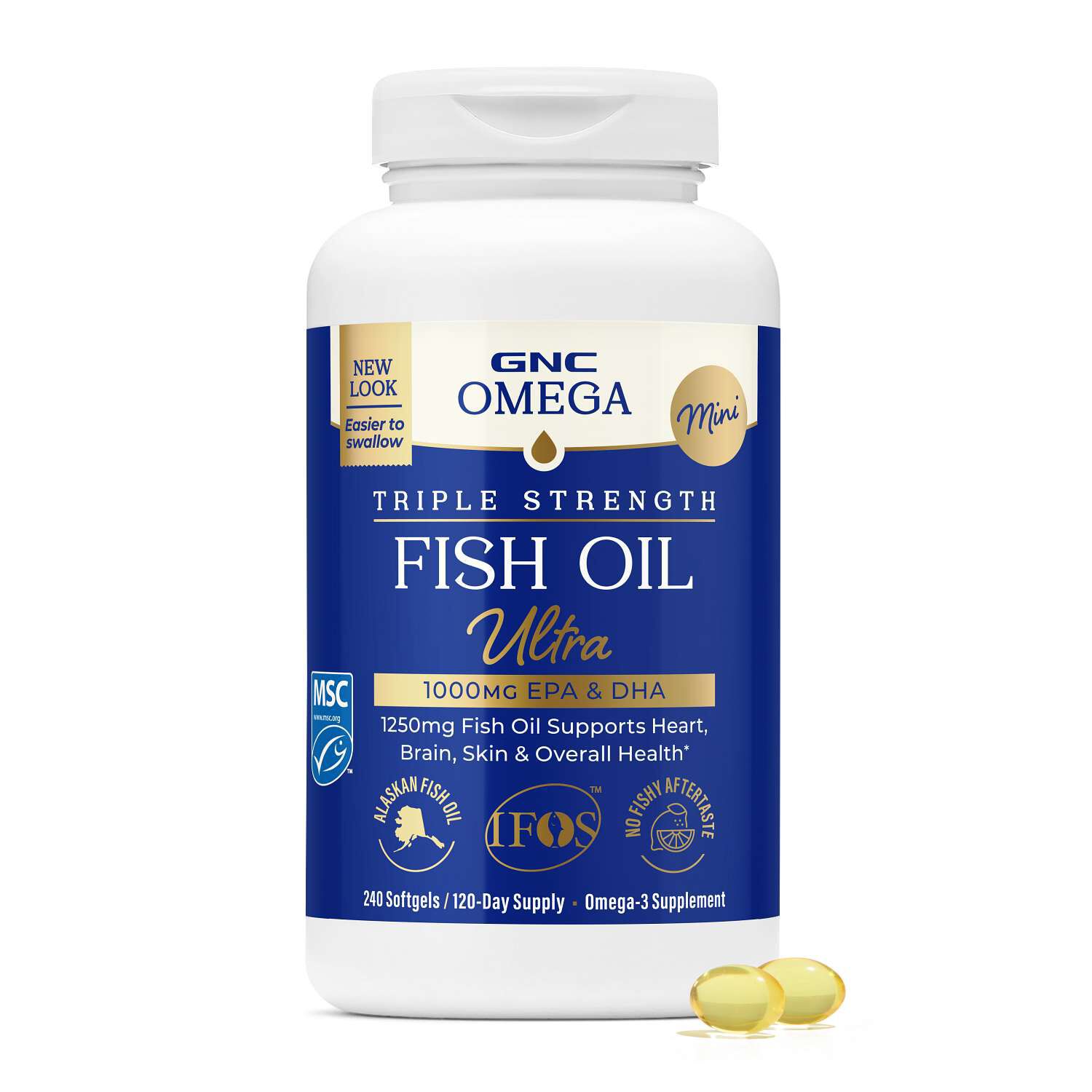
Discover a range of omega-3 support options designed to complement your wellness journey. Omega-3 fatty acids, commonly found in fish oil and other sources, may play a crucial role in maintaining overall health. Explore various supplements that could help you incorporate these important nutrients into your daily routine, potentially supporting a balanced lifestyle. Whether you're looking to add more omega-3 to your diet or seeking additional nutritional support, find the right product to suit your needs.
-

-

-

-
-
 MRI Performance$29.99
 -

-
 $24.99
 -

-
-
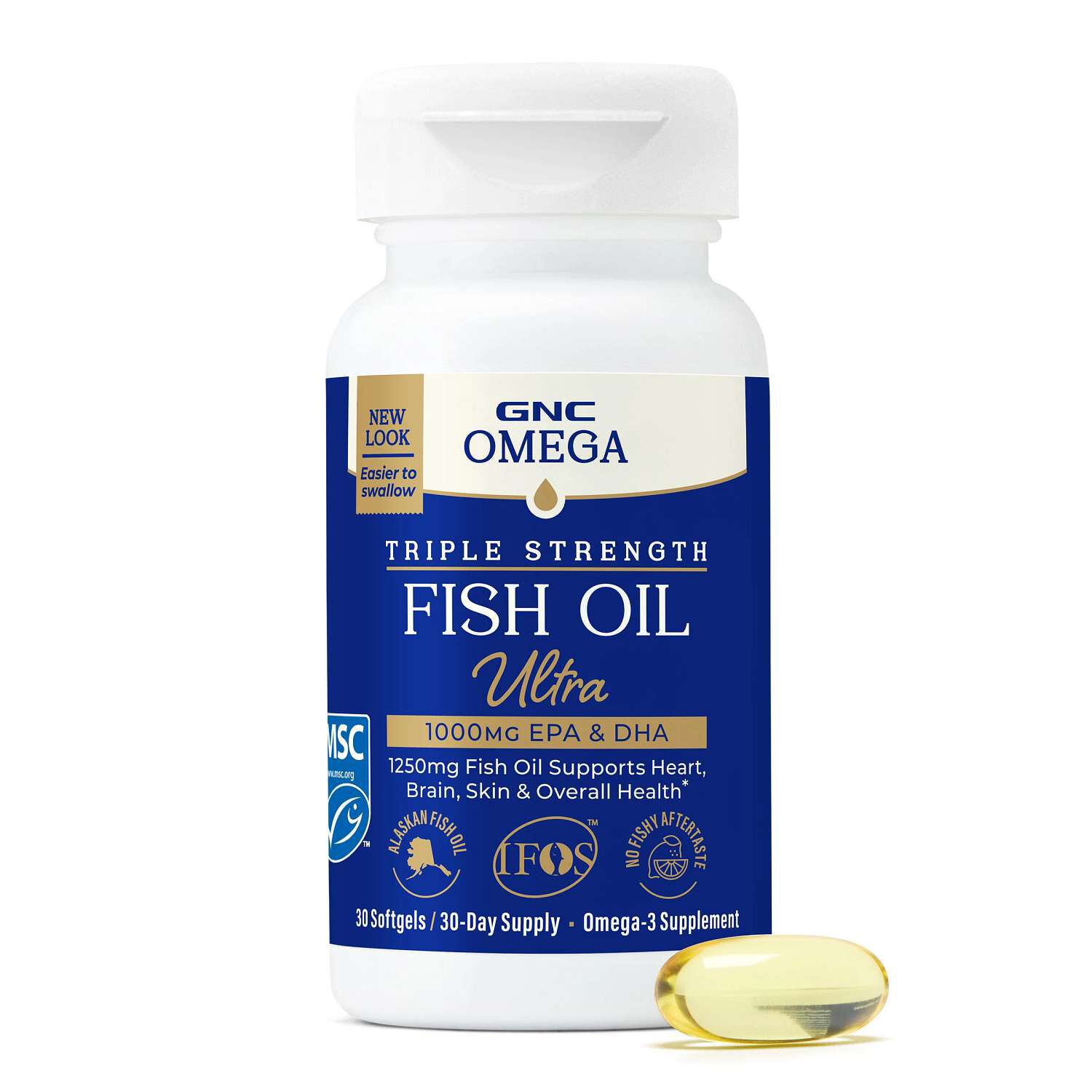
-
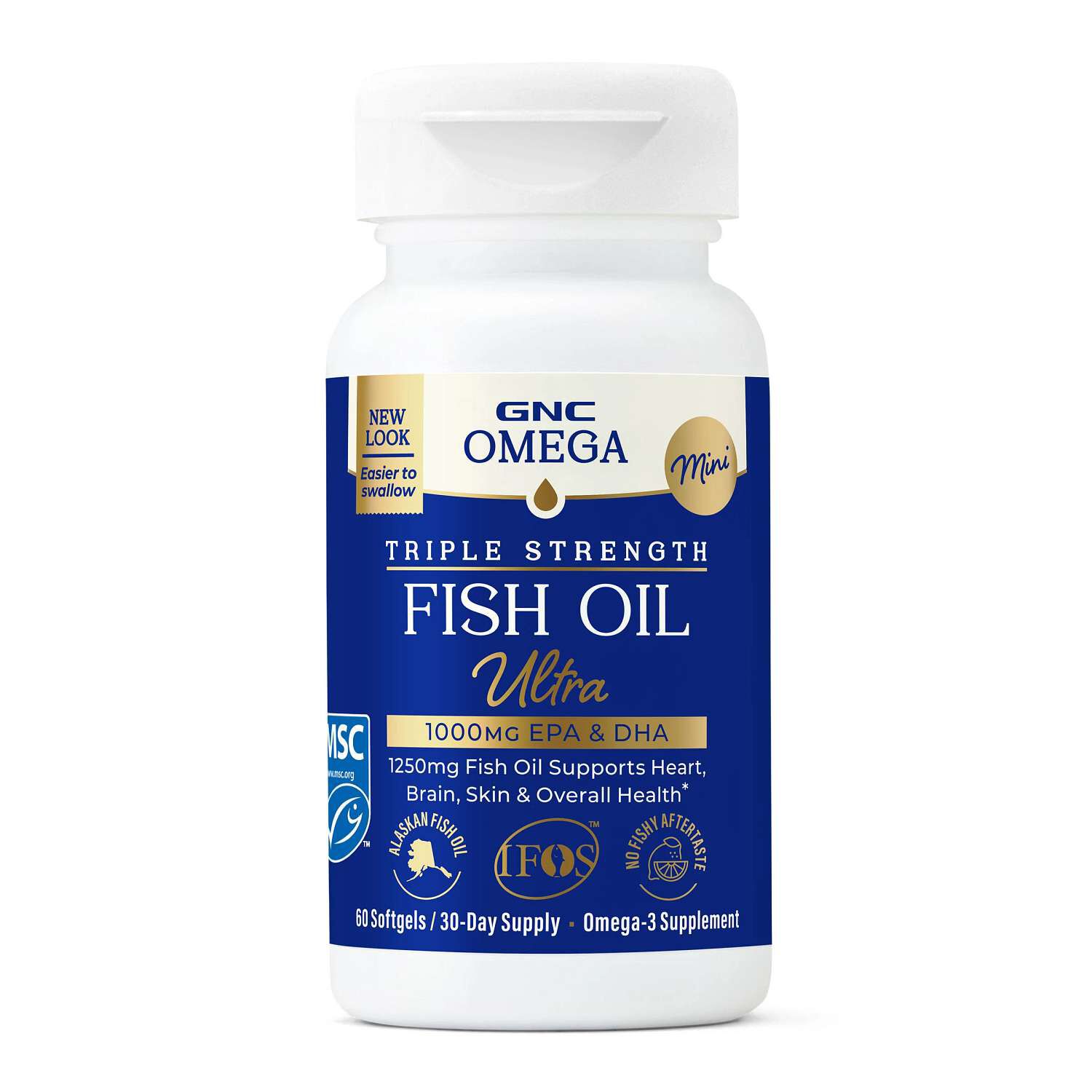
-
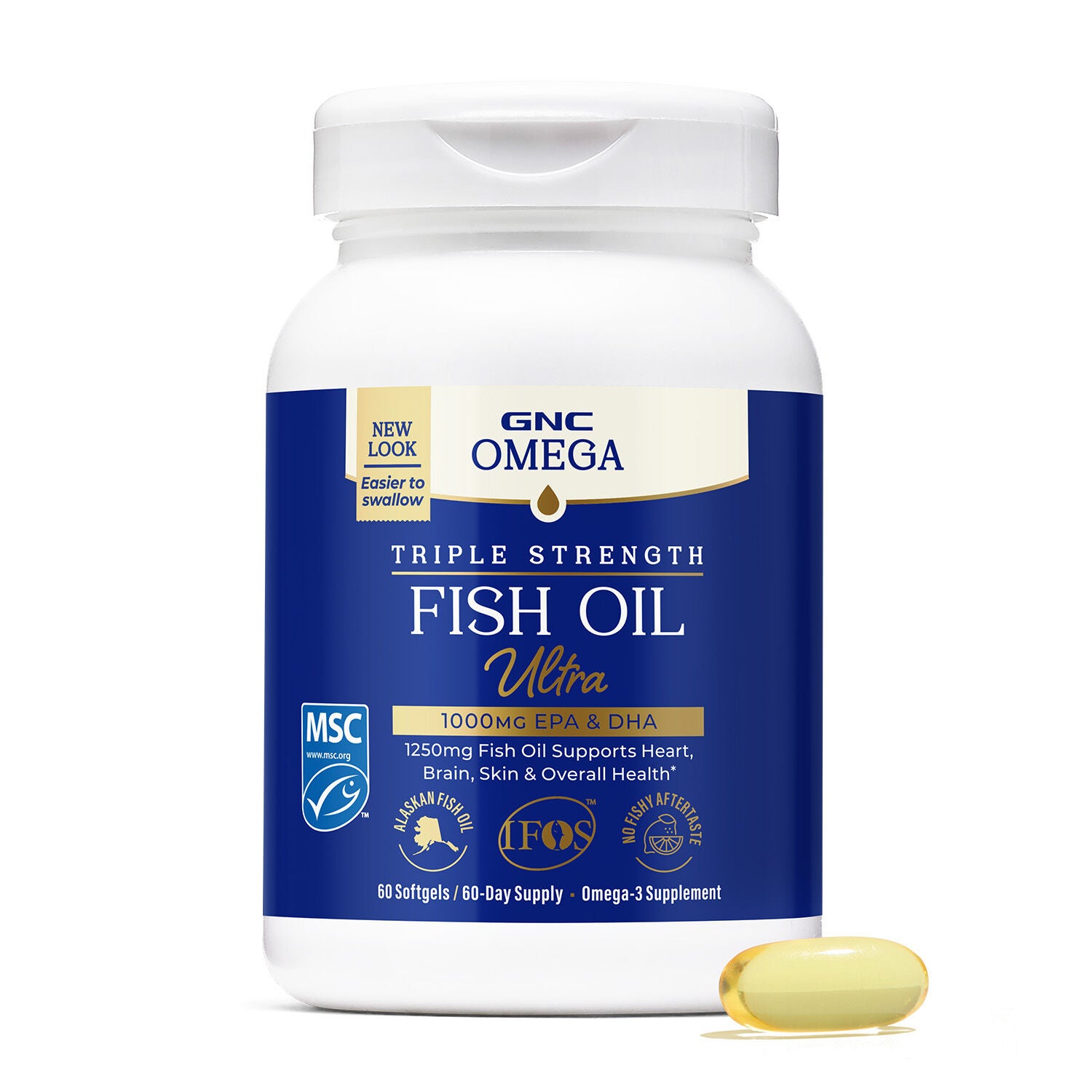
-
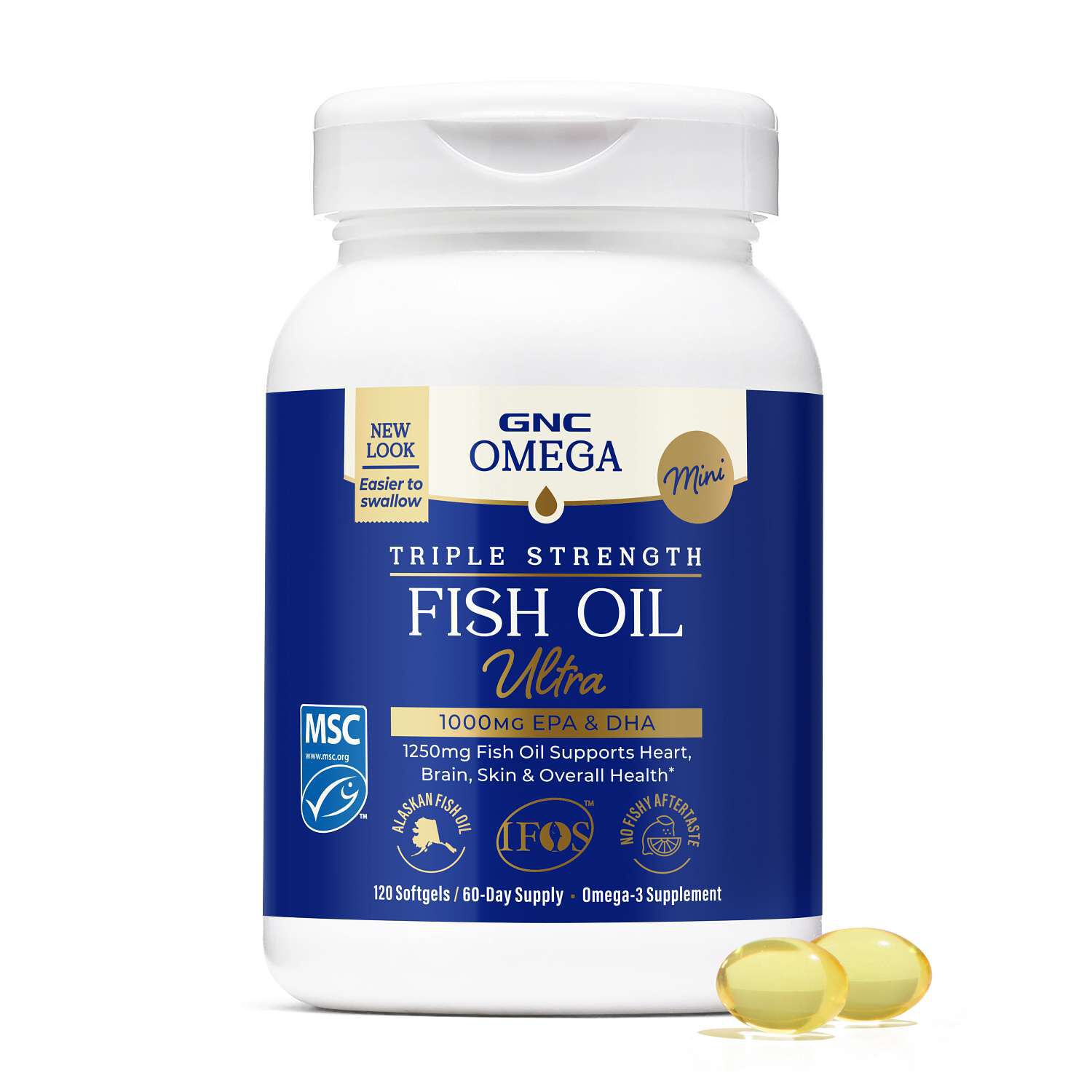
-
-
 $24.99
 -
 Portions Master$25.99
 -
-
-
-

-
-
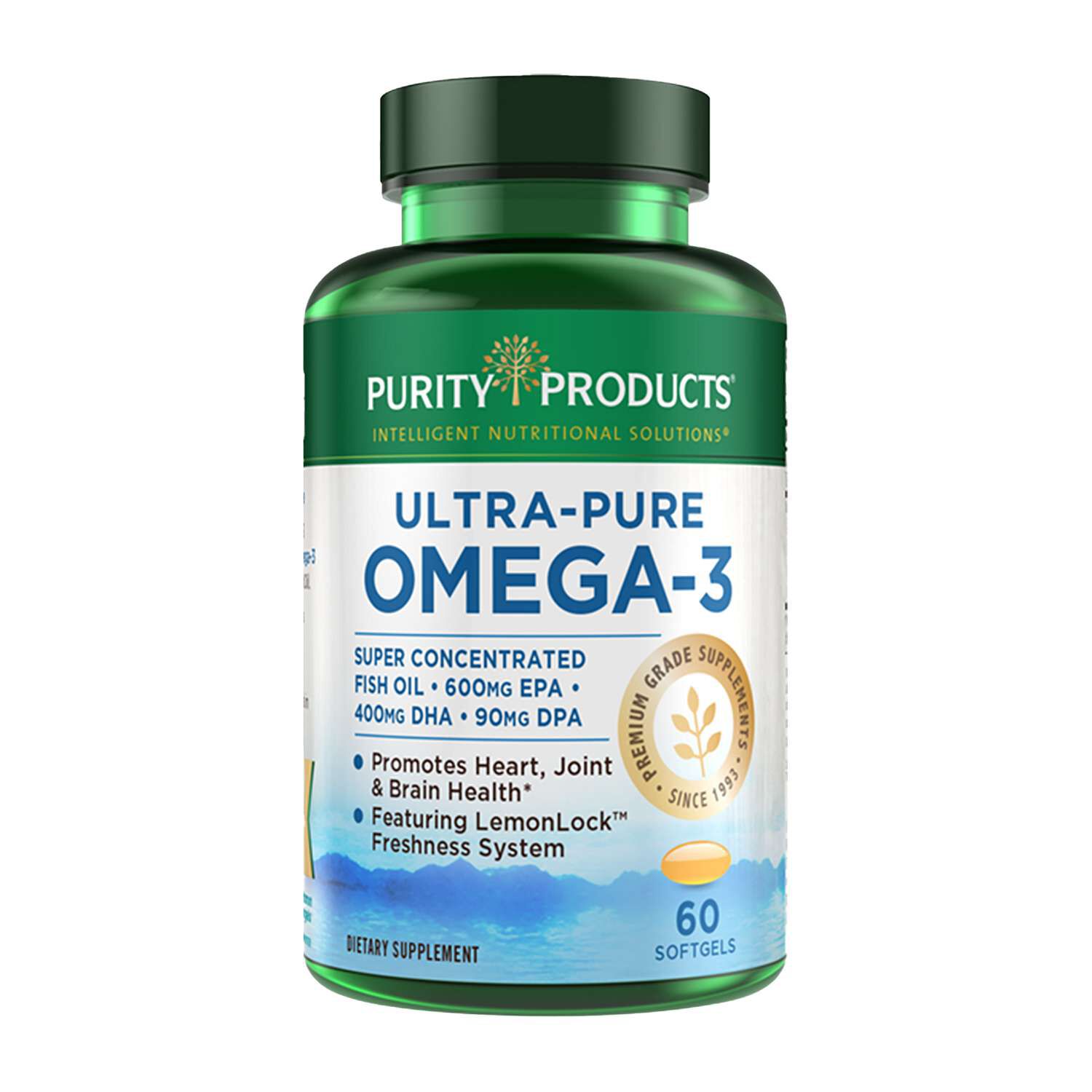 Purity Products$26.99
 -


Omega-3 support products offer a convenient way to add specific fatty acids to a daily wellness routine. Omega-3s include EPA, DHA and ALA, three types that come from different food sources and supplement formats. Fatty fish such as salmon, sardines, mackerel, herring and tuna provide EPA and DHA, while flaxseeds, chia seeds, walnuts and other plant foods provide ALA. Algal oil may provide a plant-based source of DHA and, in some formulas, EPA. The body uses these fats in many ways, and EPA and DHA may support heart, brain, eye and cellular function when included as part of a balanced lifestyle. ALA can be converted by the body into EPA and DHA, though the conversion process may be limited, which is one reason some shoppers look for products featuring EPA, DHA or both. On a busy morning, an omega-3 softgel can fit beside a glass of water and a simple breakfast; at dinner, a liquid format may blend into a smoothie or another food when the label indicates that use. As the weather warms and outdoor meals move toward grilled fish, fresh salads and fruit, these products may complement a varied eating pattern. During the cooler months, they can remain part of a steady routine when meals become more focused on soups, roasted vegetables and pantry staples. The best choice often depends on dietary preferences, serving format, the amount of EPA and DHA per serving, and how naturally the product fits into everyday habits.
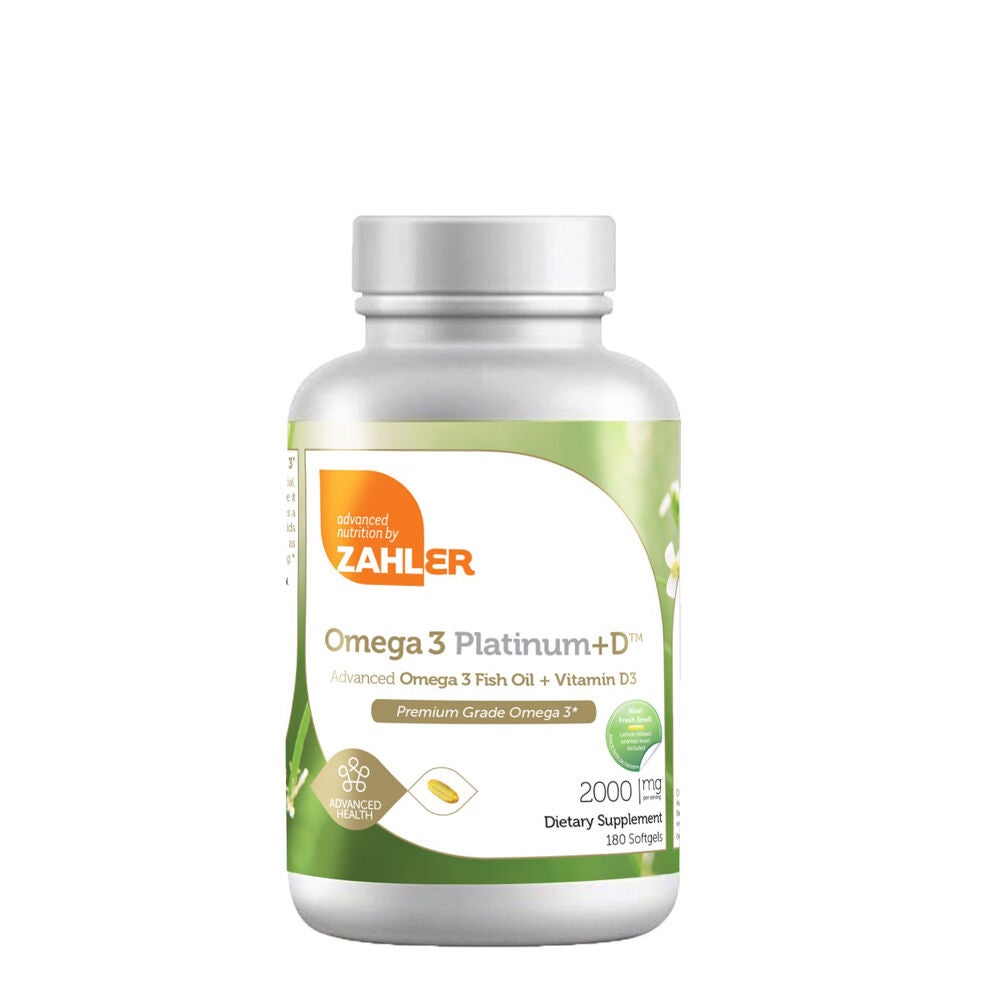
When comparing omega-3 products, start with the Supplement Facts panel rather than relying only on the front label. Fish oil products may list the amount of oil in a serving, but the EPA and DHA amounts provide more useful context for shoppers comparing formulas. Some products use softgels, while others feature liquids, chewable formats or plant-based algal oil. A shopper who prefers marine-sourced ingredients may look for fish oil, and someone following a vegetarian or vegan routine may prefer algae-based options. Flavor, serving size, capsule size and storage instructions can also shape the experience. Enteric-coated or flavored options may appeal to people who prefer a different softgel experience, while a smaller serving may suit someone who already takes several daily supplements. Look for clear labeling around the source, suggested use, serving information and quality practices. Shoppers with seafood allergies, dietary restrictions, an ongoing health concern or a prescribed treatment may wish to speak with a qualified healthcare professional before choosing a supplement. Omega-3 products may work well alongside meals that already include salmon, chia pudding, walnuts or ground flax, but they are not a substitute for a varied diet. Many people find it helpful to keep the bottle near a familiar routine, such as the breakfast cabinet or evening meal setting, rather than adding it to an overlooked drawer. For those seeking a more concentrated selection, Advanced Omega 3 may be worth exploring as part of a comparison of formulas and serving formats.
Omega-3 support products may also make a thoughtful gift for someone building a more intentional wellness routine. They can suit a parent who enjoys preparing fish-forward dinners, a friend who chooses plant-based foods, a relative who travels often and values portable formats, or a fitness-minded person who plans meals and supplements with care. A small wellness basket could pair an omega-3 product with a reusable lunch container, herbal tea, nuts or a recipe card featuring salmon, roasted vegetables and lemon. The gift feels especially fitting during the transition from warm afternoons to cooler evenings, when routines often shift from outdoor activities to more structured meals at home. It is worth considering the recipient’s preferences before selecting a format: a person who dislikes swallowing capsules may appreciate a liquid, while someone who keeps a streamlined cabinet may prefer a compact softgel bottle. Packaging, serving instructions and storage needs matter as much as the ingredient source, particularly for a gift. Whether the goal is to complement a seafood-rich menu, add a plant-based option, or make daily supplement habits more convenient, omega-3 products may offer a practical addition to a personal wellness plan. Consistency, reasonable expectations and attention to label details can help shoppers choose an option that feels comfortable, understandable and easy to maintain through changing seasons.
Best Sellers
-
Nordic Naturals
-
Nordic Naturals
-
Nordic Naturals
Related Pages

Top Collections
- Daily Collagen Supplements | Top Brands & Deals | GNC
- Natural Collagen Supplements | Top Brands & Deals | GNC
- Top Rated Collagen | Shop Customer Favorites | GNC
- Cortisol Supplements
- Vitamins For Hair Loss
- Spirulina Tablets
- NAD+ Supplement Tablets
- Peptide Supplements
- Best Brand of Magnesium Glycinate
- Vitamins That Help Support Weight Gain