





Omega 3 Sources
(0 Results)
Omega-3 fatty acids are essential nutrients that play a crucial role in supporting overall health and well-being. Found in various sources such as fish, flaxseeds, chia seeds, and walnuts, Omega-3s are known for their numerous health benefits, including supporting heart health, brain function, and joint mobility. Incorporating Omega-3 sources into your daily diet can be a simple yet effective way to ensure you are meeting your body's nutritional needs. Explore our selection of Omega-3 sources to find options that fit your dietary preferences and lifestyle.
-

-
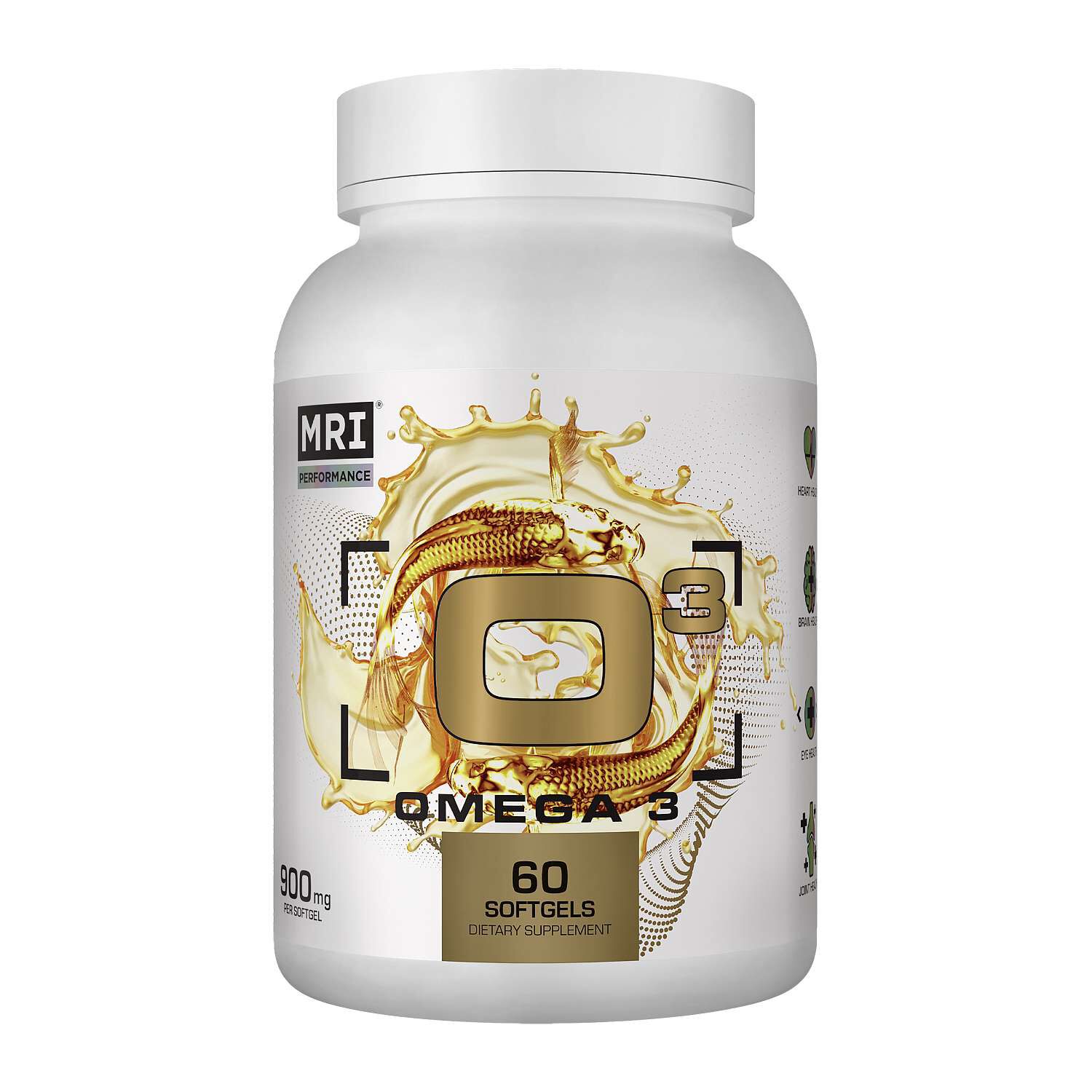 MRI Performance$29.99
 -
 Divine Health$34.99
 -

-

-
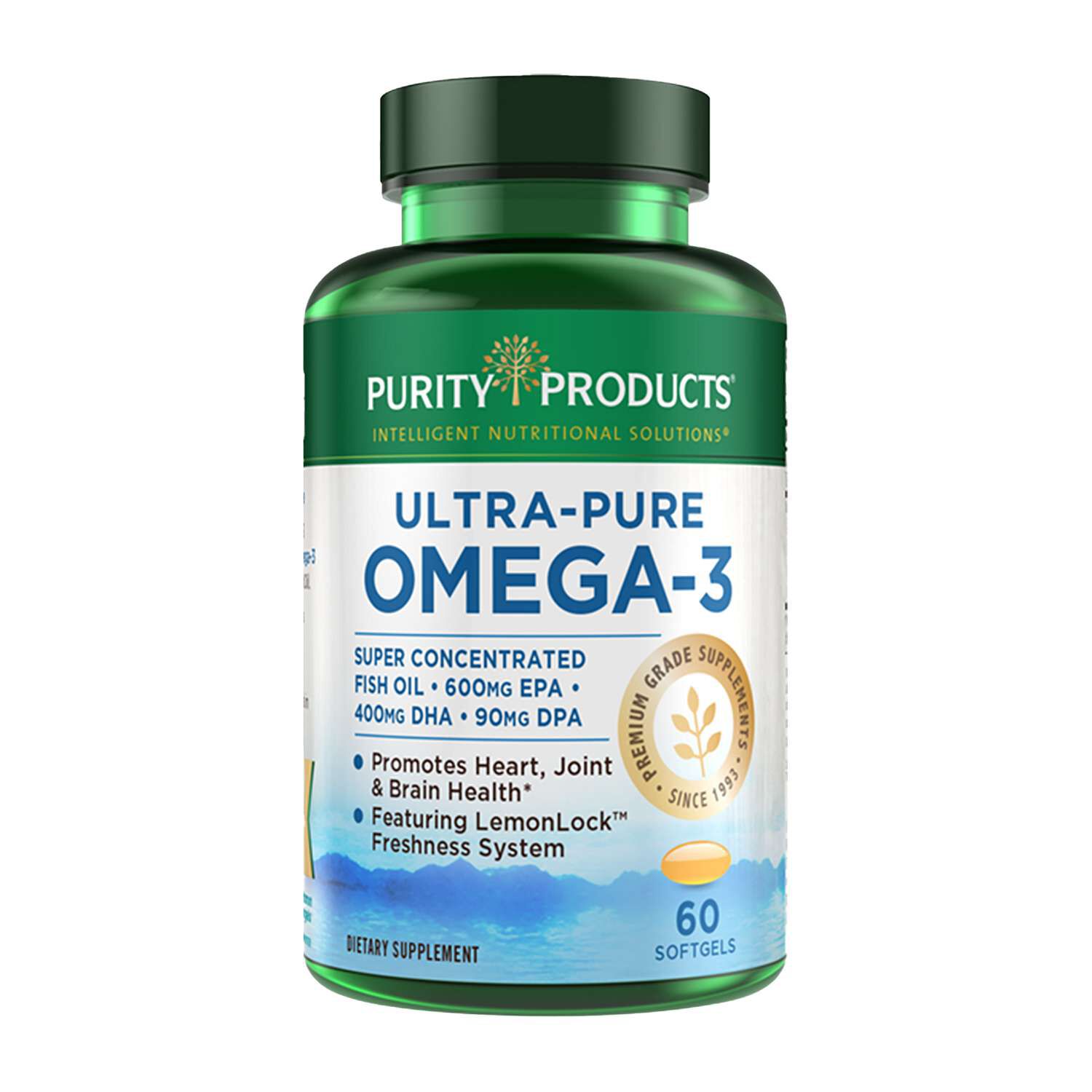 Purity Products$26.99
 -

-

-

-
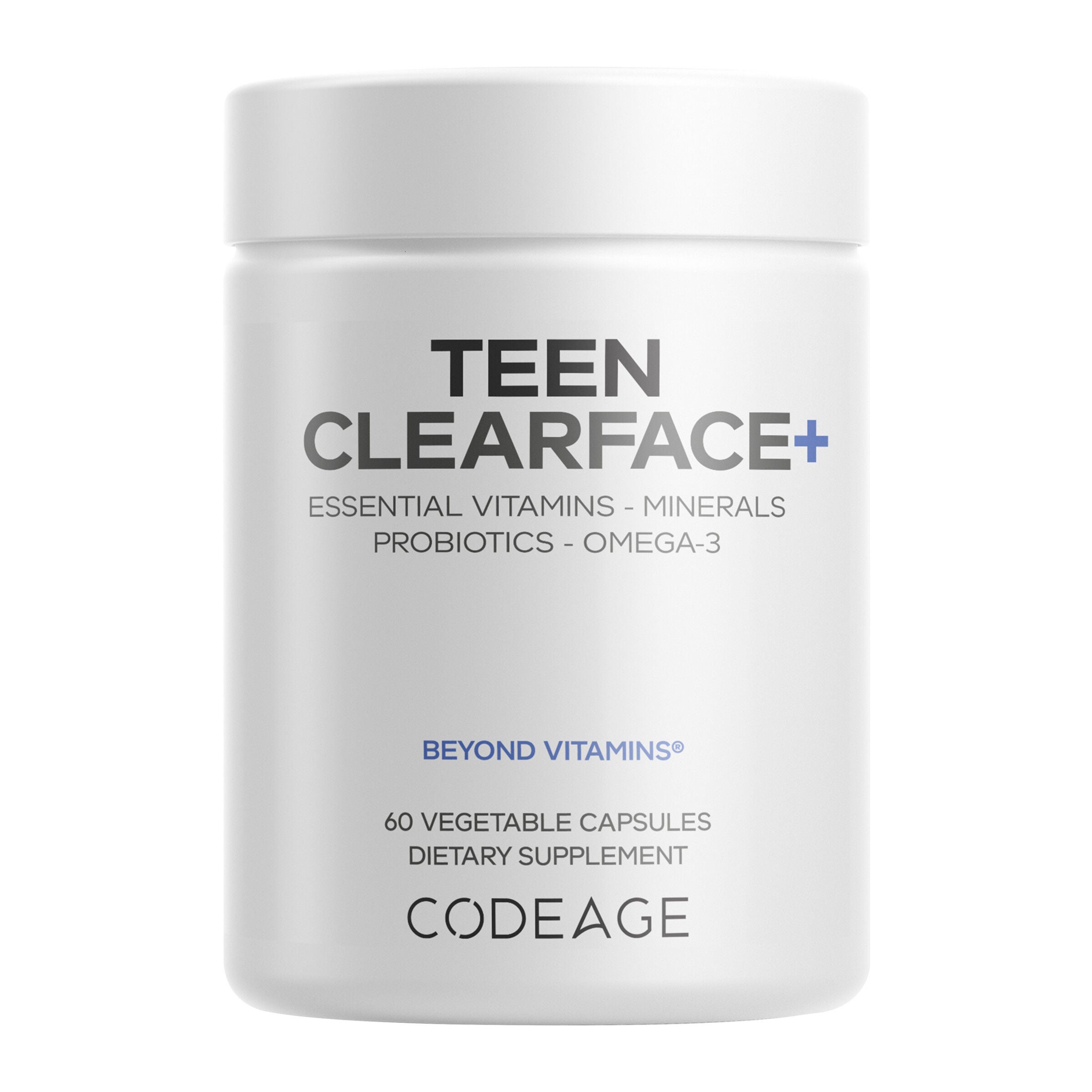
-
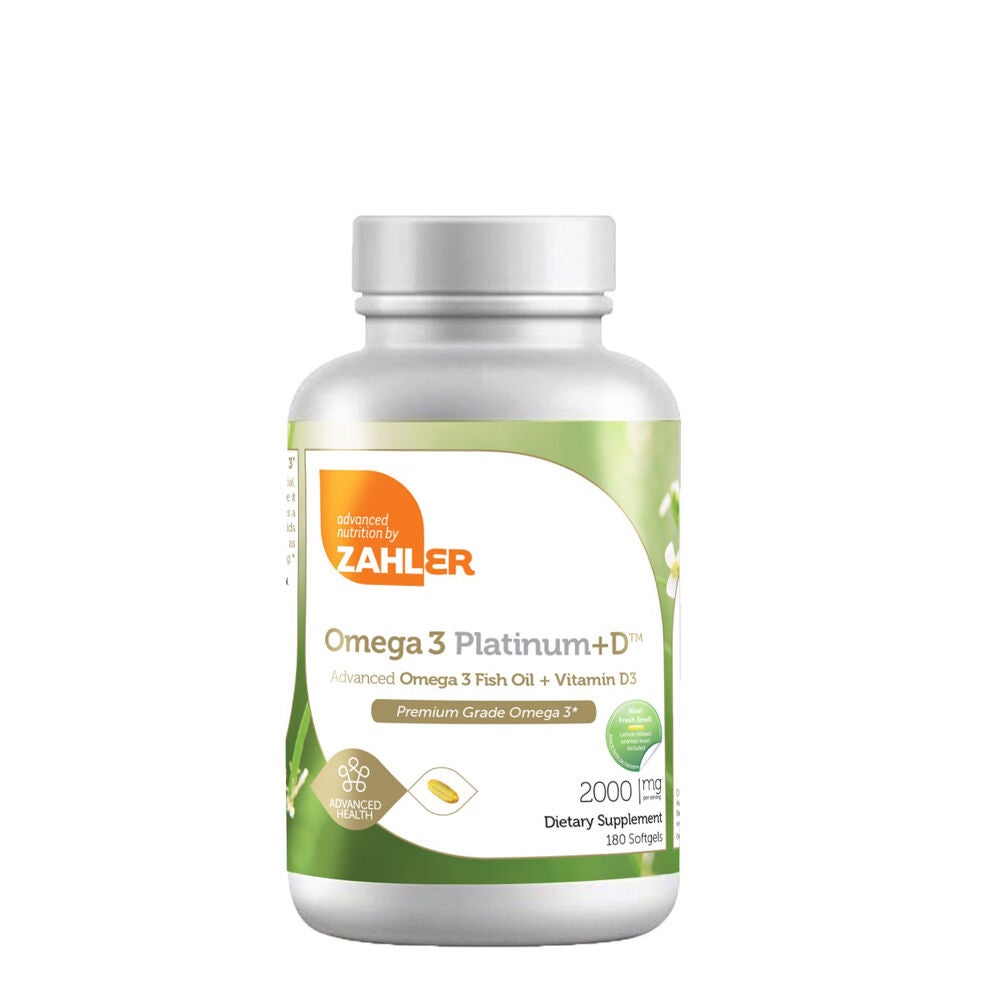
-

-

-
 $23.99
 -
 $24.99
 -
 Portions Master$25.99
 -
-
-

-

-


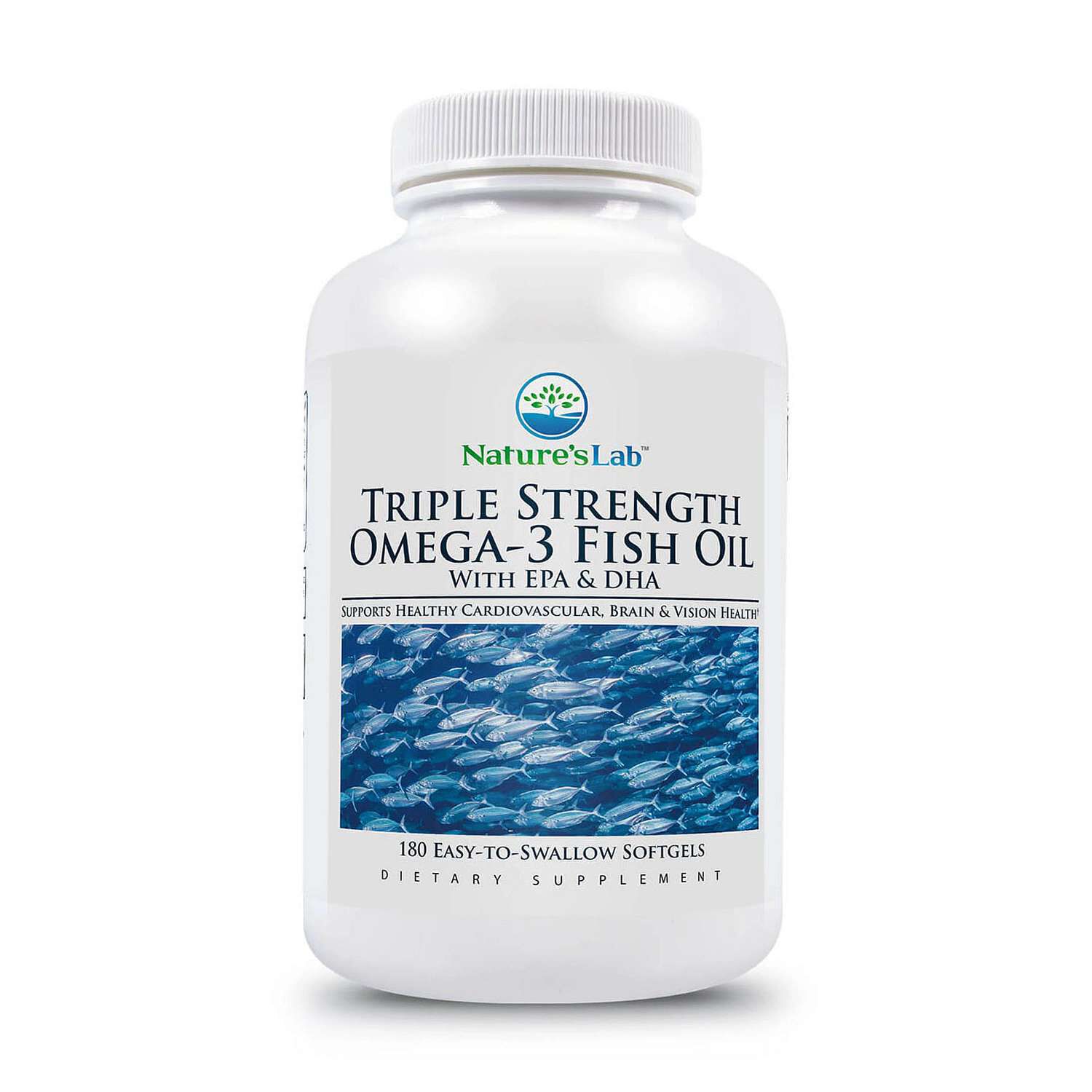
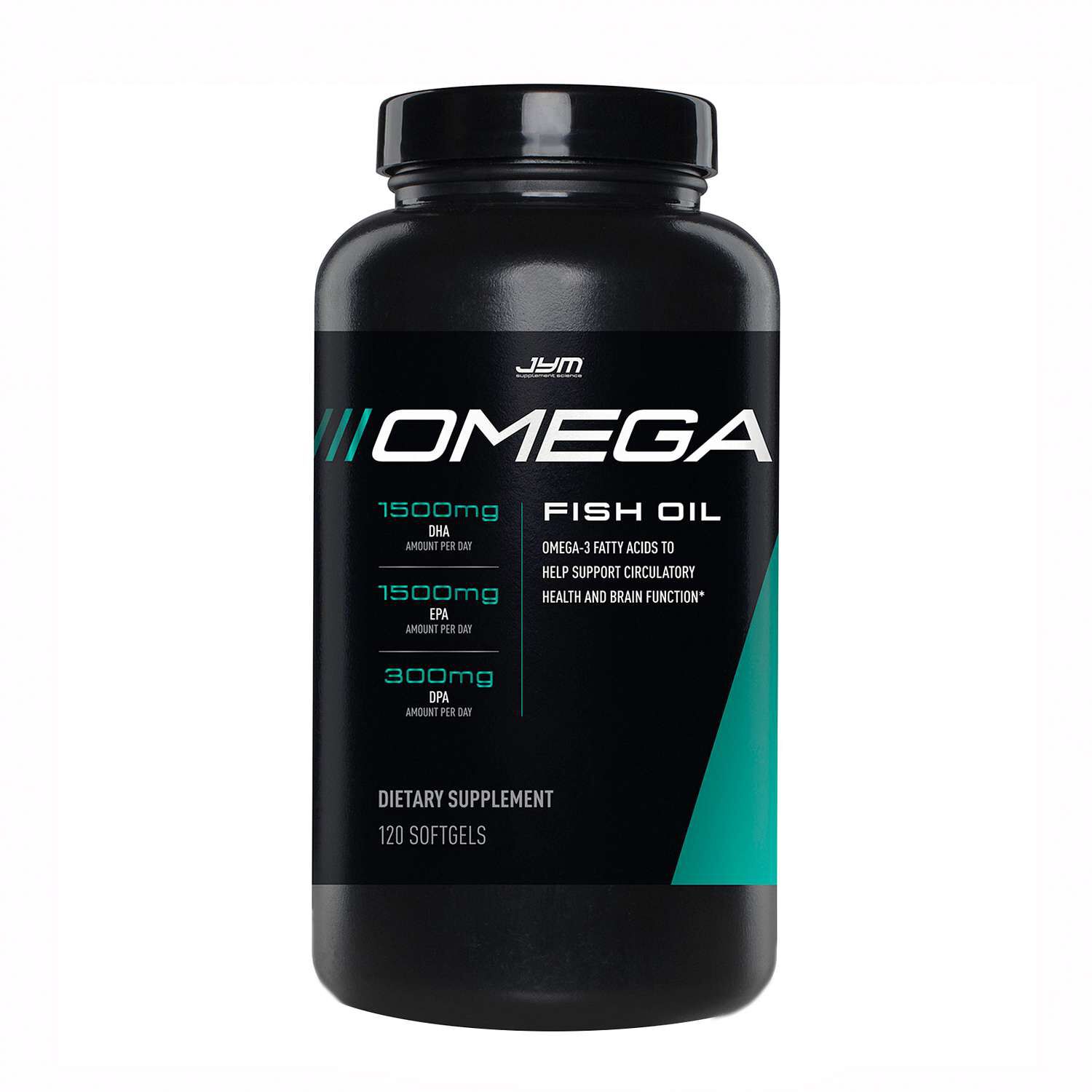
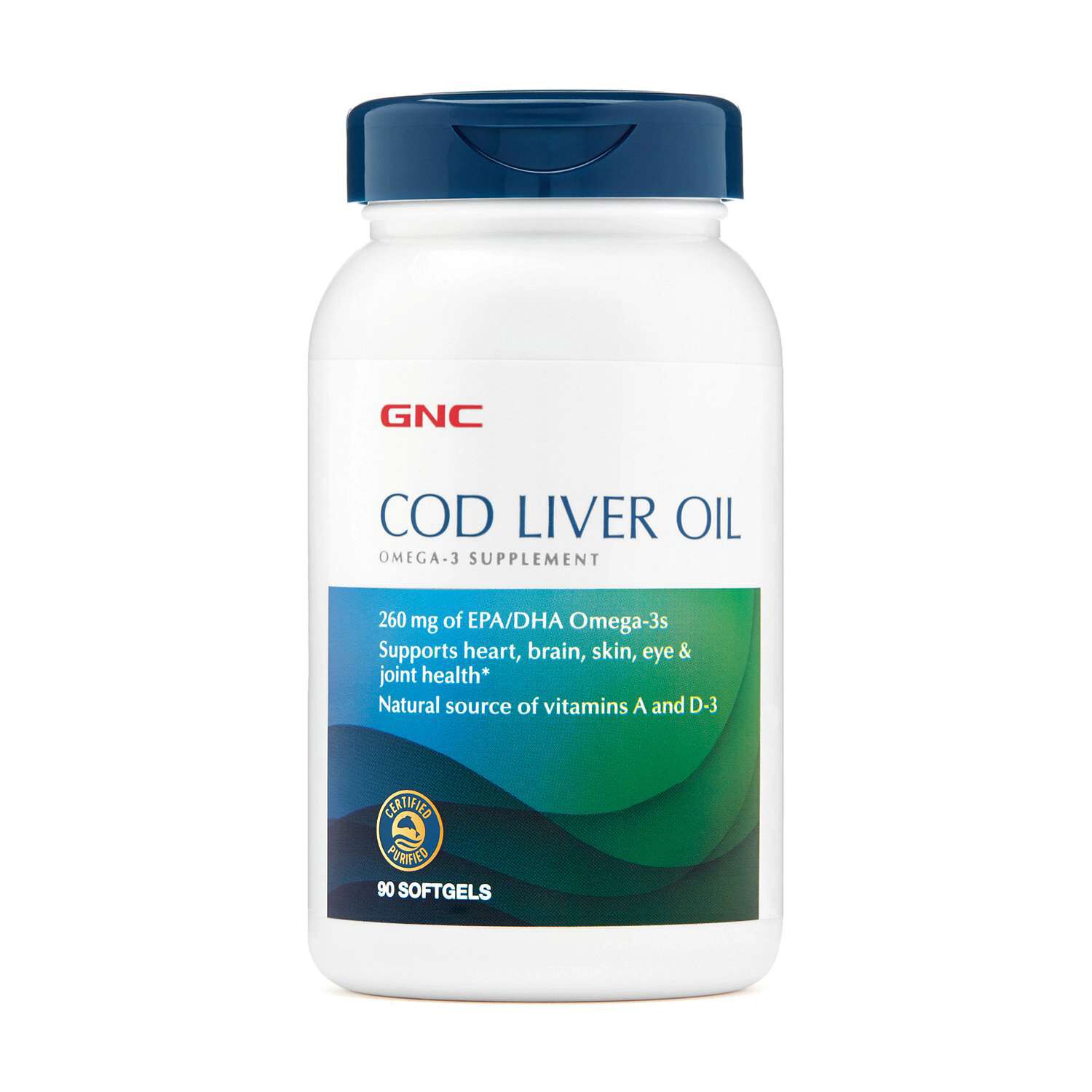
Omega-3 sources include seafood, plant foods, and dietary supplements, with different sources supplying different types of omega-3 fatty acids. The three most familiar types are alpha-linolenic acid, or ALA; eicosapentaenoic acid, or EPA; and docosahexaenoic acid, or DHA. Salmon, sardines, mackerel, herring, and anchovies provide EPA and DHA, while flaxseeds, chia seeds, walnuts, soybeans, and oils made from flaxseed, soybean, or canola provide ALA. The body can convert some ALA into EPA and DHA, but that conversion is limited, so these sources are not interchangeable when comparing their fatty acid content. Omega-3 supplements bring several of these sources into formats such as softgels, capsules, liquids, and chewables. Fish oil, krill oil, cod liver oil, algal oil, and flaxseed oil each have a distinct ingredient profile, making the source name an important part of understanding a label. Fish oil commonly supplies both EPA and DHA. Algal oil provides DHA, and some formulations also contain EPA, offering an option made from algae rather than fish. Flaxseed oil supplies primarily ALA, while cod liver oil contains omega-3s alongside vitamins A and D in amounts that vary by formulation. Krill oil comes from small marine crustaceans and contains EPA and DHA, including fatty acids associated with phospholipids. For shoppers comparing Omega 3 Acids, those distinctions make the category more specific than a single number on the front of a bottle. A seafood-based oil and a seed-based oil can both belong among omega-3 sources without supplying the same fatty acids. Someone whose usual meals include walnuts and chia seeds may be comparing a different source profile than someone who regularly eats salmon. The meaningful connection between food sources and supplements is the type of omega-3 each contains, rather than an assumption that every oil offers the same composition. That background provides useful context for browsing by source, format, and ingredient preferences.
Comparing omega-3 supplements starts with the relationship between the oil amount, the listed fatty acids, and the serving size. A prominently displayed fish oil amount describes the oil itself; it does not necessarily describe the amount of EPA and DHA within it. The Supplement Facts panel separates those details, showing how much of a listed nutrient is present in the stated serving. A serving may consist of one softgel, several capsules, or a measured portion of liquid, so a comparison between bottles is most meaningful when the serving sizes are considered alongside the amounts. Some formulas list EPA and DHA separately, while others also identify additional omega-3 fatty acids. Ratios vary, and a formula with more EPA than DHA has a different composition from one centered on DHA. Concentration is another distinction: two supplements made from the same kind of oil can contain different amounts of EPA and DHA per serving. Source descriptions provide another layer of detail. Fish oils may identify anchovy, sardine, mackerel, or a blend of fish species, while algae-derived formulas may describe the source and the fatty acids it supplies. The ingredient list also includes the capsule shell, flavorings, and other components used in the finished format. Gelatin shells may come from different animal sources, and an algae-derived oil does not automatically mean every ingredient in the finished supplement is vegan. Likewise, a plant-based designation is different from a statement about a particular allergen. Fish and shellfish declarations deserve attention when comparing marine sources, particularly because fish oil and krill oil come from different groups of animals. For households with established food preferences, these details help distinguish between an appealing source description and a formulation that actually matches those preferences. Clearly stated testing information, sourcing details, and independent certifications, where present, add context about how a supplement is made and evaluated. Specific information about what was tested is more useful than broad language about quality, especially when comparing formulas with otherwise similar labels.
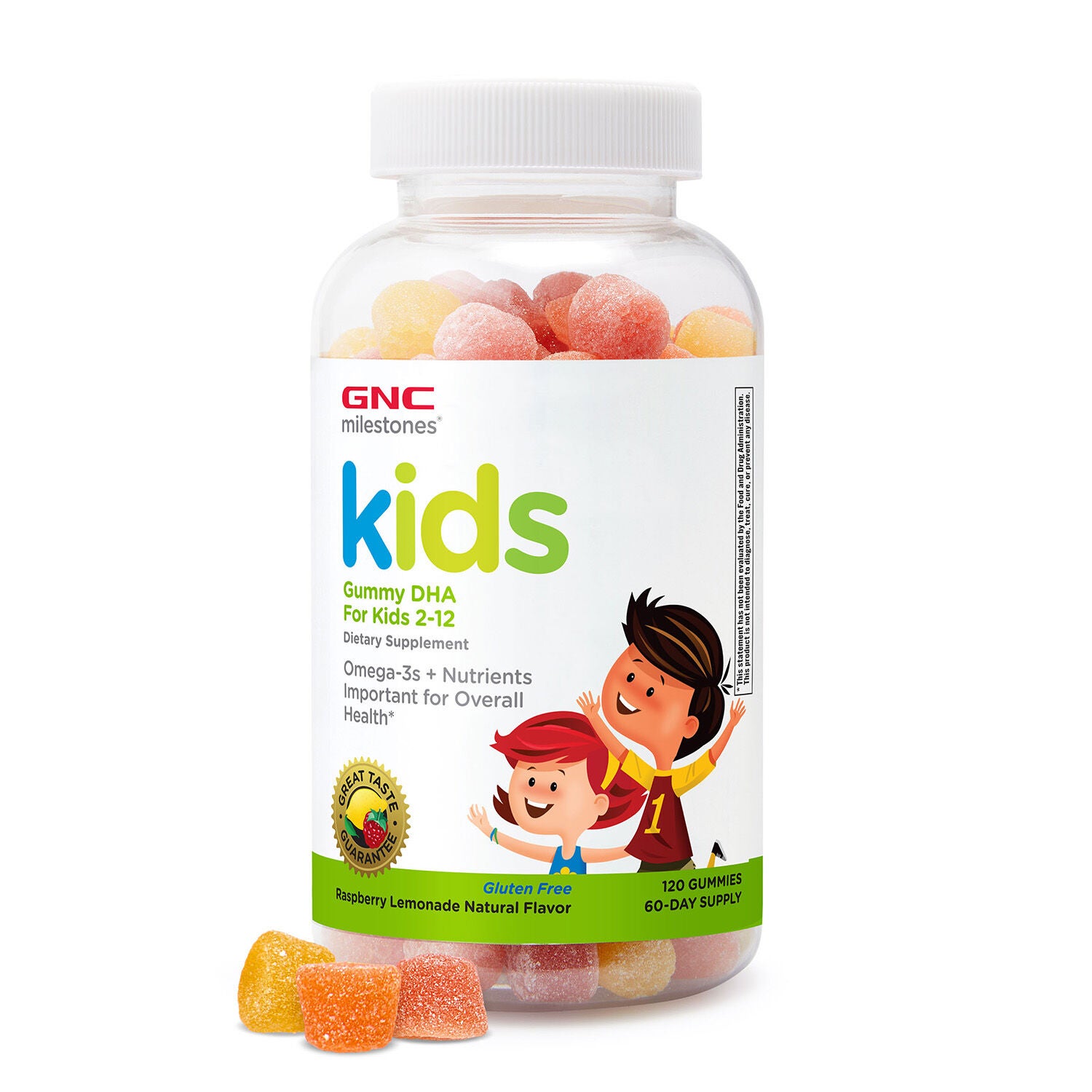
Format shapes the everyday experience of an omega-3 supplement as much as its source does. Softgels enclose oil in a flexible shell and offer a portioned format, although their dimensions and the number included in a serving can vary considerably. A smaller softgel is not necessarily equivalent to a larger one in fatty acid content, making capsule size and serving information separate considerations. Liquids use a measured serving and have a more noticeable texture and taste, with some formulas incorporating citrus or other flavors. Instructions determine whether a particular liquid is intended to be taken on its own or mixed with food. For someone who prefers a measured liquid to a capsule, the bottle opening, measuring accessory, and directions are practical details rather than minor packaging features. Chewable formats have their own ingredient profiles, including sweeteners, flavorings, and texture ingredients, and their omega-3 amounts should be compared by the stated serving rather than by appearance. Taste preferences matter, too: an oil with added lemon flavor presents a different experience from an unflavored version, but flavor alone does not identify its EPA, DHA, or ALA content. Packaging and care are relevant because oils require appropriate handling throughout use. Label directions provide the storage requirements, including whether refrigeration is needed after opening, and the best-by date belongs in that same review. A securely closed bottle, intact packaging, and the original label keep the contents and instructions together. Someone packing supplements for travel might prefer a portioned format, while someone with an established countertop routine might prefer a liquid with a dedicated measuring tool. Neither format is inherently the right match for every shopper. Intended use also varies by age designation and formulation, so adult and children’s formats should not be treated as interchangeable. Omega-3 sources ultimately span familiar foods, marine oils, algae-derived oils, and seed oils, with meaningful differences in composition and handling. Browsing this category is most useful when the source, fatty acid amounts, serving format, and full ingredient list are considered together. Those details create a clearer picture of what each type contains and how it fits personal food preferences and an existing routine.
Best Sellers
-
Nordic Naturals
-
 Nordic Naturals
 -
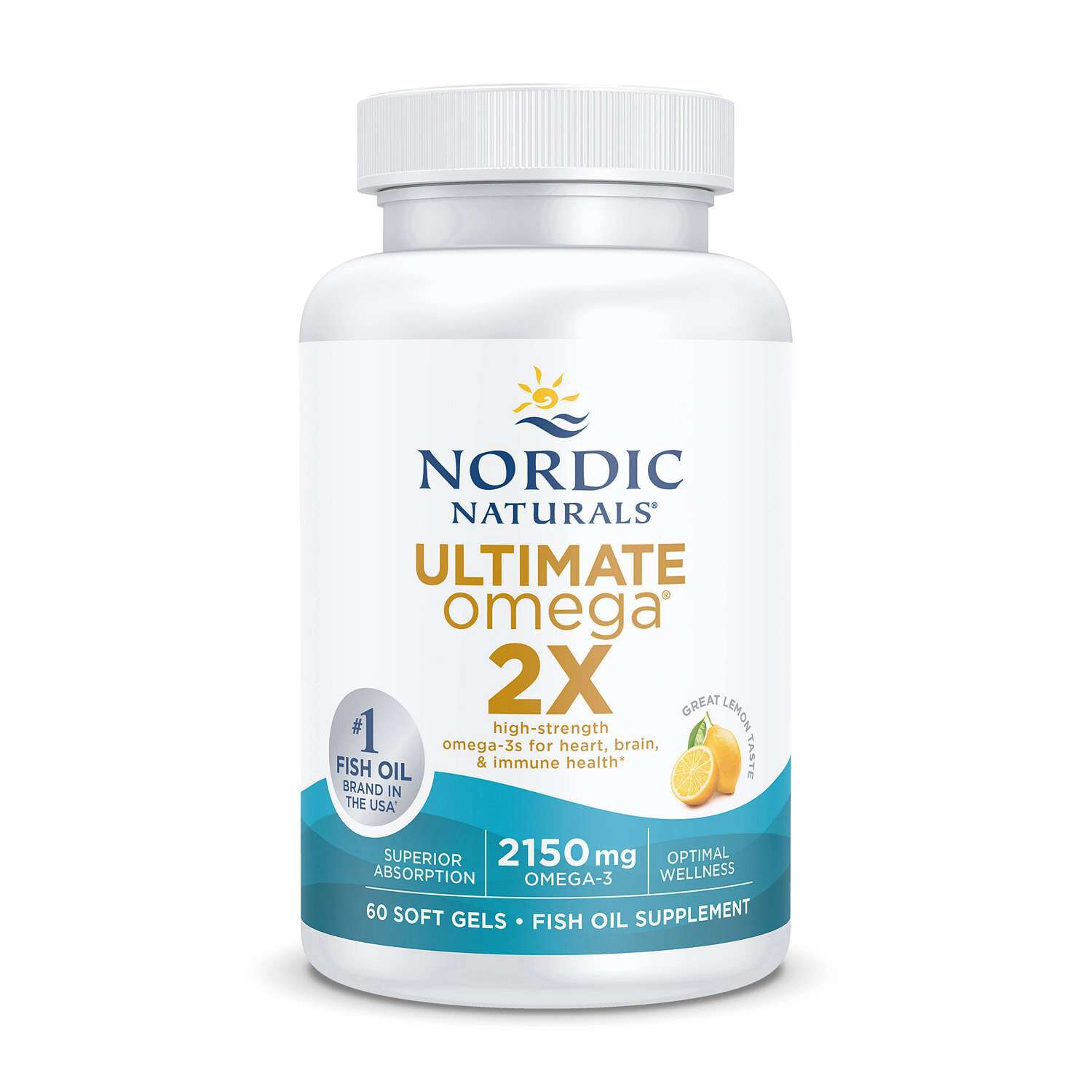 Nordic Naturals
