





Fiber Supplements For College Students
(0 Results)
Fiber supplements for college students could be a convenient way to support daily nutrition goals, especially with busy class schedules and on-the-go meals. Balancing academics, activities, and social life may make it challenging to prioritize balanced eating habits. Explore options that fit seamlessly into your routine and might help you stay on track with your wellness journey while navigating campus life.
-
-
-
 209$34.99
-
-

-

-

-

-

-

-
-
-

-

-

-
 $17.99
-
 $17.97
-
 $17.97
-
 $26.99
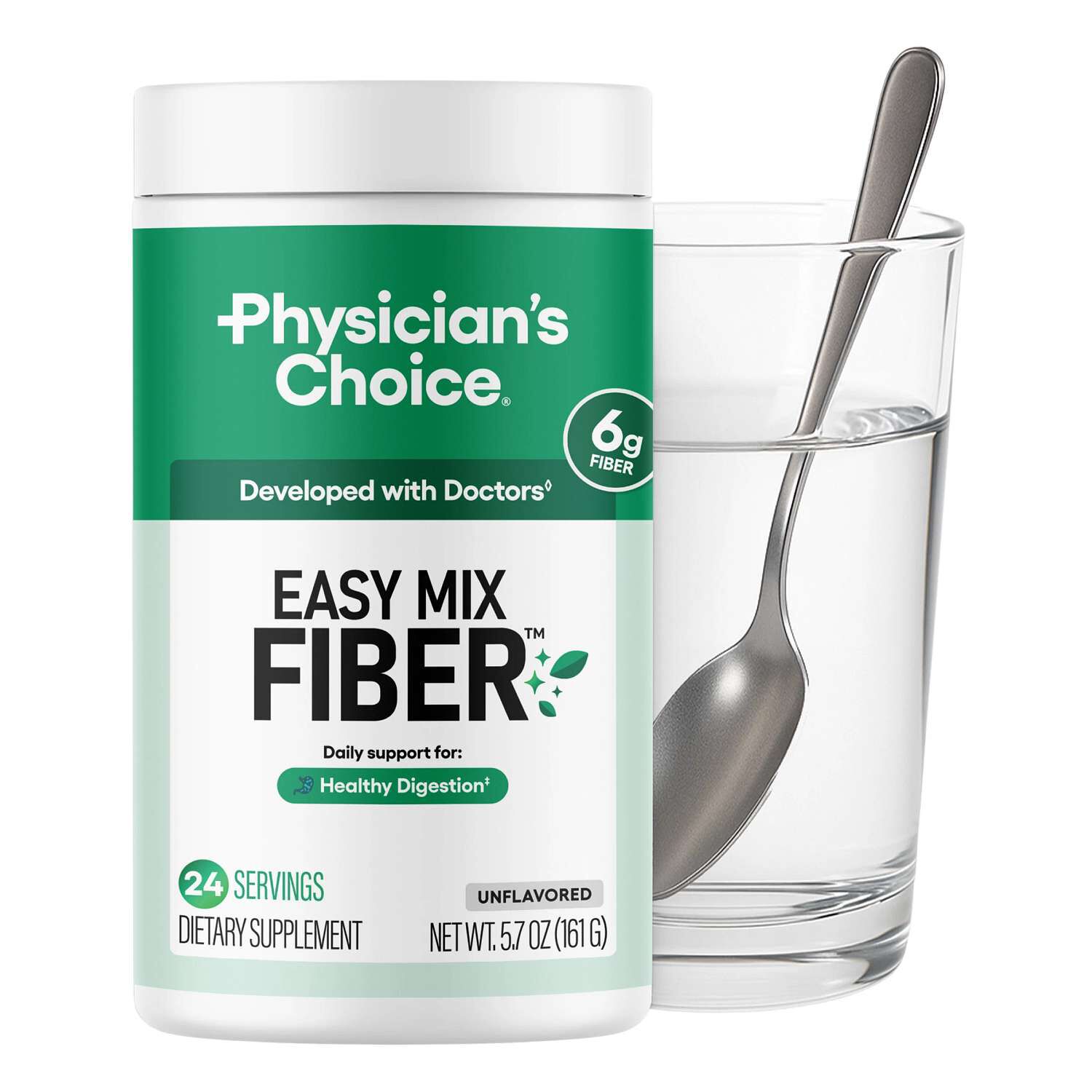
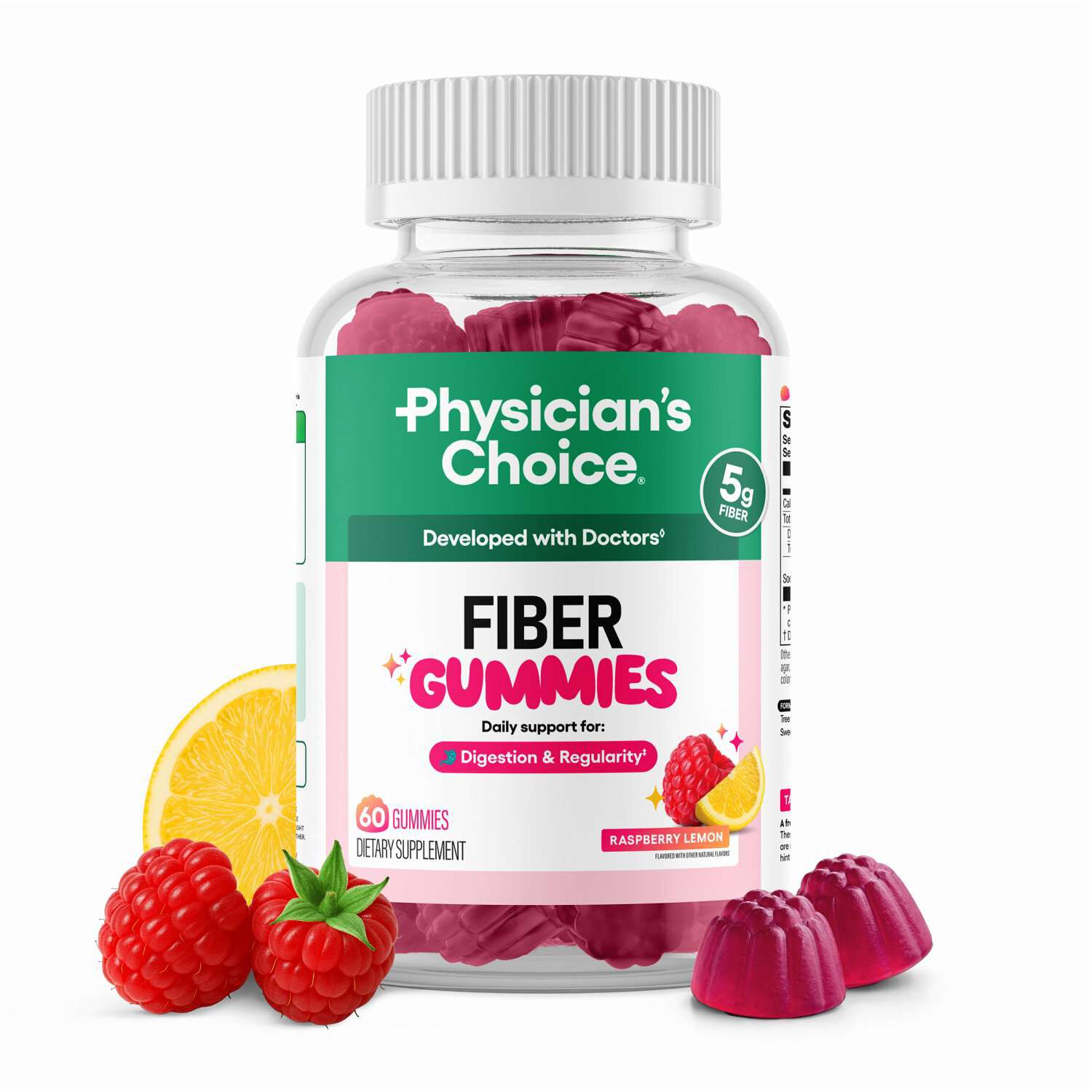
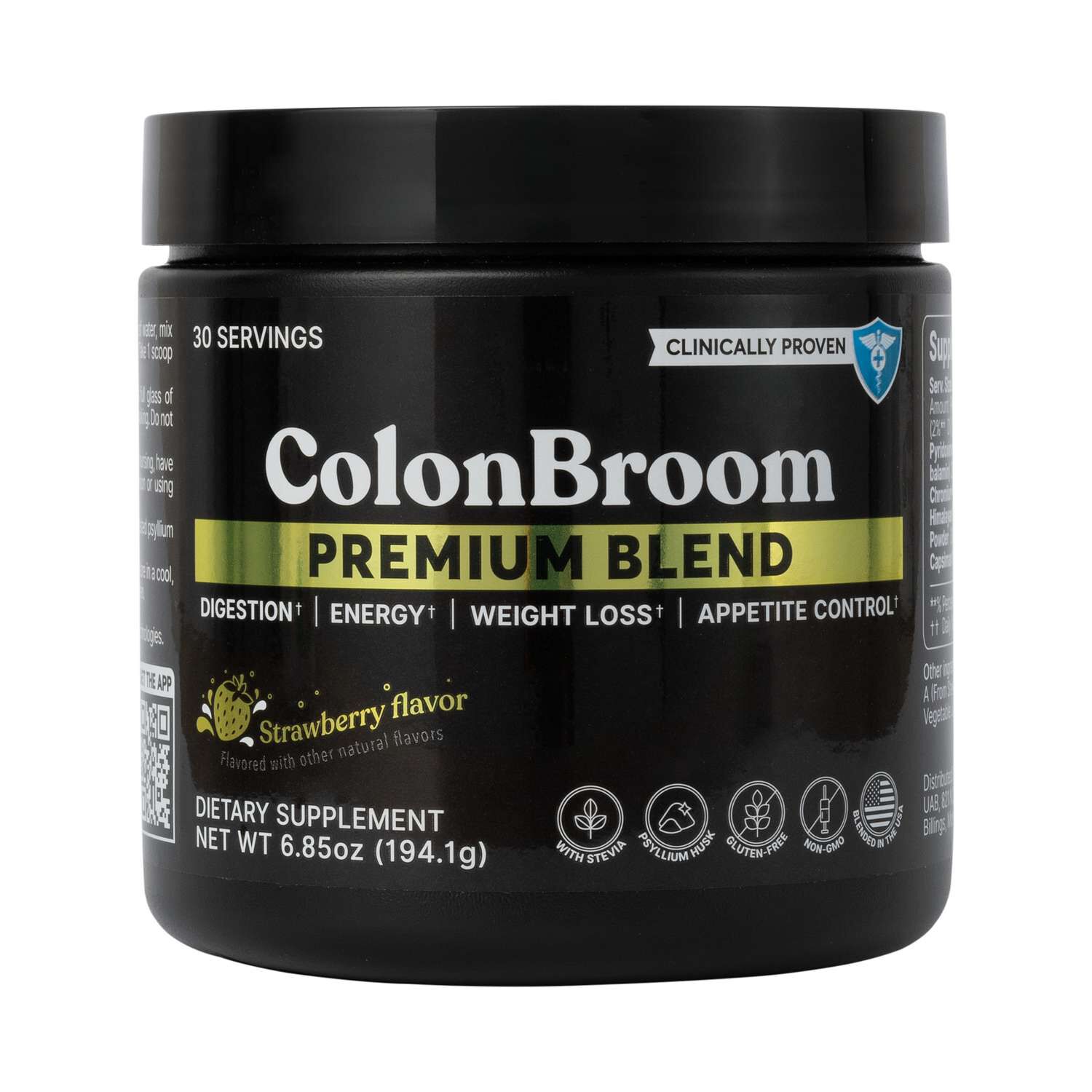
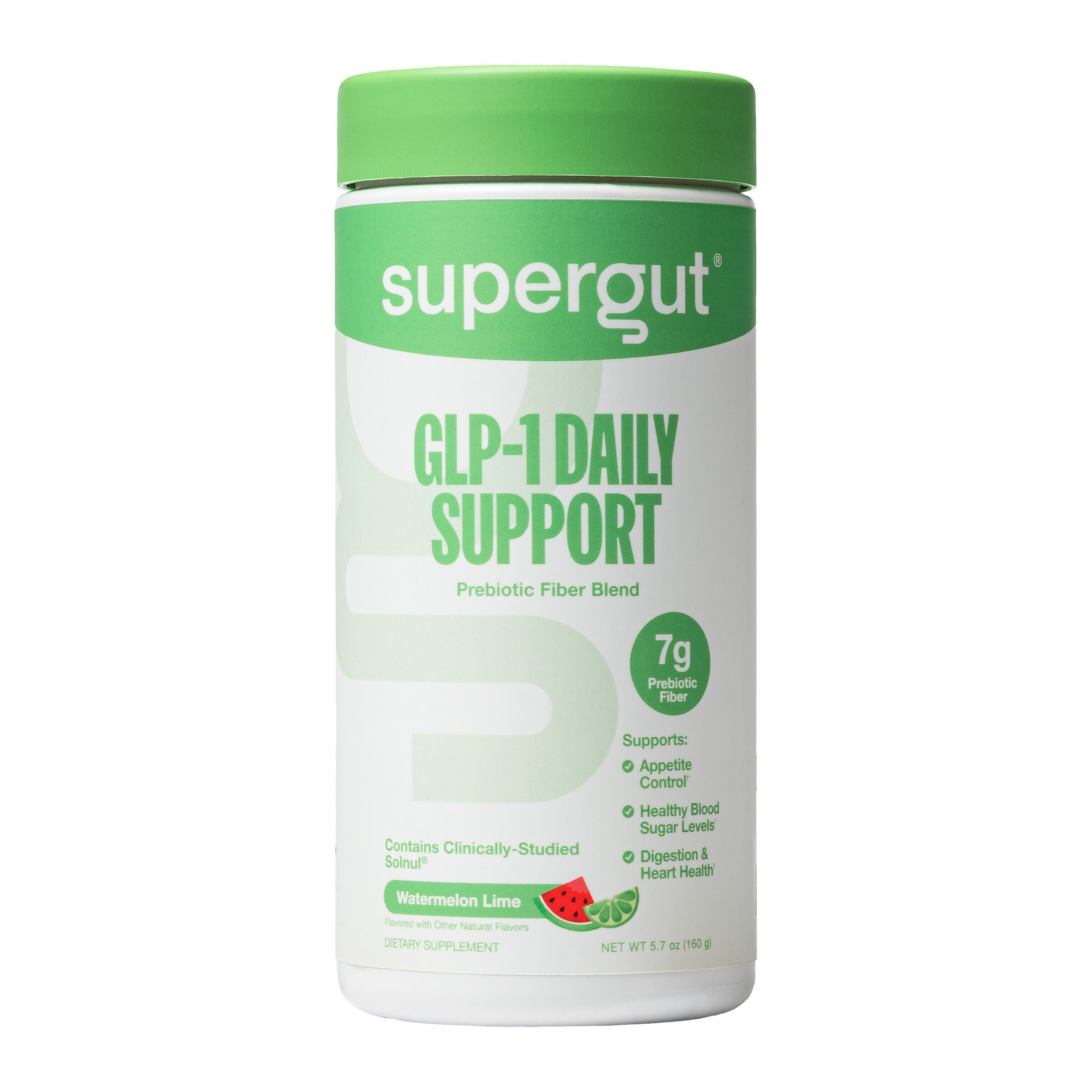
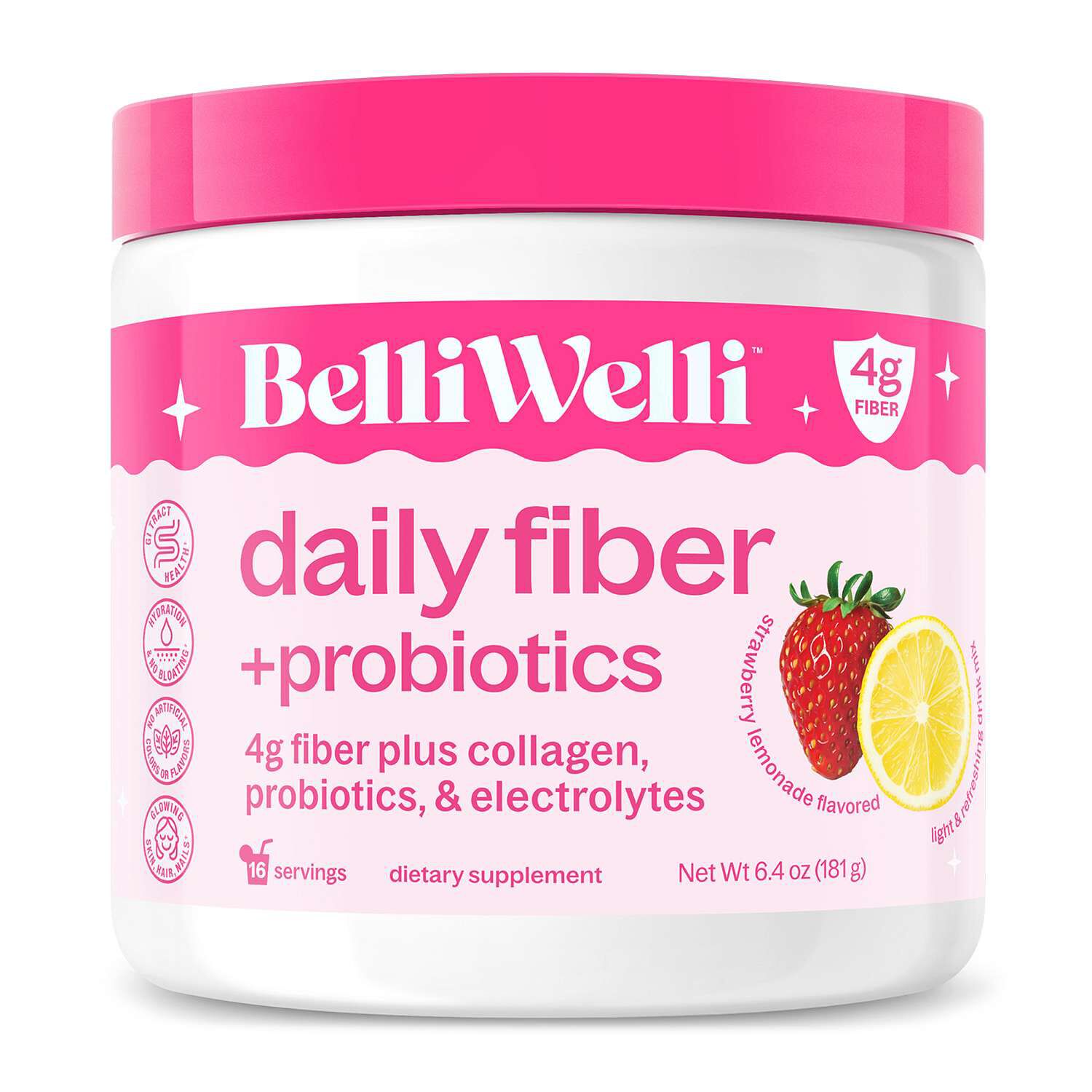
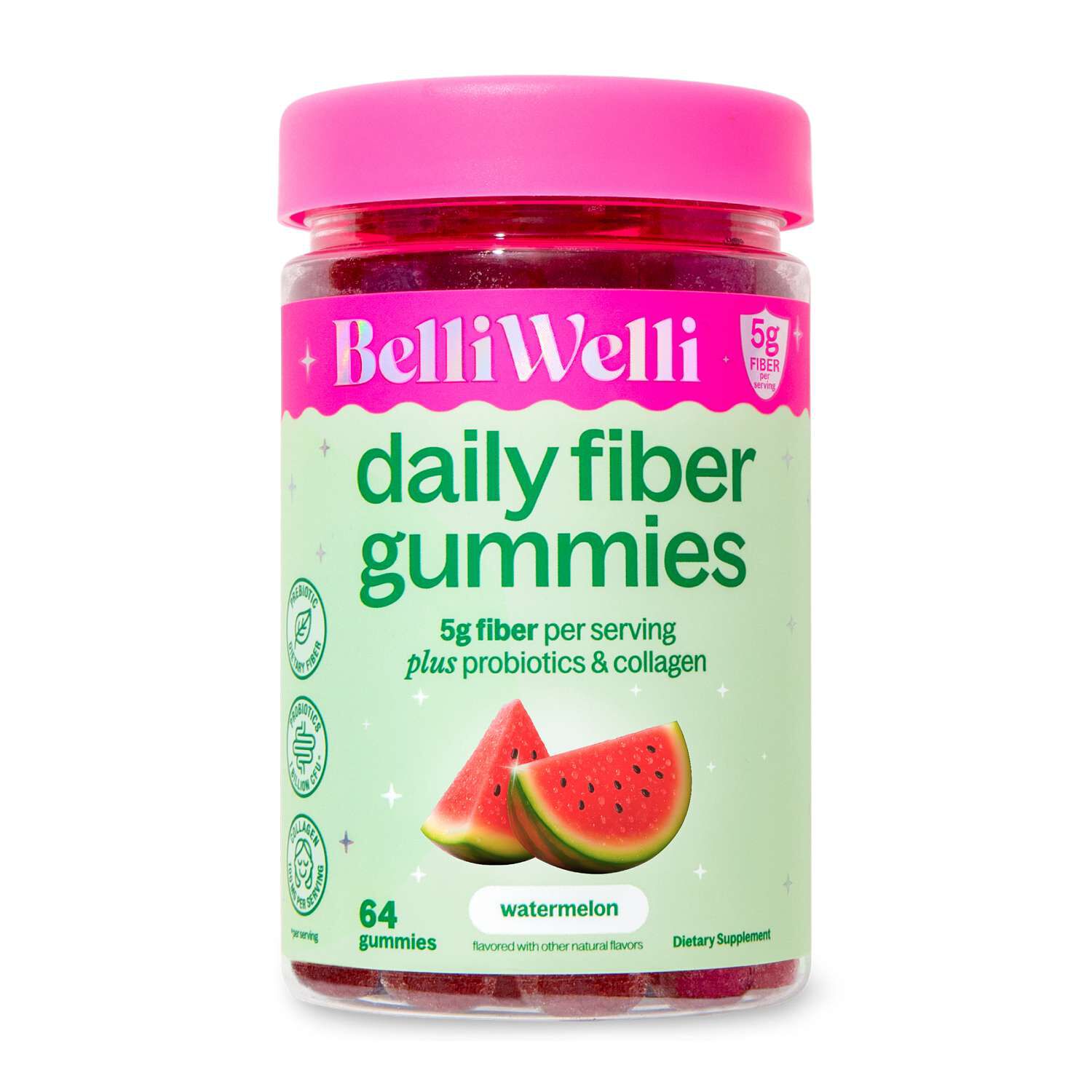
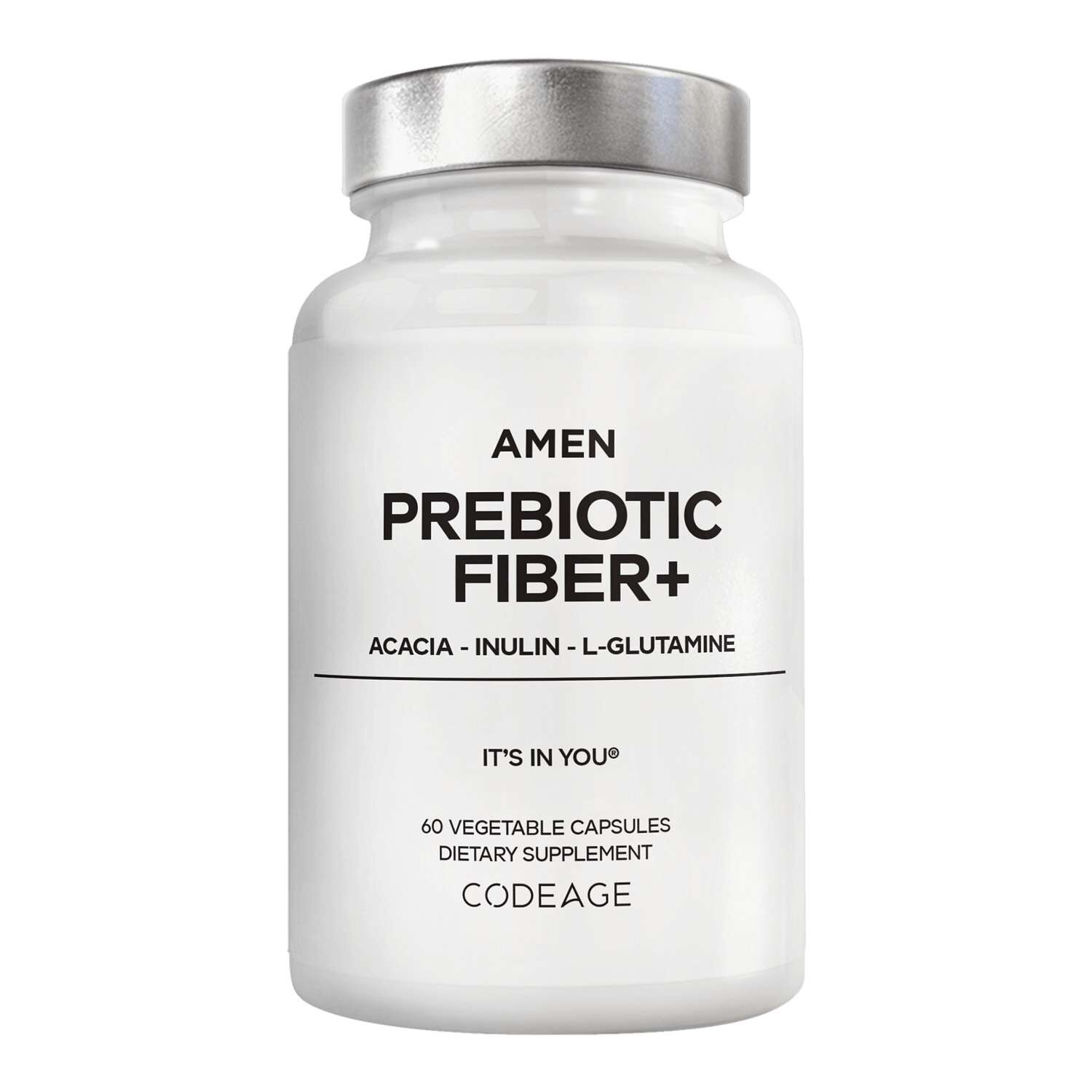
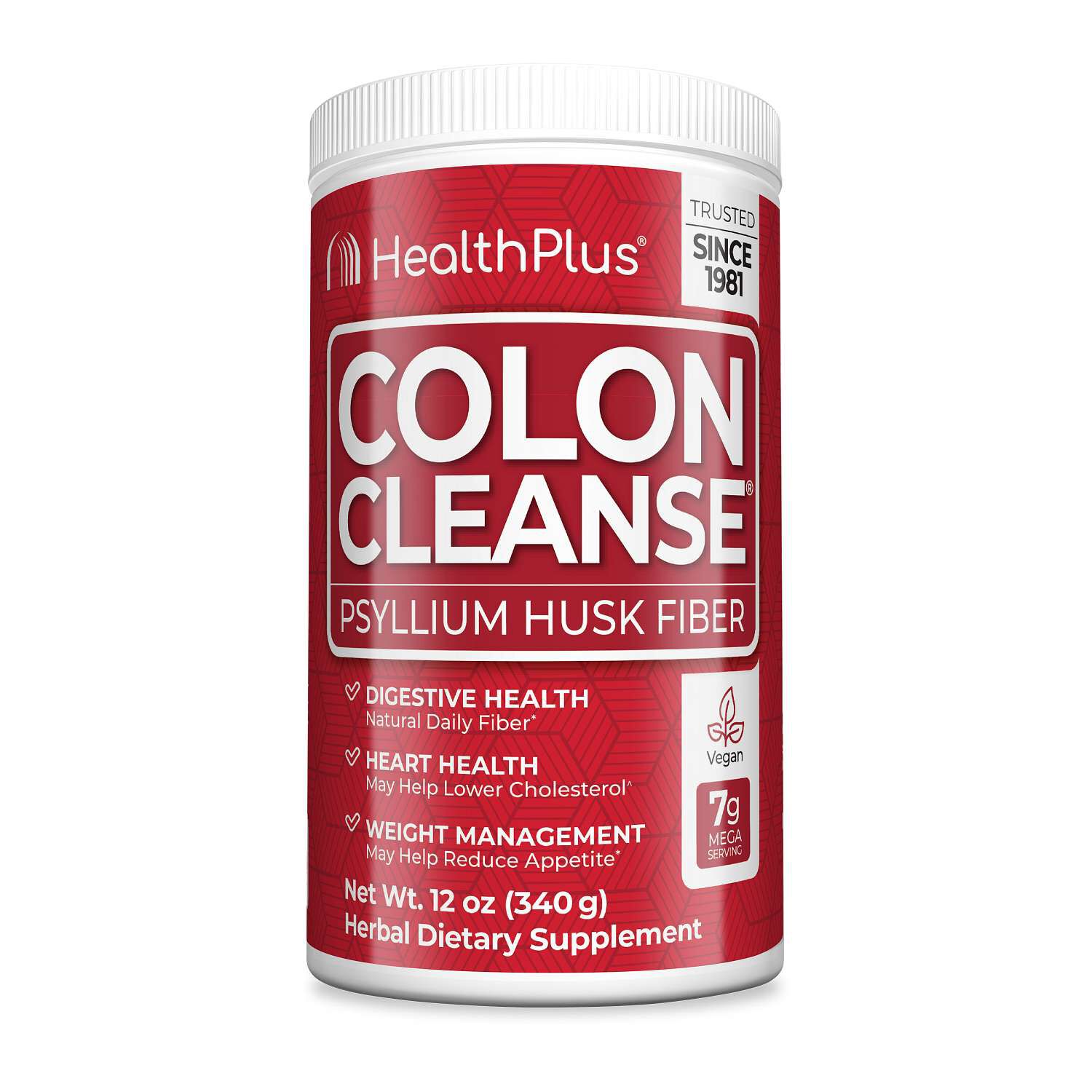
Fiber supplements for college students may complement the fiber in everyday meals, especially when campus dining, shared kitchens, and packed schedules make eating patterns less consistent. The category includes powders, capsules, and chewable formats, with differences in fiber sources, serving sizes, flavors, and preparation requirements. An adult student moving between an early lecture, a dining hall lunch, and an evening study session might prefer a different format than someone preparing most meals in an apartment. These products are intended to supplement an eating pattern rather than replace meals or the variety of nutrients found in food. Beans, lentils, whole grains, fruits, and vegetables remain relevant parts of that picture, even when a supplement has a place in the routine. The most useful comparisons often start with the amount of dietary fiber listed per serving and the number of scoops, capsules, or pieces that make up that serving. A small package does not necessarily mean a small serving, and similar-looking containers may have different serving instructions. Powdered formats involve mixing and measuring, while capsules have their own serving counts and directions. Chewable options bring texture, flavor, and sweetener preferences into the comparison. Fiber sources may include psyllium husk, inulin from chicory root, wheat dextrin, or other plant-derived ingredients, depending on the formula. Those names describe different ingredients rather than interchangeable versions of the same material. Some dissolve in liquid, while others create a thicker mixture or leave a more noticeable texture. Ingredient lists also distinguish single-fiber formulas from blends and identify flavorings, colors, and other components. For college students browsing fiber supplements, these practical details matter alongside the familiar question of where a container will fit: beside breakfast supplies, in a kitchen cabinet, or in a desk drawer with other daily-use items. A product’s format and preparation requirements may influence how comfortably it fits into campus life.
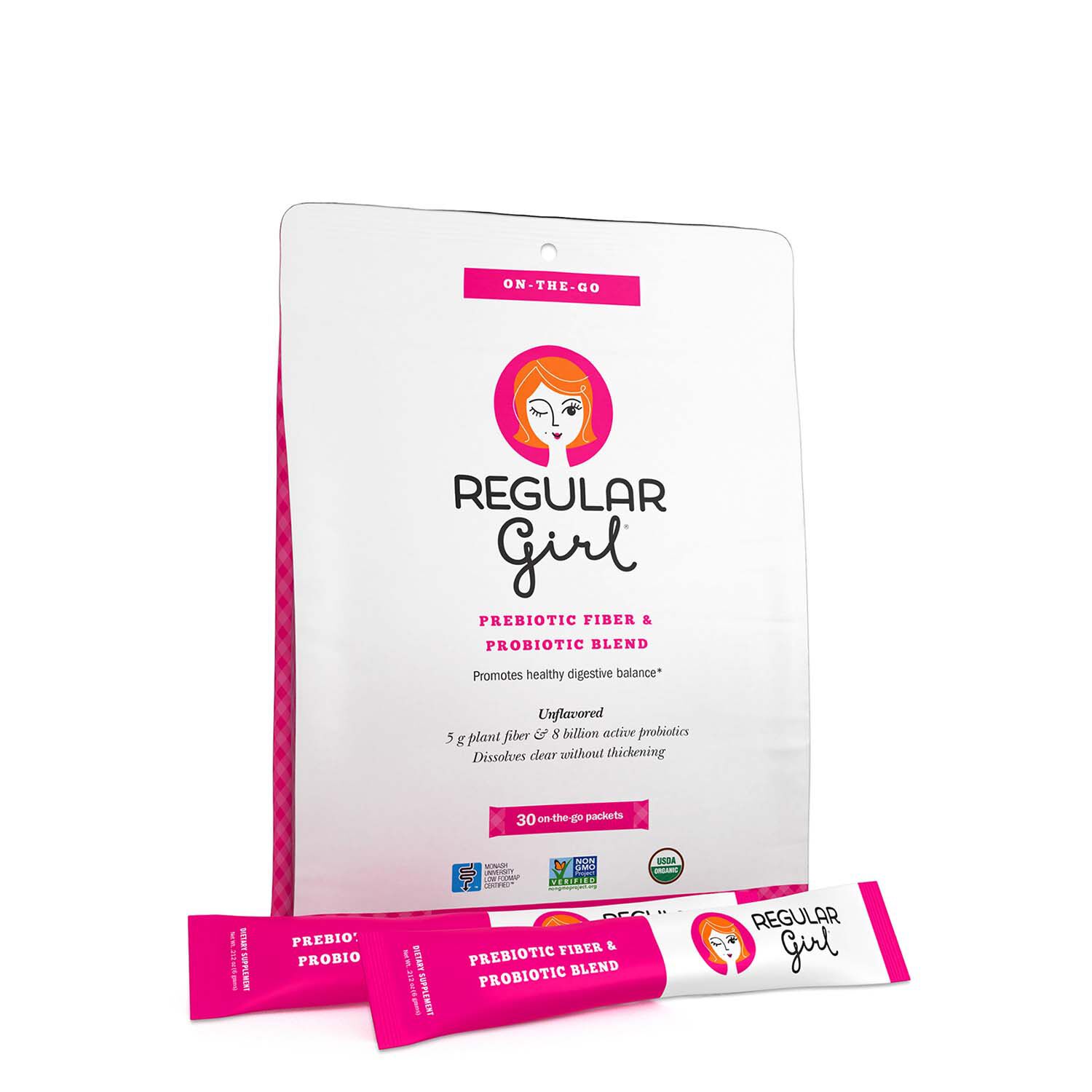
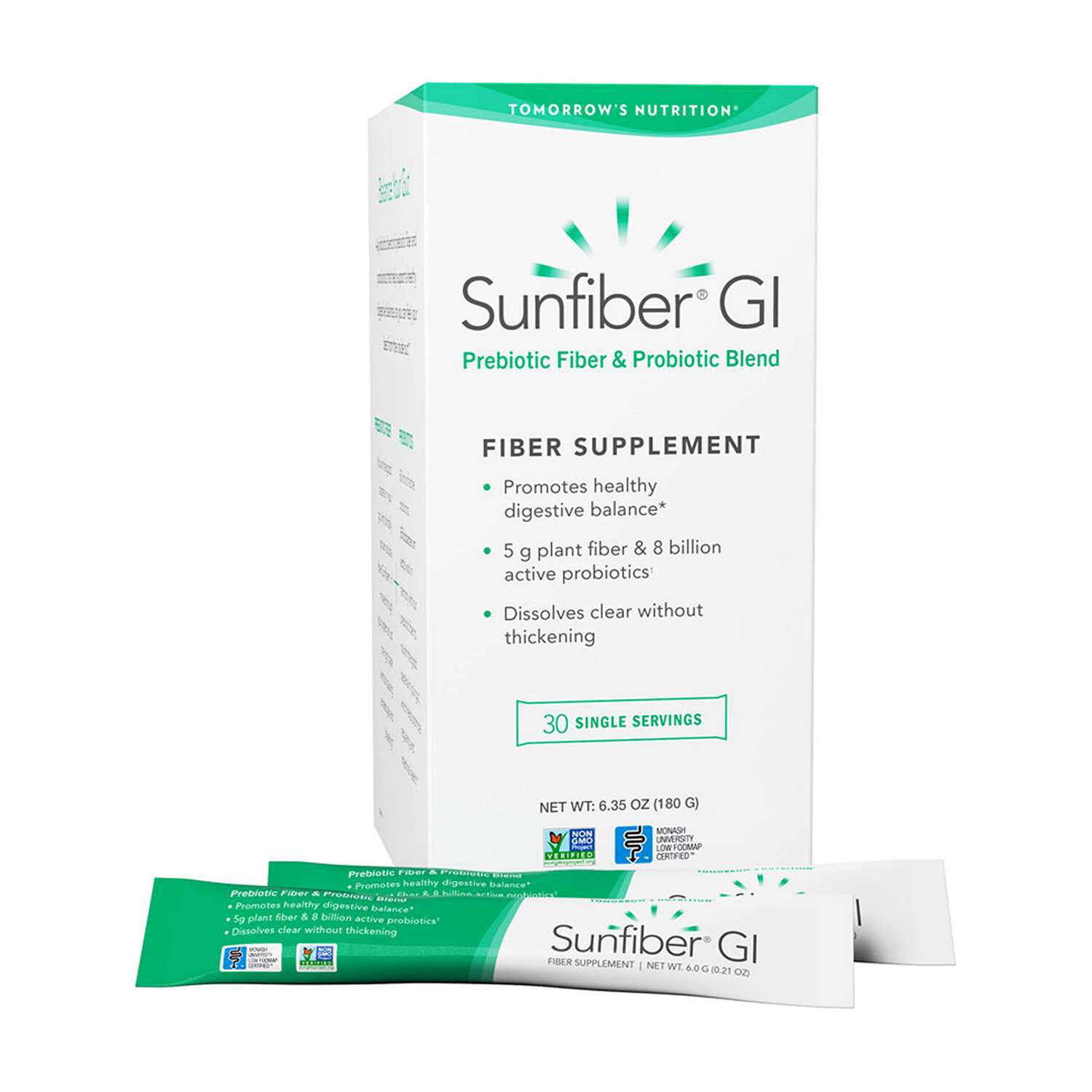
Dorm rooms and student apartments put storage and preparation details into sharp focus. A powdered fiber supplement usually means having a suitable cup, access to the liquid specified on the label, and a place to keep any included measuring scoop clean and dry. Mixing directions vary, including the amount of liquid and whether the mixture is meant to be consumed soon after preparation. Those details are part of the product’s intended use, not minor packaging notes. A communal kitchen with a sink and counter offers a different setup from a residence hall room with limited food preparation space. Capsules require no mixing, although the serving directions may call for several capsules rather than one. Chewables have a different set of considerations, including piece count, sweetness, texture, and the presence of sugar alcohols or other sweeteners. Flavored powders also bring taste compatibility into the decision: a citrus flavor has a different character from an unflavored formula, particularly alongside breakfast foods. Any use in beverages or foods should match the preparation directions for that formula. Packaging matters for students carrying supplies between home and campus, too. A securely closing bottle or resealable pouch may be a practical consideration inside a crowded tote, while a larger container needs a stable spot away from spills. Original packaging keeps the ingredient list, serving information, storage directions, and expiration date together. Dry storage and a clean closure are especially relevant around shared sinks, coffee stations, and crowded countertops. Individual packets, when part of a format, have their own serving information and packaging considerations. A commuter’s backpack, a dorm desk, and an apartment pantry create different demands on container size and portability. The most relevant comparison is not simply which package looks smallest, but how preparation, storage, and serving instructions line up with the spaces a student actually uses. Clear measuring marks, readable directions, and a closure that is straightforward to handle are details worth noticing before a container becomes part of a busy routine.
Choosing among fiber supplements for college students also involves looking beyond the front label to the routines and preferences behind the purchase. Students who eat most meals on campus may have different preparation options from those who grocery shop and cook with roommates. Someone with a regular breakfast at home might have a convenient place for a powder, while someone leaving early for a long commute might prefer to compare formats that do not require mixing. Neither situation makes one format universally preferable; serving size, ingredient preferences, and label directions remain central. Dietary preferences deserve attention as well, since capsule materials, flavorings, sweeteners, and ingredient sources differ among formulas. Allergen statements and dietary labeling provide details that appearance alone cannot establish. Comparing grams of fiber per labeled serving is more informative than judging products by bottle size or the number of pieces shown on the package. A formula with several ingredients also deserves a different reading than one centered on a single fiber source, since each has its own composition and intended use. For adult male students exploring related categories, Fiber Supplements For Men provides another browsing path, with ingredient information and preparation requirements still relevant to the comparison. These products may also be considered for a college care package when the recipient has expressed a preference for a particular format. In that setting, a familiar choice may be more thoughtful than an unfamiliar formula selected without knowing the student’s preferences. Room for the original container and its directions matters more than decorative repackaging. Whether the purchase is for a dorm resident, an apartment renter, or a commuter, the category centers on a practical relationship between food habits and supplemental fiber. Clear labeling, a suitable format, manageable preparation, and appropriate storage give students concrete points of comparison without suggesting that every campus routine calls for the same product.
Why might college students consider taking fiber supplements?
College students often have busy schedules and may not always eat balanced meals, which could contribute to lower fiber intake. Fiber supplements may help support digestive wellness and regularity when dietary fiber is lacking.
What types of fiber are commonly found in supplements for college students?
Fiber supplements typically contain soluble fiber, insoluble fiber, or a blend of both. Common sources include psyllium husk, inulin, methylcellulose, and wheat dextrin.
How can fiber supplements fit into a college student's daily routine?
Fiber supplements are available in various forms such as powders, capsules, gummies, and chewables, making them easy to incorporate into a busy lifestyle. They can be taken with water or mixed into foods and beverages.
Are there any dietary habits that work well with fiber supplements for college students?
Pairing fiber supplements with water and a balanced diet that includes fruits, vegetables, and whole grains may support an overall digestive wellness routine.
What should college students look for when choosing a fiber supplement?
When selecting a fiber supplement, it's helpful to consider factors like the type of fiber included, ease of use, flavor preferences, and whether the product aligns with any dietary restrictions such as options suitable for plant-based diets.
Best Sellers
-
Physician's Choice
-
Tomorrow's Nutrition
-
 Health Plus

Related Pages

Top Collections
- Joint Mobility Supplement Packs
- Daily Collagen Supplements | Top Brands & Deals | GNC
- GLP 1 Support For Adults
- Zinc Supplements | Top Brands at Great Prices | GNC
- Supplements For Yoga Joint Flexibility
- Supplements For Balance
- Capsule Supplements For Energy And Stamina
- Adult Mobility Supplements
- Chronic Fatigue Supplements
- Vitamins For Hair Loss