

Fish Oil For Eyes And Vision Support
(0 Results)
Support your eye health with our carefully selected fish oil supplements, specially formulated to promote optimal vision and overall eye function. Packed with essential omega-3 fatty acids, these supplements are designed to nourish and protect your eyes from everyday stressors and age-related issues. Whether you're looking to maintain clear vision or seeking natural support for dry eyes, our fish oil supplements offer a convenient way to boost your eye health and enhance your overall well-being. Discover our range of high-quality fish oil options to help you see clearly and feel your best every day.
-
 $24.99
 -
 Portions Master$25.99
 -
-
 $23.99
 -

-
-
-

-

-
 Divine Health$34.99
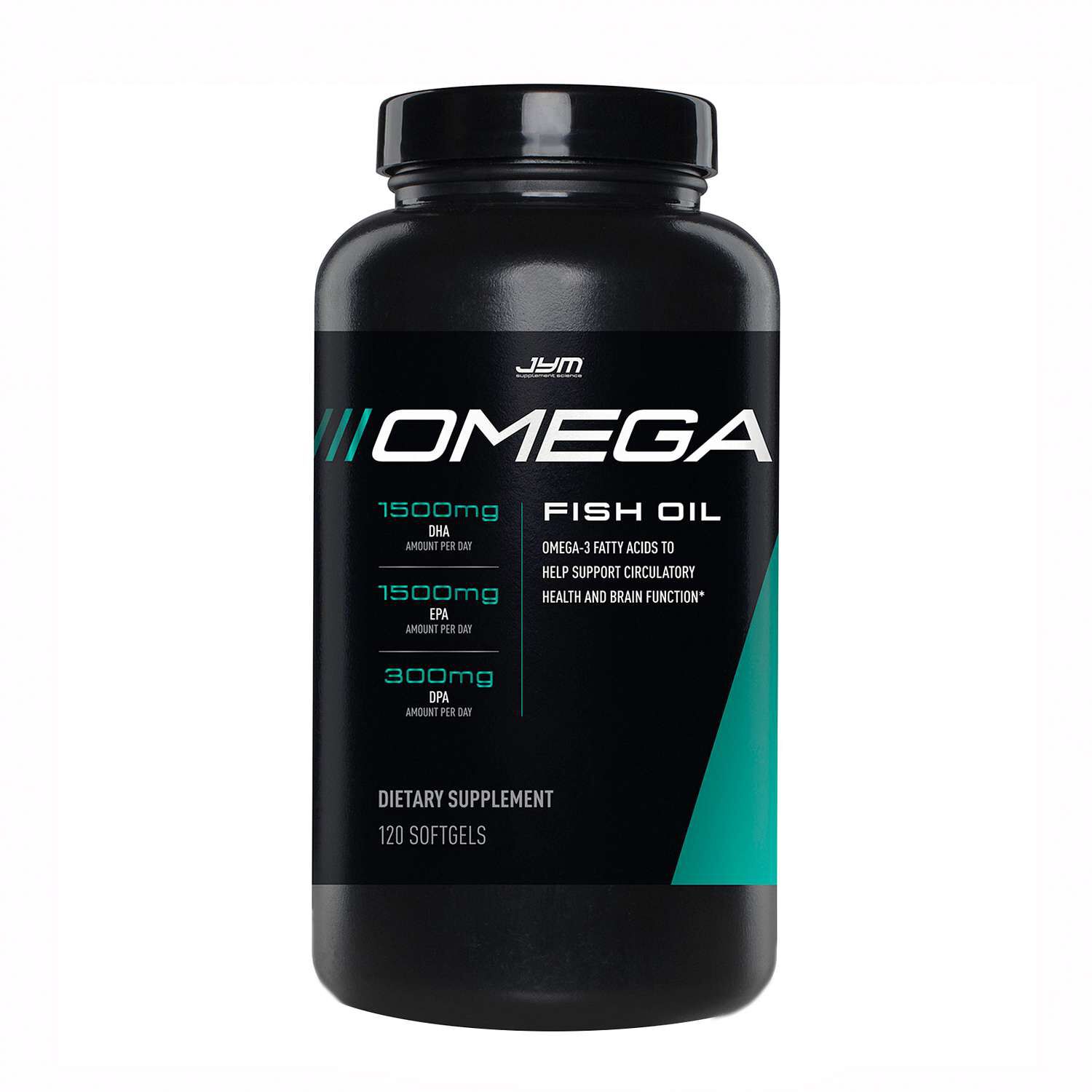
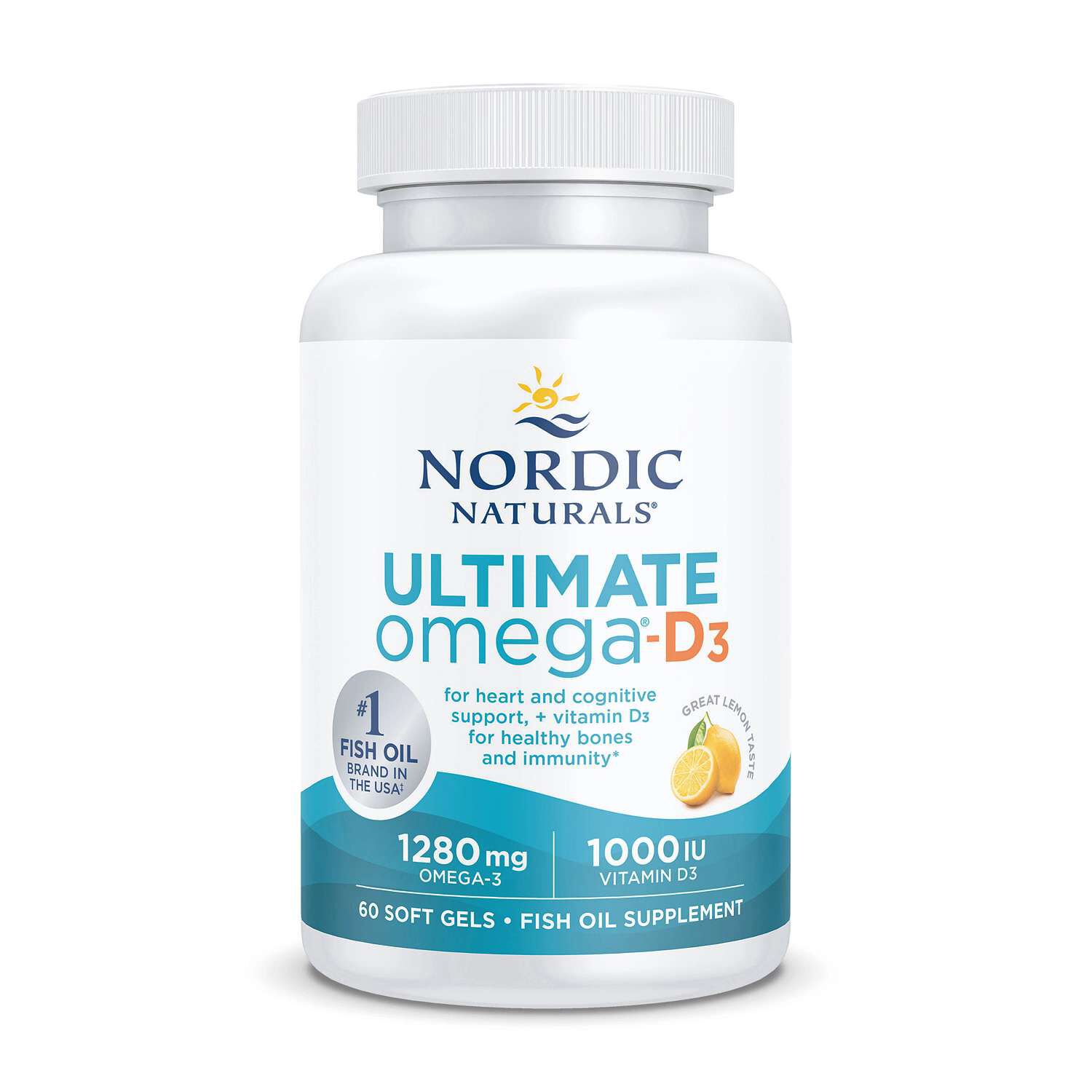
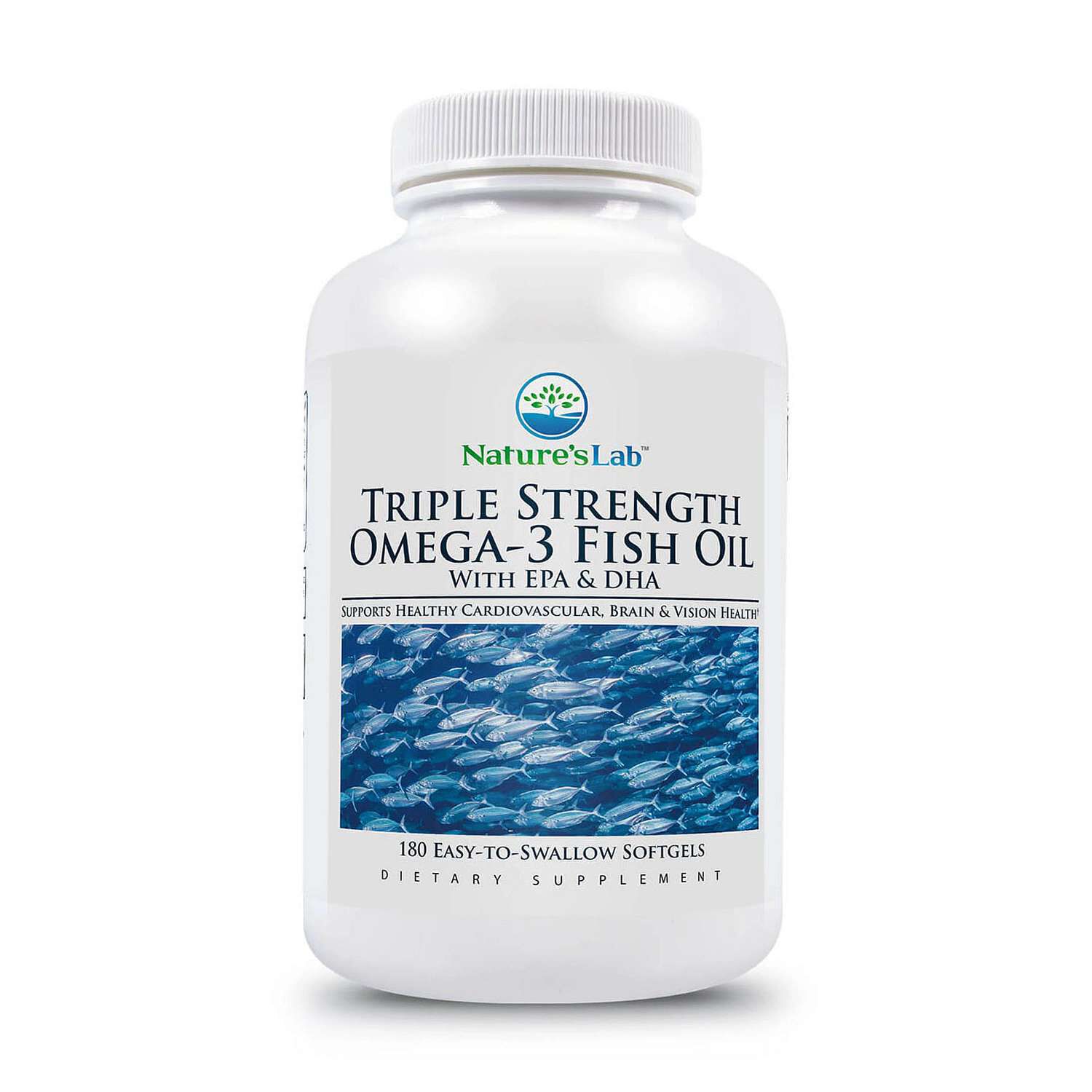
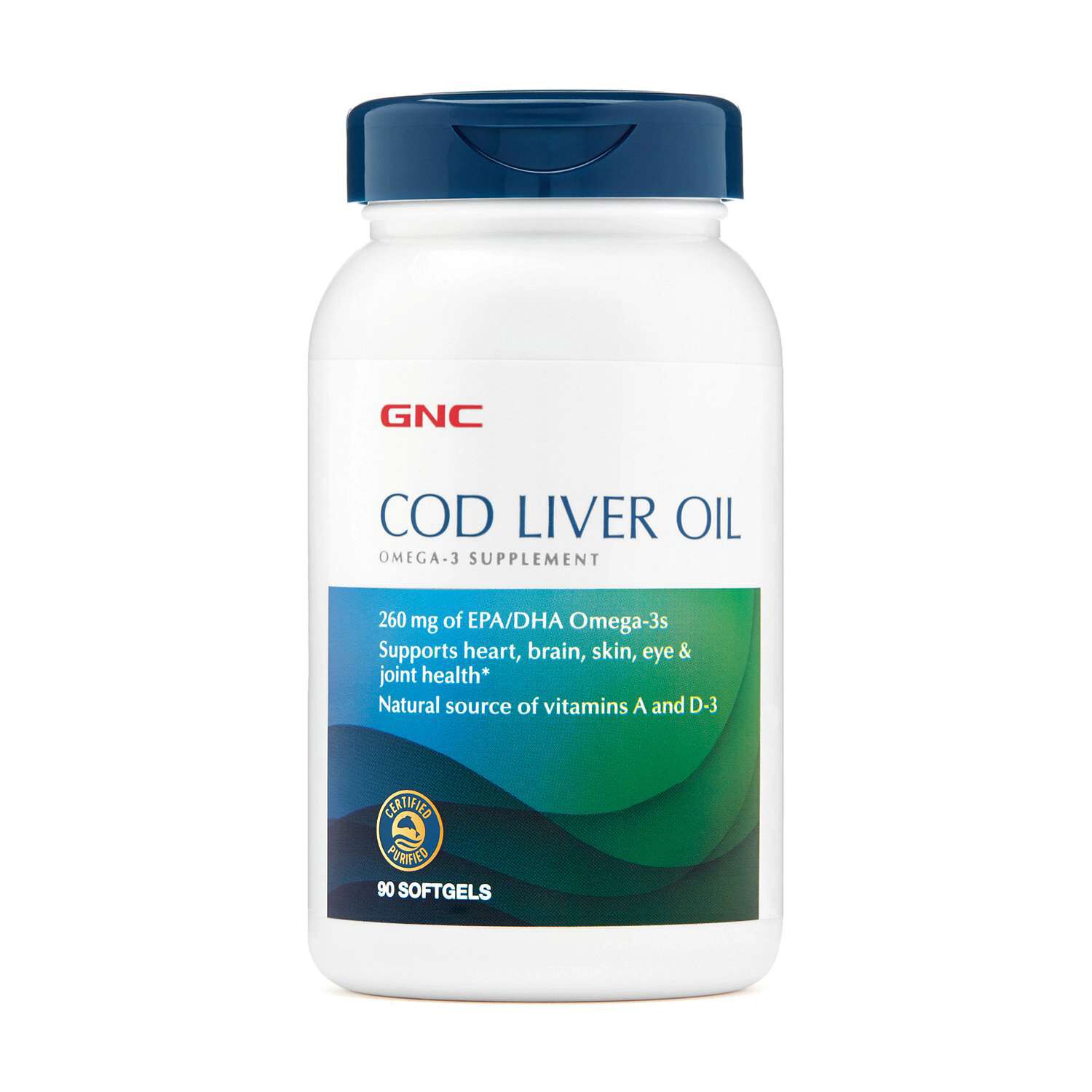
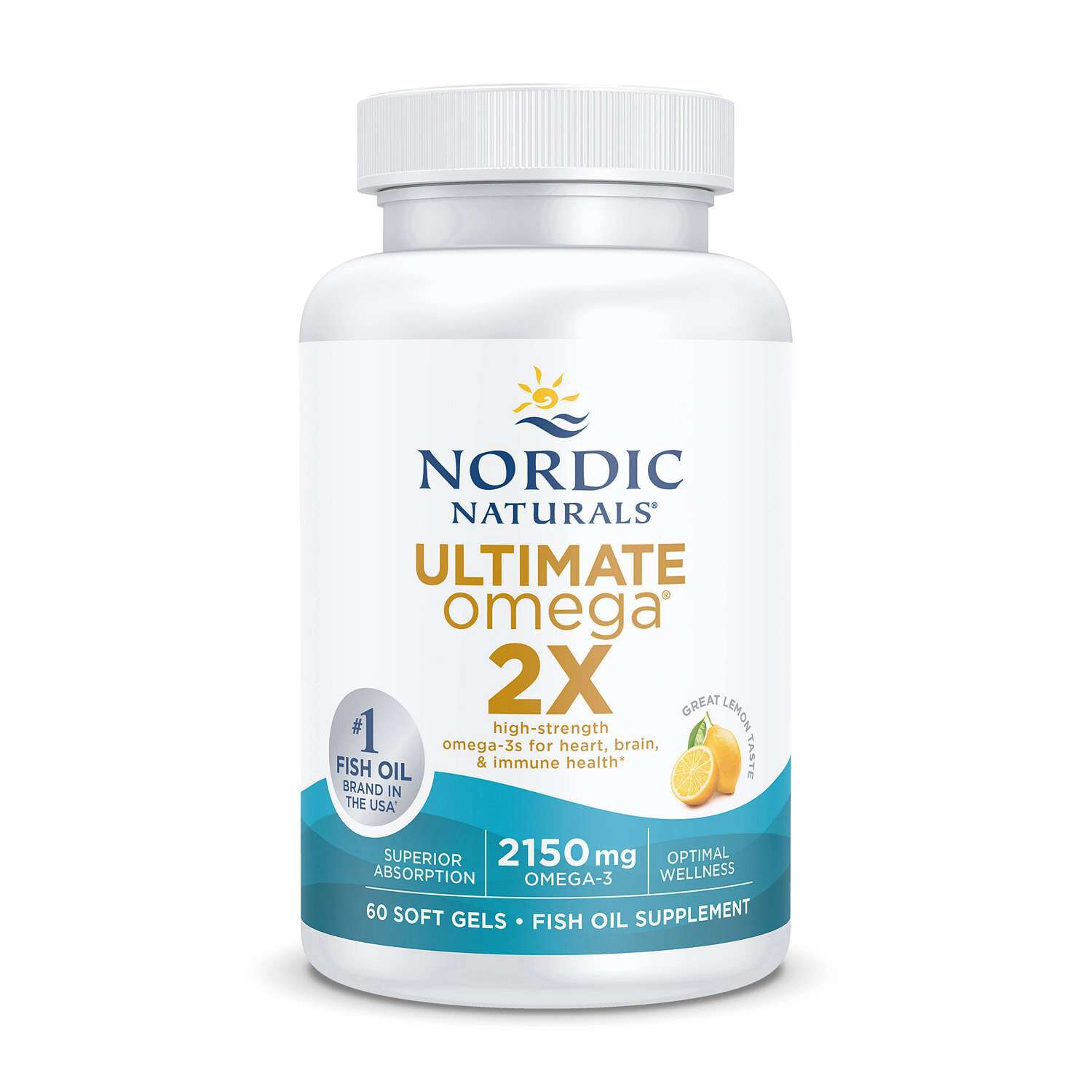
Fish oil supplements are commonly chosen by people seeking nutritional support for eyes and vision because they provide omega-3 fatty acids, including docosahexaenoic acid (DHA) and eicosapentaenoic acid (EPA). DHA is naturally present in the retina, the light-sensitive tissue at the back of the eye, where it contributes to the structure of cell membranes. Because the body uses these fatty acids throughout many tissues, fish oil may fit into a broader wellness routine focused on balanced nutrition and everyday eye care. Research on omega-3 supplements and specific eye concerns remains mixed, so these products may be best viewed as a convenient source of selected nutrients rather than a substitute for regular eye examinations, varied meals, or guidance from a qualified healthcare professional. For shoppers comparing options, the Supplement Facts panel may be the most useful place to begin. Check the amount of EPA and DHA per serving instead of looking only at the overall amount of fish oil, since formulas can differ considerably. Serving size also matters: one product may list a single softgel while another may suggest several. Some shoppers may prefer a formula with DHA featured prominently, while others may look for a balanced combination of DHA and EPA. Capsule size, flavor, and the number of softgels per container can influence how easily a product fits into a daily routine. Fish oil is often taken with a meal, which may make softgels easier to incorporate into breakfast or dinner and may suit people who prefer to organize supplements alongside familiar habits. Product freshness and quality details may matter as well, including proper storage instructions, packaging that helps protect the contents, and information about sourcing or purification. A shopper who is sensitive to seafood ingredients may wish to review the label carefully and consult a healthcare professional before choosing a fish-derived supplement. Anyone using a prescribed product that affects blood clotting, preparing for a procedure, or managing an ongoing health concern should seek individualized guidance before adding fish oil to a routine.
Food may also be a valuable way to obtain omega-3 fatty acids. Fatty fish such as salmon, sardines, mackerel, and anchovies are often included in balanced eating patterns, and many nutrition professionals commonly discuss eating fish a couple of times per week. Supplements may appeal to people who do not regularly prepare seafood, have a busy schedule, travel often, or simply prefer the consistency of a softgel. They could also be a thoughtful wellness gift for a parent, partner, or friend who enjoys practical nutrition products, especially when paired with other habits such as wearing sunglasses outdoors, taking screen breaks, and keeping up with routine vision appointments. During the cooler months, a fish oil supplement may be easy to store in a kitchen cabinet and use alongside hearty meals, although the product label should always guide storage. Shoppers may also wish to consider whether they prefer softgels, liquid fish oil, or a smaller serving format, as comfort and convenience can make a difference in maintaining a regular routine. For those specifically seeking DHA-focused nutrition, DHA Omega 3 Softgels For Healthy Vision offers a relevant category to explore. No supplement can replace professional evaluation of changes in vision, persistent discomfort, unusual light sensitivity, or other concerns, and fish oil may not be appropriate for everyone. Reading the label, comparing EPA and DHA amounts, checking serving directions, and choosing a format that fits naturally into daily life may help shoppers make a more informed purchase. A measured approach can keep the focus on nutritional support, reliable product information, and habits that care for vision as part of overall well-being.
Best Sellers
-
 Nordic Naturals
 -
 Nordic Naturals
 -
 Nordic Naturals