





DHA Omega 3 Softgels For Healthy Vision
(0 Results)
DHA omega-3 softgels for healthy vision are a convenient way to support your wellness routine. Packed with essential fatty acids, these supplements may help you maintain your overall eye health as part of a balanced lifestyle. Whether you’re looking to add more omega-3 into your daily regimen or seeking options that fit seamlessly into your routine, explore a variety of DHA omega-3 softgels for healthy vision to find the right match for your needs.
-
-
-
-
 $24.99
-
 Portions Master$25.99
-
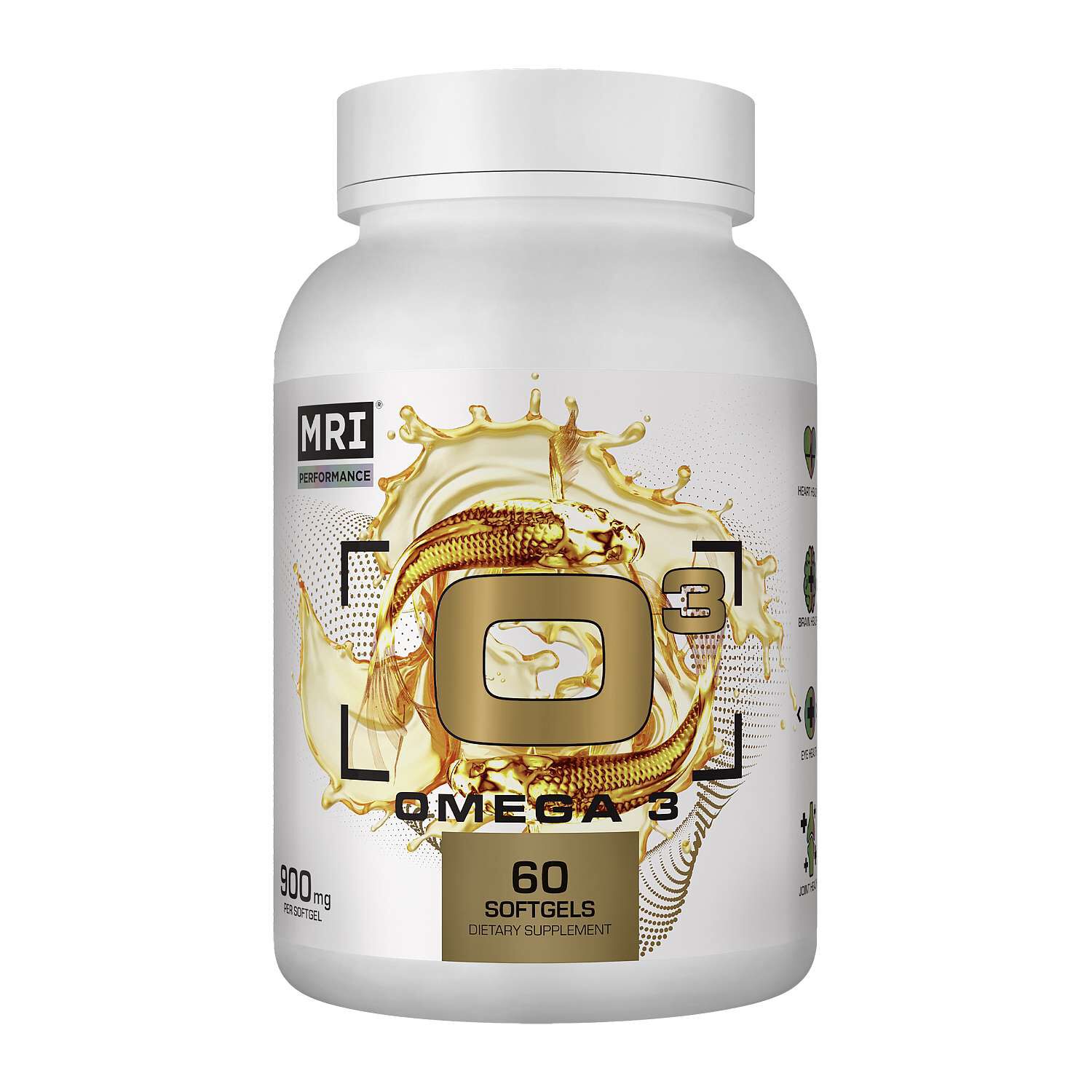 MRI Performance$29.99
-
-

-

-
-

-
-

-
 $23.99
-
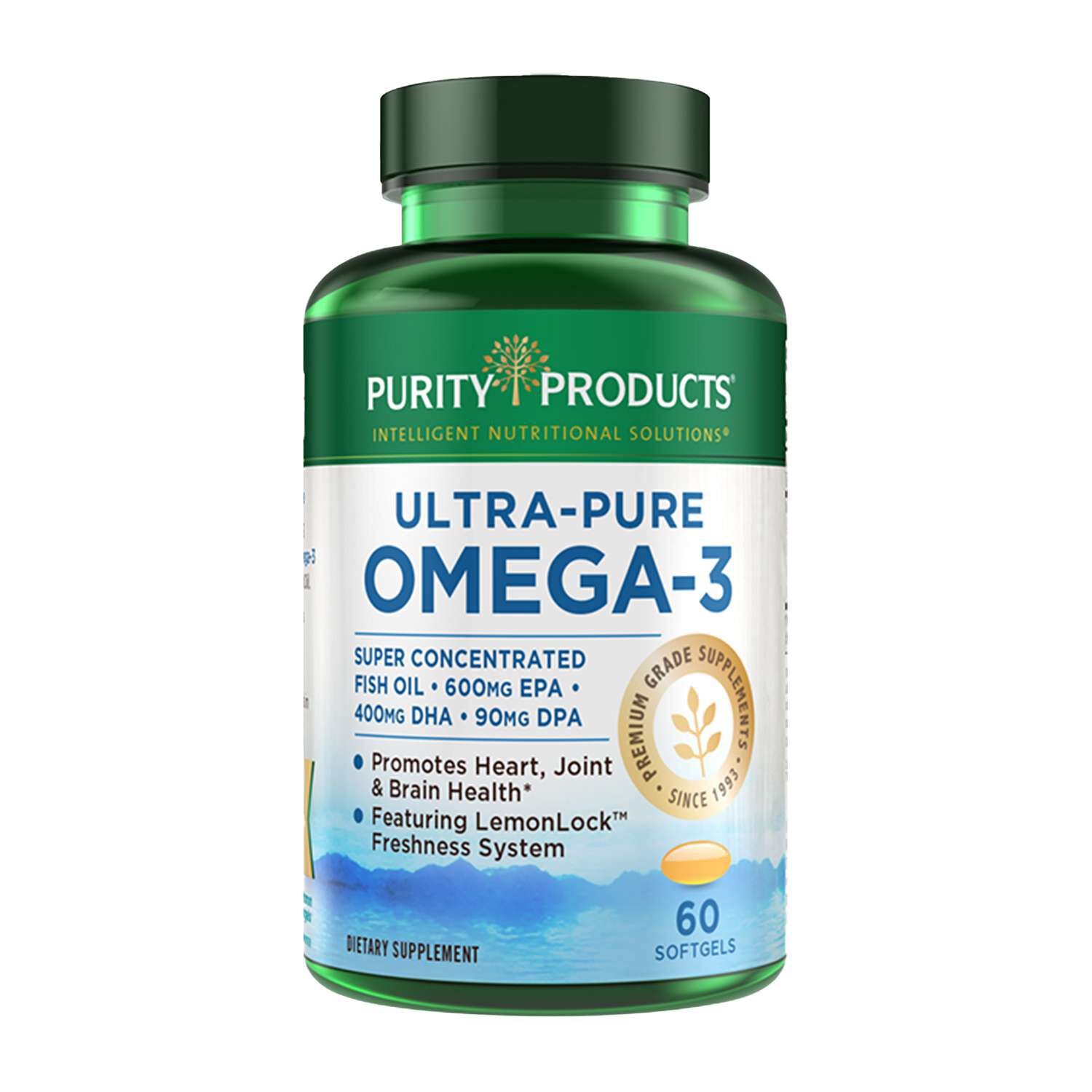 Purity Products$26.99
-
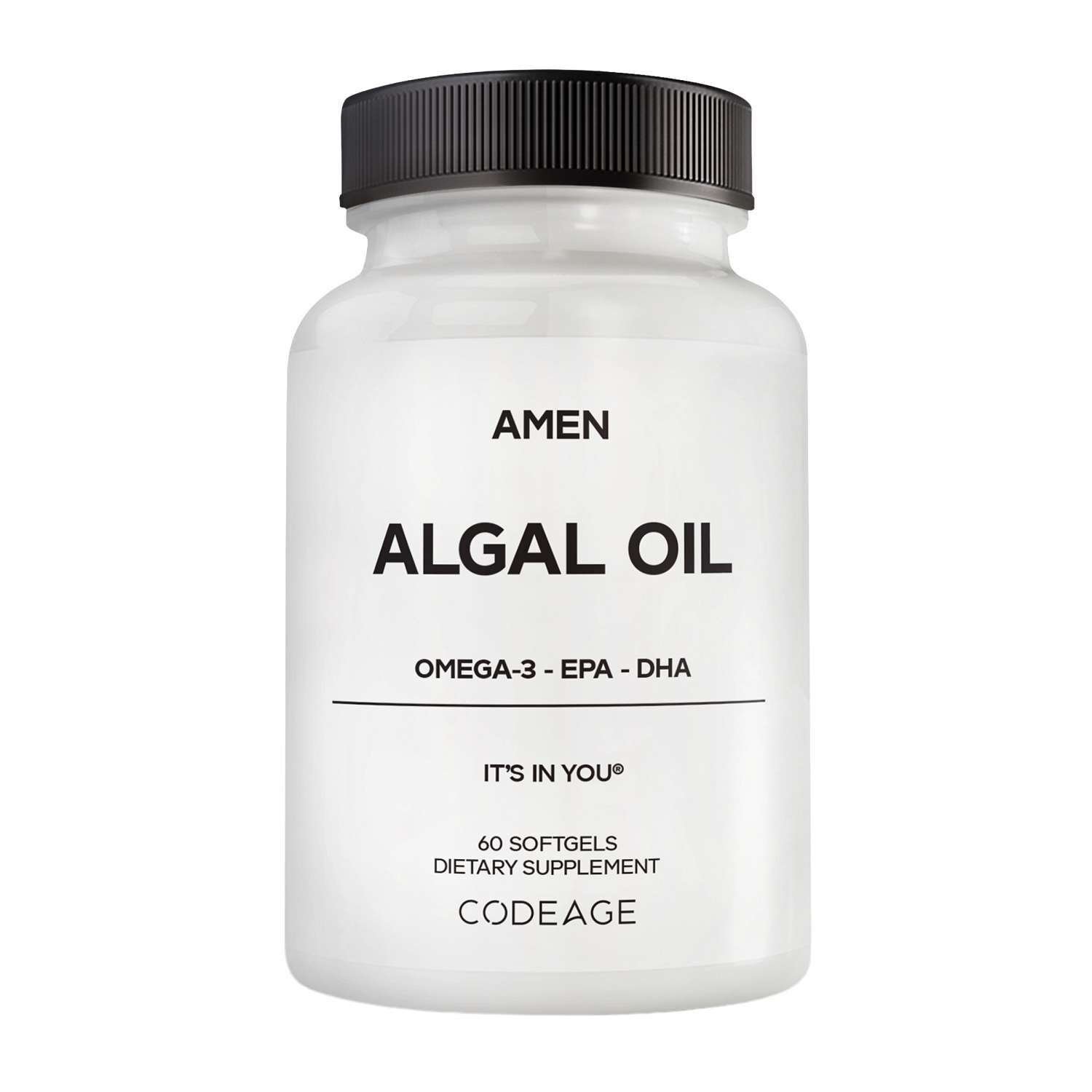 $24.99
-
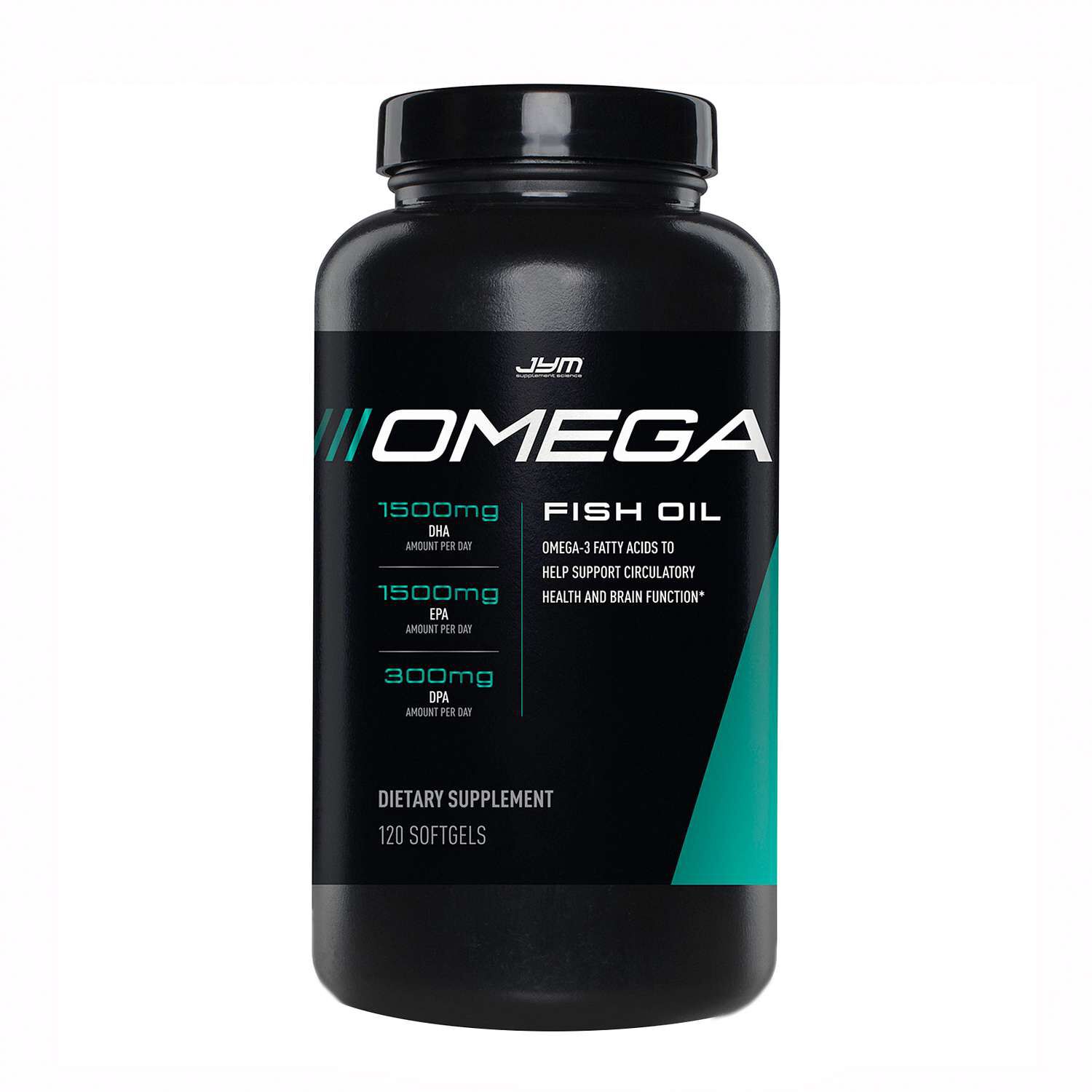
-

-


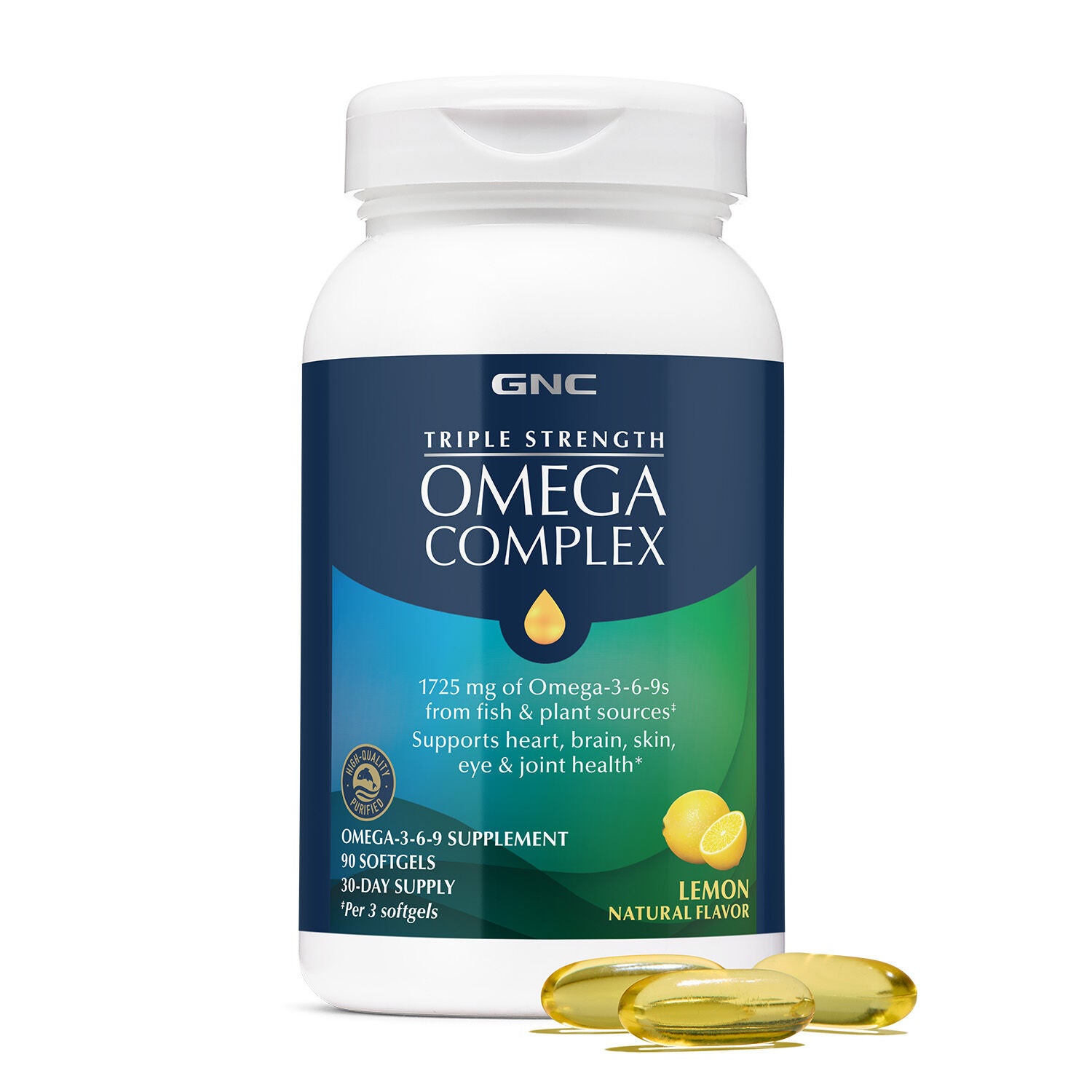

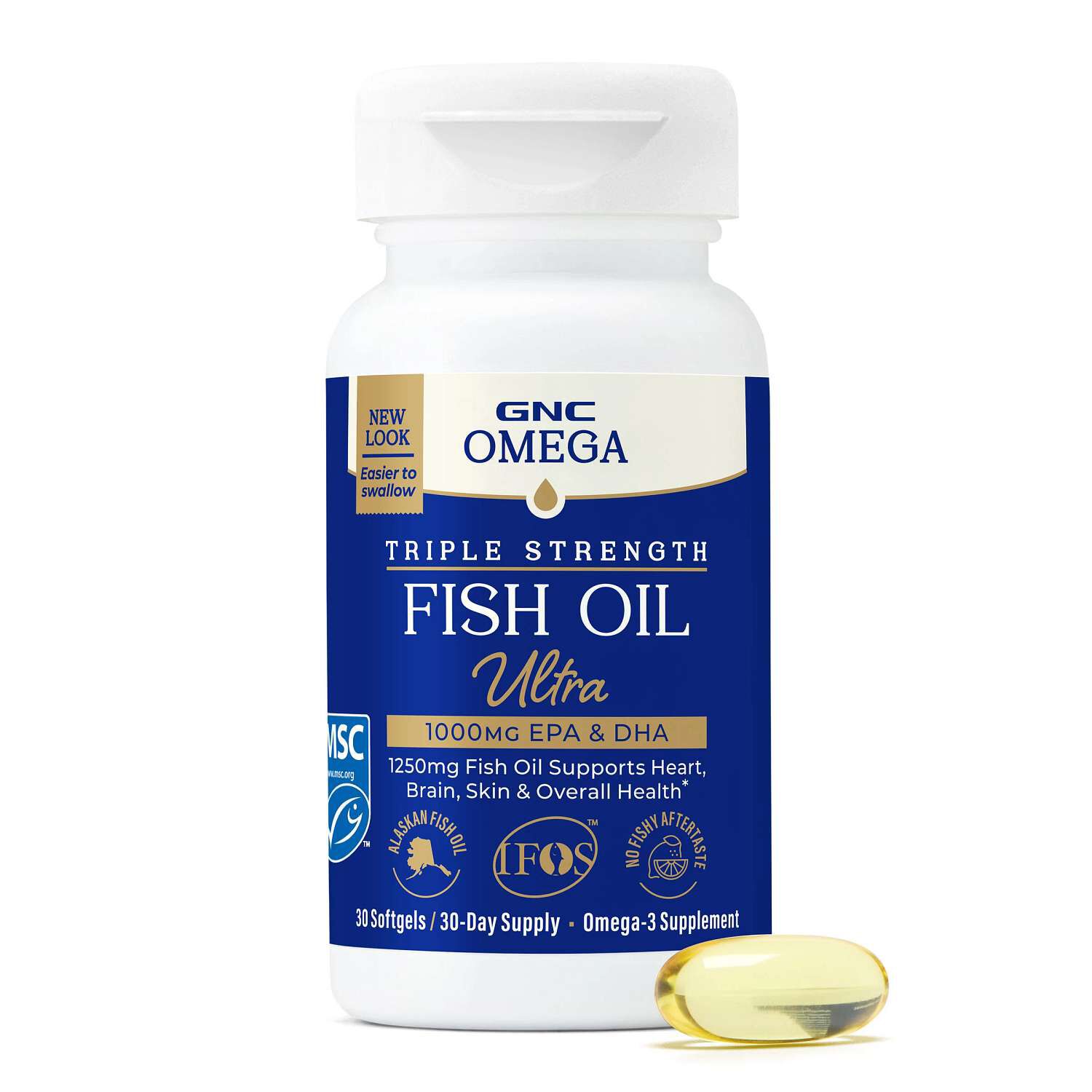
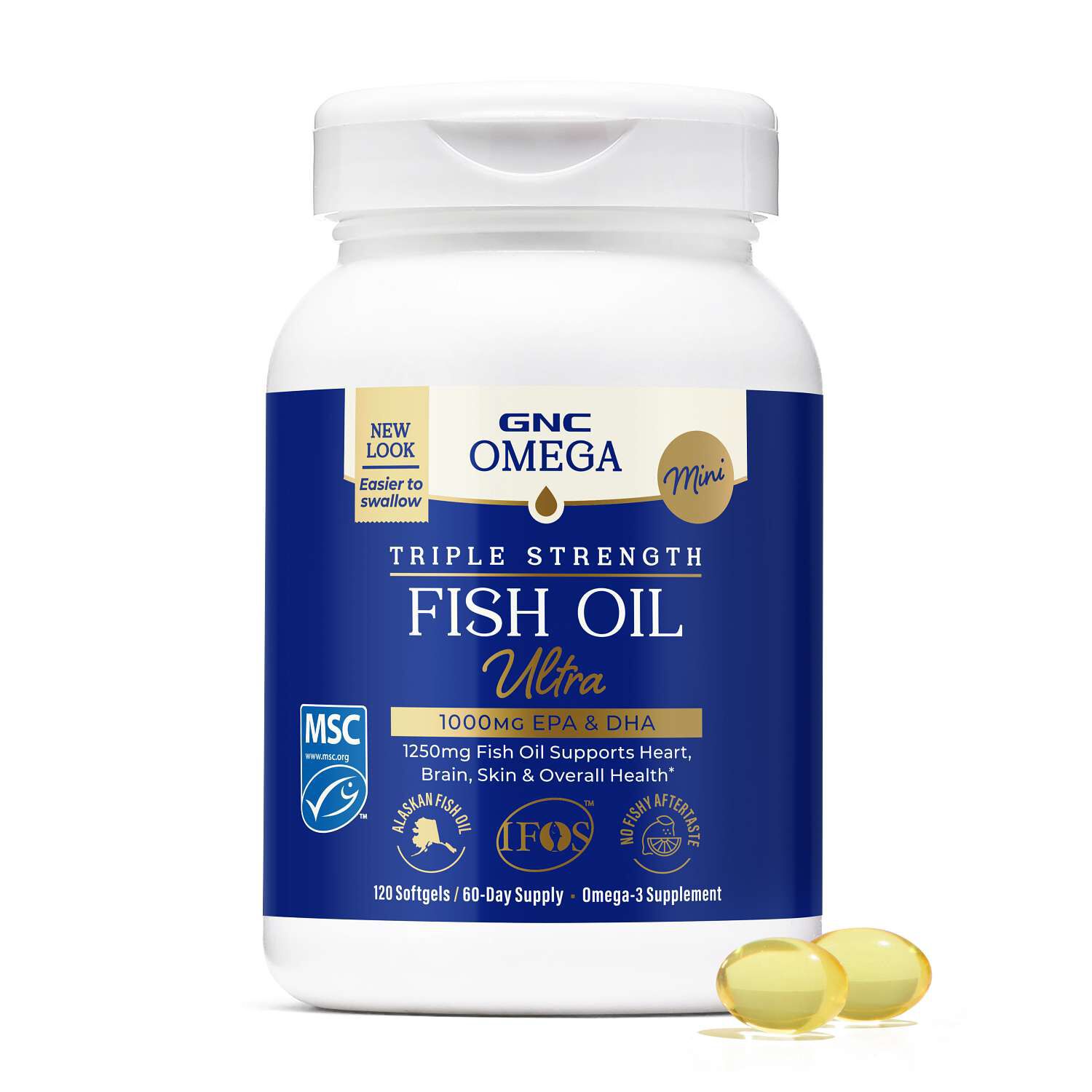
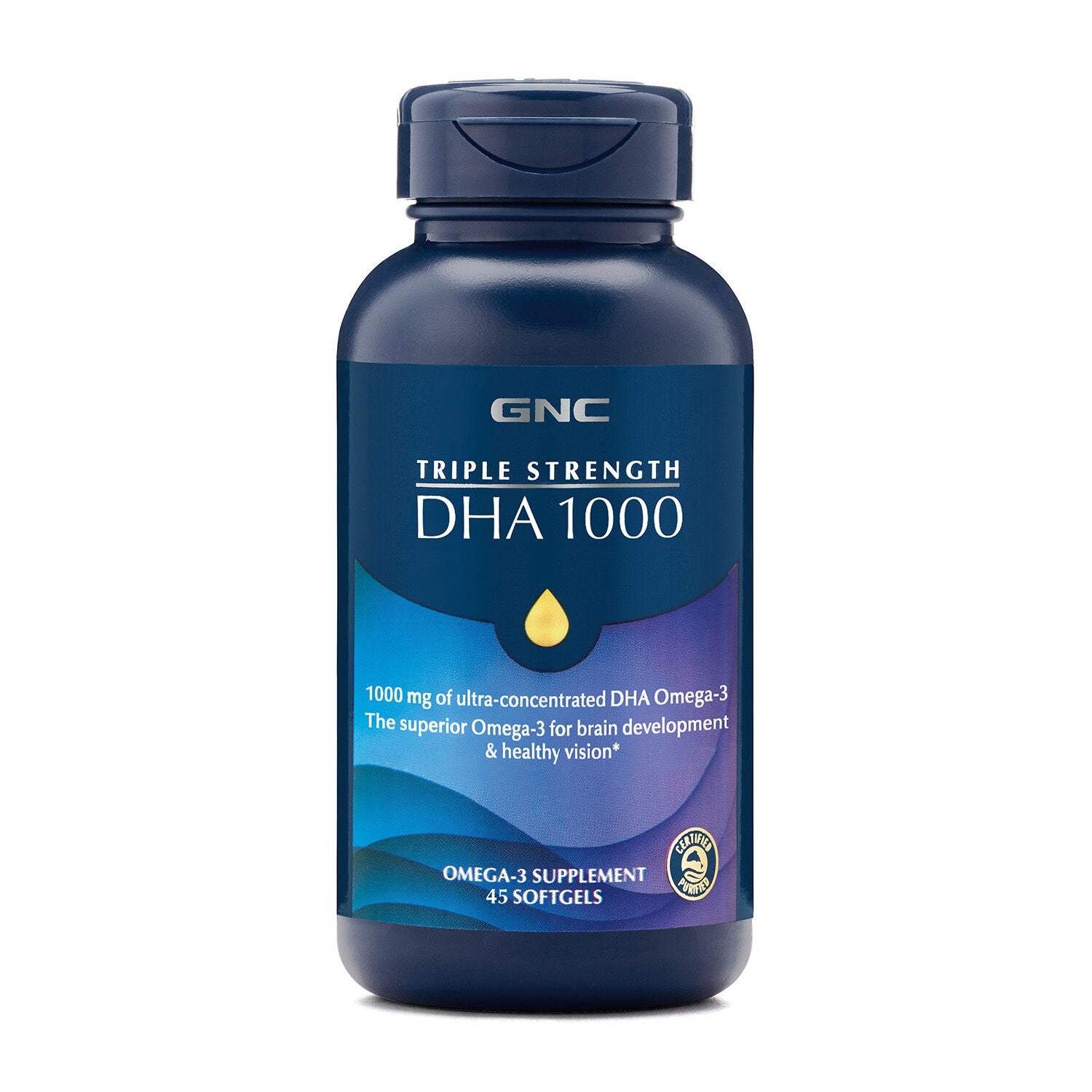
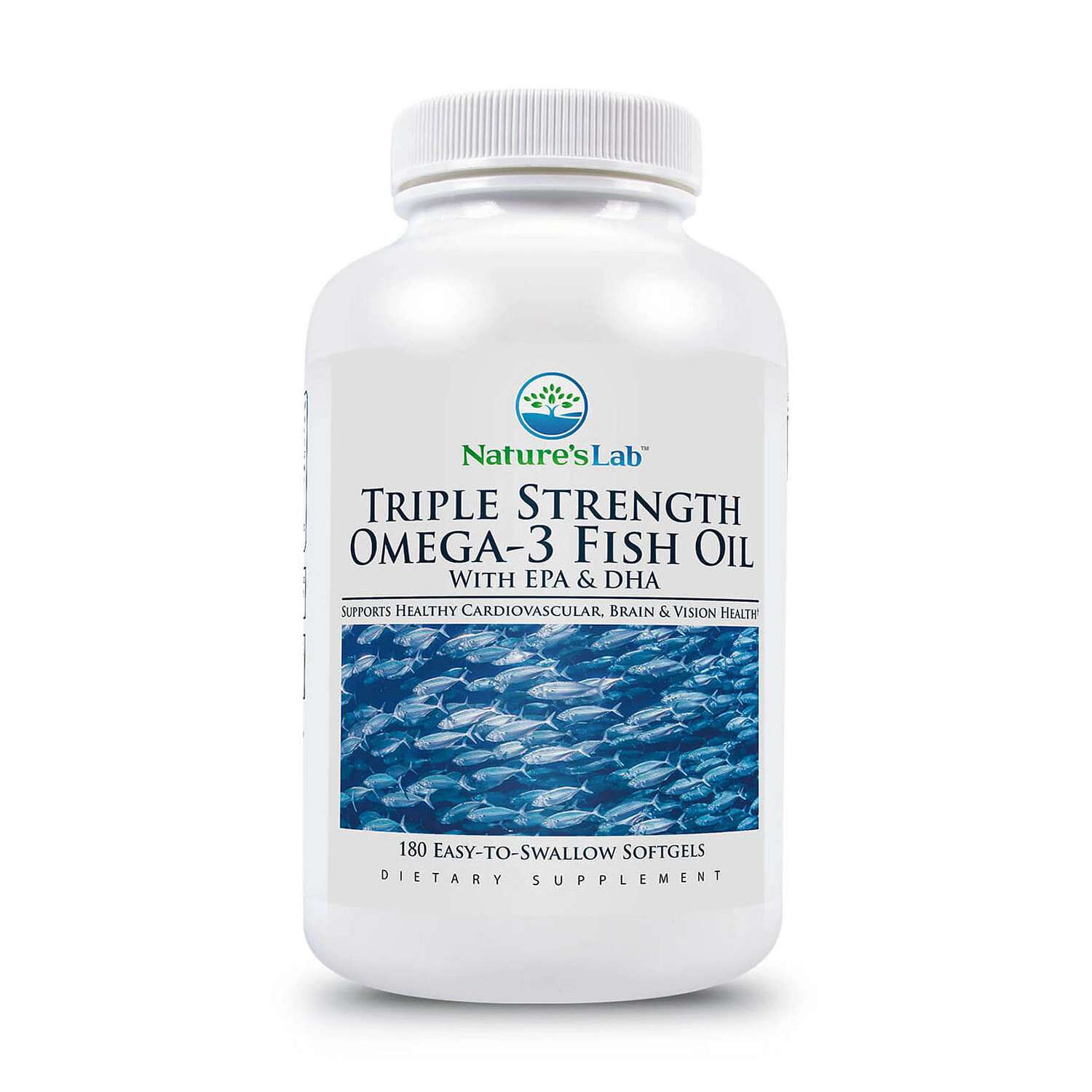
DHA omega-3 softgels are dietary supplements containing docosahexaenoic acid, an omega-3 fatty acid naturally present in the retina. The retina is the light-sensitive tissue at the back of the eye, which helps explain the connection between DHA and discussions of healthy vision. For shoppers interested in eye-focused nutrition, understanding what is inside the softgel is more useful than relying on the largest number on the front of a bottle. DHA is one member of the omega-3 family; EPA, or eicosapentaenoic acid, is another. Some formulas contain both, while others emphasize DHA. Their names sometimes appear together, but their amounts should be read separately when comparing labels. A stated amount of fish oil is not necessarily the same as the amount of DHA, and a combined omega-3 amount does not describe the DHA portion by itself. The Supplement Facts panel offers a clearer picture by listing the serving size and the quantities associated with that serving. This distinction matters when one label describes a serving as a single softgel and another describes it as two or more. Comparing the listed DHA amount per serving, alongside the number of softgels in that serving, creates a more consistent starting point. Shoppers exploring DHA Softgels may also encounter different oil sources, shell materials, and ingredient combinations within the same general category. These details distinguish formulas that otherwise look similar at a glance. DHA also occurs in foods such as certain fish and seafood, so supplements belong within a broader conversation about eating habits rather than standing apart from them. Someone who rarely includes those foods may approach the category differently from someone who eats them regularly. The goal of a thoughtful comparison is to understand the formula, its intended audience, and its directions—not to assume that every omega-3 bottle offers the same composition. A clear description of DHA content provides useful context for that decision without turning a supplement into a shortcut for every aspect of eye care.
The source of the oil and the construction of the capsule are practical considerations when choosing DHA omega-3 softgels for healthy vision. Fish-derived oils and algae-derived oils are two sources shoppers may encounter, and the ingredient list is the place to confirm which one a formula uses. An algae-derived oil does not, by itself, establish that the entire softgel suits a vegetarian eating pattern, because the outer shell has its own ingredients. Traditional softgel shells often contain gelatin, along with ingredients such as glycerin and water; other capsule materials vary by formula. Reading both the active ingredients and the other ingredients gives a fuller picture than an isolated statement about the oil source. Fish species, allergen information, added flavorings, and any additional nutrients also deserve attention when those details matter to a household. A straightforward DHA formula and a blend containing several nutrients represent different compositions, even if both appear in an eye-focused assortment. Capsule dimensions are another everyday consideration. Softgels come in different lengths and shapes, and a photograph does not always communicate how large one will feel in the hand. For an adult who already takes several supplements with breakfast, the serving size and capsule dimensions may matter as much as the ingredient profile. A person who prefers fewer capsules may compare formulas differently from someone who is comfortable dividing a labeled serving according to the package directions. Neither the size of the softgel nor the darkness of the oil establishes its DHA content; the label remains the better reference. Some formulas include flavoring, but flavor preferences are personal, and the ingredient list should identify what has been added. Packaging claims about testing or manufacturing also deserve a careful reading. A named testing program, a clearly described standard, or accessible batch information provides more specific context than a broad quality statement alone. Together, these details help shoppers distinguish between the oil itself, the capsule around it, and the information supplied about how the formula is made.
Everyday suitability also includes how DHA softgels are stored, carried, and incorporated into an established routine. The softgel format encloses oil within a capsule shell, so keeping the container in good condition matters throughout its use. Storage directions vary, making the package instructions the appropriate reference for placement, refrigeration, and handling. A dry cabinet away from direct sunlight, cooking appliances, and bathroom moisture is a common storage setting when it matches those directions. The original container also keeps the ingredient list, serving information, date markings, and lot information together. Closing the lid securely after use helps maintain the intended storage environment, while leaving a bottle in a vehicle or beside a sunny window creates conditions that may differ from those specified on the label. Before packing supplements for a trip, consider whether the destination and luggage arrangements allow for the stated storage conditions. Keeping the labeled packaging accessible is especially useful when several people in a household have similar-looking bottles. At home, a consistent location near an established meal routine may make the package directions easier to remember, provided that location is suitable for storage and beyond children’s reach. Intended use matters just as much as convenience: adult softgels should not be assumed to suit every age group, and serving directions should not be borrowed from another formula. When comparing bottles, the number of servings is more informative than capsule count alone, particularly when serving sizes differ. Date markings and packaging condition add another layer of practical context, since the bottle should remain suitable for the period in which it will be used. For shoppers interested in healthy vision, DHA softgels may complement a considered approach to everyday nutrition, but the strongest product comparison stays grounded in observable details. Oil source, clearly stated DHA content, shell ingredients, serving size, storage needs, and intended audience offer concrete ways to evaluate the category. Those details turn a broad interest in omega-3 nutrition into a more informed selection that fits personal preferences and the realities of daily use.
Best Sellers
-
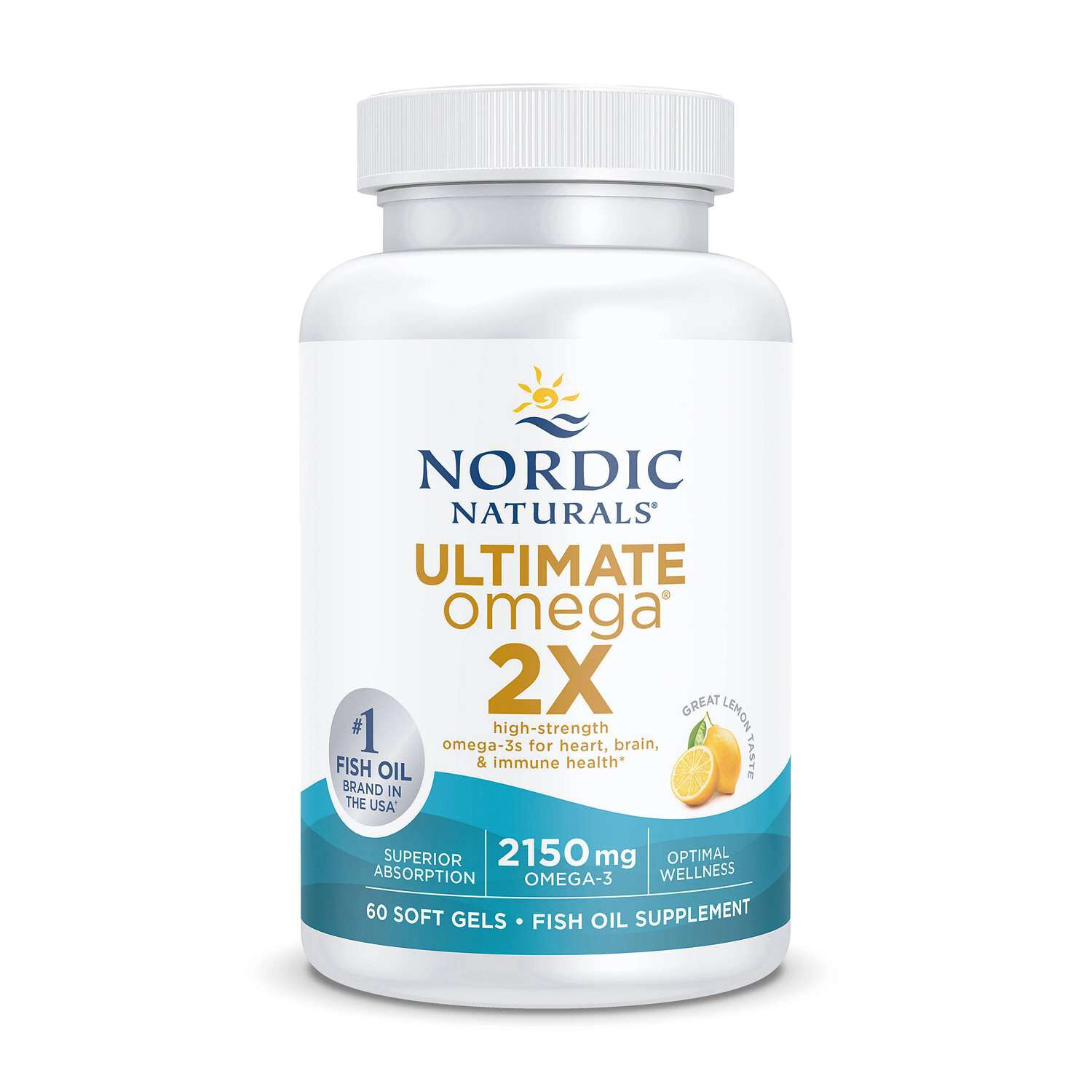
Nordic Naturals
-
Nordic Naturals
-
Nordic Naturals