





DHA Omega 3 Softgels With Enteric Coating
(0 Results)
DHA omega-3 softgels with enteric coating offer a convenient way to support your wellness routine. These supplements may provide a source of essential fatty acids, which are important for overall health. The enteric coating could help ensure the softgels reach the right area of your digestive system. Explore a variety of DHA omega-3 softgels with enteric coating to find an option that fits your lifestyle and nutritional goals.
-

-
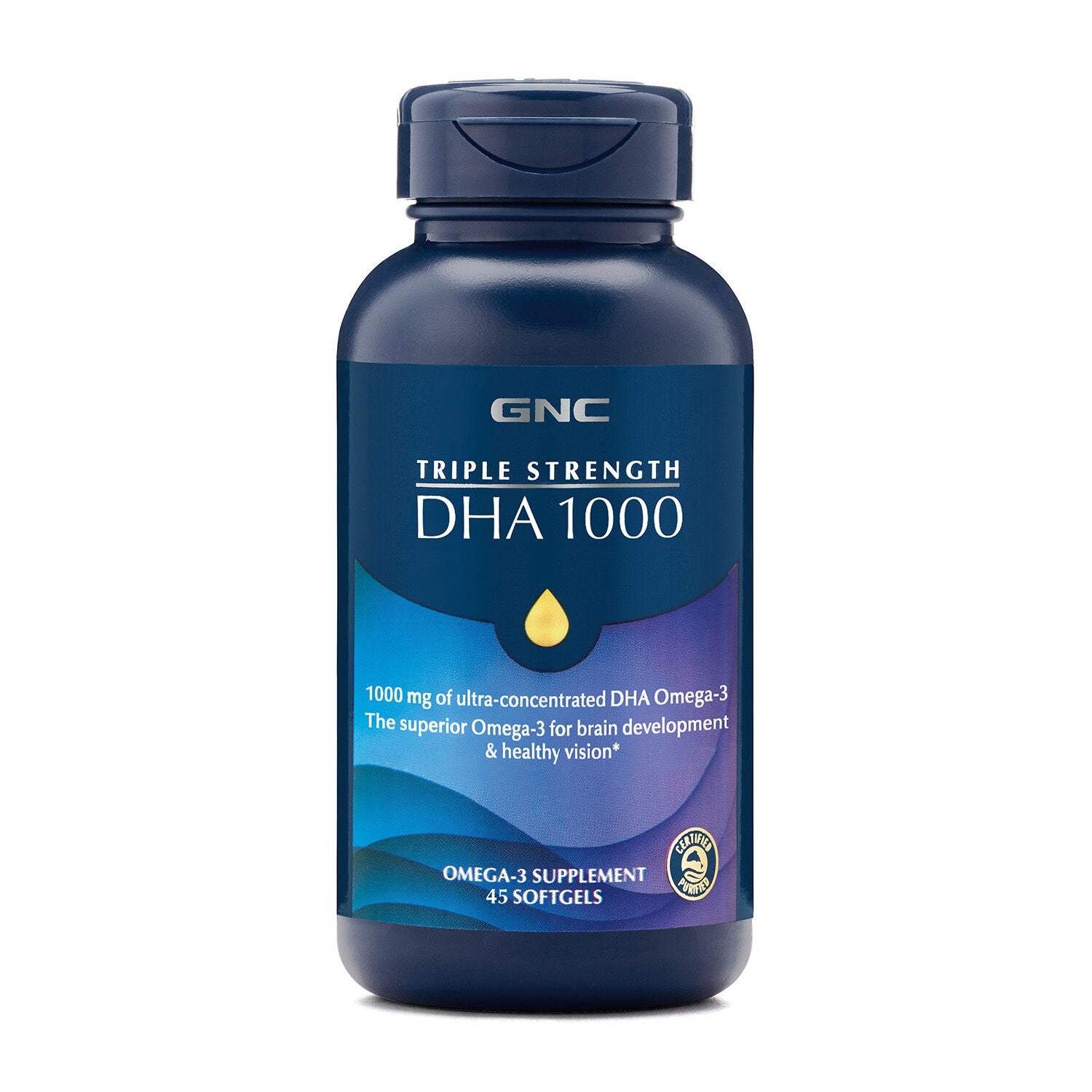
-
 Portions Master$25.99
-
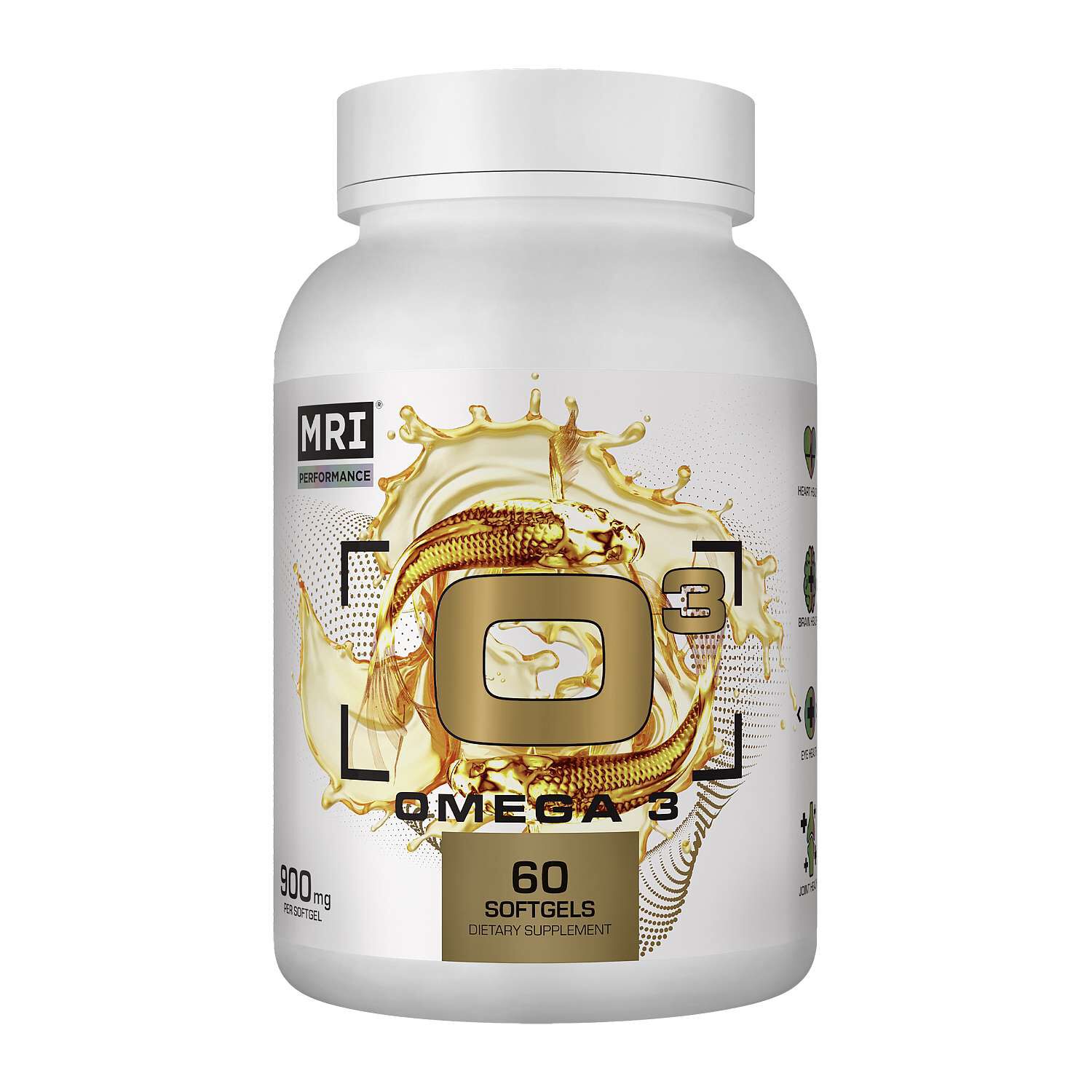 MRI Performance$29.99
-
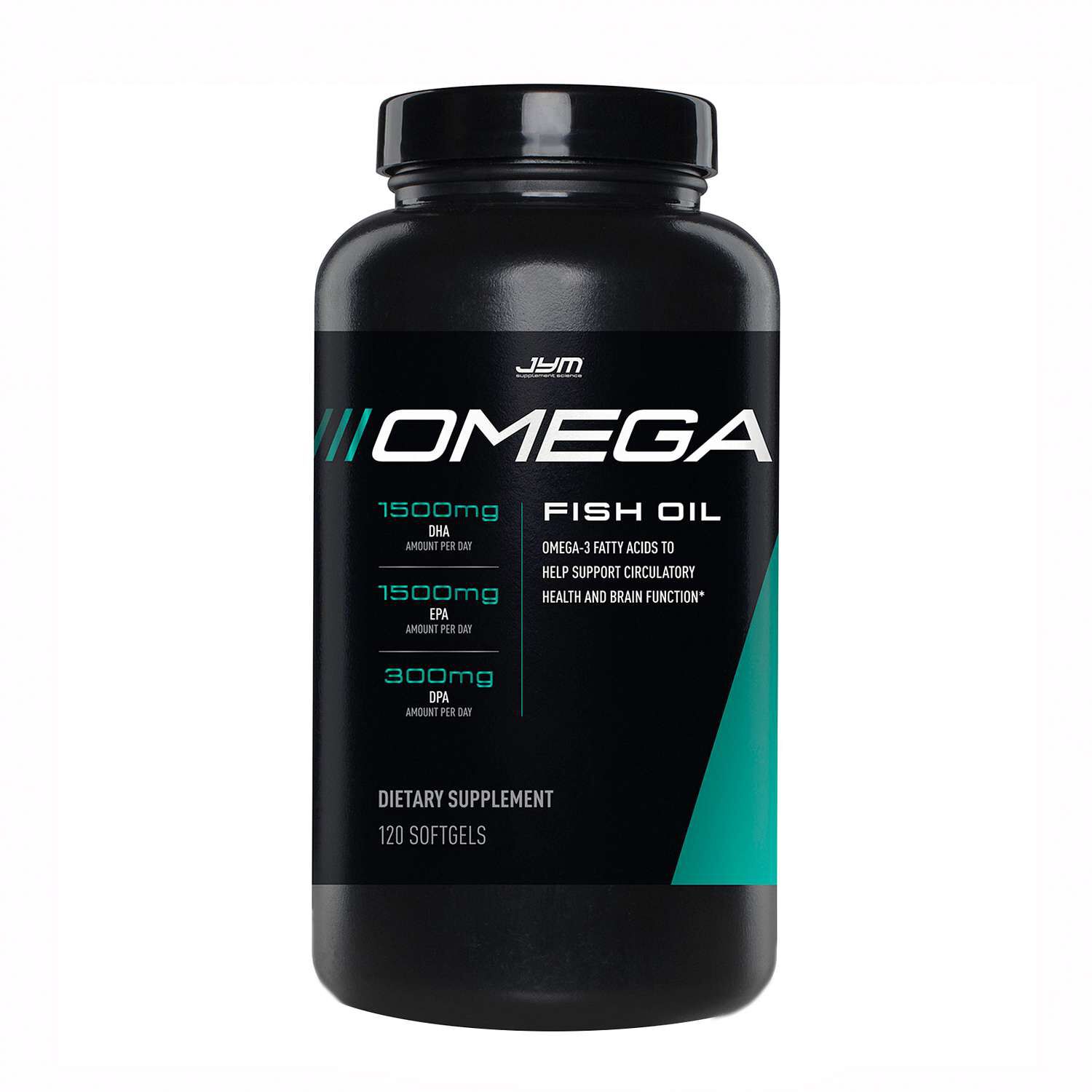
-
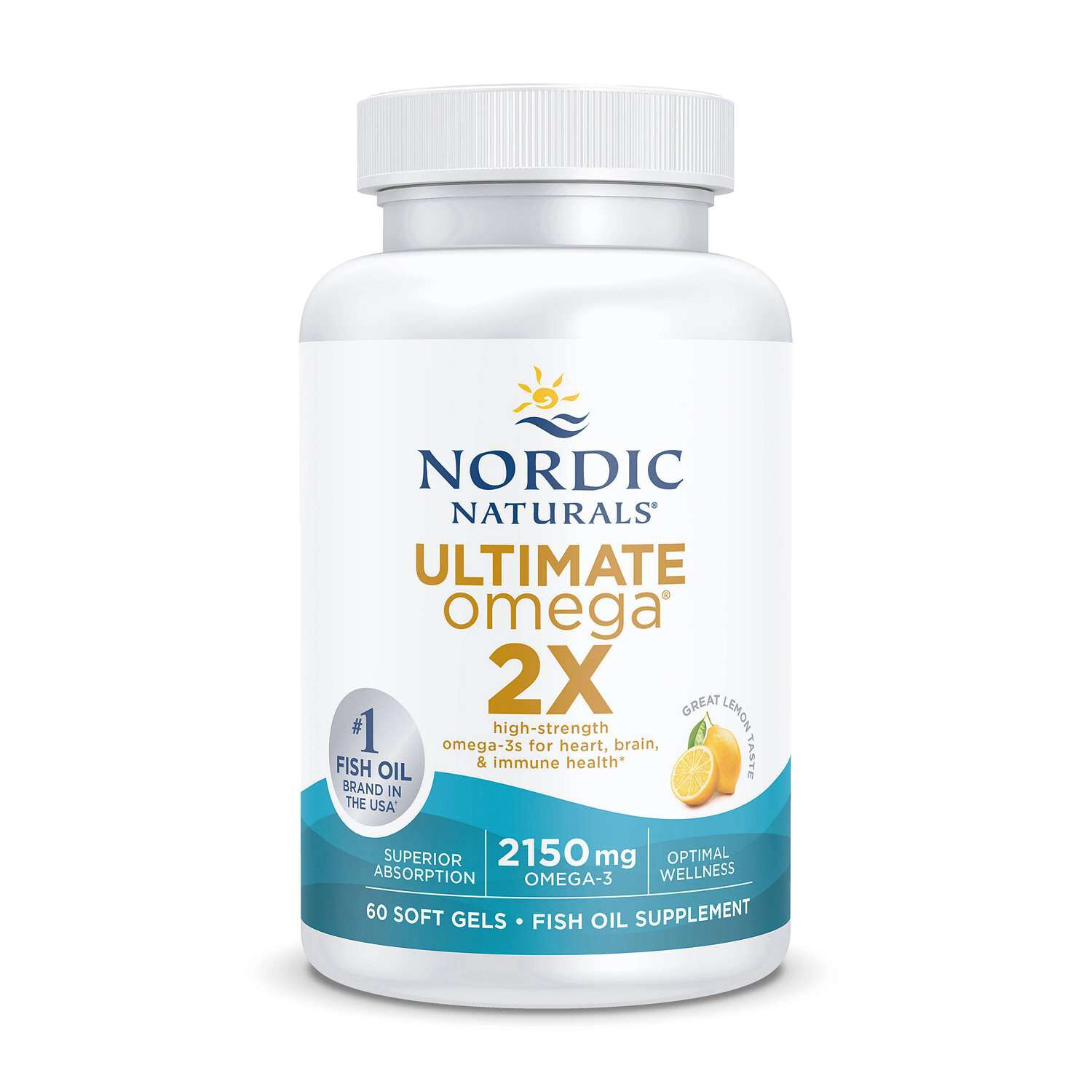
-

-

-

-

-
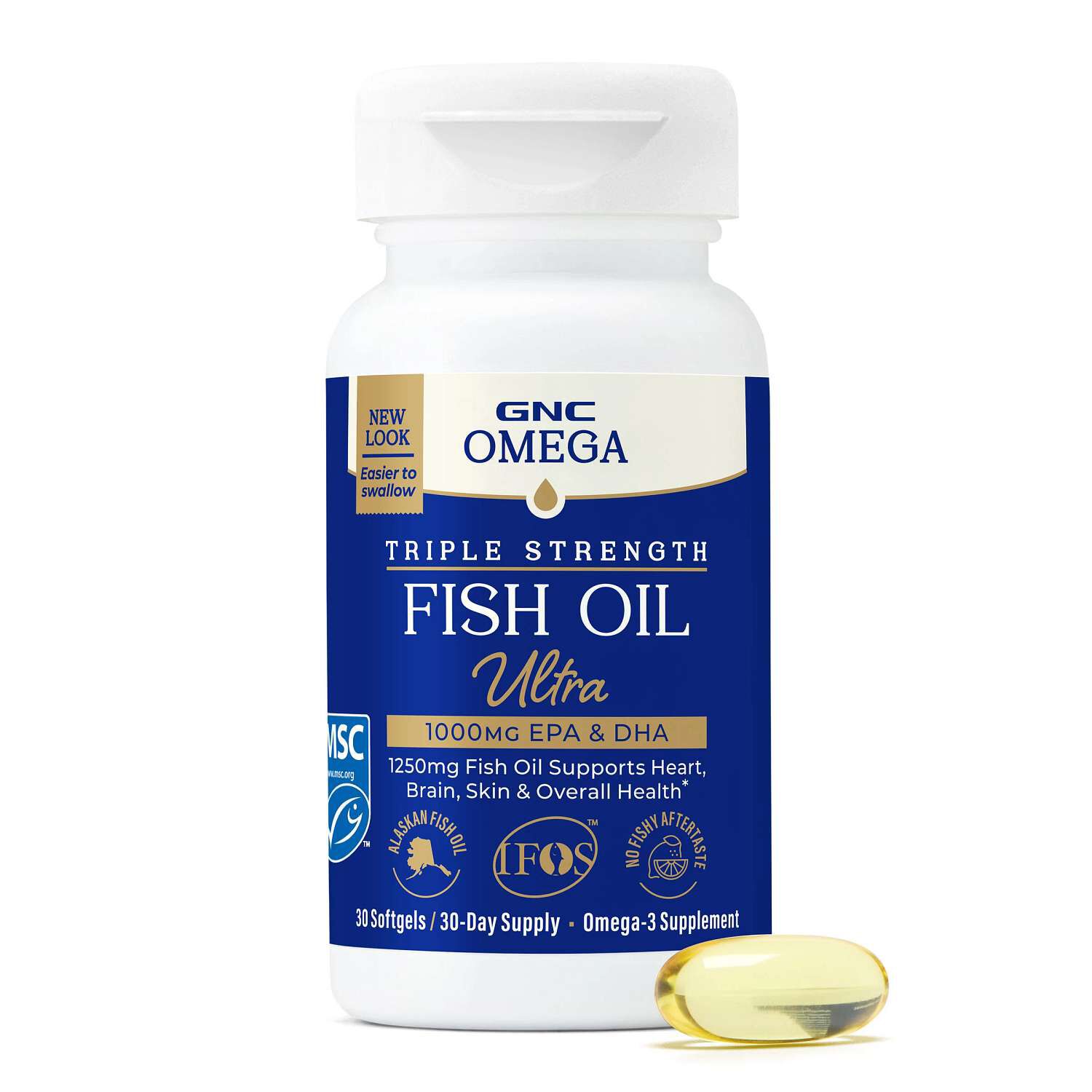
-
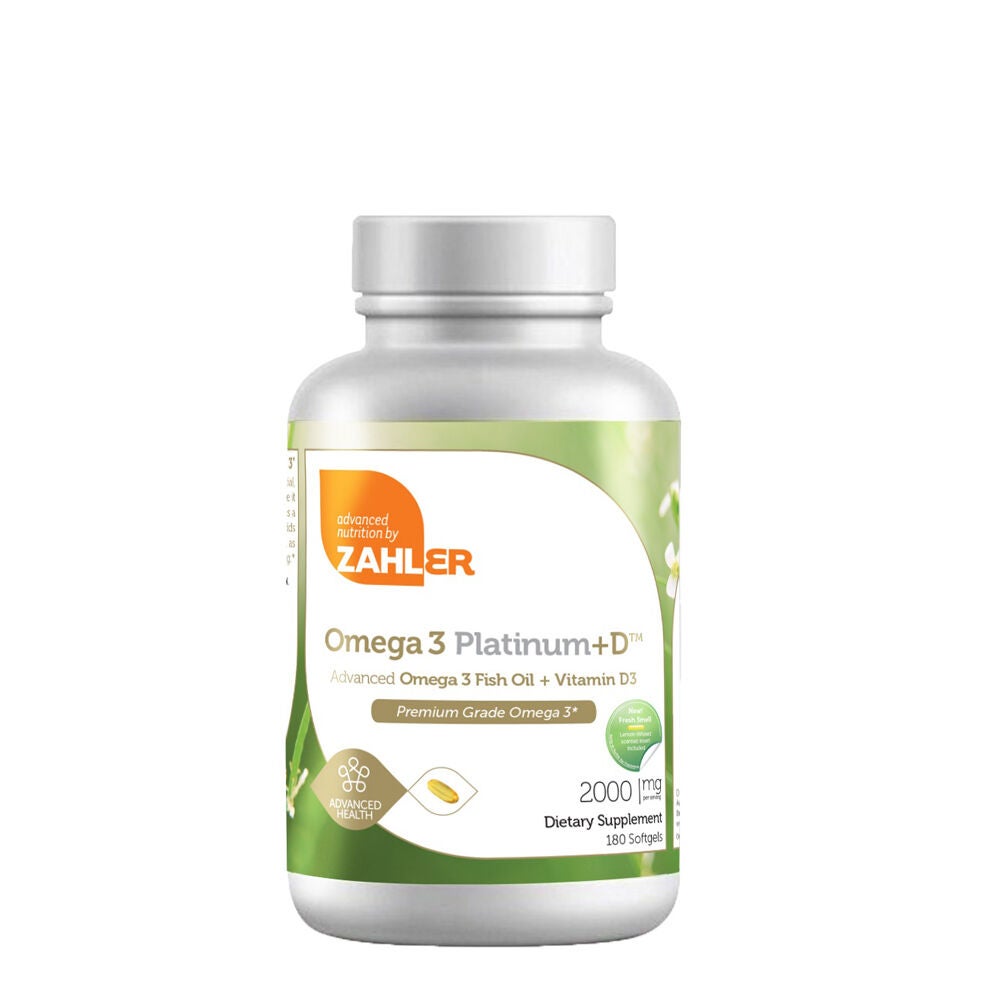
-
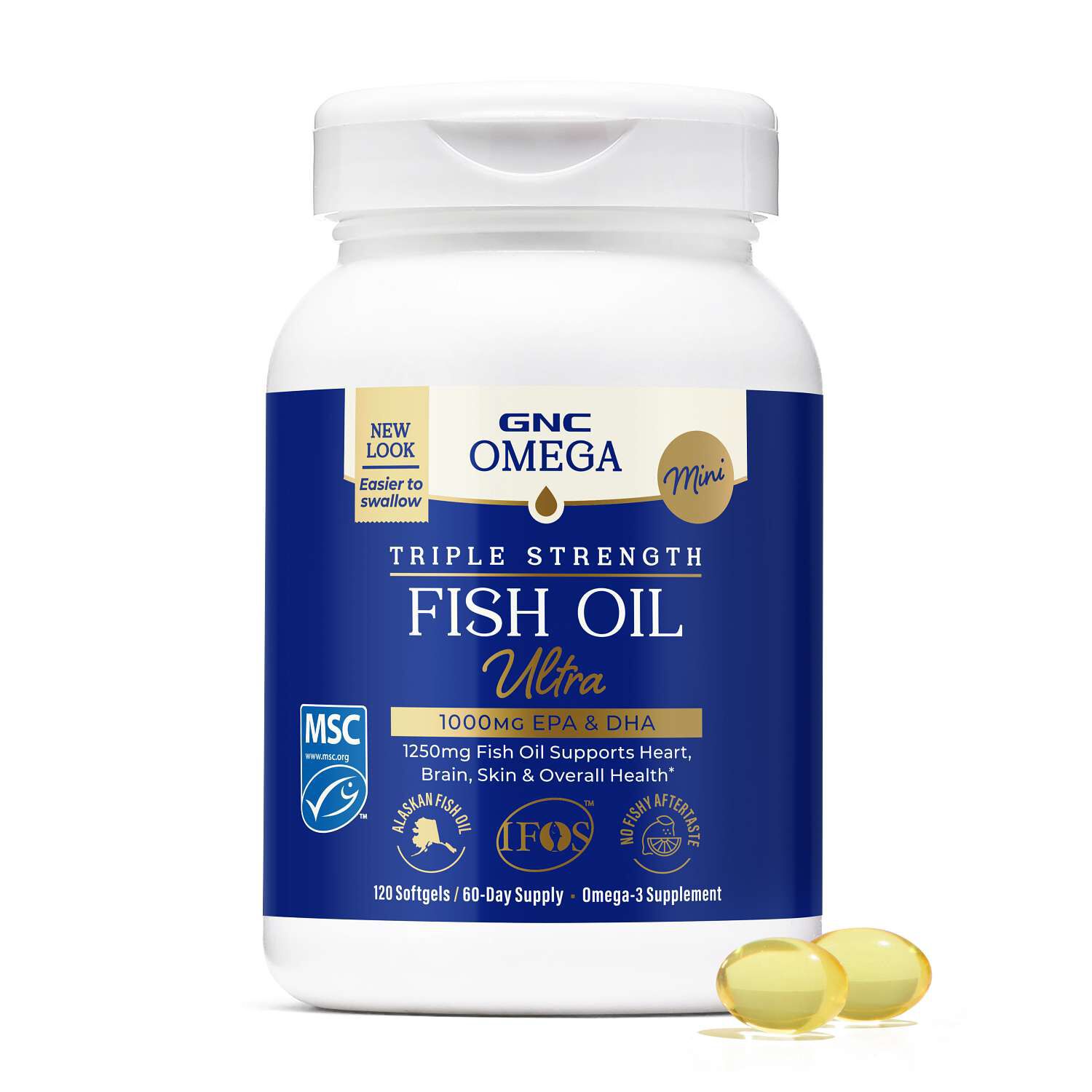
-
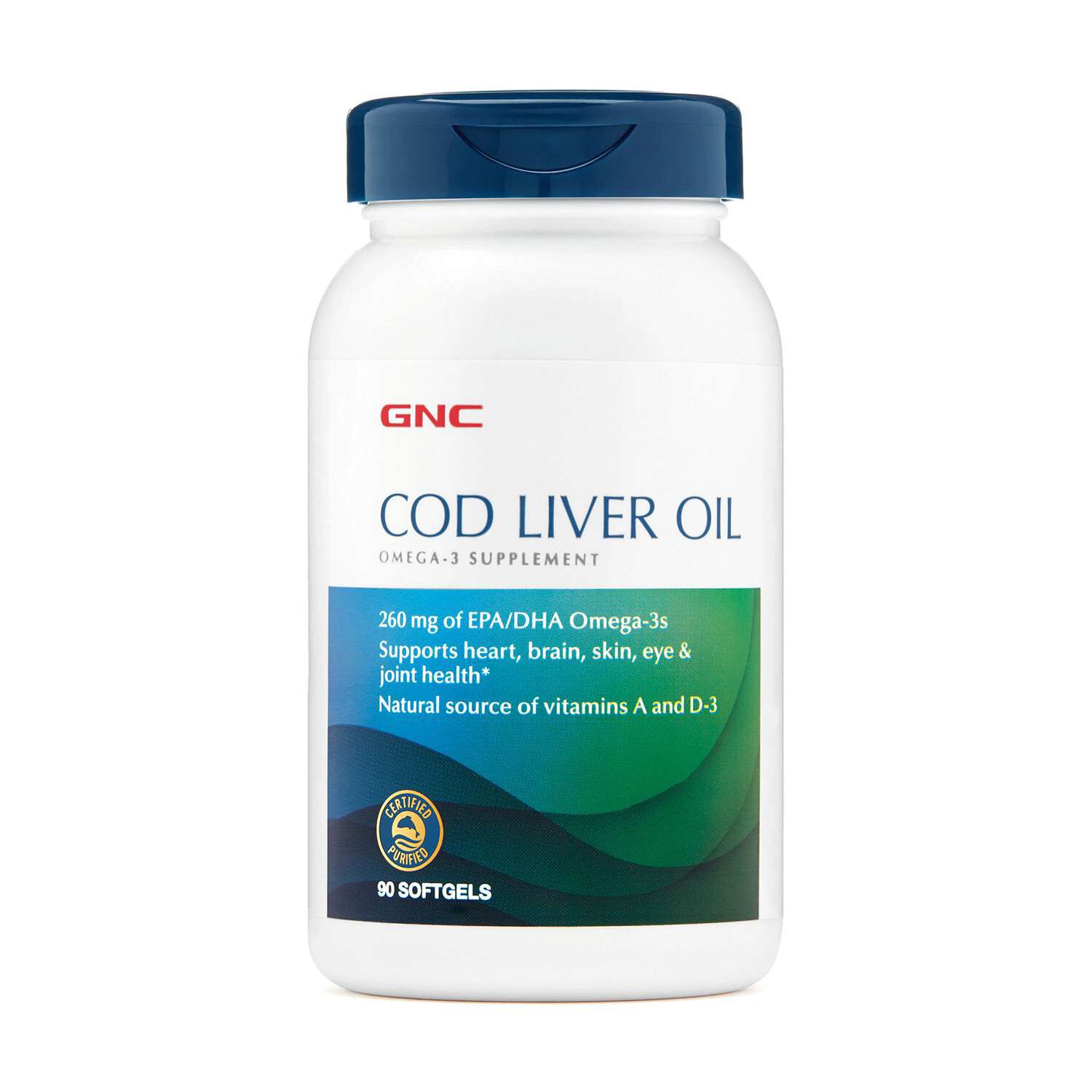
-
-

-
 $24.99
-
 Purity Products$26.99
-

-


DHA omega-3 softgels with enteric coating combine an omega-3 oil, a soft capsule shell, and an outer layer formulated for delayed release. DHA stands for docosahexaenoic acid, one of the omega-3 fatty acids commonly identified on supplement labels. It often appears alongside EPA, or eicosapentaenoic acid, although the proportions vary by formula. The enteric coating is a feature of the capsule’s construction, not a separate nutrient or a description of how much DHA it contains. This outer layer may resist opening in the acidic environment of the stomach and may allow the softgel to release its contents farther along the digestive tract, usually in the small intestine. Delaying release in this way may help limit fishy aftertaste, an important consideration for shoppers who prefer an omega-3 supplement without a lingering reminder of its oil source. Experiences can vary, and an enteric-coated format does not establish that every person will notice the same difference. These softgels are a supplement format rather than a flavored drink, chewable, or liquid oil measured by the spoonful. Their sealed shells contain a measured amount of oil, while the coating distinguishes them from softgels designed for immediate release. For someone comparing bottles on a shelf, that distinction can be more useful than the appearance of the capsule alone: two similarly shaped softgels can have different release designs, oil sources, and DHA amounts. Fish-derived oils and algae-derived oils are both relevant to the broader DHA category, so the source deserves attention independently of the coating. A preference for an enteric-coated capsule does not necessarily indicate a preference for a particular oil source. DHA omega-3 softgels with enteric coating are best understood through those separate characteristics—what is inside the capsule, what the shell is made from, and how the outer layer is formulated—rather than through a single number printed prominently on the bottle.
The amount of oil in a serving and the amount of DHA in that serving are different measurements. A label may identify the weight of fish oil or another source oil, then list DHA and EPA separately in the Supplement Facts panel. Those individual amounts give a clearer picture of the formula than the oil weight alone. Serving size also matters when comparing formulations: a stated amount may refer to one softgel or to several softgels, and similar-looking bottles can use different serving sizes. Some formulas emphasize DHA, while others pair it with a larger proportion of EPA or additional ingredients. These differences describe composition; they do not, by themselves, establish that one formula is the right choice for every shopper. Capsule materials add another layer of distinction. Softgel shells commonly contain gelatin, along with ingredients such as glycerin and water, while the enteric layer has its own formulation. The ingredient list and any dietary labeling provide context for preferences involving animal-derived materials, fish ingredients, or other components. An algae-derived oil does not automatically mean the capsule shell is plant-based, just as a delayed-release coating does not identify the source of the oil inside. Size and shape are practical considerations as well. An elongated softgel can look quite different from a shorter oval capsule, and bottle photographs do not always communicate those dimensions clearly. Capsule count describes the number of softgels in the package, whereas the number of servings depends on the labeled serving size. Packaging details, source information, and any stated testing practices can also distinguish formulas. When a label describes testing or a manufacturing process, the specifics are more informative than a broad quality phrase. Details such as which ingredients were evaluated and what the testing statement covers offer context without turning the coating itself into a measure of purity. Together, these label details describe the supplement more precisely than capsule color, bottle size, or the prominence of the DHA name.
For adults who already include supplements in their routines, an enteric-coated omega-3 softgel may be a format worth comparing with an uncoated capsule or a liquid oil. Someone who dislikes measuring oil into a spoon may prefer the contained format, while another shopper may be more interested in the relationship between DHA and EPA or the source of the capsule shell. A bottle kept alongside other labeled supplements, a clearly organized kitchen cabinet, or a designated place for personal-care supplies are familiar settings for this type of product. The labeled directions remain the reference for intended use, including any instructions about food and serving size; the enteric coating is not a reason to substitute assumptions for those directions. Care of the package also matters because the softgel shell and outer coating are physical materials. A securely closed bottle and storage consistent with the label may help protect the capsules from moisture and unnecessary exposure. A bathroom counter beside a frequently used shower, for example, presents a different storage environment from a dry cabinet. Keeping softgels in their original labeled container preserves access to the ingredient list, directions, lot information, and date markings. Capsules that are stuck together, leaking, or visibly damaged deserve attention rather than being treated as interchangeable with intact softgels. The coating is part of the capsule’s design, so altering the shell would change the format described on the label. Shoppers interested in another DHA-focused assortment can also explore DHA Omega 3 Softgels For Healthy Vision, with the same attention to source, composition, serving size, and capsule materials. Across these related categories, familiar terms such as DHA, omega-3, softgel, and enteric coating each describe a different aspect of the product. Keeping those distinctions clear makes it easier to recognize meaningful differences between formulas without assuming that a shared category name means identical contents. The defining appeal of this assortment is its combination of DHA-containing oil and a delayed-release capsule design, with the finer details found in each formula’s labeling and construction.
Best Sellers
-
Nordic Naturals
-
Nordic Naturals
-
Nordic Naturals