





Fish Oil Supplements For Thanksgiving Wellness
(0 Results)
Fish oil supplements for Thanksgiving wellness could be a thoughtful addition to your seasonal routine, supporting your efforts to feel your best during the festivities. As you gather with loved ones and enjoy hearty meals, exploring options that fit your lifestyle may help you stay on track with your wellness goals. Discover a variety of fish oil supplements for Thanksgiving wellness that might complement your holiday plans and support a balanced approach to the season.
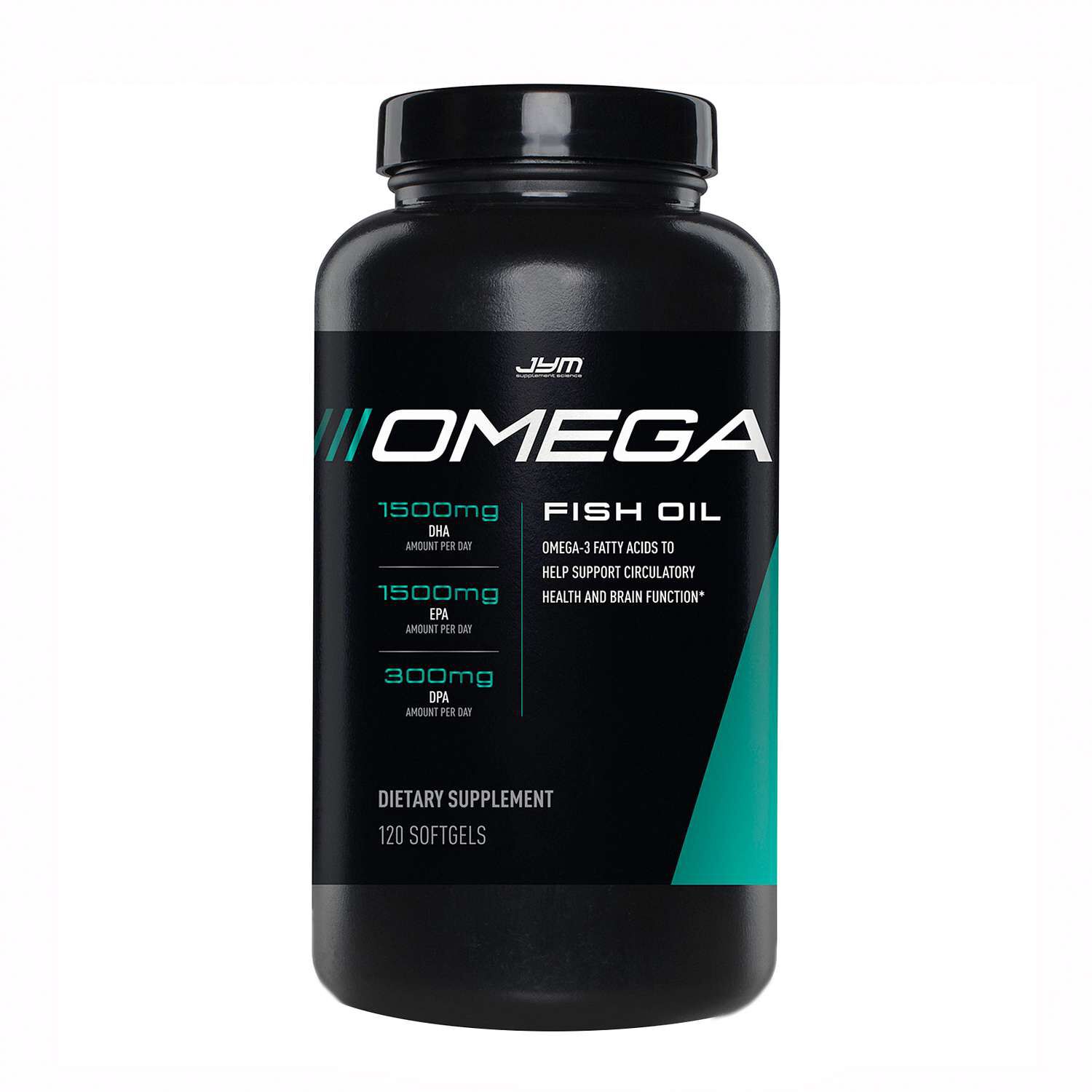




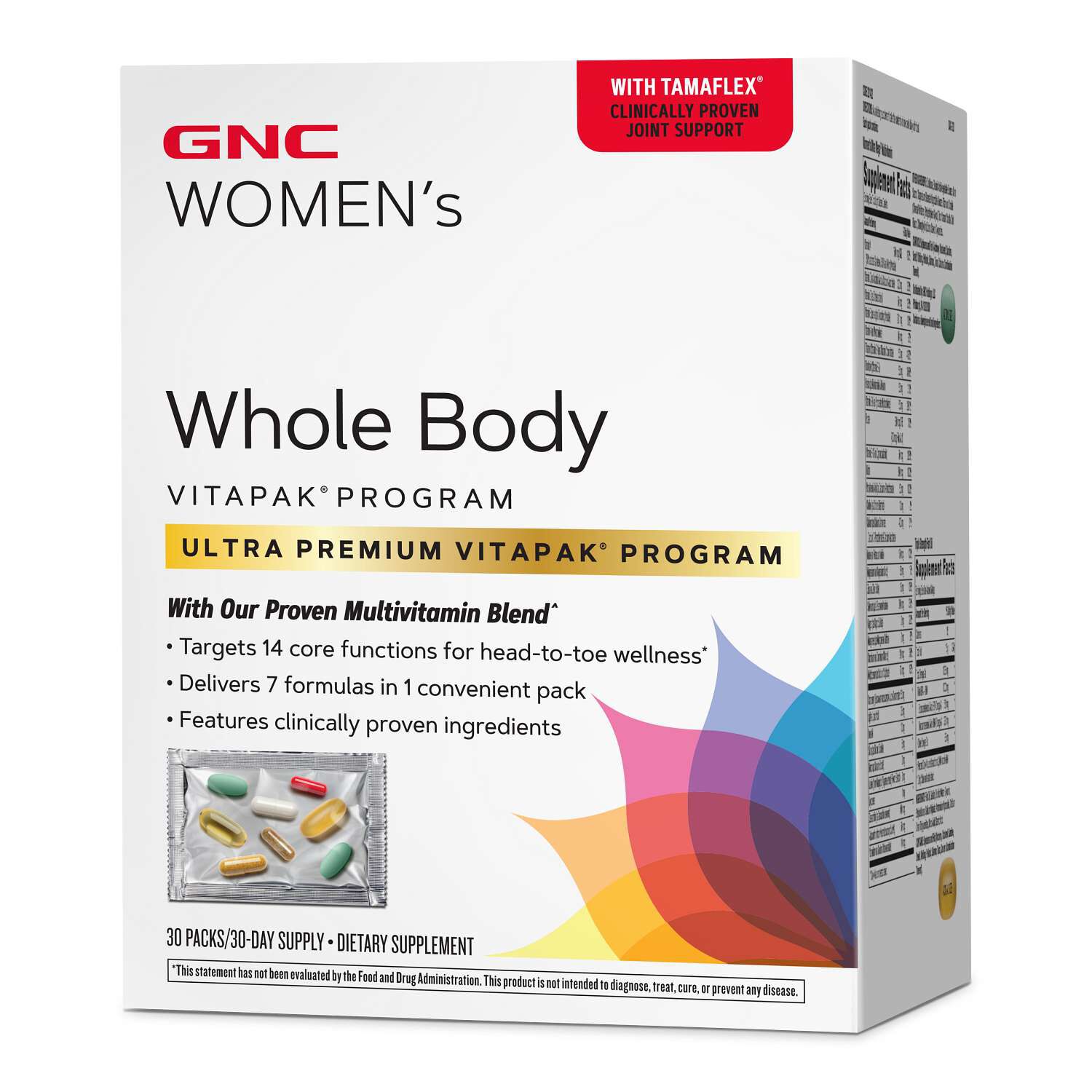


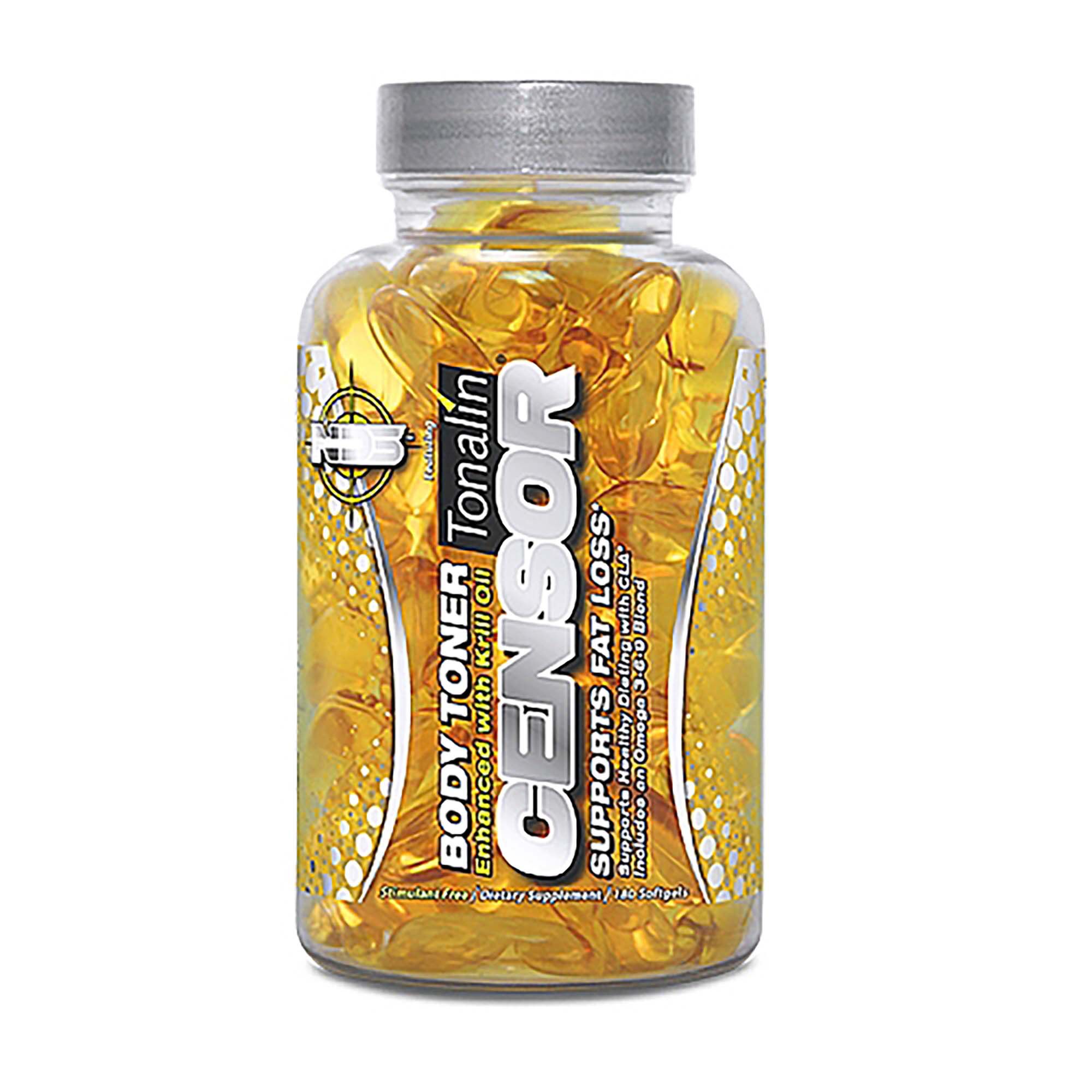


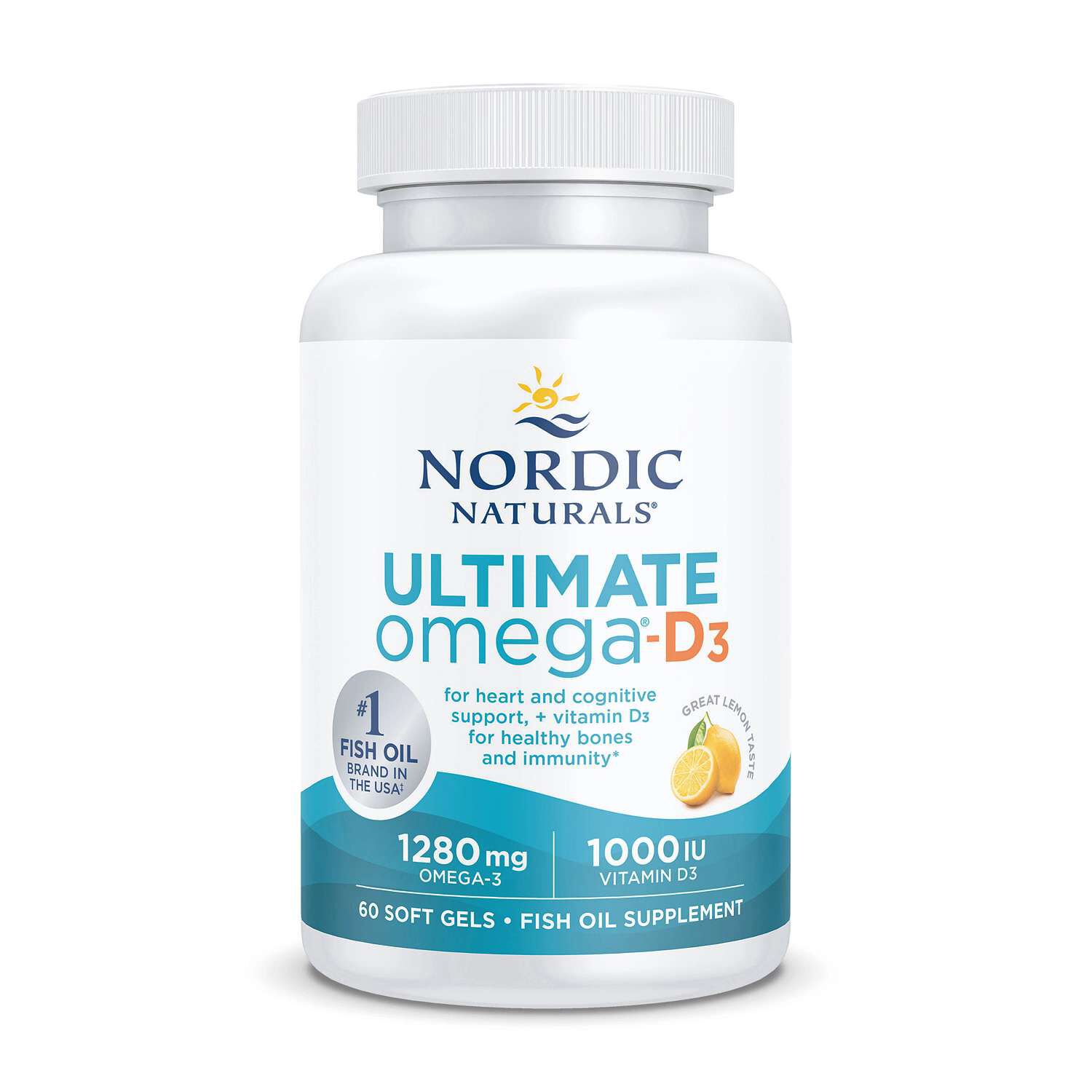


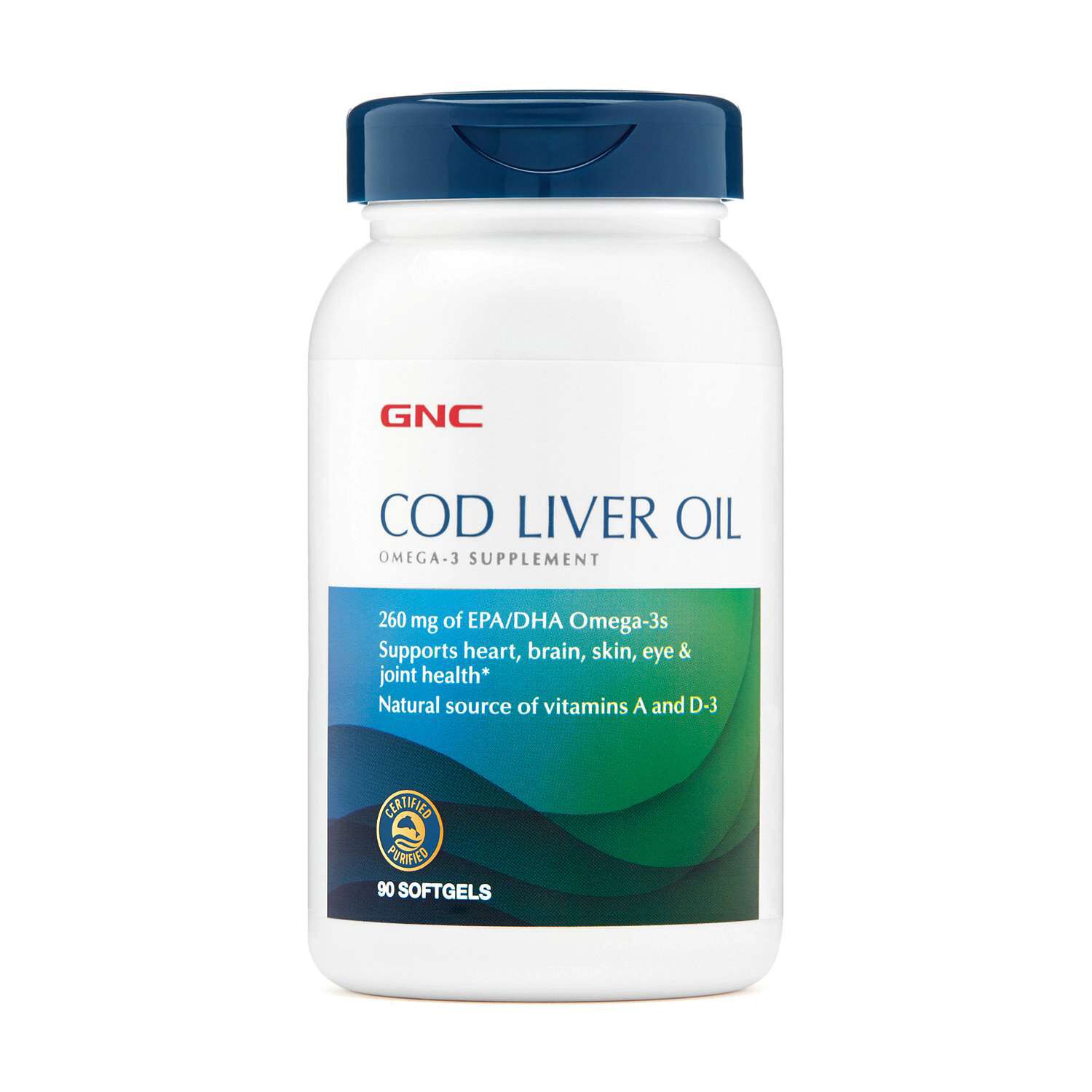


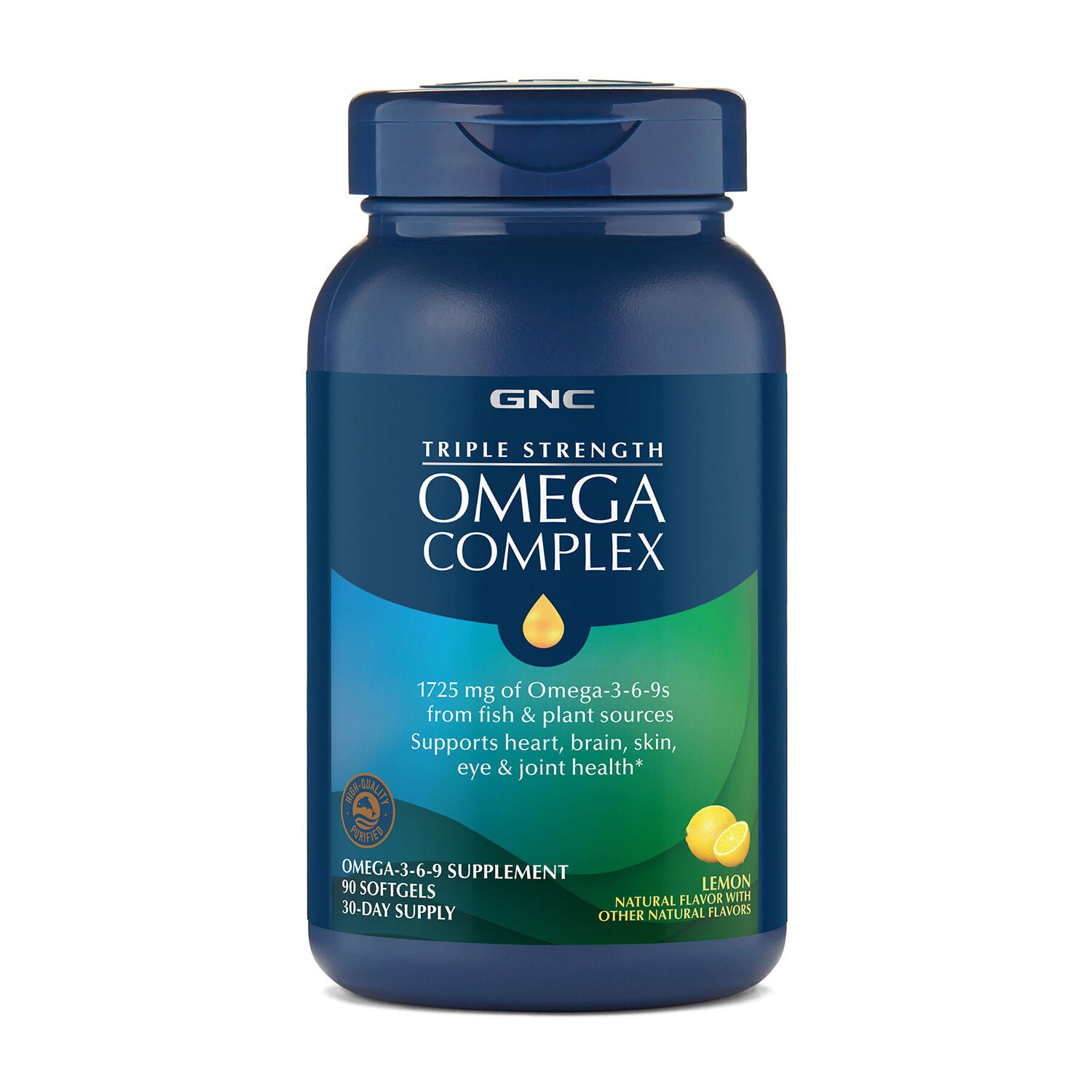

Fish oil supplements for Thanksgiving wellness bring a familiar nutritional routine into a holiday centered on food, family, and time together. Between planning a turkey dinner, packing for a visit, and making room around the table, everyday habits often share space with a different schedule. This category focuses on fish-derived omega-3 supplements, most commonly offered as softgels or liquids, for adults interested in adding these nutrients to their usual dietary intake. Fish oil contains EPA and DHA, short for eicosapentaenoic acid and docosahexaenoic acid, two types of omega-3 fatty acids also found in fatty fish such as salmon, sardines, and mackerel. Their presence is a defining feature of fish oil, but the amounts vary by formula and serving size. A bottle’s stated fish oil amount is not necessarily the same as its combined EPA and DHA content, making the Supplement Facts panel an important point of comparison. For example, two formulas with the same amount of fish oil per serving can contain different amounts of these individual omega-3s. Thanksgiving provides a natural occasion to think about how a supplement fits alongside everyday eating patterns, rather than treating it as the centerpiece of holiday wellness. A traditional spread of roasted turkey, sweet potatoes, green beans, cranberry sauce, and pumpkin pie has its own place in the celebration; fish oil belongs to a separate conversation about regular nutritional preferences. It is not a substitute for varied meals or a reason to change expectations about an indulgent dinner. Some shoppers explore this category because fish rarely appears on their weekly menu, while others are comparing formats for an established routine. The most relevant distinctions are practical and specific: the source of the oil, the EPA and DHA amounts, the number of softgels in a serving, and the ingredients used to make the finished supplement. Those details make the category easier to understand without tying a purchase to a single holiday meal.
The format of a fish oil supplement shapes the experience of using it, from the size of the serving to the space it occupies in a kitchen cabinet. Softgels enclose a measured amount of oil in a shell, often made with gelatin and other ingredients that maintain its texture. Shell composition matters to shoppers with particular dietary preferences, and fish-derived oil is not suitable for a vegan eating pattern. The oil source and the capsule material are separate details, so both deserve attention when comparing ingredient lists. Softgel dimensions also vary; a larger capsule does not, by itself, indicate a larger amount of EPA or DHA. Serving size provides the missing context, since one formula may list its nutrients for one softgel while another lists them for two or more. Liquid fish oil offers a different format, with a measured serving rather than a capsule count. Some liquids and softgels include flavorings, such as lemon, while others have no added flavor. Flavor preferences are personal, and a flavored formula can still have a characteristic fish oil aroma or taste. For someone packing an overnight bag for Thanksgiving, the difference between a bottle of softgels and a liquid container may be especially relevant. Bottle dimensions, closure design, and any refrigeration instructions affect how easily each format fits into travel plans. At home, storage requirements are equally important. Fish oil is sensitive to heat, light, and air, and packaging and label directions help define appropriate care. The printed date, instructions for storage after opening, and directions for closing the container are more useful considerations than assuming every bottle belongs beside the stove or on a sunny counter. Some liquid formulas call for refrigeration after opening; requirements differ, so the individual label remains the reference. A sensible comparison accounts for the whole experience of owning the supplement, including measuring, storing, transporting, and keeping its original directions close at hand.
Thoughtful shopping for Thanksgiving wellness also means distinguishing straightforward product information from broad seasonal language. A reference to holiday wellness does not explain a formula’s contents; the ingredient list and Supplement Facts panel do. Fish species, sourcing statements, processing details, and documented testing information provide additional context when those details appear on the packaging. A statement about testing is most informative when it identifies what was evaluated and who performed the evaluation, rather than relying on an impressive-sounding phrase alone. Similarly, a concentration description needs the accompanying EPA and DHA amounts to make comparisons meaningful. Some formulas contain fish oil alone as their featured ingredient, while others pair it with additional nutrients. Those combinations warrant a closer look from shoppers who already use a multivitamin or another supplement, because a seasonal theme does not make two formulas interchangeable. Fish and other allergen declarations are another important part of understanding a product’s composition. These considerations apply whether the bottle is intended for a familiar spot in the pantry or for a longer stay with relatives. Picture the small practical differences: a guest room without a refrigerator, a suitcase with limited upright space, or several household members keeping their supplements in the same cabinet. Clear labeling, appropriate storage, and a format that suits the intended user matter more than festive packaging. For gifting, fish oil is a personal choice best reserved for someone who has specifically requested it and shared their preferences. A recipient’s favored serving format, ingredient requirements, and existing routine are not details to guess at, even with good intentions. Shoppers thinking beyond Thanksgiving can also explore Fish Oil Supplements for Christmas Health for a related holiday collection. Across both occasions, the useful focus stays the same: understanding what a formula contains and how its format fits everyday life. Fish oil supplements may complement a considered approach to nutrition, but their place is in an individual routine, not in expectations of a special result from a holiday purchase.
Best Sellers
-
 Nordic Naturals
 -
 Nordic Naturals
 -
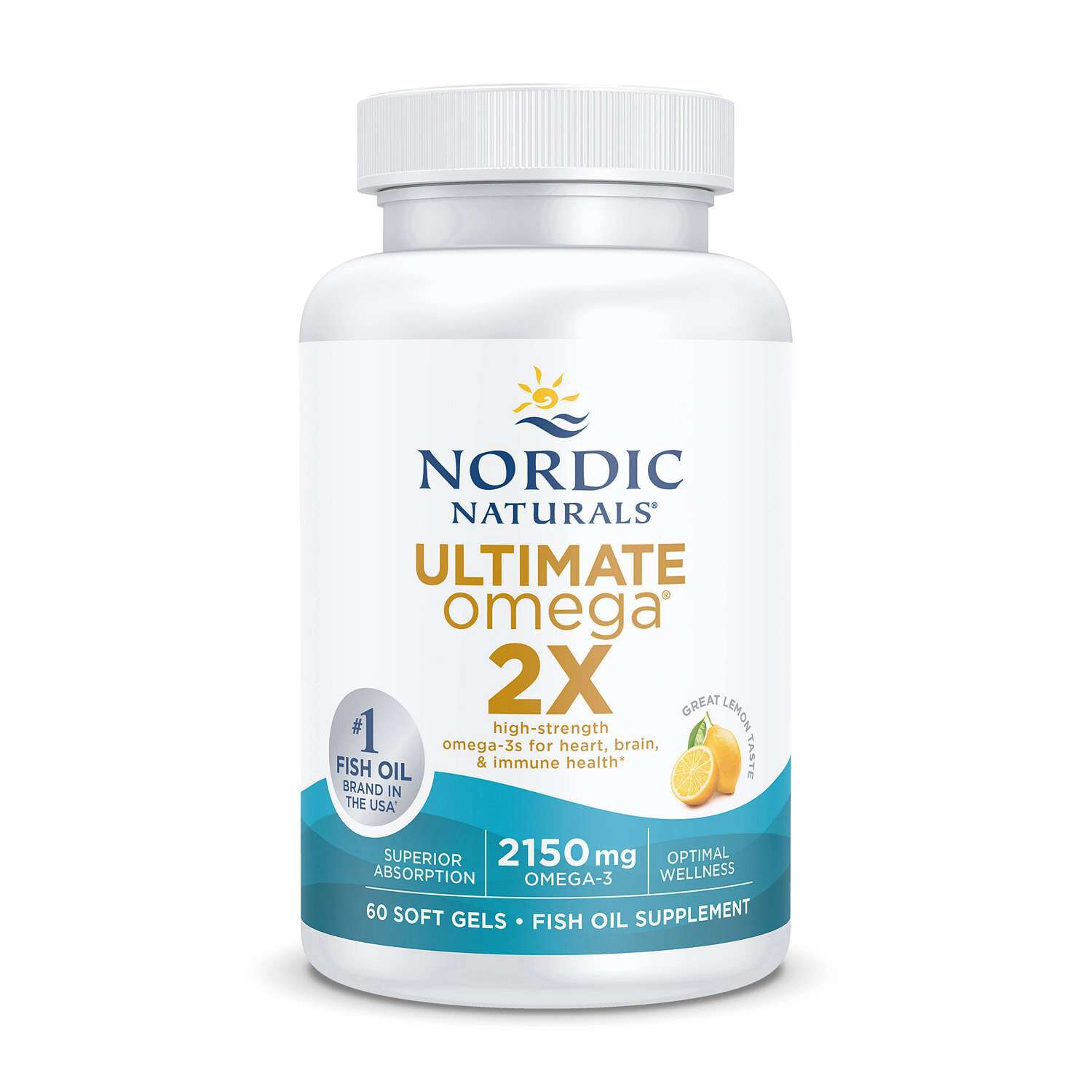 Nordic Naturals